Aghia Monì
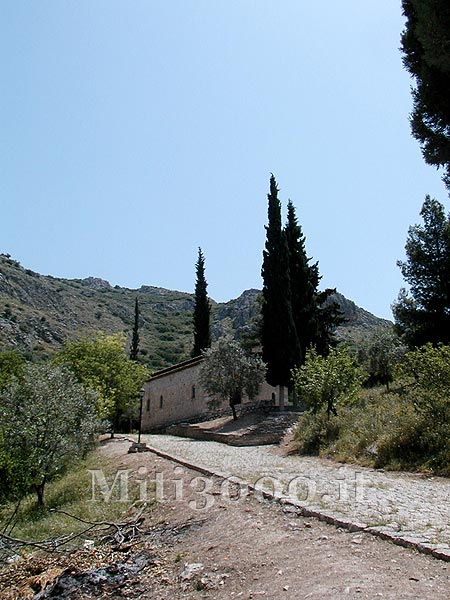
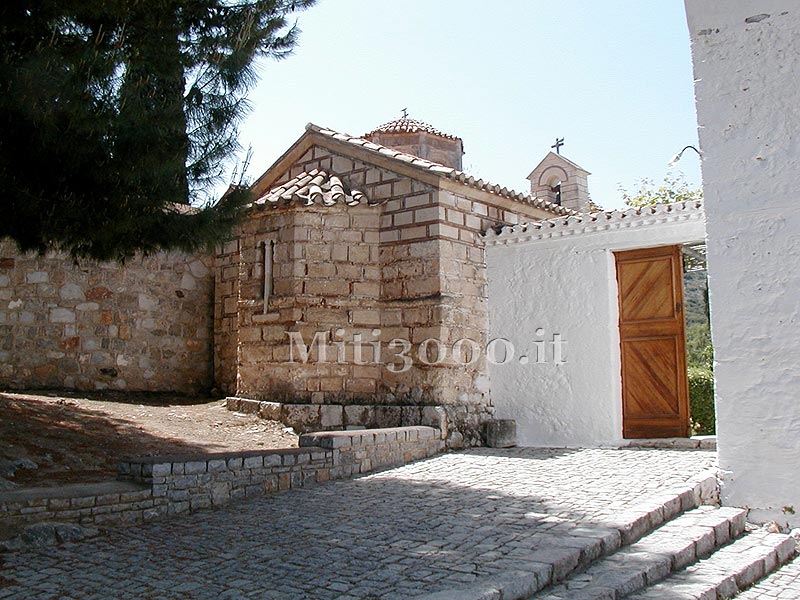
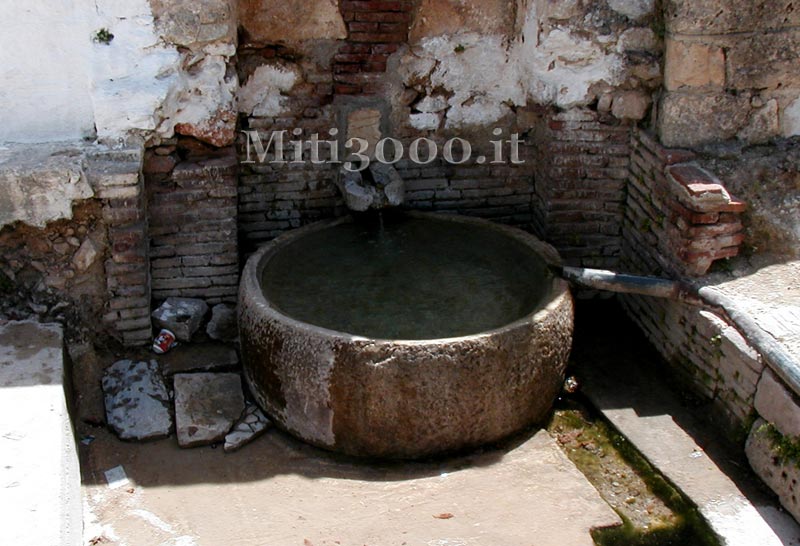
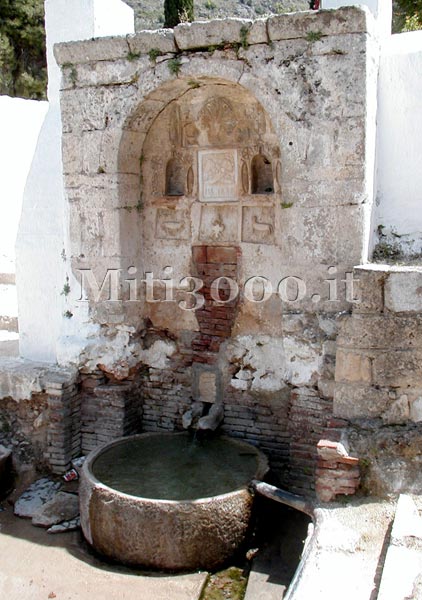
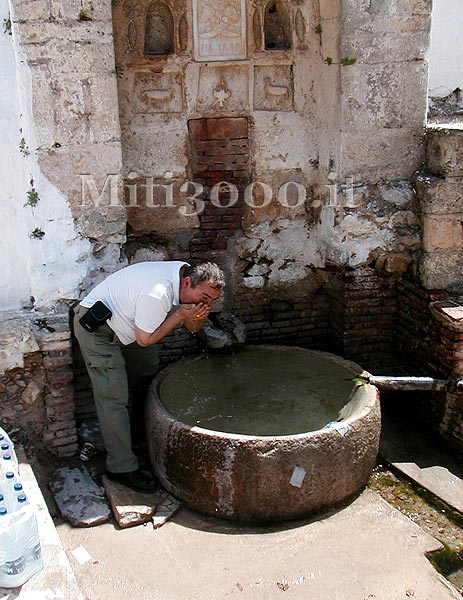
In località Aria tra Nauplia e Assini vi è il monastero bizantino di Aghia Monì costruito nel 1143 ma, cosa per noi più interessante e poco conosciuta, vi è la fonte di Era. Tale fonte aveva la proprietà di rendere nuovamente la verginità e la dea di tanto in tanto (pare ogni due anni) andava a fare un bagno rigeneratore in onore del suo amato Zeus. L'acqua che fuoriesce dalla fonte è talmente fresca e pura, che ai viandanti che attraversavano quei luoghi impervi, doveva veramente apparire come un toccasana tanto da poter rendere anche la verginità.
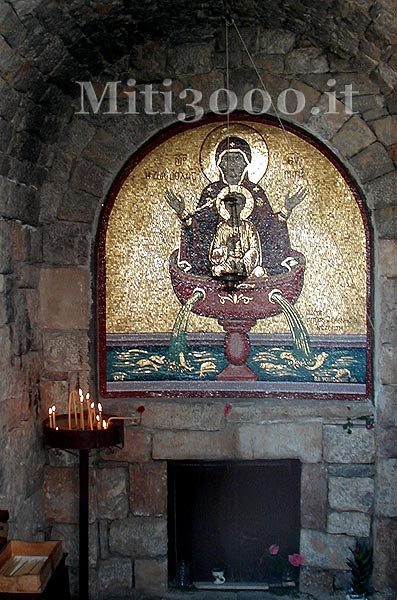
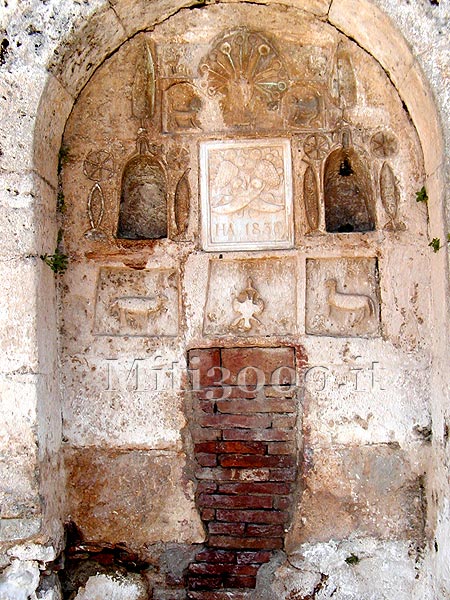
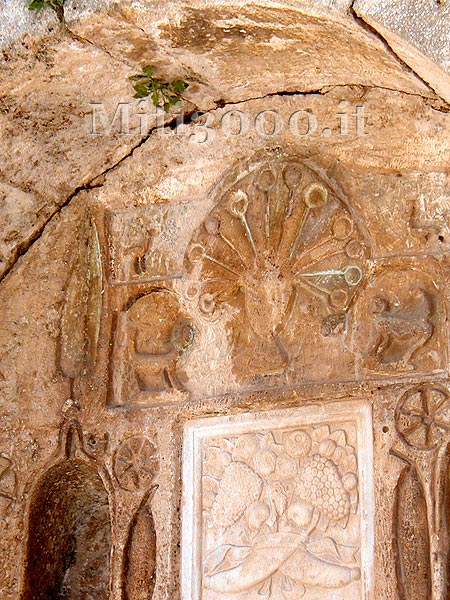
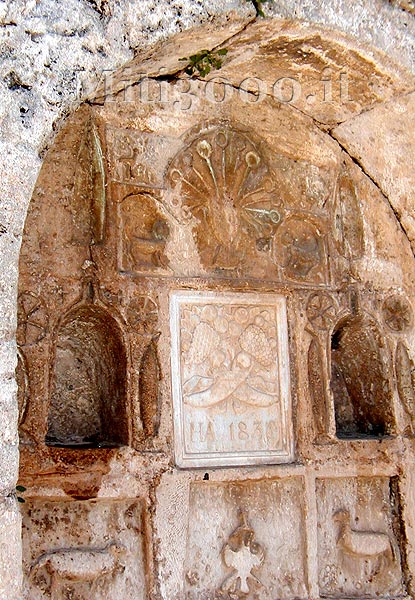
Anche l'iconografia cristiana della piccola cappella fa riferimento alla bontà dell'acqua di questa fonte. La fonte è stata rimaneggiata nel 1830, modificando quella che era la sua struttura originaria, però è possibile notare che pure avendo i simboli della cristianità, è rimasto il simbolo pagano di Era, e cioè il Pavone uccello consacrato alla dea.
Aghia Monì
In the locality of Aria, between Nafplio and Assini, stands the Byzantine monastery of Aghia Monì, built in 1143. However, what is most interesting and lesser-known to us is the presence of the Spring of Hera. This spring was said to have the power to restore virginity, and the goddess would occasionally (reportedly every two years) take a regenerating bath there in honor of her beloved Zeus. The water flowing from the spring is so cool and pure that to travelers crossing those rugged lands, it must have truly seemed like a panacea—powerful enough to even restore one’s youth and purity.
Even the Christian iconography of the small chapel refers to the virtue of this water. The spring was renovated in 1830, altering its original structure; nevertheless, it is still possible to notice that despite the Christian symbols, the pagan symbol of Hera remains: the Peacock, a bird sacred to the goddess.
La Fonte Kanathos: Quella che oggi viene chiamata la fonte del monastero era nota nell'antichità come Kanathos. Secondo il geografo Pausania, era proprio qui che Era faceva il suo bagno rituale per rinnovare la propria verginità.
Architettura bizantina: Il Katholikon (la chiesa principale) è considerato uno dei migliori esempi del periodo dei Comneni (XII secolo) in Grecia, con una muratura a "cloisonné" tipica dell'epoca.
Il Pavone: la presenza del pavone è il "ponte" tra i due mondi. Se per i Greci era il simbolo di Era (i cui "occhi" erano le piume della coda), per i primi cristiani divenne simbolo di immortalità e risurrezione, facilitando il passaggio del testimone tra la dea e la Vergine Maria.
Oggi il monastero è abitato da una comunità di monache ed è un’oasi di pace molto meno frequentata dai circuiti turistici di massa rispetto alla vicina Nauplia.
It is fascinating how the monastery of Aghia Monì (the "Holy Unity") serves as a perfect example of syncretism, where Christian devotion was literally layered over an ancient pagan site of worship.
Here are a few details that make this site even more unique:
The Kanathos Spring: What is known today as the monastery's spring was known in antiquity as Kanathos. According to the geographer Pausanias, this was exactly where Hera took her ritual bath to renew her virginity.
Byzantine Architecture: The Katholikon (the main church) is considered one of the finest examples of the Comnenian period (12th century) in Greece, featuring the typical "cloisonné" masonry of that era.
The Peacock: As you rightly noted, the presence of the peacock is the "bridge" between the two worlds. While for the Greeks it was the symbol of Hera (with the "eyes" of the goddess on its tail feathers), for early Christians it became a symbol of immortality and resurrection, easing the transition from the goddess to the Virgin Mary.
Today, the monastery is home to a community of nuns and remains a peaceful oasis, much less crowded by mass tourism compared to nearby Nafplio.