🏛️ AGRIGENTO: Tra Storia e Mito
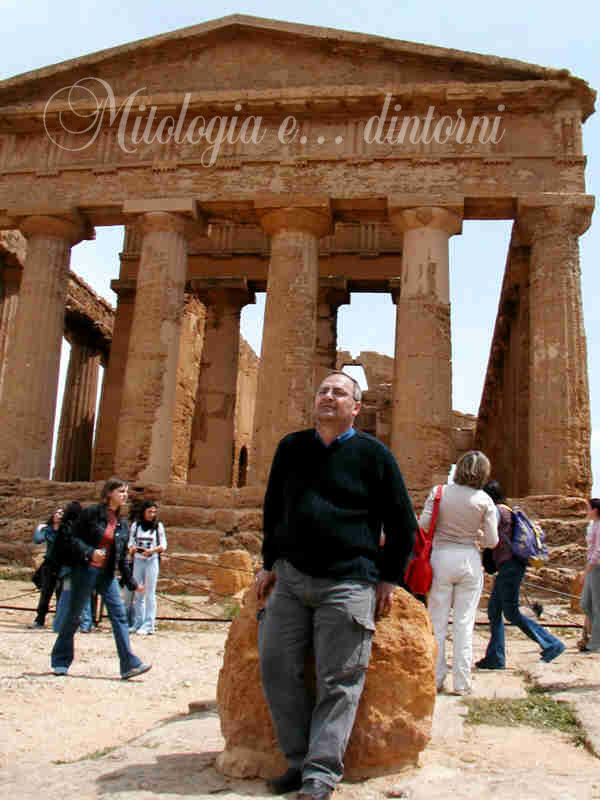
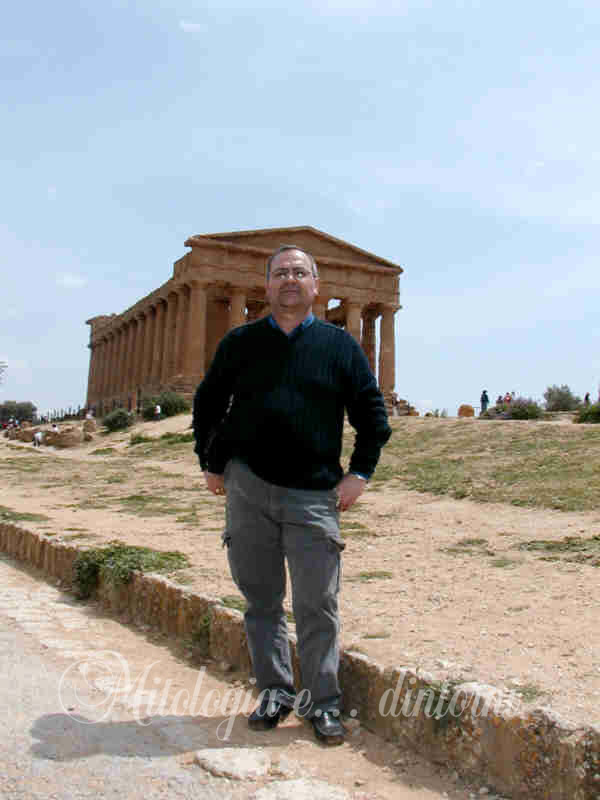
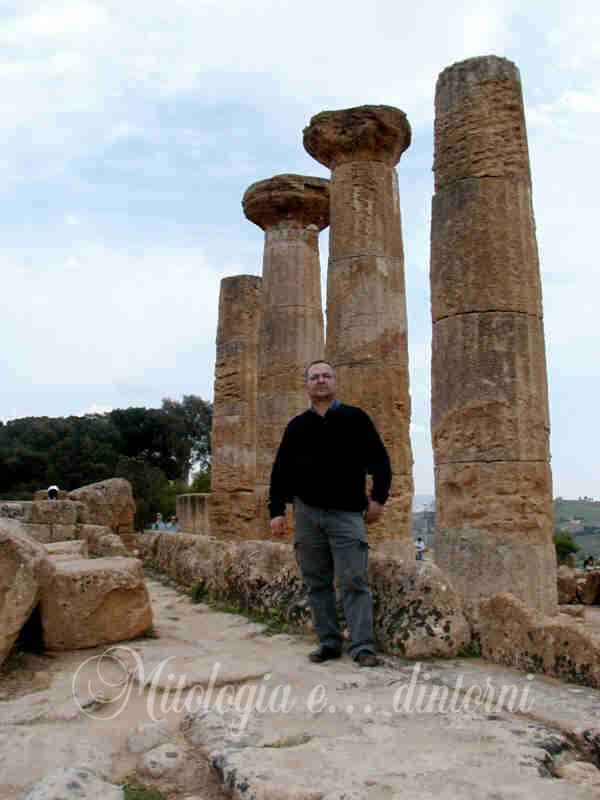
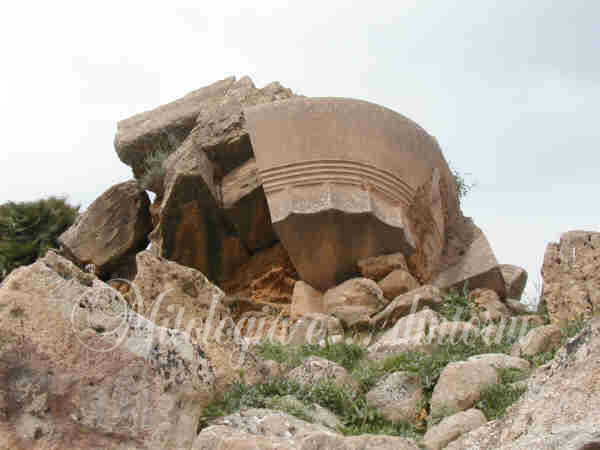
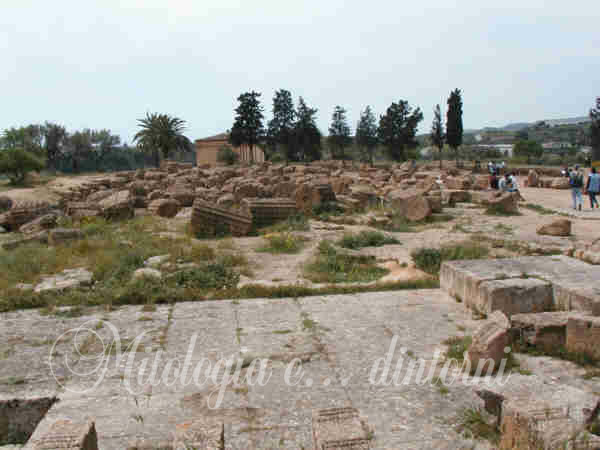
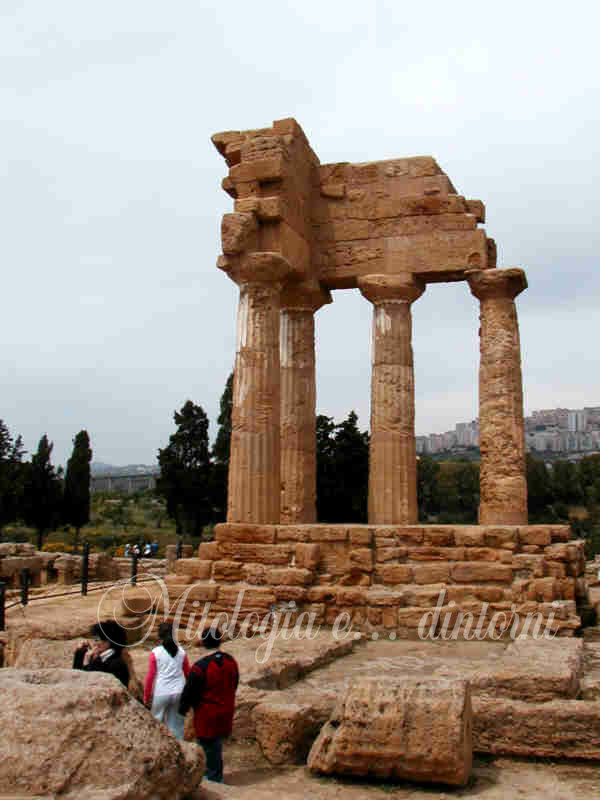
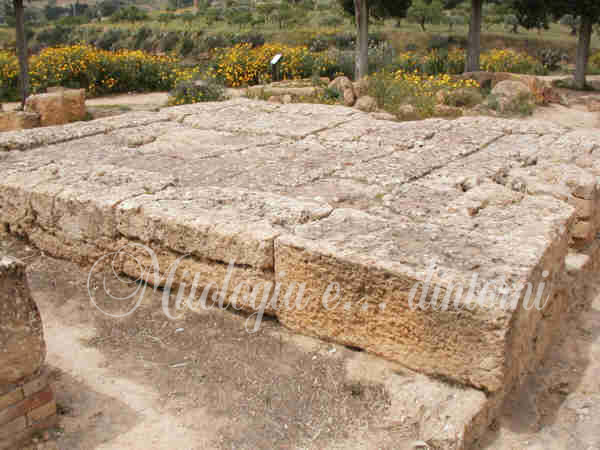
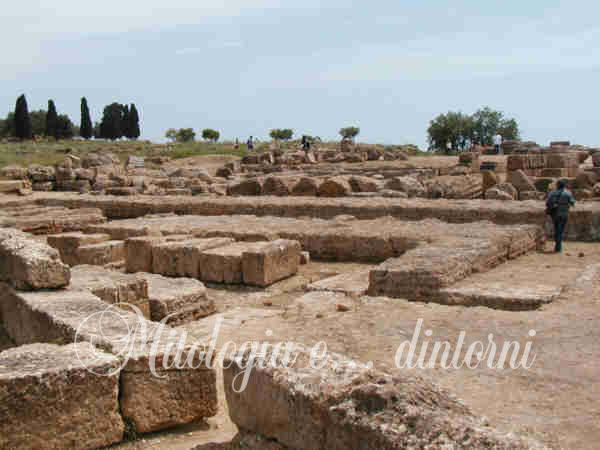
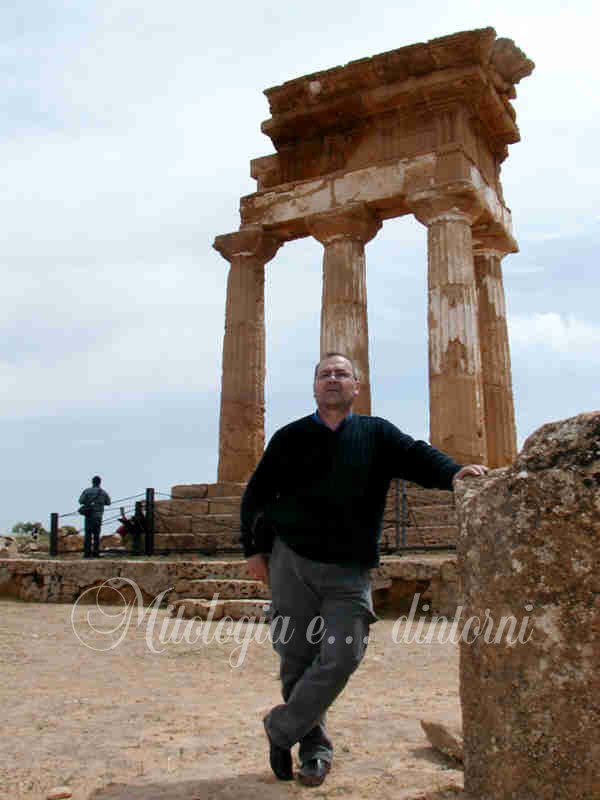
In greco Ἀκράγας situata presso la costa meridionale della Sicilia, fu fondata dai greci di Gela e di Rodi nel 580 a.C., fiorita sotto il tiranno Terone (488-473 a.C.), al tempo del filosofo Empedocle. Venne nel 406 a.C. distrutta dai cartaginesi e in seguito conquistata e saccheggiata dai romani (262 e 210 a.C.). Agrigento è stata abitata fin dalla preistoria, come dimostrano i reperti riferibili all’età del Rame e del Bronzo, ritrovati nelle immediate vicinanze della città. Molto interessante è la qualità della ceramica (dipinta in nero su rosso). Alla fine del VII secolo a.C. risalgono i primi resti di influenza greca. La fondazione di “Akragas” ad opera di coloni rodii e gelesi condotti dagli ecisti Aristonoo e Pistilo, segna un’importante tappa nel processo di espansione verso l’interno e lungo la fascia costiera della colonia-madre Gela. Tale fondazione va collocata intorno al 580 a.C., e pone Agrigento fra le ultime colonie greche fondate in Sicilia. Durante il governo del tiranno Falaride (570-555 a.C.) si consolida il primo nucleo urbano, e probabilmente nello stesso periodo viene costruita la cinta delle mura delle quali rimangono lunghi tratti. Nello stesso periodo vengono costruiti alcuni edifici di culto, posti nell’angolo sud-occidentale della collina dei Templi parte del Santuario delle divinità ctonie e altri piccole cappelle. Nella seconda metà del V secolo a.C. ad Agrigento si instaura un regime democratico e la città gode di una relativa tranquillità, fino a che, nel 406 a. C., viene assediata, saccheggiata e incendiata dai Cartaginesi, impegnati nella conquista dei territori della Sicilia occidentale. Dopo un periodo di abbandono, risorse con Timoleonte, vincitore dei Cartaginesi (340 a.C.), considerato suo secondo fondatore. La politica espansionistica, avviata dal tiranno Terone (488-473 a.C.) ebbe grandi risultati con la vittoria di Imera sui Cartaginesi (480 a.C.), estendendo il suo controllo militare sul vastissimo territorio compreso tra la costa meridionale e la costa tirrenica, e delimitato a est dal fiume Salso e a ovest dal fiume Plàtani. La vittoria di Imera accresce lo sviluppo economico della città e promuove una fioritura di manifestazioni artistiche, che trova riscontro nella costruzione quasi contemporanea dei magnifici templi sul limite meridionale della collina. In questo clima visse e operò Empèdocle, filosofo, medico, oratore, noto e venerato in Grecia, oltre che in Sicilia. Per la sua posizione strategica all’interno del territorio controllato da Cartagine, Agrigento stabilì con questa un'alleanza. Conquistata dai Romani una prima volta nel 262 a.C. e, definitivamente, nel 210 a.C. La decadenza di Roma e l’avvento del Cristianesimo provocano una vistosa contrazione demografica e un impoverimento della città; testimonianze di questo periodo e del successivo bizantino sono situate nell’area della vasta necropoli a sud della collina dei Templi. Intorno al VII secolo d.C. vengono progressivamente abbandonati i quartieri della città antica, mentre i pochi abitanti rimasti si arroccano sul lato della collina di Girgenti. Numerosi sono i templi con i resti del tempio di Zeus Olimpio, di Castore e Polluce, della Concordia, di Asclepio, di Eracle e santuari databili tra il VI e il V secolo a.C., costruiti in tufo arenario conchiglifero di colore giallo. In buono stato di conservazione, è il tempio della Concordia, forse dedicato ai Dioscuri, risale alla metà circa del V secolo a.C., molto simile era il tempio di Giunone Lacinia, leggermente più piccolo, di cui si conservano 25 colonne erette e 9 mutile. Di grandi dimensioni era invece il tempio di Giove Olimpico, iniziato dopo la vittoria di Imera (480 a.C.) e mai compiuto. Nessuna colonna è rimasta in piedi, le rovine danno l’immagine di grandiosa monumentalità. Il tempio di Eracle è il più antico, celebre per la statua bronzea del semidio che Verre tentò di depredare; è adorno di dipinti eseguiti dal famoso pittore greco Zeusi. Numerosi i miti, i filosofi, gli artisti e gli uomini illustri. Guardala con: Google maps.
🏛️ AGRIGENTO: Between History and Myth
In Greek Ἀκράγας, situated near the southern coast of Sicily, it was founded by the Greeks of Gela and Rhodes in 580 BC, flourishing under the tyrant Theron (488-473 BC), at the time of the philosopher Empedocles. In 406 BC, it was destroyed by the Carthaginians and later conquered and sacked by the Romans (262 and 210 BC). Agrigento has been inhabited since prehistory, as demonstrated by findings referable to the Copper and Bronze Ages found in the immediate vicinity of the city; the quality of the ceramics (painted in black on red) is very interesting.
The foundation of “Akragas” by Rhodian and Geloan colonists led by the oikists Aristonous and Pystilus marks an important stage in the process of expansion towards the interior and along the coastal strip of the mother-colony Gela. This foundation is to be placed around 580 BC, and places Agrigento among the last Greek colonies founded in Sicily. During the government of the tyrant Phalaris (570-555 BC), the first urban core was consolidated, and probably in the same period, the circuit of walls was built, of which long sections remain. In the same period, some cult buildings were constructed, located in the southwestern corner of the Hill of the Temples as part of the Sanctuary of the Chthonic Deities and other small chapels.
In the second half of the 5th century BC, a democratic regime was established in Agrigento and the city enjoyed relative tranquility until, in 406 BC, it was besieged, sacked, and burned by the Carthaginians, who were engaged in the conquest of the territories of western Sicily. After a period of abandonment, it rose again with Timoleon, victor over the Carthaginians (340 BC), considered its second founder. The expansionist policy initiated by the tyrant Theron (488-473 BC) achieved great results with the victory of Himera over the Carthaginians (480 BC), extending its military control over the vast territory between the southern coast and the Tyrrhenian coast, bounded to the east by the Salso river and to the west by the Plàtani river.
The victory of Himera increased the economic development of the city and promoted a flowering of artistic manifestations, which is reflected in the almost contemporary construction of the magnificent temples on the southern edge of the hill. In this climate lived and worked Empedocles, philosopher, physician, and orator, known and revered in Greece as well as in Sicily. Due to its strategic position within the territory controlled by Carthage, Agrigento established an alliance with them. It was conquered by the Romans for the first time in 262 BC and, definitively, in 210 BC.
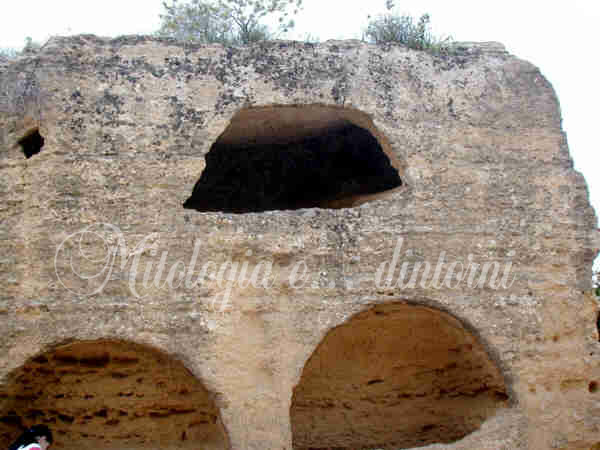
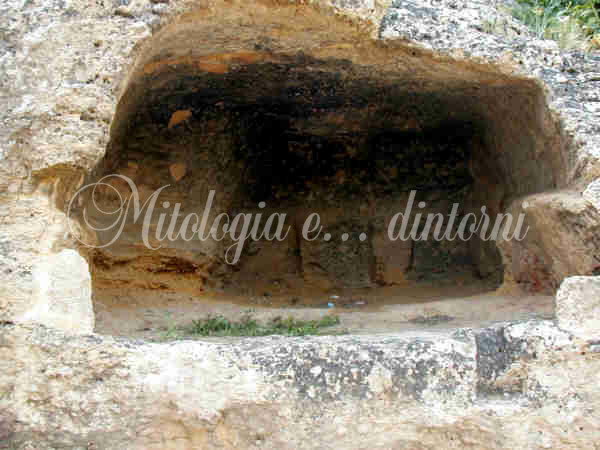
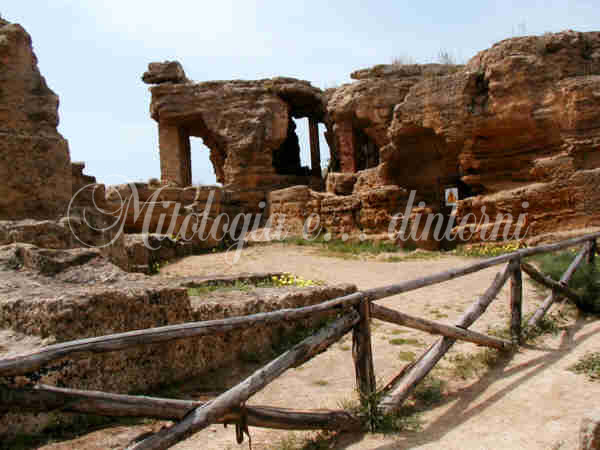
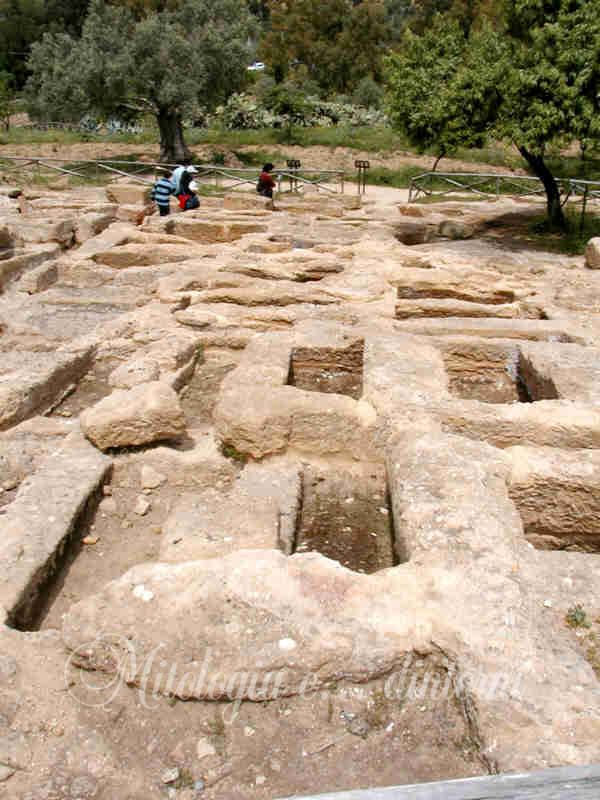
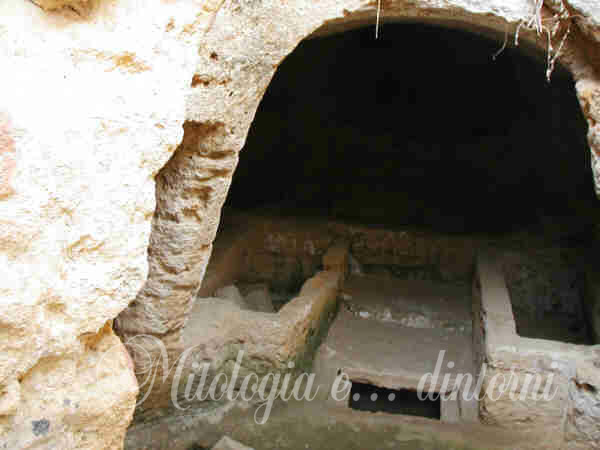
The decline of Rome and the advent of Christianity caused a visible demographic contraction and an impoverishment of the city; evidence of this period and the subsequent Byzantine era is located in the area of the vast necropolis south of the Hill of the Temples. Around the 7th century AD, the quarters of the ancient city were progressively abandoned, while the few remaining inhabitants entrenched themselves on the side of the Girgenti hill.
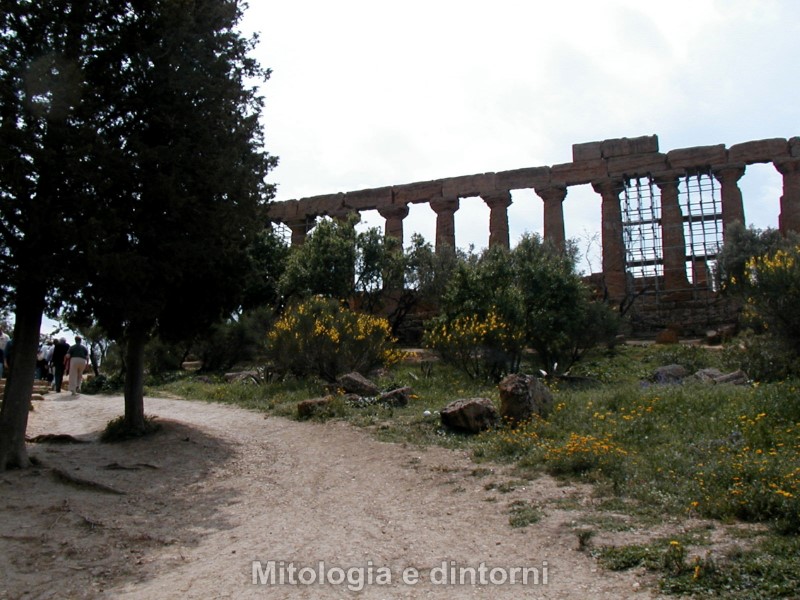
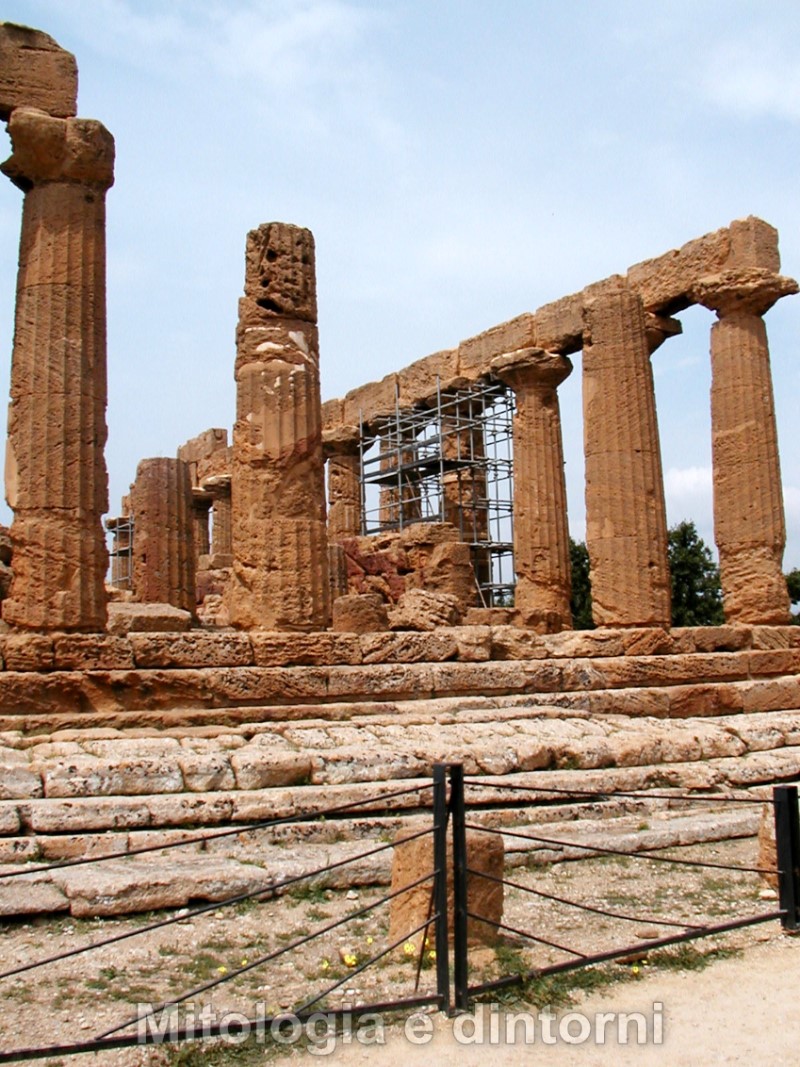
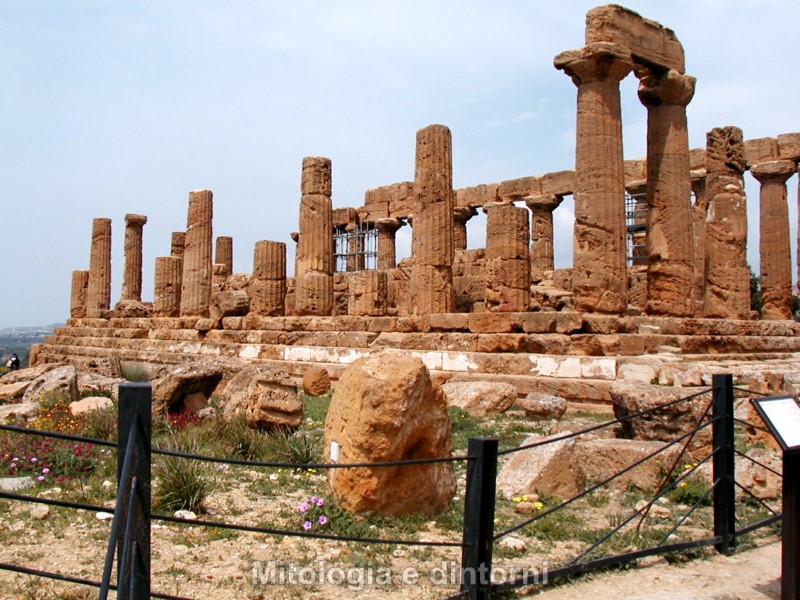
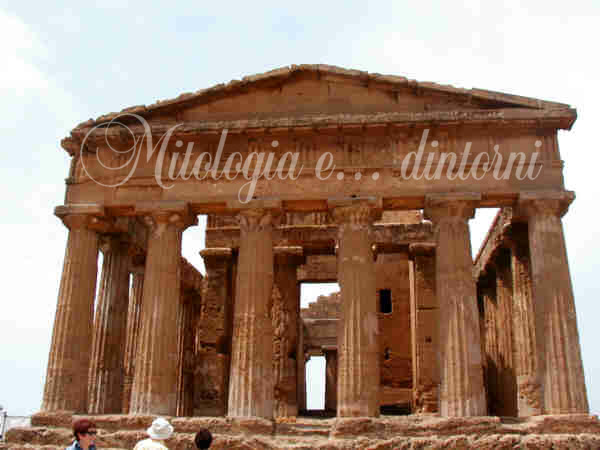
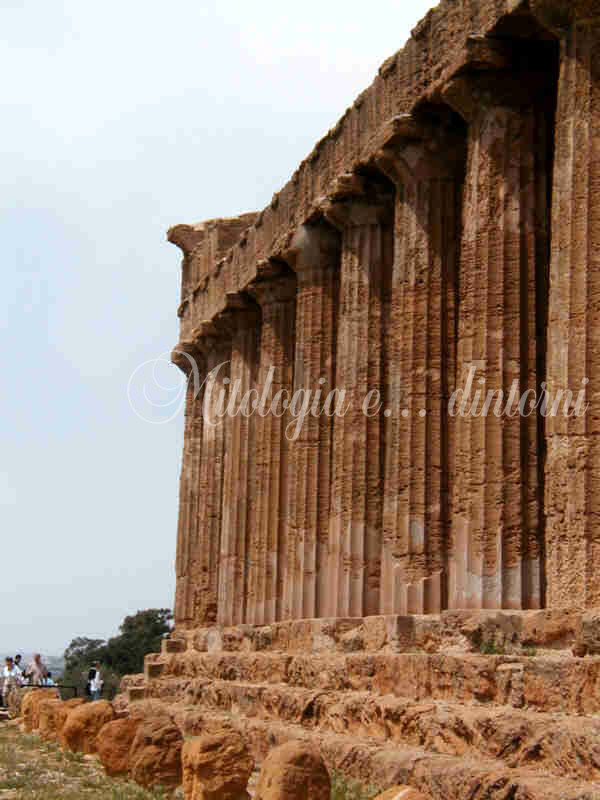
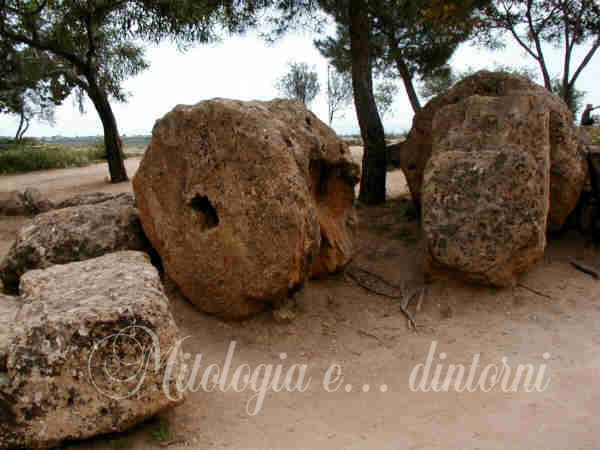
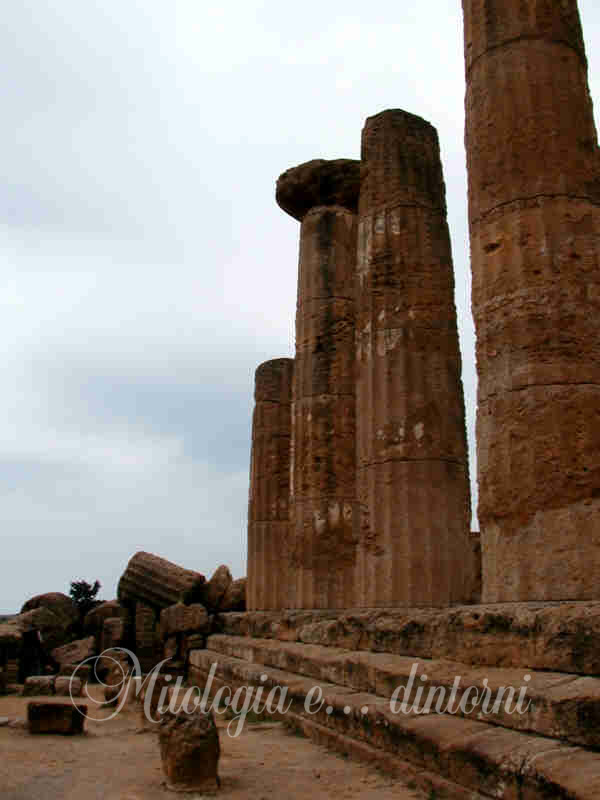
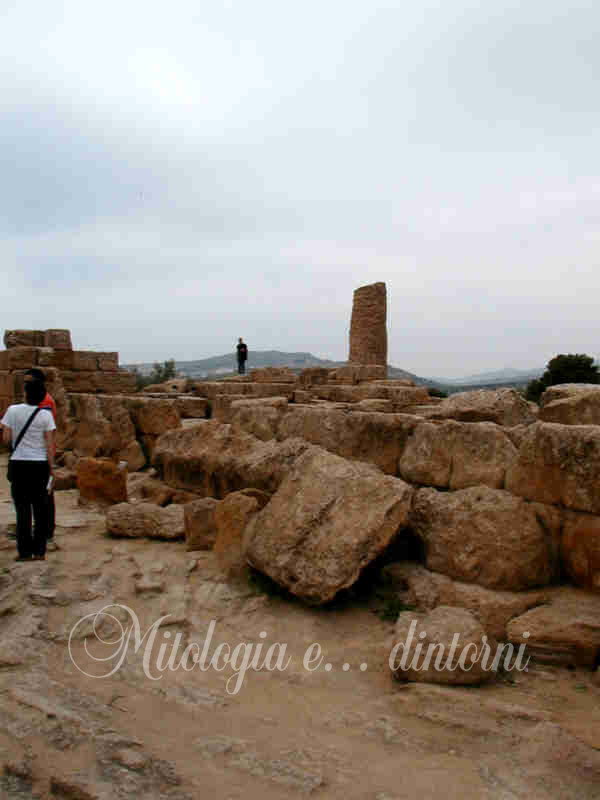
Numerous are the temples, with the remains of the Temple of Olympian Zeus, of Castor and Pollux, of Concordia, of Asclepius, of Heracles, and sanctuaries datable between the 6th and 5th centuries BC, built in yellow shell-bearing sandstone tufa. In a good state of conservation is the Temple of Concordia, perhaps dedicated to the Dioscuri, dating back to around the mid-5th century BC; the Temple of Juno Lacinia was very similar, slightly smaller, of which 25 standing columns and 9 mutilated ones are preserved. The Temple of Olympian Zeus, on the other hand, was of great dimensions, begun after the victory of Himera (480 BC) and never completed. No column remains standing; the ruins give an image of grandiose monumentality. The Temple of Heracles is the oldest, famous for the bronze statue of the demigod that Verres attempted to plunder; it is adorned with paintings executed by the famous Greek painter Zeuxis. Numerous are the myths, philosophers, artists, and illustrious men. See it with: Google Maps.