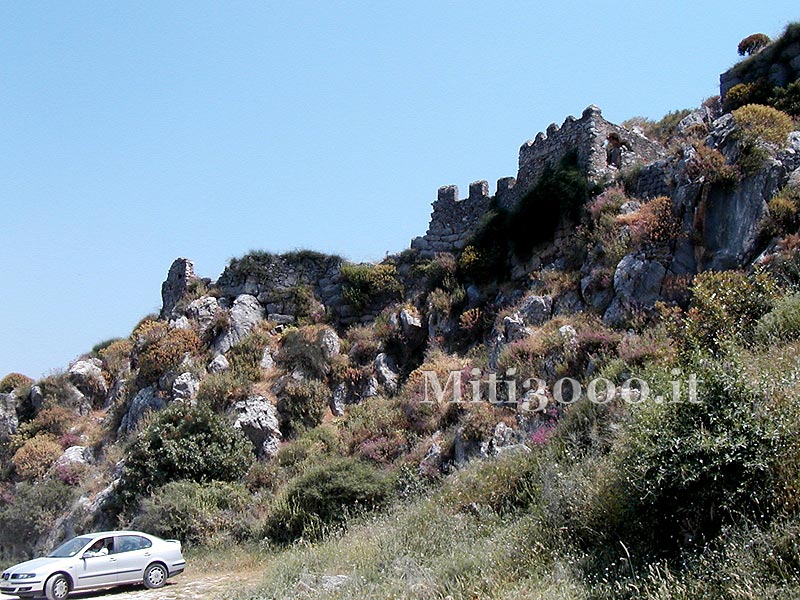
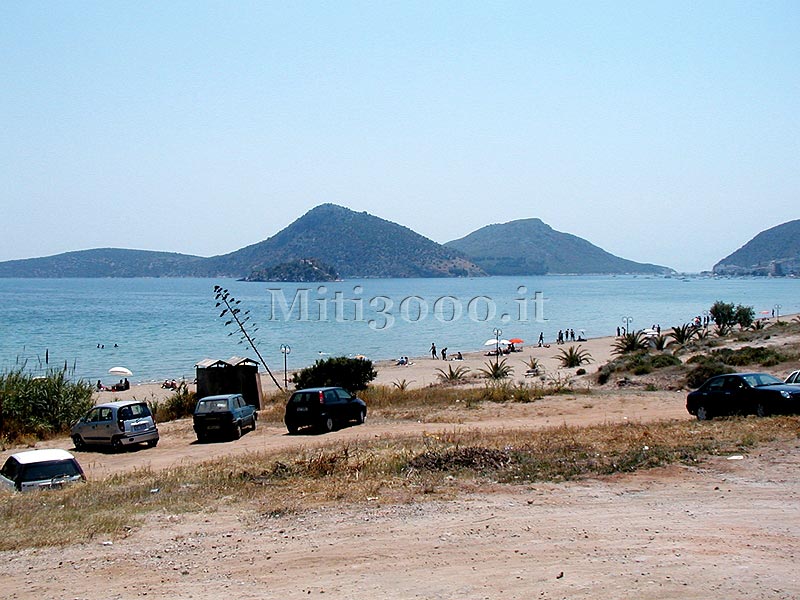
Ασίνη Assini è stata una antica città-stato, anche essa come le maggiori città greche partecipò alla guerra di Troia, anzi, la spedizione alla volta di Troia salpò proprio dal porto di Kastraki (l'antica acropoli di Assini, citata da Omero nell'Iliade; sotto un passo dell'opera). Nel 1104 a.C. i Dori conquistarono la città facendolo in seguito divenire una delle città più potenti. Nel 704 a.C. durante la guerra nella regione di Messinia, la città cadde sotto l'attacco degli Argivi.
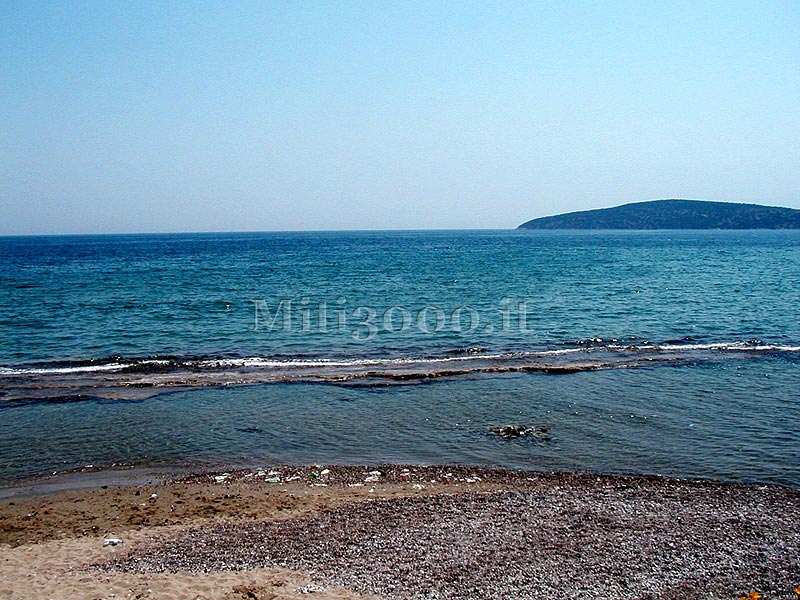
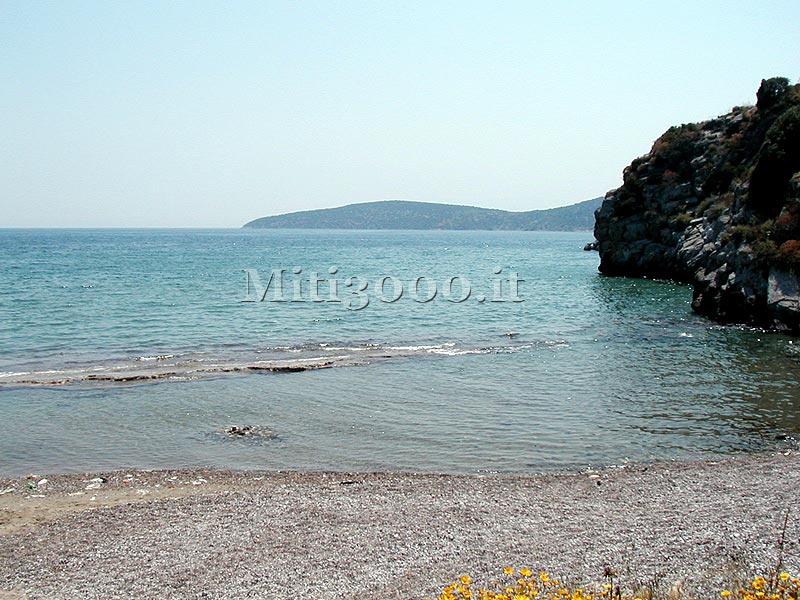
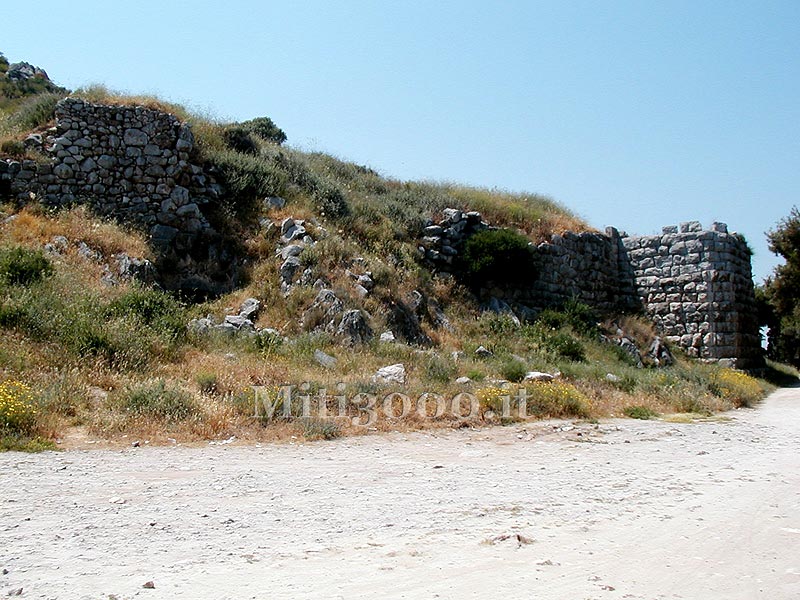
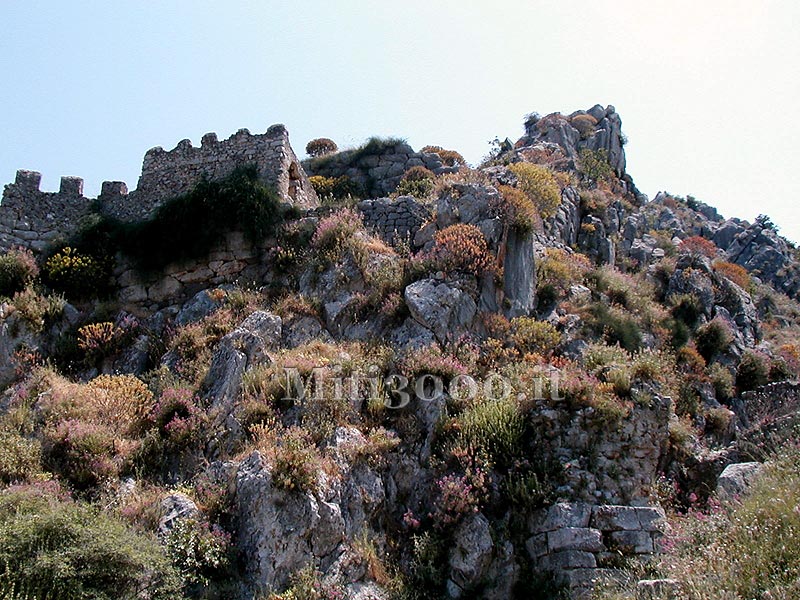
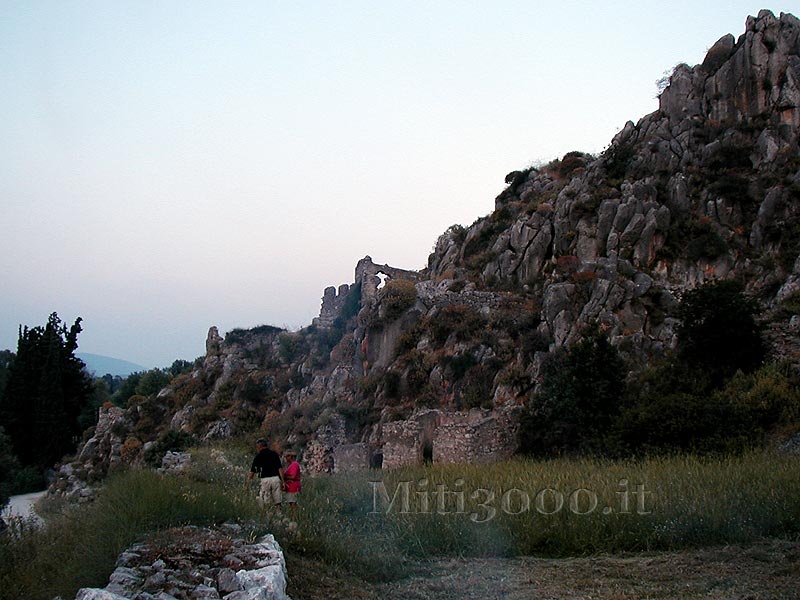
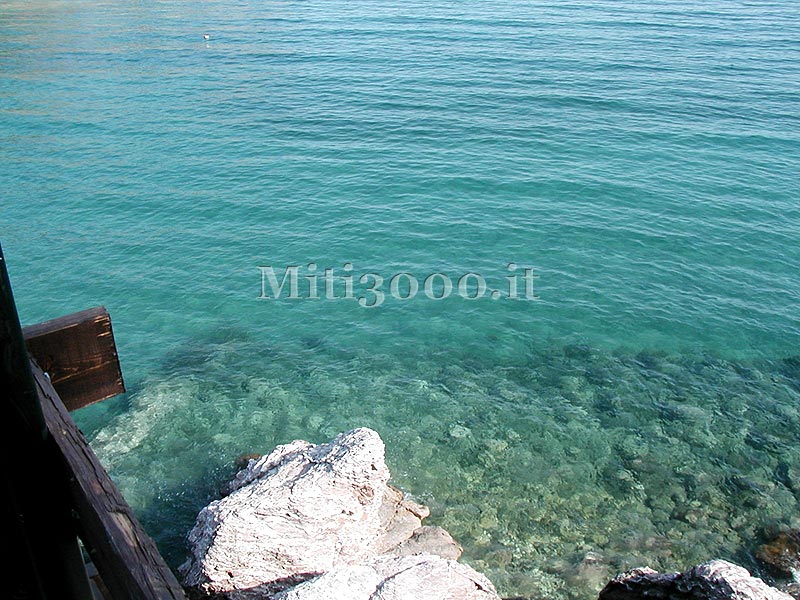
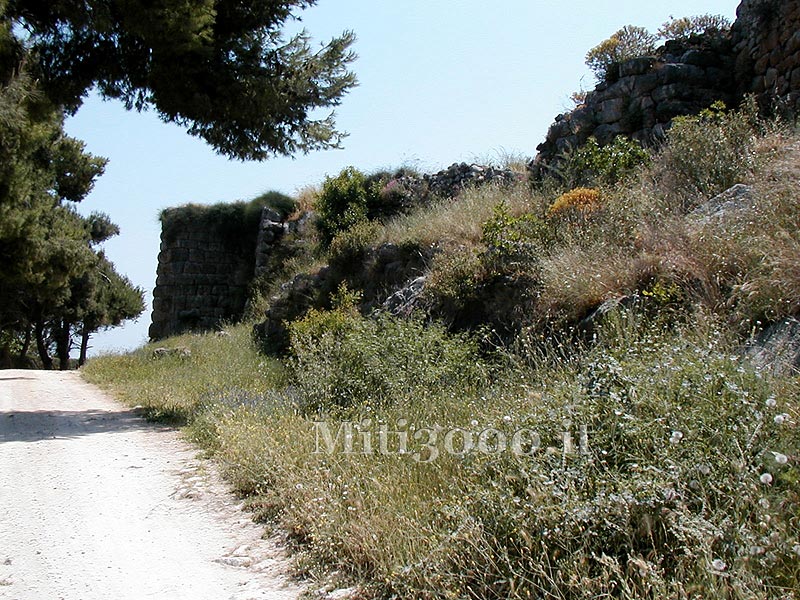
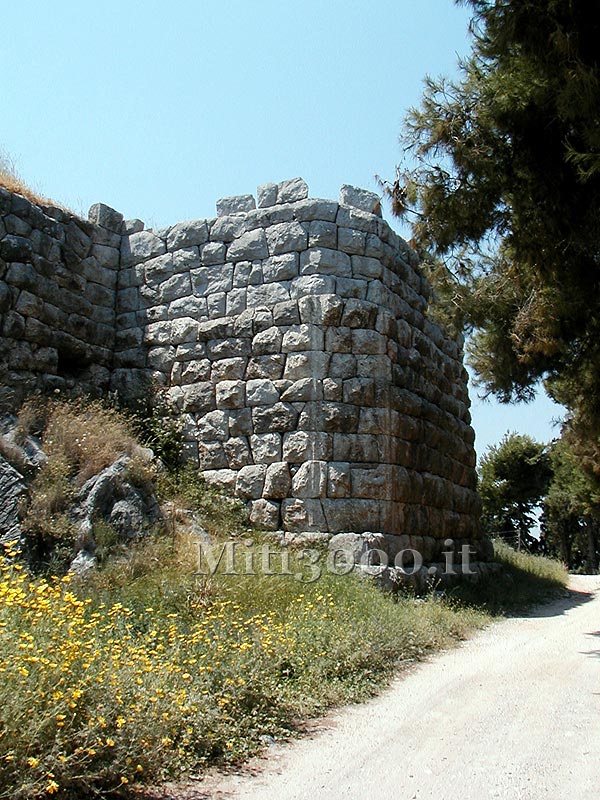
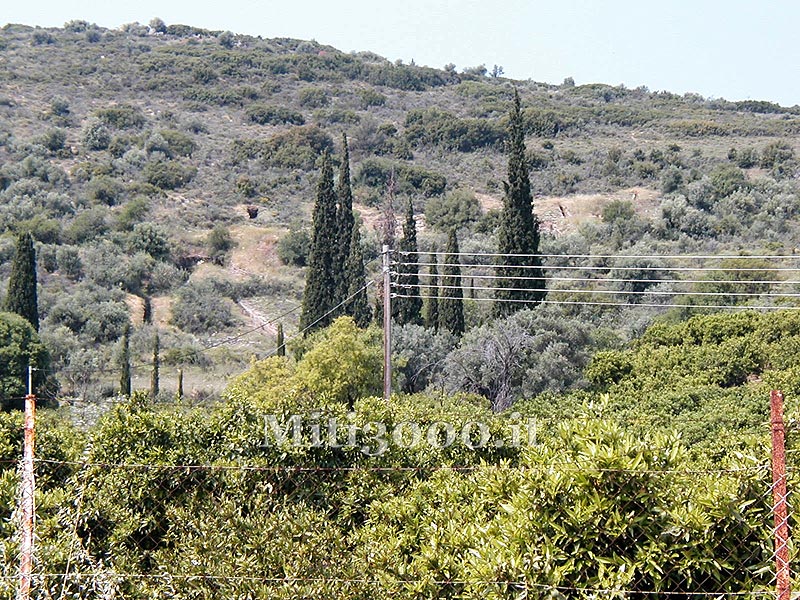
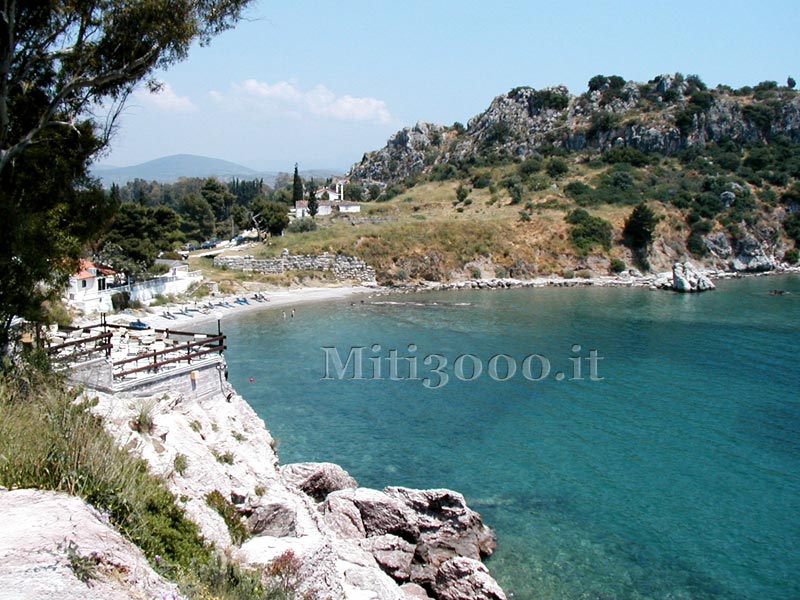
Ad Assini toccò l'amara sorte che toccava a tutte le città che venivano conquistate, ovvero: quella di essere distrutta dalla base delle fondamenta, a noi non rimane altro che potere ammirare i resti e con la fantasia ricreare i luoghi, immergerci nelle splendide acque della Plaka e osservare le navi pronte a salpare alla volta di Troia e agli ordini di Agamennone.
«Seguìa l'eletta de' guerrier, cui d'Argo
mandava la pianura e la superba
d'ardue mura Tirinto e le di cupo
golfo custodi Ermïone ed Asìne.»
Omero, Iliade II°.
Assini è stata famosa anche per i suoi condottieri, qualche nome è citato nell'Anabasi V:
4 Qui divisero il denaro ricavato dalla vendita dei prigionieri. La decima parte, riservata ad Apollo e Artemide efesia, venne distribuita in parti uguali a ciascun stratego, che doveva custodirla per le divinità. La parte di Chirisofo fu affidata a Neone di Asine.
Nel libro VI dell'Anabasi viene ancora citato Neone di Asine:
11 Presero una decisione: se qualcuno, in futuro, avesse solo accennato a dividere in due l'esercito, doveva essere condannato a morte; poi, bisognava proseguire sulla terraferma, con lo stesso assetto di marcia che l'esercito aveva in precedenza e dovevano comandare gli stessi capi di prima. Ma Chirisofo era già morto, perché, febbricitante, aveva bevuto un farmaco. Prese il suo posto Neone di Asine.
Anche nella Guerra del Peloponneso (IV, I°) di Tucidide, si legge di Asine:
13 Quel giorno e molte ore del seguente videro l'accanito susseguirsi degli assalti spartani che alla fine cessarono. Il terzo giorno inviarono ad Asine alcune navi per provvedersi di legname, utile ad allestire ordigni bellici. Si auguravano di costringere alla resa il castello impiegando le macchine da guerra dal lato sul porto, dove il bastione s'ergeva alto, ma le possibilità dell'attracco si presentavano più opportune.
Ancora citata nella Guerra del Peloponneso (VI, III°):
93 Fu questo, in sostanza, il discorso di Alcibiade. Gli Spartani premeditavano da tempo, già da sé, l'offensiva contro Atene, ma tentennavano, stavano all'erta se sorgesse un'occasione favorevole: quando però Alcibiade ebbe spiegato ogni dettaglio dell'impresa, riacquistarono fiducia e confidenza, certi di aver trovato la persona più indicata per questo tipo d'informazioni. Quindi stesero subito il piano per organizzare la testa di ponte a Decelea e la spedizione di primi contingenti, anche limitati, a soccorso della Sicilia. Assegnarono la direzione delle armate siracusane a Gilippo, figlio di Cleandrida, comandandogli di consultarsi con gli emissari Siracusani e coi Corinzi per dettare, in merito a un aiuto il più possibile sollecito ed efficace in Sicilia, le misure opportune, in base ai mezzi disponibili. Costui pretese subito che i Corinzi inviassero due navi ad Asine, e procedessero all'allestimento rapido di tutte quelle che si proponevano di associare alla spedizione, per tenerle pronte all'ancora, quando venisse l'ora di salpare. Concertati questi preparativi, i Corinzi si allontanarono da Sparta...
Assini was an ancient city-state, which, like the major Greek cities, participated in the Trojan War. Indeed, the expedition to Troy set sail from the port of Kastraki (the ancient acropolis of Assini, mentioned by Homer in the Iliad; a passage from the work is below). In 1104 BC, the Dorians conquered the city, making it later one of the most powerful cities. In 704 BC, During the war in the region of Messinia, the city fell under attack by the Argives.
Assini suffered the same bitter fate that befell all conquered cities: to be destroyed from its foundations. All that remains for us is to admire the ruins and recreate the places in our imagination, immerse ourselves in the splendid waters of the Plaka, and observe the ships ready to set sail for Troy under the command of Agamemnon.
"Then followed the chosen of warriors, to whom Argos sent the plain and the proud,
Tiryns, with its arduous walls, and the dark
gulf, guarded by Hermione and Asine." Homer, Iliad II.
Assini was also famous for its leaders, some of whom are mentioned in Anabasis V:
4 Here they divided the money raised from the sale of prisoners. The tenth part, reserved for Apollo and Ephesian Artemis, was distributed equally to each general, who was to guard it for the gods. Chirisophus's share was entrusted to Neon of Asine.
In book VI of the Anabasis, Neon of Asine is again mentioned:
11 They decided: if anyone in the future even hinted at splitting the army in two, he was to be put to death; then, they were to continue on land, with the same marching order the army had previously had, and the same leaders as before. But Cheirisophus was already dead, having drunk a feverish medicine. Neon of Asine took his place.
Even in Thucydides' Peloponnesian War (IV, 1), we read about Asine:
13 That day and for many hours of the following saw a fierce succession of Spartan attacks, which finally ceased. On the third day, they sent some ships to Asine to procure timber, useful for preparing war machines. They hoped to force the castle to surrender by using war engines from the harbor side, where the bastion stood tall, but the possibility of docking was more convenient.
Quoted again in the Peloponnesian War (VI, III):
93 This, in essence, was Alcibiades' speech. The Spartans had long been planning an offensive against Athens, but they were hesitant, waiting for a favorable opportunity to arise. However, when Alcibiades had explained every detail of the undertaking, they regained their confidence and trust, certain that they had found the best person to gather this type of information. They then immediately drew up plans to organize a beachhead at Decelea and to dispatch the first contingents, even a limited one, to aid Sicily. They assigned command of the Syracusan armies to Gylippus, son of Cleandridas, ordering him to consult with the Syracusan emissaries and the Corinthians to dictate the most rapid and effective aid possible in Sicily, based on the means available. He immediately demanded that the Corinthians send two ships to Asine and proceed to quickly equip all those they intended to join the expedition, to have them ready at anchor when the time came to set sail. With these preparations in place, the Corinthians withdrew from Sparta...
Visualizzazione ingrandita della mappa