Basse
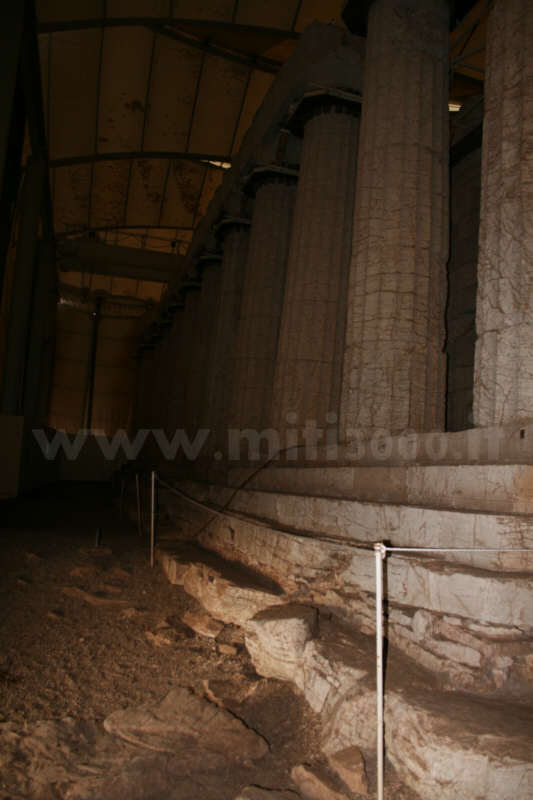
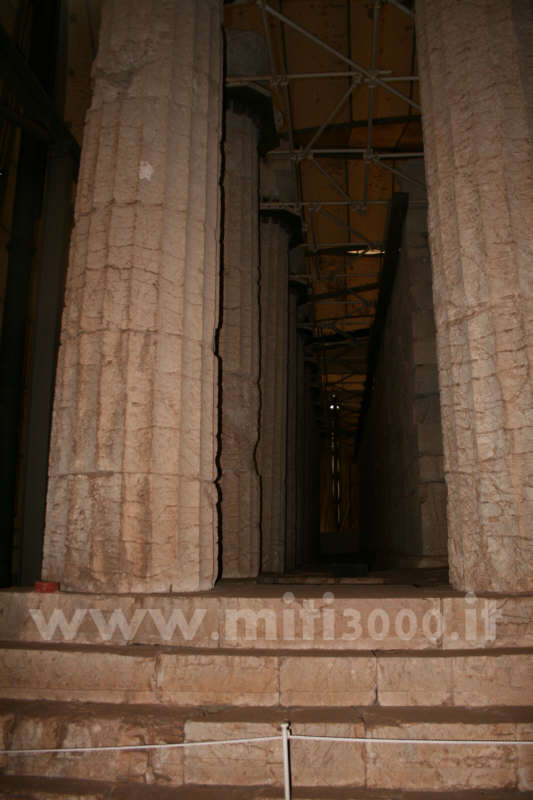
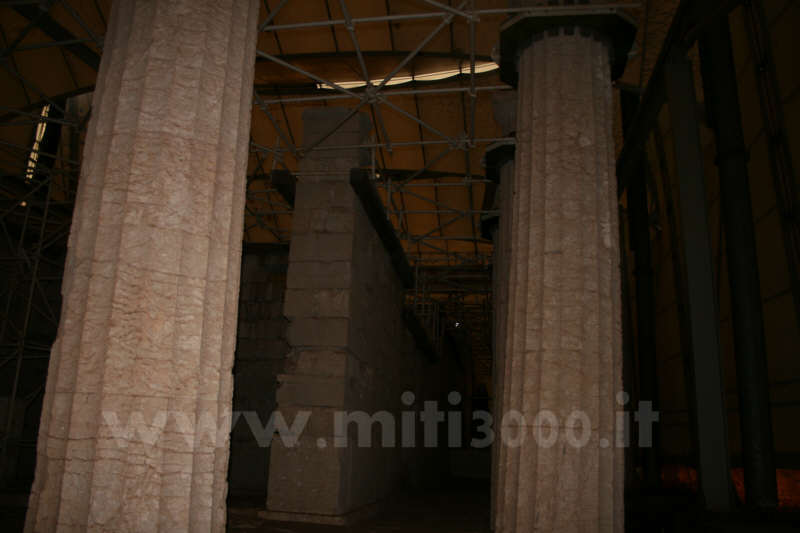
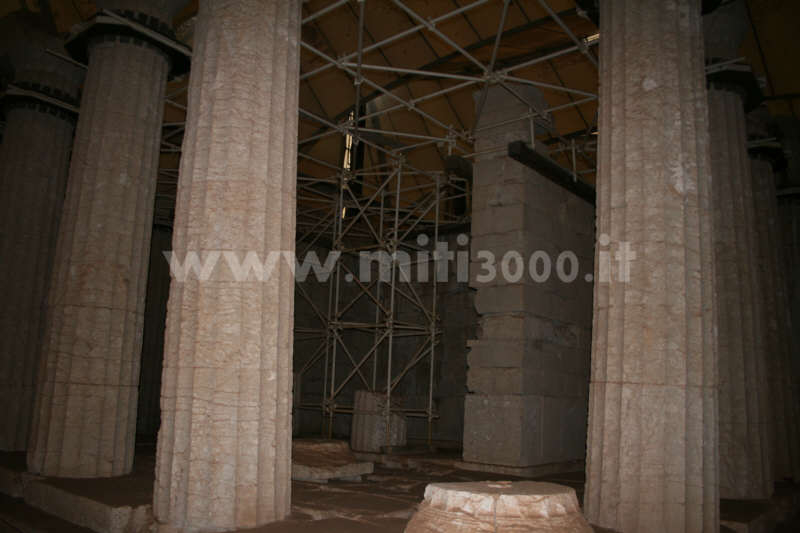
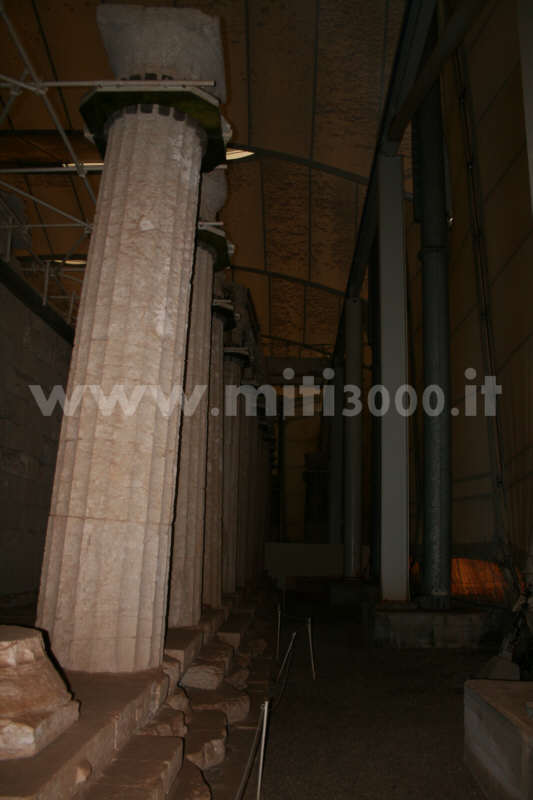
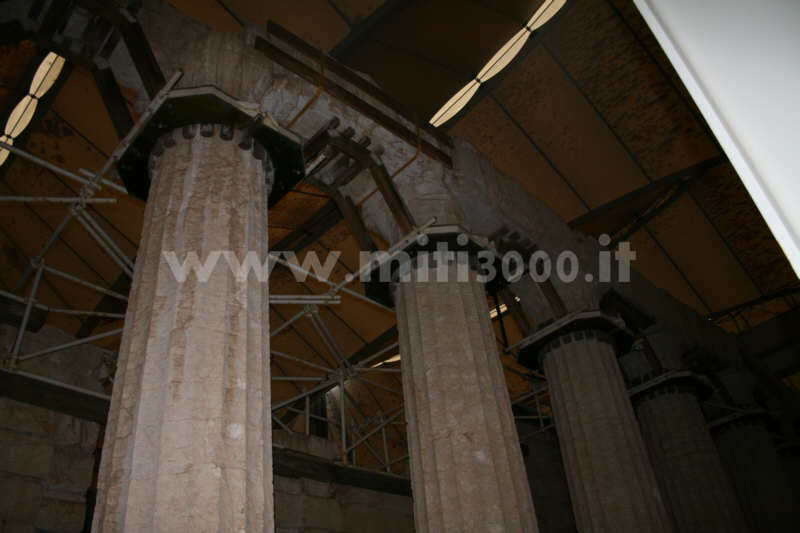
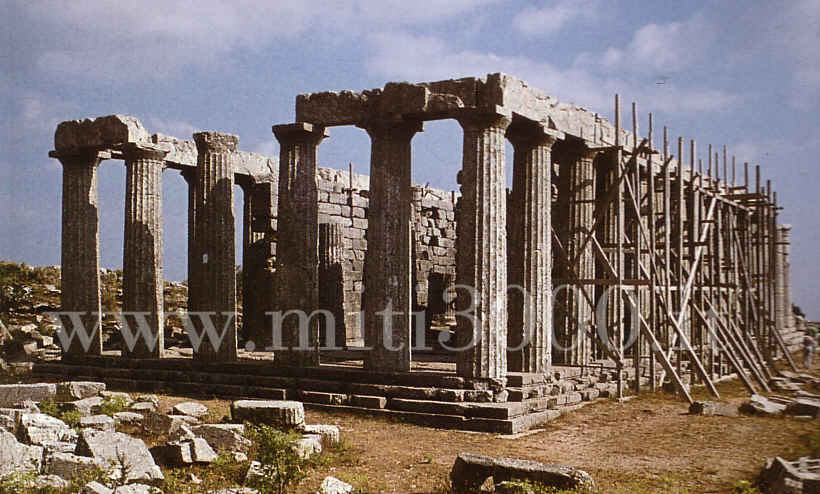
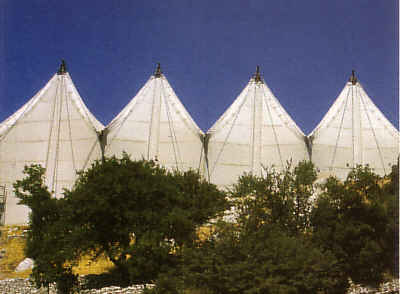
Αρχαιολογικός χώρος Βάσσες località sul monte Cotilo nei pressi di Figalia, è sede di un tempio dedicato ad Apollo Epicurio (soldato che porta aiuto), progettato dall'architetto Ictino (420-417 a.C.), restaurato fra il 1902 ed il 1906, nel 1987 è stato provvisoriamente coperto con un tendone per preservarlo dai danni delle intemperie. Un proverbio greco dice che non c'è nulla di più definitivo del provvisorio.
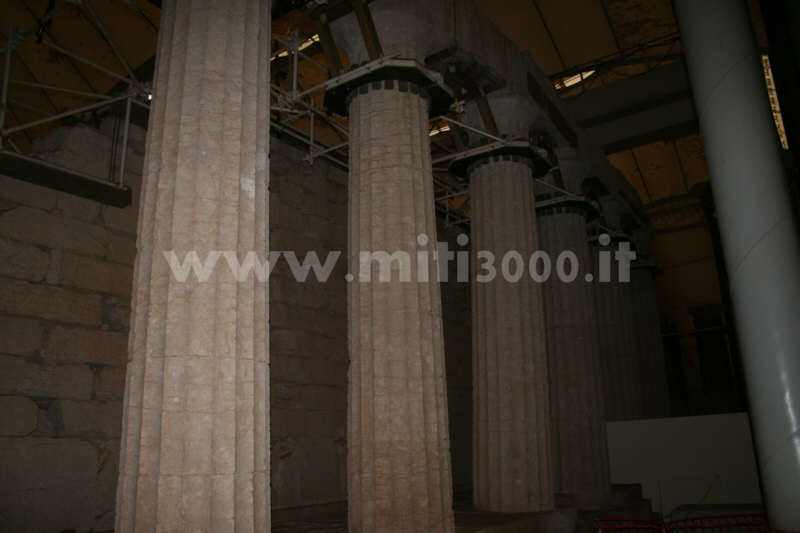
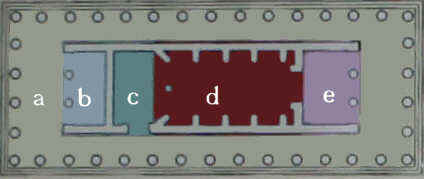
Il tempio ha dimensioni 38.24 m x 14.48 m., 6x15 colonne. Pausania ne rende testimonianza nelle sue Periegesi (VIII)
il tempio di Apollo Epicurio a Bassae è infatti uno dei casi più famosi di provvisorio permanente.
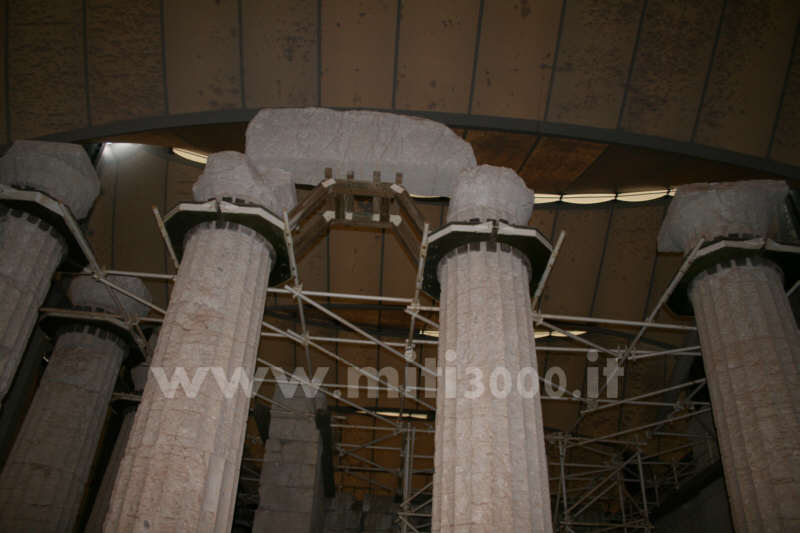
Il tendone, installato ormai quasi 40 anni fa, è diventato l'elemento distintivo del sito, proteggendo il calcare grigio locale dalle gelate e dalle piogge acide del monte Cotilo, ma nascondendo allo stesso tempo l'armonia architettonica di Ictino.
Ecco alcuni dettagli che rendono questo tempio unico al mondo:
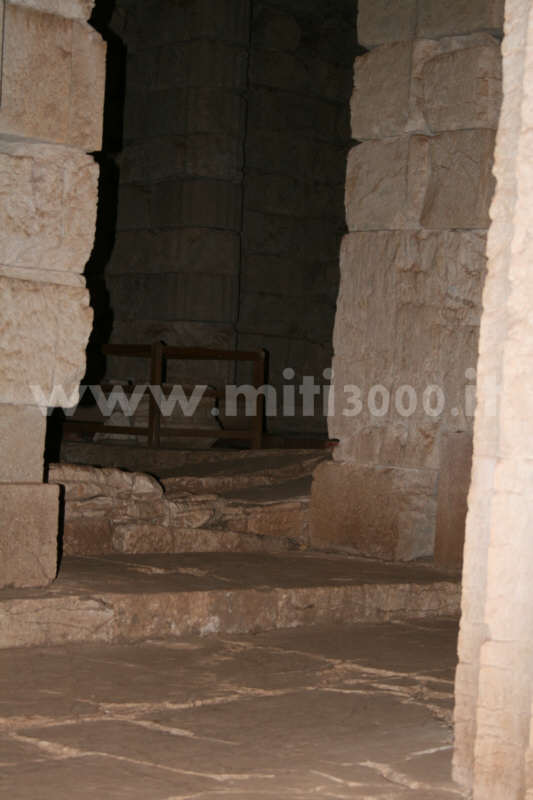
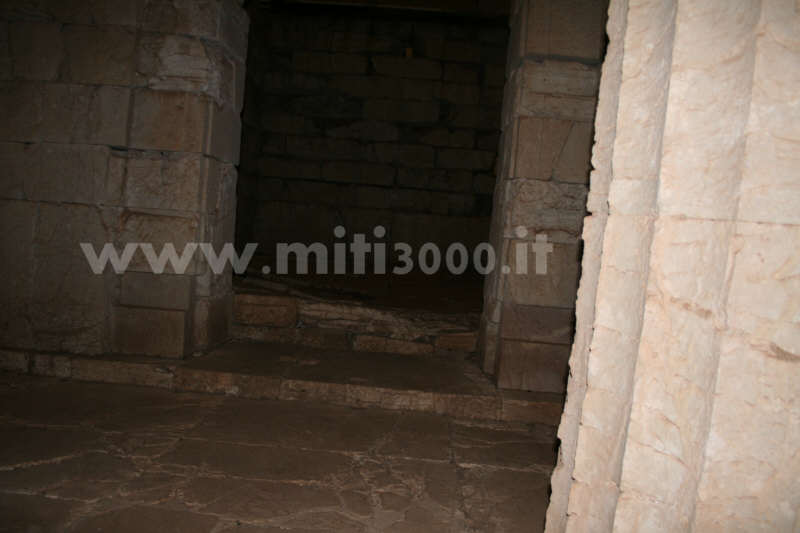
I tre ordini: È l'unico edificio dell'antichità a ospitare contemporaneamente lo stile dorico (esterno), ionico (cella) e il primo esempio conosciuto di capitello corinzio (nella colonna singola sul fondo della cella).
Orientamento insolito:
A differenza della quasi totalità dei templi greci rivolti a est, questo è orientato a nord-sud, probabilmente per adattarsi al terreno scosceso o per rispettare tradizioni locali.
Il Fregio di Bassae:
Le 23 lastre di marmo al British Museum (acquistate nel 1814) raffigurano la Centauromachia e l'Amazzonomachia con un dinamismo quasi barocco, molto diverso dalla compostezza classica del Partenone.
Nonostante la copertura antiestetica, resta il primo sito greco a essere stato inserito nell'elenco dei Patrimoni dell'umanità UNESCO (1986).
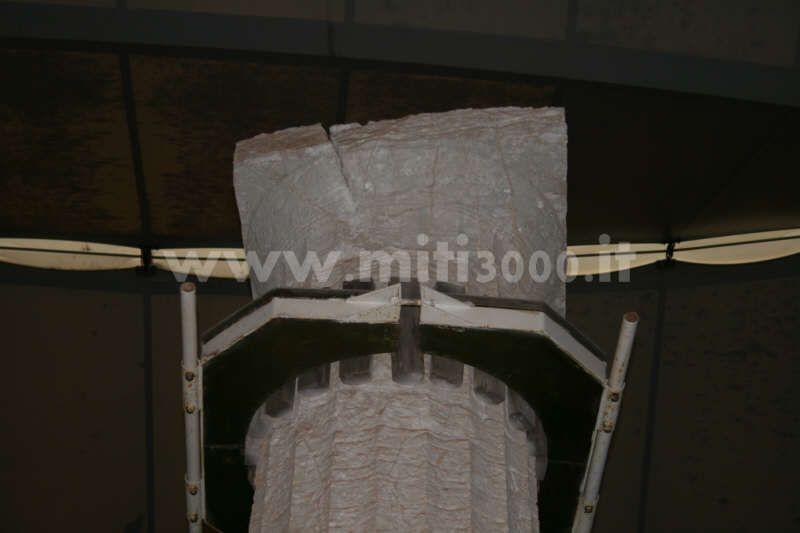
Il restauro strutturale sotto il tendone. Il tempio di Bassae presenta sfide uniche che hanno reso necessario il provvisorio tendone bianco del 1987. Il problema principale non è solo estetico, ma strutturale e geologico. Il tempio poggia su uno strato di roccia calcarea soggetta a movimenti naturali. Questo ha causato nei secoli inclinazioni pericolose delle colonne e dello stilobate (la base del tempio).
Sotto il tendone, gli archeologi greci lavorano pezzo per pezzo. Il restauro prevede lo smontaggio di parti del tempio, il consolidamento delle fondamenta e il rimontaggio (anastilosi) utilizzando titanio per le giunzioni, materiale inerte che non corrode il marmo come faceva il ferro usato nei restauri del 1902-1906.
Il monte Cotilo (1.131 m) è spesso colpito da neve, gelate e piogge intense. Senza la copertura, l'acqua che penetra nelle micro-fessure del calcare grigio locale esploderebbe ghiacciando, sgretolando il monumento.
Mentre il Partenone aveva il fregio all'esterno, Ictino a Bassae fece una scelta rivoluzionaria: collocò il fregio all'interno della cella, rendendo l'esperienza visiva molto più intima e drammatica.
Le 23 lastre di marmo (circa 31 metri totali) raffigurano due battaglie mitiche:
La Centauromachia, la lotta tra i Lapiti e i Centauri.
L'Amazzonomachia, la battaglia dei Greci (guidati da Eracle) contro le Amazzoni.
A differenza della calma olimpica del Partenone, qui le figure sono corte, muscolose e colte in movimenti violenti e contorti. I panneggi sono vorticosi e sottolineano il caos della battaglia.
Le sculture furono acquistate dal governo britannico nel 1814 e sono oggi esposte nella Sala 16 del British Museum. La sala è stata progettata per ricalcare esattamente le dimensioni e la forma della cella originale del tempio, permettendo di vedere il fregio alla stessa altezza e angolazione prevista da Ictino.
Curiosità: Il primo capitello corinzio della storia, che si trovava proprio in questo tempio, è andato perduto nell'Ottocento e oggi ne possediamo solo i disegni originali degli scopritori
Αρχαιολογικός χώρος Βάσσες, a locality on Mount Cotylos near Phigalia, is home to a temple dedicated to Apollo Epicurius (soldier who brings aid), designed by the architect Ictinus (420-417 BC). Restored between 1902 and 1906, in 1987 it was temporarily covered with a canopy to protect it from the elements. A Greek proverb says that nothing is more permanent than the temporary.
The temple measures 38.24 m x 14.48 m and has 6 x 15 columns. Pausanias testifies to this in his Periegesis (VIII).
The temple of Apollo Epicurius at Bassae is, in fact, one of the most famous cases of a permanent provisional.
The awning, installed almost 40 years ago, has become the site's distinctive feature, protecting the local gray limestone from the frost and acid rain of Mount Cotylos, while also concealing the architectural harmony of Ictinus.
Here are some details that make this temple unique in the world:
The three orders: It is the only ancient building to simultaneously house the Doric (exterior), Ionic (cella), and the first known example of a Corinthian capital (in the single column at the back of the cella).
Unusual orientation:
Unlike almost all Greek temples that face east, this one is oriented north-south, probably to accommodate the steep terrain or to respect local traditions.
The Bassae Frieze:
The 23 marble slabs at the British Museum (purchased in 1814) depict the Centauromachy and the Amazonomachy with an almost baroque dynamism, very different from the classical composure of the Parthenon.
Despite the unsightly covering, it remains the first Greek site to be inscribed on the UNESCO World Heritage List (1986).
Structural restoration under the awning. The temple of Bassae presents unique challenges that necessitated the temporary white awning of 1987. The main problem is not only aesthetic, but also structural and geological. The temple rests on a layer of limestone rock subject to natural movements. Over the centuries, this has caused the columns and the stylobate (the temple's base) to tilt dangerously.
Under the awning, Greek archaeologists are working piece by piece. The restoration involves dismantling parts of the temple, strengthening the foundations, and reassembling them (anastylosis) using titanium for the joints, an inert material that does not corrode the marble unlike the iron used in the 1902-1906 restoration.
Mount Cotilo (1,131 m) is frequently hit by snow, frost, and heavy rain. Without the covering, water seeping into the micro-cracks of the local gray limestone would explode and freeze, crumbling the monument.
While the Parthenon had the frieze on the outside, Ictinus at Bassae made a revolutionary choice: he placed the frieze inside the cella, making the visual experience much more intimate and dramatic.
The 23 marble slabs (about 31 meters in total) depict two mythical battles:
The Centauromachy, the fight between the Lapiths and the Centaurs.
The Amazonomachy, the battle of the Greeks (led by Heracles) against the Amazons.
Unlike the Olympian calm of the Parthenon, here the figures are short, muscular, and captured in violent, contorted movements. The swirling draperies emphasize the chaos of the battle.
The sculptures were purchased by the British government in 1814 and are now displayed in Room 16 of the British Museum. The room was designed to precisely replicate the dimensions and shape of the original temple cella, allowing the frieze to be viewed at the same height and angle as Ictinus intended.
Interesting fact: The first Corinthian capital in history, which was found in this very temple, was lost in the 19th century, and today we only have the original drawings of its discoverers.