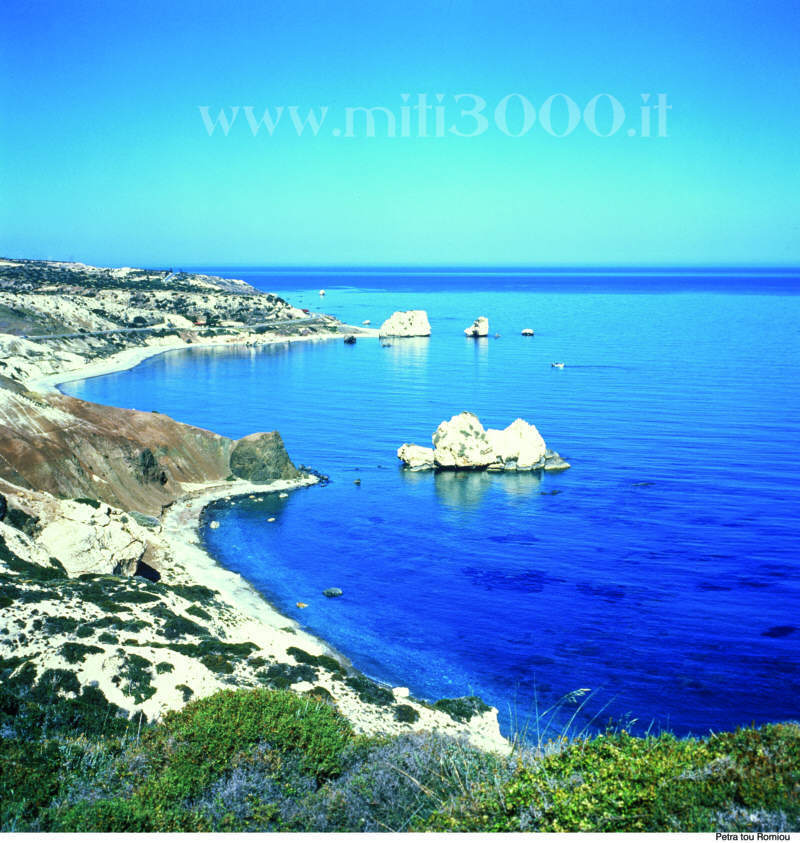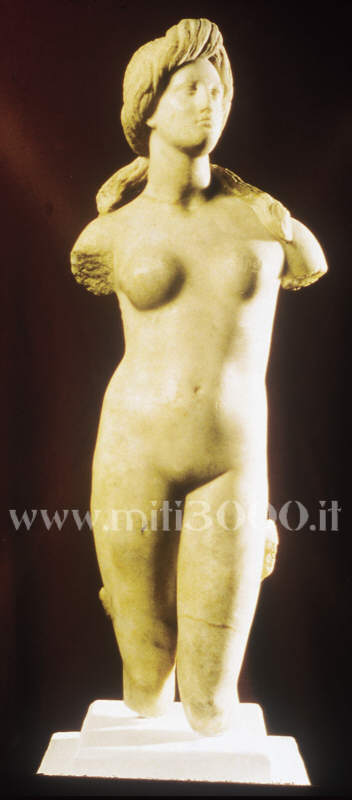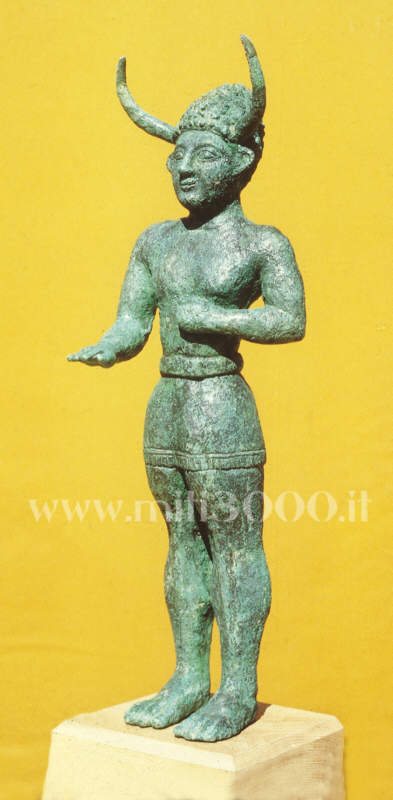
Κύπρος, migliaia di anni di miti, storia, ed inestimabili vestigia documentano i rapporti tra le Grandi civiltà del Mediterraneo, in questa pagina ammireremo Cipro.
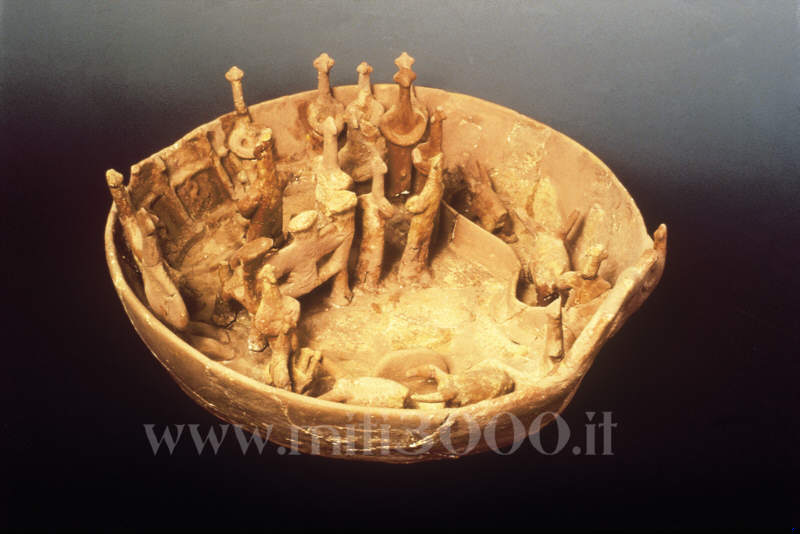
Kipro, terza isola per grandezza del Mediterraneo, da sempre è luogo di incontro di civiltà. Una piattaforma naturale in cui i popoli del Mediterraneo si sono incontrati, scontrati e mescolati infinite volte nell'arco di secoli di storia. Le testimonianze greche risalgono a circa 3.000 anni, ovviamente Cipro era nota sin dall'era neolitica, e ha visto il passaggio di tutte le civiltà che resero grande e potente il Mediterraneo.
Posta al crocevia tra Europa, Asia e Africa, Cipro sulle sue coste vide approdare Fenici ed Assiri, Egiziani e Persiani, Greci, Romani, Bizantini e Crociati - che ne fecero una propria base sulla rotta per la Terra Santa - e poi ancora Veneziani e Ottomani, fino ad arrivare - in tempi più recenti - agli Inglesi. Di ognuno conserva tracce e ricordi, testimonianze, consuetudini, resti di insediamenti archeologici... Un patrimonio variegato che oggi costituisce un museo all'aria aperta, perfettamente integrato con la scenografia del paesaggio, che consente una più approfondita ed affascinante chiave di lettura del litorale e del selvaggio entroterra.
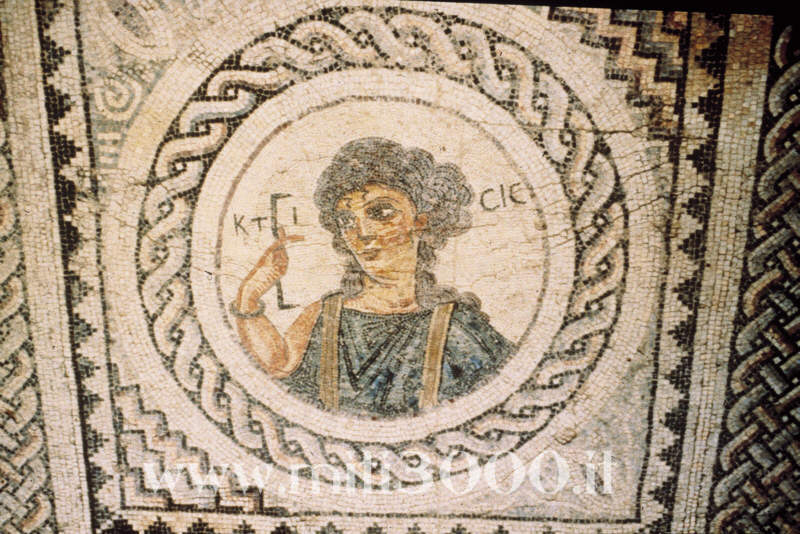
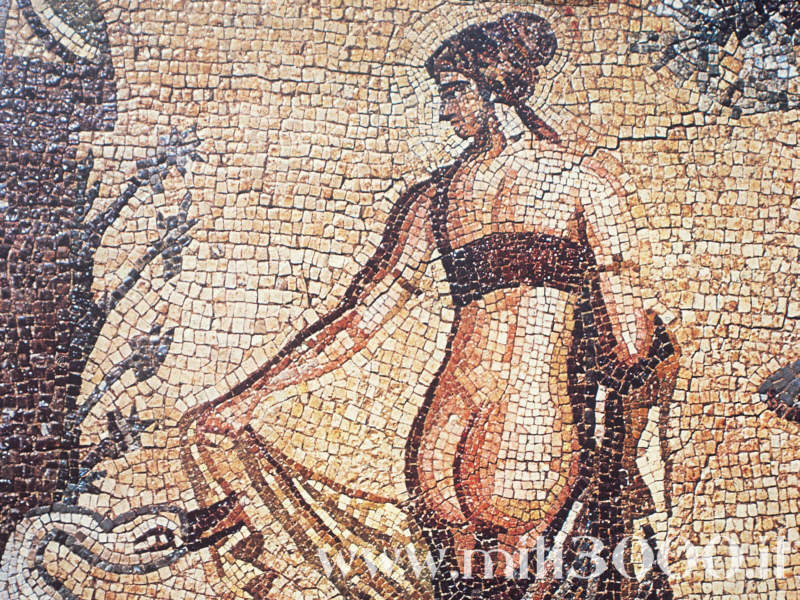
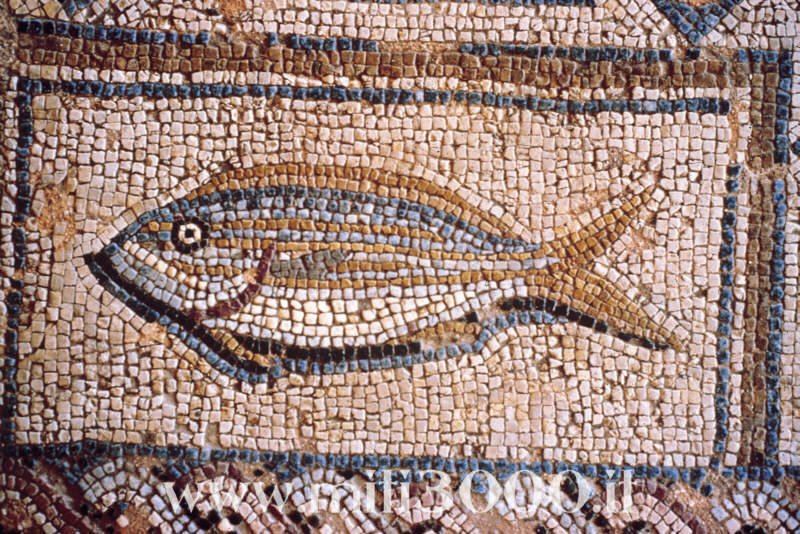
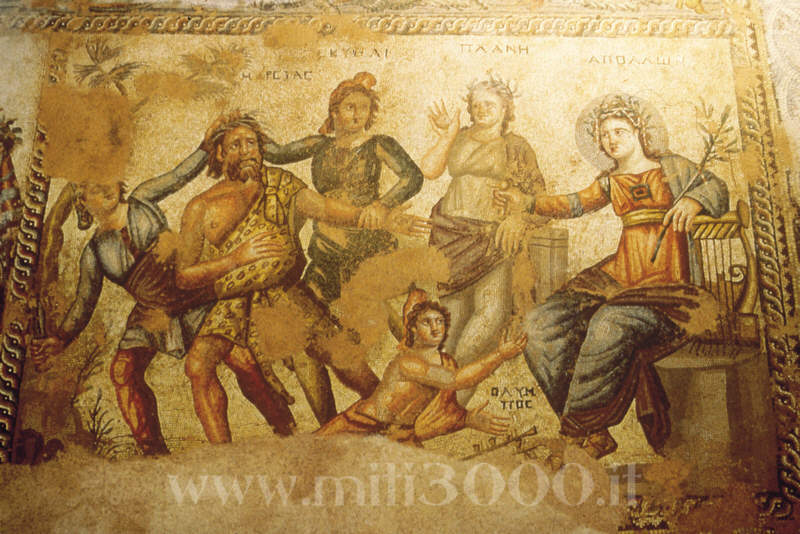
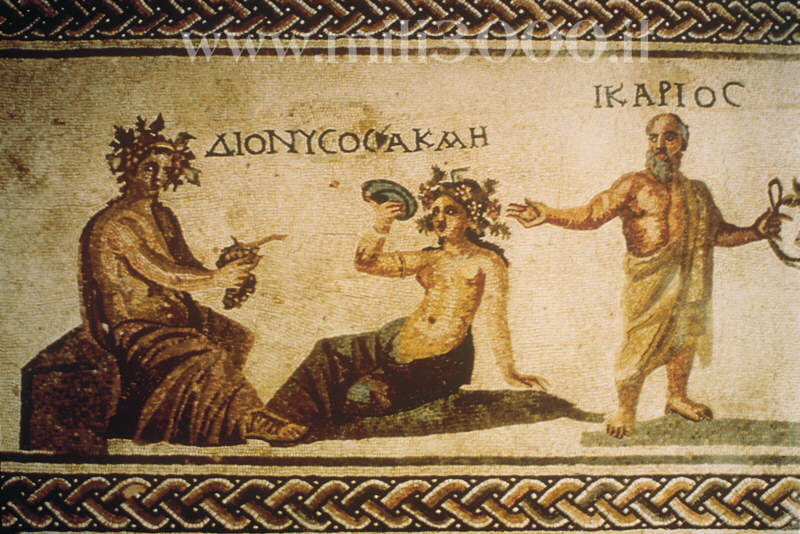
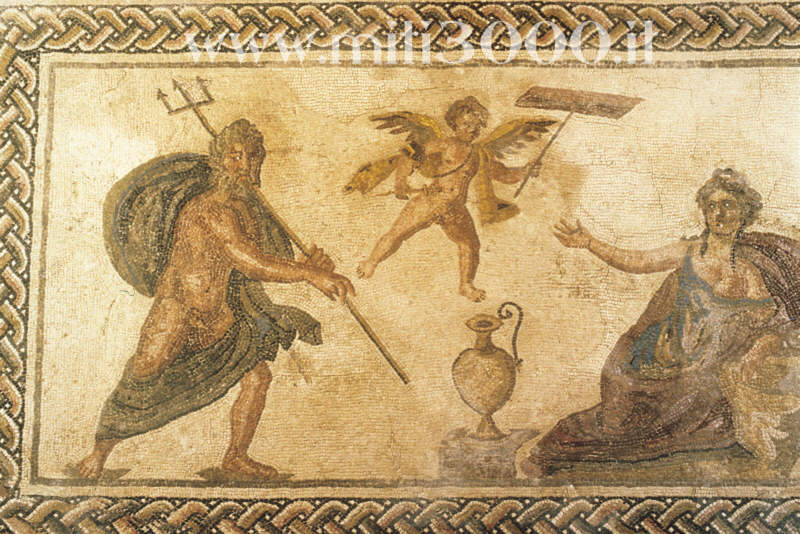
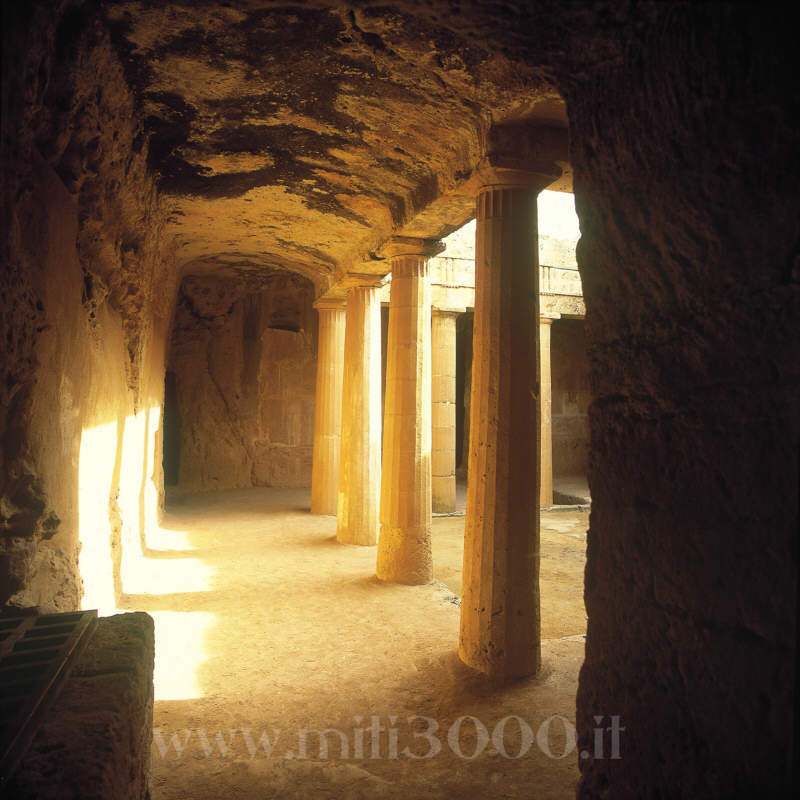
Dopo una doverosa tappa nella capitale, si può fare rotta per Pafos, che nei suoi bei dintorni vanta alcuni dei siti archeologici di maggior pregio. Nei pressi del porto, i mosaici romani delle case di Dionisio, Teseo e Aion. Poco lontane, le Tombe dei Re di epoca tolemaica, l'Odeon di Pafos
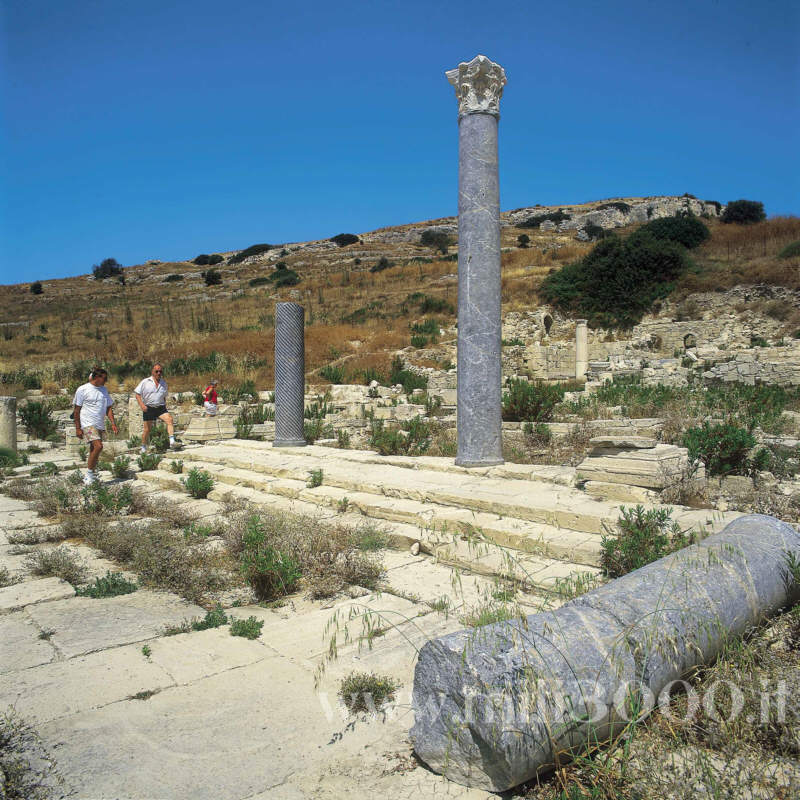
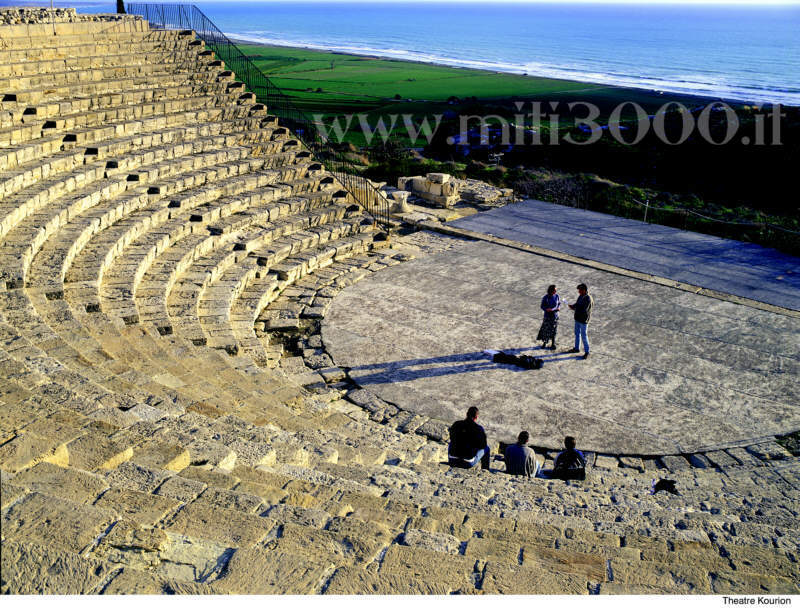
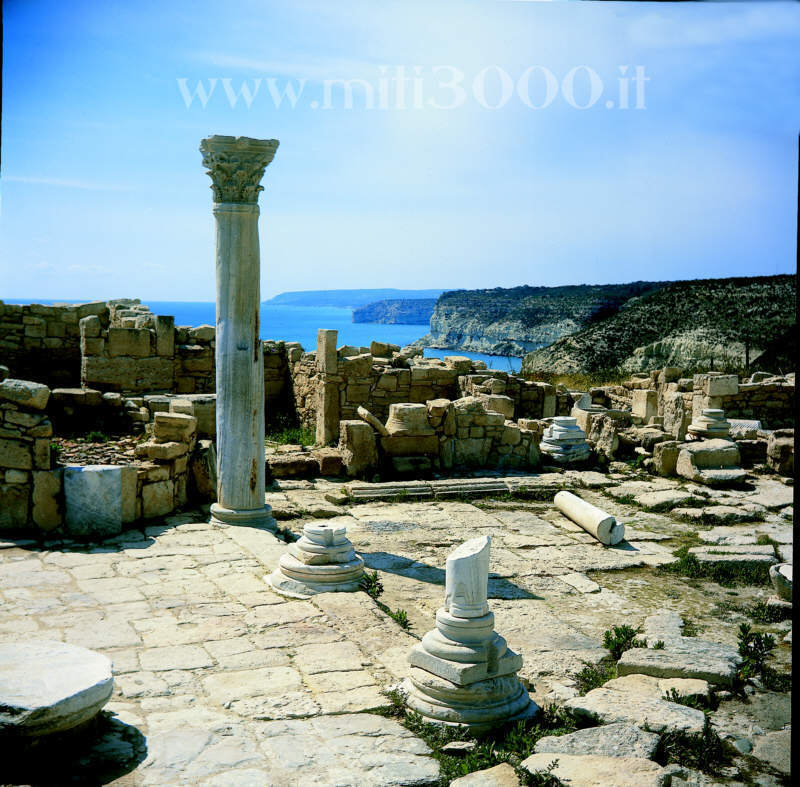
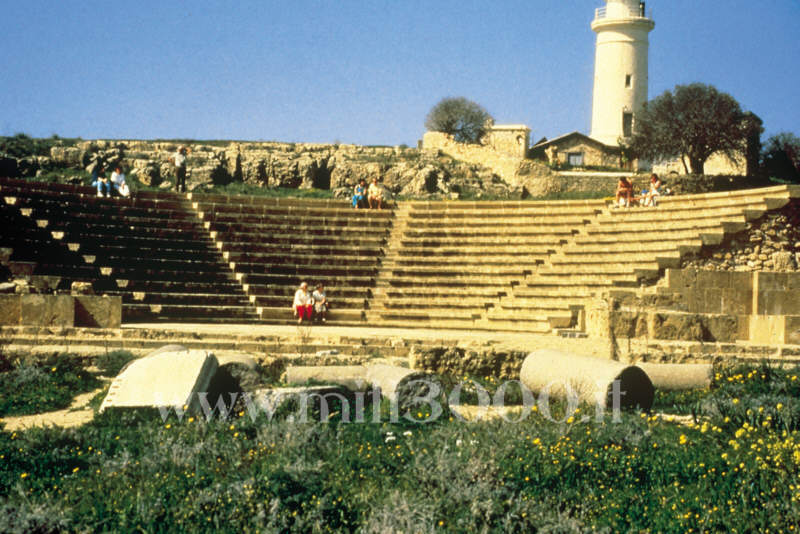
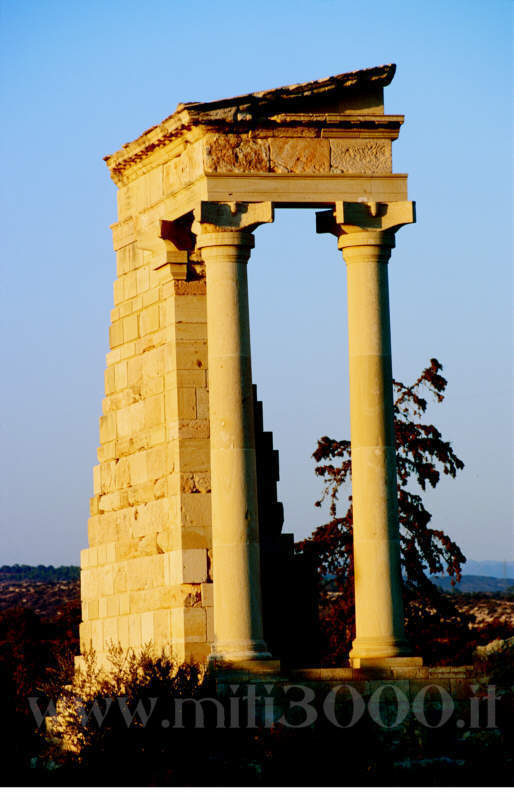
Amathous, non lontano da Limassol, è un sito che continua a svelare i misteri di questa antica città-stato dove, secondo la leggenda, Teseo affidò Arianna alle cure degli abitanti. Sempre nel distretto di Limassol, sulla strada per Pafos, il sito archeologico di Kourion, un'area sviluppatasi, dall'età classica fino al cristianesimo, in una splendida posizione a picco sul mare. Il teatro greco-romano, originario del II secolo a.C., restaurato, è utilizzato ancora oggi per rappresentazioni di teatro classico e per altre manifestazione culturali come il l'International Jazz Festival. Poco lontano è il Santuario di Apollon Ylatis, dedicato al dio dei boschi, in cui si ammirano la palestra, i bagni ed un giardino sacro.
Apollo Ylatis, dio dei boschi, era il protettore della città di Kourion. Il culto di Apollo fu qui celebrato dall'VIII secolo a.C. fino al IV secolo d.C.. La parte sud-ovest del tempio è stata ristrutturata e nuovi scavi hanno rivelato altre strutture di questo importante santuario, come il complesso dei bagni, le sale per i pellegrini, la palestra ed un giardino sacro.
Le foto di questa pagina ci sono state fornite dall'Ente Turismo Cipro
Kypros, thousands of years of myths, history, and priceless vestiges document the relationships between the great civilizations of the Mediterranean. On this page, we will admire Cyprus.
Kypros, the third largest island in the Mediterranean, has always been a meeting place of civilizations. A natural platform where the peoples of the Mediterranean have met, clashed, and intermingled countless times over the centuries of history. Greek evidence dates back approximately 3,000 years; Cyprus has obviously been known since the Neolithic era, and has witnessed the passage of all the civilizations that made the Mediterranean great and powerful.
Located at the crossroads of Europe, Asia, and Africa, Cyprus's shores have seen the arrival of the Phoenicians and Assyrians, Egyptians and Persians, Greeks, Romans, Byzantines, and Crusaders—who made it their base on the route to the Holy Land—and then the Venetians and Ottomans, until finally, in more recent times, the English. Of each, it preserves traces and memories, testimonies, customs, and remains of archaeological settlements... A diverse heritage that today constitutes an open-air museum, perfectly integrated with the scenic landscape, allowing for a more in-depth and fascinating understanding of the coastline and its wild hinterland.
After a necessary stop in the capital, you can head for Paphos, which boasts some of the most valuable archaeological sites in its beautiful surroundings. Near the port, the Roman mosaics of the houses of Dionysus, Theseus, and Aion. Not far away, the Tombs of the Kings from the Ptolemaic era, the Odeon of Paphos.
Amathous, not far from Limassol, is a site that continues to reveal the mysteries of this ancient city-state where, according to legend, Theseus entrusted Ariadne to the care of its inhabitants. Also in the Limassol district, on the road to Paphos, is the archaeological site of Kourion, an area that developed from the classical era to Christianity in a splendid position overlooking the sea. The restored Greco-Roman theater, dating back to the 2nd century BC, is still used today for classical theater performances and other cultural events such as the International Jazz Festival. Not far away is the Sanctuary of Apollon Ylatis, dedicated to the god of the woods, where you can admire the gymnasium, baths, and a sacred garden.
Apollo Ylatis, god of the woods, was the protector of the city of Kourion. The cult of Apollo was celebrated here from the 8th century BC to the 4th century AD. The southwest section of the temple has been restored, and new excavations have revealed other structures of this important sanctuary, such as the bath complex, the pilgrimage halls, the gymnasium, and a sacred garden.
The photos on this page were provided by the Cyprus Tourism Organization.
sto.jpg)