Egina
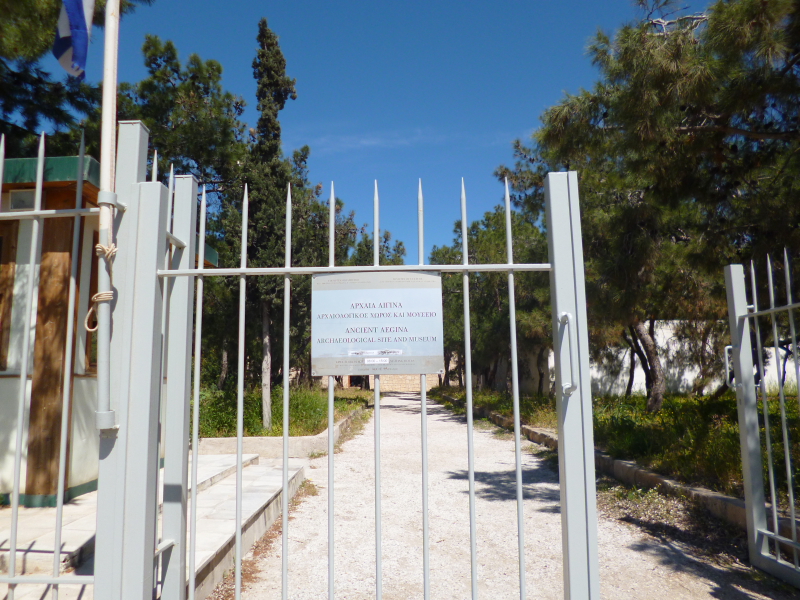
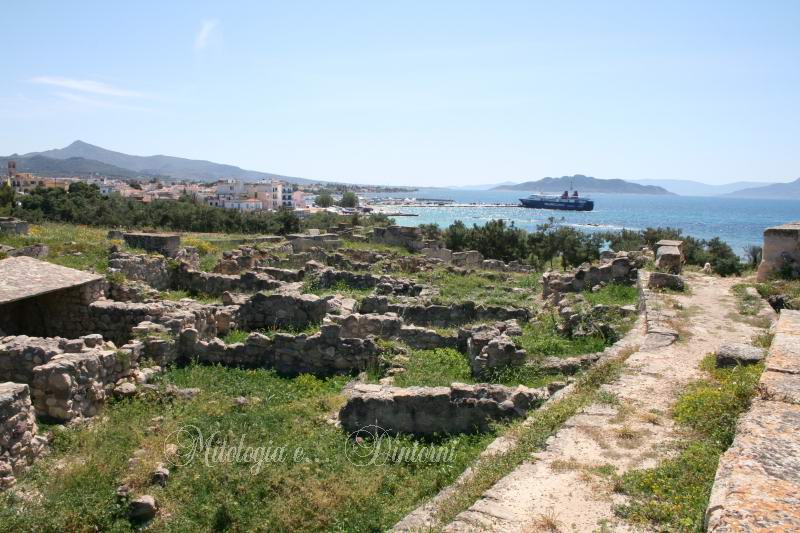
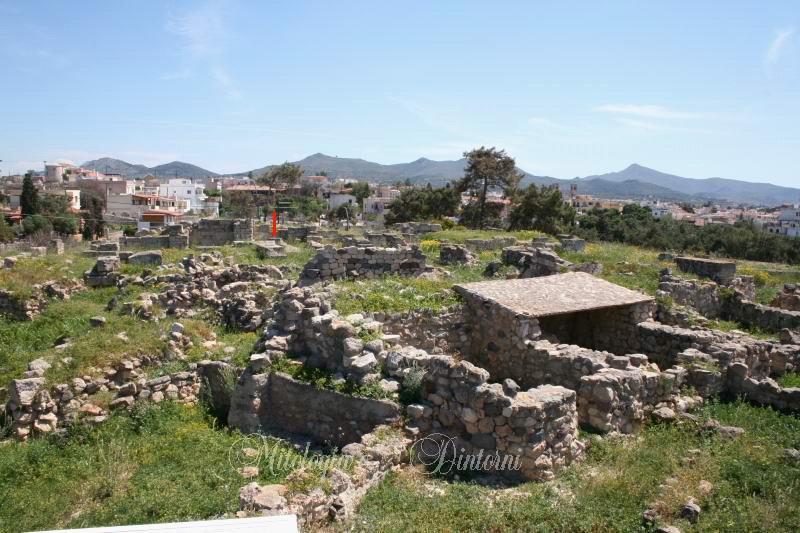
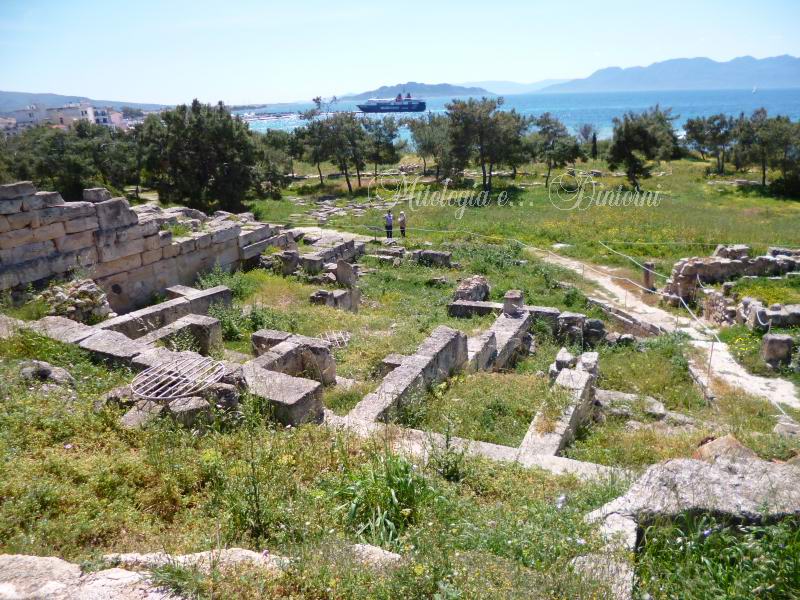
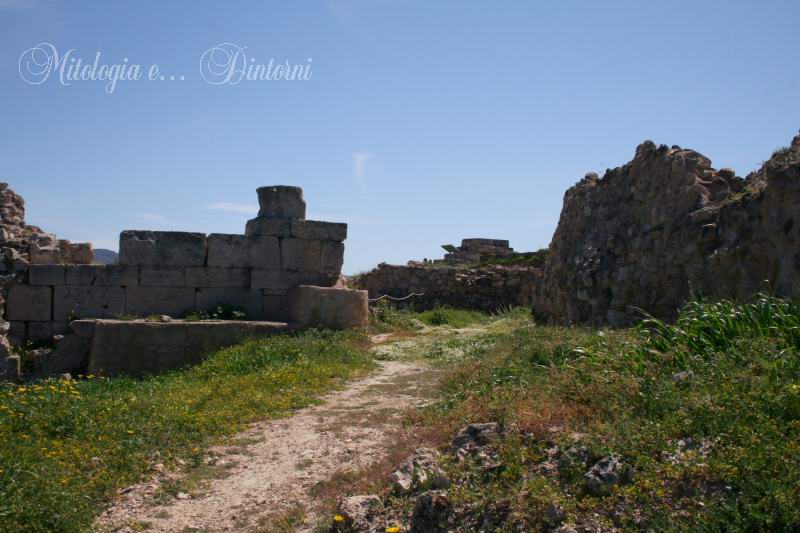
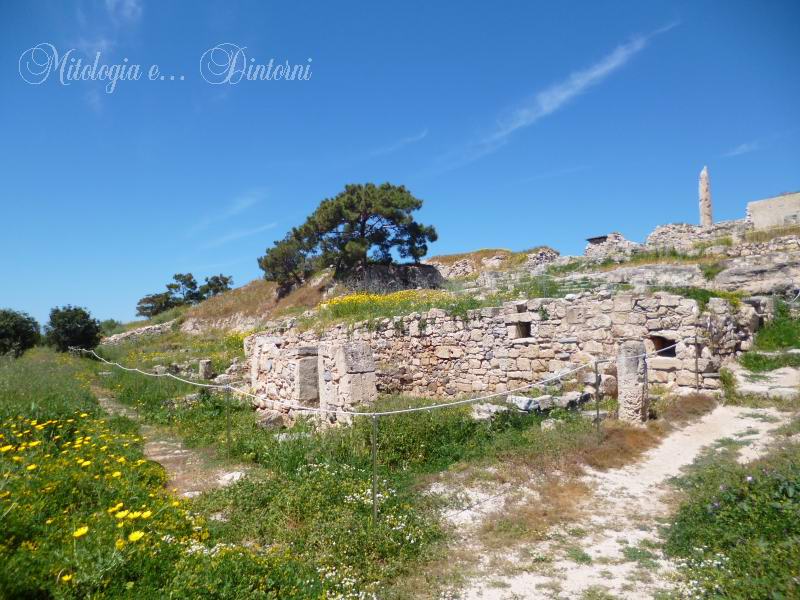
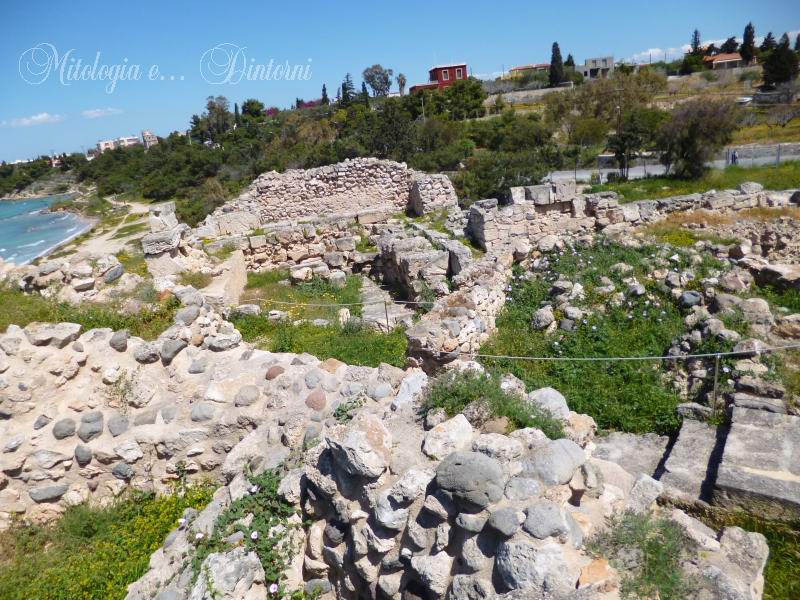
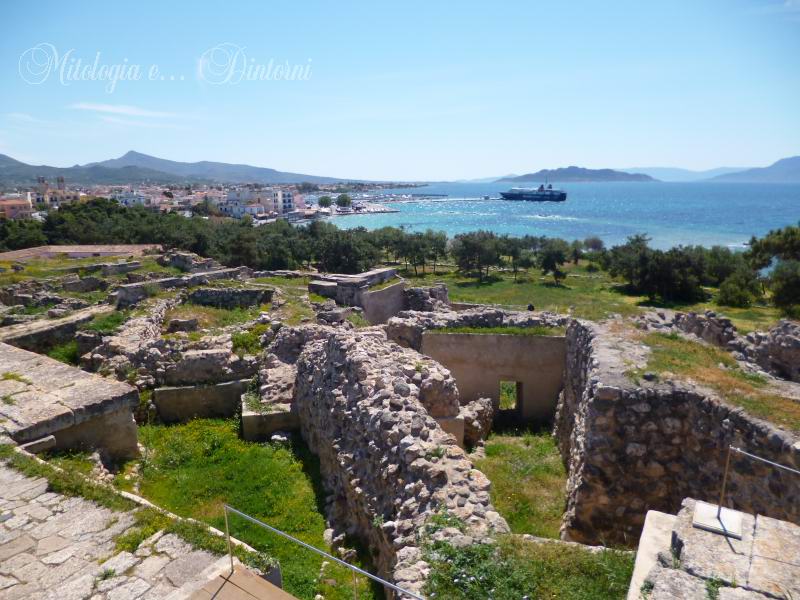
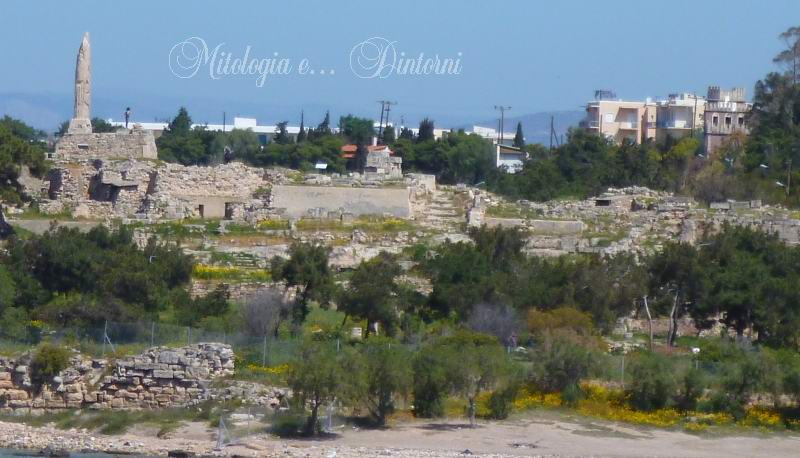
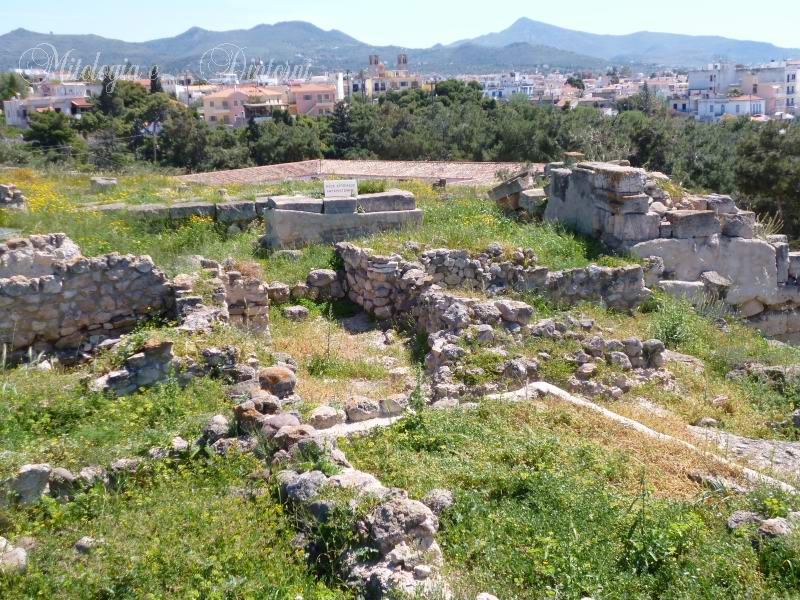
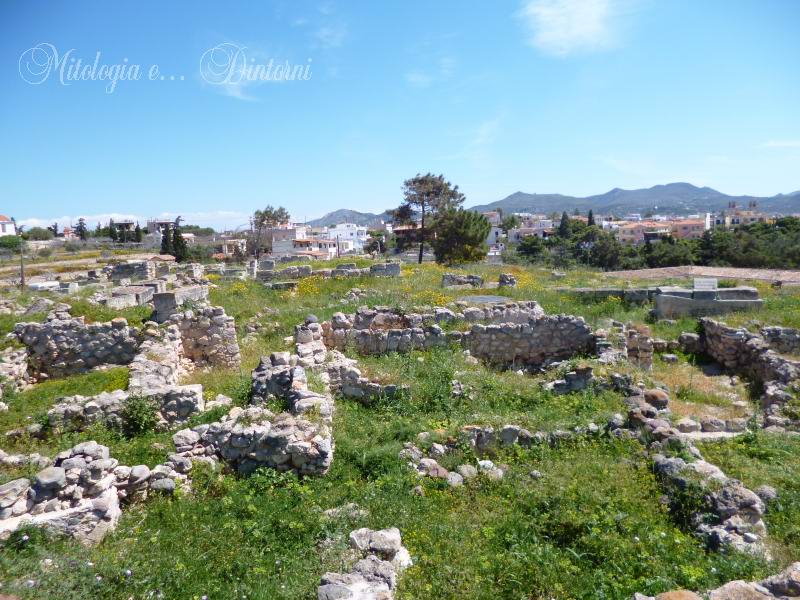
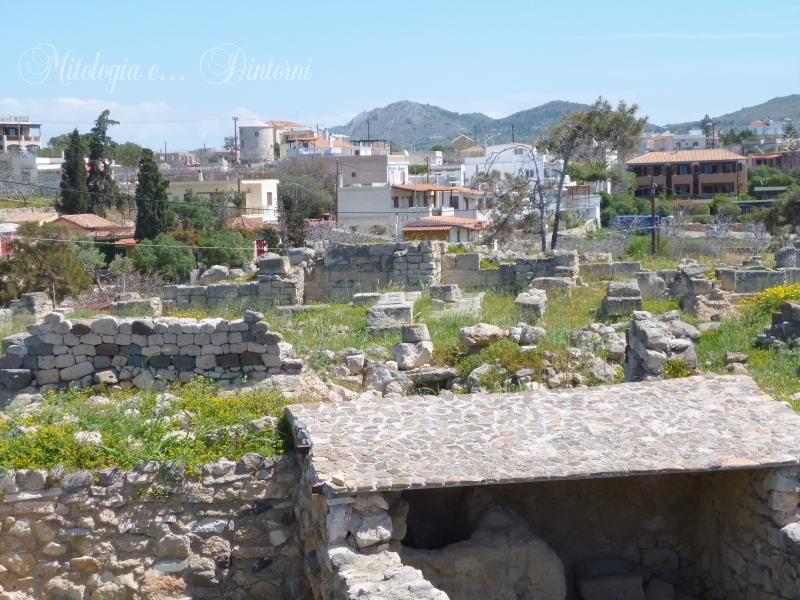
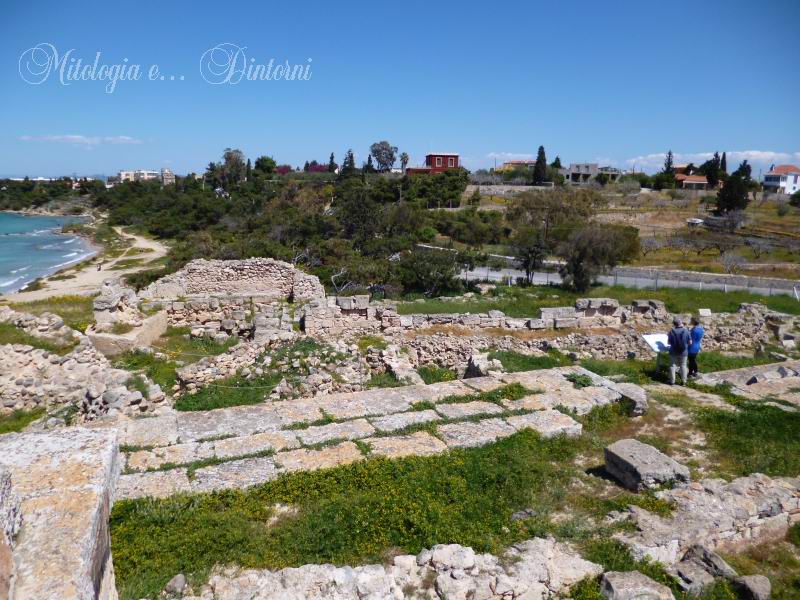
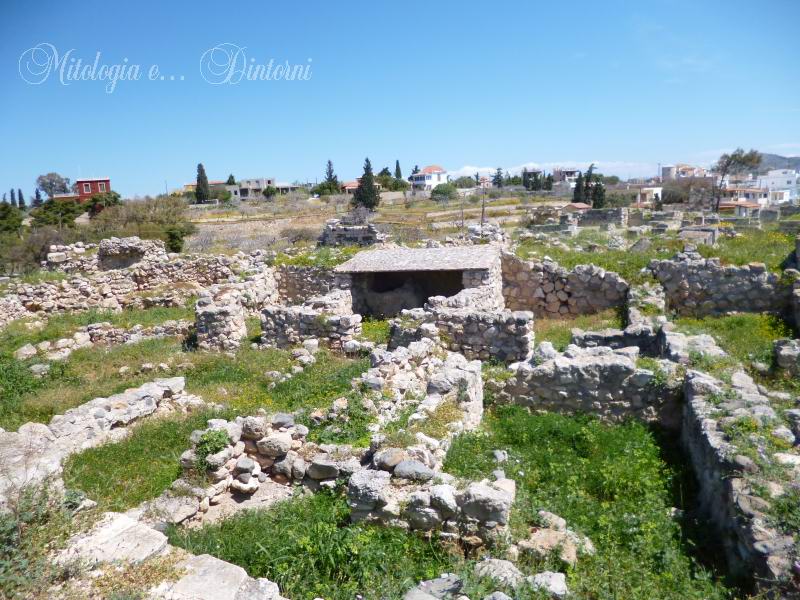
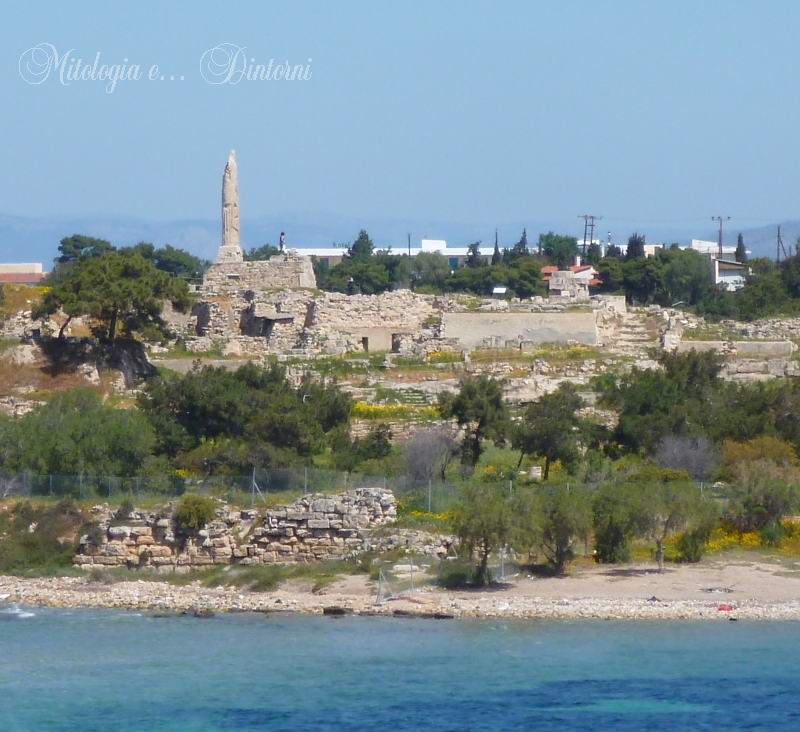
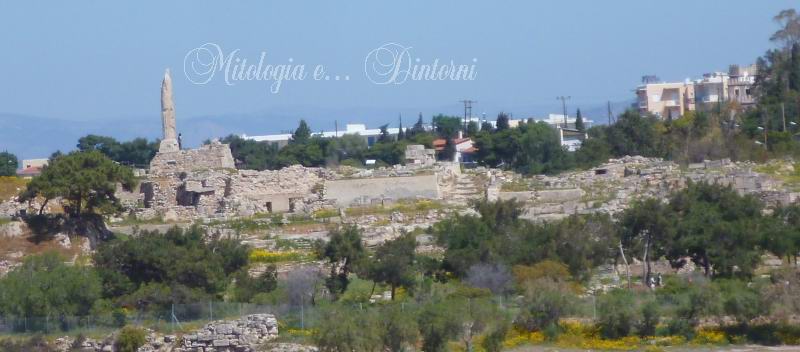
Αἴγῑνα, l'antica capitale di Egina è situata sulla costa nord occidentale dell'isola, parzialmente coperta dalla città moderna. La città aveva un porto commerciale e un porto militare di forma rettangolare posto nella parte nord a ridosso del promontorio dell'acropoli. Le mura classiche della città proteggevano i due porti e il promontorio dell'acropoli.
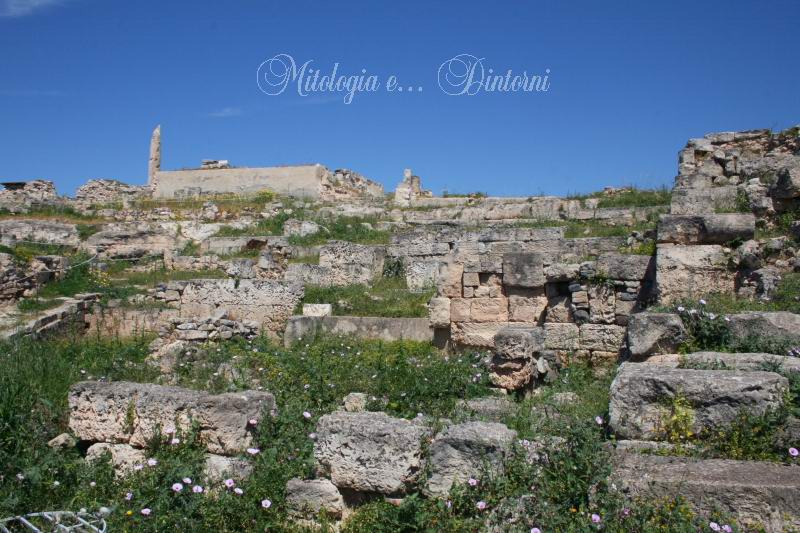
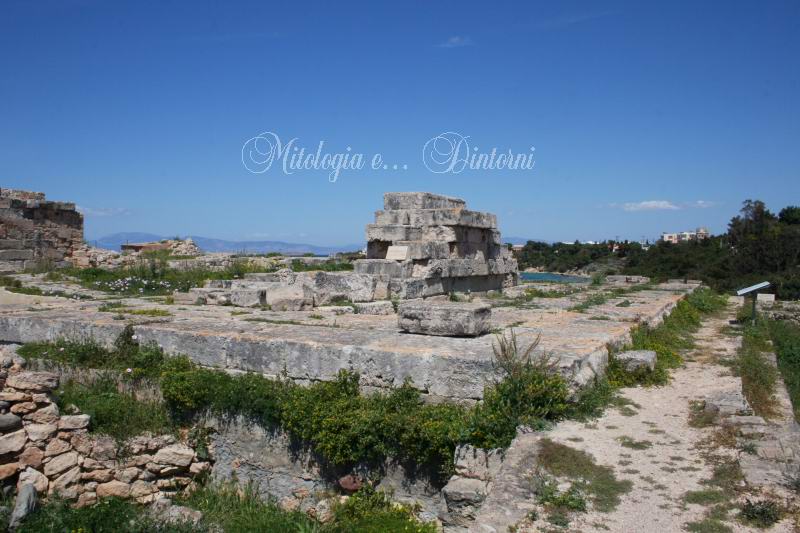
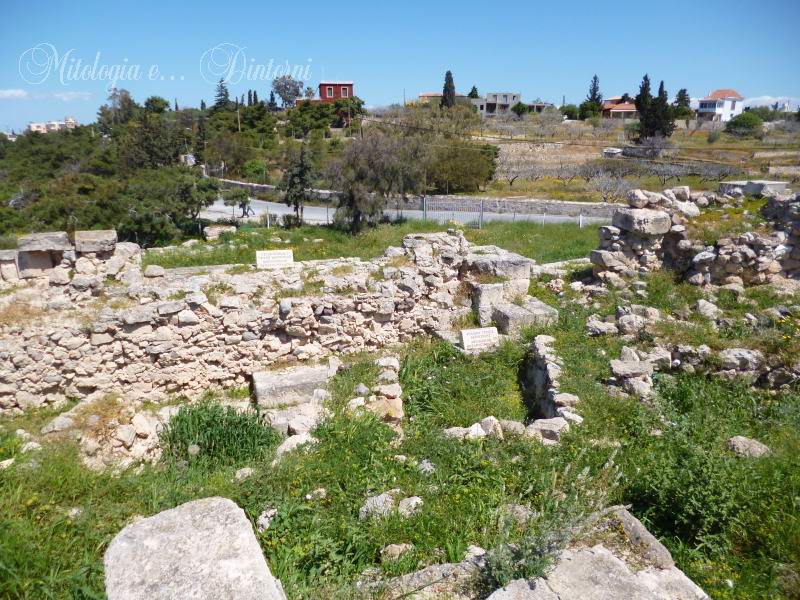
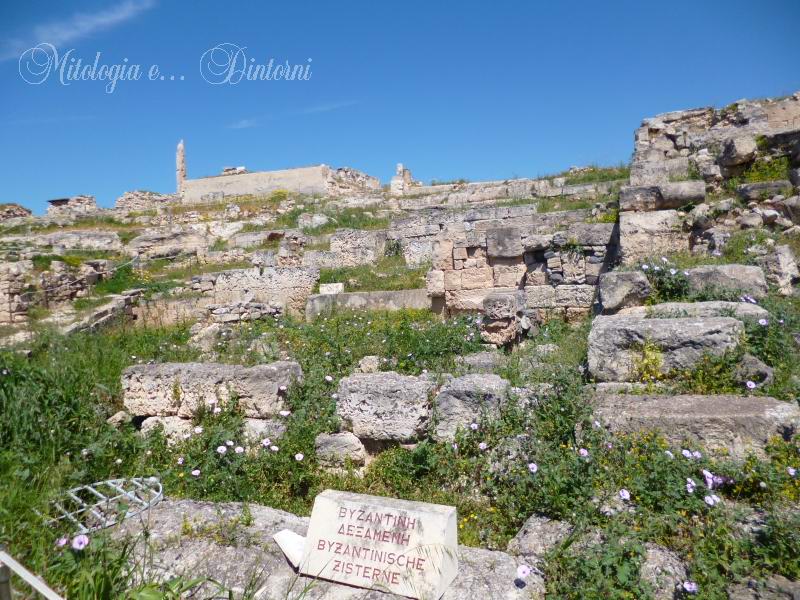
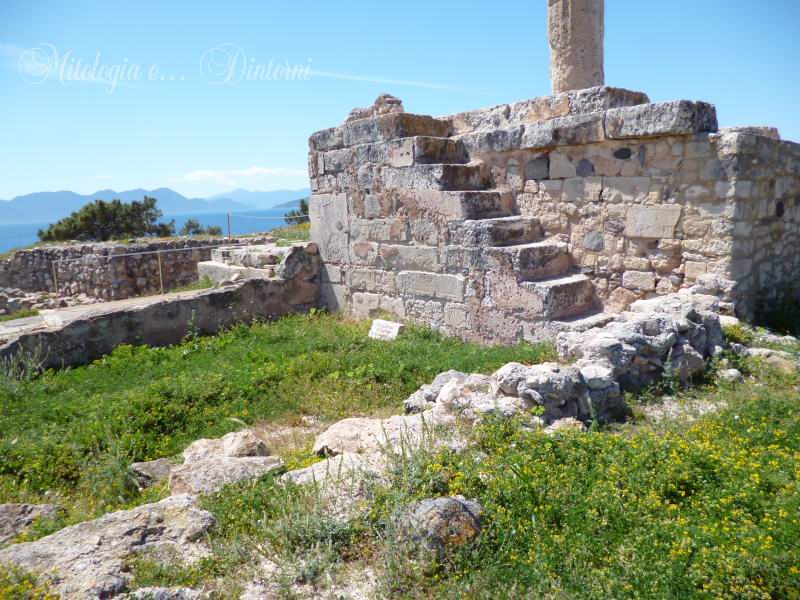
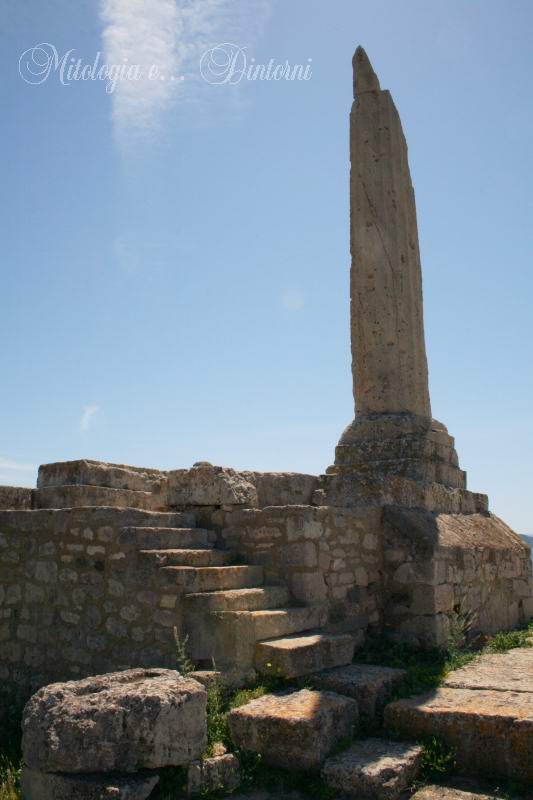
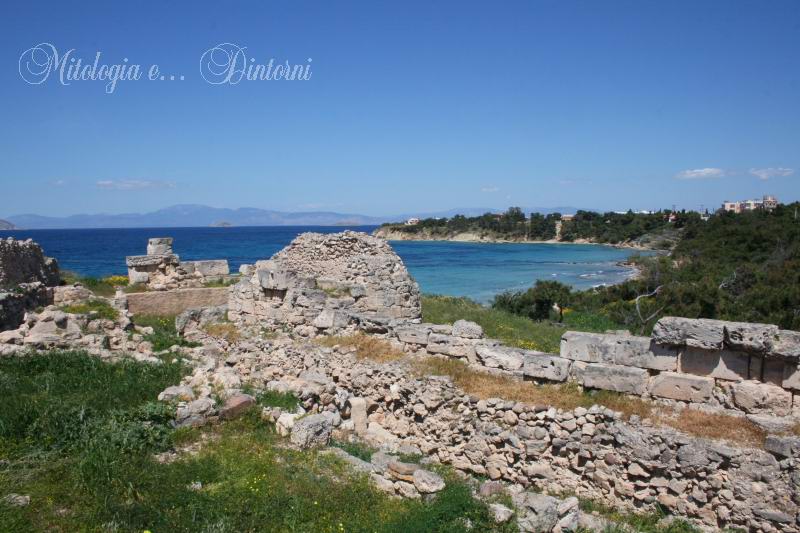
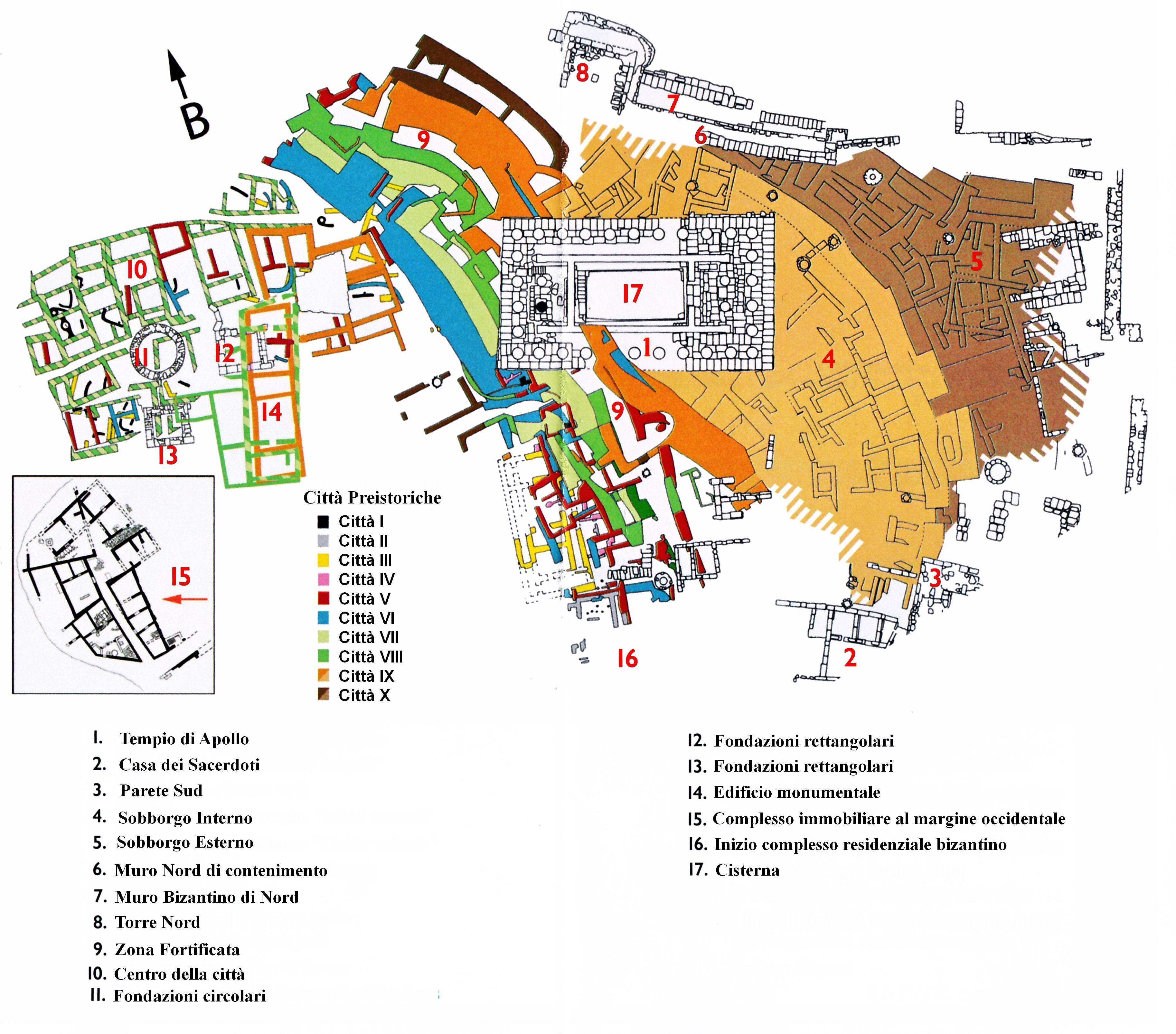
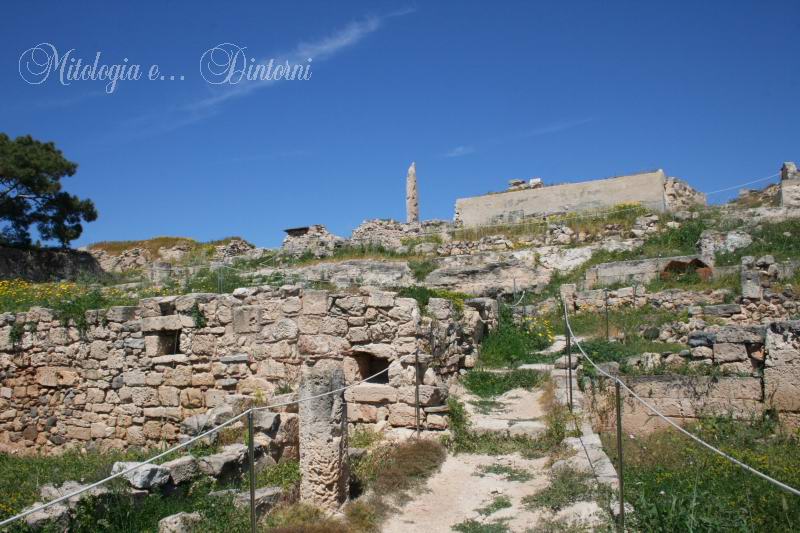
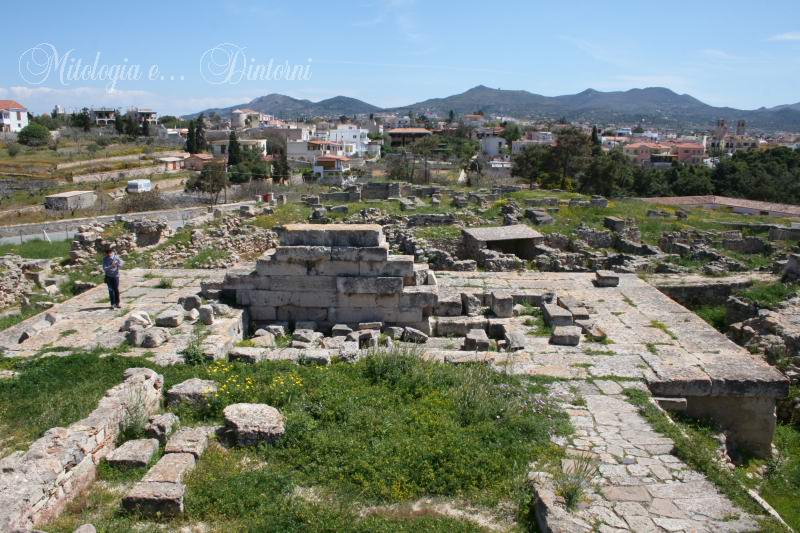
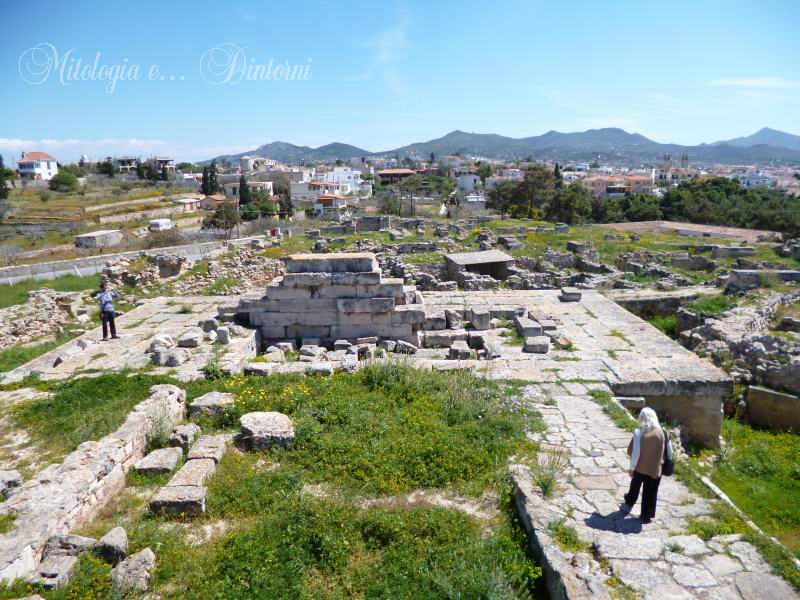
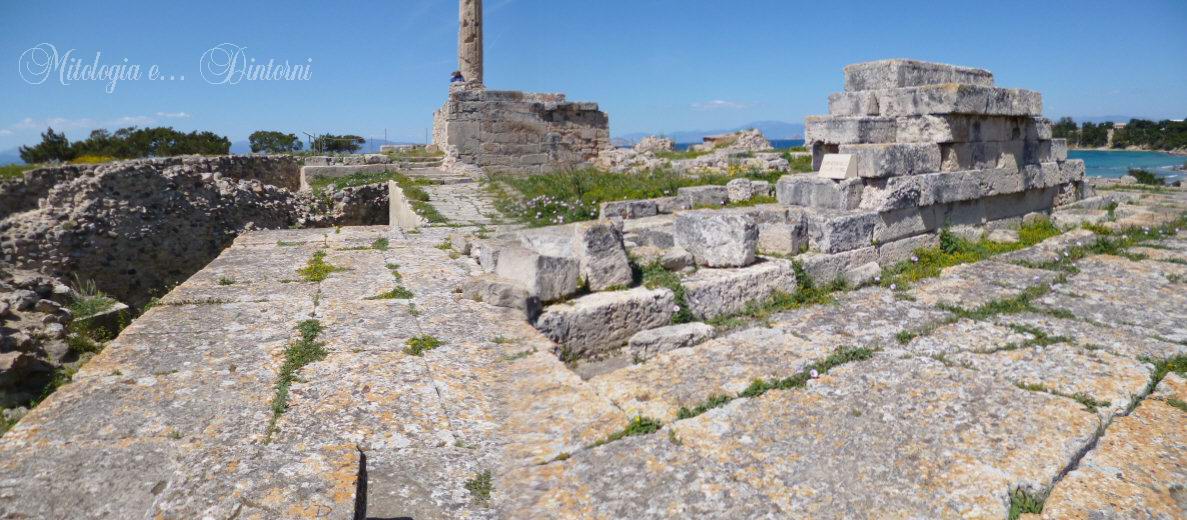
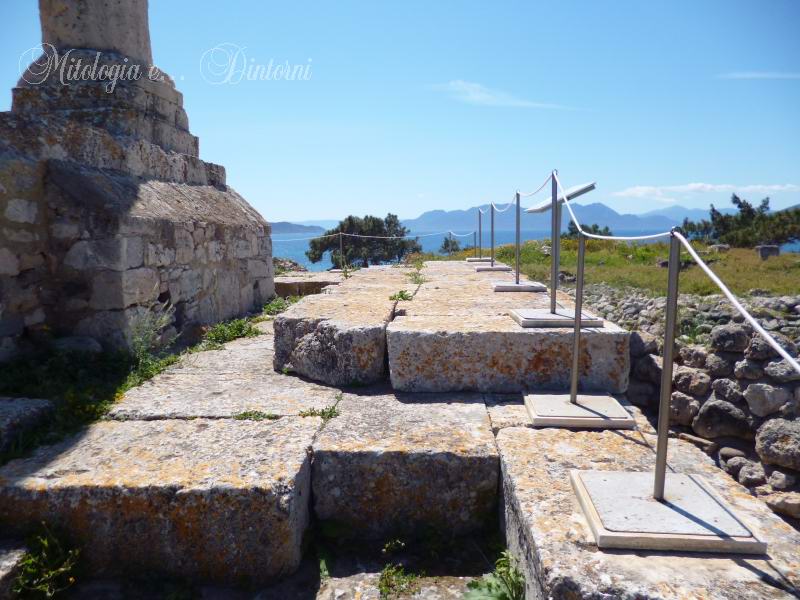
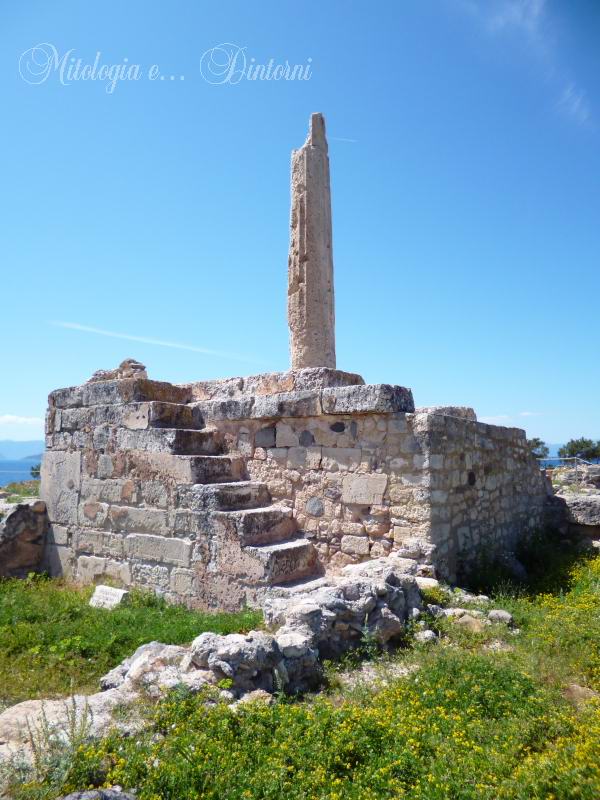
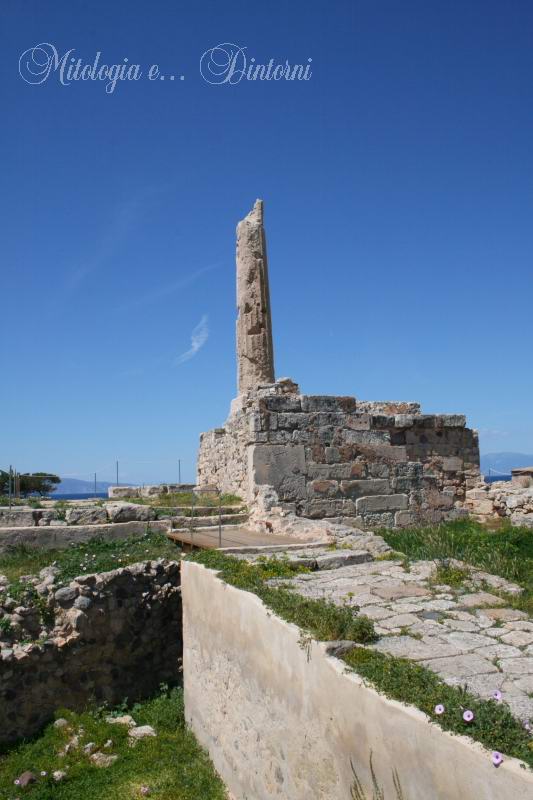
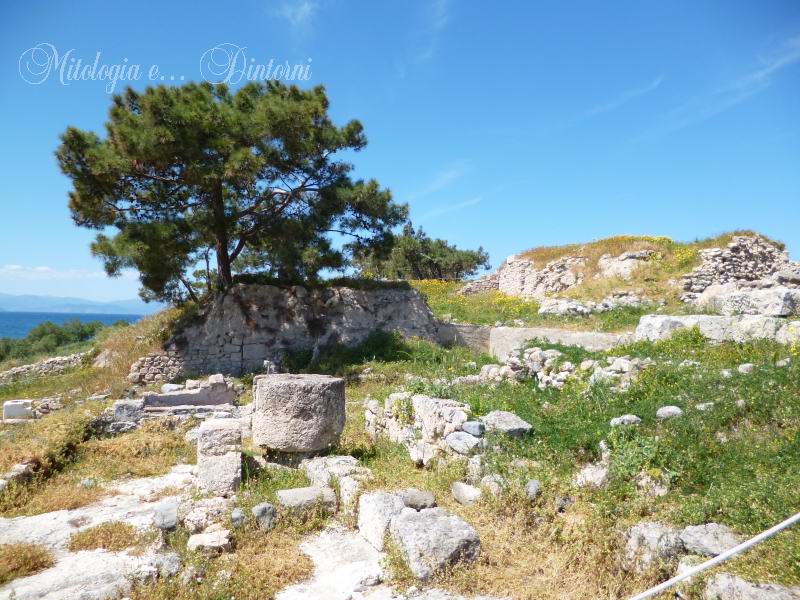
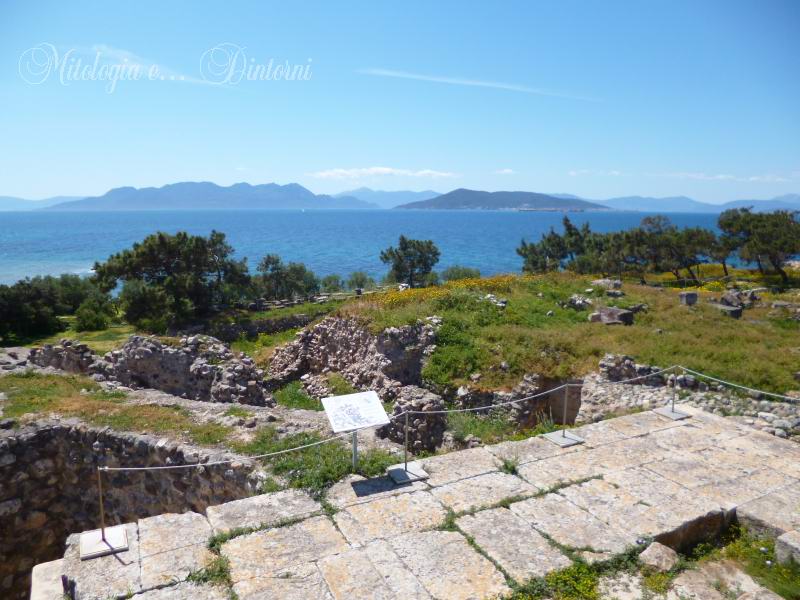
Gli scavi hanno portato alla luce molteplici insediamenti stratificati riferiti a dieci città arcaiche che vanno dal Neolitico al periodo del Bronzo (vedi mappa). Sul promontorio sotto il livello del 500 a.C. ca. sono visibili i resti del tempio di Apollo e di un precedente tempio. In tutti gli insediamenti che si susseguirono, l'acropoli fu sempre fortificata, almeno dall'età del bronzo.
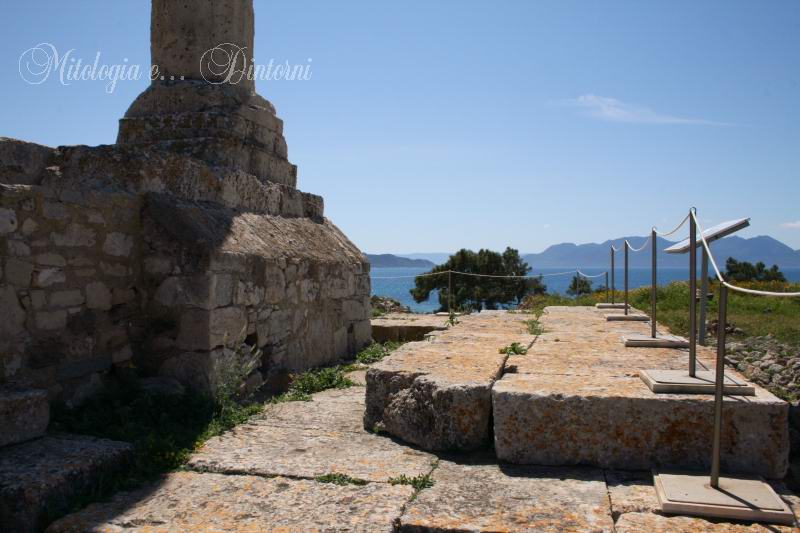
Il tempio di Apollo del VI secolo fu sostituito da una tarda fortezza romana.
Pare che l'antico nome di Egina fosse Enone (Pausania l. II,29, 2)
L'isola deve il suo nome a quello della madre di Eaco, Egina appunto, che qui nacque e governò l'isola.
Egina si trova in una posizione marittima strategica e fin dal Neolitico ha avuto stretti contatti commerciali col continente e le isole.Egina era indipendente da qualsiasi legame con la terraferma. Intorno al 1000 fu sottomessa dai Dori. Durante il VII e VI secolo, Egina era una grande potenza marittima e aveva contatti commerciali dall'Egitto alla Spagna.
Probabilmente nel corso della prima metà del VII secolo cadde sotto il controllo di Fidone tiranno di Argo (Pausania, VI 22,2).
La serie monetale, riferibile secondo alcuni alla prima metà del VII secolo o, secondo ipotesi recenti, agli inizi del VI secolo, documenta per l'isola uno splendore particolare di cui è testimonianza non tanto la produzione bronzistica (che avrà il momento più significativo in Glaukias e Onata nel primo venticinquennio del V secolo), quanto la grande flotta che le consentì un'intensa attività colonizzatrice e la mise in urto dapprima con Samo (l'ostilità coi Sami risaliva al tempo di Anficrate re di Samo) e successivamente con Atene. La rivalità con quest'ultima ebbe inizio nel 506 e toccò momenti di grande tensione quando, in seguito all'alleanza coi Persiani nel 491 (Erodoto, VI 49, 1), gli Egineti tesero un agguato in occasione delle celebrazioni della Penteteride al Sunio e catturarono numerosi eminenti cittadini ateniesi (VI 87), o quando gli Ateniesi, per vendicare l'affronto, inviarono settanta triremi, ma nella battaglia navale che ne seguì furono duramente battuti (VI 92-93). Ulteriore testimonianza dello splendore e della ricchezza di Egina sono i numerosi edifici templari, fra cui notevole il tempio di Afaia (esastilo con dodici colonne sui lati lunghi), costruito nel decennio 490-480, il quale ha nella decorazione frontonale l'esempio più alto di coroplastica marmorea tardoarcaica in ambiente peloponnesiaco.
Britomarti, a giudizio di Pausania (II 30,3; cfr. Pausania, La Corinzia e l'Argolide, pp. 312-3) figlia di Zeus e di Carma, era oggetto di venerazione a Egina con l'epiteto di Afaia e a Creta con quello di Diktynna: cfr. Antonino Liberale, 40;
Personaggi illustri:
- Onata di Egina Ὀνάτας (bronzista)
- Glaukias Γλαυκίας (Bronzista)
- Paolo di Egina Παύλος της Αἴγινα (Medico)
- Teopropo Θεόπροπος (bronzista)
il mito:
Dopo aver rapito Egina, Zeus dovette battersi non solo contro la gelosia di Era, ma anche contro l'ira del padre della ragazza che aveva rapito; Asopo, che era un dio-fiume, si mise alla ricerca della figlia e arrivò sino a Corinto il cui astuto re, Sisifo, gli svelò che il rapitore era stato il re degli dèi. Non per questo Asopo rinunciò all'inseguimento finché Zeus, spazientito, lo colpì con un fulmine ricacciandolo dentro il suo letto: per questa ragione ancora oggi si trovano nelle acque di quel fiume pezzi di carbone; il racconto è narrato da Apollodoro, III, 12, 6.
Egina venne portata nell'isola che allora si chiamava Enone («Terra del vino»; Pindaro, Nem., 4, 46; Isthm., 5, 34; Erodoto, 8, 46; Apollodoro, III, 12, 6) oppure Enopia (Pindaro, Nem., 8, 2 1; Ovidio, Met., 7, 472).), e ora invece ha preso il nome della fanciulla, Egina; Zeus si unì a lei, e generò il figlio Eaco. Ma Eaco viveva solo nell'isola: e Zeus allora, per dargli compagnia, trasformò in uomini le formiche.(Apollodoro, Biblioteca III,11)
Sisifo sconta le sue colpe nell'Ade con la pena di un'enorme pietra che egli deve far rotolare, spingendola in salita con le mani e con la testa, per farla poi scendere dall'altra parte: ma una volta che sia riuscito a spingere il masso, questo poi rotola sempre indietro. Questa è la pena che Sisifo deve scontare a causa di Egina, la figlia di Asopo: quando Zeus rapì di nascosto la fanciulla, infatti, si dice che Sisifo fece la spia ad Asopo, che la stava cercando.(Apollodoro, Biblioteca 1,9)
Asopo era figlio di Oceano e Teti, oppure, secondo Acusilao, di Pero e Poseidone, o ancora figlio di Zeus ed Eurinome. A lui andò sposa Metope, figlia del fiume Ladone, che gli diede due figli maschi, Ismeno e Pelagone, e venti figlie, una delle quali era Egina.
La versione di Igino corrisponde a quella di Ovidio, Metamorfosi, 7, 523-535, il quale parla della pestilenza scatenata dalla vendicativa Era: una caligine opprimente si abbatté sull'isola, tutti i serpenti di quella terra errarono per i campi desolati e infine si gettarono nelle sorgenti che contaminarono con i loro veleni. Di lì si diffuse l'epidemia che spopolò tutta l'isola. Secondo altre versioni del mito, più antiche, Egina era un'isola completamente disabitata; vi fu fatto nascere dalle formiche un popolo di uomini per consentire ad Eaco di colonizzarla: Esiodo, fr. 205 Merkelbach-West; Apollodoro, III, 12, 6; scolio a Licofrone, 175.
Un altro mito narra di come Egina andando a caccia in un gelido giorno d'inverno, notasse un insolito fuoco che ardeva su di un monte, cui si avvicinò per scaldarsi, senza sospettare che nelle fiamme si celasse il Re degli Dei, Zeus, il quale si svelò e violentò la fanciulla.
Dalla loro unione fu generato Eaco, che diede origine alla stirpe degli Eacidi, di cui faceva parte suo nipote Peleo, quindi Egina è da considerarsi a tutti gli effetti la bisnonna di Achille. Asopo venne trasformato da Zeus in fiume, mentre Egina si recò in seguito in Tessaglia e sposò Attore, dopo avere dato a Zeus il figlio Eaco, che era il nonno di Achille. Ad Attore diede un figlio di nome Menezio. Menezio non è altri che il padre di Patroclo.
Secondo Igino (Miti,52) - Zeus desiderava congiungersi con Egina, figlia di Asopo, ma temeva la gelosia di Era. Allora la trasportò sull'isola di Delo e la rese gravida; da questo amplesso nacque Eaco. Quando Era lo venne a sapere, inviò contro le sorgenti di quella terra un serpente che le avvelenò, cosicché chiunque beveva quell'acqua rendeva il suo debito alla natura. Eaco perse molti amici e ormai per scarsezza di uomini non poteva più sopravvivere in quel luogo; ma scorgendo una fila di formiche pregò Zeus che gli inviasse in soccorso degli esseri umani e Zeus mutò le formiche in uomini, che furono detti Mirmidoni (Μυρμιδόνες) dal momento che il nome greco delle formiche è μύρμηκες. L'isola venne poi chiamata Egina.
Le formiche sono dunque gli antenati animaleschi di questo popolo, i Mirmidoni furono gli inventori della navigazione a vela secondo Esiodo, fr. 205 Merkelbach-West. Un'altra versione del mito (scolio a Licofrone, 175) racconta che la metamorfosi delle formiche in uomini avvenne in Tessaglia e che il prodigio fu compiuto per dare un popolo di guerrieri a Peleo, che si era rifugiato in quella regione dopo essere stato esiliato dal padre Eaco per avere assassinato il fratello Foco. Altre tradizioni, orali e locali (Pausania, 2, 29, 2), parlano di abitanti nati dalla terra.
Il mito di Egina ed Eaco e la trasformazione delle formiche in uomini, mito di fondazione dell'isola di Egina, è testimoniato per la prima volta in Esiodo, fr. 205 Merkelbach-West; Ferecide, FGrHist, 3 E 119; Pindaro, Isthm., 8, 16-25; Apollodoro, III, 12, 6; Diodoro Siculo, 4, 72, 5; Pausania, 2, 29, 2; Strabone, 8, 6, 16; scolio a Il., 1, 180; Ovidio, Met., 7, 615-654; scolii a Licofrone, 175; 176; Lattanzio Placido, Comm. ad Theb., 7, 424; Servio, In Verg. Aen., 2, 7
Pausania in l. II 29, 6, narra che: Egina è la più difficile all'approdo tra le isole greche, giacché tutt'intorno a essa si levano scogli e abbondano le rocce sotto il livello dell'acqua. E si dice che questi ostacoli furono a bella posta escogitati da Eaco, per la paura che aveva dei pirati e perché non fosse senza pericoli per la gente ostile l'accesso all'isola. Presso il porto, nel quale perlopiù attraccano, c'è un tempio di Afrodite, mentre nella parte più in vista della città c'è il cosiddetto Eaceo, un recinto rettangolare di marmo bianco.
TEOPROPO
All'ingresso del sacro recinto (delfi) c'è un toro di bronzo, lavoro di Teopropo di Egina e dedica dei Corciresi. La sua storia è questa. Una volta a Corcira un toro, lasciata la mandria e allontanatosi dal pascolo, scese alta riva del mare e si mise a muggire. Poiché la stessa cosa si ripeteva ogni giorno, il bovaro scese al mare e lì vide una innumerevole quantità di tonni.
Allora lo fece sapere ai Corciresi della città ed essi, poiché volevano prendere quei tonni, ma faticavano invano, mandarono una legazione a Delfi. Così immolarono quel toro a Poseidone e subito dopo il sacrificio riuscirono a catturare quei pesci. Le loro dediche a Olimpia e a Delfi rappresentano la decima di quella pesca.
Aegina
Aegina, the ancient capital of Aegina, is located on the northwest coast of the island, partially covered by the modern city. The city had a commercial port and a rectangular military port located in the northern part, close to the acropolis promontory. The classical city walls protected the two ports and the acropolis promontory.
Excavations have uncovered multiple stratified settlements related to ten archaic cities dating from the Neolithic to the Bronze Age (see map). On the promontory, below the level of ca. 500 BC, the remains of the Temple of Apollo and an earlier temple are visible. In all subsequent settlements, the acropolis was always fortified, at least since the Bronze Age.
The 6th-century temple of Apollo was replaced by a late Roman fortress.
Aegina's ancient name appears to have been Oenone (Pausanias, 12.29.2)
The island owes its name to Aeacus's mother, Aegina, who was born and ruled the island here.
Aegina is located in a strategic maritime position and has had close trade links with the mainland and the islands since the Neolithic period.Aegina was independent of any ties to the mainland. Around 1000, it was subjugated by the Dorians. During the 7th and 6th centuries, Aegina was a major maritime power and had trade links from Egypt to Spain.
It probably fell under the control of Pheidon, tyrant of Argos, during the first half of the 7th century (Pausanias, 6.22.2).
The coin series, which some believe to date back to the first half of the 7th century or, according to recent hypotheses, to the beginning of the 6th century, documents a particular splendor for the island, evidenced not so much by its bronze production (which had its most significant moment in Glaukias and Onata in the first twenty-five years of the 5th century), but rather by the large fleet that allowed it to engage in intense colonization and brought it into conflict first with Samos (hostility with the Samians dated back to the time of Amphicrates, king of Samos) and subsequently with Athens. The rivalry with the latter began in 506 and reached moments of great tension when, following the alliance with the Persians in 491 (Herodotus, VI 49, 1), the Aeginetans set an ambush during the Pentheteride celebrations at Sunium and captured several eminent Athenian citizens (VI 87), or when the Athenians, to avenge the affront, sent seventy triremes, but were severely defeated in the naval battle that followed (VI 92-93). Further testimony to the splendor and wealth of Aegina are the numerous temple buildings, among which the notable temple of Aphaea (hexastyle with twelve columns on the long sides), built in the decade 490-480, which has in its pediment the finest example of late archaic marble coroplastic art in the Peloponnesian environment.
Brithamart, according to Pausanias (II 30,3; cf. Pausanias, Corinthia and Argolis, pp. 312-3) daughter of Zeus and Carmas, was an object of veneration in Aegina with the epithet of Aphaia and in Crete with that of Diktynna: cf. Antoninus Liberalis, 40;
Famous figures:
- Onatas of Aegina Ὀνάτας (bronze sculptor)
- Glaukias Γλαυκίας (bronze sculptor)
- Paulus of Aegina Παύλος της Αἴγινα (Physician)
- Theopropos Θεόπροπος (bronze sculptor)
The myth:
After abducting Aegina, Zeus had to fight not only the jealousy of Hera, but also the wrath of the father of the girl he had kidnapped; Asopus, a river god, set out in search of his daughter and reached Corinth, where the cunning king, Sisyphus, revealed that the kidnapper had been the king of the gods. Asopus nevertheless gave up the pursuit until Zeus, growing impatient, struck him with a thunderbolt, driving him back into his riverbed. For this reason, pieces of coal are still found in the waters of that river today. The story is told by Apollodorus, III, 12, 6.
Aegina was brought to the island that was then called Oenone ("Land of Wine"; Pindar, Nem., 4, 46; Isthm., 5, 34; Herodotus, 8, 46; Apollodorus, III, 12, 6) or Oenopia (Pindar, Nem., 8, 2 1; Ovid, Met., 7, 472).), and now instead took the name of the girl, Aegina; Zeus united with her, and fathered the son Aeacus. But Aeacus lived alone on the island: and then Zeus, to keep him company, transformed the ants into men. (Apollodorus, Library III, 11)
Sisyphus atones for his sins in Hades with the punishment of a huge stone that he must roll, pushing it uphill with his hands and head, only to then roll it down the other side. But once he has managed to push the boulder, it always rolls back. This is the punishment Sisyphus must pay for Aegina, the daughter of Asopus: when Zeus secretly kidnapped the girl, in fact, Sisyphus is said to have informed Asopus, who was looking for her. (Apollodorus, Library 1.9)
Asopus was the son of Oceanus and Tethys, or, according to Acusilaus, of Peros and Poseidon, or even the son of Zeus and Eurynome. He was married to Metope, daughter of the river Ladon, who bore him two sons, Ismenus and Pelagon, and twenty daughters, one of whom was Aegina.
Hyginus' version corresponds to that of Ovid, Metamorphoses, 7, 523-535, who speaks of the plague unleashed by vengeful Hera: an oppressive fog fell upon the island, all the serpents of that land wandered through the desolate fields and finally threw themselves into the springs, which they contaminated with their venom. From there, the plague spread, depopulating the entire island. According to other, more ancient versions of the myth, Aegina was a completely uninhabited island; a human population was created there from ants to allow Aeacus to colonize it: Hesiod, fr. 205 Merkelbach-West; Apollodorus, III, 12, 6; Scholium to Lycophron, 175.
Another myth tells of how Aegina, while hunting on a freezing winter day, noticed an unusual fire burning on a mountain. She approached it to warm herself, unaware that the flames were hiding the King of the Gods, Zeus, who revealed himself and raped the girl.
From their union, Aeacus was born, who gave rise to the lineage of the Aeacus, which included his grandson Peleus, making Aegina truly the great-grandmother of Achilles. Asopus was transformed into a river by Zeus, while Aegina later went to Thessaly and married Actor, after giving Zeus his son Aeacus, who was Achilles' grandfather. She bore Actor a son named Menoetius.
Menoetius is none other than the father of Patroclus.
According to Hyginus (Myths, 52) - Zeus desired to have intercourse with Aegina, daughter of Asopus, but feared Hera's jealousy. So he carried her to the island of Delos and made her pregnant; from this embrace, Aeacus was born. When Hera learned of this, she sent a serpent against the springs of that land to poison them, so that whoever drank from the water repaid their debt to nature. Aeacus lost many friends and could no longer survive in that place due to the scarcity of humans; but seeing a swarm of ants, he prayed to Zeus to send humans to his aid, and Zeus transformed the ants into men, who were called Myrmidons (Μυρμιδόνες) since the Greek name for ants is μύρμηκες. The island was later called Aegina.
The ants are therefore the animal ancestors of this people; the Myrmidons were the inventors of sailing according to Hesiod, fr. 205 Merkelbach-West. Another version of the myth (scholium to Lycophron, 175) tells that the metamorphosis of the ants into men occurred in Thessaly and that the miracle was performed to provide a people of warriors for Peleus, who had taken refuge in that region after being exiled by his father Aeacus for having murdered his brother Phocus. Other traditions, oral and local (Pausanias, 2, 29, 2), speak of inhabitants born from the earth.
The myth of Aegina and Aeacus and the transformation of ants into men, the foundation myth of the island of Aegina, is first mentioned in Hesiod, fr. 205 Merkelbach-West; Pherecydes, FGrHist, 3 E 119; Pindar, Isthm., 8, 16-25; Apollodorus, III, 12, 6; Diodorus Siculus, 4, 72, 5; Pausanias, 2, 29, 2; Strabo, 8, 6, 16; scholium on Il., 1, 180; Ovid, Met., 7, 615-654; scholia on Lycophron, 175; 176; Lactantius Placidus, Comm. ad Theb., 7, 424; Servius, In Verg. Aen., 2, 7
Pausanias, in l. II 29, 6, narrates that: Aegina is the most difficult of the Greek islands to land on, since all around it rise cliffs and rocks abound below the waterline. And it is said that these obstacles were purposely devised by Aeacus, out of fear of pirates and so that access to the island would not be without danger for hostile people. Near the harbor, where they usually dock, there is a temple of Aphrodite, while in the most prominent part of the city is the so-called Aeacus, a rectangular enclosure of white marble.
THEOPROPOS
At the entrance to the sacred enclosure (Delphi) there is a bronze bull, the work of Theopropos of Aegina and dedicated by the Corcyraeans. Its story is this. Once in Corcyra, a bull, having left his herd and wandered from his pasture, descended to the high shore of the sea and began to low. Since the same thing happened every day, the herdsman went down to the sea and saw an innumerable quantity of tuna.
He then reported this to the Corcyraeans of the city, and since they wanted to catch those tuna but were struggling in vain, they sent a delegation to Delphi. So they sacrificed the bull to Poseidon and immediately after the sacrifice, they managed to catch those fish. Their dedications at Olympia and Delphi represent a tithe of that catch.