Epidauro e il teatro di Palià Epidauros
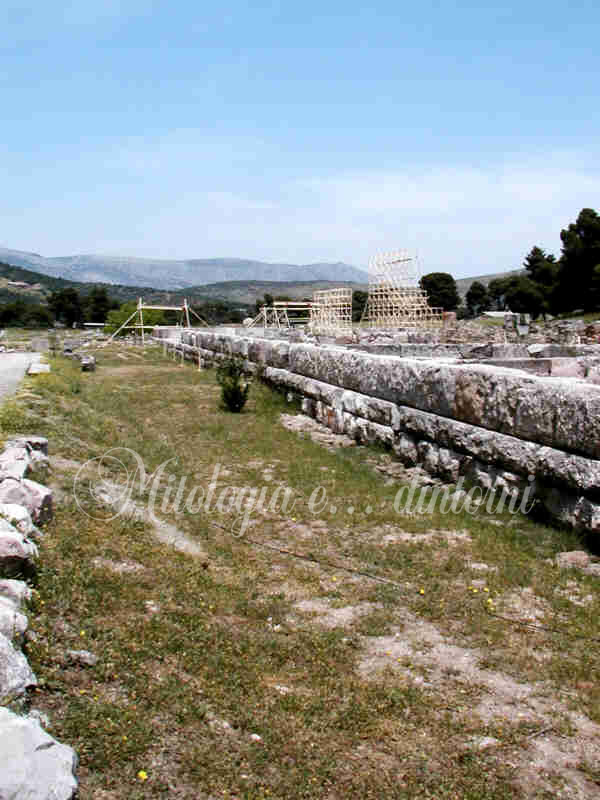
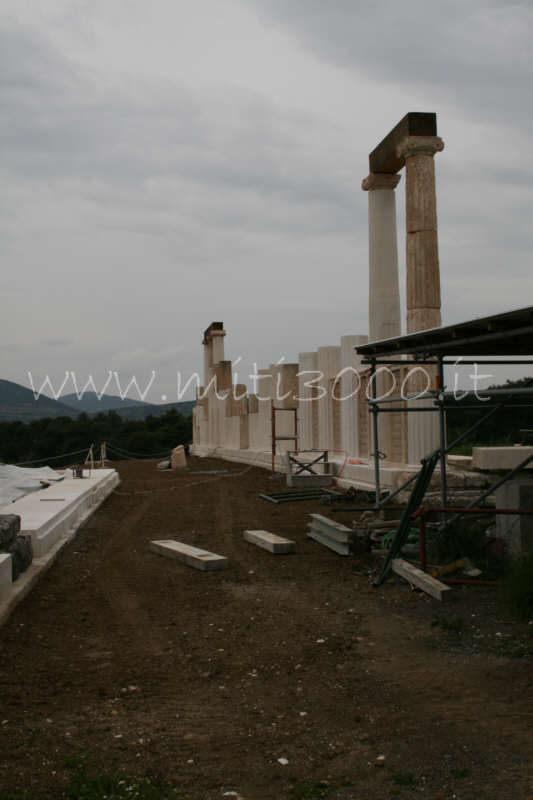
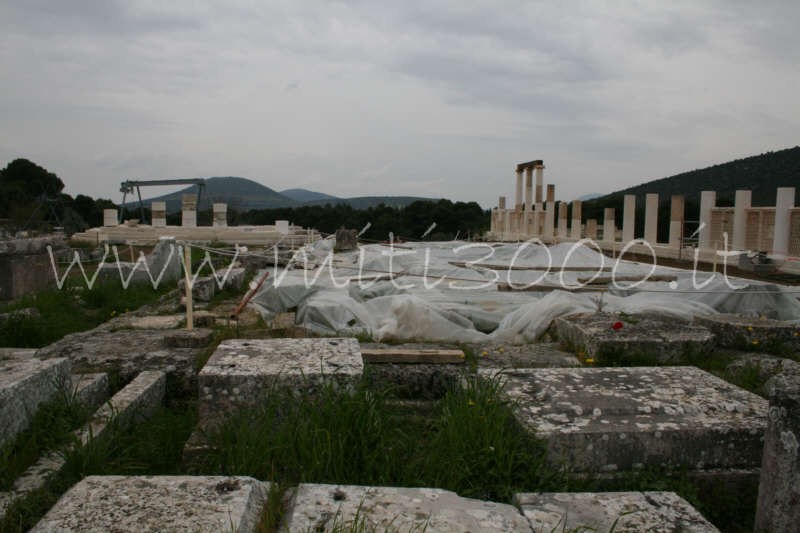
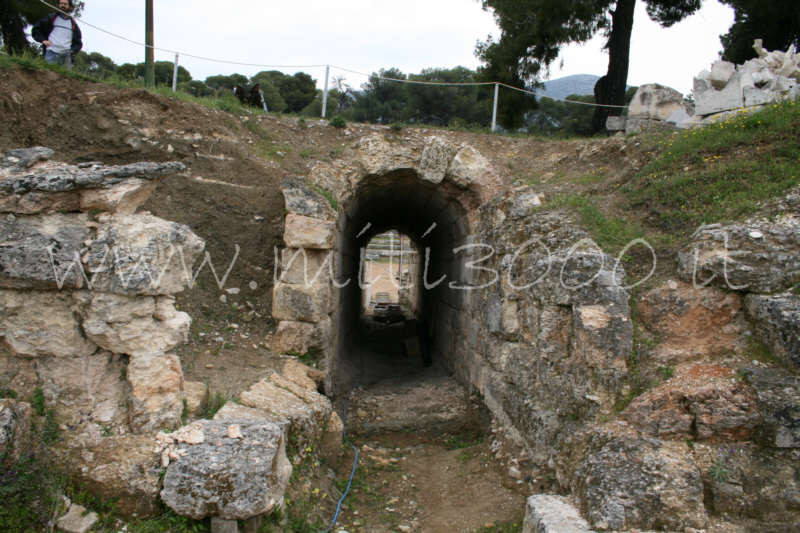
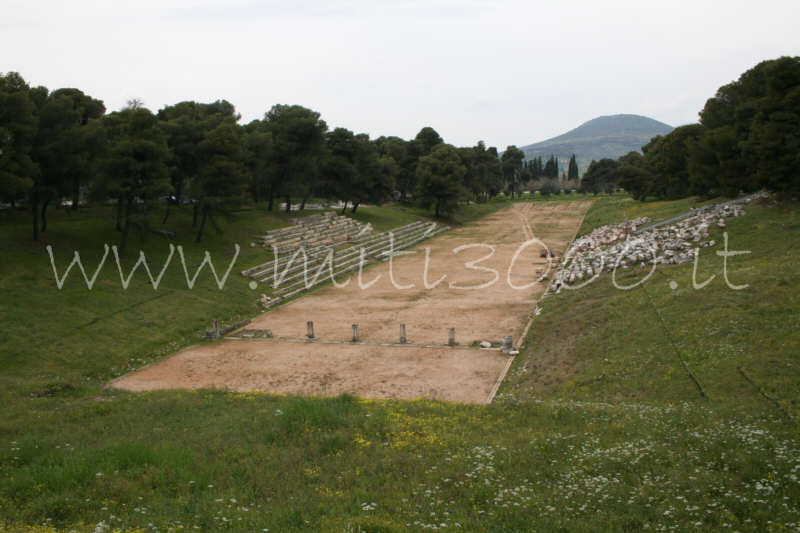
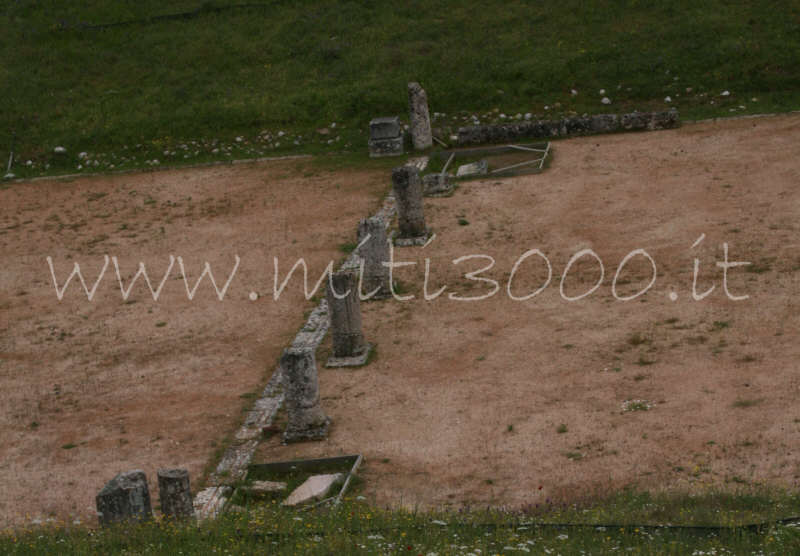
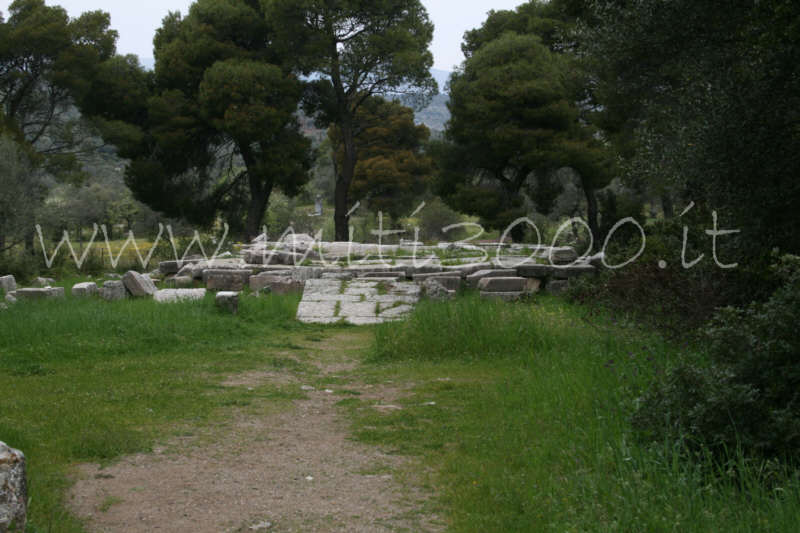
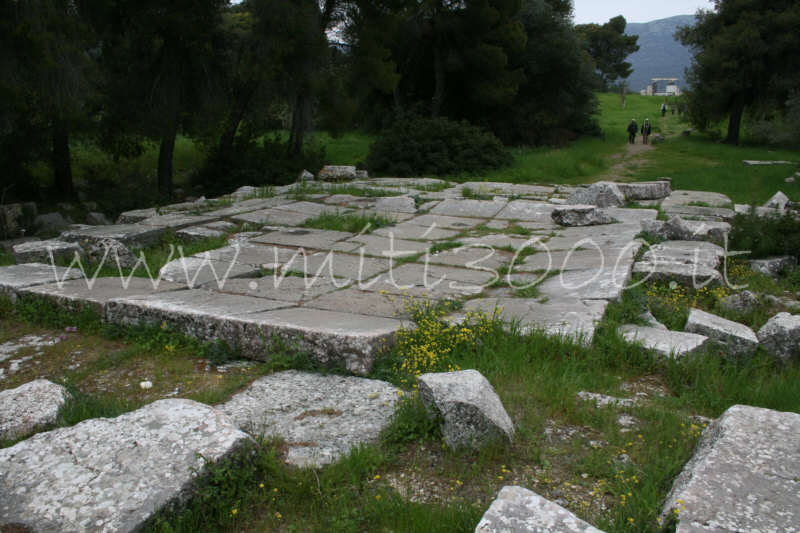
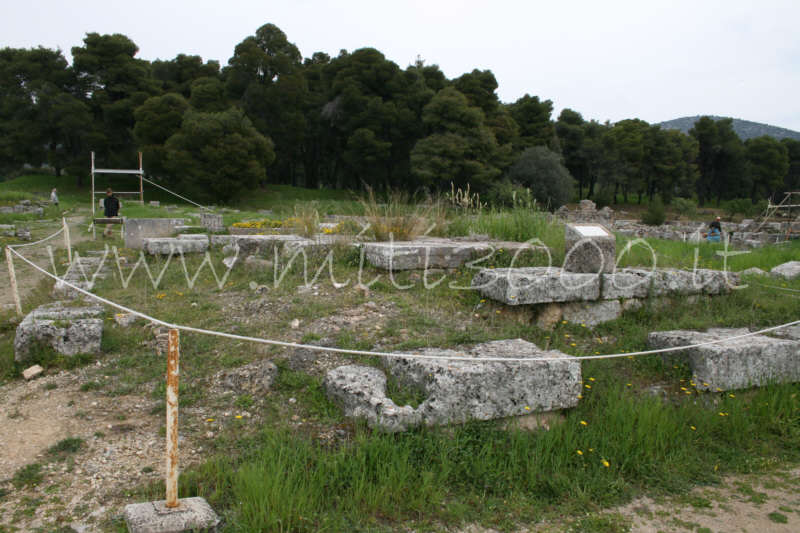
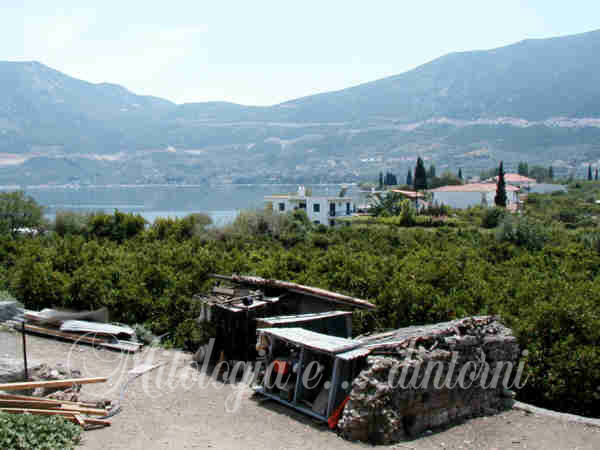
Ἐπίδαυρος Antica città stato, sita nella baia di Metana, sede del tempio dedicato al dio Asclepio distrutto dai romani alla metà del II secolo a.C. Epidauro era un prospero centro commerciale, fin dal IV secolo a.C..
Con la dominazione romana decadde e perse definitivamente d'importanza verso la fine del III secolo d.C.
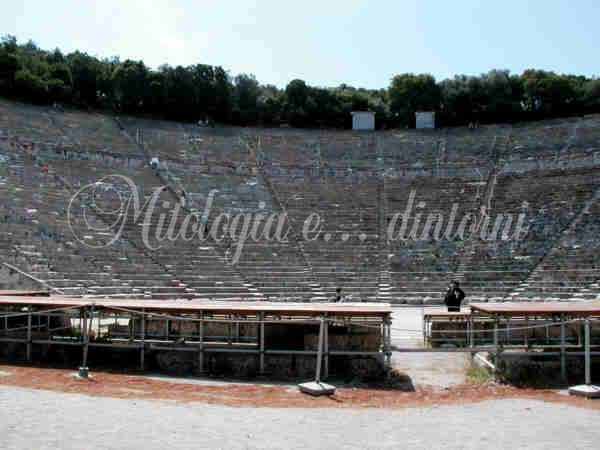
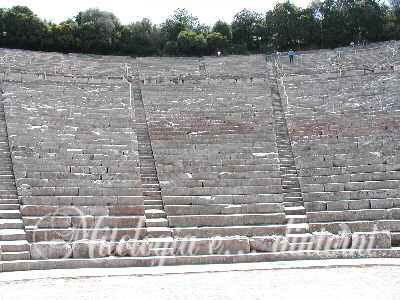
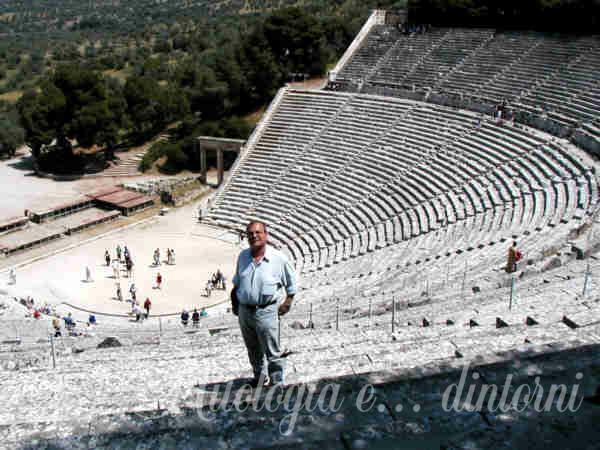
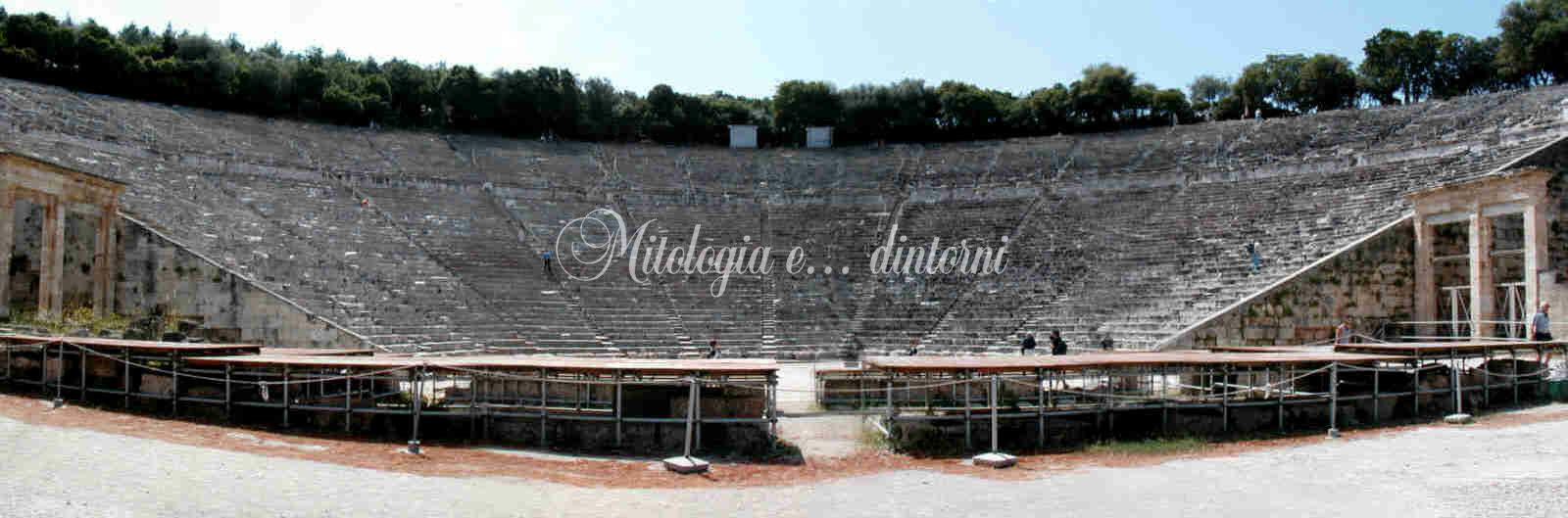
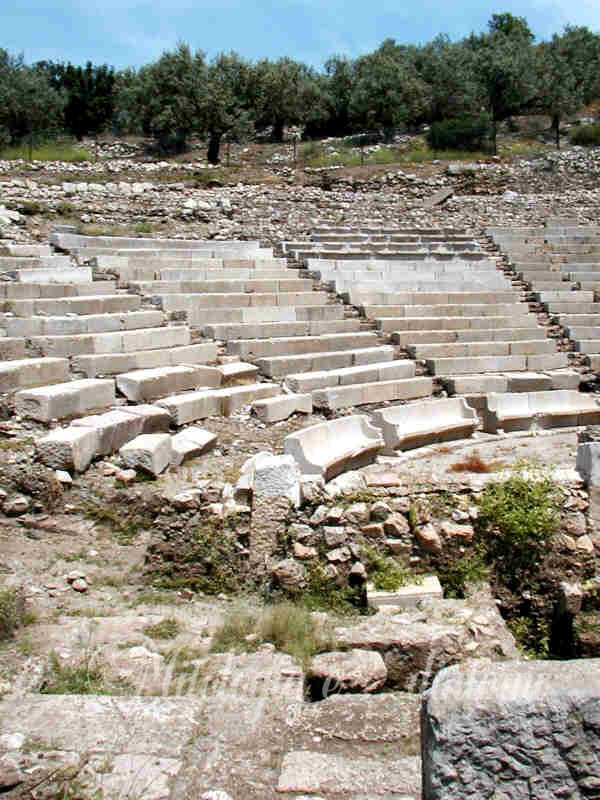
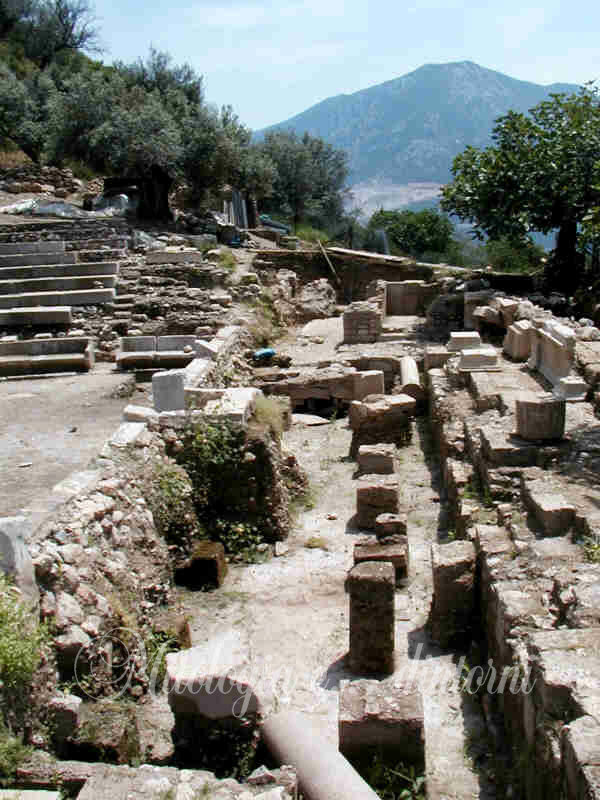
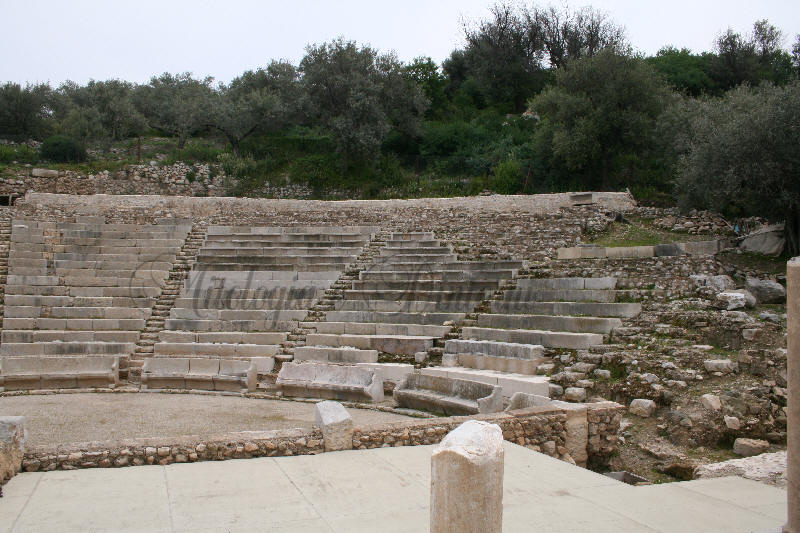
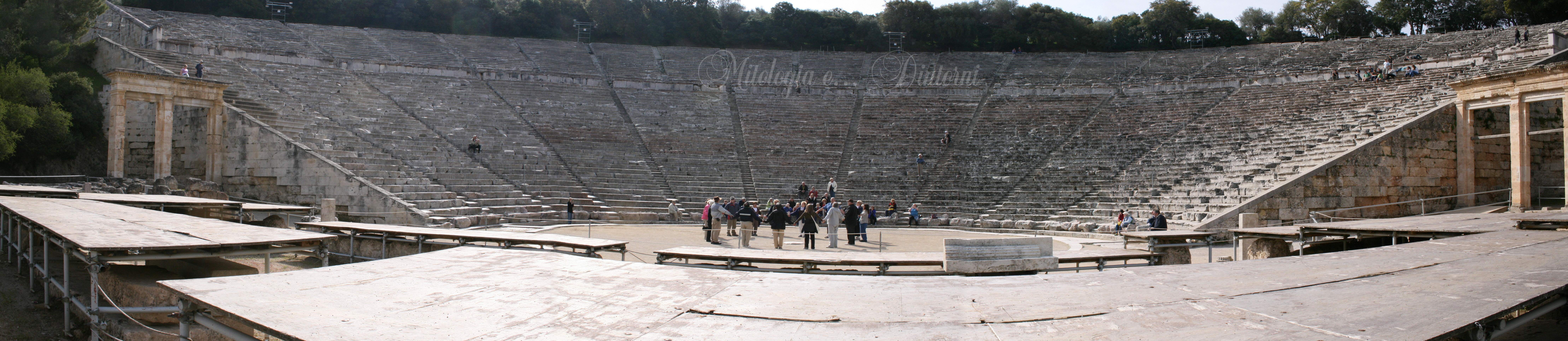
Tra i resti archeologici della città vi è uno splendido ed immenso teatro in ottimo stato di conservazione. Quando fu costruito (la tradizione lo vuole come opera di Policleto il Giovane) all'inizio del III sec. a.C. il teatro ospitava 6200 spettatori, successivamente, nel II sec. a.C. fu ampliato e la sua capienza divenne di 12300 spettatori. Per la sua eccellente acustica, ancora oggi il teatro è utilizzato per spettacoli di prosa e concerti. Adesso andiamo a vedere alcuni dati mitologici della città:
DAMIA, dea della fertilità e dell'abbondanza, era particolarmente venerata a Epidauro, Egina, Trezene e nella Magna Grecia. Assimilata dai Romani alla dea Bona degli Umbri e dei Sabini (affine alla dea Cupra dei Piceni). Sua accompagnatrice era Auxesia, ninfa cretese che venne lapidata nel corso di una rivolta mentre accompagnava Dàmia a Trezene. Anche Auxesia venne venerata come dea della fertilità.
PERIFETE, figlio di Efesto e Anticlea, uccideva chi passava da Epidauro, venne ucciso da Teseo.
ASCLEPIO, (gr. Asklepiós), dio della medicina, figlio di Apollo e di Coronide. Per Omero era l'eroe istruito alla medicina dal centauro Chirone. Atena gli aveva donato il sangue della Gorgone col quale poteva risuscitare i morti (altre fonti sostengono che egli apprese quest'arte vedendo un serpente che ne risuscitava un altro mediante un'erba). Asclepio risuscitò molti eroi quali: Capaneo, Glauco, Imeneo, Ippolito, Orione e Tindaro, allora Ade, temendo per il suo regno, istigò Zeus a fulminarlo. Venerato come dio della medicina, lo si raffigurava barbuto, armato di una verga attorno alla quale si
attorcigliavano due serpenti (simboli della perenne rinnovazione della vita nella natura), simboli del dio erano pure una coppa e un gallo. Il maggiore luogo di culto fu Epidauro. I Romani lo chiamarono Esculapio (Aesculapius).
ASCLEPIEO, santuario di Asclepio. In tutta la Grecia gli asclepiei erano numerosi (Atene, Coo, Epidauro, Pergamo, Tricca); situati in luoghi salubri, avevano la funzione di ospedali e di santuari. I sacerdoti trasmettevano il culto di padre in figlio e i consulti avvenivano a mezzo di oracoli.
Famoso era l'oracolo di Asclepio a Epidauro.
Adesso andiamo a leggere su qualcuno dei personaggi illustri di Epidauro:
TEODOTO, architetto e scultore della prima metà del sec. IV a.C. Costruì
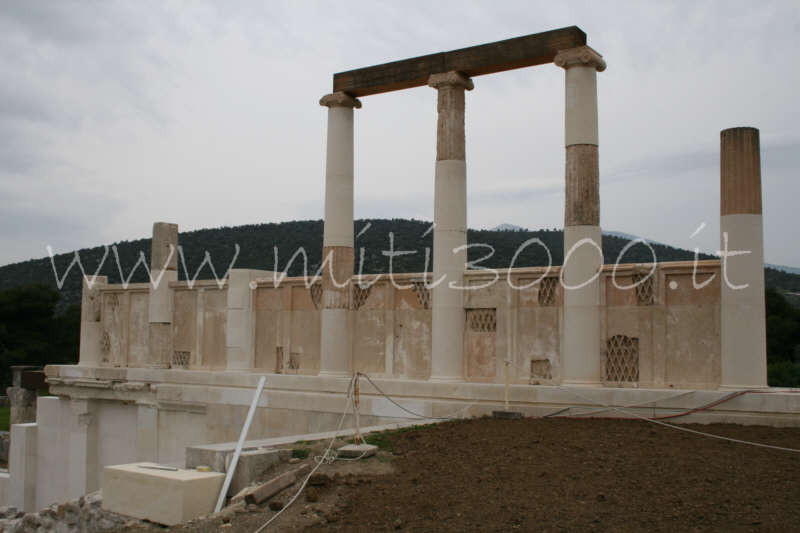
il tempietto dorico periptero a Epidauro, dedicato ad Asclepio,si occupò anche
della decorazione plastica.
TIMOTEO, scultore della prima metà del IV sec a.C. Lavorò, soprattutto marmi, e si ispirò sullo stile di Fidia. Lavorò alla finitura del tempio di Asclepio a Epidauro (acroteri occidentali). È opera sua la statua acefala di Epione, moglie di Asclepio, conservata al Museo Nazionale di Atene. Tra le altre opere: "Leda e il cigno", "Artemide" e una testa di "Pallade giovinetta".
TRASIMEDE, scultore della prima metà del IV sec. a.C.. Autore della statua di Asclepio nel tempio di Epidauro e del rivestimento della porta e del soffitto del tempio.
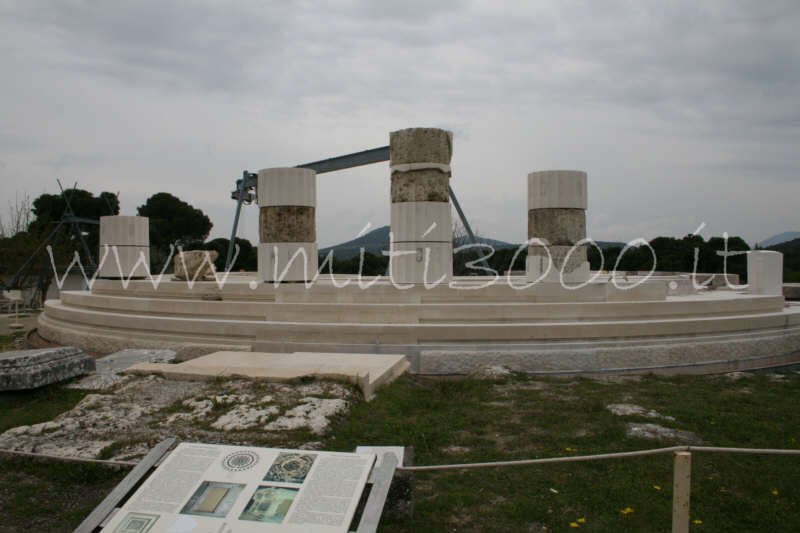
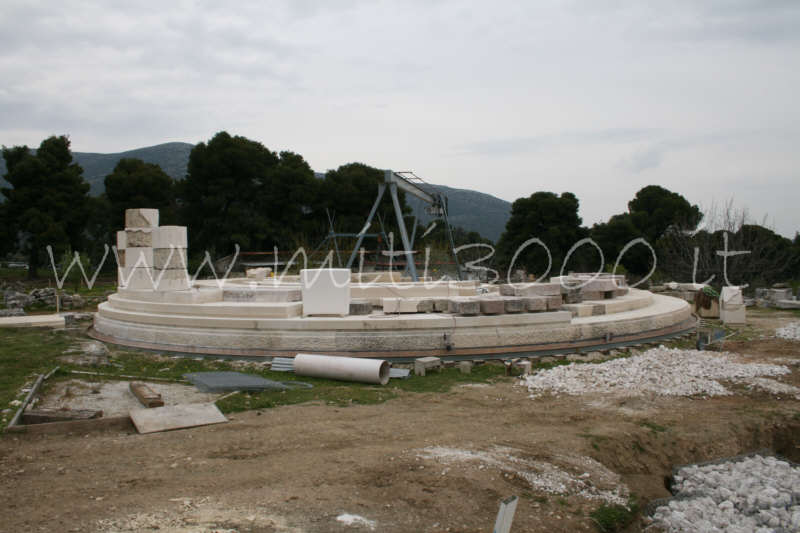
POLICLETO il Giovane, architetto visse nel IV sec. a.C. Secondo Pausania, fu autore della tholos e del teatro di Epidauro, testimonianza di uno stile artistico raffinato ed incisivo.
PANFILA erudita di Epidauro (I sec. d.C.).Vissuta al tempo di Nerone, la sua opera più importante fu una "Miscellanea storica" in trentatré libri.
Epidaurus and the Theater of Old Epidaurus
Ancient city-state, located in the bay of Metana, site of the temple dedicated to the god Asclepius, destroyed by the Romans in the mid-2nd century BC. Epidaurus was a prosperous commercial center since the 4th century BC.
Under Roman rule, it declined and definitively lost importance towards the end of the 3rd century AD.
Among the archaeological remains of the city is a splendid and immense theater in excellent condition. When it was built (tradition holds it to be the work of Polykleitos the Younger) at the beginning of the 3rd century BC, the theater held 6,200 spectators; later, in the 2nd century BC, it was expanded, increasing its capacity to 12,300 spectators. Due to its excellent acoustics, the theater is still used today for plays and concerts. Now let's look at some mythological facts about the city:
DAMIA, goddess of fertility and abundance, was particularly venerated in Epidaurus, Aegina, Troezen, and Magna Graecia. The Romans assimilated her to the goddess Bona of the Umbrians and Sabines (related to the goddess Cupra of the Picenes). Her companion was Auxesia, a Cretan nymph who was stoned during a revolt while accompanying Damia to Troezen. Auxesia was also venerated as a goddess of fertility.
PERIPHETES, son of Hephaestus and Anticleia, killed those passing through Epidaurus and was killed by Theseus.
ASCLEPIOS (Greek: Asklepiós), god of medicine, son of Apollo and Coronis. For Homer, he was the hero taught medicine by the centaur Chiron. Athena had given him the blood of the Gorgon, with which he could resurrect the dead (other sources claim he learned this art by watching a serpent resurrect another using an herb). Asclepius resurrected many heroes, such as Capaneus, Glaucus, Hymenaeus, Hippolytus, Orion, and Tyndareus. Then Hades, fearing for his kingdom, incited Zeus to strike him with a thunderbolt. Worshipped as the god of medicine, he was depicted bearded, armed with a rod around which two serpents were coiled (symbols of the perpetual renewal of life in nature). A cup and a rooster were also symbols of the god. The greatest place of worship was Epidaurus. The Romans called him Aesculapius.
ASCLEPIEUM, sanctuary of Asclepius. There were numerous Asclepiaeums throughout Greece (Athens, Cos, Epidaurus, Pergamon, Tricca); located in healthy places, they served as hospitals and sanctuaries. The priests passed the cult from father to son, and consultations were conducted through oracles.
The oracle of Asclepius at Epidaurus was famous.
Now let's read about some of the illustrious figures of Epidaurus:
THEODOTUS, architect and sculptor of the first half of the 4th century BC. He built
the small Doric peripteral temple at Epidaurus, dedicated to Asclepius; he also oversaw
the sculpture decoration.
TIMOTHEUS, sculptor of the first half of the 4th century BC. He worked, primarily in marble, and was inspired by the style of Phidias. He worked on the finishing of the Temple of Asclepius at Epidaurus (western acroteria). He also created the headless statue of Epione, wife of Asclepius, now in the National Museum of Athens. Other works include: "Leda and the Swan," "Artemis," and a head of "Young Pallas."
THRASYMEDES, a sculptor from the first half of the 4th century BC. He created the statue of Asclepius in the temple of Epidaurus and the paneling of the temple's door and ceiling.
POLYKLETOS the Younger, an architect who lived in the 4th century BC. According to Pausanias, he designed the tholos and the theater of Epidaurus, evidence of a refined and incisive artistic style.
PAMPHYLAS, a scholar from Epidaurus (1st century AD). She lived during the time of Nero, and her most important work was a "Historical Miscellany" in thirty-three books.
Visualizzazione ingrandita della mappa