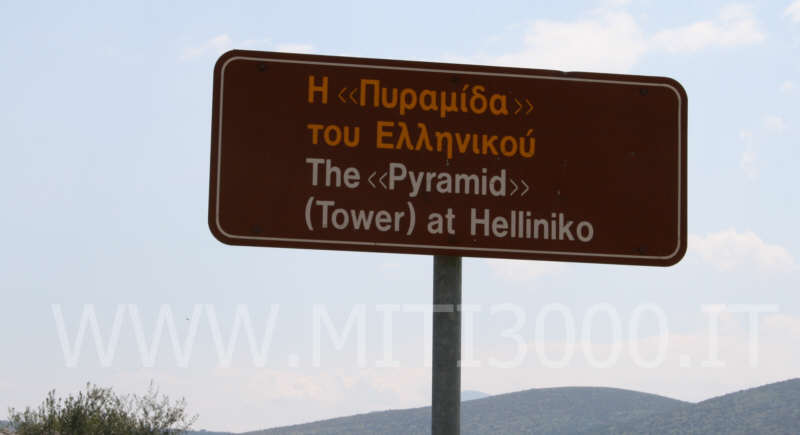
Helleniko
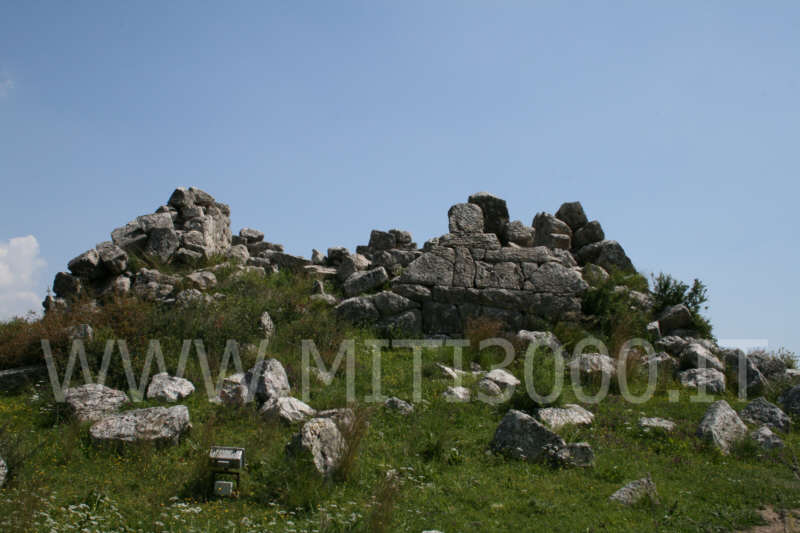
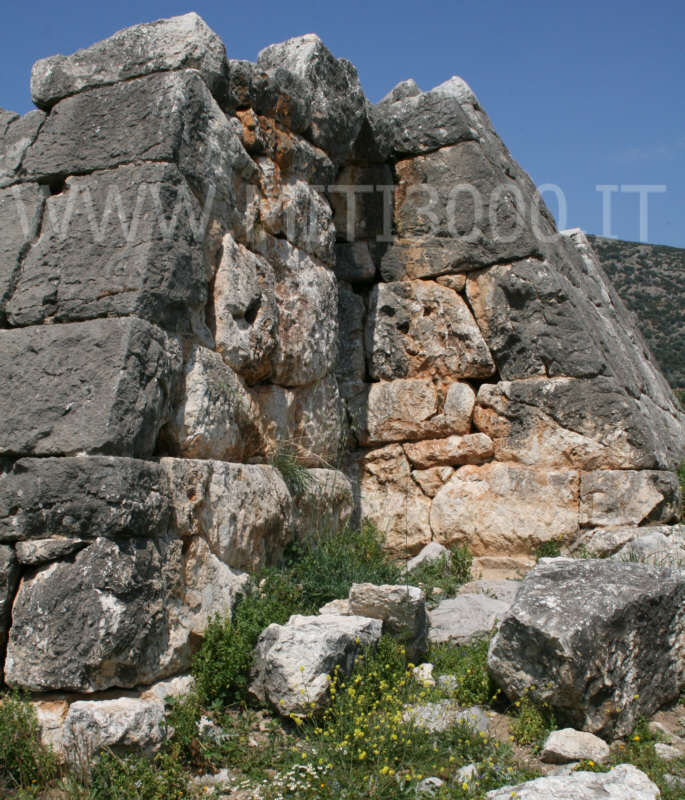
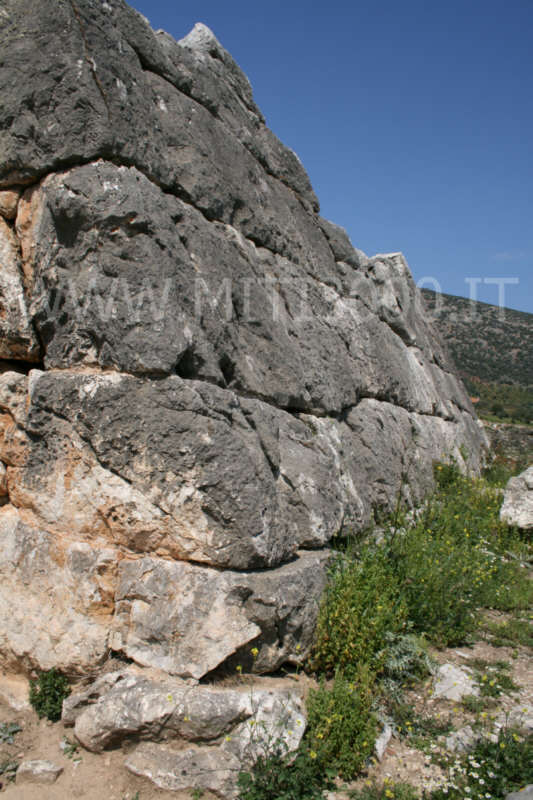
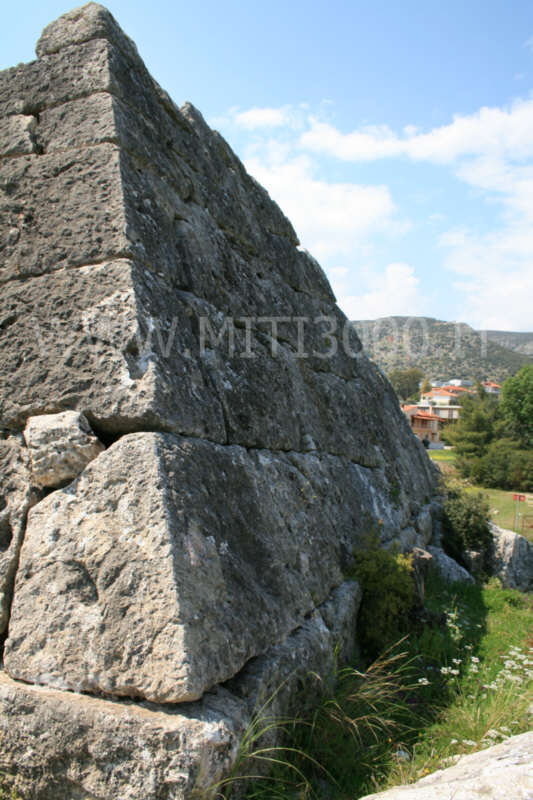
Ελληνικό, in questa pagina possiamo vedere che le piramidi non furono costruite solo dagli egizi.
Questa piramide si trova procedendo da Argo in direzione Kefalari, superato il paesino di Kefalari dopo un paio di chilometri sulla sinistra è possibile ammirare queste rovine.
Vediamo di capire di cosa si tratta effettivamente:
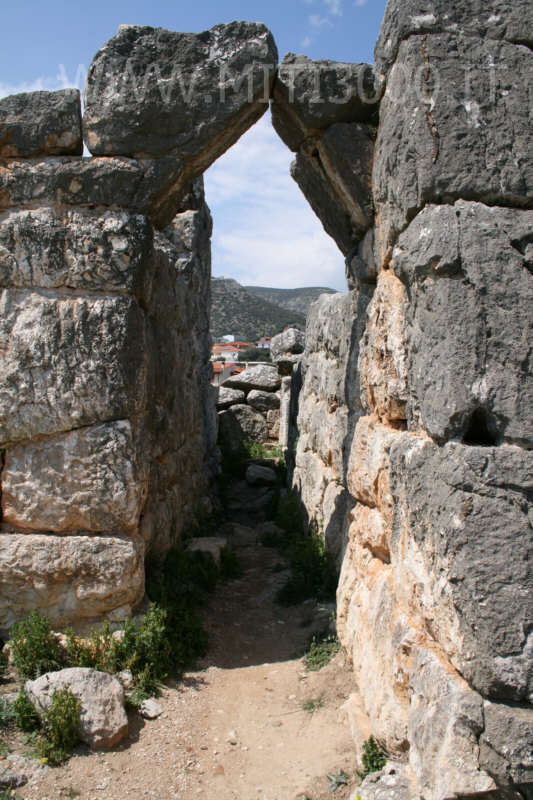
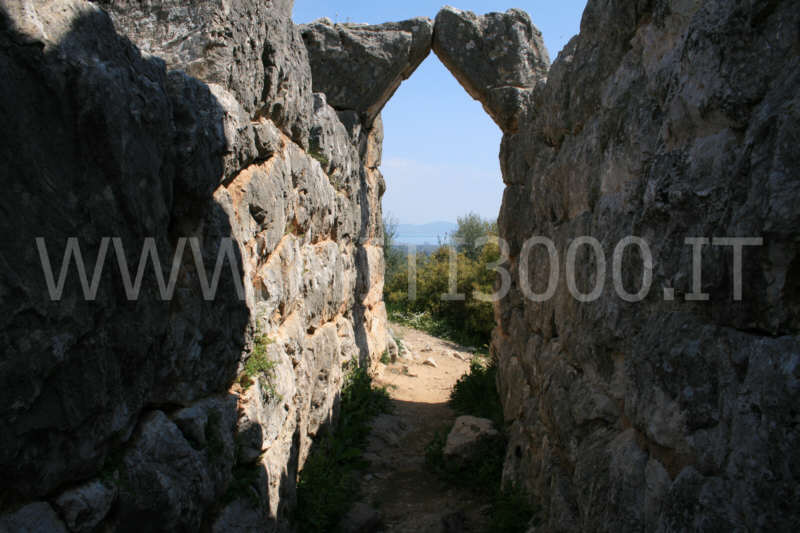
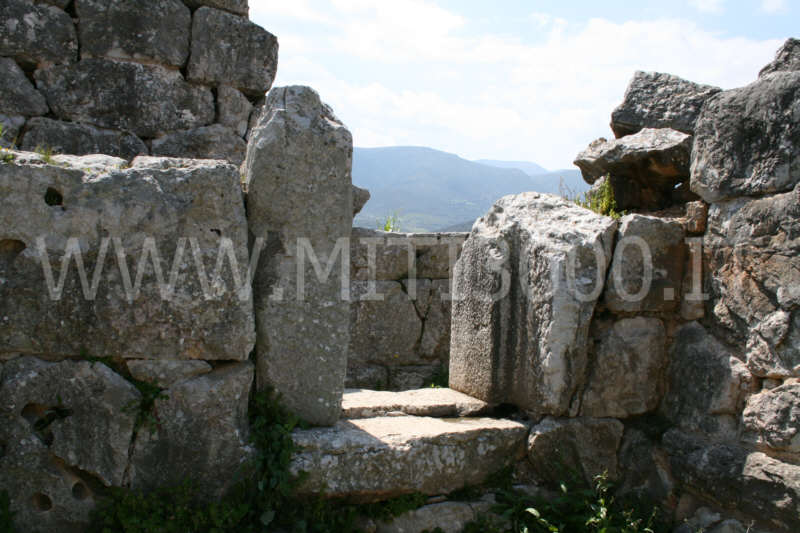
nell'antichità l'odio (risalente fino all’VIII sec. a.C.) tra Sparta ed Argo era considerato tradizionale, e, infatti, Pausania testimonia una guerra di confine tra le due città: la battaglia di Isie, a seguito di questo scontro gli Argivi eressero un monumento ai caduti di questa battaglia costruendo così quello che secondo Pausania, dovrebbe essere la tomba comune degli Argivi caduti nella battaglia di Isie. Il monumento ha forma piramidale ed è sito presso l’odierno villaggio di Hellenikó. Però, questo monumento, doveva essere una torre di fattoria o un elemento di una fortificazione. Della battaglia di Isie fa menzione il solo Pausania.
Ritornati sulla strada per Tegea troviamo, sulla destra del cosiddetto Troco, Cencree. Per quale motivo la località abbia questo nome non viene spiegato; a meno che anche questo luogo sia chiamato così per via di Cencria figlio di Pirene. Qui si trovano anche le tombe comuni degli Argivi che vinsero gli Spartani nella battaglia presso Isie. Questo combattimento avvenne, secondo le mie ricerche, quando in Atene era arconte Pisistrato, nel quarto anno della ventisettesima olimpiade, nella quale l’ateniese Euriboto vinse nella corsa dello stadio. Scesi alla zona sottostante troviamo le rovine di Isie, città che un tempo apparteneva all’Argolide e presso la quale si dice sia avvenuta la disfatta degli Spartani. (Pausania, Periegesi della Grecia, II, XXIV, 7).
Helleniko
Ελληνικό, on this page we can see that the pyramids were not built only by the Egyptians.
This pyramid is located proceeding from Argos towards Kefalari. After a couple of kilometers past the village of Kefalari, on the left, you can admire these ruins.
Let's try to understand what they actually are:
In ancient times, the hatred (dating back to the 8th century BC) between Sparta and Argos was considered traditional, and, in fact, Pausanias testifies to a border war between the two cities: the Battle of Hysia. Following this clash, the Argives erected a monument to those fallen in this battle, thus building what, according to Pausanias, should be the common tomb of the Argives fallen in the Battle of Hysia. The monument is pyramidal in shape and is located near the present-day village of Hellenikó. However, this monument must have been a farm tower or part of a fortification. Only Pausanias mentions the Battle of Hysia.
Returning to the road to Tegea, we find Cenchreae, to the right of the so-called Trochos. Why the place got this name is unclear, unless it is also named after Cenchreae, son of Pyrenees. Here are also the common tombs of the Argives who defeated the Spartans in the Battle of Hysia. This battle, according to my research, took place when Pisistratus was archon in Athens, in the fourth year of the twenty-seventh Olympiad, in which the Athenian Eurybotus won the stadium race. Descending to the area below, we find the ruins of Hysia, a city that once belonged to Argolis and where the Spartans are said to have been defeated. (Pausanias, Periegesis of Greece, II, XXIV, 7).