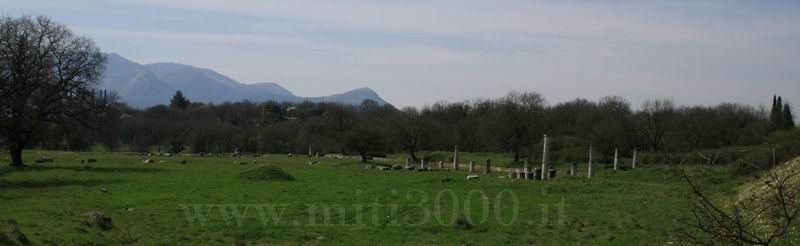
Μεγᾰλόπολις Descrizione fisica: Una delle più grandi città nel Peloponneso, Megalopoli è localizzata su un grande piano ed è bisecata dal fiume Elissone.
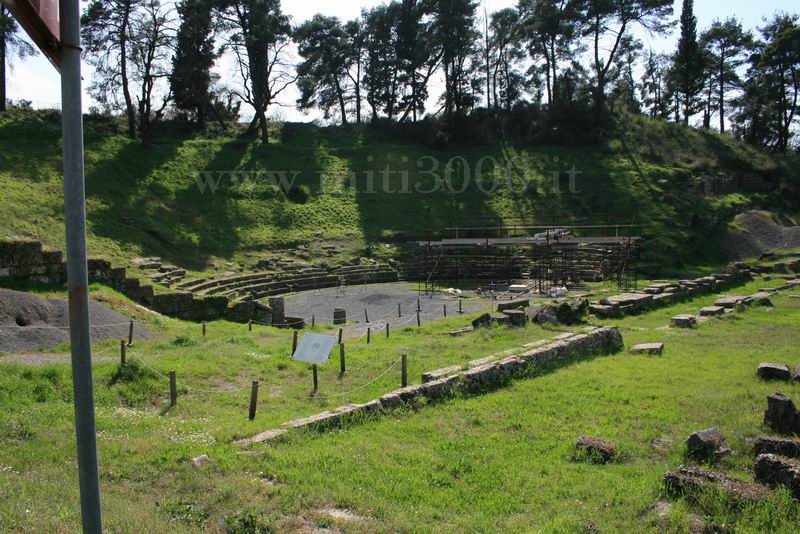
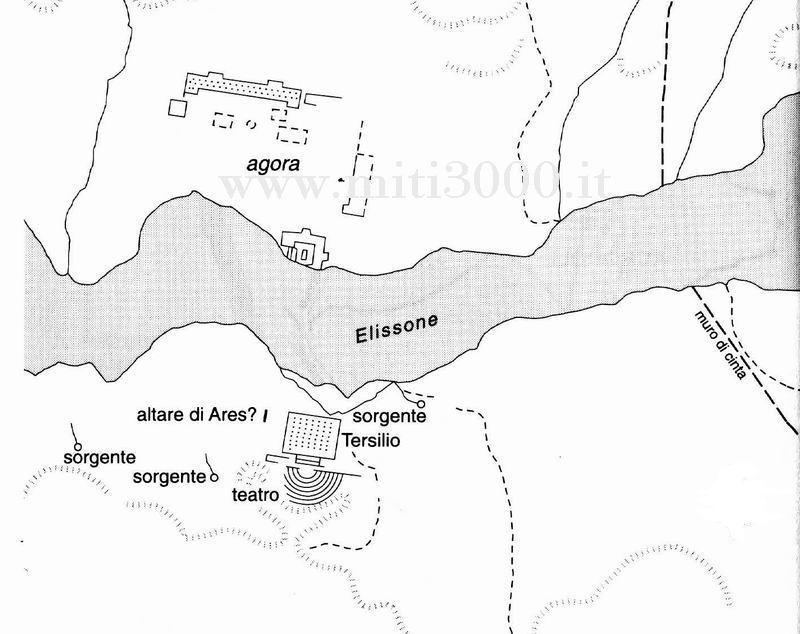
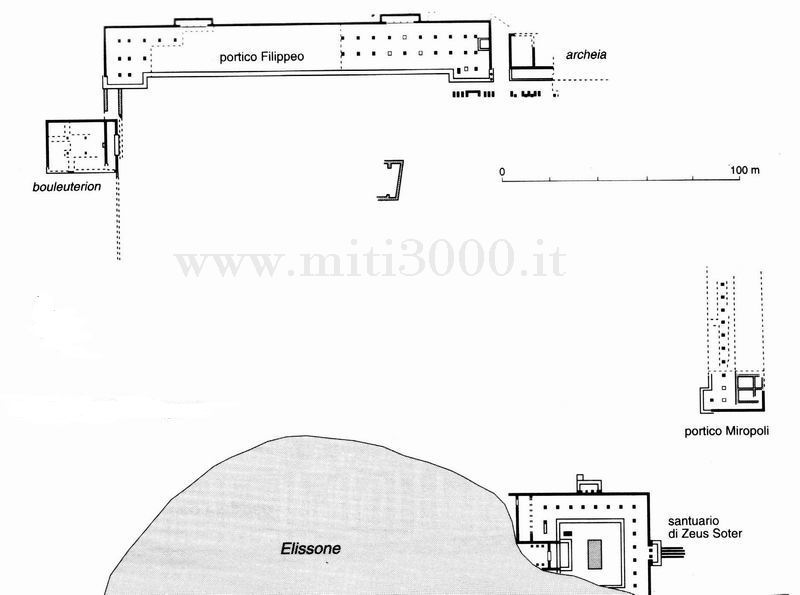
La città, nata dall'unione di quaranta villaggi dell'Arcadia, era protetta da 9 km ca. di mura. Sulla sponda Nord erano situati il centro civico della città, l'agorà, la Stoà, la Stoà di Filippo, il Santuario di Zeus Soter (Salvatore) ed altri edifici civici. La sponda Sud della città era il centro della Lega Arcadica e l'ubicazione del Tersilio (Thersileion - Edificio del consiglio della lega). Il teatro ubicato nel settore Sud, secondo Pausania, era il più grande della Grecia con ca. 20.000 posti.
Descrizione: Megalopoli fu fondata nel 370 a.C. ca. dopo la vittoria di Leuttra, da Epaminonda di Tebe che ne fece la capitale della Lega Arcadica e la roccaforte contro Sparta. Durante il IV secolo a.C. Megalopoli patì un gran numero di attacchi Spartani. Nel III secolo la città si congiunse con la Lega Achea. Nel 223 a.C. gli Spartani (sotto Cleomene III) riuscirono a prendere e distruggere Megalopoli.
La città fu ricostruita ma non ebbe più alcuna prosperità, e non riguadagnò il potere politico, già nel II secolo d.C. era una città minore molto in rovina. Fu definitivamente abbandonata alla fine del periodo romano.
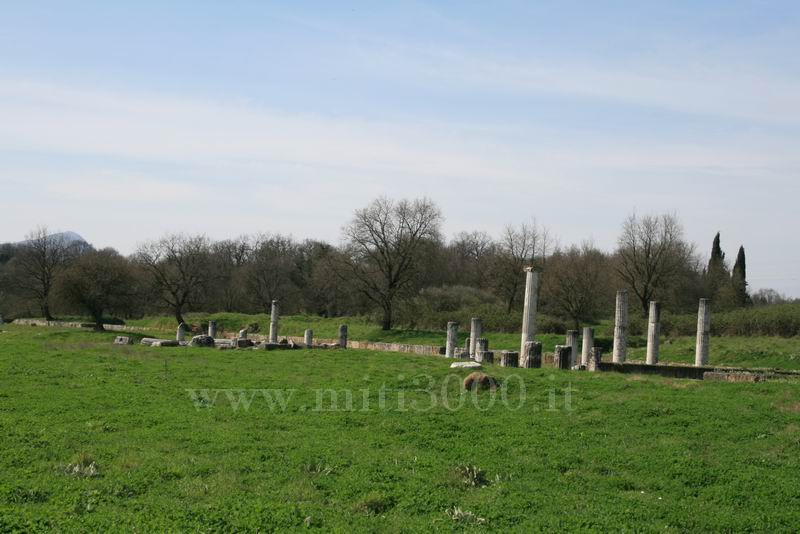
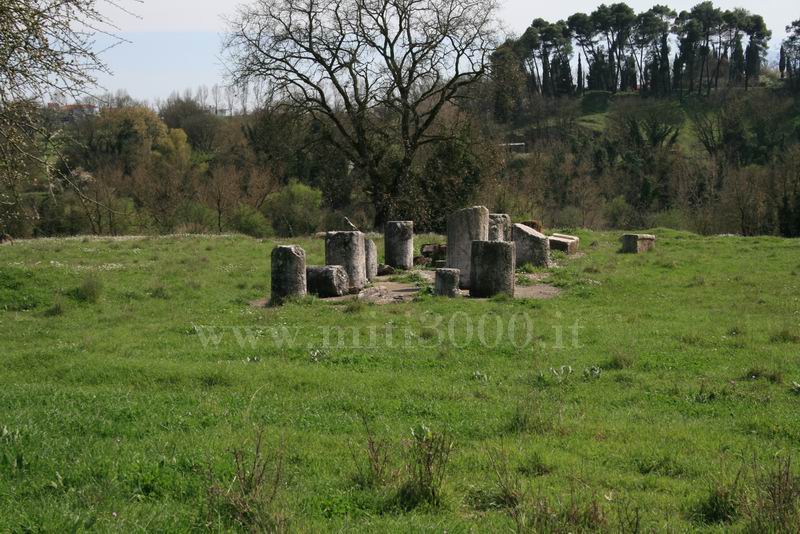
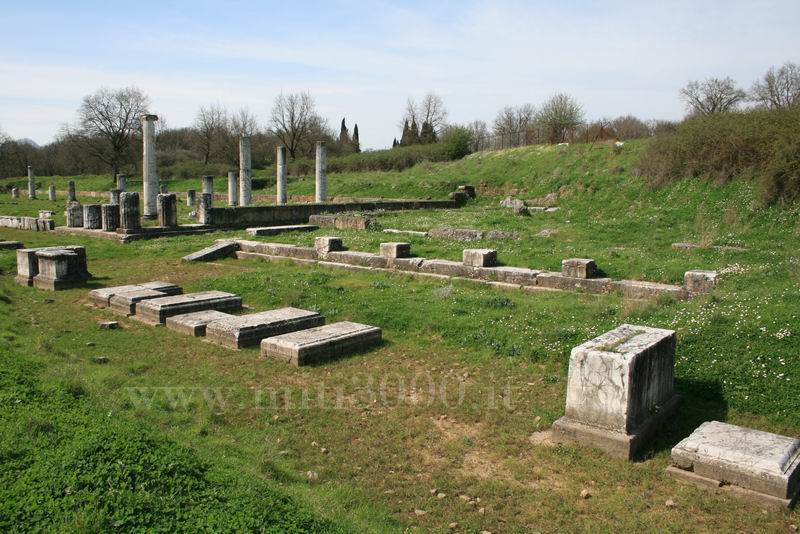
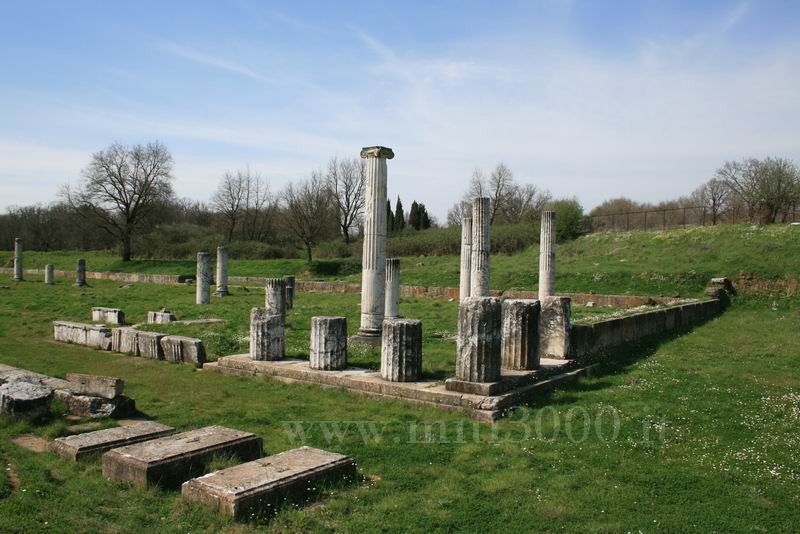
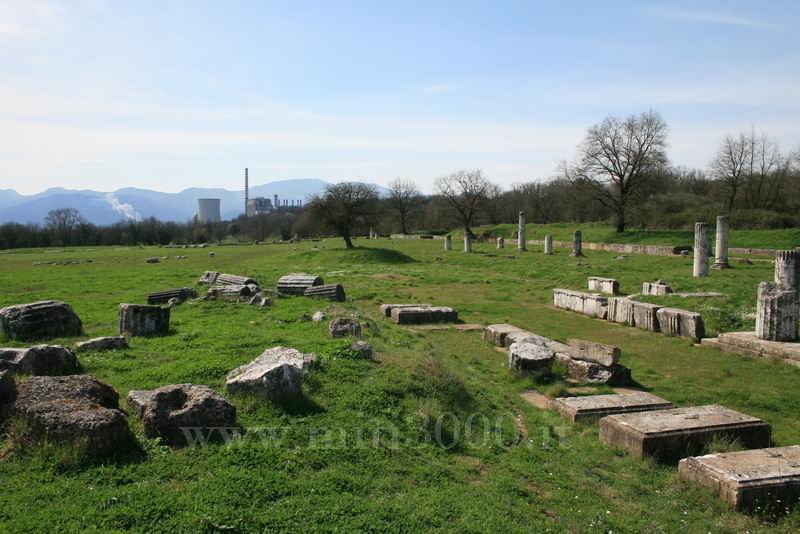
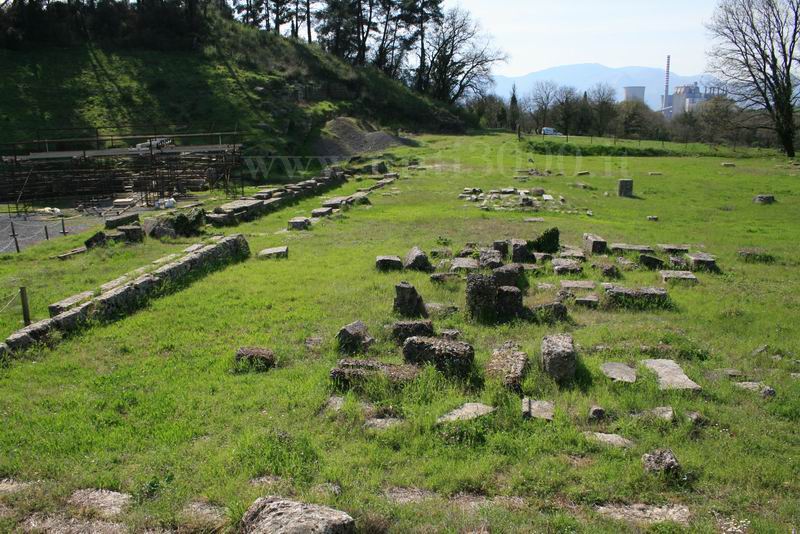
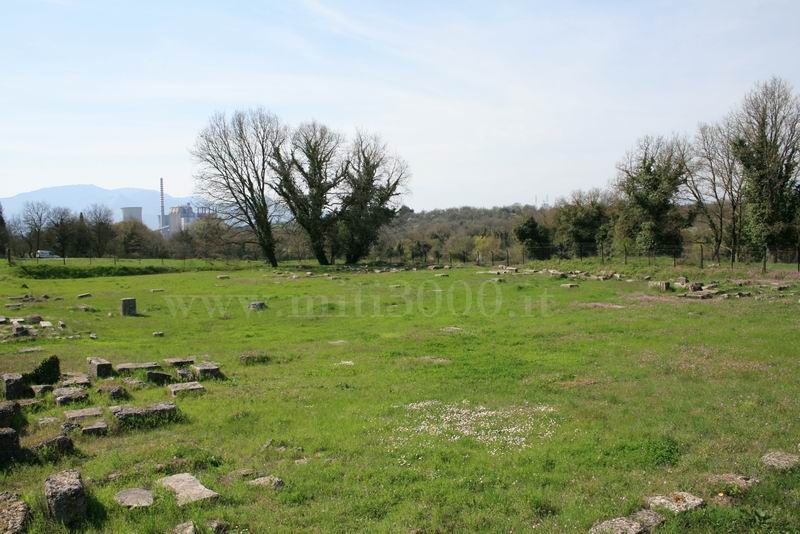
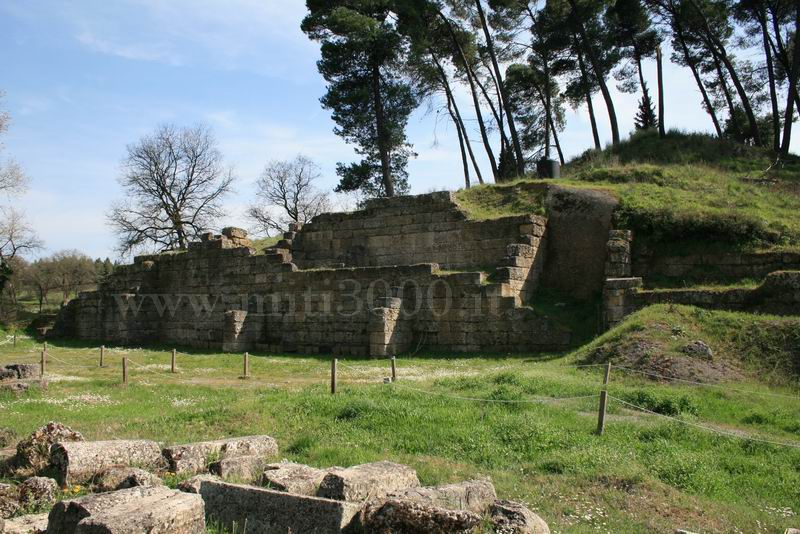
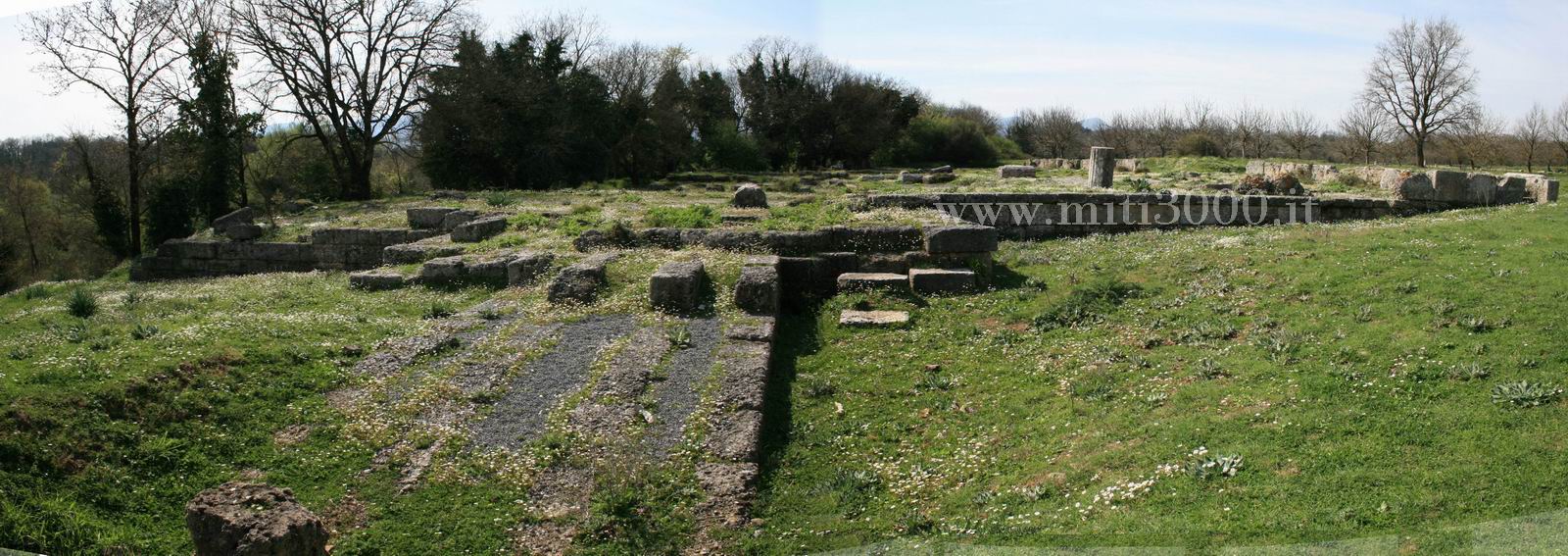
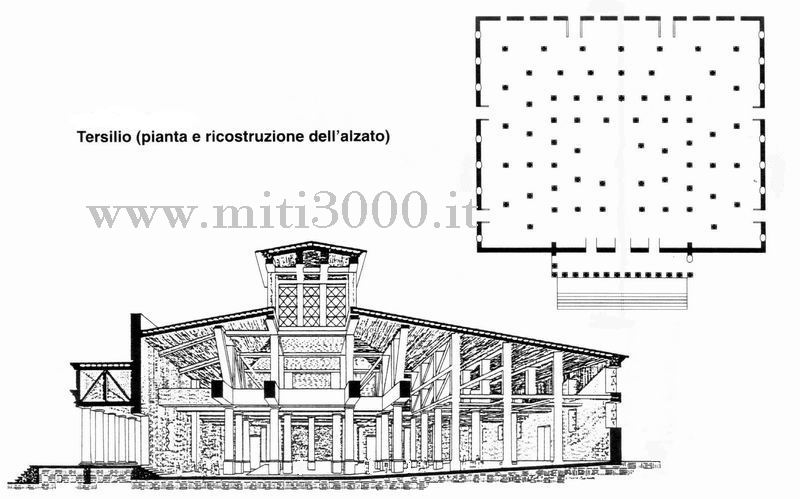
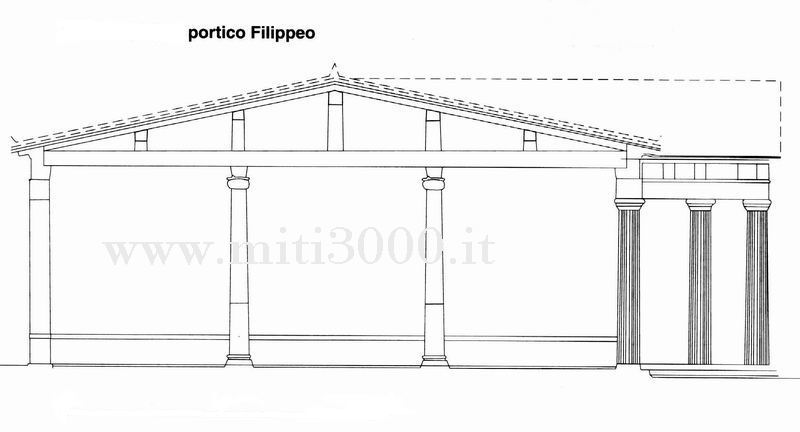
Sono ancora visibili: il teatro; il Tersilio, ampio edificio rettangolare destinato alle riunioni politiche, con 67 colonne e un tempio di 11,5 m x 5 m, 37 piedi x 11 piedi; la vasta piazza dell'agorà, che era bordata da varie costruzioni tra le quali un grandioso portico chiamato “la stoà di Filippo” (in onore di lui); un altro portico in cui si vendevano profumi “la stoà Myrópolis” e il santuario di Zeus Soter.
Curiosità: Erodoto ci tramanda l'antica credenza che l'area di Megalopoli fosse uno dei campi di battaglia della Titanomachia dove Zeus, secondo il mito, uccise i Titani coi fulmini. La base per questa credenza era la presenza di depositi di lignite, minerale incline a prendere fuoco in estate che può covare sotto la cenere e bruciare la terra per settimane, abbinata alla presenza di ossa fossili di elefanti preistorici e rinoceronti. Erodoto informa i suoi lettori che le ossa dei Titani sono state esposte in vari luoghi della zona circostante almeno a partire dal V secolo a.C.
Megalopolis Physical description: One of the largest cities in the Peloponnese, Megalopolis is located on a large plain and is bisected by the Helix River.
The city, formed from the union of forty Arcadian villages, was protected by approximately 9 km of walls. On the north bank were the civic center of the city, the agora, the Stoa, the Stoa of Philip, the Sanctuary of Zeus Soter (Savior), and other civic buildings. The south bank of the city was the center of the Arcadian League and the location of the Thersileion (League Council Building). The theater located on the southern bank, according to Pausanias, was the largest in Greece, with approximately 1,000 square meters. 20,000 seats.
Description: Megalopolis was founded around 370 BC after the victory at Leuctra by Epaminondas of Thebes, who made it the capital of the Arcadian League and a stronghold against Sparta. During the 4th century BC, Megalopolis suffered numerous Spartan attacks. In the 3rd century the city joined the Achaean League. In 223 BC. the Spartans (under Cleomenes III) succeeded in taking and destroying Megalopolis.
The city was rebuilt but never enjoyed any prosperity and never regained political power. By the 2nd century AD, it was a minor city in serious ruins. It was finally abandoned at the end of the Roman period. Still visible are: the theater; the Tersilium, a large rectangular building intended for political meetings, with 67 columns and a temple measuring 11.5 m x 5 m, 37 ft x 11 ft; the vast agora square, which was lined with various buildings, including a grandiose portico called the Stoa of Philip (in his honor); another portico where perfumes were sold, the Stoa Myrópolis; and the sanctuary of Zeus Soter.
Curiosities:
Herodotus passes down to us the ancient belief that the area of Megalopolis was one of the fields of The Battle of the Titanomachy, where Zeus, according to myth, killed the Titans with lightning bolts. The basis for this belief was the presence of lignite deposits, a mineral prone to catching fire in summer that can smolder and scorch the earth for weeks, combined with the presence of fossil bones of prehistoric elephants and rhinoceroses. Herodotus informs his readers that the bones of the Titans have been exposed in various places in the surrounding area since at least the 5th century BC.