Messene
Μεσσήνη, Policaone, figlio minore di Lelege, poiché il regno spettò al fratello maggiore, rimase un privato cittadino fino a che non prese in moglie Messene, figlia del re di Argo, Triopa. Messene, orgogliosa per via del ricco e potente padre, ritenendo poco decoroso essere sposa di un semplice cittadino, raccolse quindi un esercito da Argo e uno da Sparta e si trasferì con il marito. La terra in cui andarono a vivere fu chiamata Messenia in suo onore. Vennero fondate varie città e, dopo la battaglia di Leuttra che vide antagonisti Tebani e Spartani, venne fondata ai piedi dell'Itome la città di Messene.
Posta nel Peloponneso a ca. 30 Km dall'aeroporto di Kalamáta.
La città di Messene fu fondata nel 369 a.C. da Epaminonda come nuova capitale della Messenia dopo la liberazione dal dominio Spartano.
La città si erge strategicamente alle pendici del monte Itome; già dal periodo arcaico i messeni usarono il monte Itome sia come centro religioso che come rifugio dagli aggressori.
Nel IV secolo a.C. a sua difesa furono edificate delle straordinarie mura fortificate (ancora oggi parzialmente visibili, altra foto) lunghe circa 9 Km, spesse 2.5 m. per un'altezza di circa 4.5 m., dotate di 4 porte (guarda la foto 1 e la foto 2) d'accesso e di ben 30 torri di guardia (vedi foto) (Visualizza con Google le mura), divenendo una delle città meglio fortificate.
All'interno della cinta muraria sorgevano il santuario di Asclepio, il teatro, lo stadio, gli uffici pubblici e l'acropoli.
Sopravvissuta agli assedi del 220, 214, 202, e 182 a.C. La città non fu mai politicamente potente, ma rimase prospera e continuò ad essere abitata almeno fino al V° secolo d.C.
Nella sua storia Messene aderì per poi abbandonare diverse leghe finché, nel 146 a.C. divenne definitivamente parte della provincia romana della Macedonia.
Curiosità: Le mura furono costruite e completate in solo 85 giorni. Ed ancora oggi le automobili le attraversano per i vari spostamenti.
Miti correlati:
- Ida in questa città, si scontrò con Apollo per la mano di Marpessa. Mentre combattevano per averla, Zeus interruppe il loro duello, e impose alla vergine di scegliere lei quello che voleva per sposo: e Marpessa, temendo che, nel diventar vecchia, Apollo l'avrebbe abbandonata, preferì Ida al dio.
- Neleo figlio di Poseidone e della ninfa Tiro, fratello di Pelia al quale contese invano il regno di Iolco, dovendo andare in esilio si recò in questa città da dove si mosse per fondare la città di Pilo.
- Melampo visse a lungo a Messene; ma un giorno le donne di Argo furono fatte impazzire da Dioniso, e Melampo accettò di guarirle in cambio di una parte di regno: così andò, e Melampo si stabilì in quella regione, insieme al fratello Biante.
- Periere occupò il territorio di Messene e sposò Gorgofone, figlia di Perseo, dalla quale ebbe i figli Afareo, Leucippo, Tindareo e Icario.
- Legata anche al miti degli Eraclidi che dopo essersi impadroniti del Peloponneso, innalzarono tre altari a Zeus Patrio, vi compirono dei sacrifici, e poi si divisero le varie città. La prima a dover essere assegnata era Argo, la seconda Lacedemone, e la terza Messene. Fecero portare un'urna piena d'acqua, e decisero che ognuno doveva gettarvi dentro il suo sassolino di riconoscimento, per estrarre a sorte. Temeno e i due figli di Aristodemo - Procle e Euristene - vi gettarono dei sassi, ma Cresfonte, che voleva ottenere Messene, vi gettò una palla di terra. Questa nell'acqua si dissolse, e i due sassolini rimasero nascosti. Il primo a essere estratto fu quello di Temeno, poi quello dei figli di Aristodemo: così Cresfonte poté avere Messene. E sugli altari del sacrificio trovarono questi segni: quelli che avevano avuto Argo un rospo, quelli che avevano avuto Lacedemone un serpente, e quelli che avevano avuto Messene una volpe. E di questi segni gli indovini dissero che chi aveva trovato il rospo era meglio che restasse in città (perché questo animale non ha la forza di camminare molto); chi aveva trovato il serpente, invece, sarebbe stato terribile nelle sue incursioni; e chi aveva trovato la volpe, infine, sarebbe stato un grande ingannatore. Anche Cresfonte regnava da poco tempo su Messene, quando venne ucciso dai suoi due figli. Polifonte, l'ultimo rimasto degli Eraclidi, salì sul trono, e volle sposare la vedova del sovrano assassinato, Merope, contro il suo desiderio: e fu ucciso anche lui. Merope, infatti, aveva un terzo figlio, di nome Epito, che veniva allevato presso il padre di lei. Quando fu cresciuto, rientrò di nascosto in città, uccise Polifonte e riconquistò il trono paterno.
- I Dioscuri rapirono le figlie di Leucippo re di Messene.
- Un mito racconta che sulla strada per Messene esisteva un piccolo tempio dedicato alle Μανιατ (follie - Erinni) demoni locali connessi con la guarigione di Oreste: si narrava che Oreste, in un attacco di follia, vi si fosse tranciato un dito con un morso; sembra che lì vicino esistesse un luogo, poi chiamato Aκη (cura) dove le Erinni, che perseguitavano Oreste apparendogli nere quando era in preda al delirio, dopo che si fu privato del suo dito gli apparvero bianche: da allora egli fu risanato.
Messene
Messene, Polykaon, the younger son of Leleges, remained a private citizen since the kingdom passed to his elder brother. He married Messene, daughter of Triopas, king of Argos. Messene, proud of her rich and powerful father, deeming it unseemly to marry a simple citizen, gathered an army from Argos and one from Sparta and moved with her husband. The land where they settled was named Messenia in her honor. Various cities were founded, and after the Battle of Leuctra, which pitted the Thebans and Spartans against each other, the city of Messene was founded at the foot of Mount Ithome.
Located in the Peloponnese, approximately 30 km from Kalamata airport.
The city of Messene was founded in 369 BC. by Epaminondas as the new capital of Messenia after the liberation from Spartan rule.
The city stands strategically on the slopes of Mount Ithome; since the Archaic period, the Messenians used Mount Ithome both as a religious center and as a refuge from attackers.
In the 4th century BC, extraordinary fortified walls were built to defend it (still partially visible today, another photo), approximately 9 km long and 2.5 m thick. for a height of approximately 4.5 m., equipped with 4 doors (see photo 1 and photo 2)access and 30 watchtowers (see photo) (View with Google le walls), becoming one of the best fortified cities.
Within the walls stood the sanctuary of Asclepius, the theater, the stadium, the public offices, and the acropolis.
Having survived sieges in 220, 214, 202, and 182 BC, the city was never politically powerful, but it remained prosperous and continued to be inhabited at least until the 5th century AD.
Throughout its history, Messene joined and then abandoned several leagues until, in 146 BC, it definitively became part of the Roman province of Macedonia.
Interesting Fact: The walls were built and completed in just 85 days. And cars still pass through them today.
Related Myths:
- In this city, Idas fought with Apollo for the hand of Marpessa. While they were fighting for her, Zeus interrupted their duel and forced the virgin to choose her own husband. Marpessa, fearing that, as she grew older, Apollo would abandon her, preferred Idas to the god.
- Neleus, son of Poseidon and the nymph Tyro, brother of Pelias, with whom he unsuccessfully disputed the kingdom of Iolcus, went into exile to this city, from where he set out to found the city of Pylos.
- Melampus lived for a long time in Messene; But one day the women of Argos were driven mad by Dionysus, and Melampus agreed to heal them in exchange for a share of the kingdom: so he went, and Melampus settled in that region, together with his brother Bias.
- Perieres occupied the territory of Messene and married Gorgophone, daughter of Perseus, with whom he had the sons Aphareus, Leucippus, Tyndareus, and Icarius.
- It is also linked to the myth of the Heraclids, who, after conquering the Peloponnese, erected three altars to Zeus Patrius, performed sacrifices there, and then divided the various cities among themselves. The first to be assigned was Argos, the second Lacedaemon, and the third Messene. They had an urn filled with water brought, and decided that everyone should throw in their identifying pebble, to be drawn by lot. Temenus and the two sons of Aristodemus—Procles and Eurysthenes—threw stones there, but Cresphon, who wanted to claim Messene, threw a ball of earth. This dissolved in the water, and the two pebbles remained hidden. The first to be pulled out was Temenus's, then that of Aristodemus's sons: thus Cresphons was able to claim Messene. And on the sacrificial altars they found these signs: those who had given Argos a toad, those who had given Lacedaemon a snake, and those who had given Messene a fox. And of these signs the soothsayers said that whoever found the toad was better off staying in the city (because this animal lacks the strength to walk far); whoever found the snake, on the other hand, would be terrible in his raids; and whoever found the fox, finally, would be a great deceiver. Cresphontes had also been reigning over Messene for a short time when he was killed by his two sons. Polyphontes, the last surviving Heraclid, ascended the throne and wanted to marry the murdered king's widow, Merope, against her wishes: and he too was killed. Merope, in fact, had a third son, named Aepytus, who was being raised by her father. When he grew up, he secretly returned to the city, killed Polyphontes, and regained his father's throne.
- The Dioscuri kidnapped the daughters of Leucippus, king of Messene.
- A myth tells that on the road to Messene there was a small temple dedicated to the Μανιατ (madness - Erinyes), local demons associated with the healing of Orestes: it was said that Orestes, in a fit of madness, had bitten off his finger there. It seems that there was a place nearby, later called Aκη (cure), where the Erinyes, who haunted Orestes, appearing black to him when he was delirious, appeared white after he had removed his finger: from that moment on he was healed.
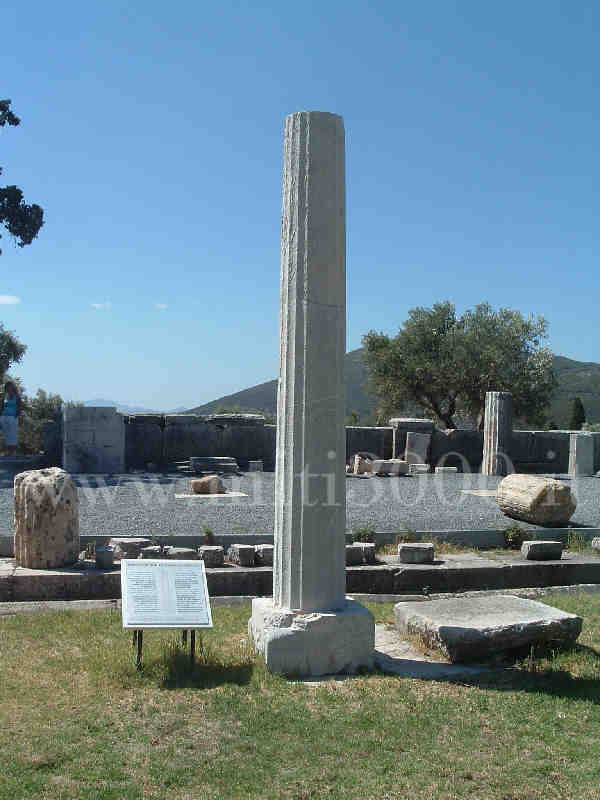
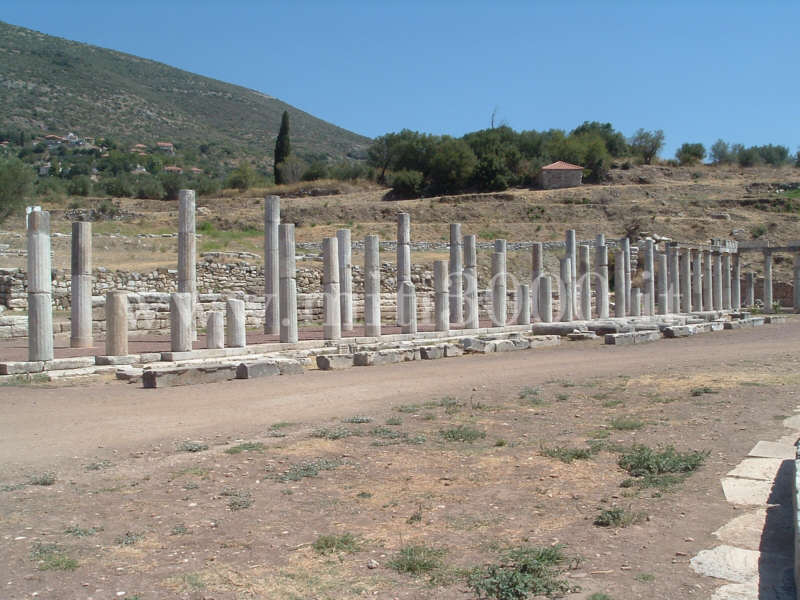
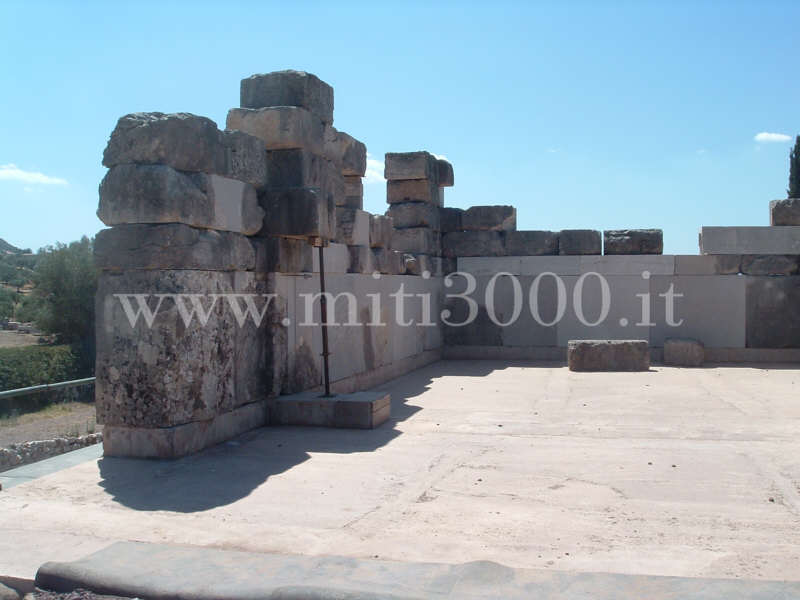
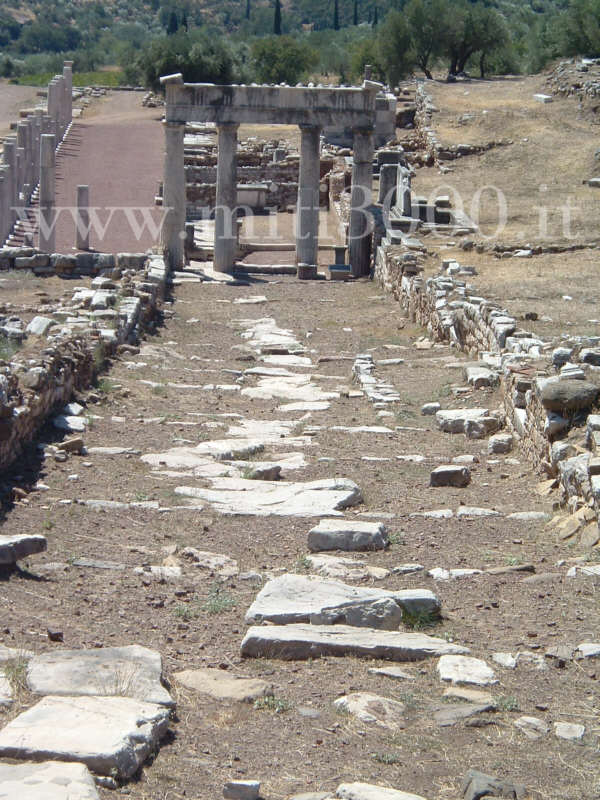
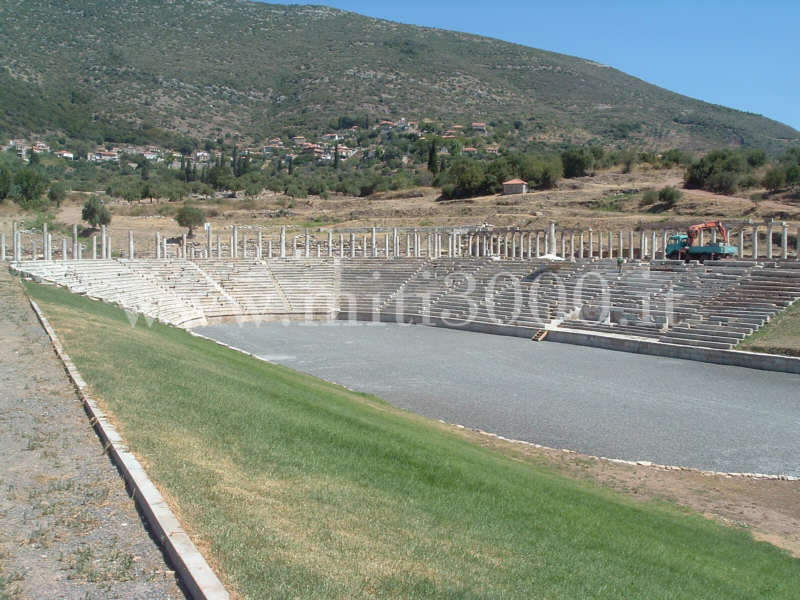
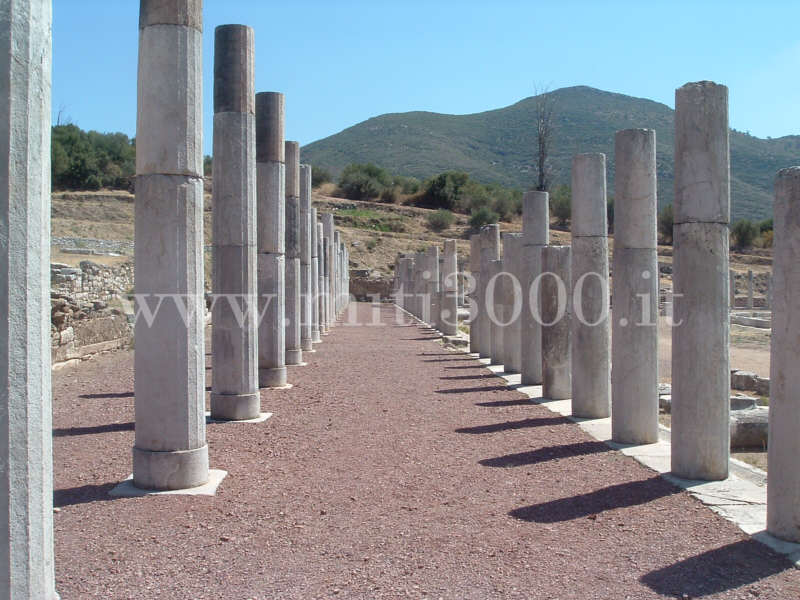
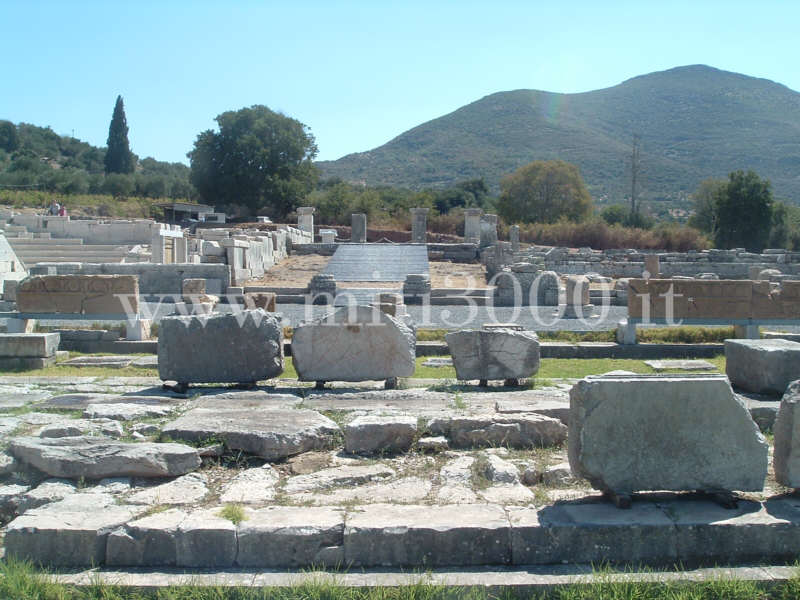
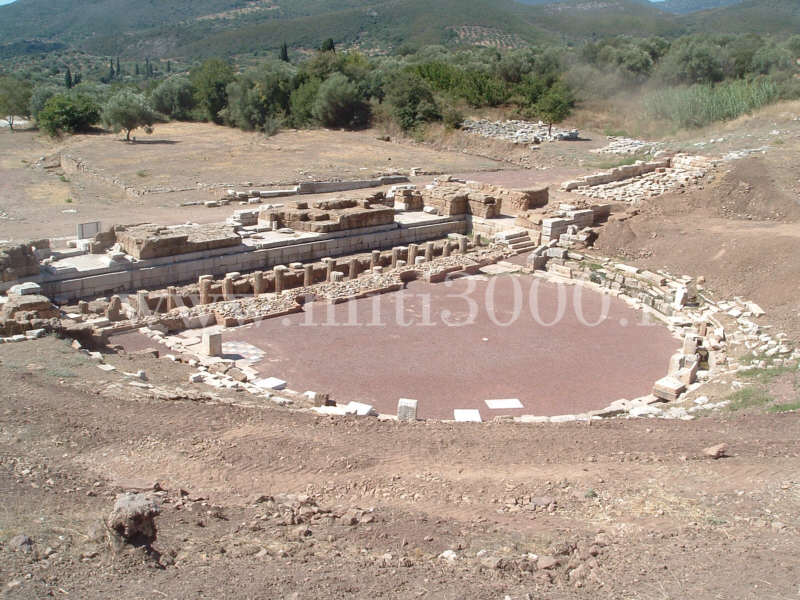
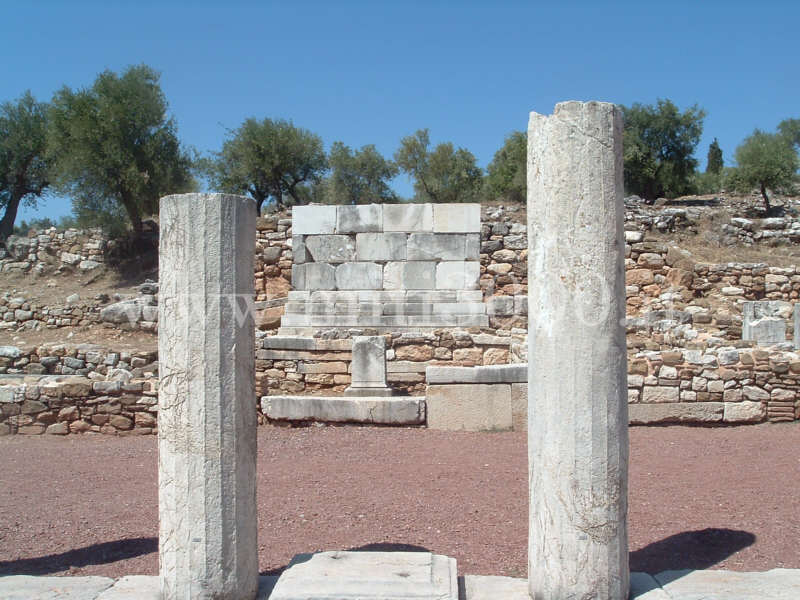
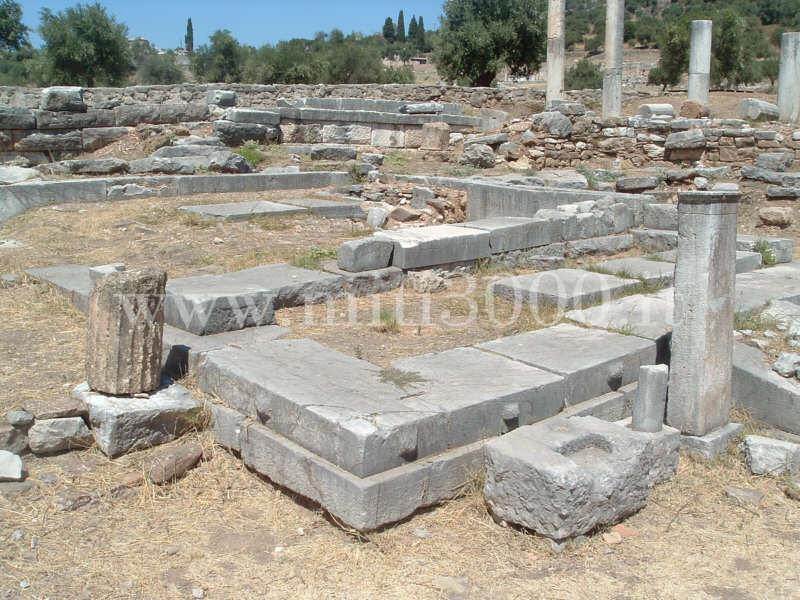
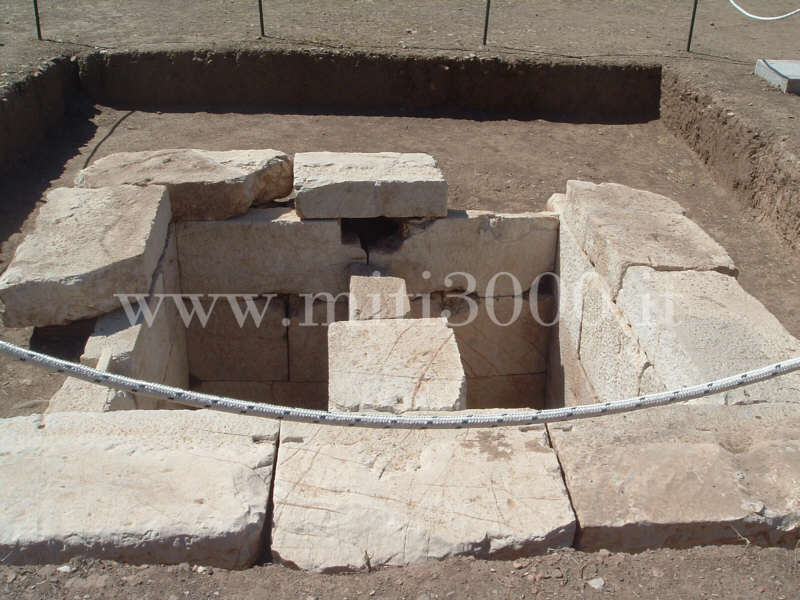
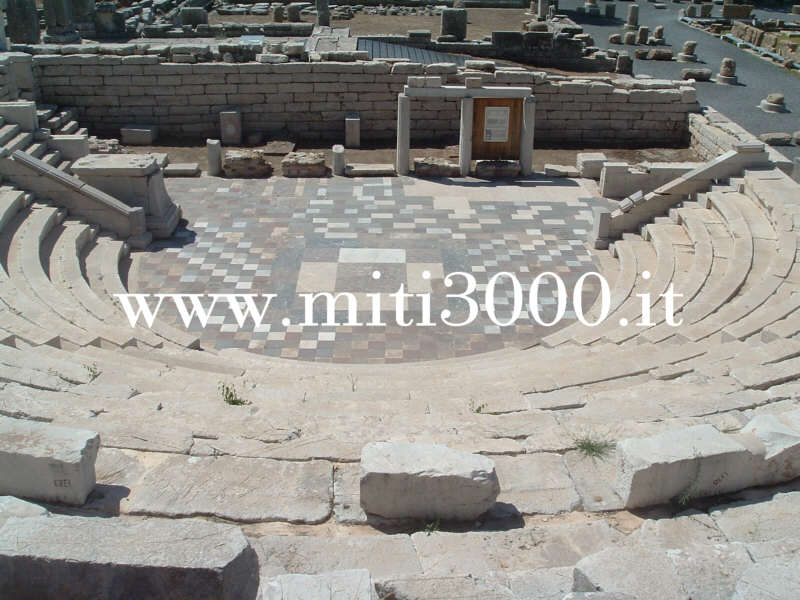
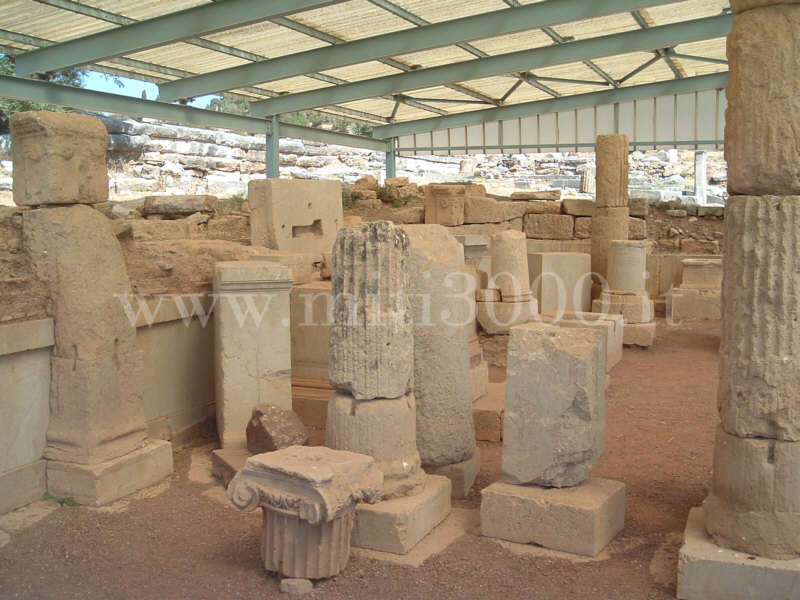
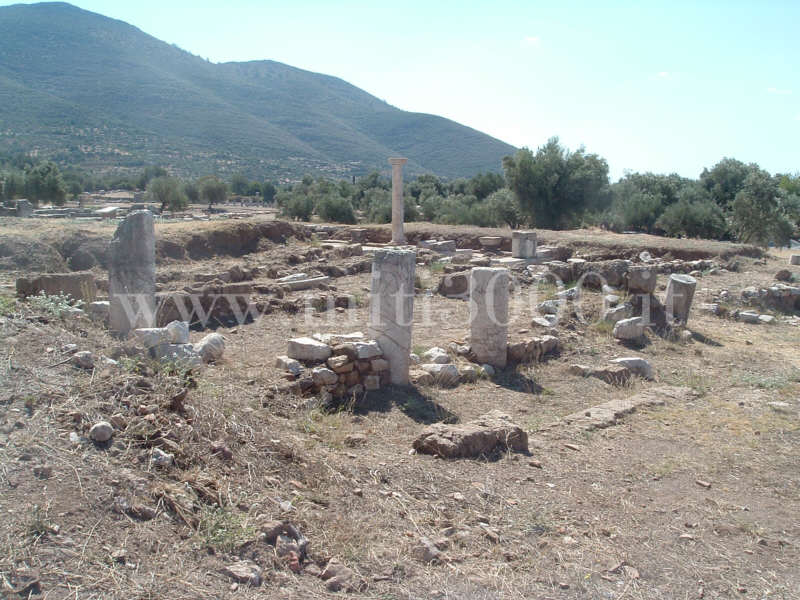
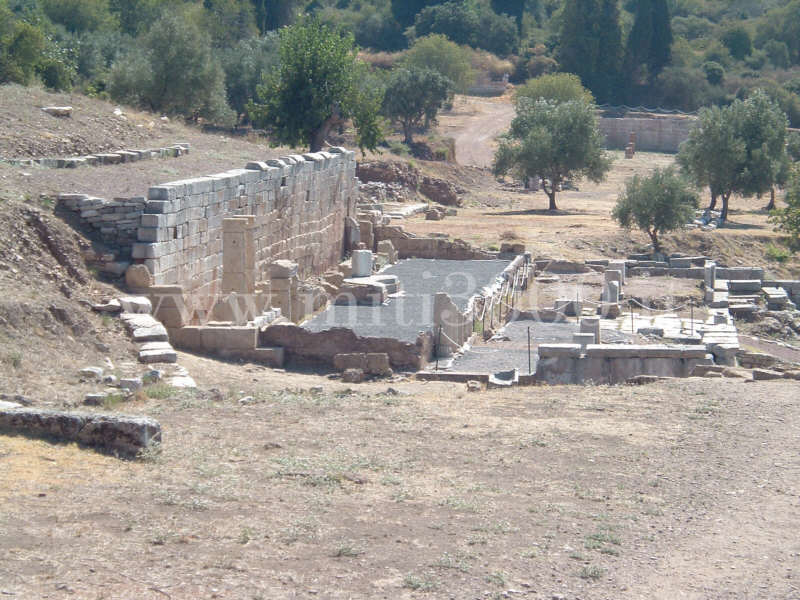
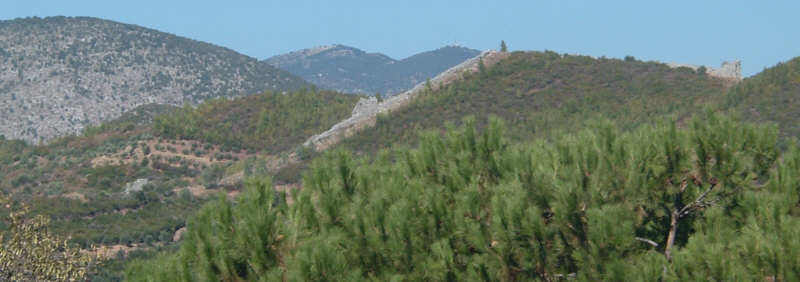
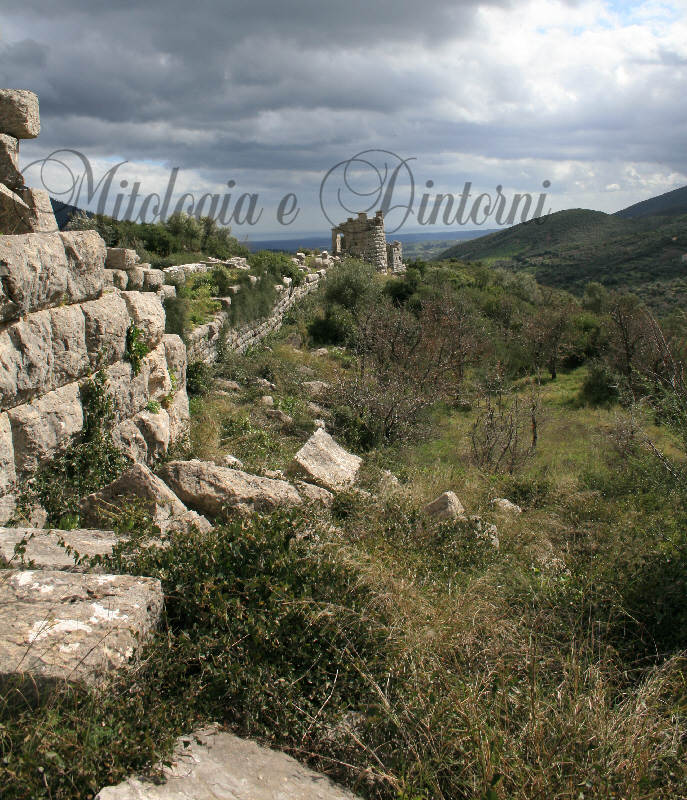
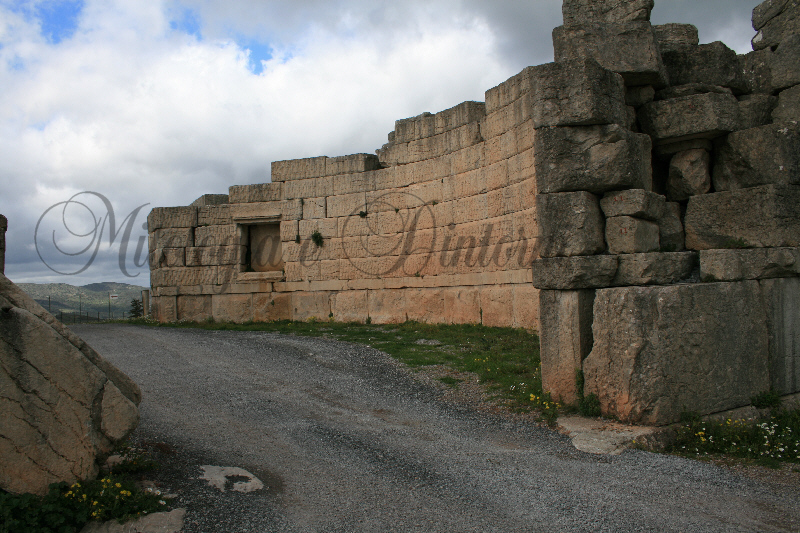
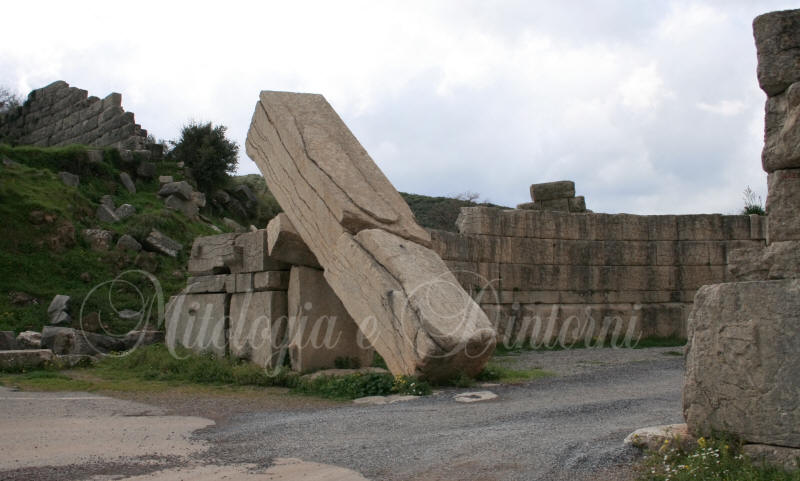
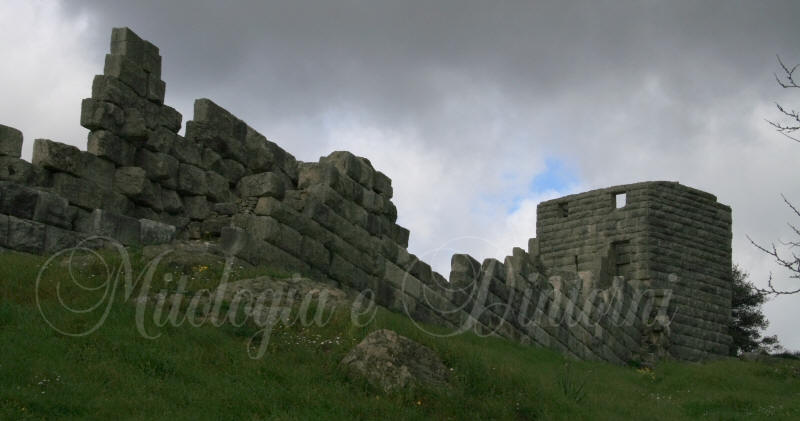
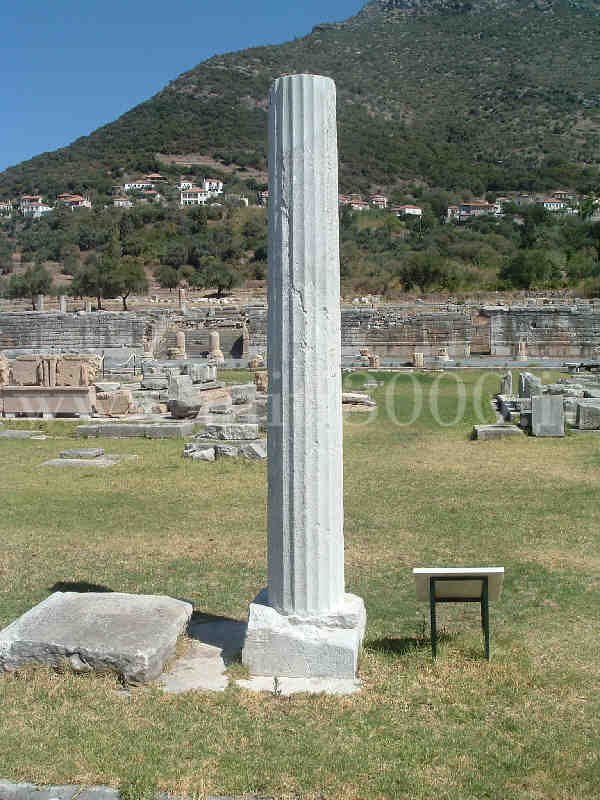
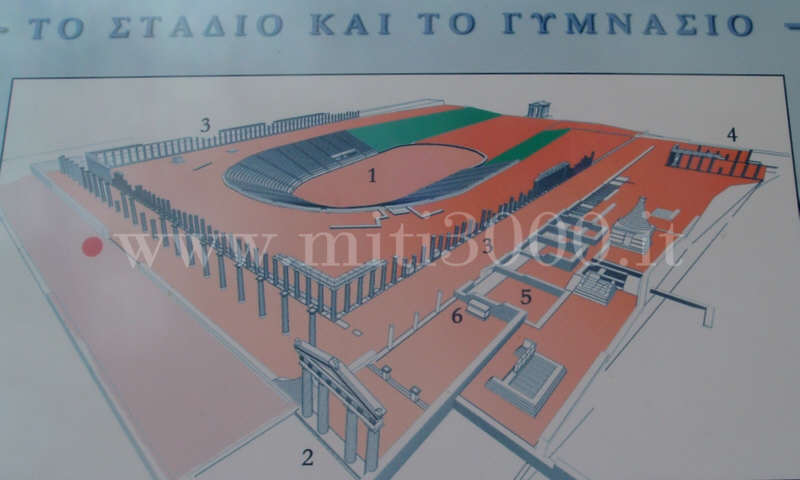
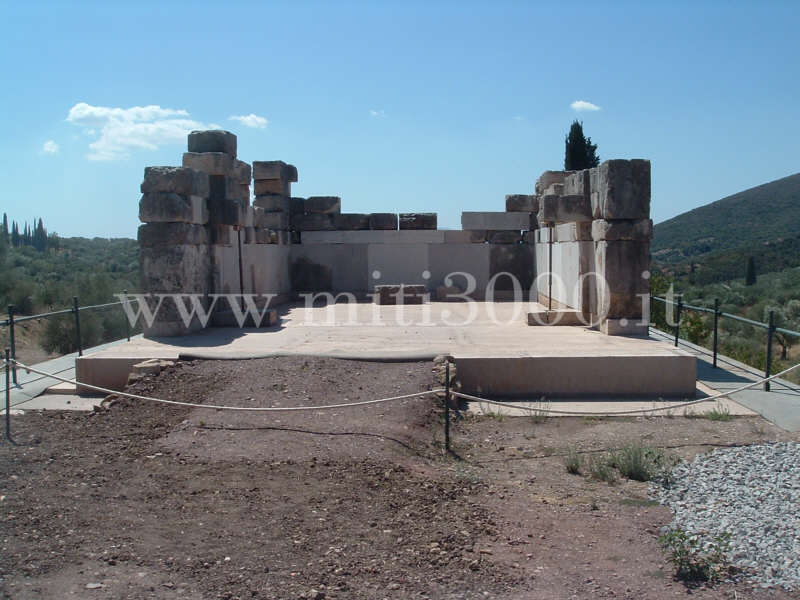
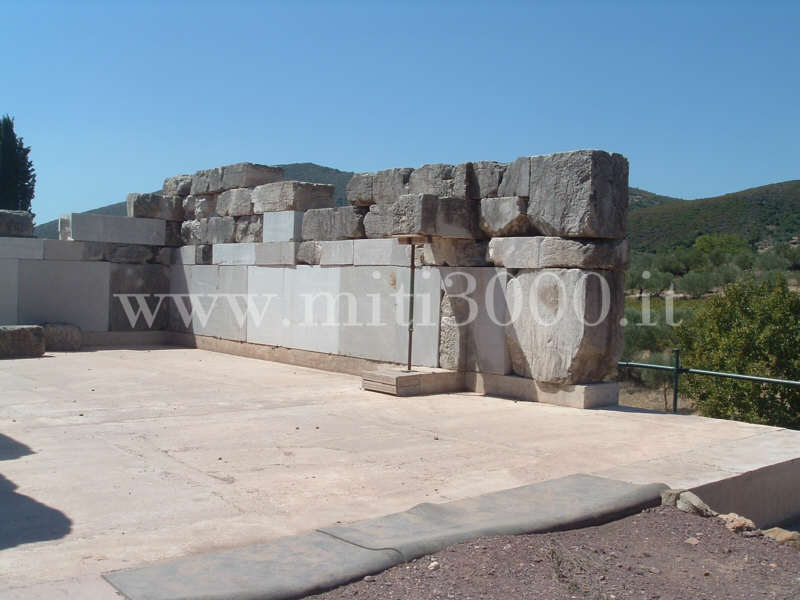
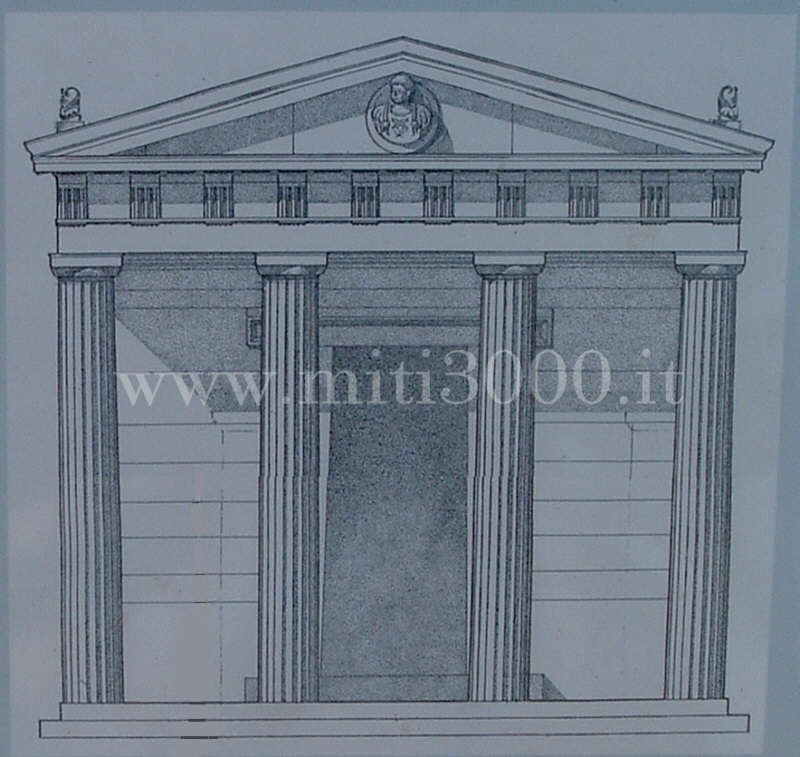
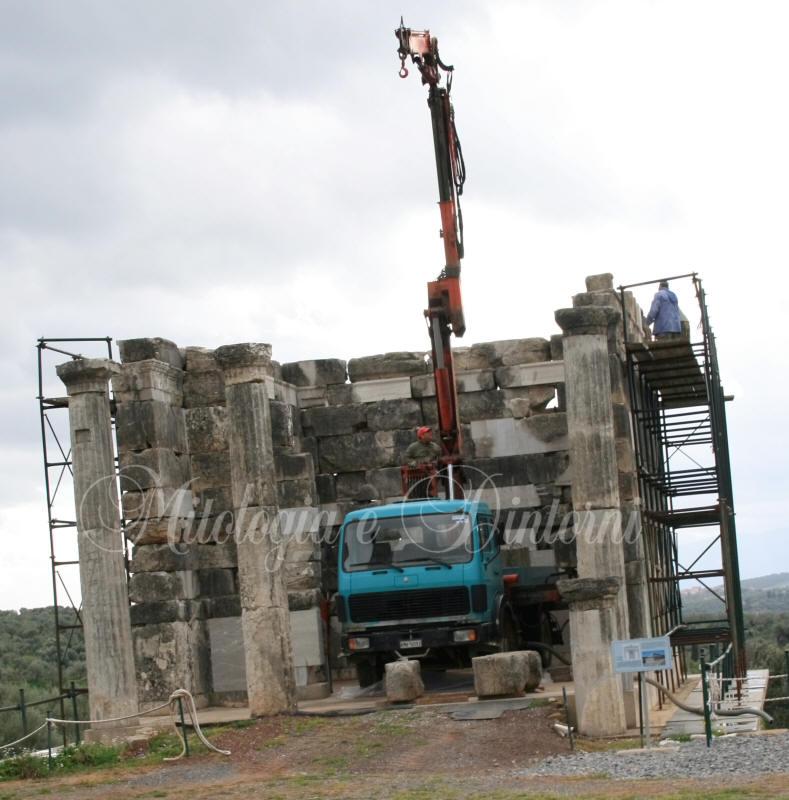
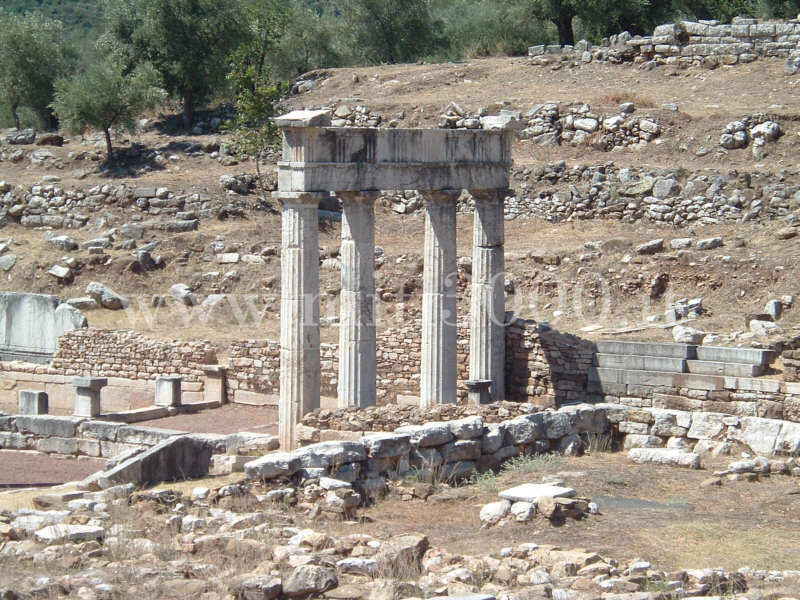
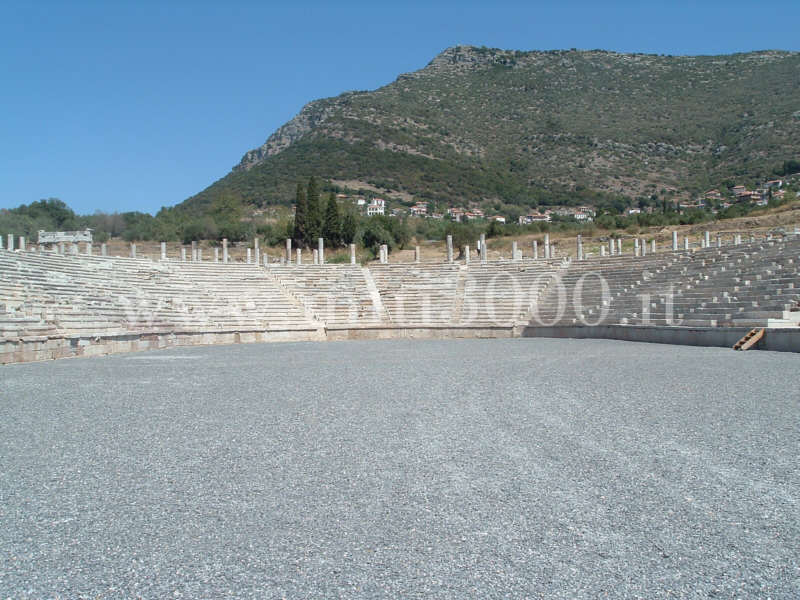
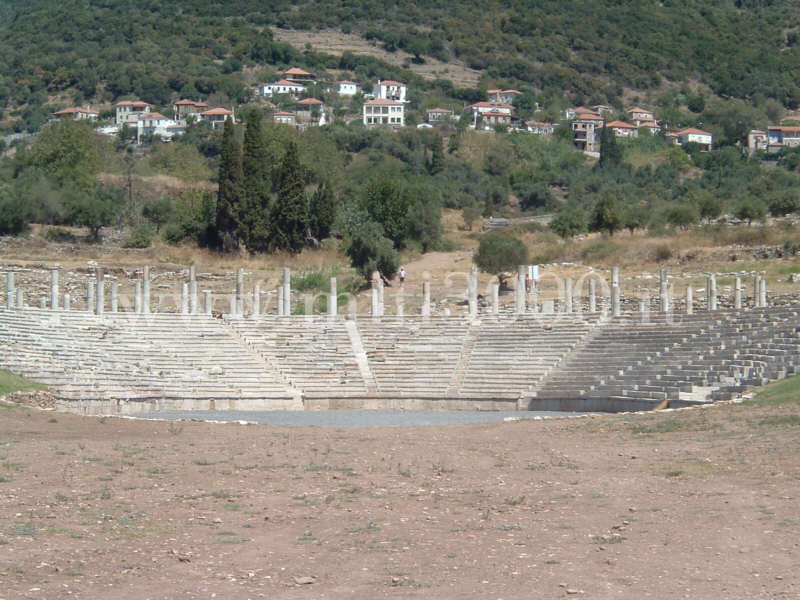
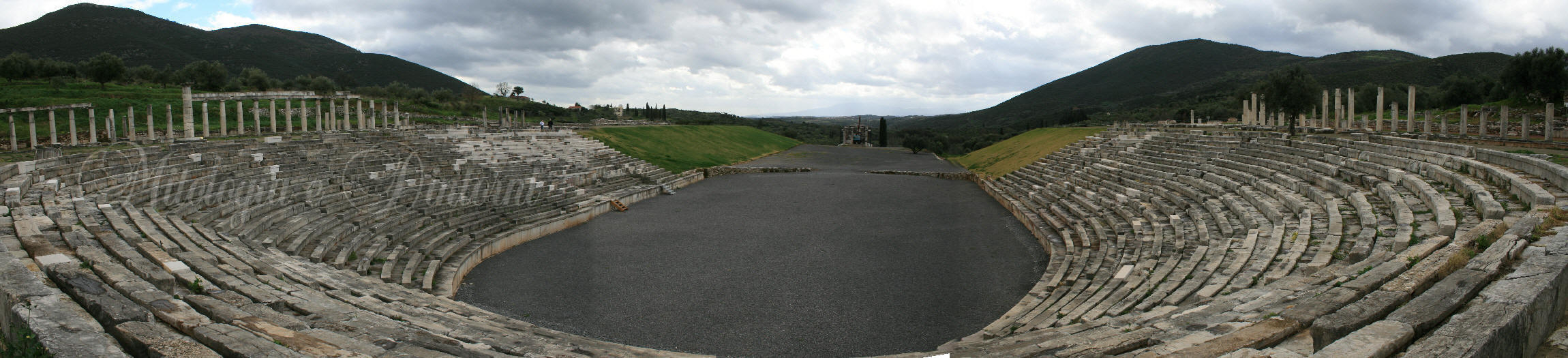
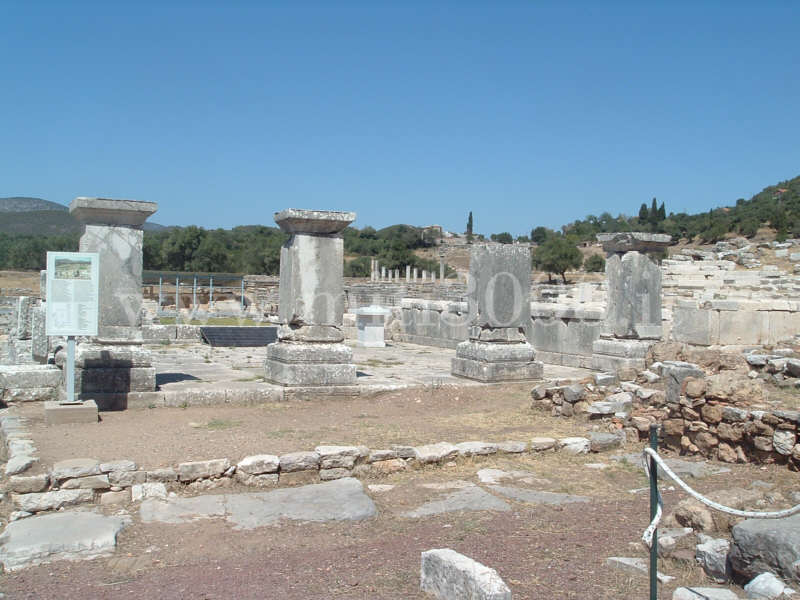
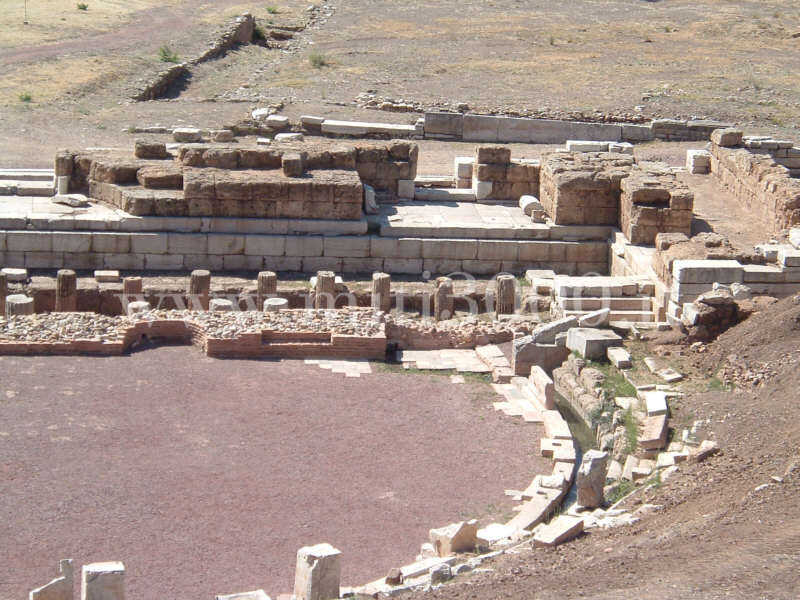
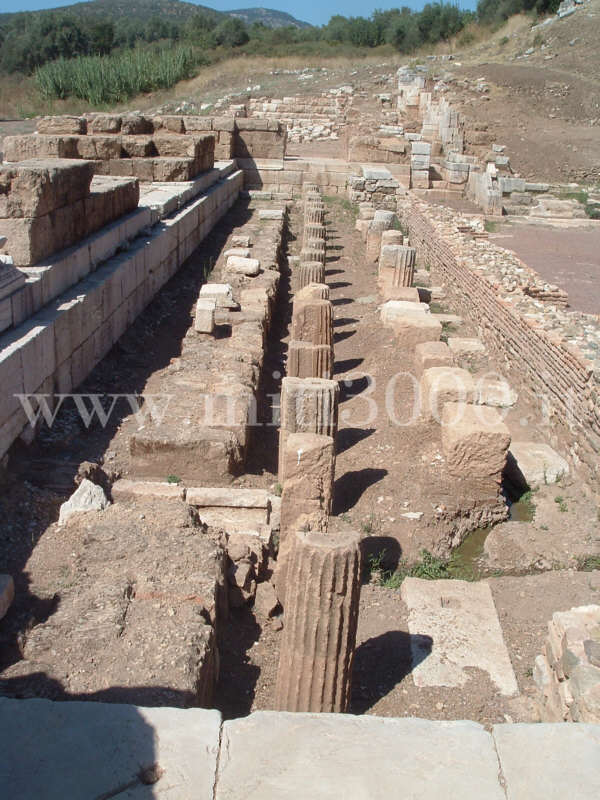
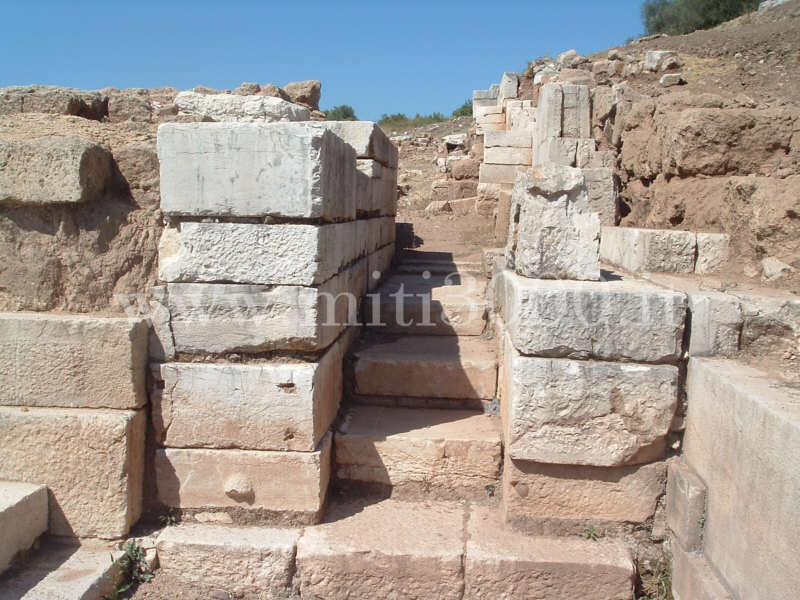
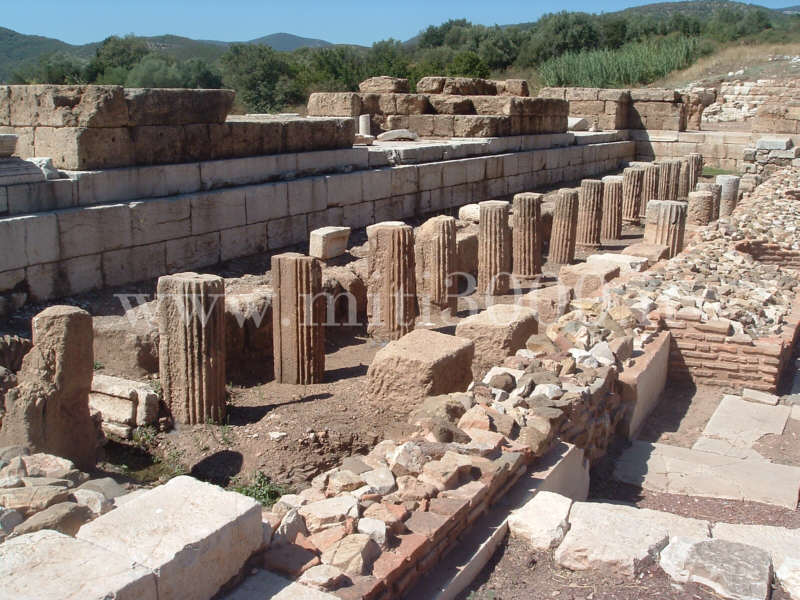
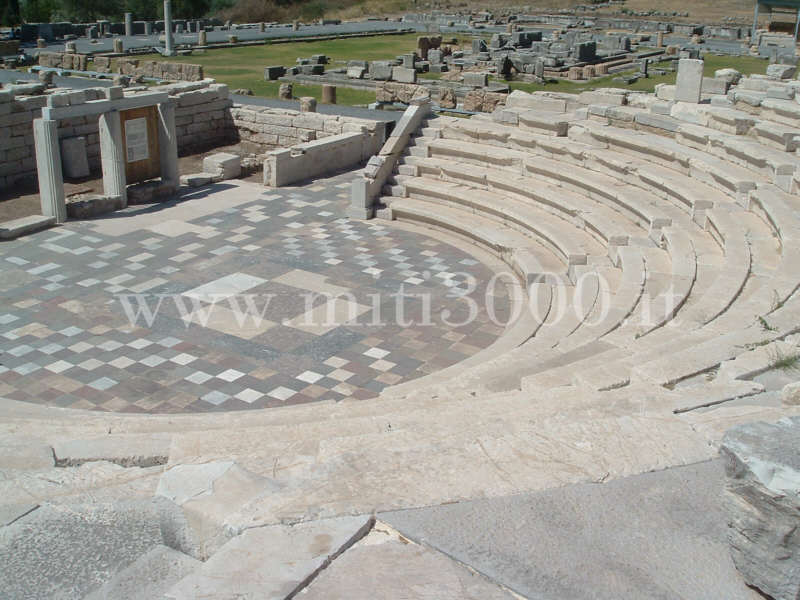
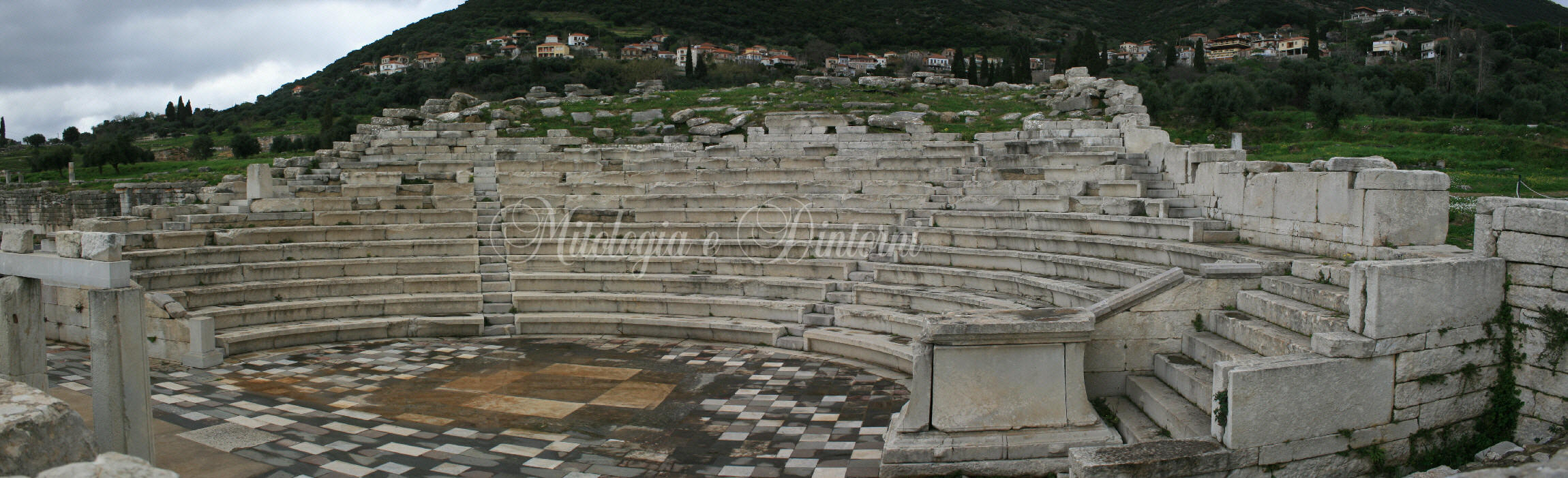
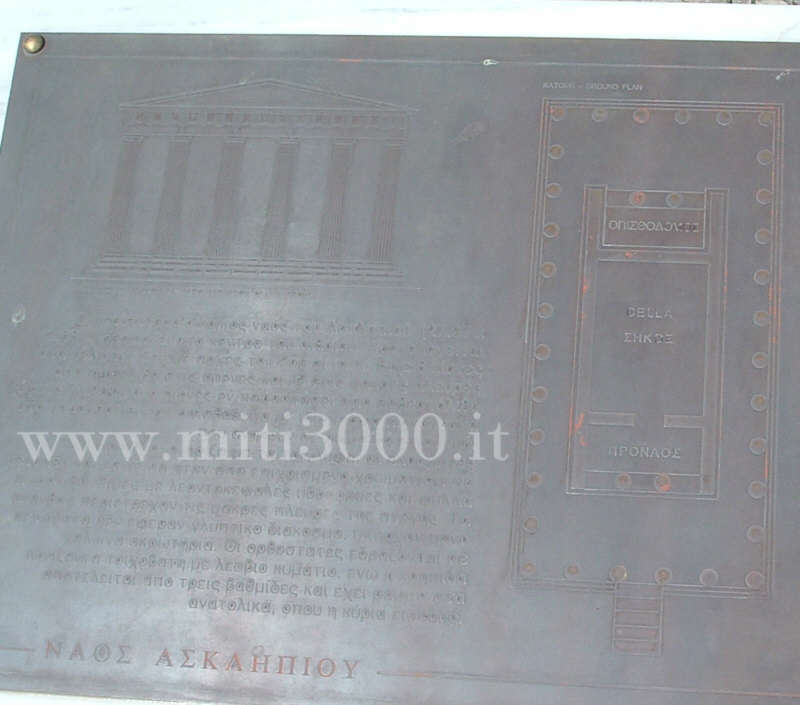
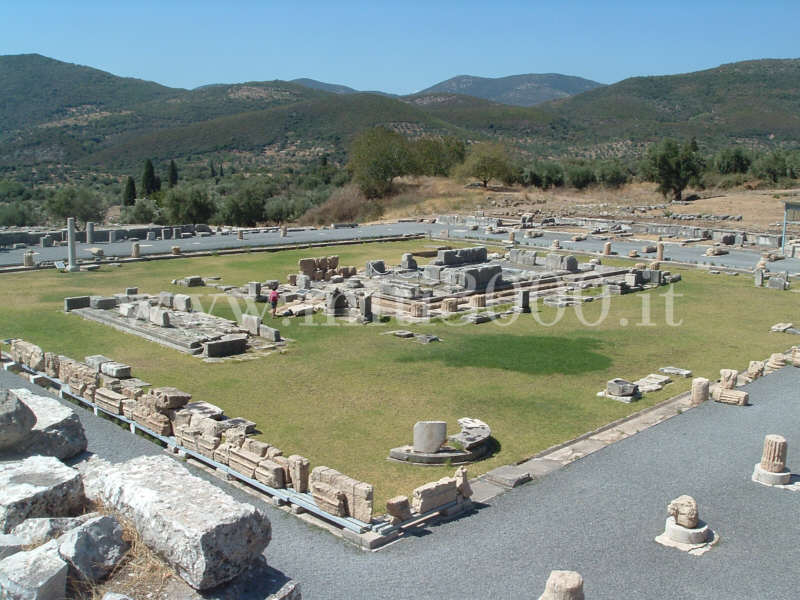
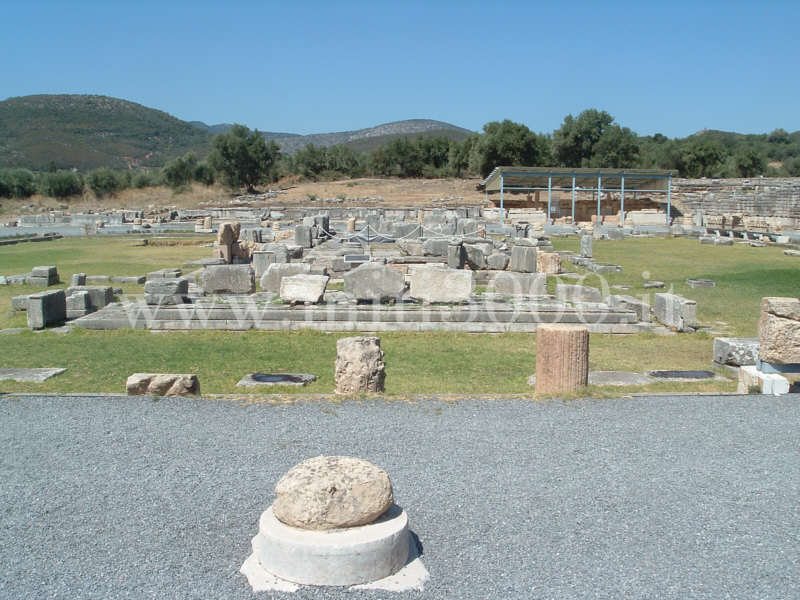
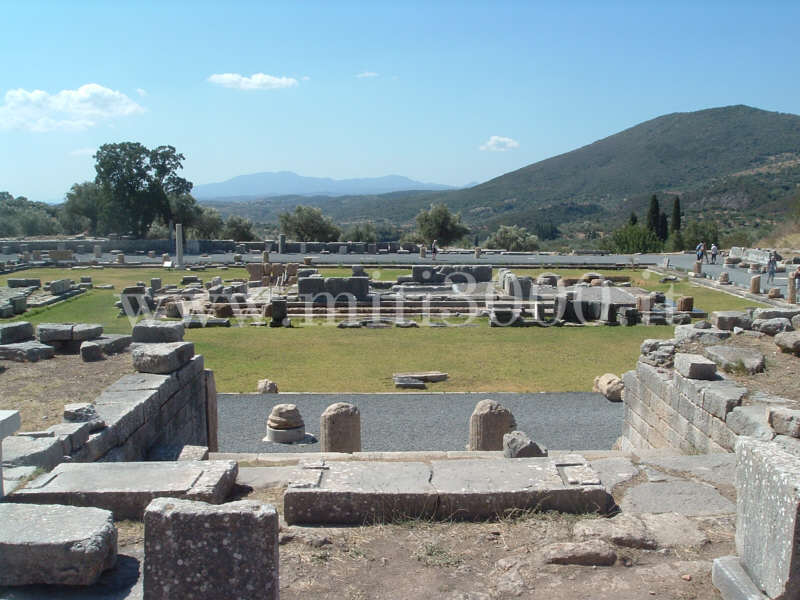
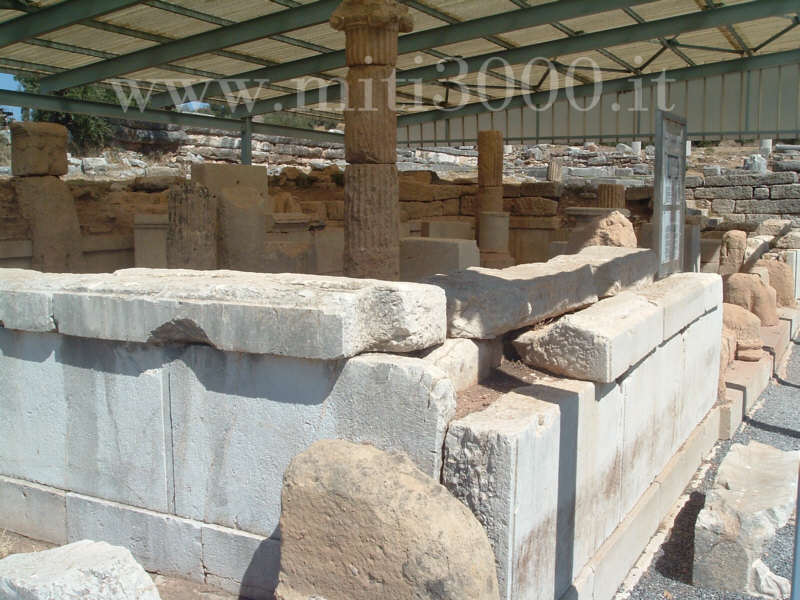
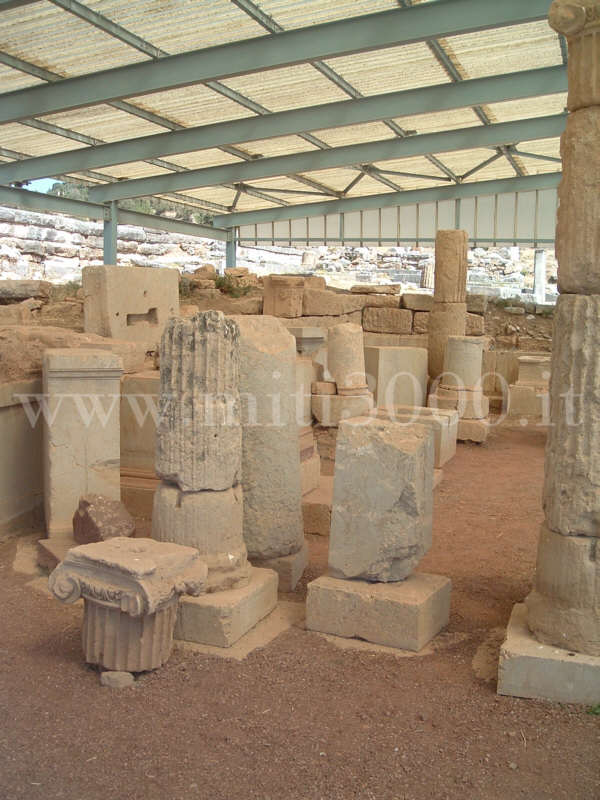
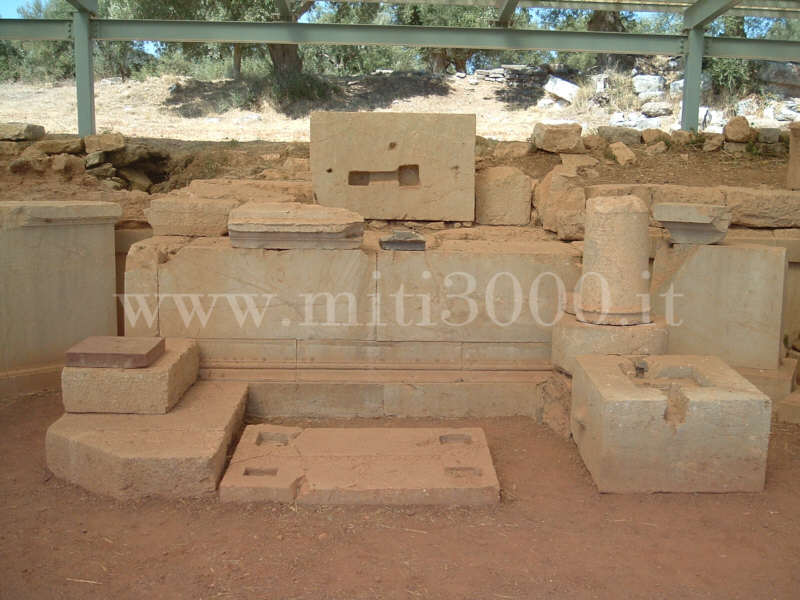
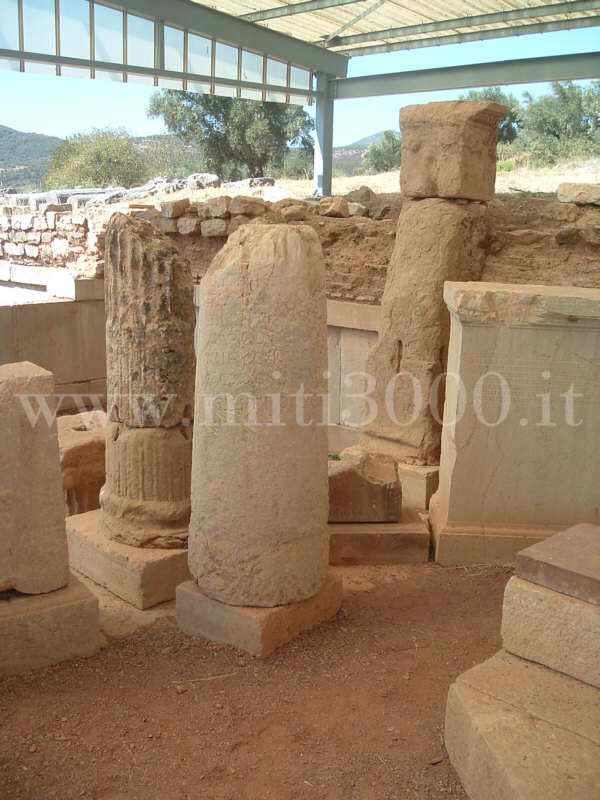
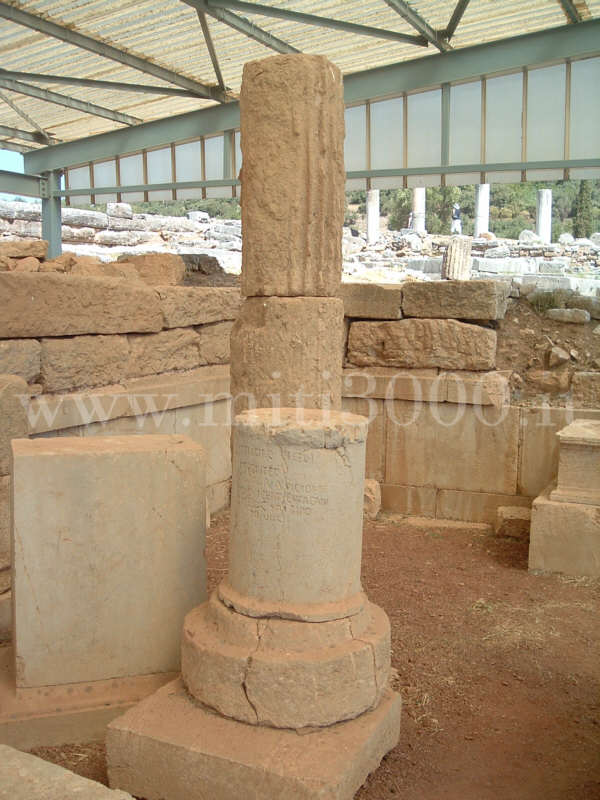
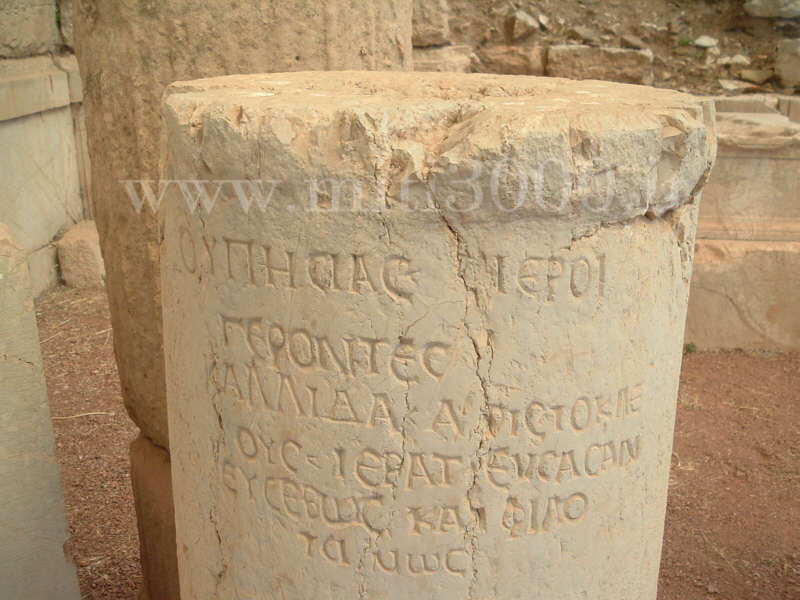
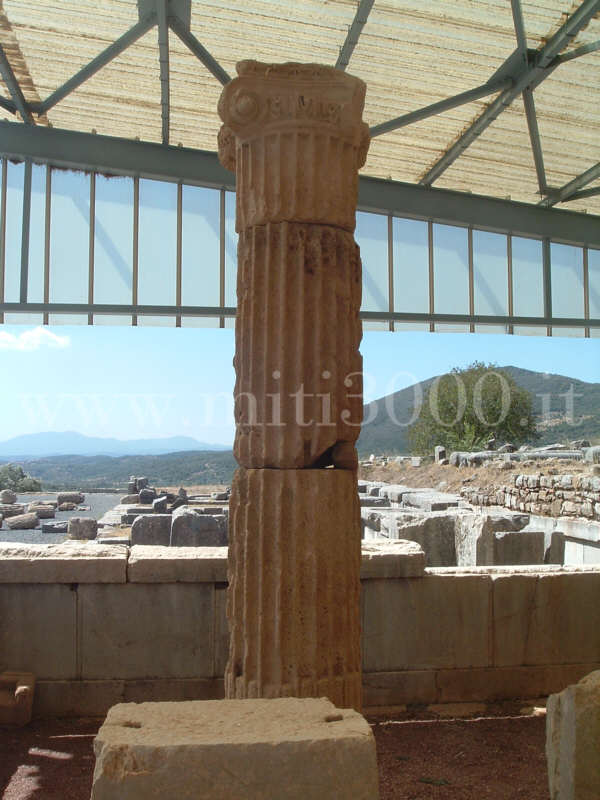
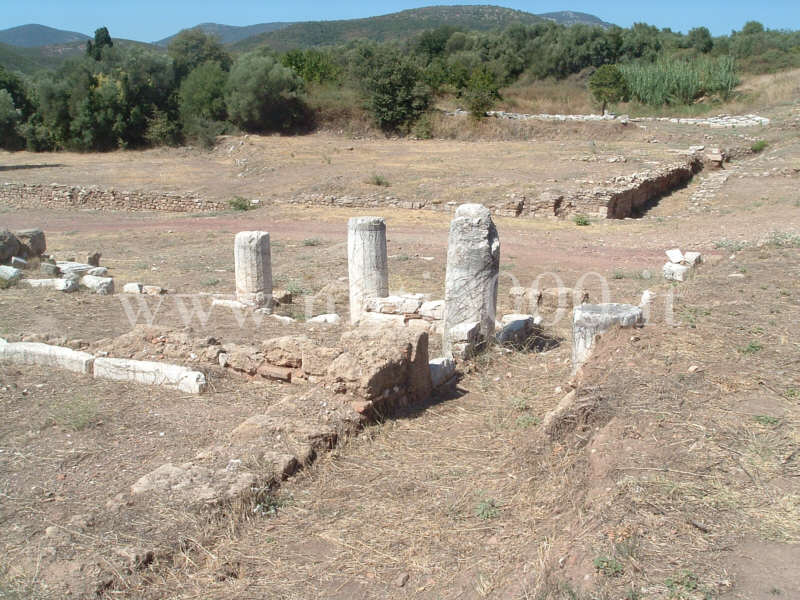
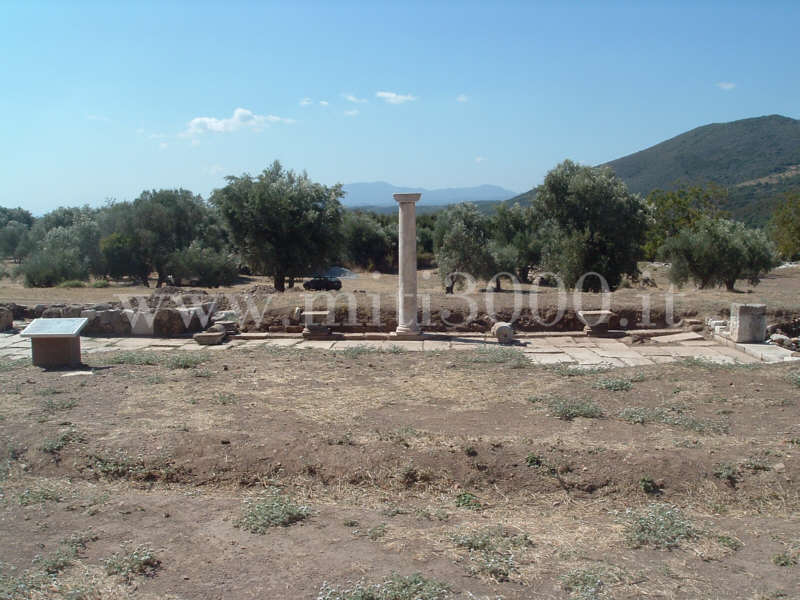
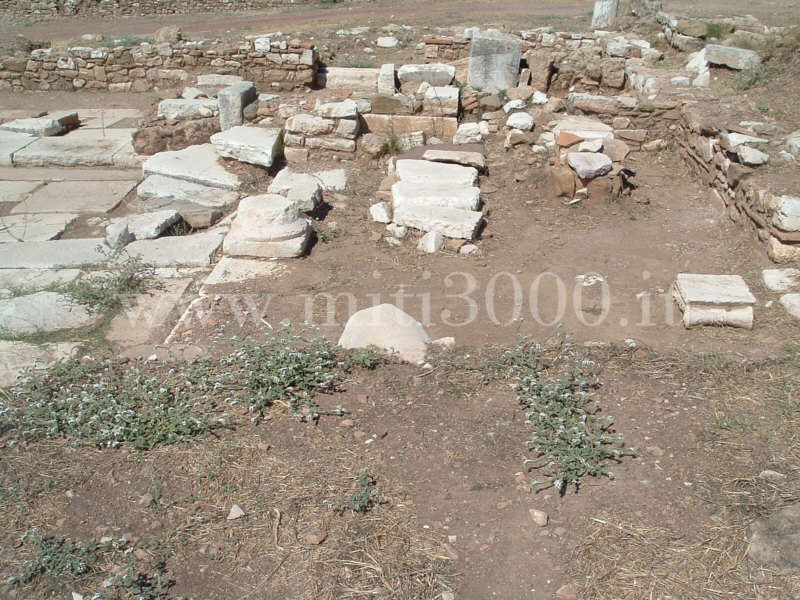
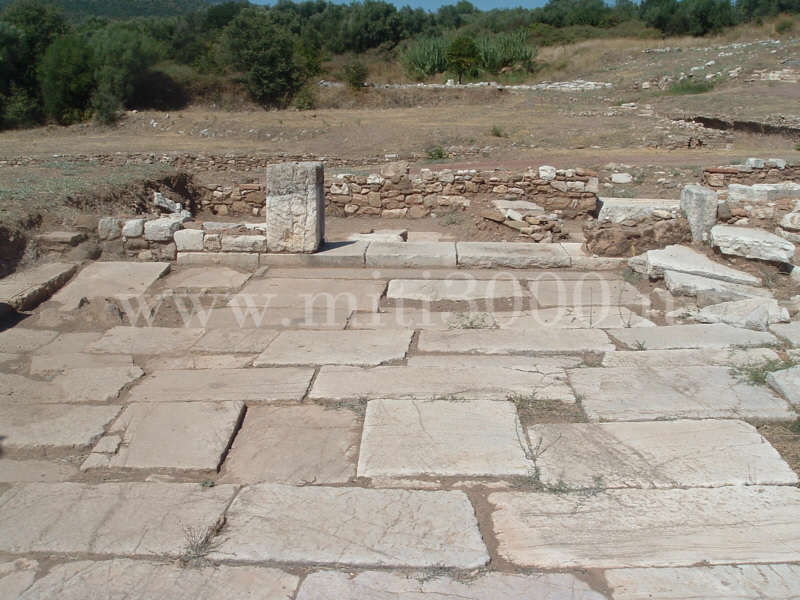
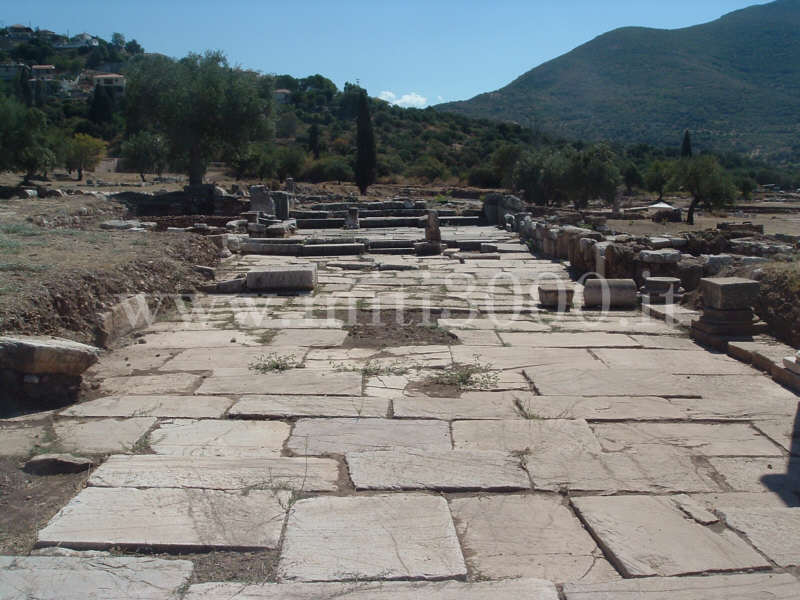
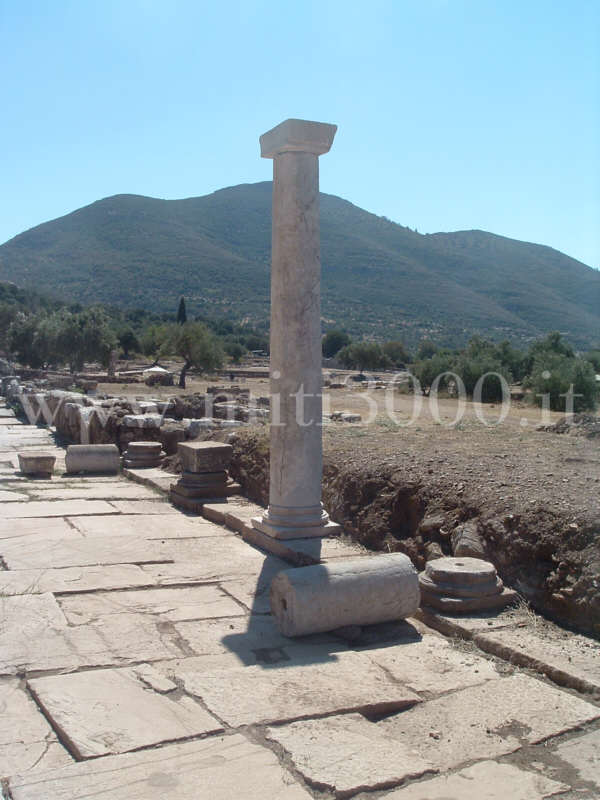
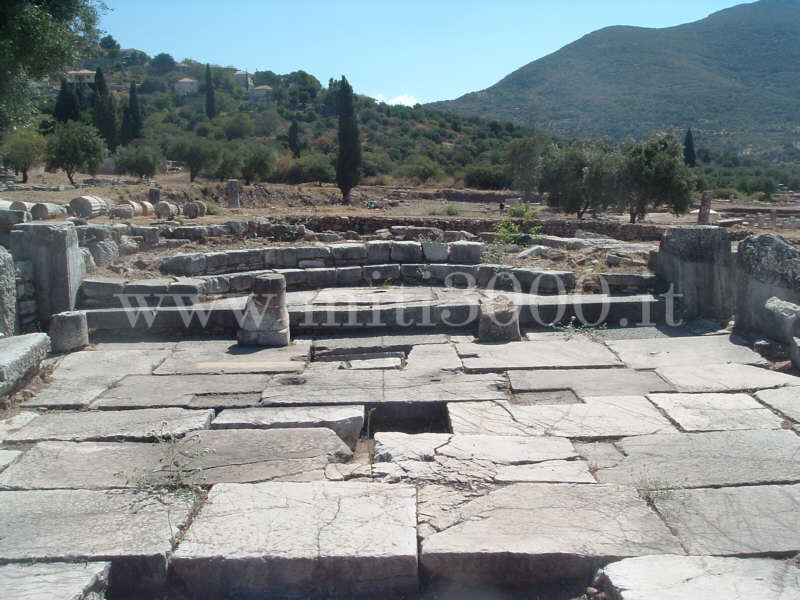
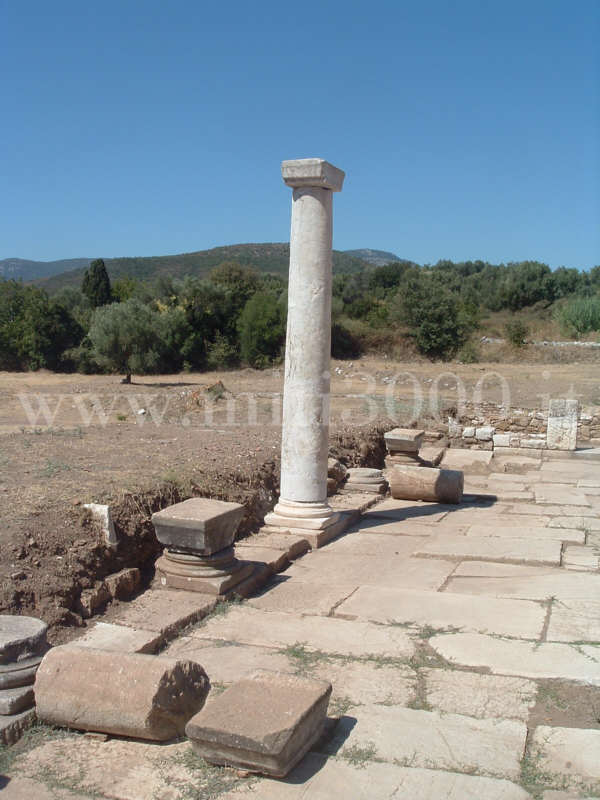
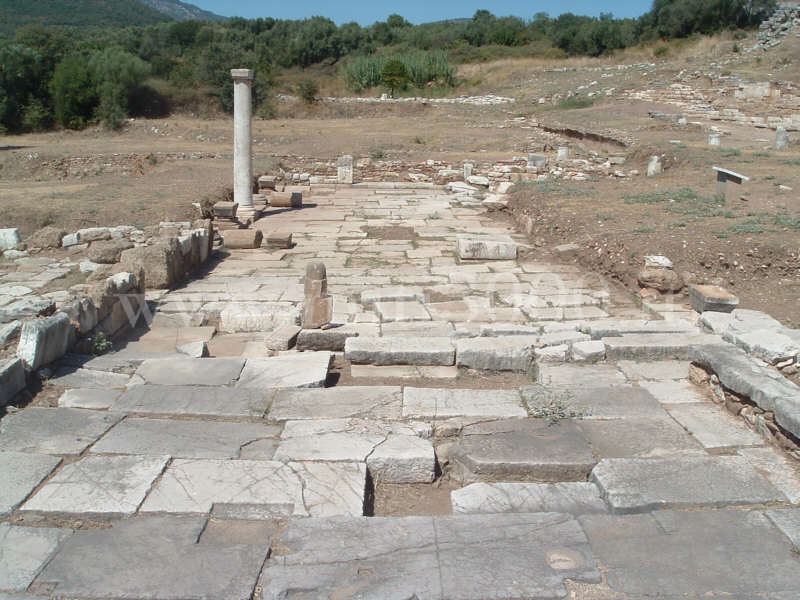
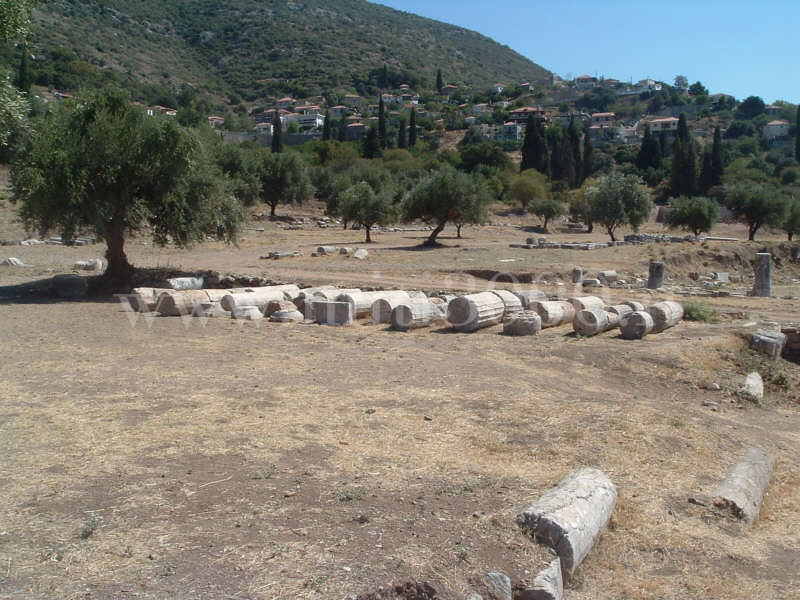
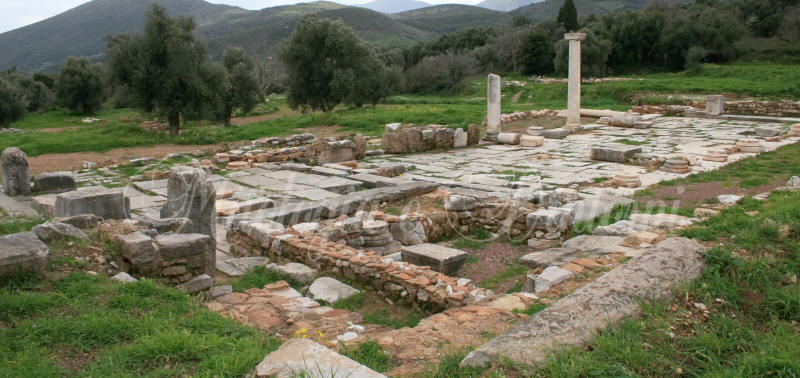
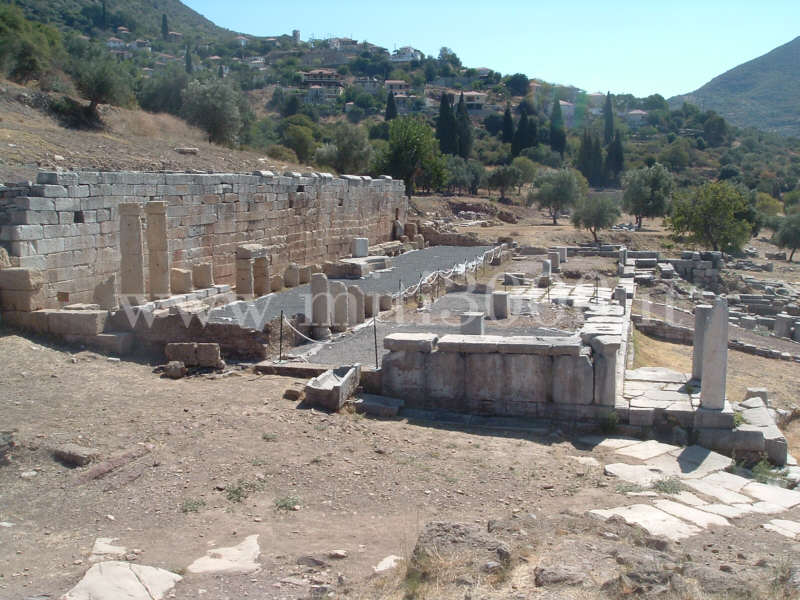
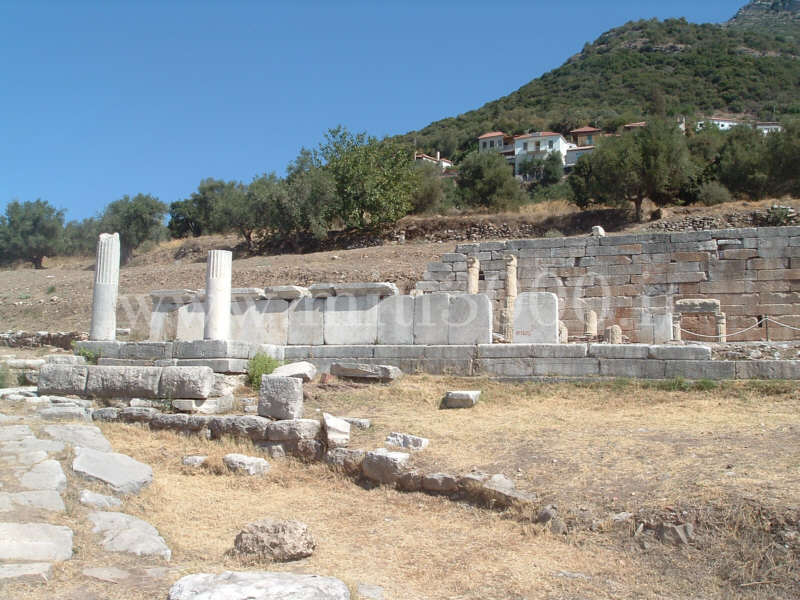
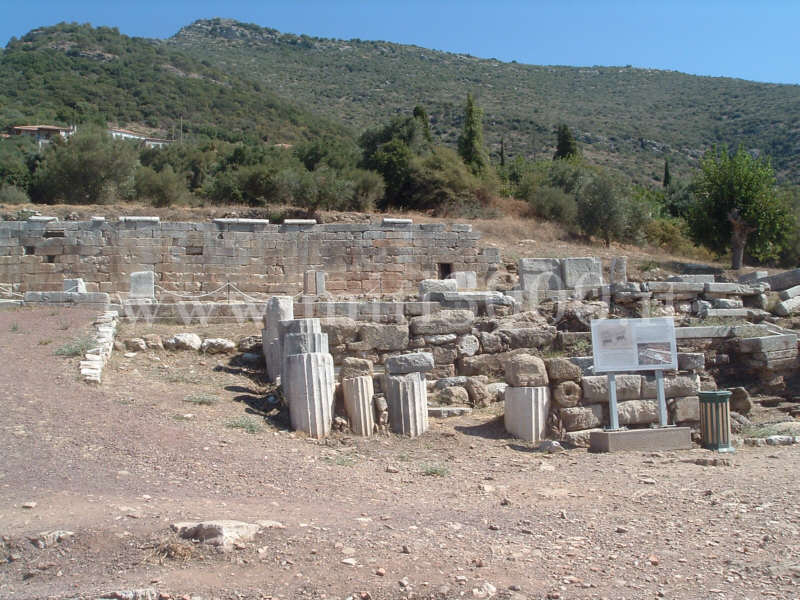
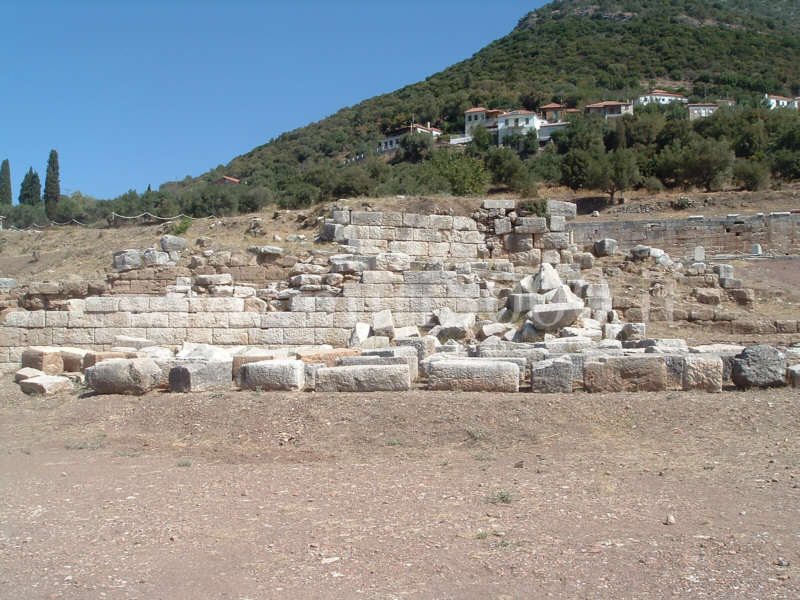
foto a cura di Giorgio Manusakis e Rodolfo Furneri
Guarda con Google lo stadio di Messene dal satellite.
Visualizzazione ingrandita della mappa