Micene
Superando la strettoia di Dervenakia, per alcuni chilometri nell'Argolide si trova la cittadella di Micene «ricca d'oro», che dà nome alla più importante civiltà greca dell'età del Bronzo, la civiltà micenea.
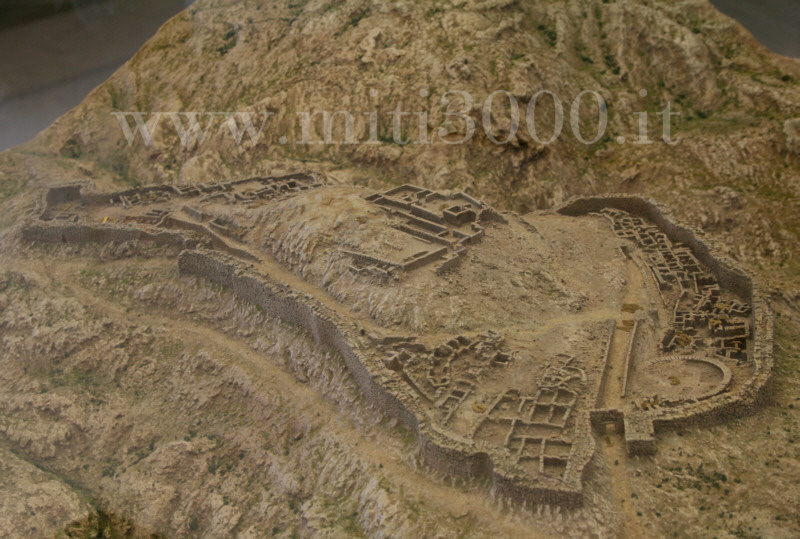
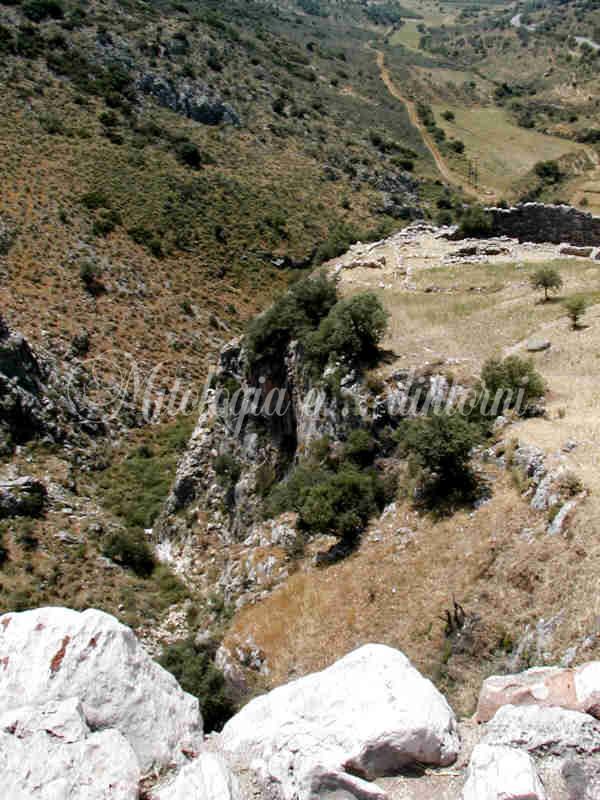
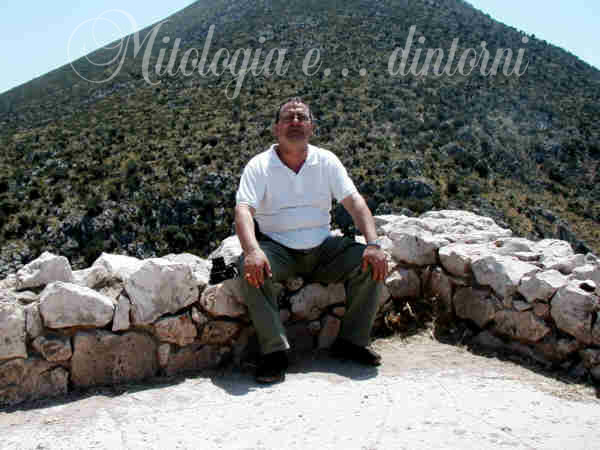
Μῠκῆναι, Micene sorge su una collina (278 m slm), stretta e protetta da due cime elevate e scoscese (il Sara e il Prophitis Ilias), secondo la tradizione la città fu fondata da Perseo figlio di Zeus e di Danae. Successore di Perseo fu Atreo figlio di Pelope e di Ippodamia. A seguito dell'odio che Atreo provava per il fratello Tieste, in un banchetto gli diede da mangiare i suoi propri figli, attirando così su di lui e su tutti i discendenti la maledizione degli déi e di Tieste (per il seguito vedi le apposite voci).
I micenei, chiamati achei da Omero, possono identificarsi con le tribù che giunsero in Grecia verso il 2000 a.C. a seguito della grande migrazione indoeuropea.
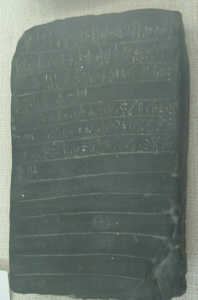 Tavoletta con Lineare B
L'alfabeto in uso a Micene era il lineare B. verso al 1400 a.C. i micenei conquistano il centro della civiltà minoica, Cnosso, e nel 1200 a.C., guidati da Agamennone della dinastia degli Atridi, essi figurano tra gli eserciti greci che combatterono nella guerra di Troia, narrata da Omero nell'Iliade.
Molto presto la supremazia di Micene ebbe fine, a causa delle rivalità tra le varie città stato, aggravata, nel tardo XII secolo a.C., dall'invasione di un'altra popolazione, i dori, provenienti dal nord.
Durante le guerre persiane Micene inviò un contingente di 80 uomini alla battaglia delle Termopoli e insieme a quelli di Tirinto 400 uomini a Platea. Per questo gesto ebbero l'onore di vedere scritti sul tripode che dedicarono a Delfi le città che avevano partecipato alla battaglia. Gli Argivi non avevano tollerato tale distinzione onorifica quindi nel 468 a.C. conquistarono l'acropoli e distrussero le mura, Micene non riconquistò più il suo originario splendore e mai più fu ricostruita.
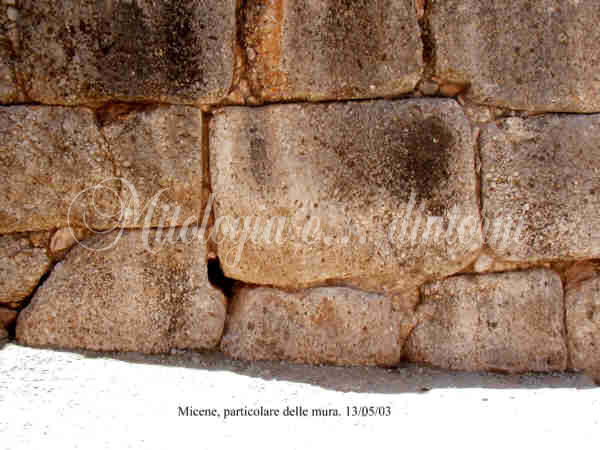
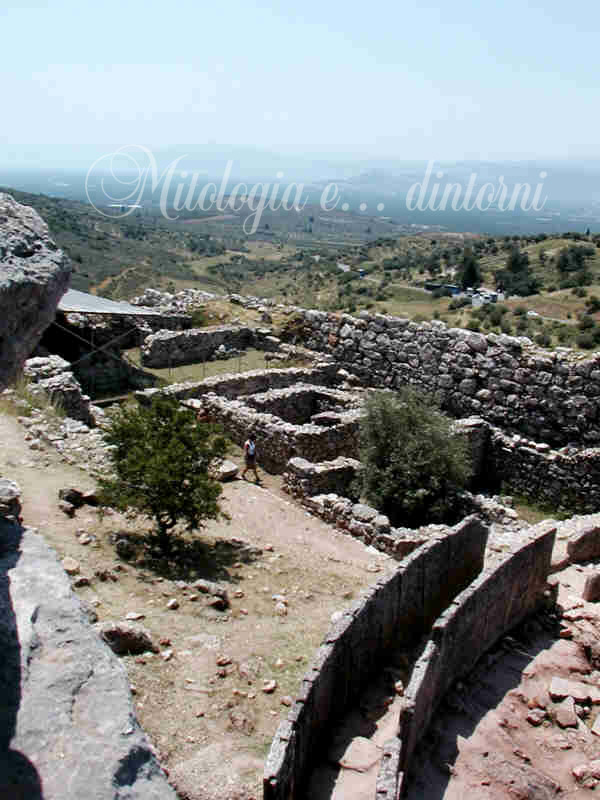
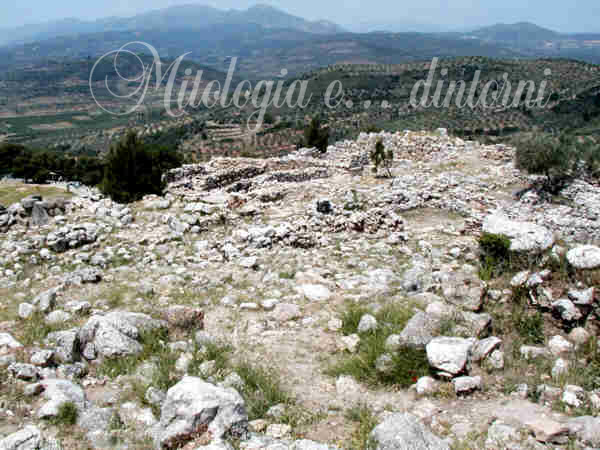
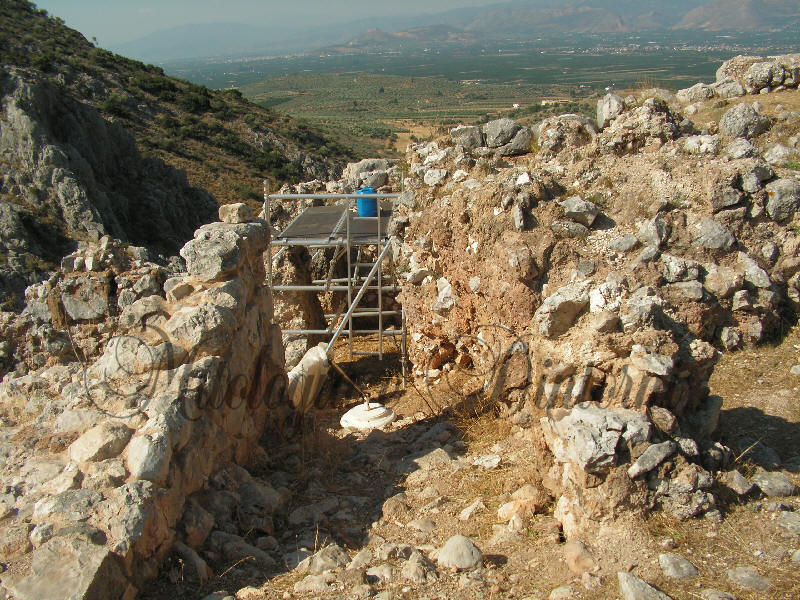
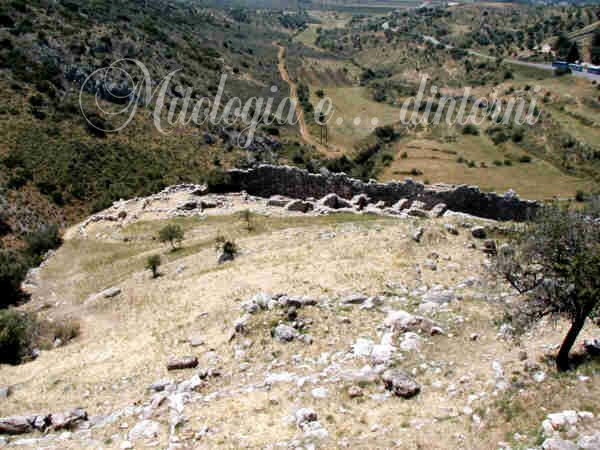
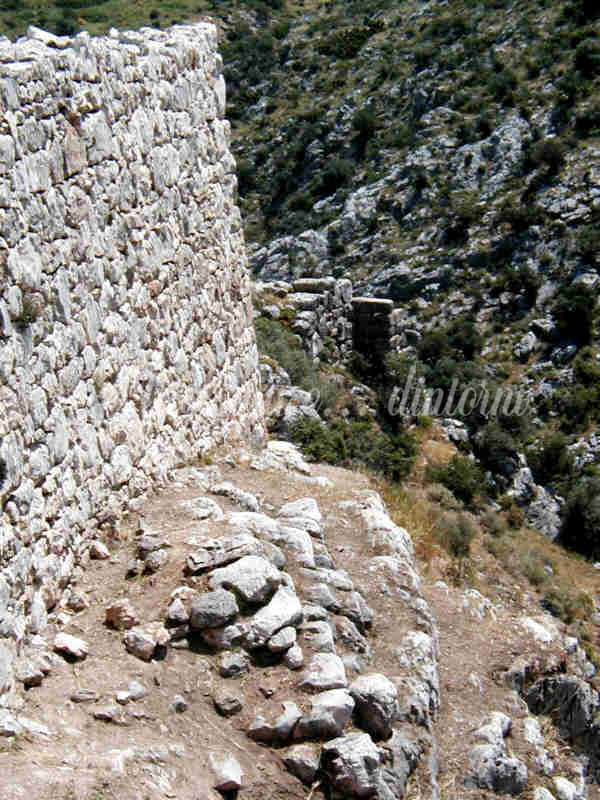
Le rovine di Micene comprendono, le grandiose fortificazioni (che raggiungono i 6-8 m di spessore), in cui si apre il monumentale passaggio di nord-ovest la celebre Porta dei Leoni.
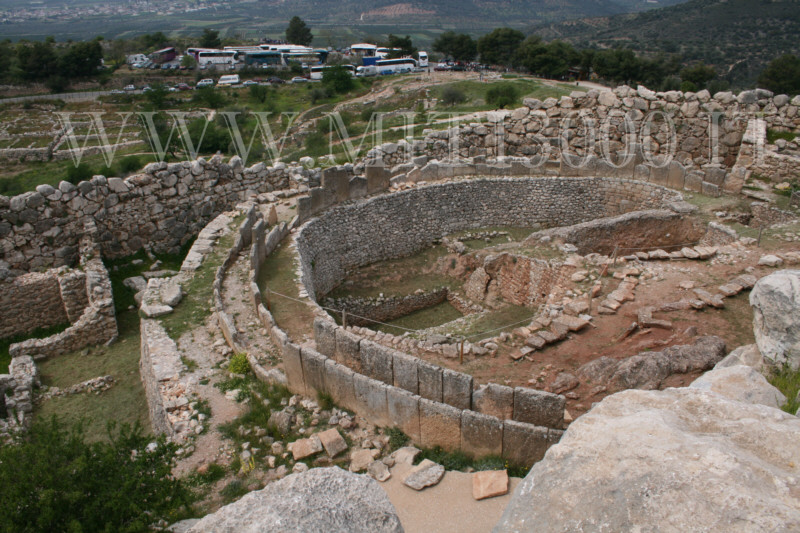
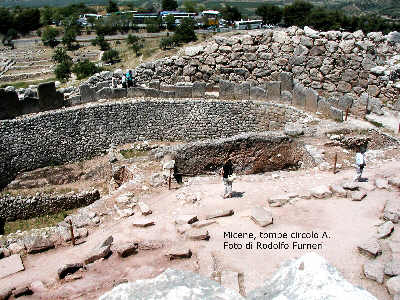
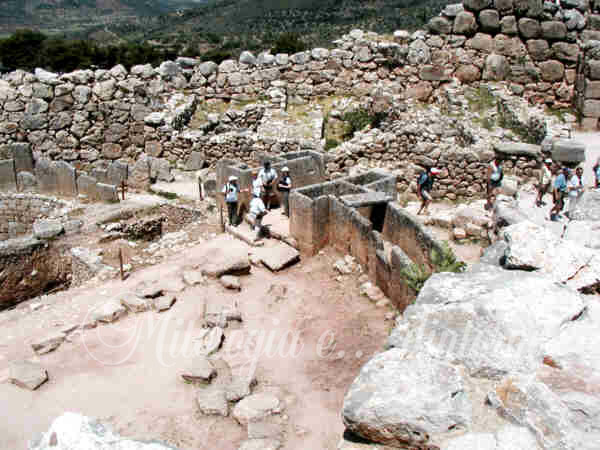
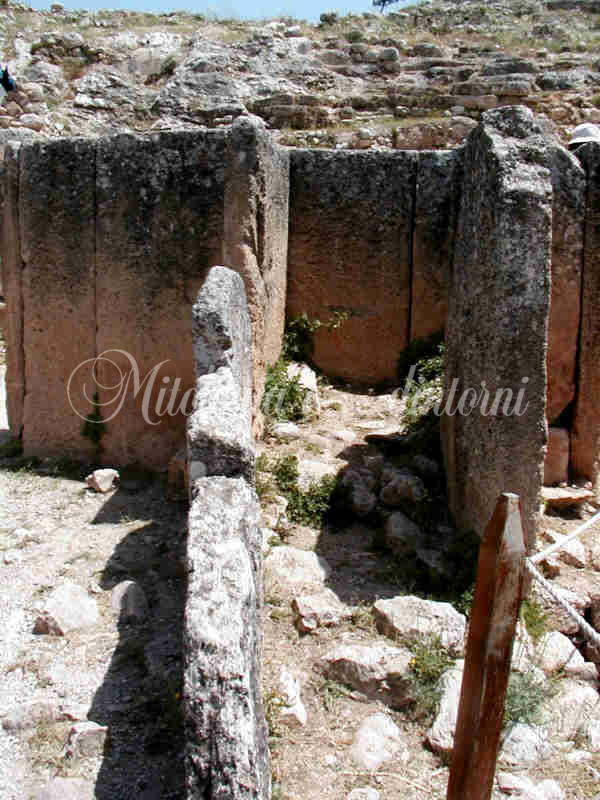
Oltre la Porta dei Leoni a destra vi sta il Granaio edificio in uso fino alla distruzione dell'acropoli. Subito dopo il Granaio si erge il Circolo Funerario A con 6 tombe reali, dalle quali furono rinvenuti diversi oggetti quali: le maschere d'oro, spade in bronzo con impugnature in oro e avorio, pugnali decorati in oro, vasi e gioielli aurei.
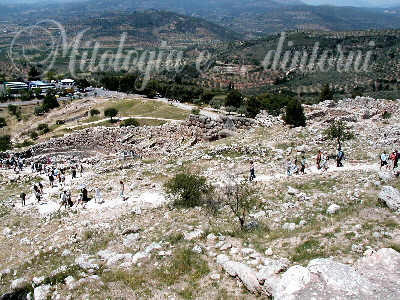
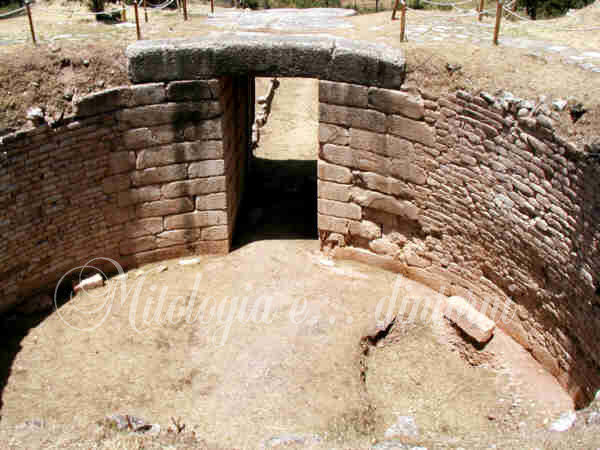
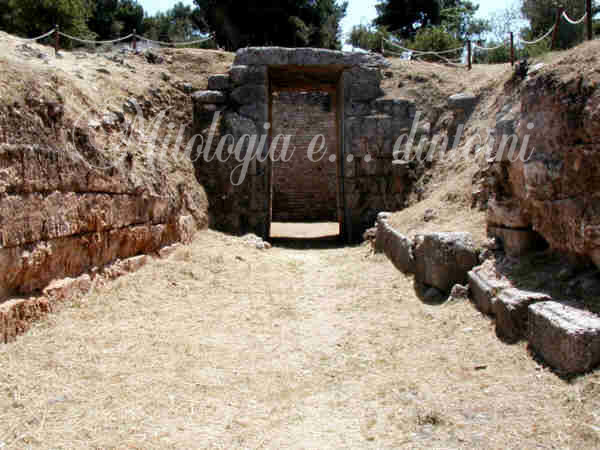
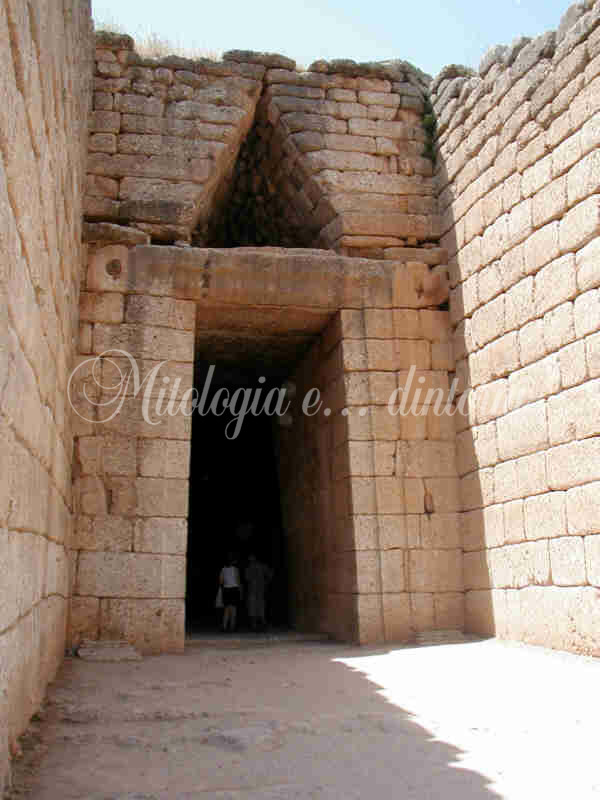
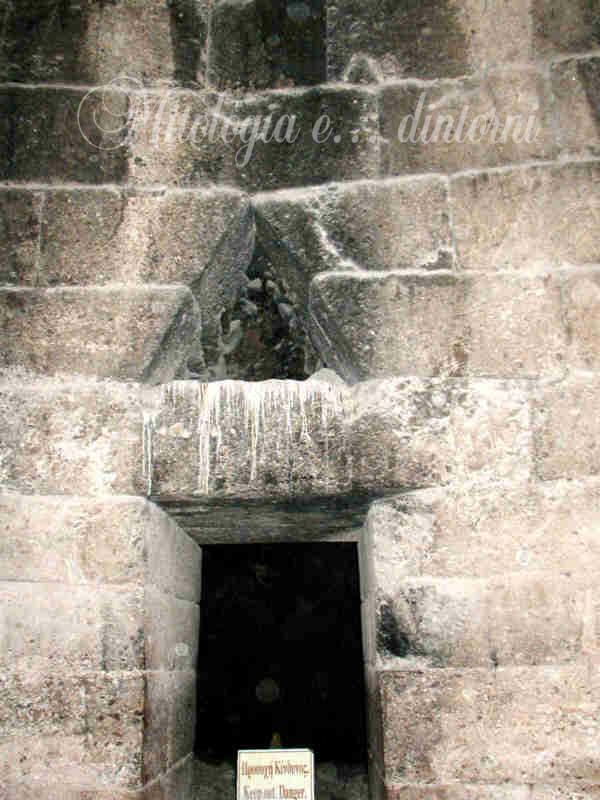
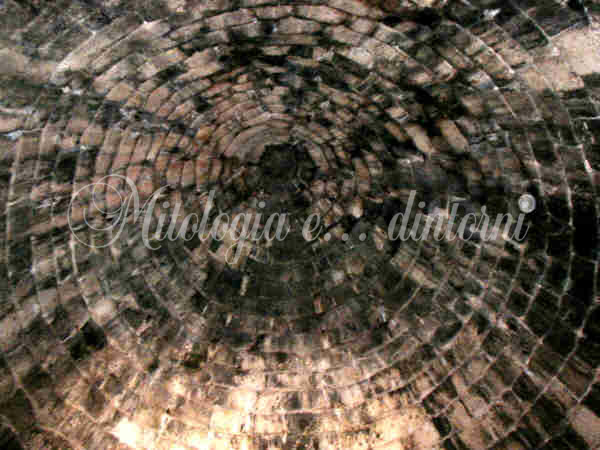
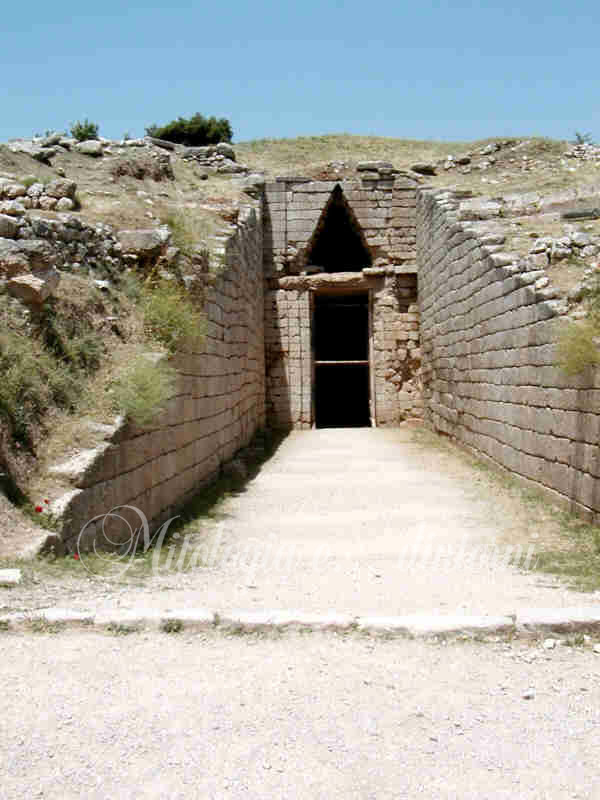
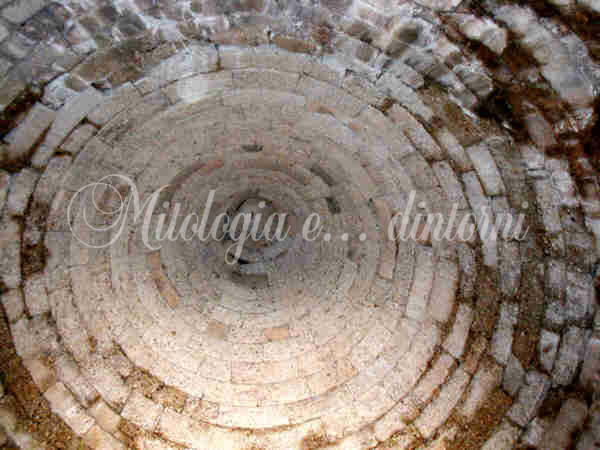
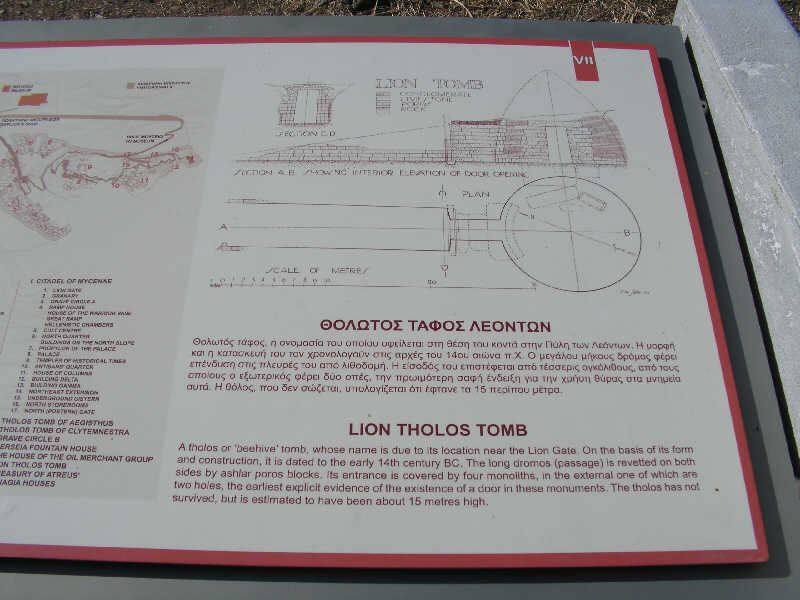
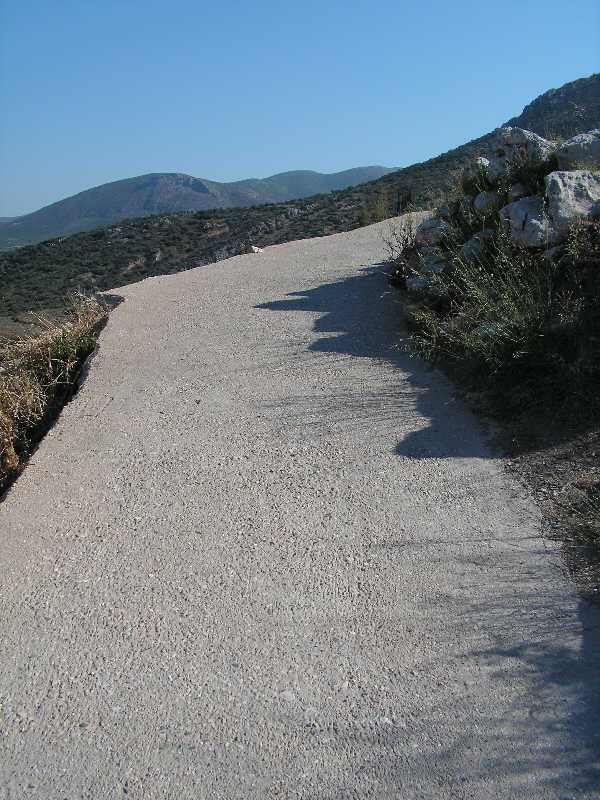
Oltre alle rovine del Palazzo Reale, straordinarie appaiono le testimonianze funerarie, come la tomba di Agamennone, la tomba di Clitennestra, la tomba di Egisto ecc. ecc. portate alla luce nel 1876 e nel 1878 da Heinrich Schliemann. Mostrami la mappa. La prima volta che andai a Micene fu nel 2003, da allora ad oggi sono stati fatti diversi lavori, alcuni molto utili quali le targhe con le indicazioni, gli scavi della cisterna ed altri; altri lavori sono stati a mio avviso devastanti per un sito archeologico quali le stradine in calcestruzzo, comode per i visitatori, ma deturpanti per il sito. Credo che altre soluzioni più ecologiche e senza dubbio più costose sarebbero state di minore impatto.
Mycenae
Passing the Dervenakia narrow pass, a few kilometers into Argolis lies the "gold-rich" citadel of Mycenae, which gives its name to the most important Greek civilization of the Bronze Age, the Mycenaean civilization.
Mycenae stands on a hill (278 m above sea level), narrow and protected From two high, steep peaks (Sara and Prophitis Ilias), according to tradition, the city was founded by Perseus, son of Zeus and Danae. Perseus's successor was Atreus, son of Pelops and Hippodamia. Because of Atreus's hatred for his brother Thyestes, he fed him his own children at a banquet, thus bringing down upon him and all his descendants the curse of the gods and Thyestes (see the relevant entries for more on this).
The Mycenaeans, called Achaeans by Homer, can be identified with the tribes who arrived in Greece around 2000 BC following the great Indo-European migration.
Tablet with Linear B
The alphabet used in Mycenae was Linear B. Around 1400 BC, the Mycenaeans conquered the center of Minoan civilization, Knossos, and in 1200 BC, led by Agamemnon of the Atreid dynasty, they were among the Greek armies that fought in the Trojan War, recounted by Homer in the Iliad.
Mycenae's supremacy soon came to an end, due to rivalries between the various city-states, aggravated, in the late 12th century BC, by the invasion of another people, the Dorians, from the north.
During the Persian Wars, Mycenae sent a contingent of 80 men to the Battle of Thermopolis and, together with those from Tiryns, 400 men to Plataea. For this gesture, they were honored with inscriptions on the tripod dedicated to Delphi by the cities that had participated in the battle. The Argives did not tolerate this honorific distinction, so in 468 BC they conquered the acropolis and destroyed the walls. Mycenae never regained its original splendor and was never rebuilt.
The ruins of Mycenae include the grandiose fortifications (reaching 6-8 meters thick), which include the monumental northwest passage, the famous Lion Gate.
Beyond the Lion Gate, on the right, is the Granary, a building in use until the destruction of the acropolis. Immediately after the Granary stands Funerary Circle A with six royal tombs, from which various objects were found, such as gold masks, bronze swords with gold and ivory hilts, gold-decorated daggers, vases, and gold jewelry.
In addition to the ruins of the Royal Palace, the funerary remains appear extraordinary, such as the tomb of Agamemnon, the tomb of Clytemnestra, the tomb of Aegisthus, etc., brought to light in 1876 and 1878 by Heinrich Schliemann. Show me the map. The first time I went to Mycenae was in 2003, since then several works have been done, some very useful such as the plaques with the indication, the excavations of the cistern and others; other works have been, in my opinion, devastating for an archaeological site, such as the narrow streets in calcestruzzo, convenient for visitors, but defacing the site. I believe that other, more ecological and undoubtedly more expensive solutions would have had less impact.