morgantina
o Morganzia, il suo nome latino era murgantia, antichissima città fondata dalla popolazione italica dei morgeti intorno al 575 a.c., distrutta dai coloni greci che si insediarono sul monte cittadella. di grandissima importanza commerciale e strategico-militare, la ricostruita città fu nuovamente distrutta da ducezio nel 459. venne ricostruita molti anni dopo da timoleonte e da agatocle (iv sec.). coinvolta in varie guerre servili nella metà del ii sec., fu definitivamente distrutta.
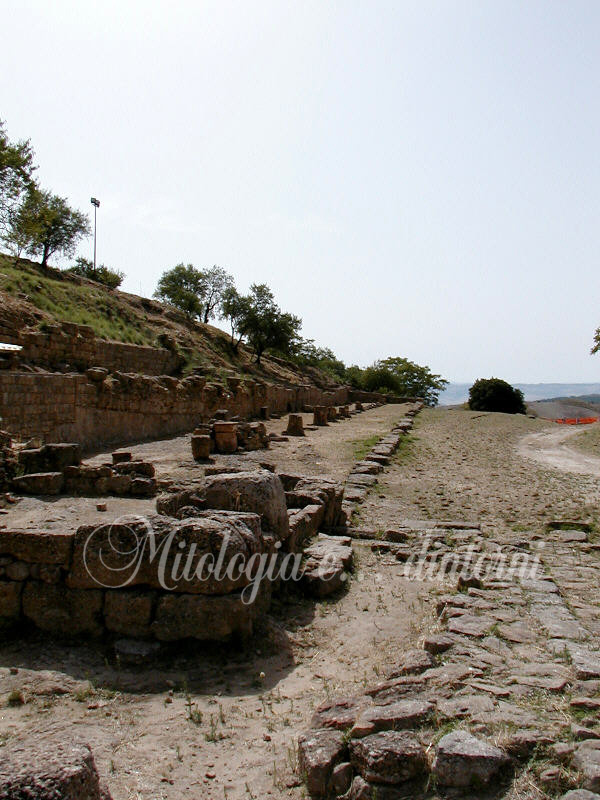
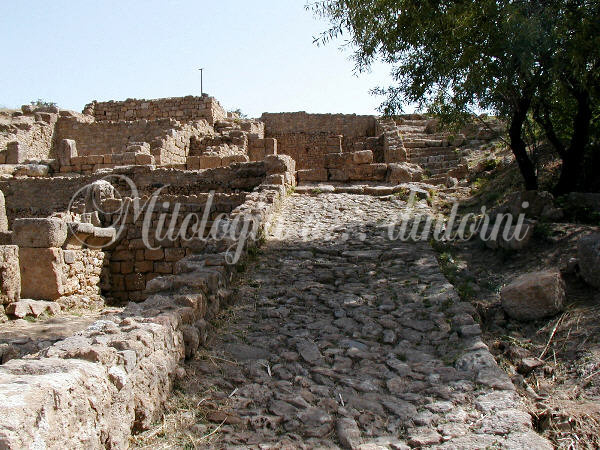
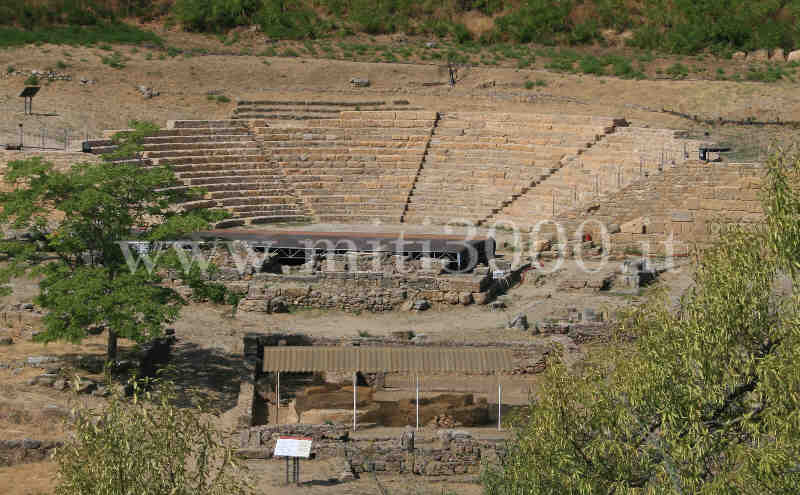
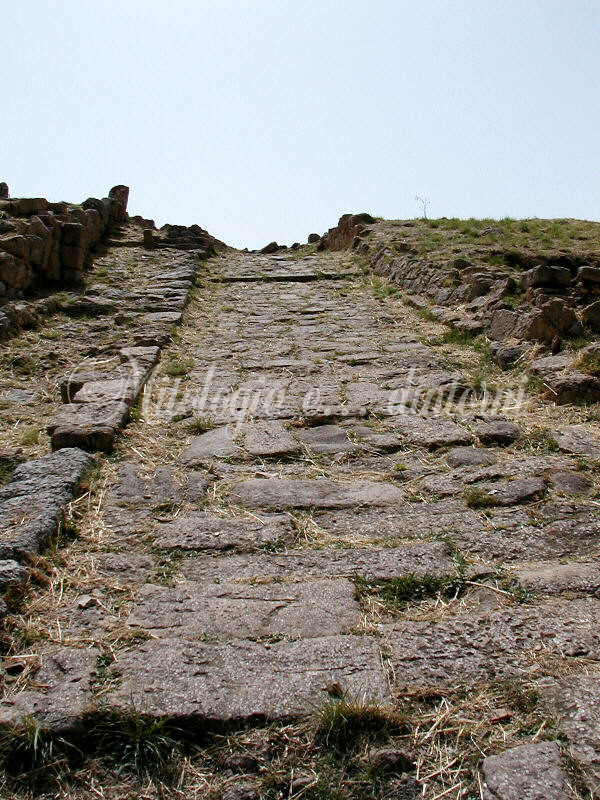
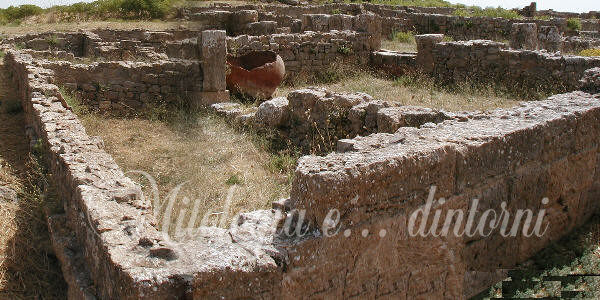
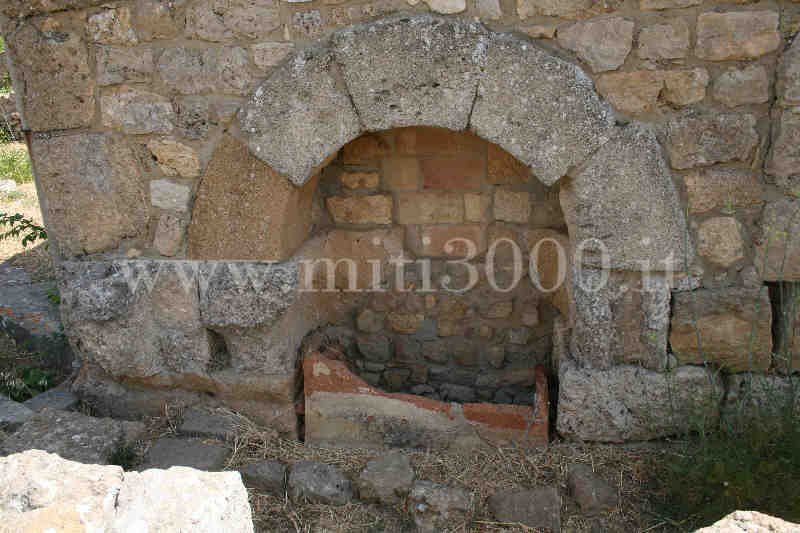
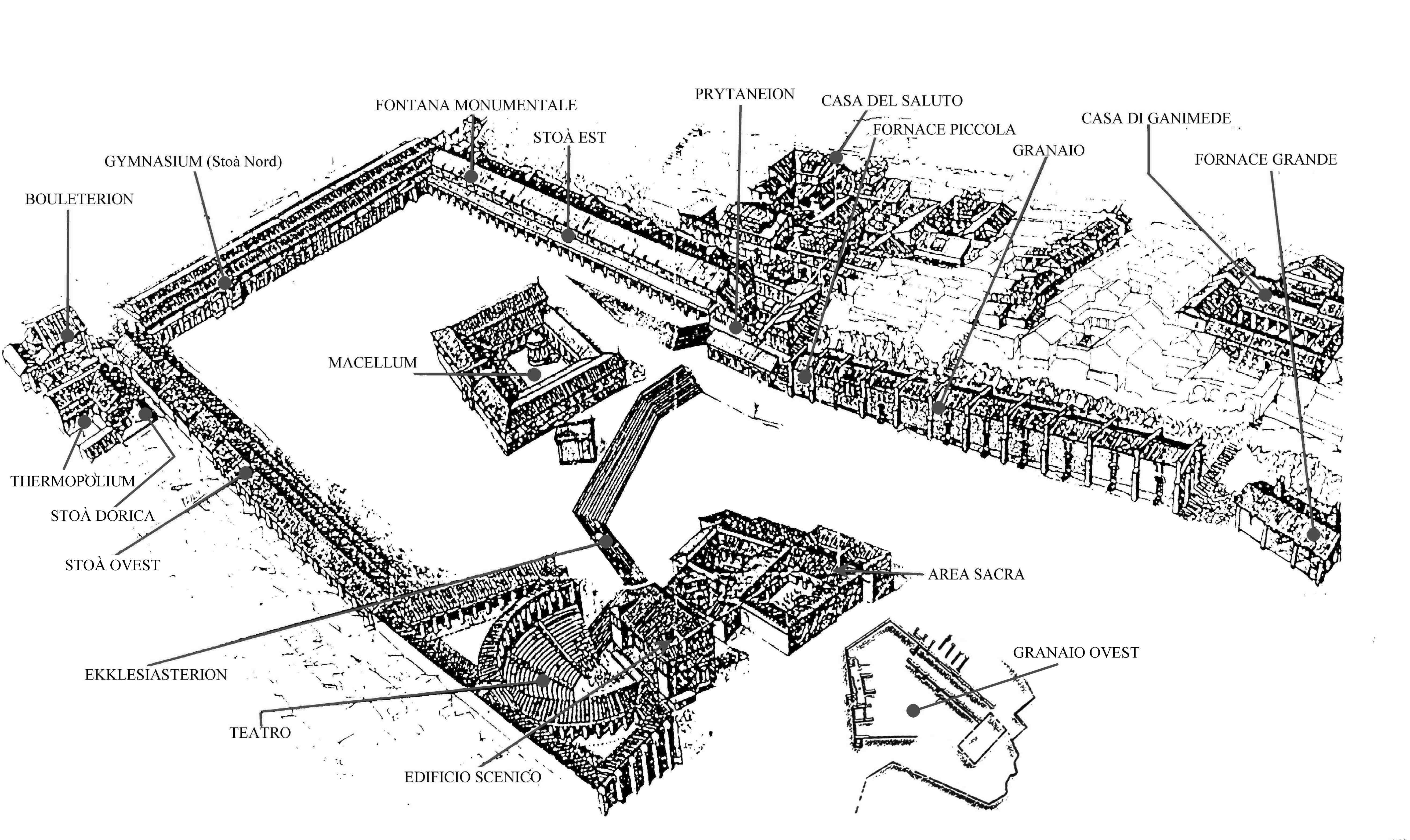
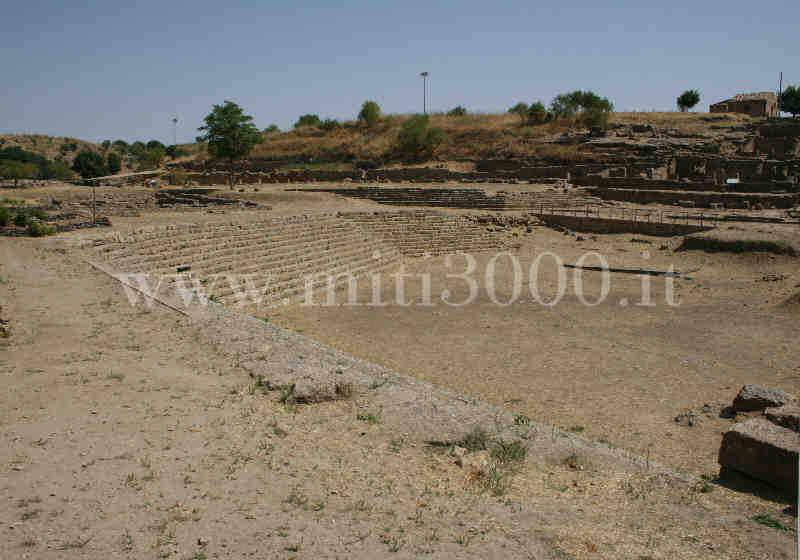
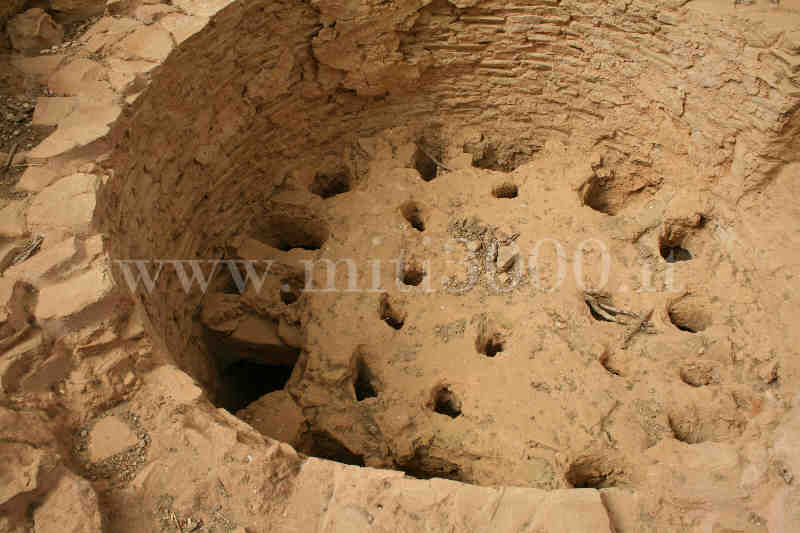
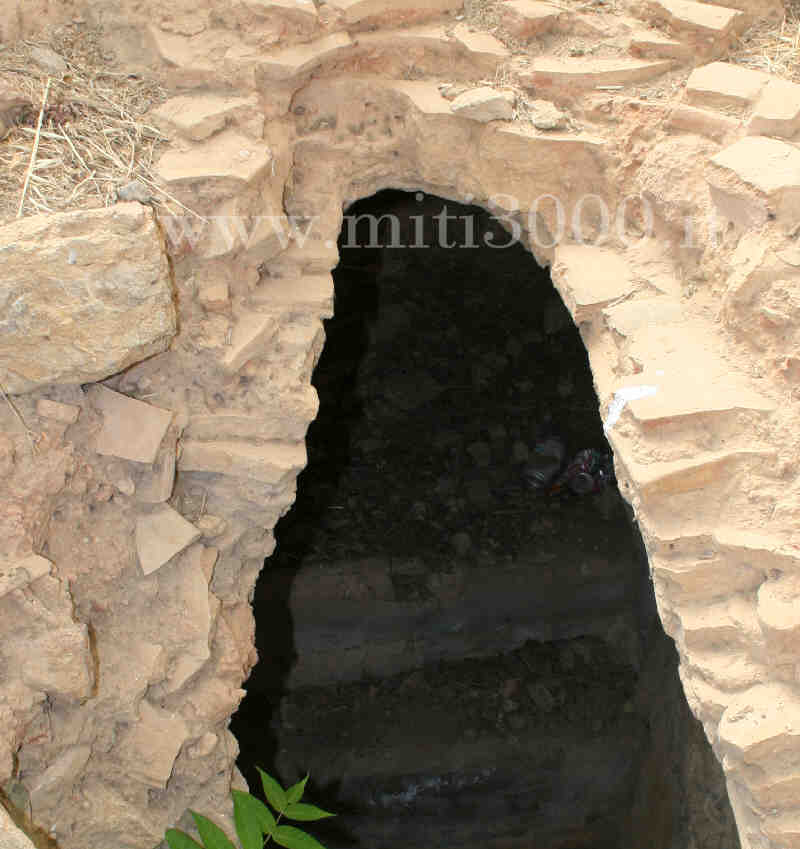
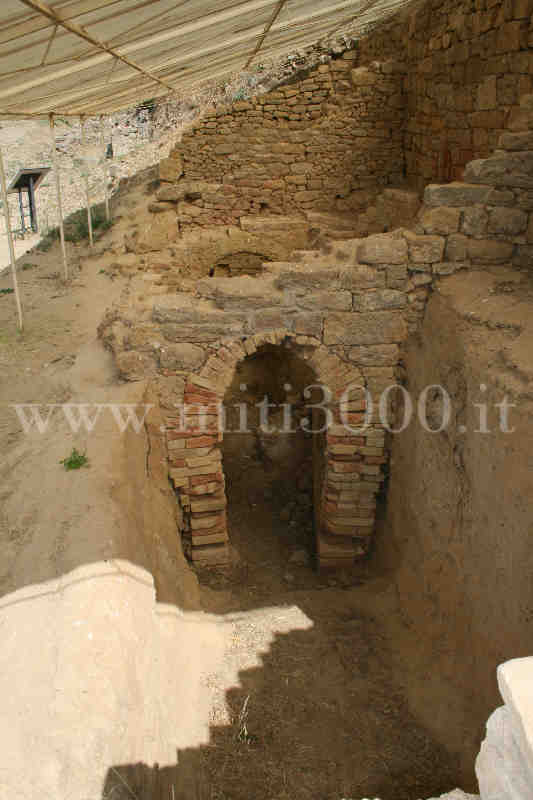
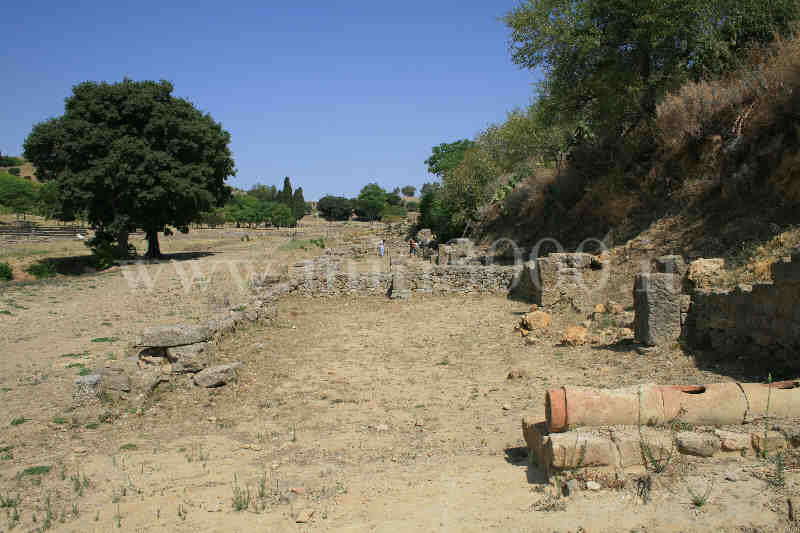
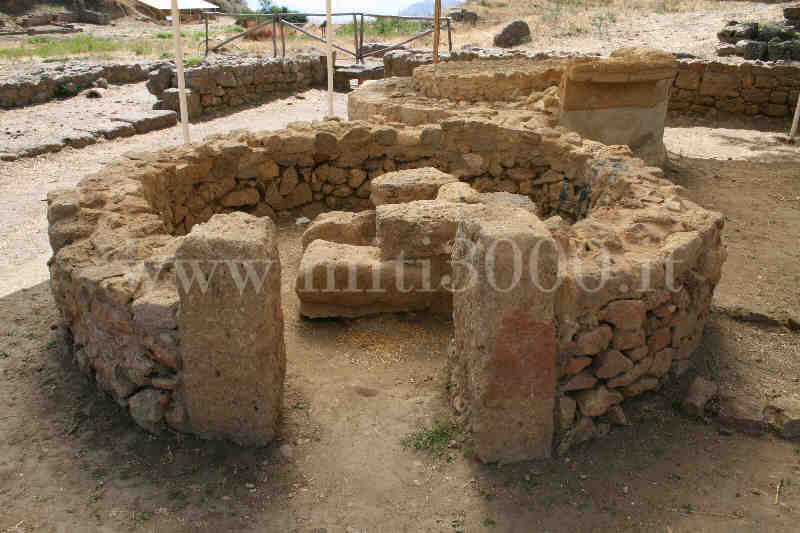
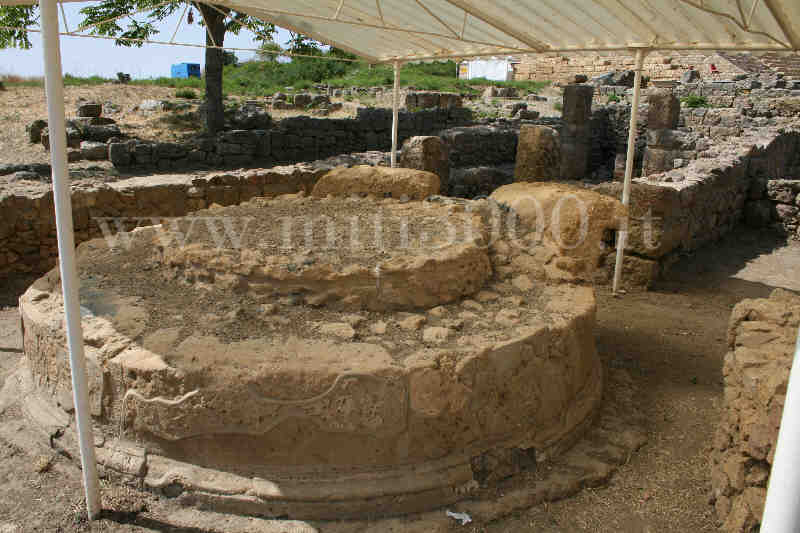
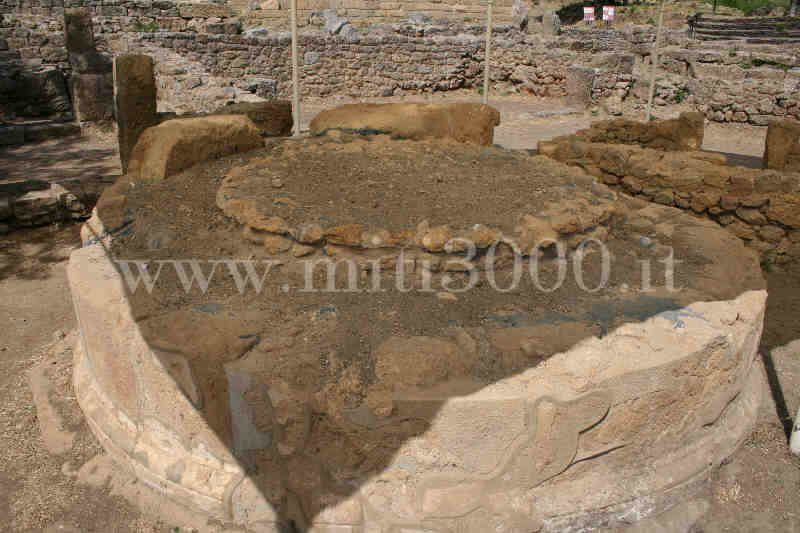
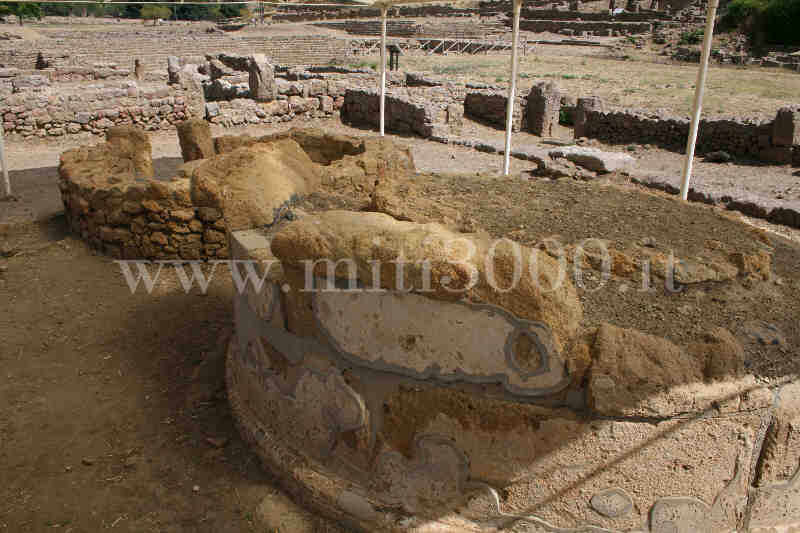
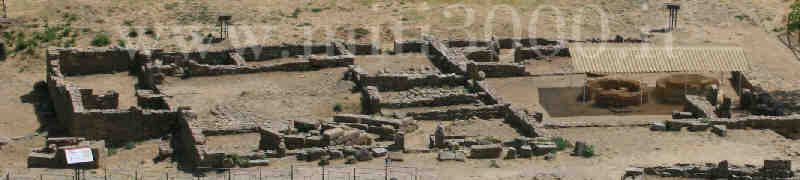
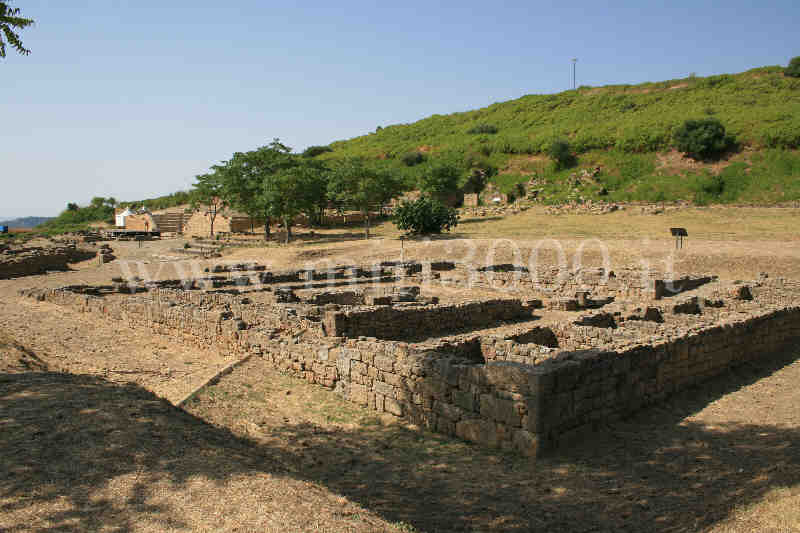
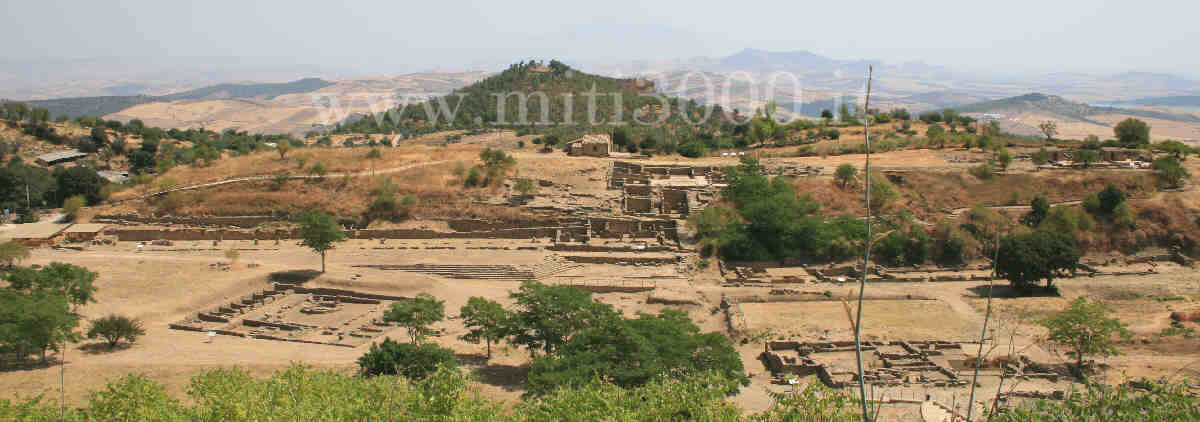
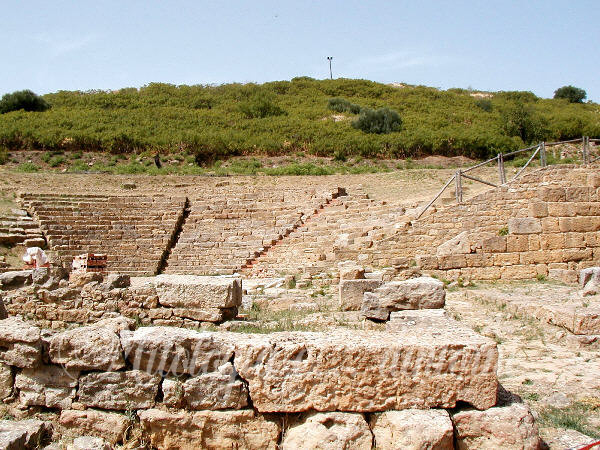
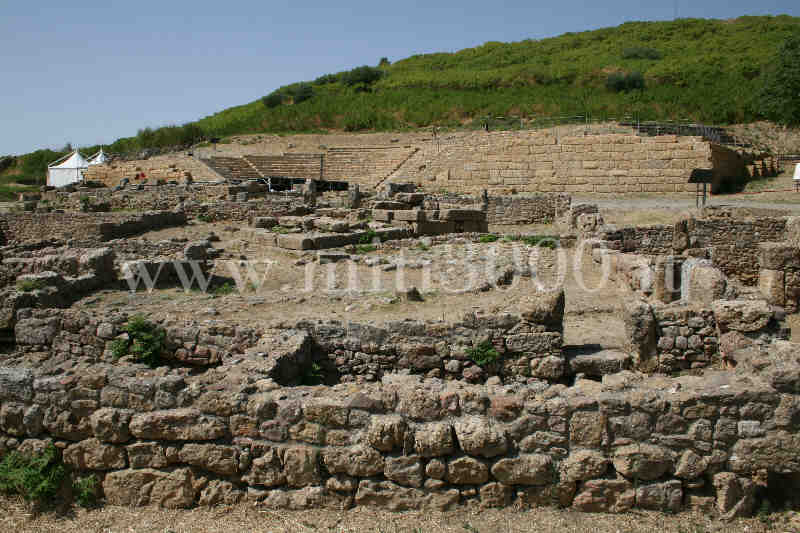
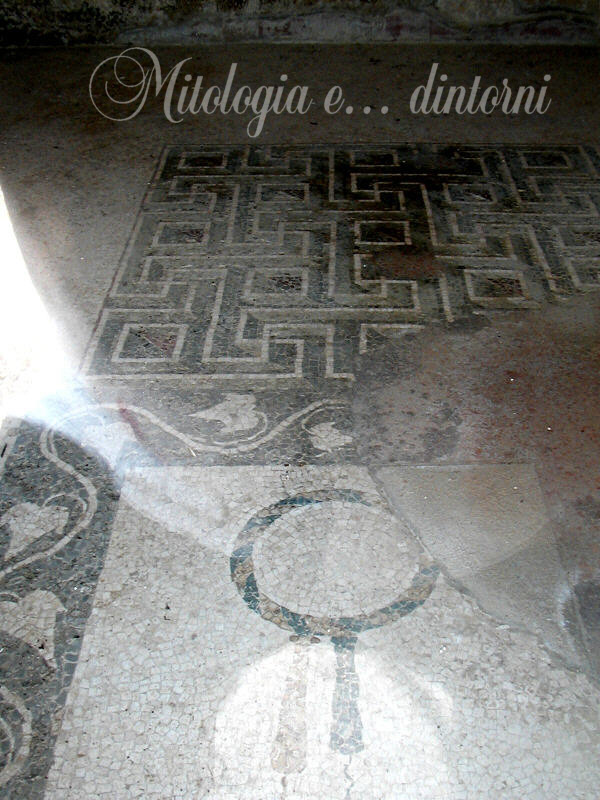
gli scavi hanno messo in luce materiali risalenti all'età del bronzo. della morgantina arcaica distrutta nel 459 restano gli avanzi della cinta muraria e di alcuni edifici. della morgantina ricostruita nel iv sec. rimangono i resti dei portici, del teatro, del ginnasio, del macello, dell'agorà, di grandi abitazioni con cortili a colonnati e mosaici, la fornace e il teatro oltre a una fontana monumentale. clicca qua per visualizzare la mappa. scarica e stampa la mappa.
Morgantina
Or Morganzia, its Latin name was Murgantia, an ancient city founded by the Italic people of Morgeti around 575 BC, destroyed by Greek colonists who settled on Mount Citadel. Of great commercial and strategic-military importance, the rebuilt city was again destroyed by Ducetius in 459. It was rebuilt many years later by Timoleon and Agathocles (4th century). Engaged in various Servile Wars in the mid-2nd century, it was finally destroyed.
Excavations have uncovered materials dating back to the Bronze Age. Of the archaic Morgantina destroyed in 459, only the remains of the city walls and some buildings remain. Of the Morgantina rebuilt in the 4th century, Remains of the porticoes, theater, gymnasium, slaughterhouse, agora, large residences with colonnaded courtyards and mosaics, the kiln, the theater, and a monumental fountain remain. Click here to view the map. Download and print the map.
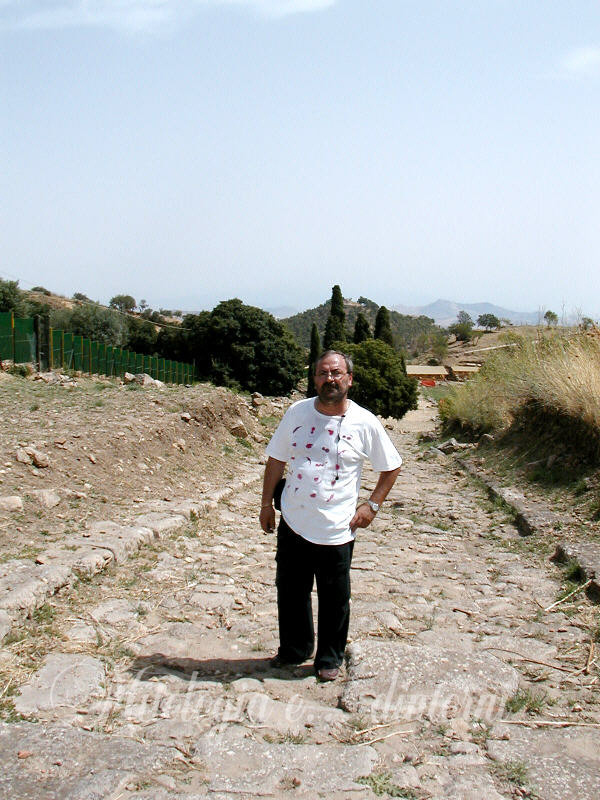
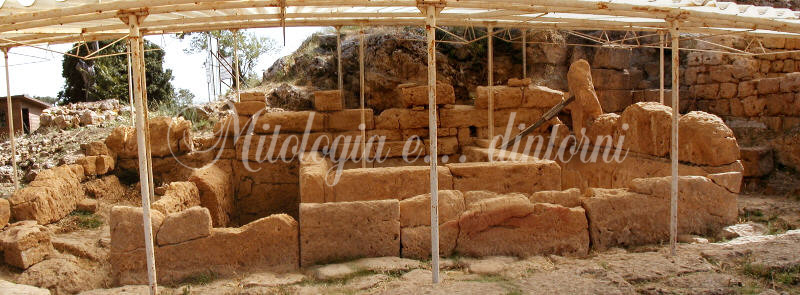
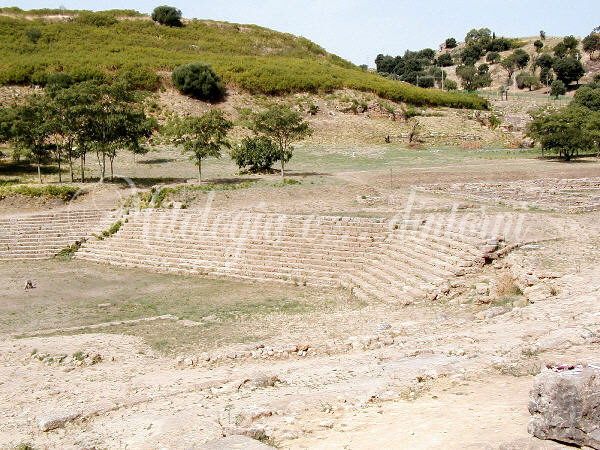
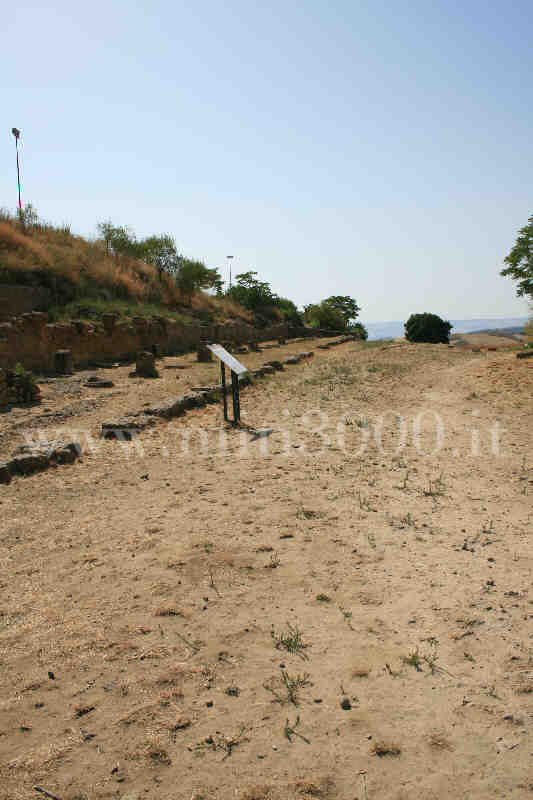
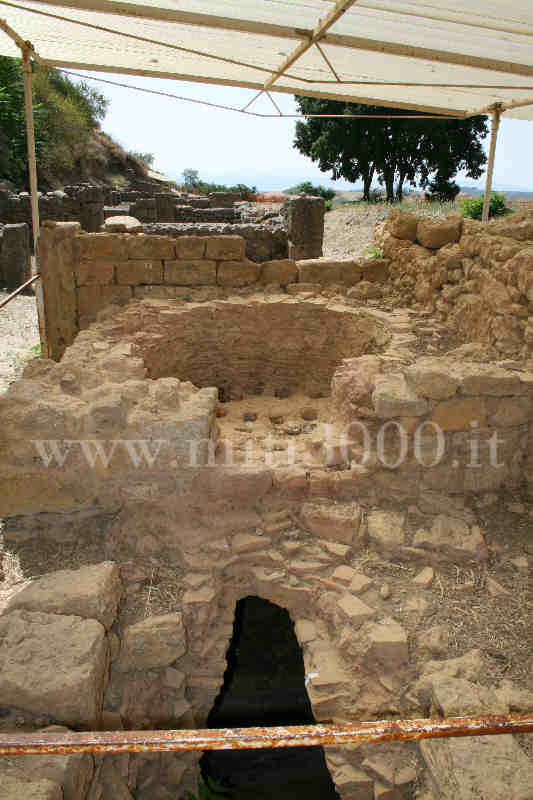
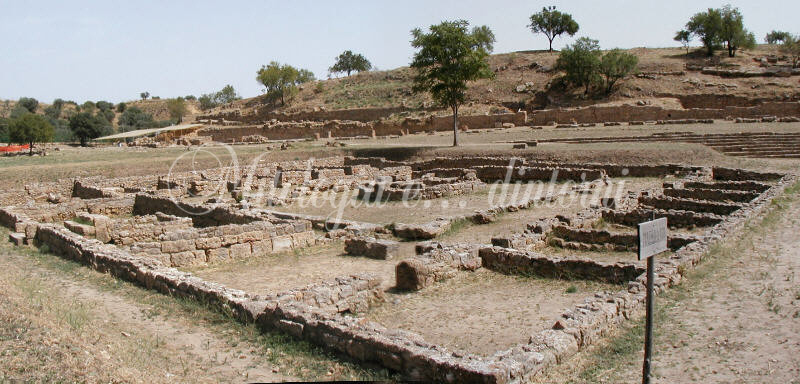
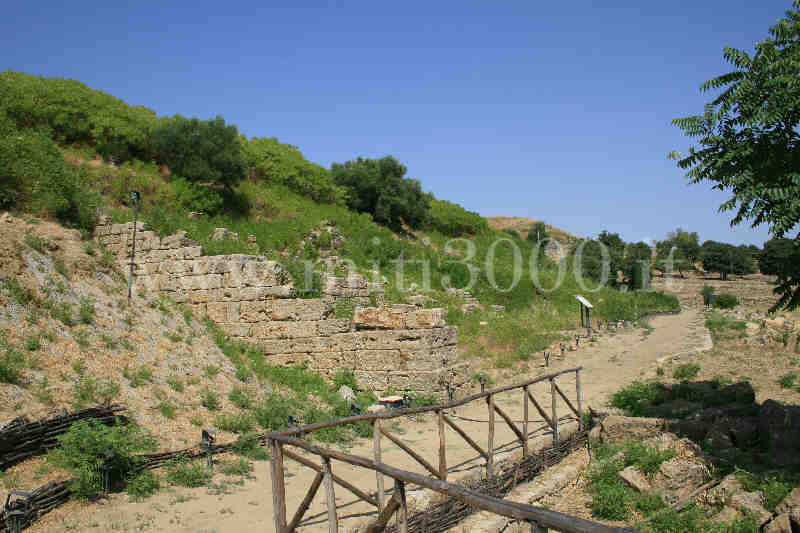
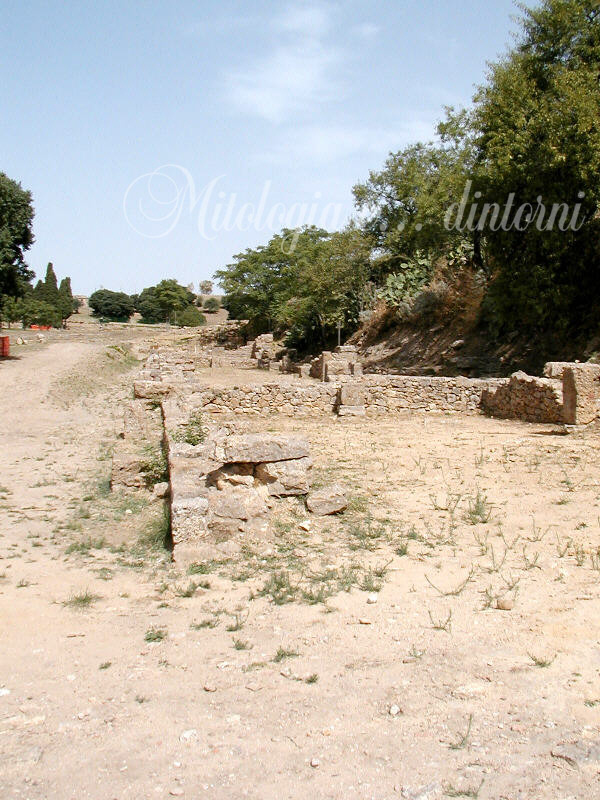
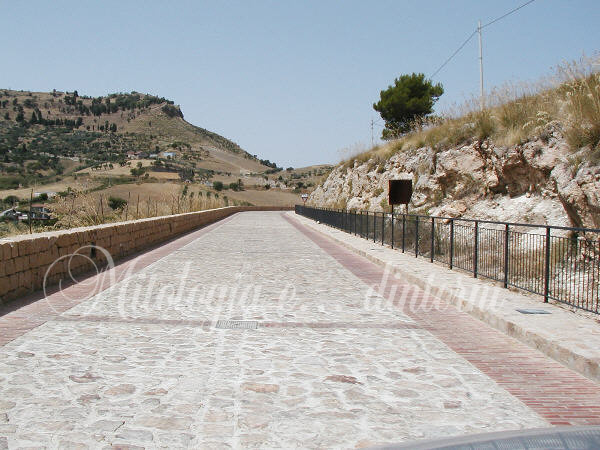
Fin prima di partire per le ferie avevo stabilito di visitare i luoghi santi dell'archeologia sicula, da esaltato quale io sono, ero giubilante e come un bimbo che riceve un dono ambitissimo saltellavo di qua e di là al solo pensiero di questo tour archeologico. arrivando al bivio per accedere agli scavi di morgantina la prima cosa che ho visto è stata una strada bellissima… (premetto che c'ero stato oltre 20 anni fa' e la strada era in terra battuta) tutta lavorata in pietra del luogo, faretti lungo i bordi, fontane per dissetare quei turisti che amano girare in bici sotto il sole cocente. subito ho pensato... occhi miei saziatevi e tu Rodolfo con la tua digitale scatta un minimo di 500 foto, saziati e sazia i visitatori di miti3000, fai fare ai tuoi utenti un viaggio virtuale che per dettagli eguagli la visita reale… ma, man mano che percorrevo la strada avvertivo una sensazione quasi di disagio, un presentimento… la strada mi consentiva di viaggiare a passo d'uomo per non rompere i pneumatici e le sospensioni dell'auto ma questo era ancora niente.
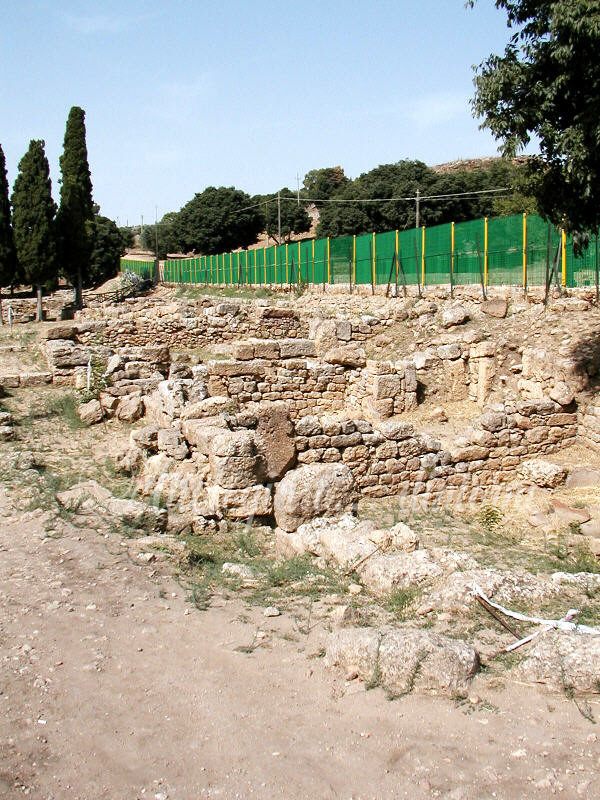
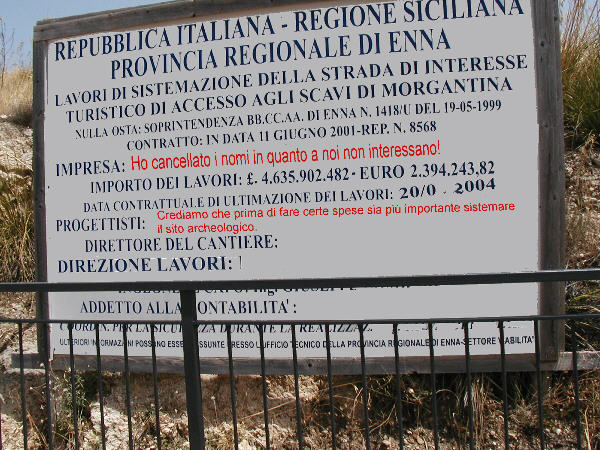
la strada che mi aveva illuso di trovare un sito archeologico scavato e restaurato senza pari, mi stava sempre più disagiando non tanto per il rischio di rompere l'auto, ma per il fatto che avvicinandomi al sito, mi accorgevo che la bellezza di quella strada era solo fumo negli occhi, quel sito da me tanto ambito si mostrava pian piano alla mia vista e non vedevo nessun segno di restauro e che addirittura nulla era cambiato da quando c'ero stato la prima volta. frenato così l'entusiasmo vado in biglietteria, dove alla cassa c'era una giovane donna che mi vende il biglietto e mi chiede se ho moneta in quanto essendo fra i primi visitatori di quel mattino non aveva resto, nel medesimo tempo vedendo la mia attrezzatura fotografica mi chiedeva se io fossi un insegnante in quanto avrei avuto diritto a uno sconto, rispondo di no e chiedo se dispongono di guide stampate, la giovane donna mi allunga un foglio; una fotocopia di pessima qualità e mi dice che l'amministrazione non fornisce nulla e che quei fogli sono un piccolo contributo dei dipendenti del sito (all'estero in qualunque sito ti rechi ti danno tante di quelle guide che alla fine non sai nemmeno dove metterle).
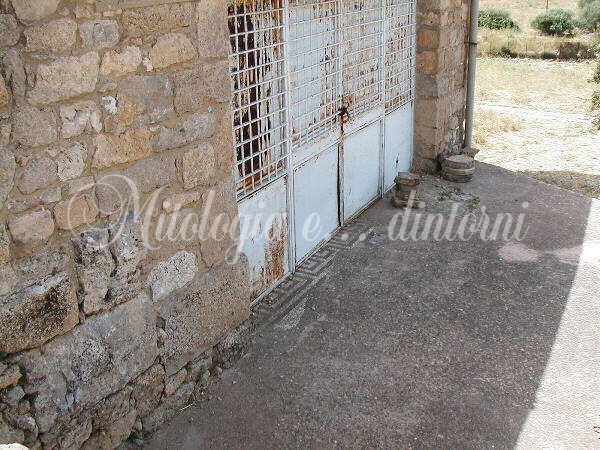
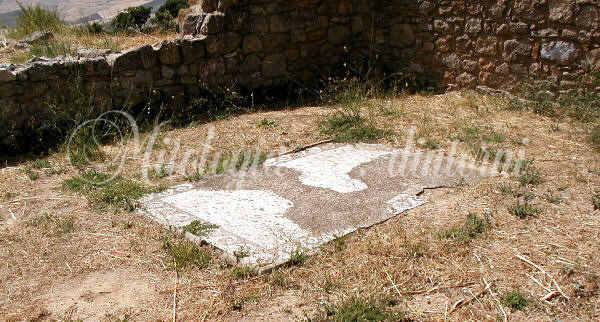
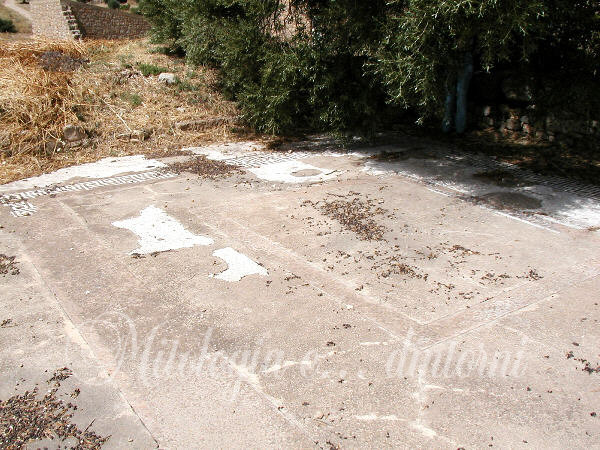
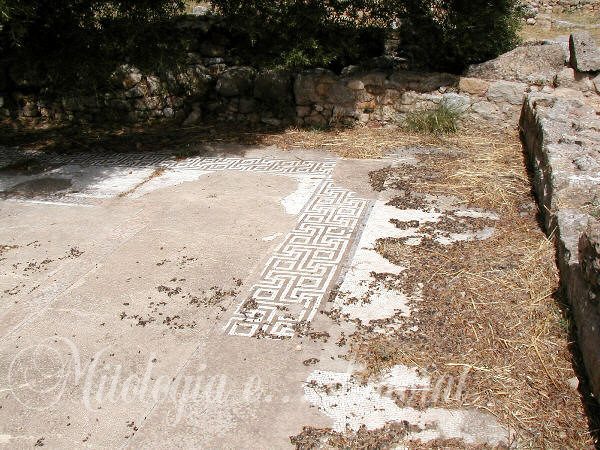
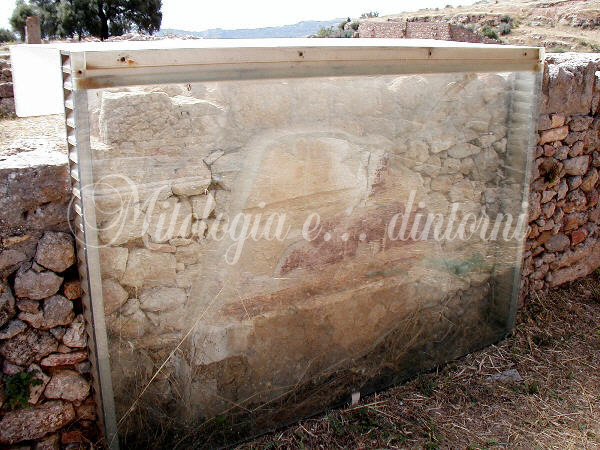
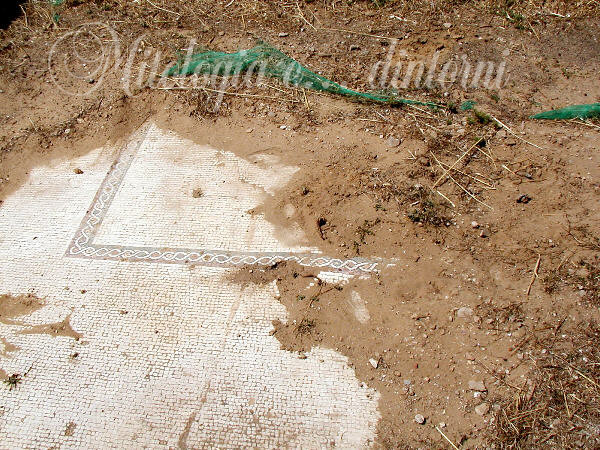
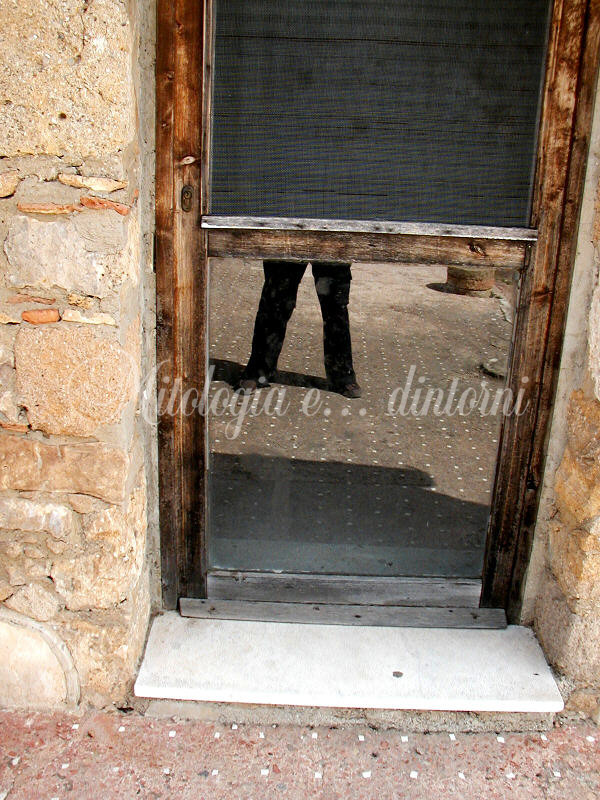
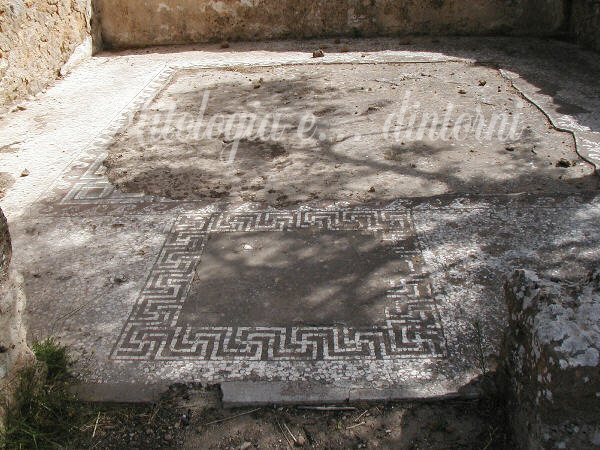
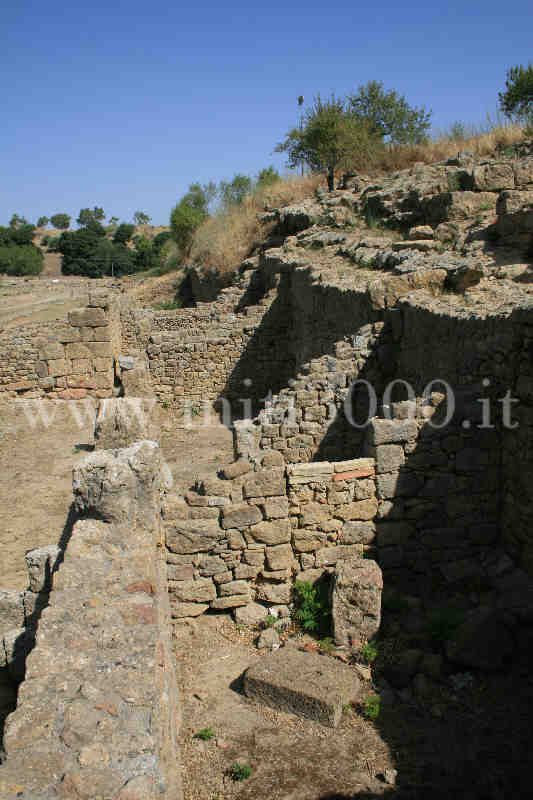
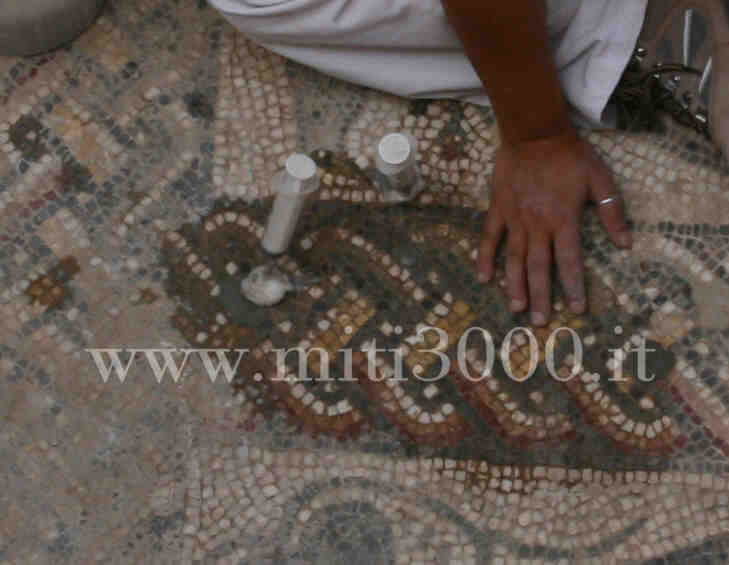
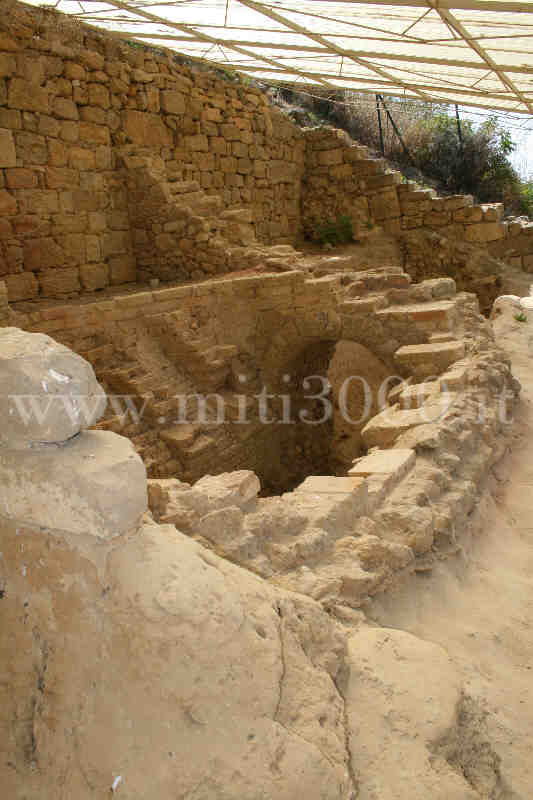
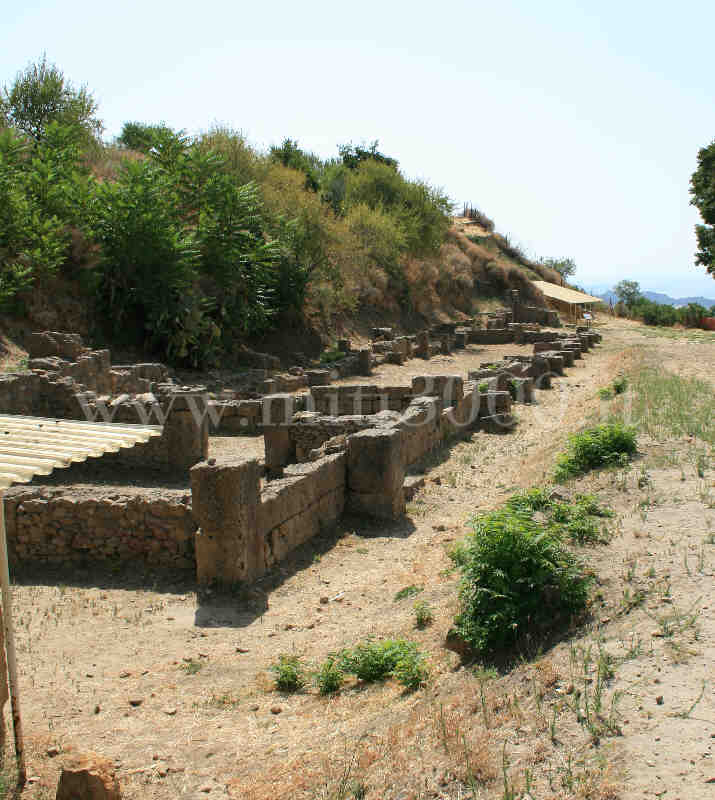
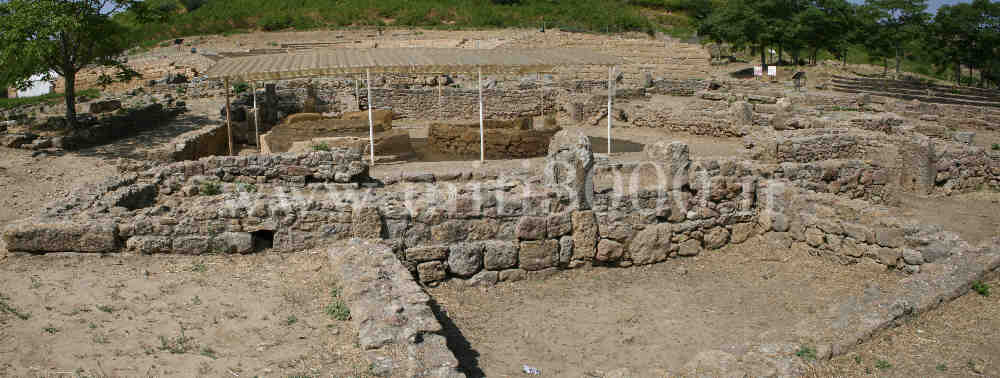
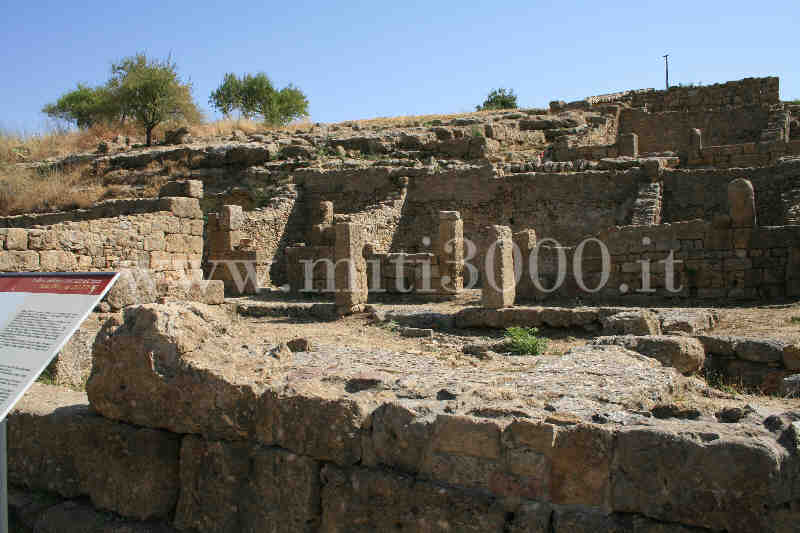
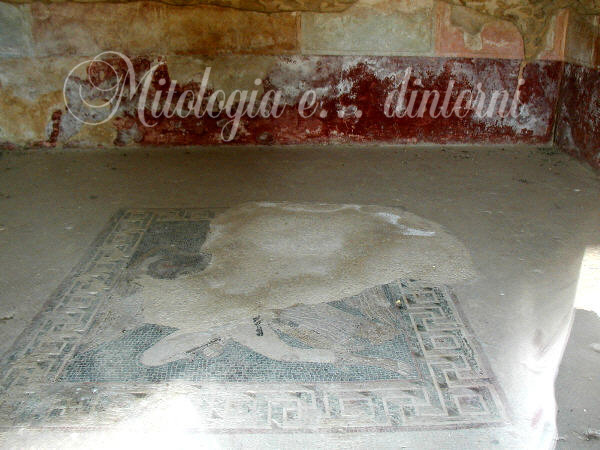
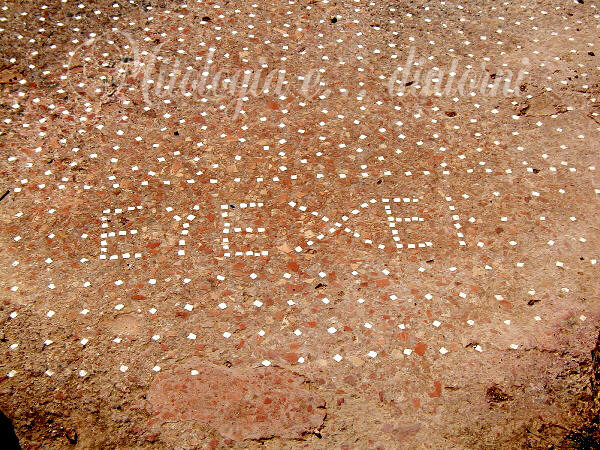
Col mio entusiasmo fatto quasi a pezzi inizio a visitare il sito e a fotografare di tutto, camminando e fotografando arrivo alla "casa di Ganimede" dove c'è quel che rimane di un mosaico che riproduce zeus in forma di aquila che rapisce il bel ganimede, mi avvicino per fare la foto e vedo che il mosaico è protetto da una vetrata estremamente lurida, ciò non mi frena, prendo dalla tasca dei fazzolettini inumiditi e dei fazzoletti normali con quelli inumiditi incomincio a sciogliere lo sporco con gli altri asciugo, man mano che faccio questo lavoro mi accorgo che il vetro è lurido dall'interno, peccato, 1600 km per fare una foto scadente per via di un vetro sporco e di un'amministrazione che ritiene più utile fare una strada piùttosto che sistemare il sito. ma, non è finita lì altre amare sorprese mi aspettavano e nelle foto sotto avrete modo di vederle. per concludere il quadro mentre mi dirigevo verso Catania incontro un cartello con sopra scritto Torre Iudica e Museo, nella speranza di recuperare qualche altra bella foto mi inerpico per qualche chilometro in una stradina di montagna che via via si fa' sempre più stretta, finché a poco meno di un chilometro nella stradina che consentiva a stento il passaggio di un auto e di un pedone ci trovo un macigno grande quanto mezza auto e che sbarrava il passo, allora inizio ad esclamare parole del genere "@*§&@§" e rabbuiato rifaccio a marcia indietro quella mulattiera che prima avevo definito stradina. morale della storia: meglio raccogliere tutte le informazioni possibili prima di seguire le indicazioni che le amministrazioni pongono sulle strade per (dis)informarci!
Even before leaving for vacation, I had decided to visit the holy places of Sicilian archaeology. Excited as I am, I was jubilant and, like a child receiving a much-desired gift, I hopped here and there at the mere thought of this archaeological tour. Arriving at the crossroads to access the excavations of morgantina, the first thing I saw was a beautiful road… (I should point out that I had been there over 20 years ago and the road was dirt) all made of local stone, with spotlights along the edges and fountains to quench the thirst of those tourists who love to cycle under the scorching sun. I immediately thought... my eyes, fill yourselves up, and you, Rodolfo, with your digital camera, take at least 500 photos, fill yourself and the visitors of miti3000, take your users on a virtual journey that in terms of detail equals the real visit... but, as I traveled along the road I felt an almost uneasy sensation, a premonition... the road allowed me to travel at a walking pace so as not to damage the tires and the car's suspension, but that was still nothing.
The road that had led me to believe I was on a peerless, excavated and restored archaeological site was becoming increasingly unsettling, not so much because of the risk of breaking down my car, but because, as I approached the site, I realized that the beauty of that road was just smoke and mirrors. The site I had so longed for was slowly revealing itself to me, and I saw no sign of restoration, and that nothing had actually changed since I had first been there. Having thus dampened my enthusiasm, I went to the ticket office, where a young woman was at the counter. She sold me the ticket and asked me if I had any change, as she was one of the first visitors that morning and had no change. At the same time, looking at my photographic equipment, she asked me if I was a teacher, as I would have been entitled to a discount. I replied no and asked if they had printed guides. The young woman handed me a sheet of paper. a very poor quality photocopy and tells me that the administration does not provide anything and that those sheets are a small contribution from the site employees (abroad, on any site you go, they give you so many guides that in the end you don't even know where to put them).
With my enthusiasm almost shattered, I began to visit the site and photograph everything. Walking and photographing, I arrived at the "house of Ganymede" where there are the remains of a mosaic depicting Zeus in the form of an eagle kidnapping the beautiful Ganymede. I approached to take the photo and saw that the mosaic was protected by extremely dirty glass. This did not stop me. I took some damp tissues from my pocket, and some normal tissues with the damp ones, and began to dissolve the dirt with the others. As I did this job, I realized that the glass was dirty from the inside. What a shame! I traveled 1,600 km to take a poor photo because of dirty glass and an administration that considered it more useful to build a road than to fix the site. But, it didn't end there, other unpleasant surprises awaited me, and you will have the opportunity to see them in the photos below. To conclude the picture, while I was heading towards Catania, I came across a sign that said Torre Iudica and Museo. In the hope of taking some more beautiful photos, I climbed for a few kilometers up a mountain road that gradually became narrower and narrower. Less than a kilometer into the road that barely allowed the passage of a car and a pedestrian, I found a boulder as big as half a car blocking the way. Then I started exclaiming words like "@*§&@§" and, gloomy, I backtracked along that mule track that I had previously called a road. Moral of the story: it's better to gather all the information possible before following the signs that the administrations place on the roads to (mis)inform us!