Nauplia
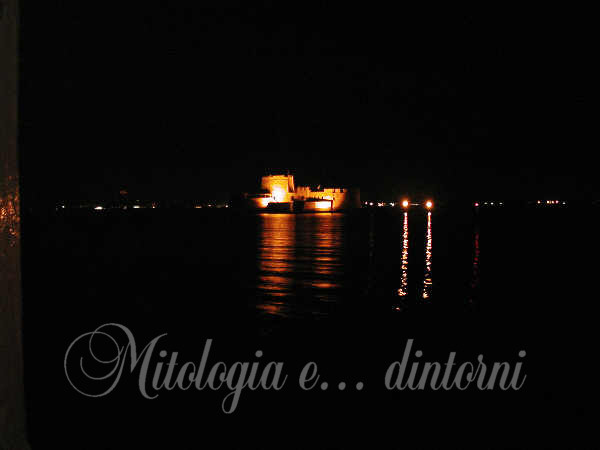
Ναυπλία, posta nell'Argolide, (Argolís), nomo del Peloponneso nordorientale. Gli Achei vi si insediarono nel 1600 a.C., tra il 1.400 e il 1.200 conobbe un particolare sviluppo, grazie all'influenza di Creta. In seguito alla guerra di Troia (III-II sec. a.C.) e all'invasione dorica, il territorio fu frazionato in varie città rivali, tra le quali Argo predominò tra il VII e il VI sec. Con l'arrivo dei Bizantini la sua importanza rifiorì e nel XIII secolo venne conquistata dai crociati guidati da Ottone de la Roche che ne fece un proprio possedimento. Nel 1388 passò ai Veneziani e due secoli dopo cadde sotto la dominazione turca. Alla fine del 1822 fu conquistata dai patrioti greci che la nominarono capitale della
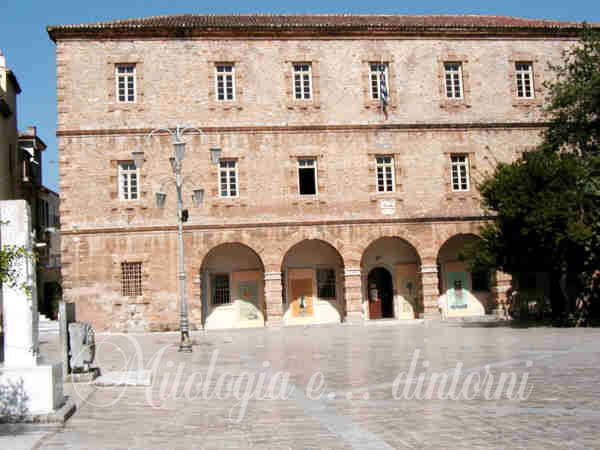
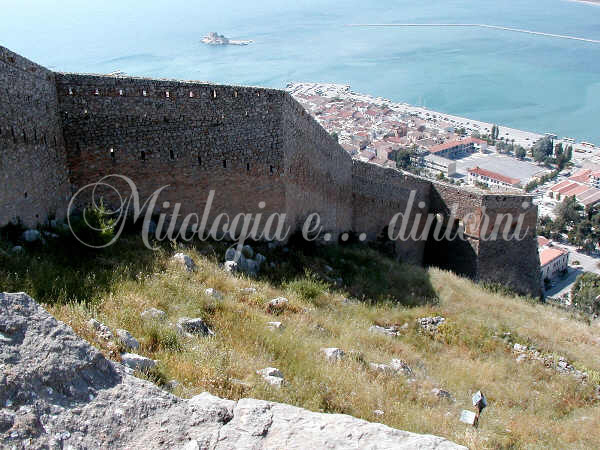
Grecia indipendente. Nel 1833, nella città, i vescovi greci proclamarono l'indipendenza della loro chiesa dal patriarcato di Costantinopoli. I resti archeologici testimoniano che il luogo era abitato anche in epoca preistorica. Del periodo miceneo rimangono alcuni blocchi delle mura antiche, in seguito inglobate nelle fortificazioni medievali. Sono state scoperte varie camere sepolcrali scavate nella roccia. Nel Museo cittadino sono conservati reperti datati per la maggior parte dal XV secolo a.C. all’epoca ellenistica e micenea, buona parte dei reperti ceramici sono conservati presso il Museo nazionale di Atene.
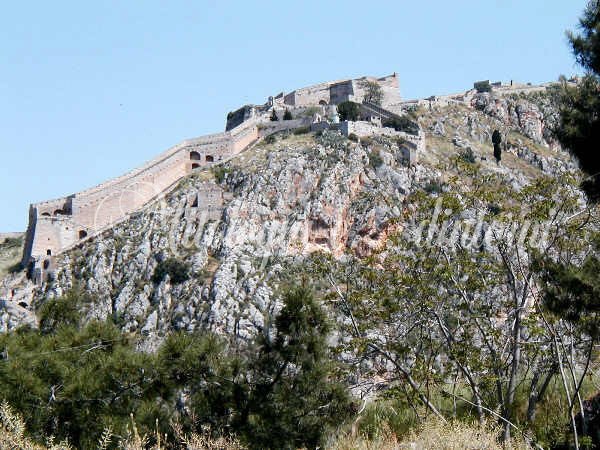
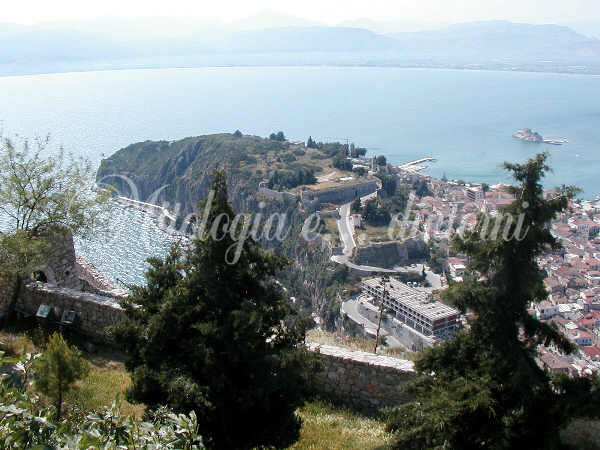
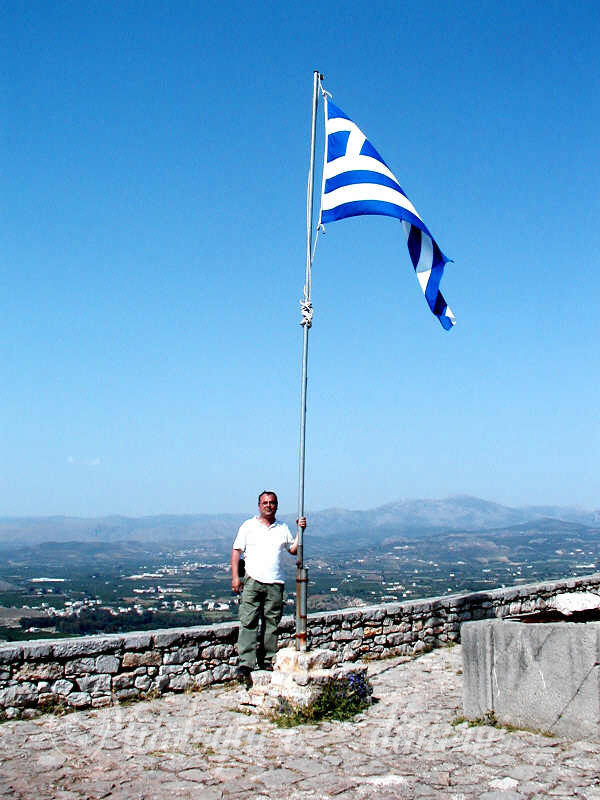
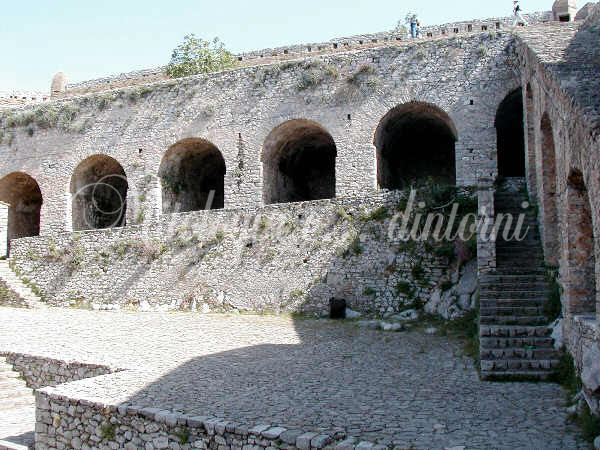
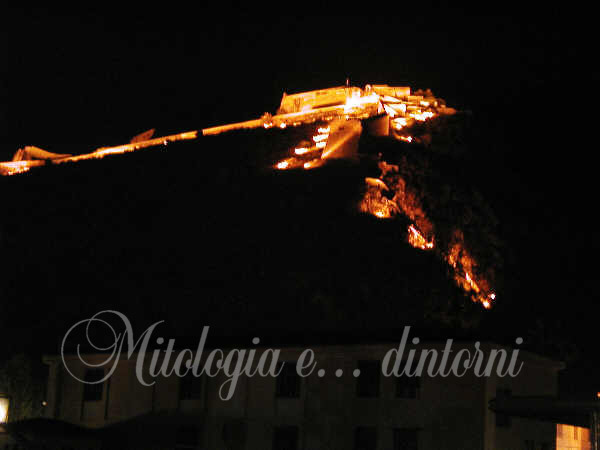
Nauplio, figlio di Posidone e della danaide Amimone. Valente navigatore, gli si attribuiva la fondazione di Nauplia. Un Nauplio re dell'Eubea, padre di Palamede, per vendicare l'uccisione del figlio da parte di Ulisse, suscitò discordie fra le famiglie dei principi greci; poi, al ritorno di questi dall'assedio di Troia, attirò le loro navi, per mezzo di fuochi ingannatori, tra gli scogli della sua isola per farle naufragare e, quando seppe che Ulisse si era salvato, si uccise. Come si può notare Nauplia conserva entrambi i miti il primo col nome della città, il secondo col nome della collina che sovrasta Nauplia, il Palamidi.
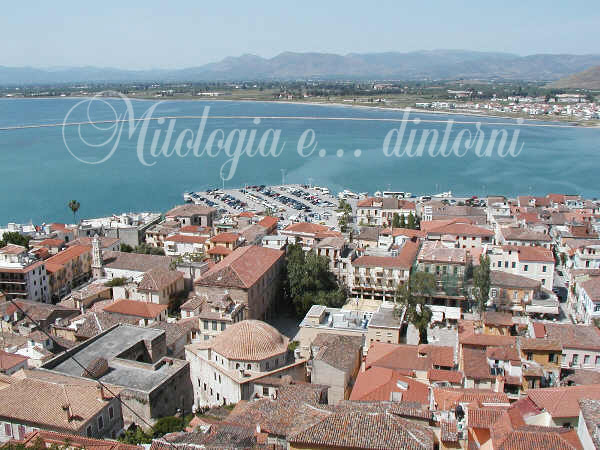
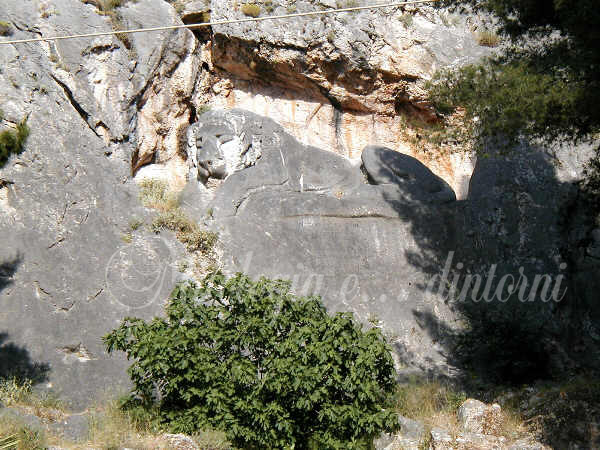
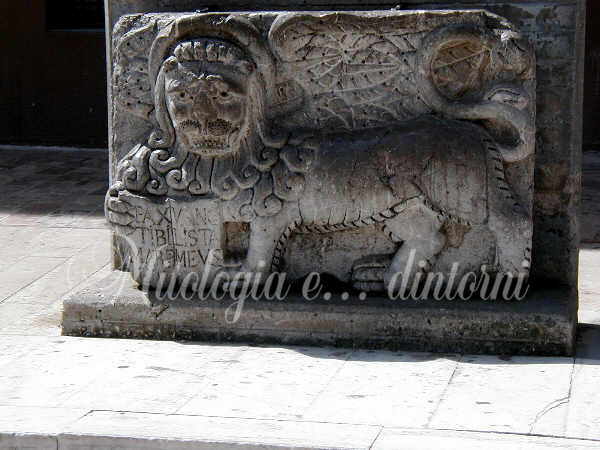
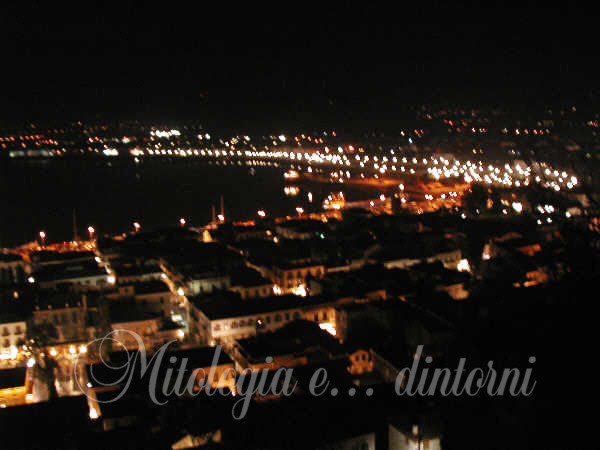
Quello che segue è un mito molto divertente; a Nauplia si narrava di un asino che aveva mangiato un tralcio di vite rendendone, d’allora in poi, più abbondante il frutto, i Nauplei poiché esso gli aveva insegnato a potare le viti, resero onore all'asino scolpendo la sua immagine in una roccia. Il porto di Nauplia offre un notevole sbocco commerciale per i prodotti agricoli (uva, tabacco, olio) provenienti dalla piana di Argo.
Pur non essendo molto grande, il porto è noto fin dall'antichità, ed Euripide lo cita in diverse opere quali: Elettra
…"A tua madre daranno sepoltura Menelao, che solo ora, da quando prese Troia, è approdato a Nauplia, ed Elena, che lasciando l'Egitto, ritorna dalle case di Proteo. Essa tra i Frigi non andò mai. A Troia, per suscitare discordia e strage fra gli uomini, Zeus mandò non Elena, ma un'ombra"…
Nell'Elena
…Con la spada in pugno, Menelao si lancia verso prua, e, ritto per il sacrificio, non pronunzia il nome di alcun morto, ma sul punto di sgozzare la bestia prega: "Posidone, signore degli oceani, e voi caste figlie di Nereo, concedeteci di raggiungere Nauplia, fateci uscire salvi me e mia moglie da questo paese."…
Nell'Ifigenia in Tauride
IFIGENIA
Straniero, non profanare la sacerdotessa della dea, non toccare colle tue mani i sacri pepli.
ORESTE
Sorella mia, nata come me da Agamennone, non mi respingere: sono io il fratello che credevi di avere perduto per sempre.
IFIGENIA
Tu, mio fratello? Frena la lingua: Argo e Nauplia risuonano del suo nome.
ORESTE
Ti sbagli purtroppo. Tuo fratello non è là.
E per finire nell'Oreste
…Menelao è qui, di ritorno da Troia: ha riempito con le sue navi il porto di Nauplia, ha ormeggiato vicino alla costa…
…È qui Menelao, il fratello di tuo padre. Le sue navi sono ancorate a Nauplia…
…«Menelao, tuo fratello giace morto: è caduto durante i lavacri preparati per lui da sua moglie». Le sue parole provocarono un gran pianto in me e nei miei marinai. Giunsi poi a Nauplia, mentre Elena si preparava a partire per Argo, e pensavo di poter abbracciare, sani e salvi, Oreste, il figlio di Agamennone, e sua madre…
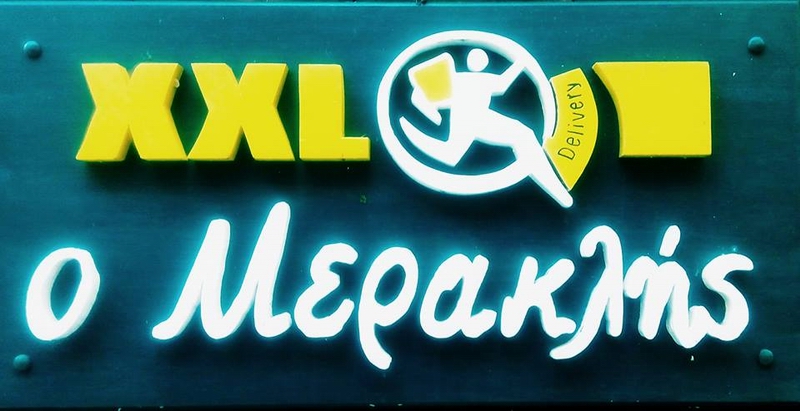
Se vi recate a Nauplia, un buon ristorante con barbecue è "Ο Μερακλής ΧΧL" dove potrete gustare degli ottimi souvlaki, pitte, insalate di stagione e tantissimi altri piatti tipici, sempre nella misura XXL, il locale si trova in via (odos) Σταικοπούλου 34. I proprietari, Petros e Dina, vi accoglieranno con la massima gentilezza e cortesia, faranno di tutto per lasciarvi soddisfatti.
Nauplia
Nauplia, located in Argolis, a nome of the northeastern Peloponnese. The Achaeans settled there in 1600 BC, and between 1400 and 1200 BC it experienced significant development, thanks to the influence of Crete. Following the Trojan War (3rd-2nd century BC) and the Dorian invasion, the territory was divided into various rival cities, among which Argos predominated between the 7th and 6th centuries. With the arrival of the Byzantines, its importance flourished again, and in the 13th century it was conquered by the Crusaders led by Otto de la Roche, who made it one of their possessions. In 1388 it passed to the Venetians and two centuries later fell under Turkish domination. At the end of 1822 it was conquered by Greek patriots who named it the capital of the
Independent Greece. In 1833, the Greek bishops proclaimed their church's independence from the Patriarchate of Constantinople in the city. Archaeological remains testify to the site's prehistoric inhabitation. From the Mycenaean period, some blocks of the ancient walls remain, later incorporated into the medieval fortifications. Several burial chambers carved into the rock have been discovered. The City Museum houses artifacts dating mostly from the 15th century BC to the Hellenistic and Mycenaean periods, while a large portion of the ceramic finds are kept at the National Museum of Athens.
Nauplius, son of Poseidon and the Danaid Amymone. A skilled navigator, he was credited with founding Nauplia. One Nauplius, king of Euboea and father of Palamedes, to avenge his son's murder by Odysseus, sowed discord among the families of the Greek princes. Then, upon their return from the siege of Troy, he lured their ships, using deceptive fires, onto the rocks of his island to wreck them. When he learned that Odysseus had survived, he killed himself. As can be seen, Nauplia preserves both myths: the first with the name of the city, the second with the name of the hill overlooking Nauplia, Palamidi.
The following is a very amusing myth. In Nafplio, it was said that a donkey ate a vine shoot, making the fruit thereafter more abundant. Since it had taught them how to prune vines, the Naupleans honored the donkey by carving its image into a rock. The port of Nafplio offers a significant commercial outlet for agricultural products (grapes, tobacco, oil) from the plain of Argos.
Although not very large, the port has been known since antiquity, and Euripides mentions it in several works such as: Electra
…"Your mother will be buried by Menelaus, who only now, after taking Troy, has landed at Nauplia, and by Helen, who, leaving Egypt, returns from the houses of Proteus. She never went to the Phrygians. To Troy, to sow discord and slaughter among men, Zeus sent not Helen, but a shadow."…
In theHelen
…Sword in hand, Menelaus rushes toward the bow, and, standing for the sacrifice, does not pronounce the name of any dead person, but on the point of slaughtering the beast, he prays: "Posidon, lord of the oceans, and you chaste daughters of Nereus, grant us to reach Nauplia, let me and my wife escape safely from this country."…
IPHIGENIA
Stranger, do not desecrate the priestess of the goddess, do not touch the sacred robes with your hands.
ORESTES
My sister, born like me to Agamemnon, do not reject me: I am the brother you thought you had lost forever.
IPHIGENIA
You, my brother? Hold your tongue: Argos and Nauplia resound with his name.
ORESTES
You are mistaken, unfortunately. Your brother is not there.
And to finish in Orestes
…Menelaus is here, returning from Troy: he has filled the port of Nauplia with his ships, he has moored near the shore...
…Menelaus, your father's brother, is here. His ships are anchored at Nauplia...
..."Menelaus, your brother lies dead: he fell during the baths prepared for him by his wife." His words brought tears to my eyes and to my sailors. I then reached Nauplia, as Helen was preparing to leave for Argos, and I thought I could embrace, safe and sound, Orestes, Agamemnon's son, and his mother...
If you go to Nauplia, a good restaurant with barbecue is "Ο Μερακλής ΧΧL" where you can enjoy excellent souvlaki, pitta, seasonal salads and many other typical dishes, always in XXL size, the restaurant is located in via (odos) Σταικοπούλου 34. The owners, Petros and Dina, will welcome you with the utmost kindness and courtesy, and will do everything to leave you satisfied.