I luoghi della storia greca
Nea Epidavros
Nea Epidavros (Νεα Επίδαυρος) è un villaggio nella parte orientale dell'Argolide in Grecia. Si trova a 40 km ad est di Nafplio (Ναύπλιο). Epidavros è nota soprattutto per la Iª Assemblea Nazionale svoltasi tra la fine del 1821 e l'inizio del 1822. Negli anni precedenti la Guerra d'indipendenza greca, il villaggio era stato chiamato Piada.
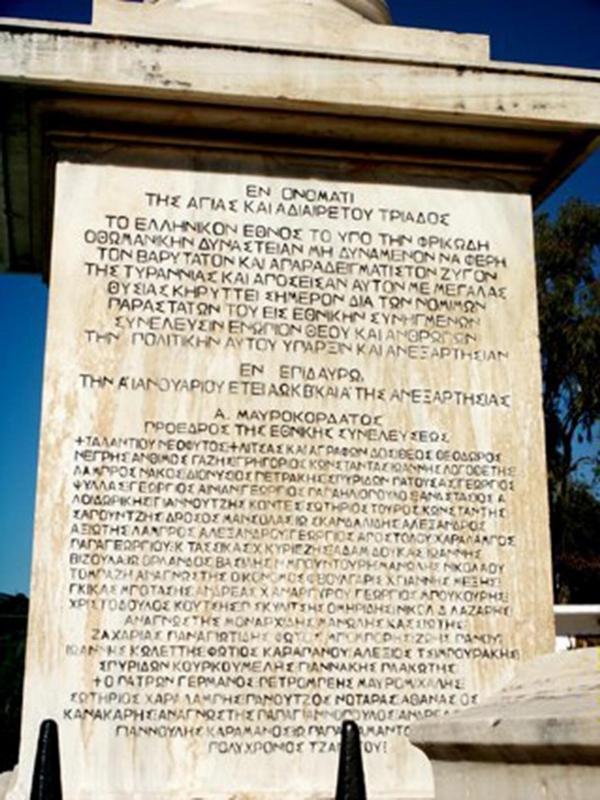
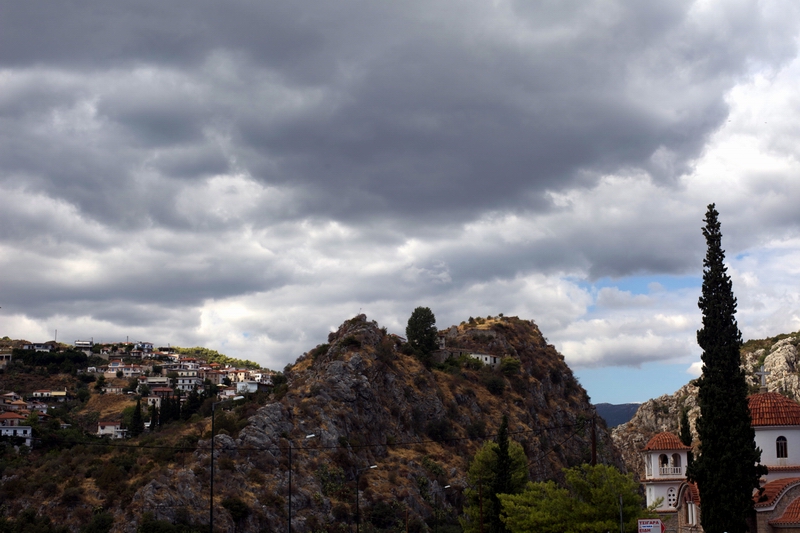
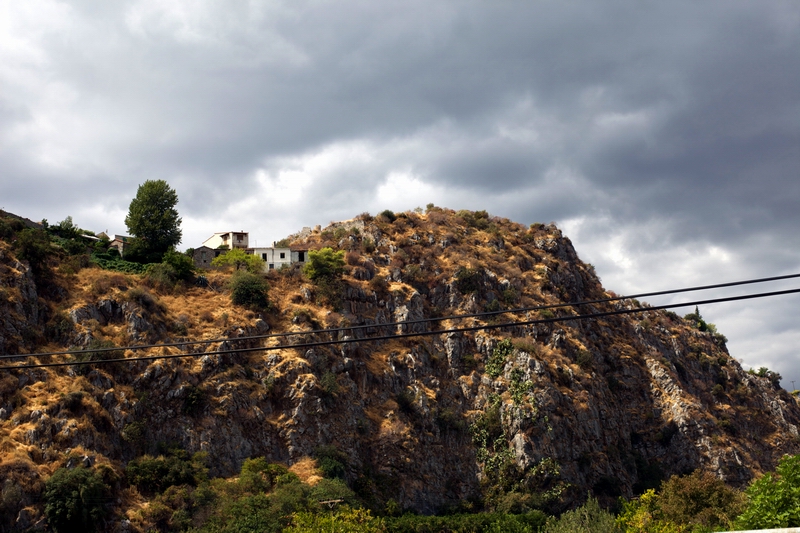
L'insediamento è costruito nella parte interna di una ripida roccia a pochi chilometri dal mare. Il luogo non è visibile dal mare, così in passato gli abitanti erano protetti dai pirati. In cima alla roccia è costruito un castello che risale al periodo bizantino. Tra 20 Dicembre 1821 e 16 gennaio 1822, vi si svolse la Prima Assemblea Nazionale e la promulgazione della prima Costituzione greca. Oggi nel luogo c'è un monumento dedicato alla prima assemblea nazionale.
Molto interessante da visitare:
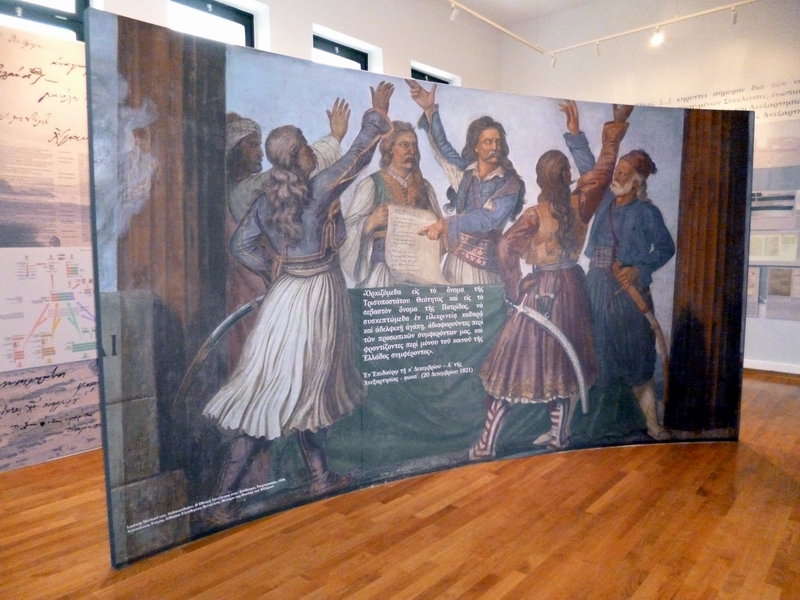
- il Museo di Storia interamente dedicato all'assemblea del 1821/22 e alla Costituzione greca del 1822 ch'è un documento adottato dalla Prima Assemblea Nazionale di Epidauro il 1 gennaio 1822 ed è considerato come la prima forma di costituzione della Grecia moderna. Essa fu il tentativo di provvedere formalmente le regole temporanee necessarie per il governo politico e militare del paese in attesa della futura costituzione di un vero e proprio parlamento. Lo scopo ulteriore di questo documento era di sostituire i vari proclami emanati nel corso del tempo da diversi comitati rivoluzionari i quali, composti l'anno precedente, avevano avviato la guerra d'indipendenza greca. I membri dell'assemblea si riunirono nel dicembre 1821 nel piccolo villaggio di Piada, nei pressi dell'antica città di Epidauro, e fu messa ai voti dai 59 rappresentanti del Parlamento provvisorio i quali, sebbene non fossero stati eletti né nominati da alcuna autorità, non videro mai discusso il loro diritto di agire in rappresentanza del popolo greco. Ciascun membro apparteneva ad una gerusia, ovvero ad una delegazione, in tutto tre, elette precedentemente come governi locali e rappresentativi rispettivamente della Grecia continentale occidentale, di quella orientale, ed infine delle isole e del Peloponneso. Il testo della costituzione fu modellato ed ispirato sulle costituzioni francesi del 1793 e del 1795 e furono in gran parte opera del rivoluzionario Vincenzo Gallina, in collaborazione con Alexandros Mavrokordatos (Aλέξανδρος Μαυροκορδάτος) e Theodoros Negri;
- il castello medievale. All'interno del quale vi è la chiesa di Agios Ioannis Theologos costruita nel 11º secolo;
- La bellissima spiaggia (παραλια), attrezzata ad hoc per ricevere turisti;
- il vicino monastero di Agnountos, risalente all'epoca bizantina di stile forticato.
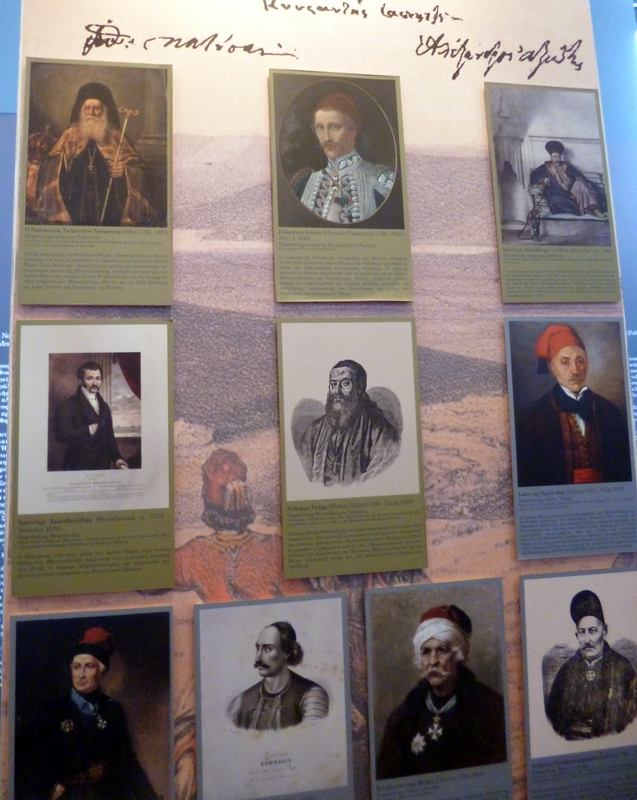
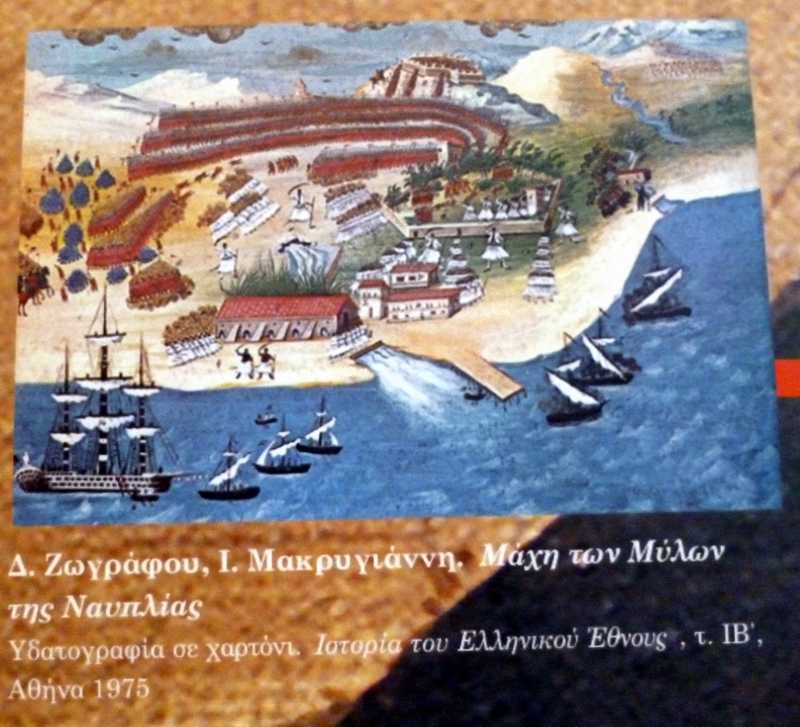
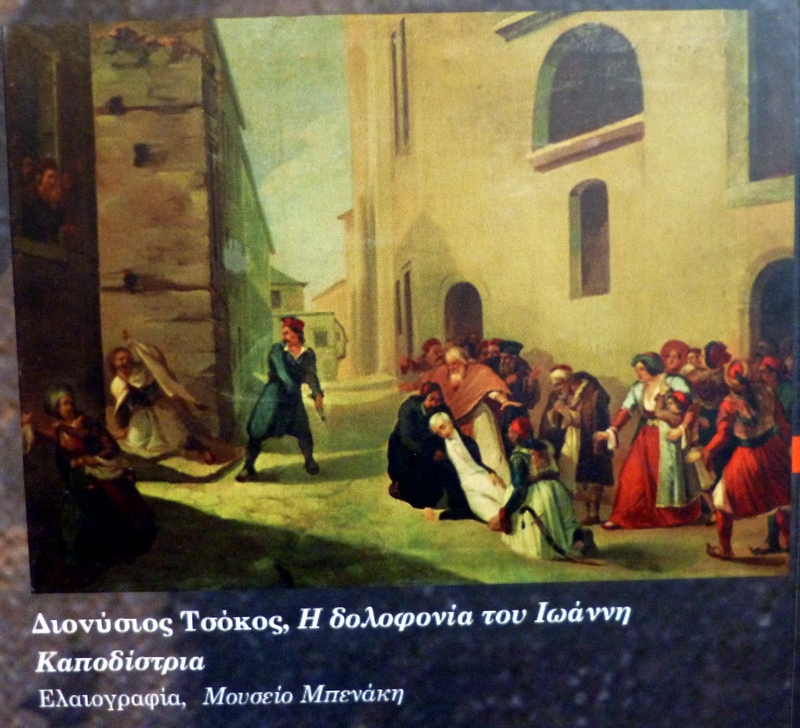
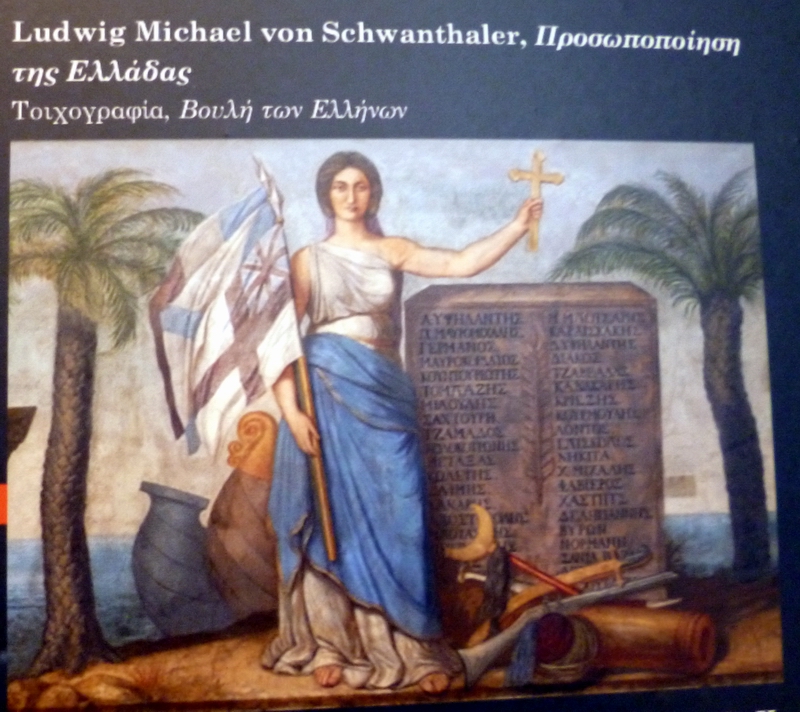
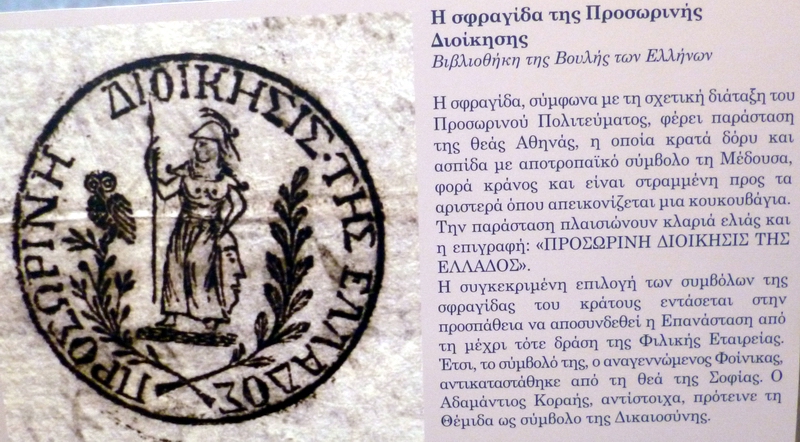
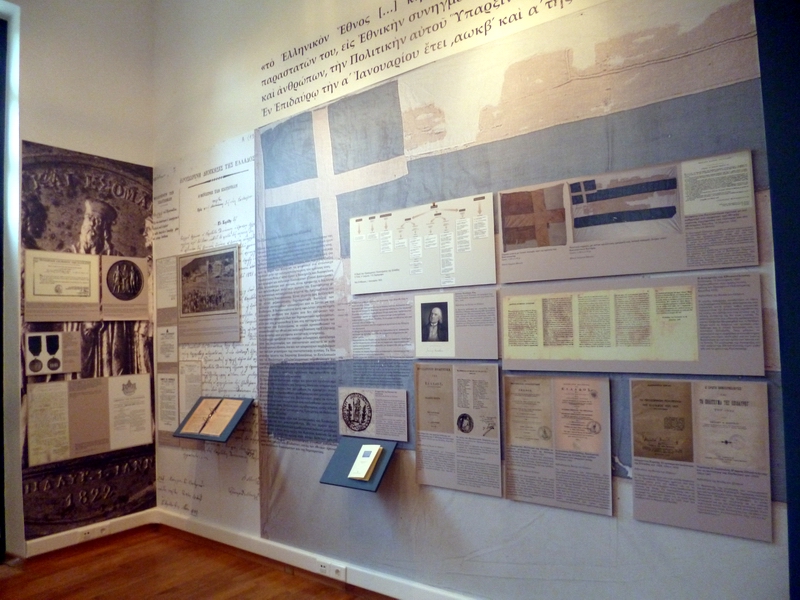
Sotto sono visibili alcune delle centinaia di foto e documenti ch'è possibile ammirare nel Museo di Nea Epidauro.
A voi il piacere di scoprire il resto.
Places of Greek history
Nea Epidavros
Nea Epidavros (Νεα Επίδαυρος) is a village in the eastern part of Argolis in Greece. Located 40 km east of Nafplio (Nafplio), Epidavros is best known for the First National Assembly, which took place between late 1821 and early 1822. In the years preceding the Greek War of Independence, the village was called Piada.
The settlement is built on the inside of a steep rock a few kilometers from the sea. The site is not visible from the sea, so in the past, its inhabitants were protected from pirates. A castle dating back to the Byzantine period stands atop the rock.
Between December 20, 1821, and January 16, 1822, the First National Assembly and the promulgation of the first Greek Constitution were held there.
Today, there is a monument dedicated to the First National Assembly.
Very interesting to visit:
- the History Museum entirely dedicated to the assembly of 1821/22 and the Greek Constitution of 1822 which is a document adopted by the First National Assembly of Epidaurus on 1 January 1822 and is considered to be the first form of constitution of modern Greece. It was an attempt to formally provide the temporary rules necessary for the political and military government of the country pending the future establishment of a proper parliament. The document's further purpose was to replace the various proclamations issued over time by various revolutionary committees, which, formed the previous year, had launched the Greek War of Independence. The assembly met in December 1821 in the small village of Piada, near the ancient city of Epidaurus, and was put to the vote by the 59 representatives of the provisional parliament. Although they had not been elected or appointed by any authority, their right to represent the Greek people was never questioned. Each member belonged to a gerousia, or delegation, three in total, previously elected as local governments and representing respectively the western mainland, the eastern mainland, and finally the islands and the Peloponnese. The text of the constitution was modeled and inspired by the French constitutions of 1793 and 1795 and was largely the work of the revolutionary Vincenzo Gallina, in collaboration with Alexandros Mavrokordatos (Aλέξανδρος Μαυροκορδάτος) and Theodoros Negri;
- The medieval castle. Inside is the church of Agios Ioannis Theologos, built in the 11th century;
- The beautiful beach (παραλια), specially equipped to receive tourists;
- The nearby monastery of Agnountos, dating back to the Byzantine era in a fortified style.
Below are some of the hundreds of photos and documents that can be admired in the Museum of Nea Epidaurus.
Discover the rest for yourself.