Olimpia
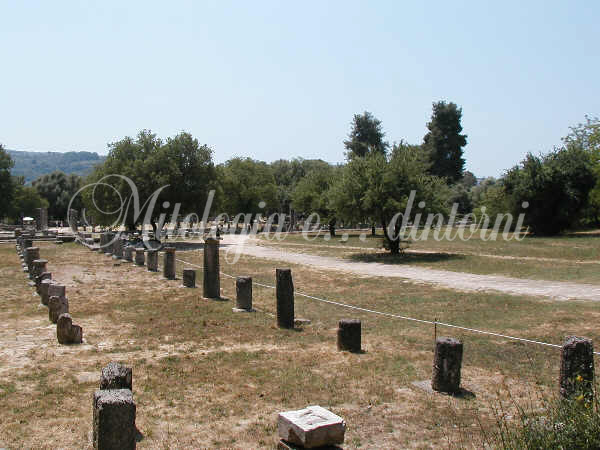
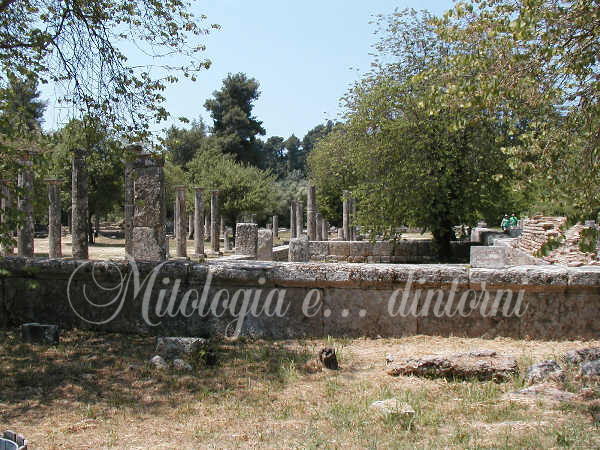
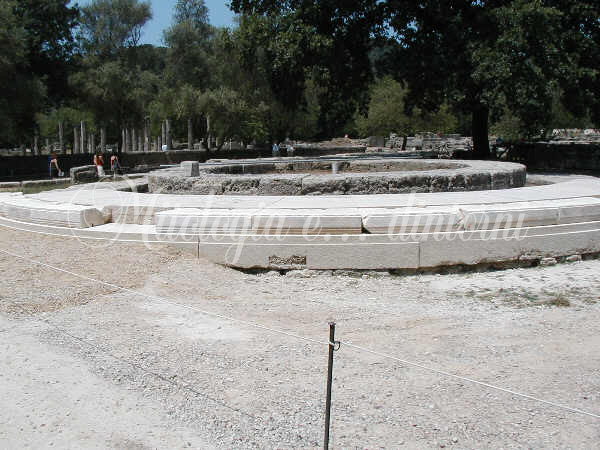
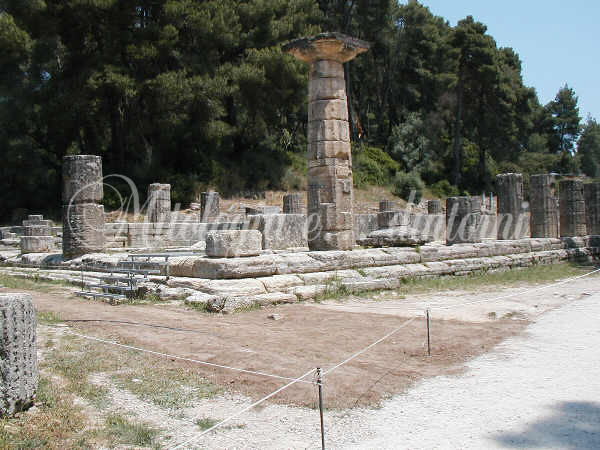
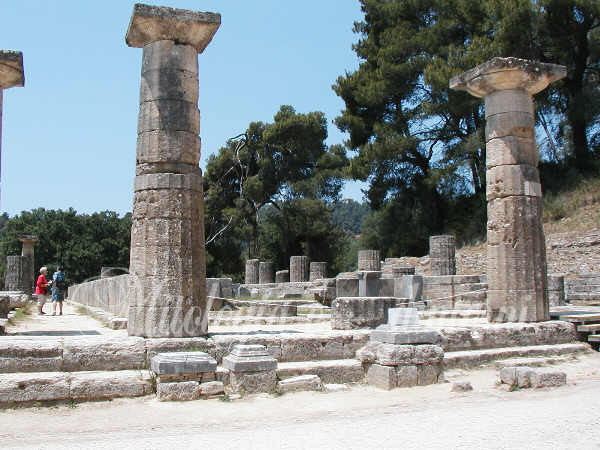
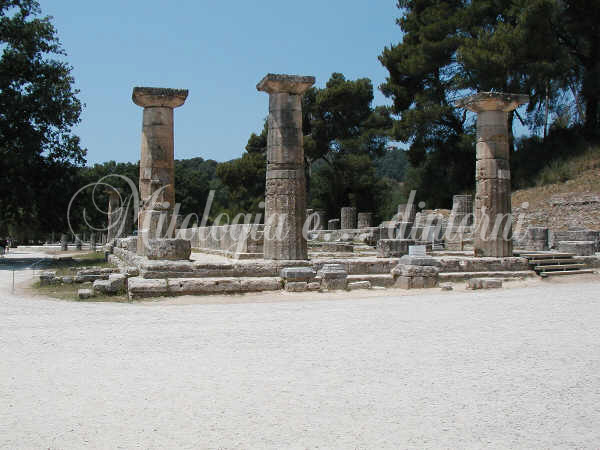
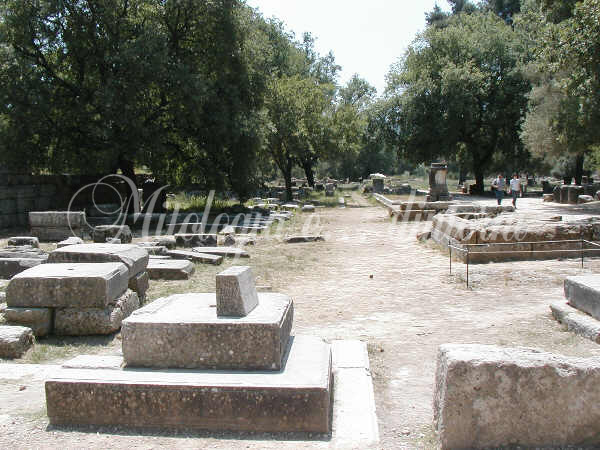
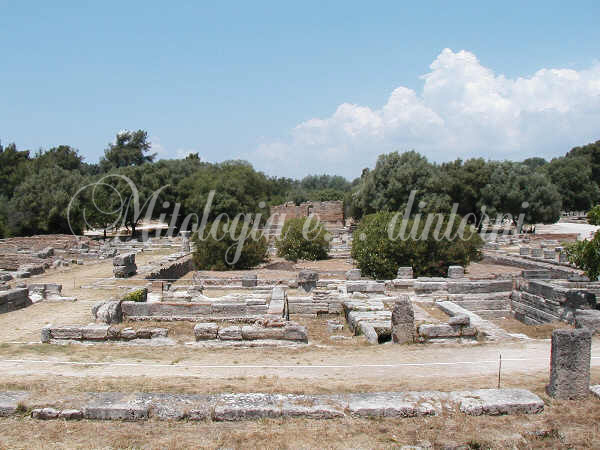
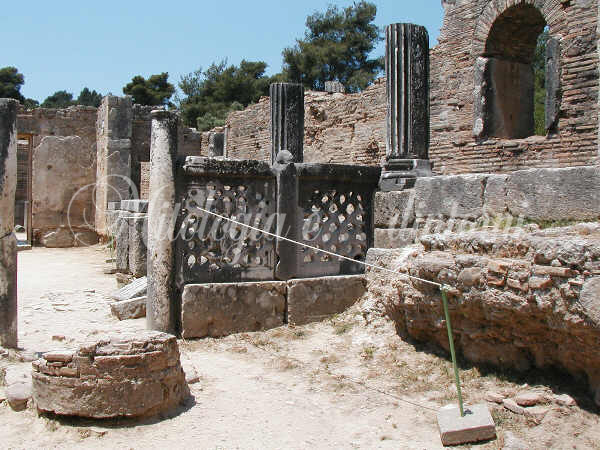
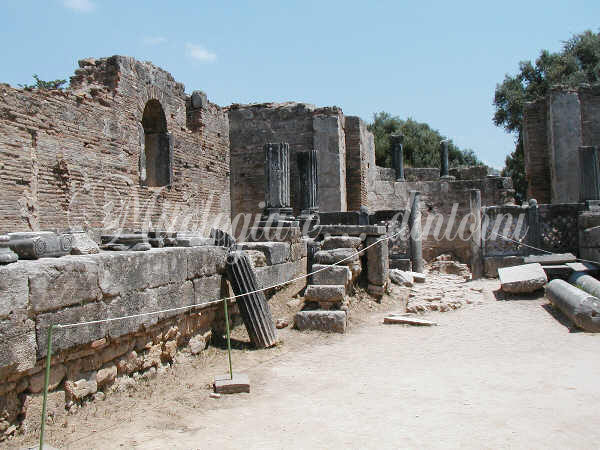
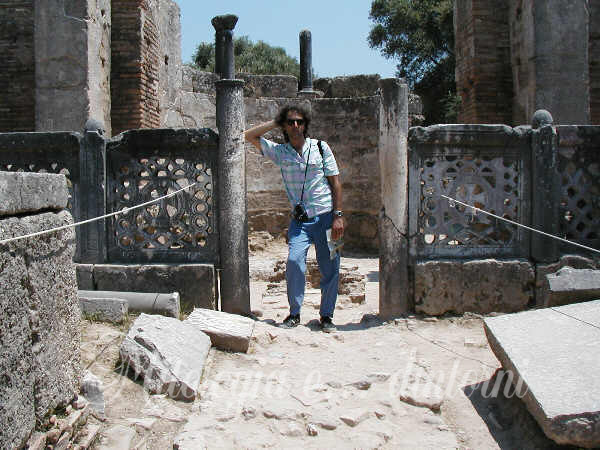
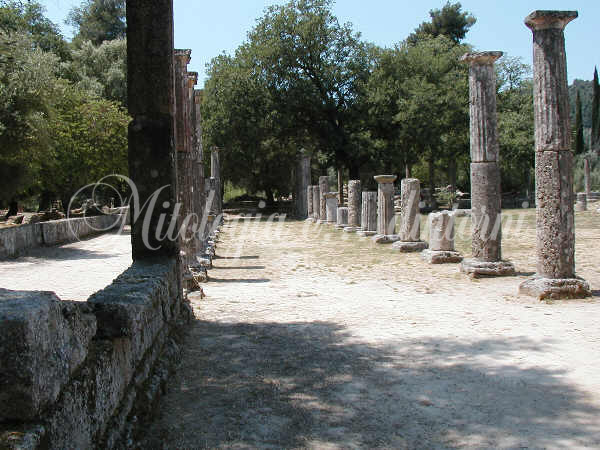
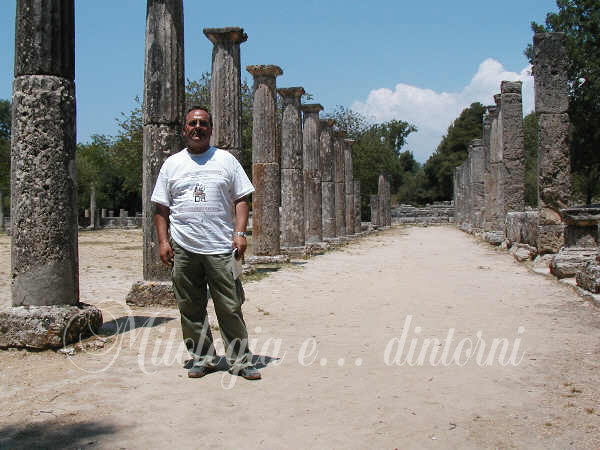
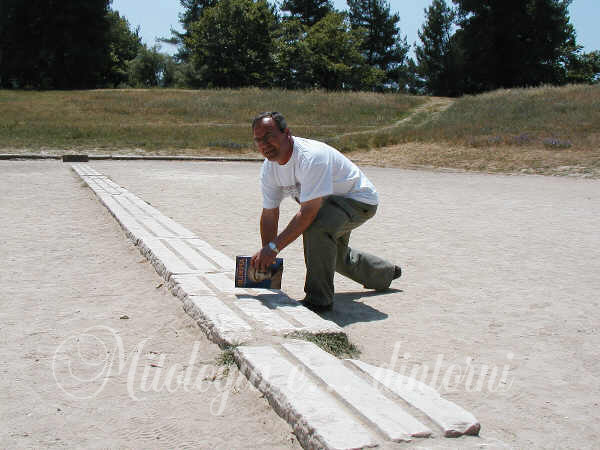
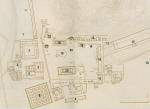
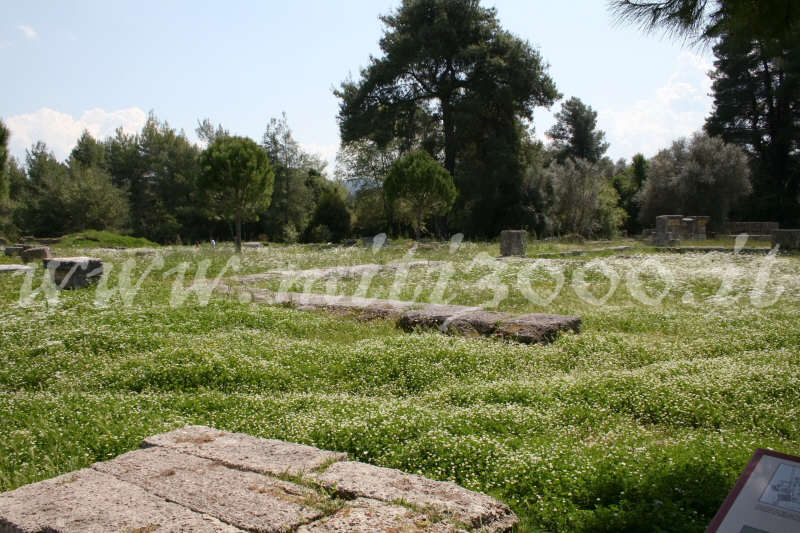
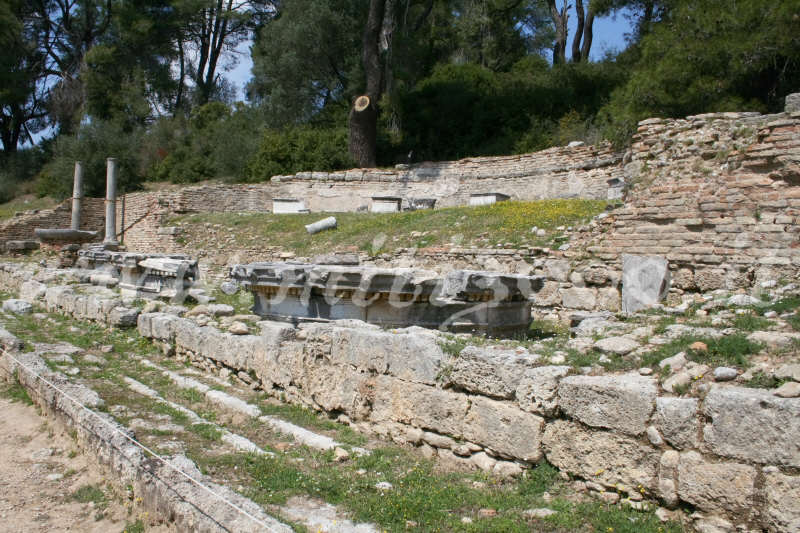
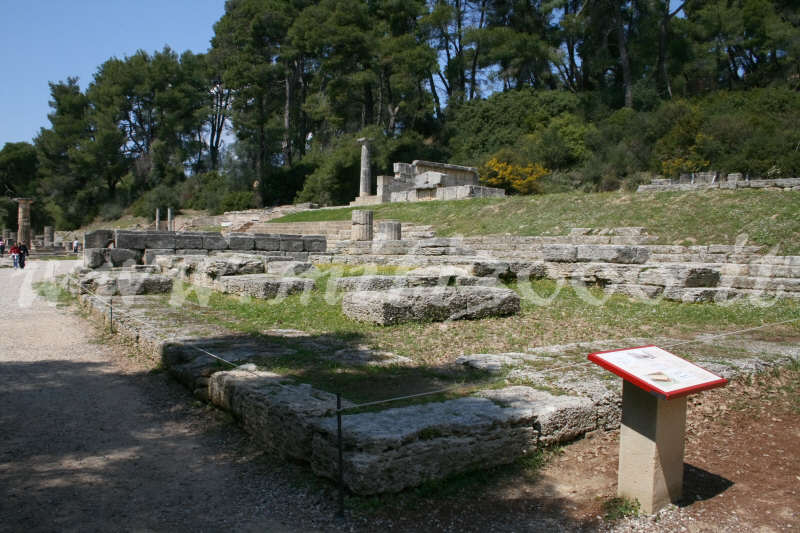
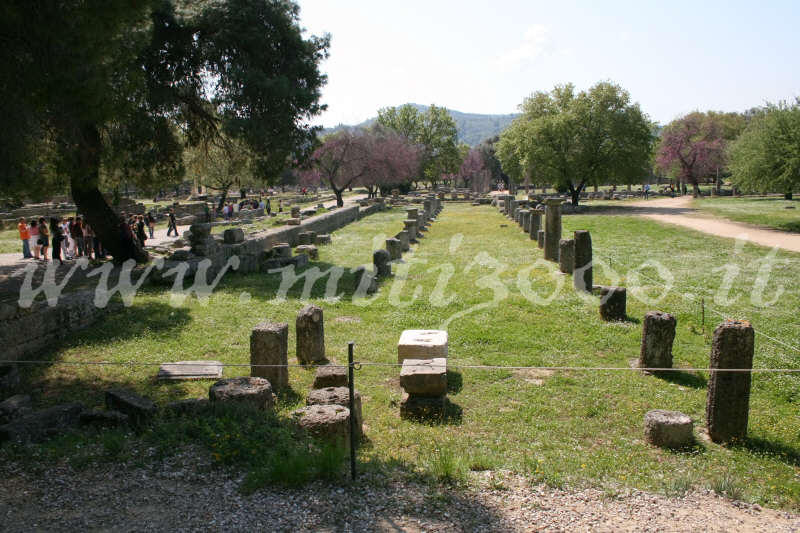
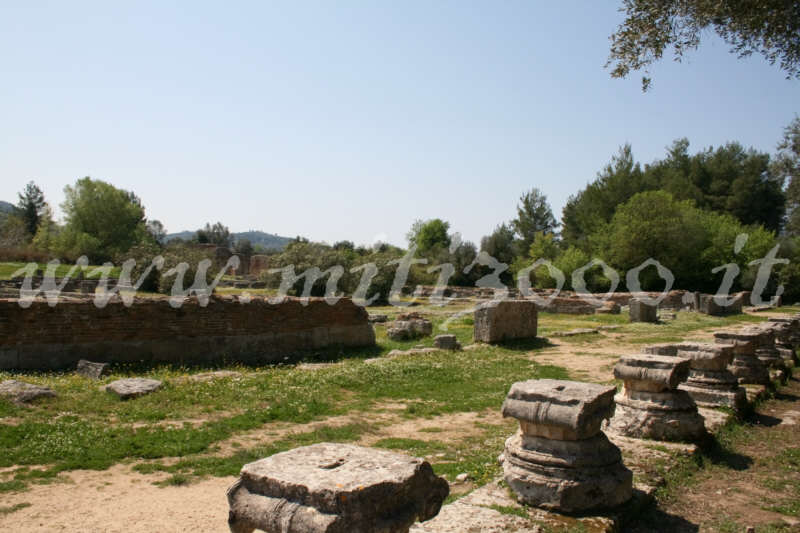
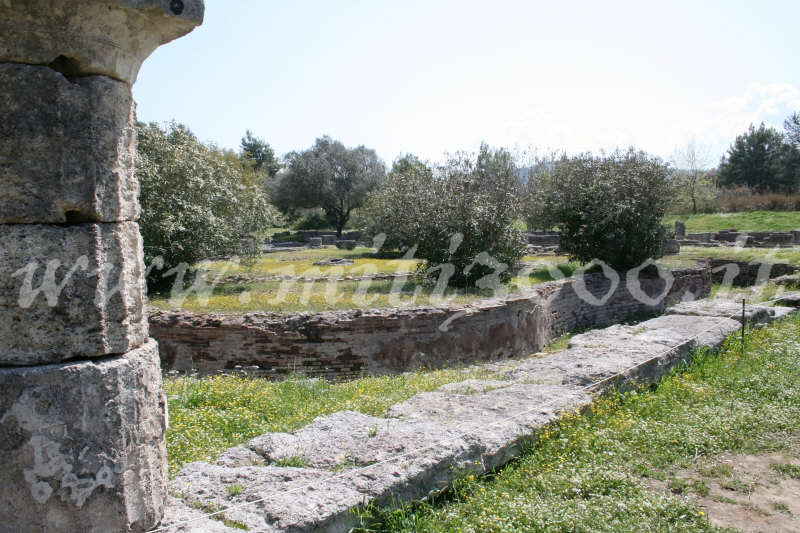
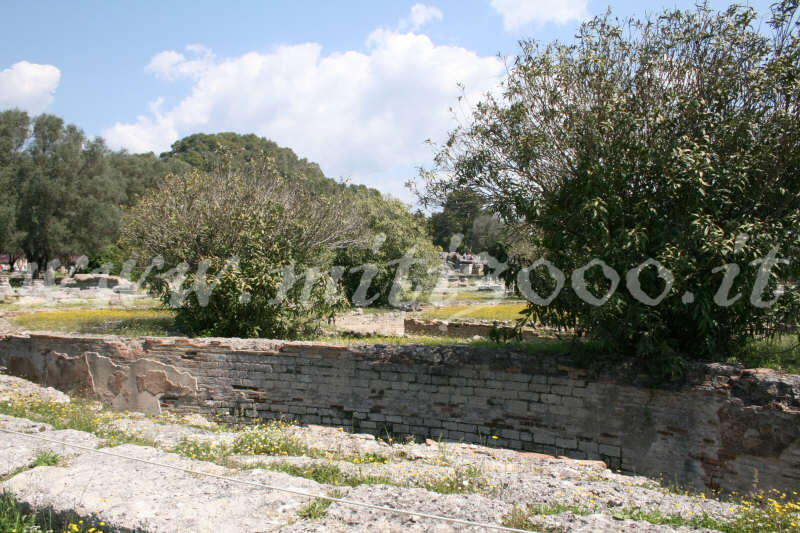
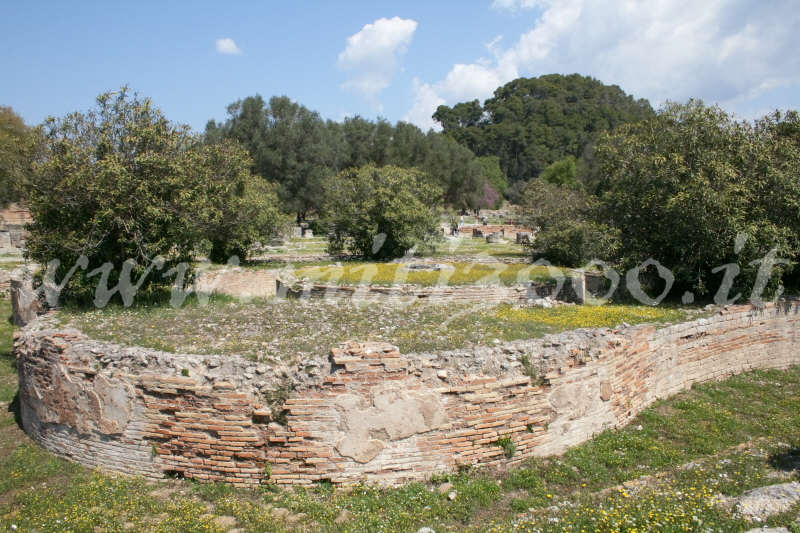
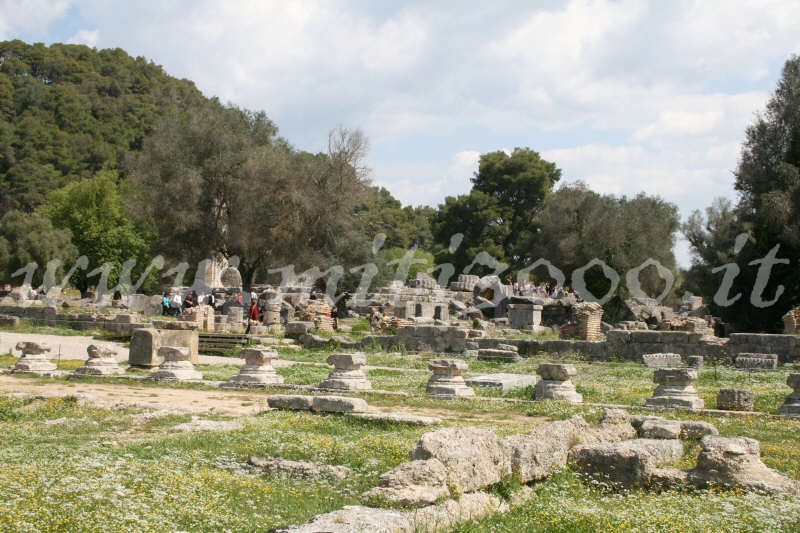
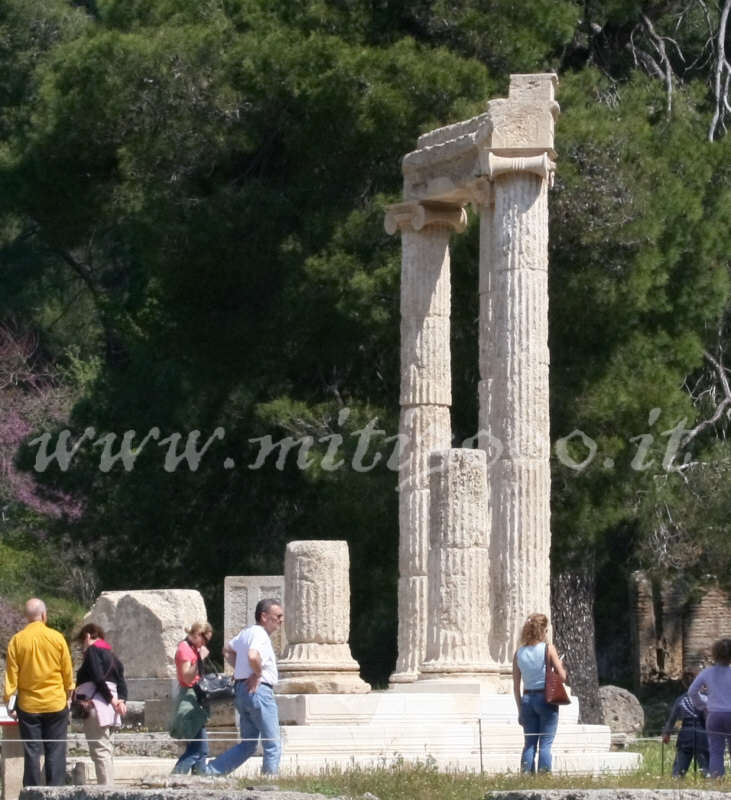
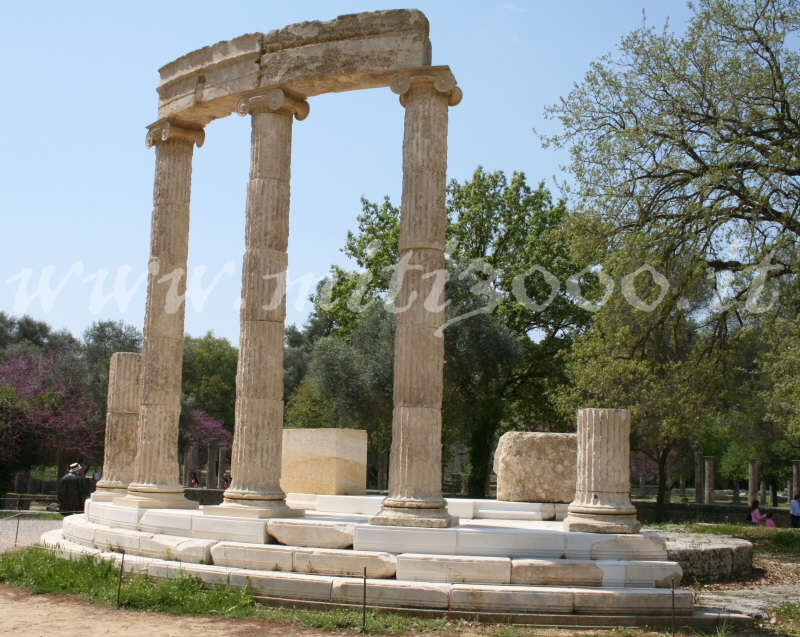
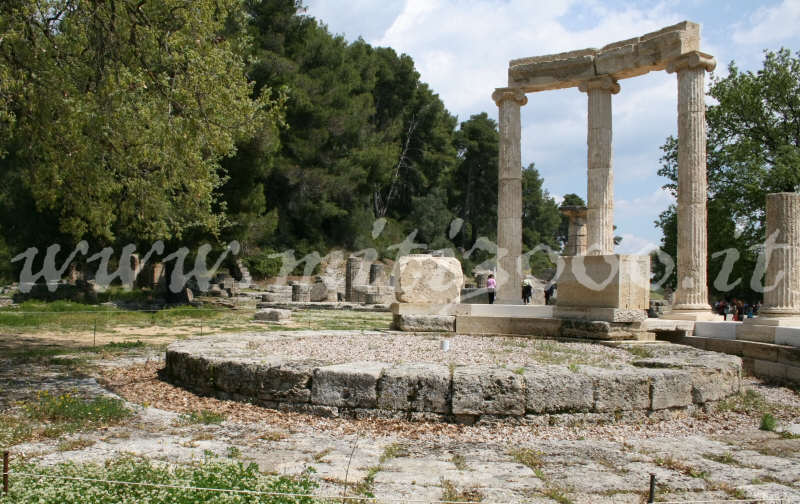
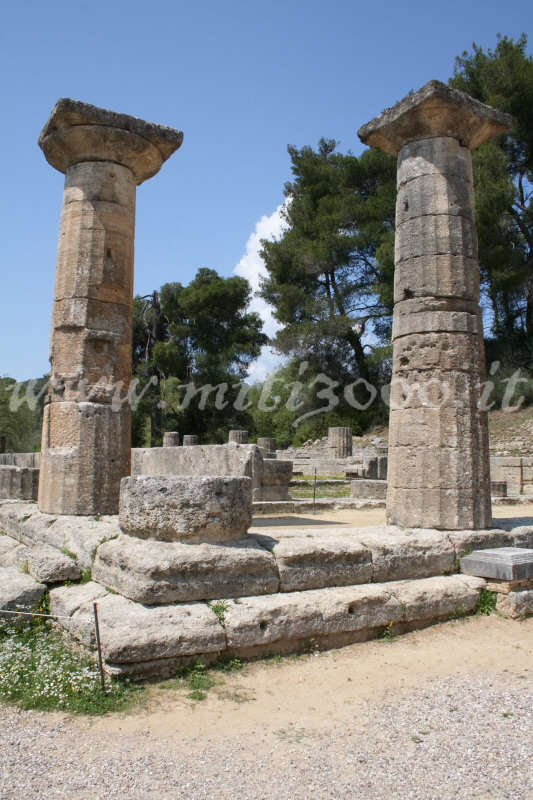
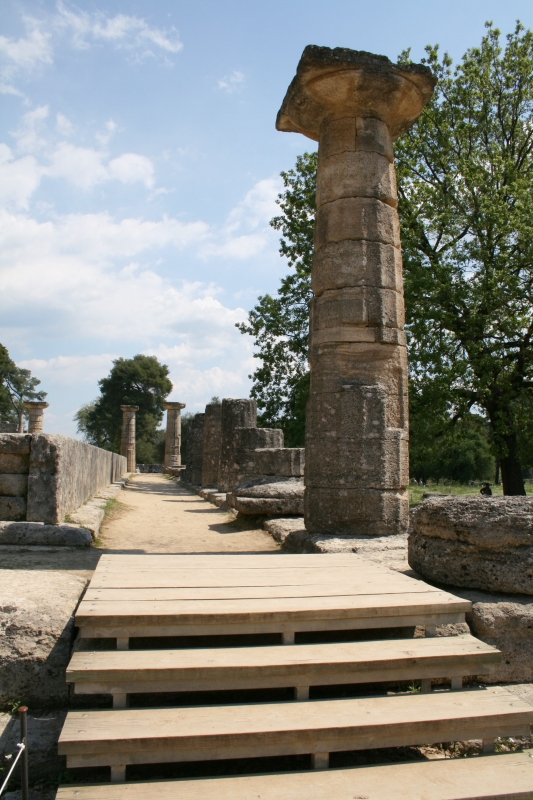
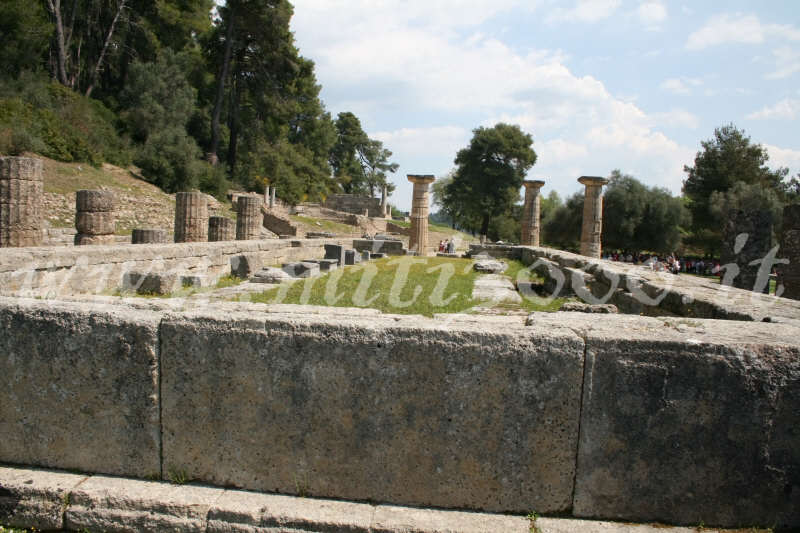
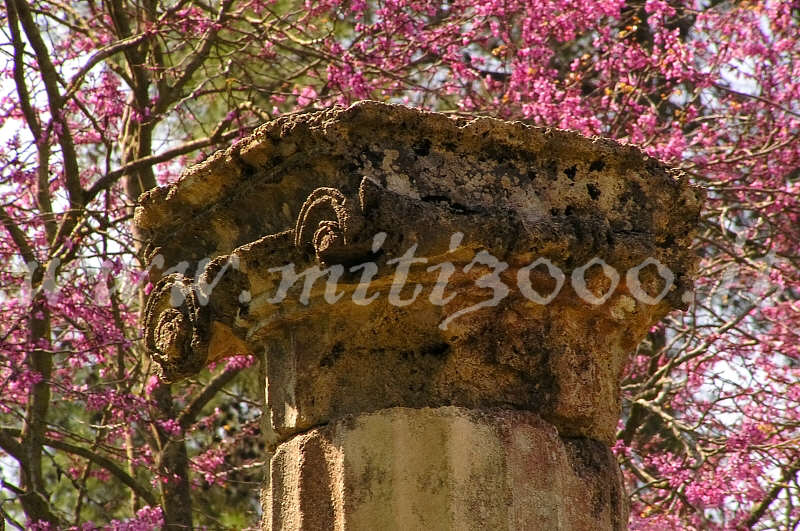
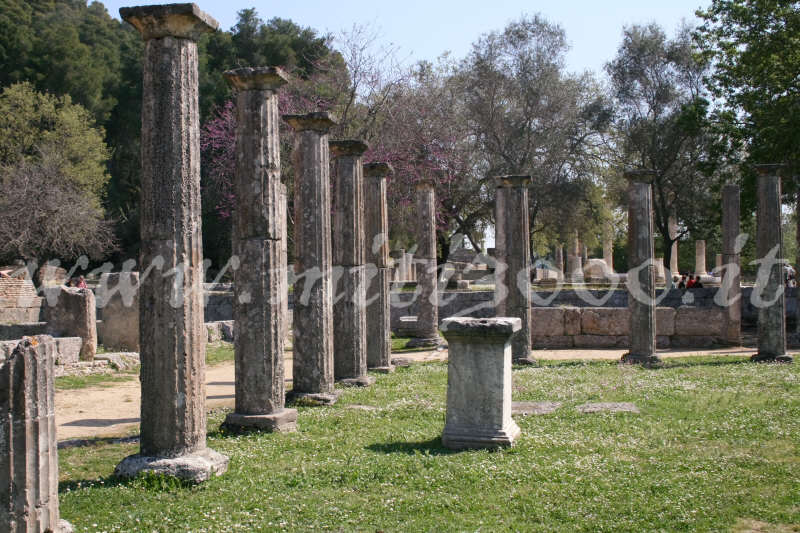
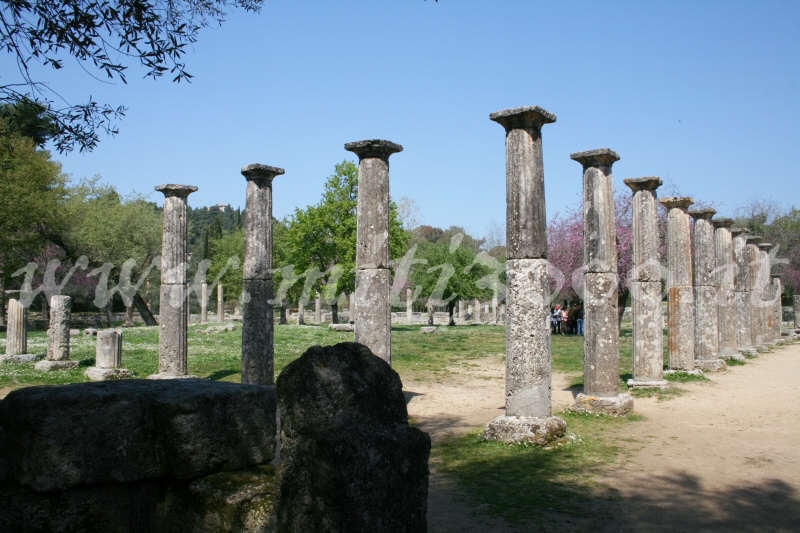
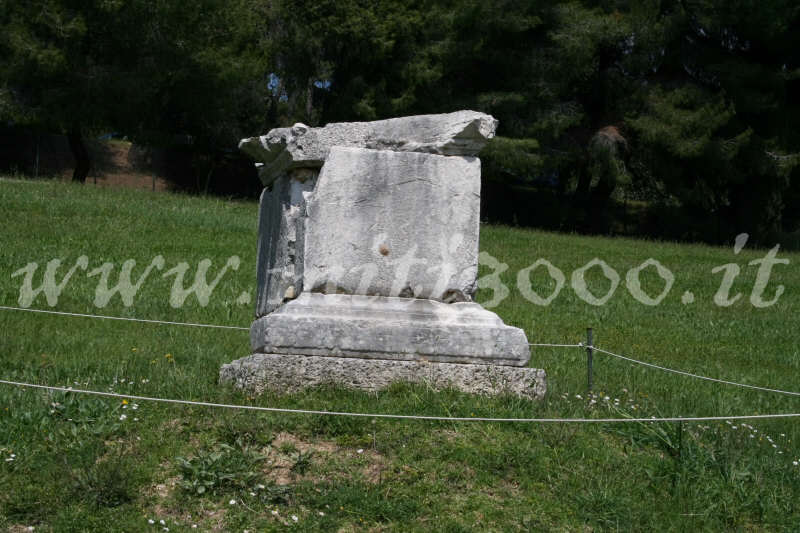
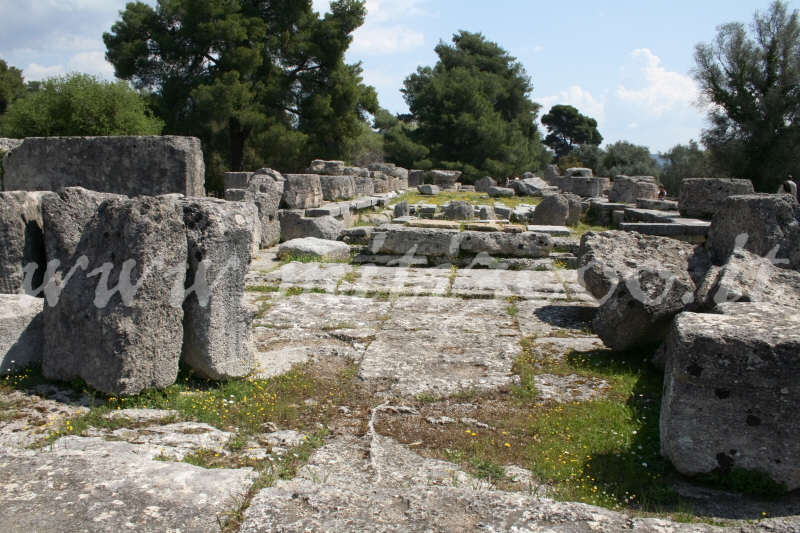
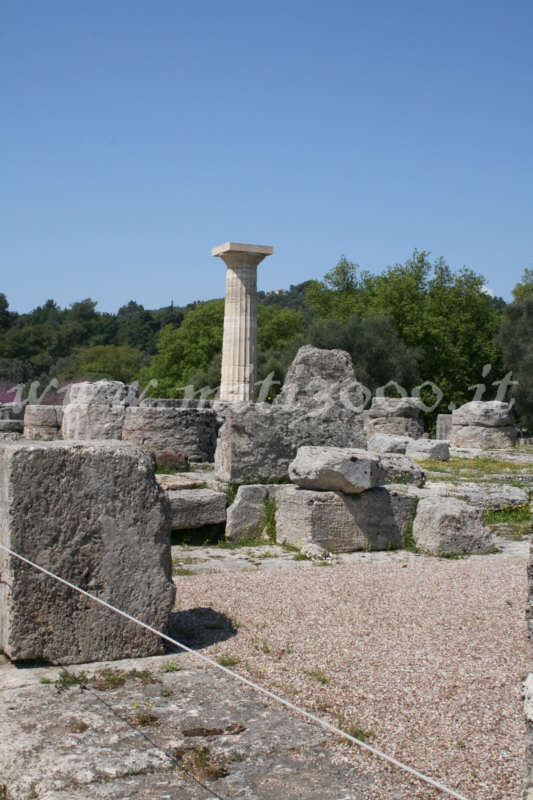
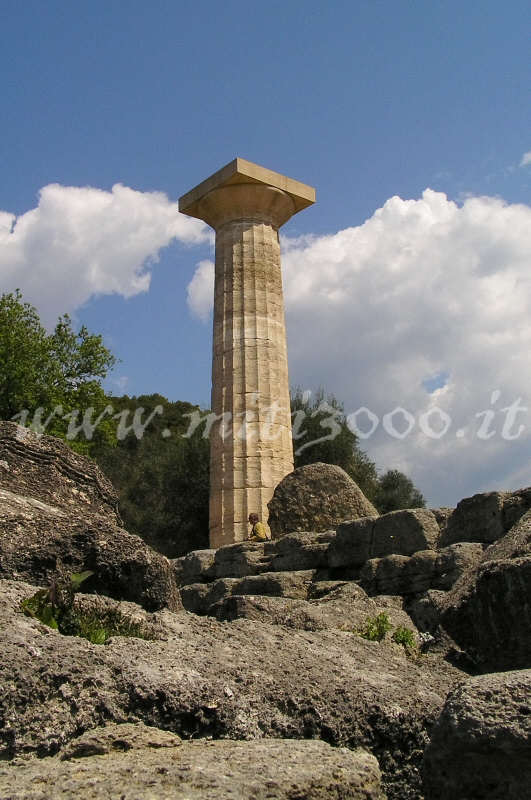
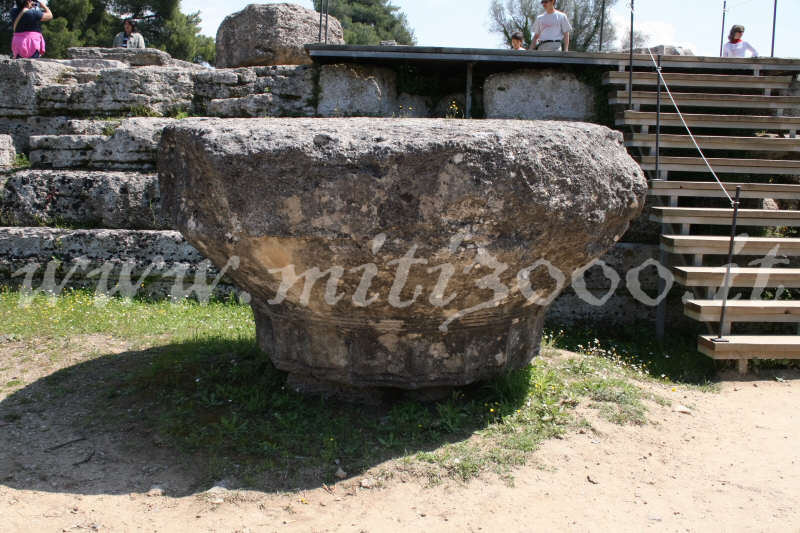
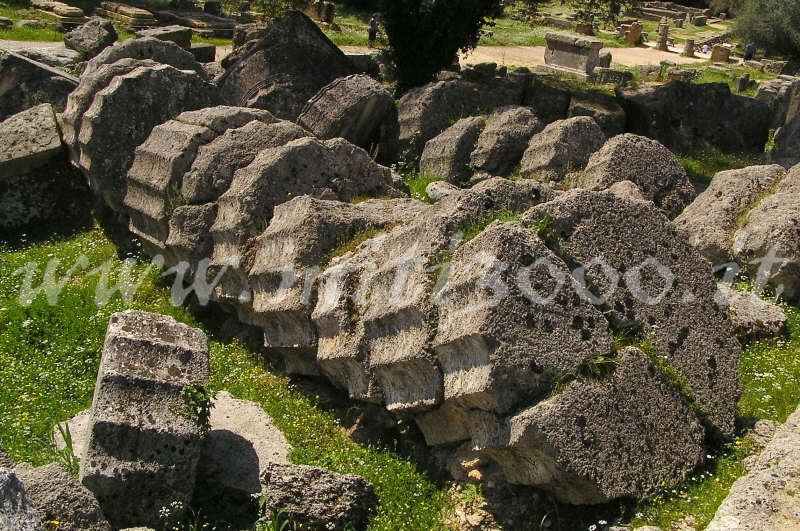
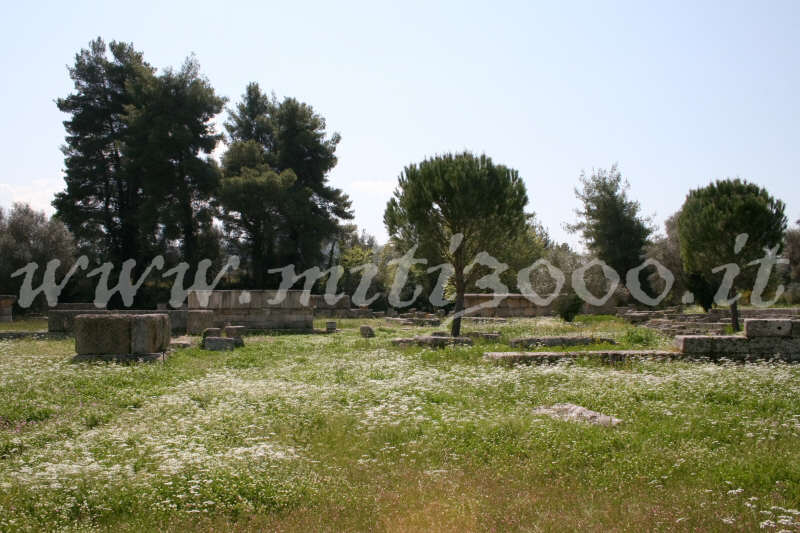
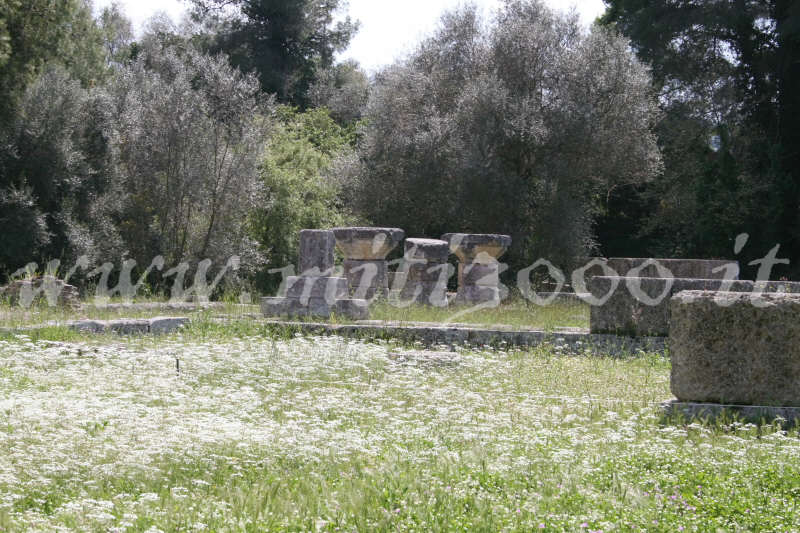
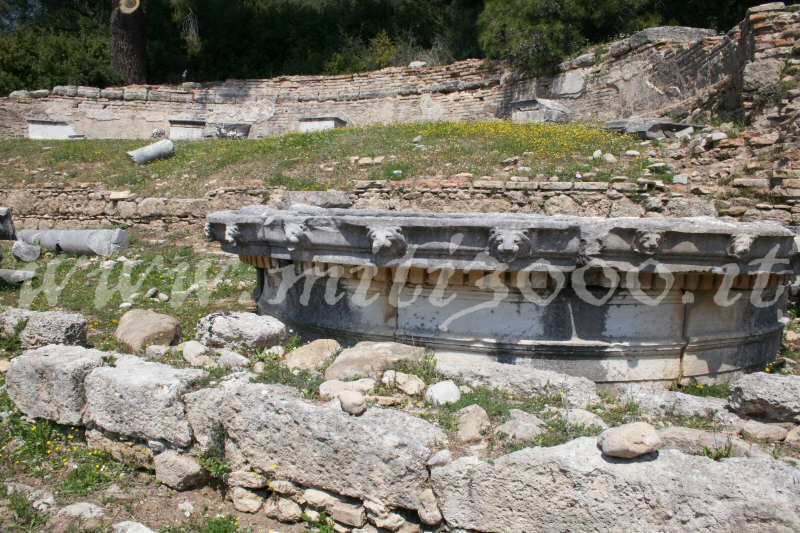
Ὀλυμπία, posta nell'Elide (Peloponneso) sulla riva destra dell'Alfeo, a Ovest di Pisa, capitale dell'Elide (Guardala con Google maps). Vi sorgevano numerosi templi, tra cui celebre l'Olimpieion dedicato a Zeus e al suo culto, in un recinto sacro denominato Altis. Il tempio di Zeus, quello di Era, Heraion, e altri edifici monumentali dell'Altis, i più antichi datati a partire dal sec. VIII a.C., furono frequentati fino al IV sec. a.C. Nello stadio e nell'ippodromo di Olimpia si svolgevano ogni 4 anni i celebri Giochi Olimpici (Olimpiadi). Questo centro non assunse mai la configurazione di città vera e propria, rimanendo sempre un agglomerato di templi, boschi, terreni sacri, centro religioso anche dei popoli che nel tempo la occuparono e che vi istituirono i propri culti.
Gli scavi archeologici iniziarono nella seconda metà del XVIII sec. e furono ripresi nel 1875. Nel corso delle esplorazioni sono stati messi in luce resti che dal medio e tardo elladico arrivano all'età romana tardo-imperiale. I giochi olimpici venivano celebrati ogni quattro anni in onore di Zeus a Olimpia, sede del più importante santuario della divinità. Nel 776 a.C. fu compilato per la prima volta l'elenco dei vincitori, conservato sino al 217 d.C. , nelle opere di Eusebio di Cesarea. Eccetto la sacerdotessa di Demetra, nessuna donna poteva assistere ai giochi.
I giochi olimpici venivano celebrati in estate. All'inizio dell'anno in cui avrebbero avuto luogo venivano inviati emissari per invitare le diverse città-stato a partecipare al versamento del tributo pagato a Zeus; queste mandavano quindi le proprie delegazioni, rivaleggiando l'una con l'altra nell'esibizione dell'equipaggiamento e nelle imprese atletiche. La durata dei giochi olimpici venne ampliata notevolmente: inizialmente erano concentrati in un giorno, con gare di atletica e di lotta; successivamente – forse per opera de tiranno di Argo Fidone (VII secolo a.C.) – vennero introdotte le corse ippiche; a partire dal 472 a.C. gli agoni furono portati a cinque giorni.
Anche se non è nota con esattezza la loro sequenza, sappiamo che il primo giorno era dedicato ai sacrifici; nel secondo si svolgeva la più importante competizione dei giochi, la gara di corsa, che si disputava nello stadio. Negli altri giorni avevano luogo la lotta, il pugilato e il pancrazio (una specialità che combinava insieme le due discipline precedenti). Nella lotta l'obiettivo era mettere a terra l'avversario tre volte. Il pugilato divenne sempre più brutale con il tempo: all'inizio i pugili si avvolgevano cinghie di morbido cuoio intorno alle dita della mano, allo scopo di attutire i colpi, mentre in epoca posteriore usavano cuoio più duro, a volte reso più pesante dall'inserimento di parti di metallo.
Nel pancrazio, lo sport certamente più violento, il combattimento proseguiva fino a che uno dei contendenti non soccombeva ammettendo la sconfitta.
Le corse dei cavalli, nelle quali ogni concorrente doveva essere proprietario del cavallo, erano riservate ai più abbienti. Dopo le corse ippiche si svolgeva la gara del pentathlon, competizione che univa cinque specialità (la corsa veloce, il salto in lungo, il lancio del giavellotto, il lancio del disco e la lotta). I vincitori a Olimpia ricevevano corone di ulivo selvatico e onori, il più ambito dei quali era l’erezione di una statua nel recinto del santuario di Zeus; per il lustro che davano alla loro città spesso venivano celebrati dai versi dei poeti con gli epinici e per il resto della vita erano mantenuti dalla comunità.
LEONIDE, architetto greco attivo nella seconda metà del IV sec. Realizzò nel santuario di Zeus a Olimpia il Leonidaion, edificio di forma quadrangolare con un cortile all'interno e un ingresso imponente circondato esternamente da un portico colonnato, che serviva ad ospitare i pellegrini di rango.
IAMO, figura mitologica. Era il figlio di Apollo ed Evadne e fu allevato da Epito, signore dell'Arcadia. Capostipite della famiglia sacerdotale degli Iamidi, esercitò l'arte della profezia ad Olimpia.
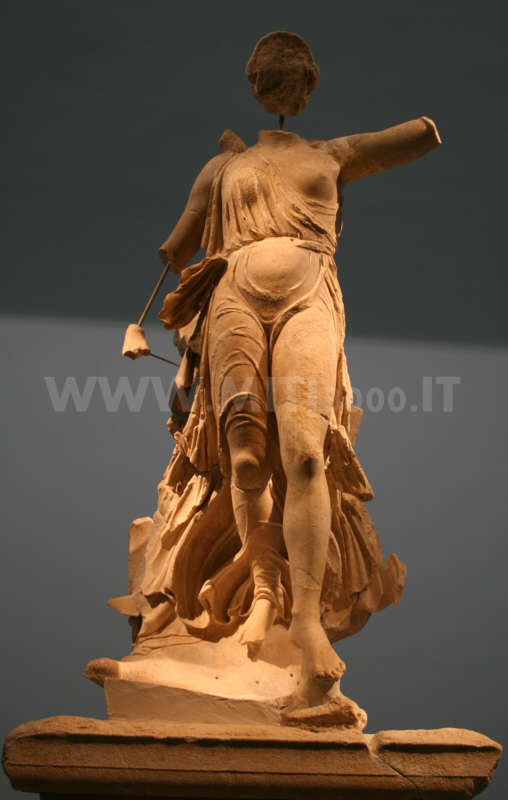
PAIONO, scultore greco (Mende metà V sec. a.C.). Probabilmente collaborò all'esecuzione del fregio del Partenone. La sua opera più importante e famosa è la "Nike" (oggi nel Museo Archeologico a Olimpia), eseguita per celebrare la vittoria dell'ateniese Sfacteria nella guerra del Peloponneso del 425 a.C. Venne posta davanti al tempio di Zeus a Olimpia. Secondo la tradizione Paiono scolpì un'altra "Nike" per la storia degli ateniesi a Delfi.
LIBONE, architetto greco citato da Pausania come autore del tempio di Zeus a Olimpia (V sec. a.C.).
Arca di Cipselo, cassa di legno di cedro, oggi perduta, scolpita con scene mitologiche. Fu mandata da Cipselo come dono votivo al santuario di Olimpia e viene descritta dagli antichi letterati come una meraviglia.
KAIRÒS, personificazione del momento opportuno. Veniva rappresentato come un giovanetto con le ali ai piedi e talvolta agli omeri, con un ciuffo di capelli sulla fronte e la nuca quasi rasa. Un altare a lui dedicato era ad Olimpia.
FIDIA, il più grande scultore della Grecia, l'espressione più completa e più alta del mondo ellenico. Nato ad Atene agli inizi del V sec., fu scolaro di Egia, scultore del Peloponneso, e sentí anche l'influsso del sommo Polignoto.
Con ogni probabilità, in gioventù fu anche pittore, certo fu espertissimo in tutte le tecniche: marmo, bronzo, tecnica crisoelefantina, cesello e intarsio.
Al primo periodo della sua attività appartengono le due statue di Atena: quella di Pellene in Acaia e la Areia di Platea.
Tra il 465 e il 460 ebbe l'incarico di eseguire per Delfi un gruppo votivo dedicato agli eroi di Maratona. Dal 452 al 448, nella pienezza della maturità, scolpì il primo capolavoro: lo Zeus di Olimpia, in quella particolare tecnica detta crisoelefantina, che proveniva da tipi arcaici e voleva in avorio le parti ignude, e in lamina d'oro le vesti, la barba e i capelli.
La figura di Zeus, che in piedi sarebbe stata alta 15 metri, era rappresentata seduta su un trono. Ma il genio del sommo Ateniese rifulse in tutto il suo splendore nella grande statua di Atena Parthenos e nei marmi del Partenone. La dea, alta quasi 12 metri, era raffigurata in piedi, paludata di chitone dorico con elmo a triplice cimiero, la mano destra reggente una minuscola Nike, la sinistra poggiata sullo scudo.
Mirabile simbolo, splendente d'oro e di avorio, della città di Atene nel tempo della sua maggiore potenza civile, militare, artistica. Oltre a questa, era famosa una statua della dea detta Promachos, colossale, tutta in bronzo, posta sull'Acropoli quasi a guardia della città. I marmi del Partenone erano formati da 92 metope a rilievo giunte purtroppo a noi mutile, frammentarie, corrose in seguito allo scoppio di una polveriera posta nell'interno del Partenone stesso (1687).
Se Fidia non fu l'esecutore materiale di tutti i rilievi del Partenone, è certo che dal suo genio scaturí l'idea della grandiosa composizione.
Di Fidia è sicuramente il bellissimo fregio che circonda la cella dei Tempio, dove si snoda la processione delle feste Panatenaiche. Ignota è la fine di Fidia. Perseguitato alla morte di Pericle, suo grande amico, dovette fuggire da Atene. Alcuni credono riparasse a Elide, altri lo dicono morto avvelenato nel 431 a.C.
AGELADA DI ARGO, scultore greco (sec.VI-V a.C.). Produsse bronzi nello stile severo, dei quali ci è giunta notizia attraverso le fonti letterarie (Zeus di Egio, atleti di Olimpia). Maestro di Fidia, Policleto e Mirone.
Olympia
Ὀλυμπία, located in Elis (Peloponnese) on the right bank of the Alpheus, west of Pisa, capital of Elis (Watch it with Google maps). Numerous temples stood there, including the famous Olympieion dedicated to Zeus and his cult, in a sacred precinct called the Altis. The temple of Zeus, that of Hera, the Heraion, and other monumental buildings of the Altis, the oldest dating from the 8th century BC, were frequented until the 4th century BC. The famous Olympic Games (Olympics) were held every four years in the stadium and hippodrome of Olympia. This center never took on the form of a true city, always remaining a cluster of temples, groves, sacred lands, and a religious center even for the peoples who occupied it over time and established their own cults there.
Archaeological excavations began in the second half of the 18th century and resumed in 1875. During the explorations, remains dating from the Middle and Late Helladic periods to the late Roman Empire were uncovered. The Olympic Games were celebrated every four years in honor of Zeus in Olympia, site of the deity's most important sanctuary. The list of winners, preserved until 217 AD, was first compiled in 776 BC in the works of Eusebius of Caesarea. Except for the priestess of Demeter, no women were allowed to attend the games.
The Olympic Games were celebrated in the summer. At the beginning of the year in which they were to be held, emissaries were sent to invite the various city-states to participate in the payment of tribute to Zeus; they then sent their own delegations, competing with each other in the display of equipment and athletic feats. The duration of the Olympic Games was significantly extended: initially they were concentrated in one day, with athletics and wrestling competitions; later – perhaps under the influence of the tyrant of Argos Pheidon (7th century BC) – horse races were introduced; starting in 472 BC, the competitions were extended to five days.
Although their exact sequence is unknown, we know that the first day was dedicated to sacrifices; the second day was the most important competition of the games, the foot race, which took place in the stadium. The other days featured wrestling, boxing, and pankration (a combination of the two previous disciplines). In wrestling, the goal was to knock the opponent down three times. Boxing became increasingly brutal over time: initially, boxers wrapped soft leather straps around their fingers to cushion the blows, while in later periods they used harder leather, sometimes made heavier by the insertion of metal parts.
In pankration, certainly the most violent sport, the fight continued until one of the contestants succumbed, admitting defeat.
Horse races, in which each competitor had to own their own horse, were reserved for the wealthiest of the wealthy. After the horse races came the pentathlon, a competition that combined five events (sprinting, long jump, javelin throw, discus throw, and wrestling). The winners at Olympia received wild olive wreaths and honors, the most coveted of which was the erection of a statue in the precincts of the sanctuary of Zeus. For the lustre they brought to their city, they were often celebrated in the verses of poets and epic poets, and for the rest of their lives, they were supported by the community.
LEONIDES, a Greek architect active in the second half of the 4th century BC, built the Leonidaion in the sanctuary of Zeus at Olympia, a quadrangular building with an internal courtyard and an imposing entrance surrounded by a colonnaded portico, which served to accommodate high-ranking pilgrims.
IAMUS, mythological figure. He was the son of Apollo and Evadne and was raised by Aepytus, lord of Arcadia. Founder of the priestly family of the Iamidae, he practiced prophecy at Olympia.
PAIONUS, Greek sculptor (Mende, mid-5th century BC). He probably collaborated on the Parthenon frieze. His most important and famous work is the "Nike" (now in the Archaeological Museum at Olympia), created to celebrate the victory of the Athenian Sphacteria in the Peloponnesian War of 425 BC. It was placed in front of the Temple of Zeus at Olympia. According to tradition, Paionus sculpted another "Nike" for the history of the Athenians at Delphi.
LIBO, Greek architect cited by Pausanias as the designer of the Temple of Zeus at Olympia (5th century BC).
Ark of Cypselus, a cedarwood chest, now lost, carved with mythological scenes. It was sent by Cypselus as a votive offering to the sanctuary of Olympia and is described by ancient scholars as a marvel.
KAIROS, personification of the opportune moment. He was depicted as a young man with wings on his feet and sometimes on his shoulders, a tuft of hair on his forehead, and an almost shaved nape. An altar dedicated to him was at Olympia.
PHIDIAS, the greatest sculptor of Greece, the most complete and highest expression of the Hellenic world. Born in Athens in the early 5th century, he was a student of Aegia, a sculptor from the Peloponnese, and was also influenced by the great Polygnotus.
In all likelihood, he was also a painter in his youth, and was certainly highly skilled in all techniques: marble, bronze, chryselephantine technique, chasing, and inlay.
The two statues of Athena belong to the early period of his activity: the one from Pellene in Achaea and the Areia from Plataea.
Between 465 and 460, he was commissioned to create a votive group for Delphi dedicated to the heroes of Marathon. From 452 to 448, in the prime of his career, he sculpted his first masterpiece: the Zeus of Olympia, using the particular technique known as chryselephantine, which derived from archaic types and required the naked parts to be made of ivory, and the clothes, beard, and hair to be made of gold leaf.
The figure of Zeus, who would have stood 15 meters tall when standing, was depicted seated on a throne. But the genius of the great Athenian shone in all its splendor in the great statue of Athena Parthenos and in the Parthenon marbles. The goddess, almost 12 meters tall, was depicted standing, clad in a Doric chiton and a triple-crested helmet, her right hand holding a tiny Nike, her left resting on a shield.
A wonderful symbol, shining in gold and ivory, of the city of Athens at the time of its greatest civil, military, and artistic power. In addition to this, there was a famous statue of the goddess called Promachos, colossal, entirely in bronze, placed on the Acropolis as if to guard the city. The Parthenon marbles were made up of 92 relief metopes, which unfortunately have reached us in mutilated form, fragmentary, corroded following the explosion of a powder magazine located inside the Parthenon itself (1687).
While Phidias was not the actual sculptor of all the Parthenon reliefs, it is certain that the idea for the grandiose composition sprang from his genius.
The beautiful frieze surrounding the cella of the Temple, where the procession of the Panathenaic festivals unfolds, is certainly by Phidias. Phidias's fate is unknown. Persecuted after the death of his great friend Pericles, he was forced to flee Athens. Some believe he fled to Elis, others say he was poisoned in 431 BC.
AGELADES OF ARGO, Greek sculptor (6th-5th century BC). He produced bronzes in the severe style, of which we have information through literary sources (Zeus of Aegion, athletes at Olympia). He was the teacher of Phidias, Polykleitos, and Myron.