Palazzolo Acreide
Per realizzare questa pagina ho voluto che fosse l'amico Tino a commentare la visita al sito archeologico. Per questo motivo non ho inserito i miti e gli eroi legati al luogo, ma in compenso potrete leggere (e quasi provare) le emozioni che luoghi quali Akrai possono trasmettere ai visitatori.
Alle fonti del mito: il sito archeologico di Palazzolo Acreide (Akrai).
La strada, una lunga lingua d'asfalto, s'inerpica sui pendii ripidi che portano alla sommità dell'Acromonte che sovrasta Palazzolo Acreide.
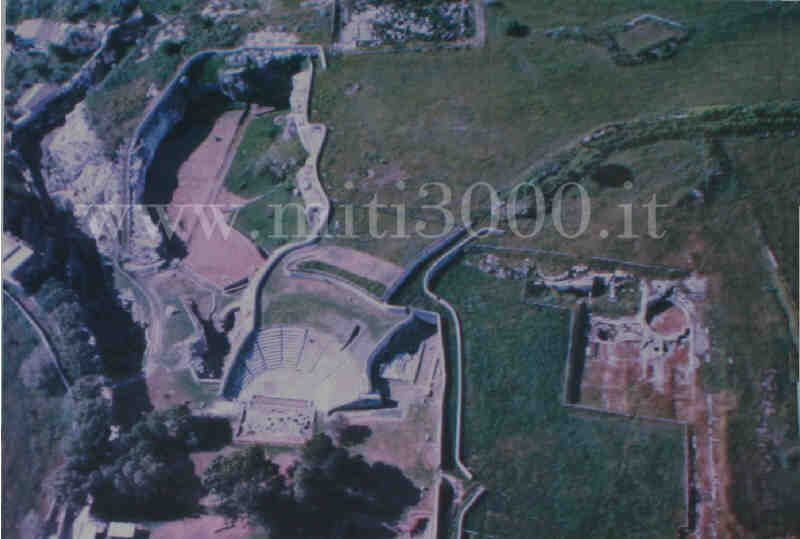
La cittadina, d'impronta nettamente settecentesca, è situata all'interno della provincia di Siracusa, posta a circa 700 m.s.m. sugli Iblei alla confluenza di diverse valli. Presidio militare per la sua importanza strategica, fu fondata dai siracusani nel 664 a.c. con il nome di Akrai che deriva dal greco "akros" (estremità). Gli Arabi la distrussero nel IX secolo d.C., lasciando però intatti alcuni importanti monumenti dell'età greca, che ancora oggi ne fanno un sito importante e suggestivo.
Quasi parallela al Corso principale, Vittorio Emanuele, la strada (Via Carlo Alberto) inizia da Piazza del Popolo, fiancheggiata dal monumentale Palazzo del Municipio a destra e dominata di fronte dalla splendida facciata barocca della Chiesa di San Sebastiano. Una sinuosa e ripida scalinata rende ancora più imponente e sorprendentemente leggero il prospetto architettonico e scenografico della chiesa.
La strada che conduce all'Acromonte si snoda tra due file ininterrotte di case le cui facciate incombenti sono rivestite d'intonaco corroso dal tempo. Lungo questo stretto percorso sulla destra a circa 200 metri s'intravede il cortile e l'ingresso del palazzo dove ha sede il Museo Etnologico di Paolo Uccello. Subito dopo si attraversa un piccolo slargo su cui troneggia la facciata ampia e luminosa della Chiesa di San Michele con la sua breve scalinata, limitata da balaustre di bella fattura. La strada riprende, cambiando denominazione con il termine più appropriato di Via Acre.
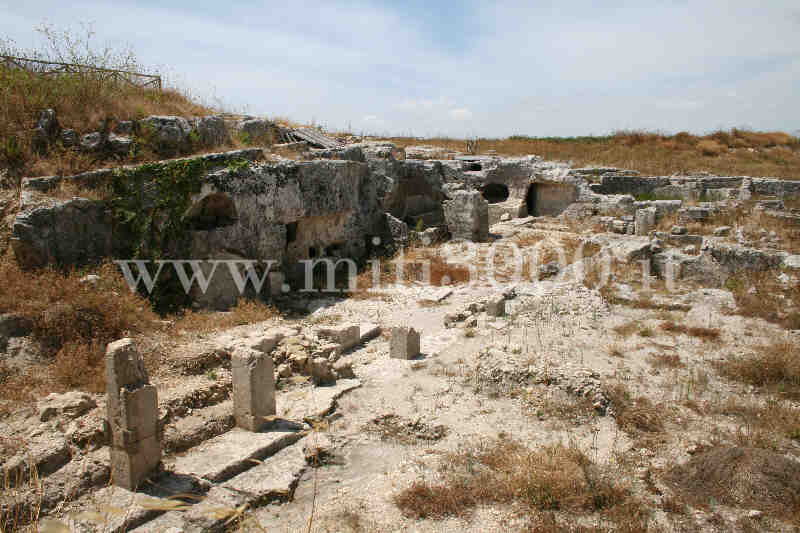
Giunti in alto alla confluenza con il Corso Vittorio Emanuele, aiutati da un'indicazione, proseguiamo verso la zona archeologica tra due file di case ancora più basse e semplici di quelle precedenti. Brevi tornanti, fiancheggiati da corti muri a secco, conducono ad uno spiazzo in leggera pendenza da dove non è più possibile proseguire.
Una soglia, sorretta da due brevi spallette di pietra squadrata, lascia intravedere quella che a prima vista sembra essere una biglietteria. Invece, la prima sorpresa è la gratuità della visita ad un sito che, seppur limitato come estensione, sintetico e completo com'è, si veste di grande fascino e interesse. (Dal 2006 l'ingresso è a pagamento)
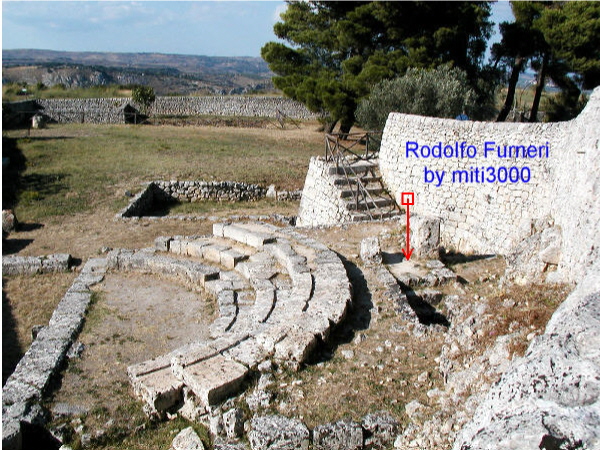
Un corto sentiero di terra battuta ci porta subito a scegliere tra il percorso che a destra permette di visitare il Teatro Greco e quello che a sinistra conduce alla necropoli e ad altri monumenti del luogo.
Scegliamo di andare a destra anche perché intravediamo già i gradini del Teatro, simili a grosse e semicircolari lucertole, stese a catturare il sole di un luminoso pomeriggio d'estate, che volge lentamente ad un tramonto che si carica già di mille rossori.
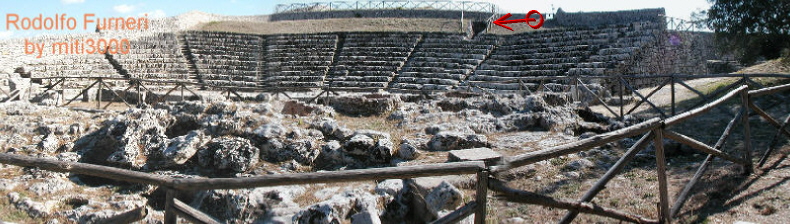
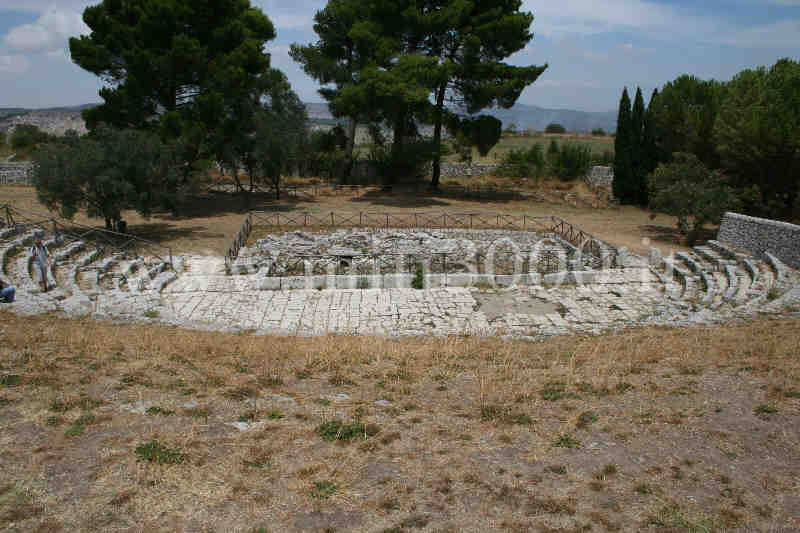
La cavea del Teatro, costruito nel III secolo a.C., presenta in buone condizioni 9 cunei e 12 gradini, oltre alla pavimentazione dell'orchestra, ben conservata, e ai resti della scena. Tutto ha dimensioni ridotte e questo permette di abbracciare con un solo sguardo l'intera struttura e di apprezzarne la geometrica perfezione che aveva come scopo principale l'ottenimento di un'acustica eccezionale.
Un sussurro, un bisbiglio, un rantolo che poteva significare una carica emotiva che un attore intendeva trasmettere al pubblico attraverso la sua recitazione, veniva amplificato per far sì che anche gli spettatori degli ultimi gradini percepissero e seguissero i dialoghi, spesso palpitanti, delle tragedie che venivano rappresentate.
Spontaneo ci sorge il desiderio di salire su per i gradini per potere dominare dall'alto questo piccolo gioiello, simbolo della civiltà e della grande cultura greca. Con un profondo respiro ci facciamo piacevolmente invadere dalla brezza che sale, piena di frescura, dal profondo di valli vicine.
Lo sfondo, quinta fondamentale del palcoscenico, era delimitato da una fila di alberi (oggi ci sono dei pini) che, spezzando l'uniformità dello spazio e del paesaggio, lo arricchivano di piani, dando nel contempo spessore e volume agli oggetti e agli attori che si muovevano sulla scena.
Il sole basso e radente del pomeriggio inoltrato allunga adesso le ombre, dando, attraverso una maggiore consistenza delle forme, un aspetto vivo e palpitante.
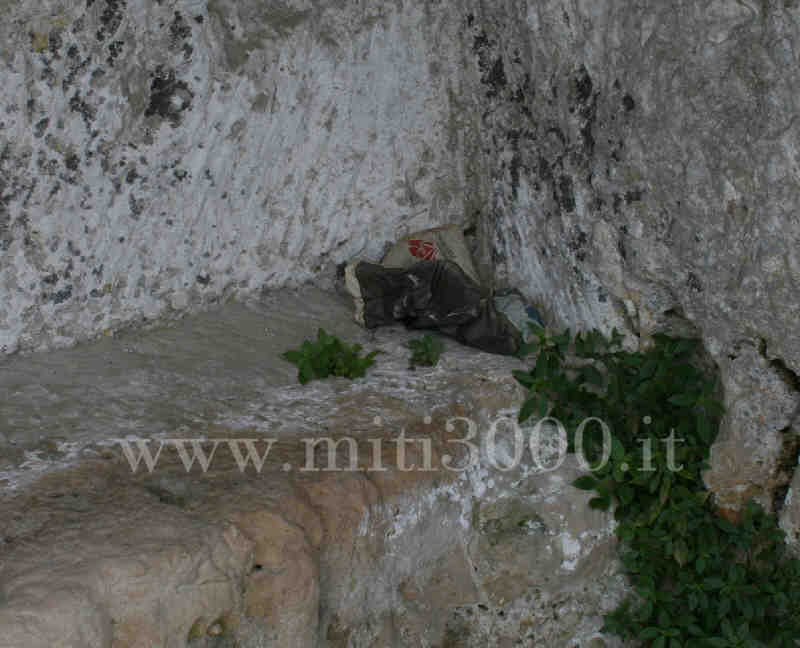
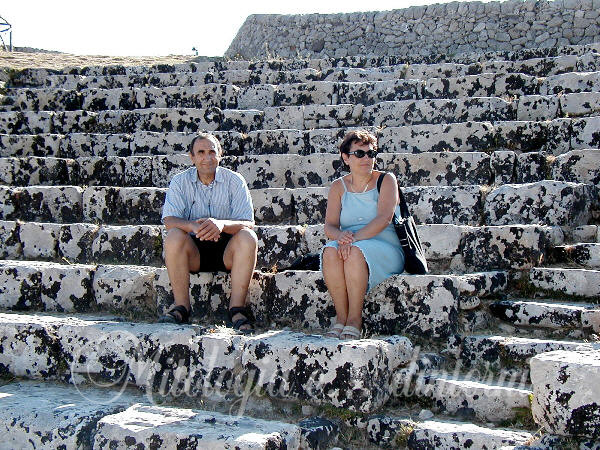
I gradoni dove sedevano gli spettatori sono rivestiti di macchie nere, screziate di giallo. Il lavoro millenario della Natura, che ha aggredito quel calcare inizialmente candido, è chiaramente visibile come il risultato di un periodo che ha attraversato gli ultimi 23 secoli.
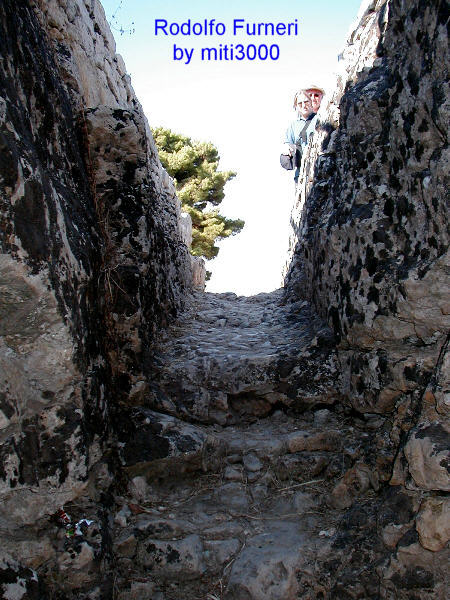
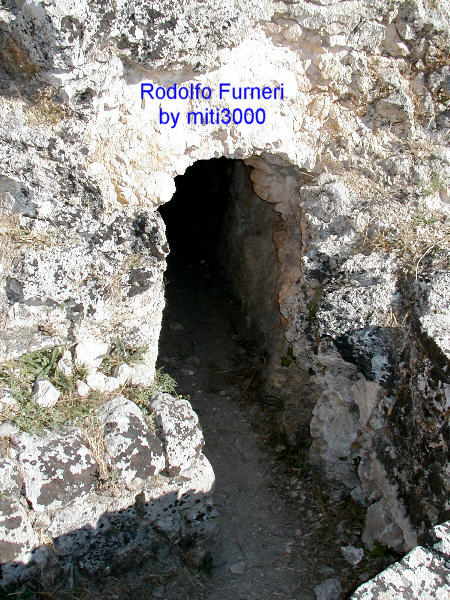
Sul fianco sinistro, seminascosto alla vista dal profilo del margine laterale destro dei gradini, si nota appena una discesa stretta, ripida e incassata che conduce ad una piccola galleria, talmente bassa che bisogna piegarsi sulle ginocchia con il nostro carico di fotocamere per poterla attraversare.
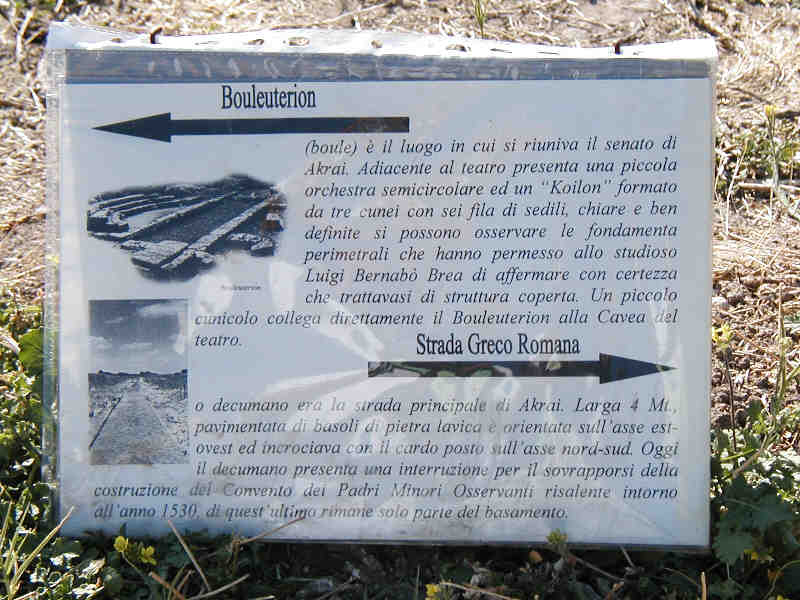
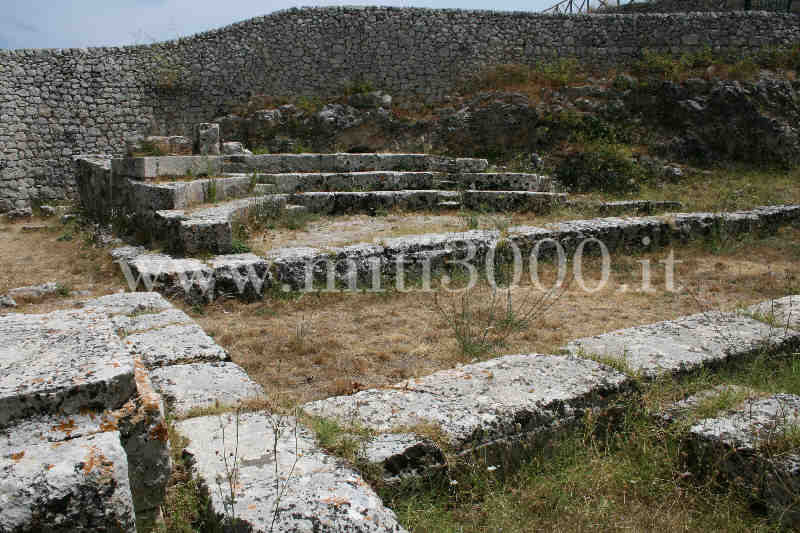
Ma la scoperta di un altro elemento importante del sito ci ripaga ampiamente della breve fatica. Uscendo infatti dalla galleria ai nostri occhi si presenta subito il Bouleuterion, la sede del Senato, dove si riunivano i maggiorenti della città. Cippi squadrati e disposti in ordine semicircolare testimoniano di un luogo dove le discussioni su decisioni e provvedimenti da adottare dovevano essere accese ed animate.
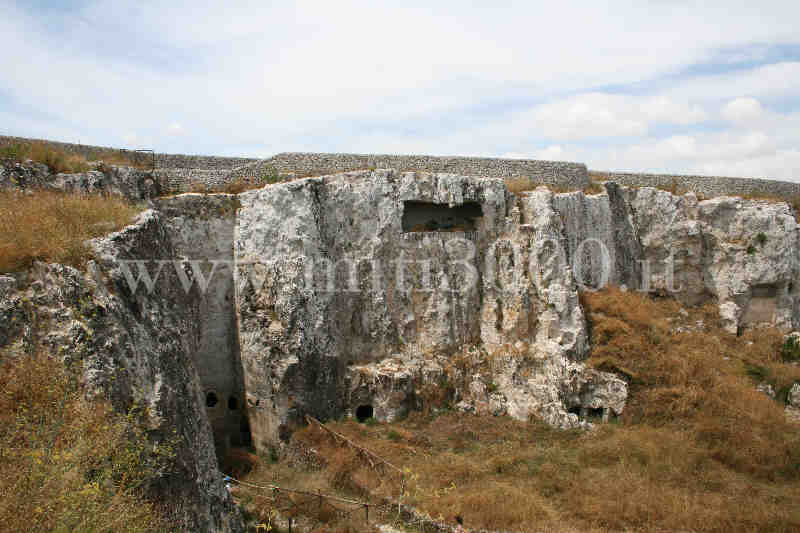
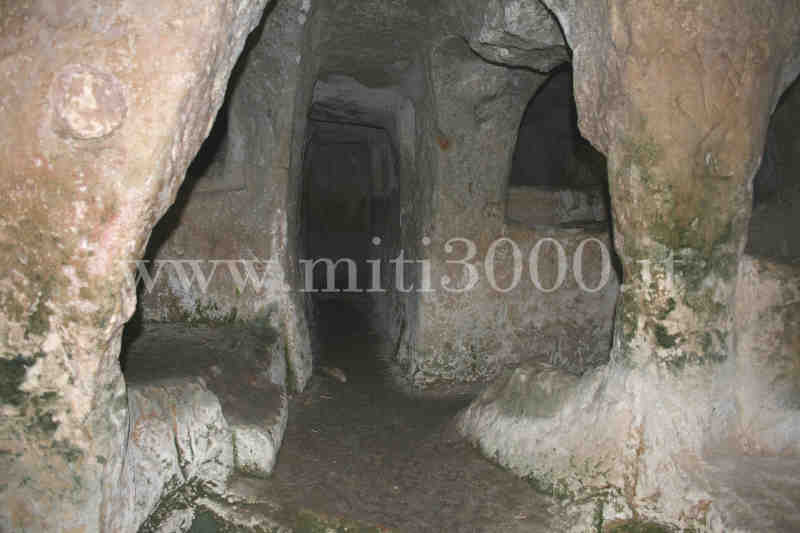
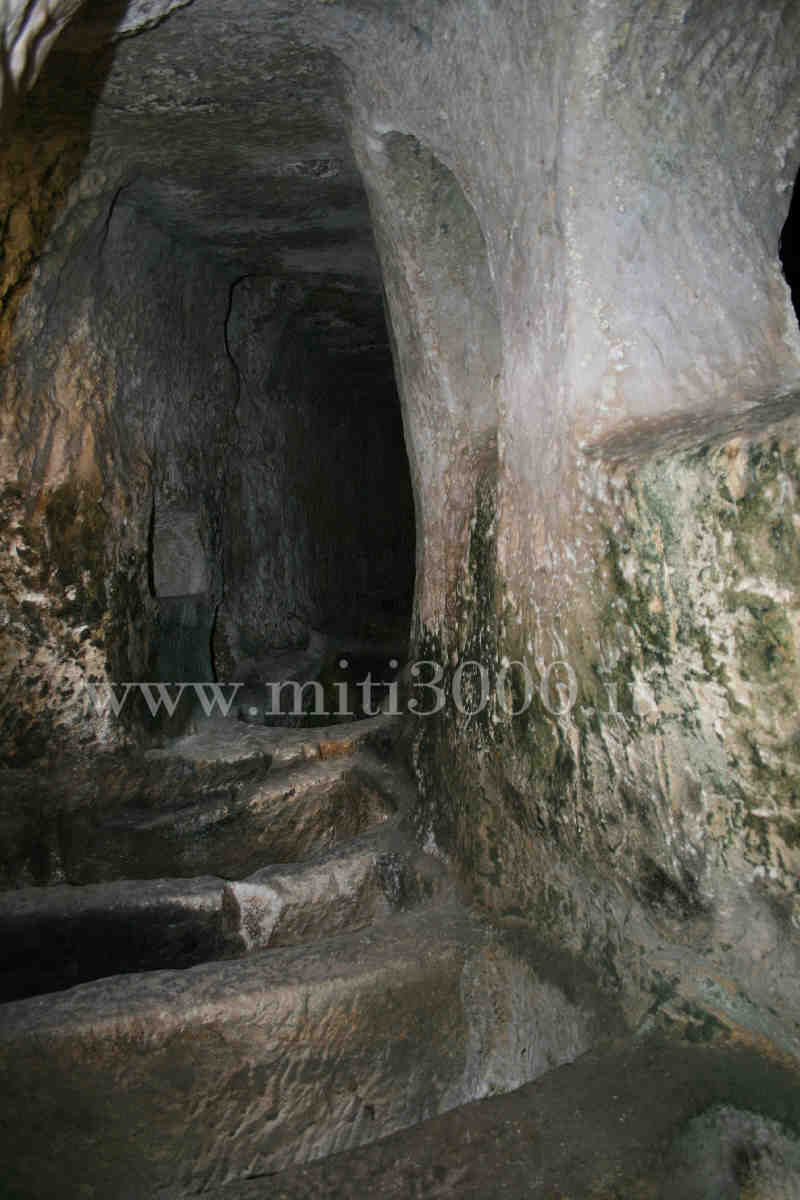
Attraversiamo la pavimentazione del Teatro in basso e ritorniamo al sentiero iniziale. Stavolta pieghiamo a sinistra e scendiamo nella necropoli Intagliata e Intagliatella. Scendere è il termine più appropriato perché assomiglia quasi ad una discesa agli Inferi, circondati come siamo da resti di tombe. Sembra di sentire riecheggiare il Foscolo e un passo, in particolare, della sua celebre poesia I sepolcri
"…nel suo grembo materno ultimo asilo
porgendo, sacre le reliquie renda
dall'insultar de' nembi e dal profano
piede del vulgo, e serbi un sasso il nome
e di fiori odorata arbore amica
le ceneri di molle ombre consoli. …".
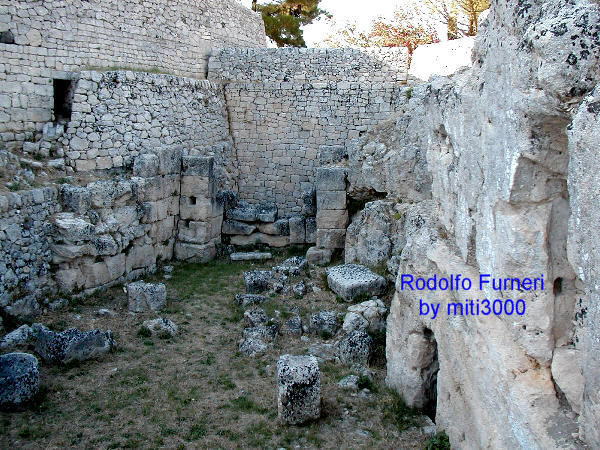
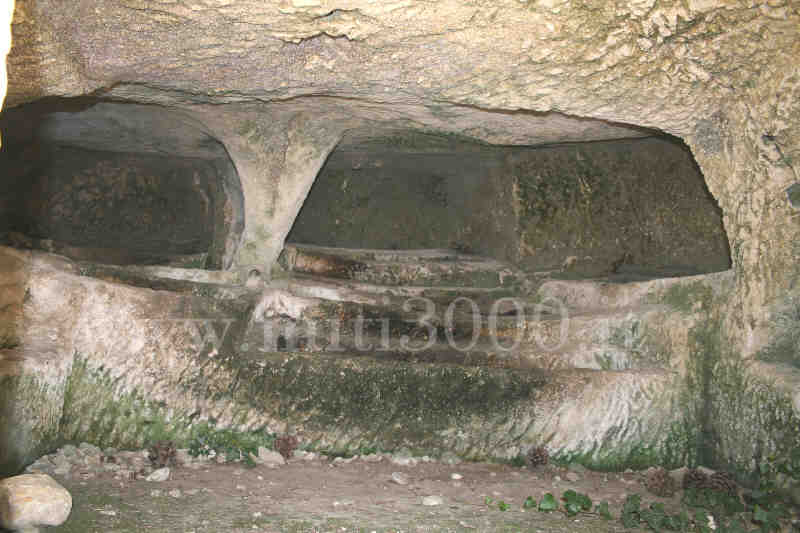
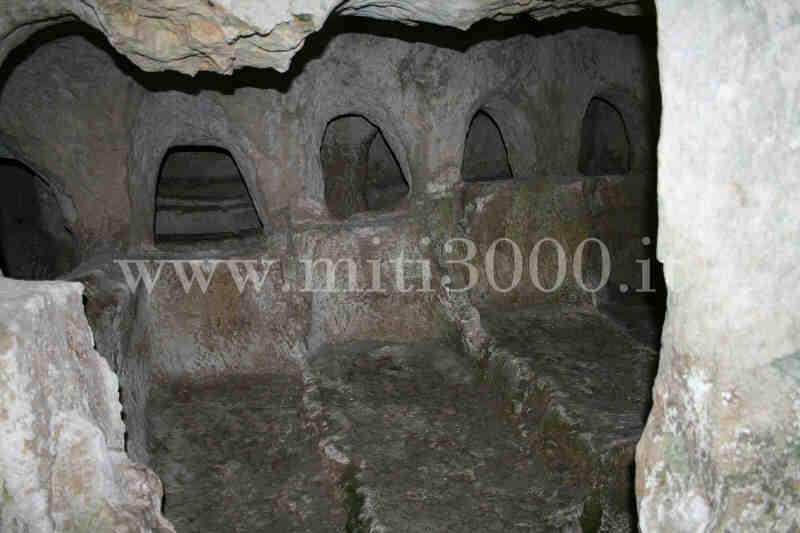
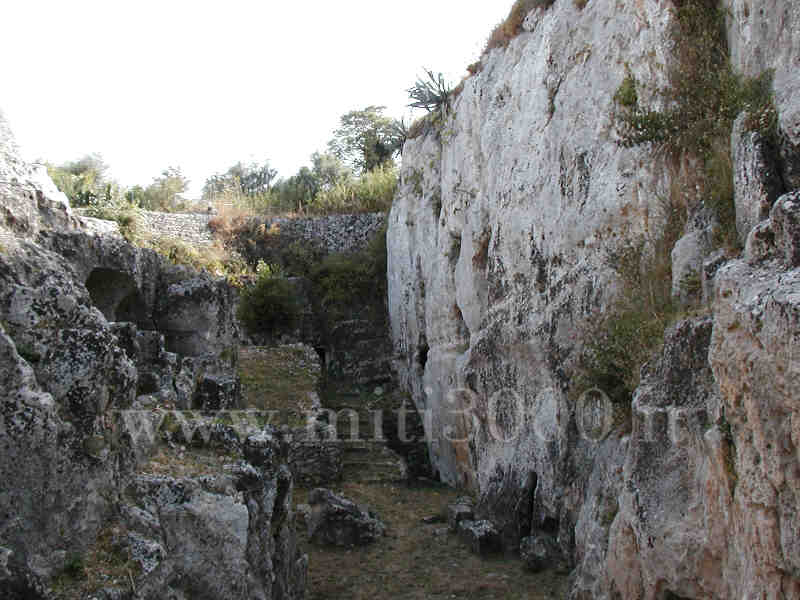
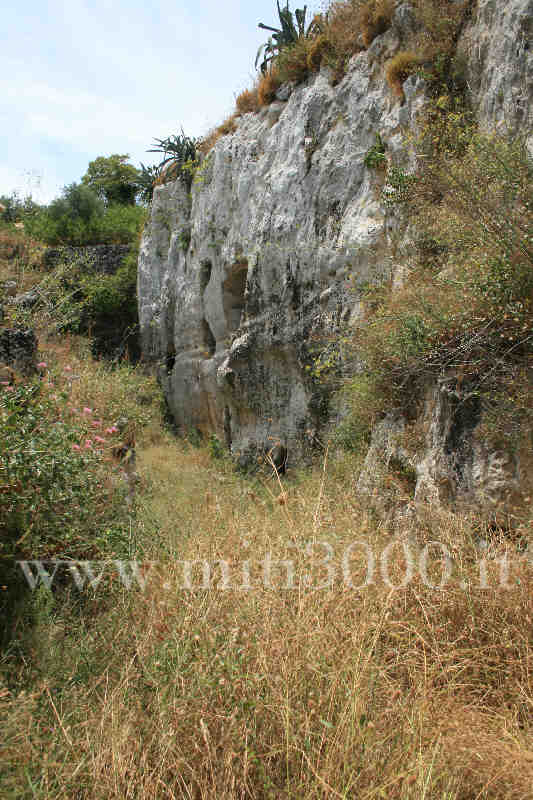
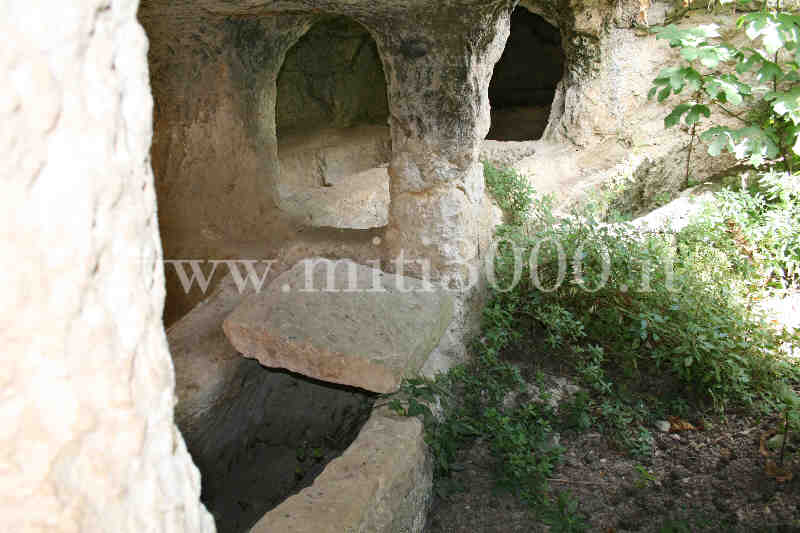
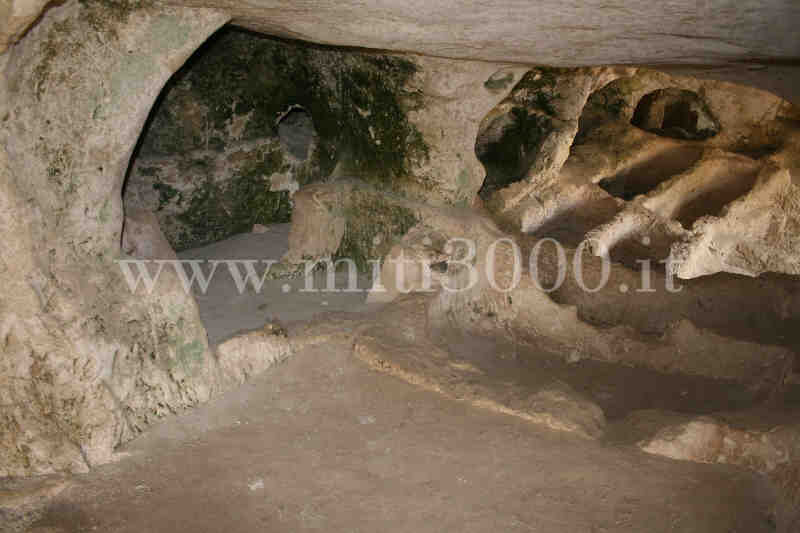
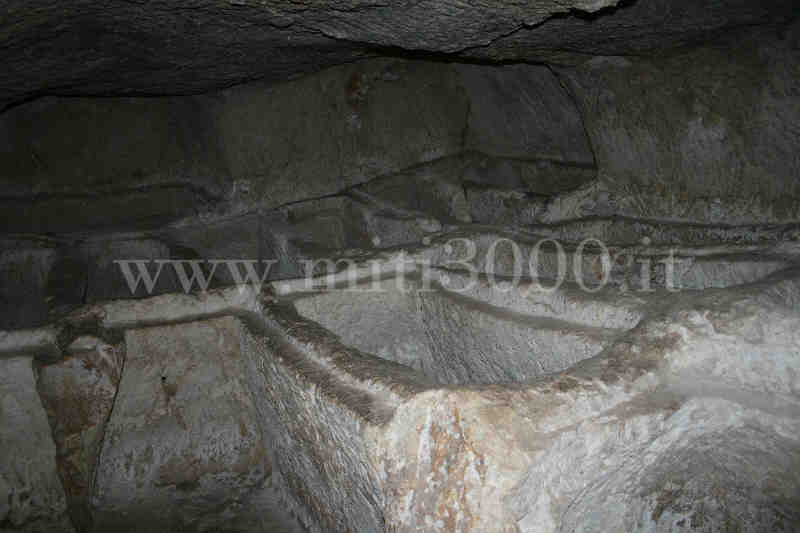
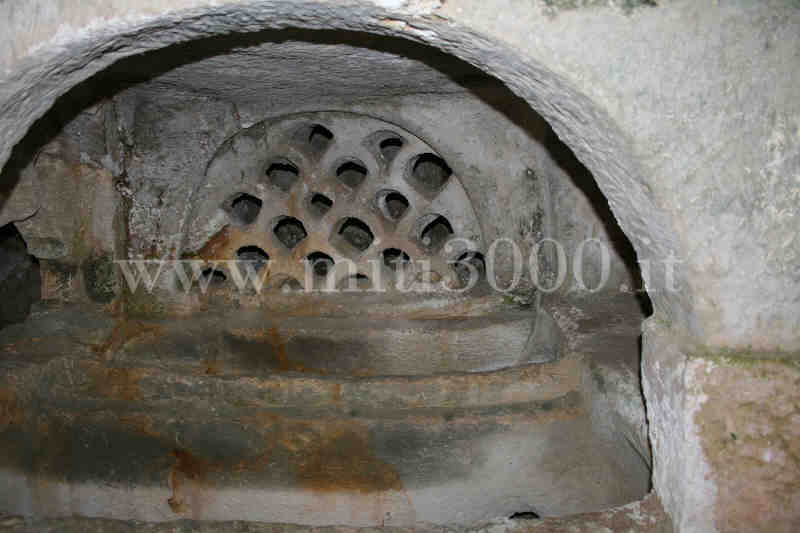
Grotte artificiali, scavate nella tenera roccia calcarea, si presentano costituite da una serie di camere dove venivano sepolte intere famiglie, come nelle cappelle dei nostri cimiteri. Con tenerezza e malinconia scopriamo un piccolo particolare: i giacigli su cui venivano deposti i corpi dei bambini defunti che si differenziano per le dimensioni più ridotte.
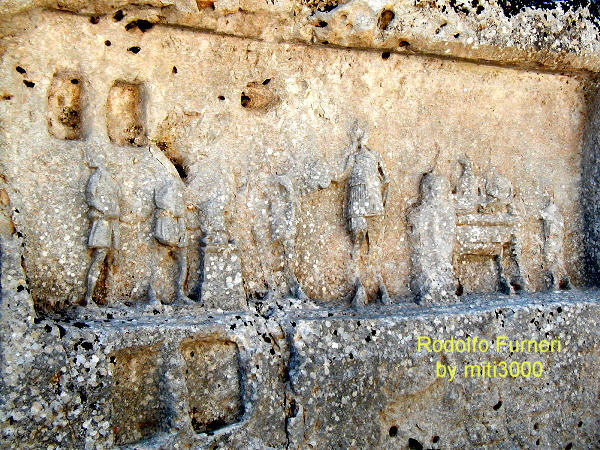
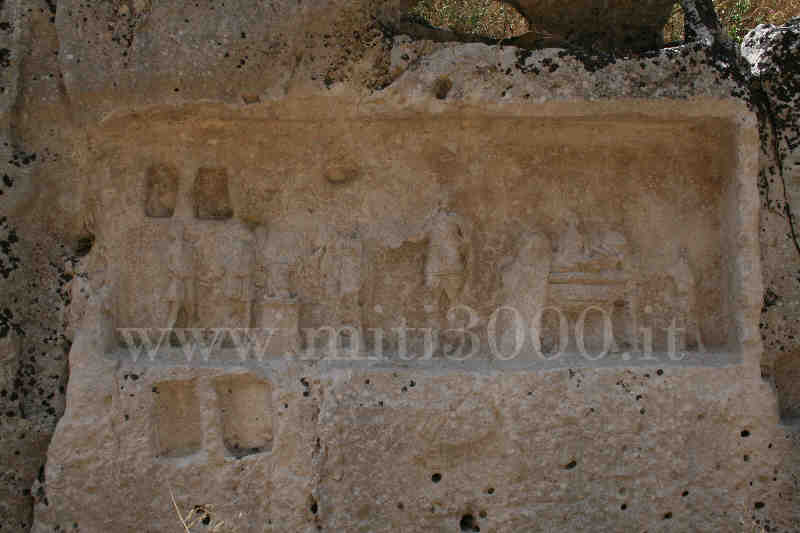
Un bassorilievo rupestre, raffigurante l'Eroe (altra foto) banchettante e sacrificante, impreziosisce le pareti nude, ricoperte in tante altre zone da incavi che contenevano tavolette votive da dedicare al culto degli Eroi.
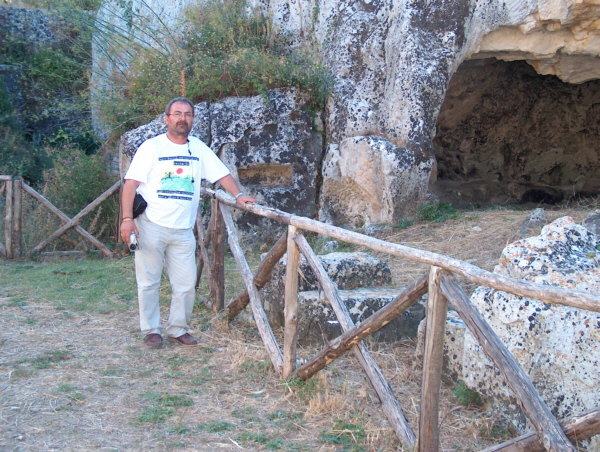
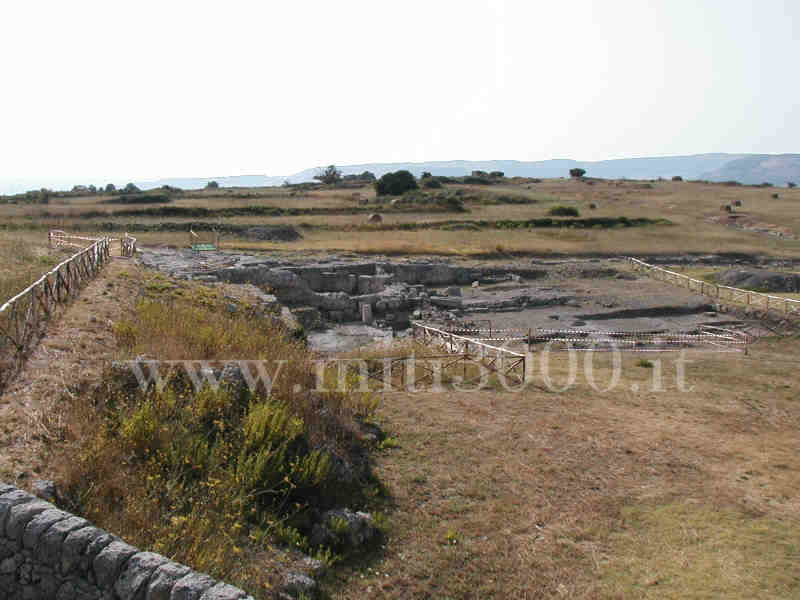
La visita prosegue, scoprendo altri monumenti prospicienti l'area principale del sito, come il Tempio di Afrodite, (vedi 2, 3.) di cui rimane solo il basamento e la zona dei Santoni, rozze ma accattivanti sculture rupestri dello stesso periodo, risalenti alla costruzione del Teatro, dedicati al culto della dea Cibele.
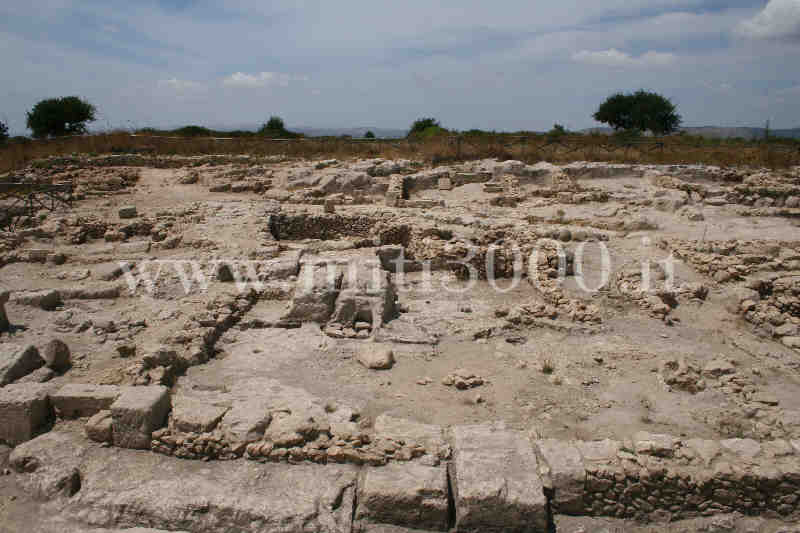
Nel versante nord del Tempio di Afrodite sorgeva l'agorà. I Templi Ferali, rivestiti da altre nicchie votive, vicini ad un'altra necropoli completano il nostro percorso archeologico.
Il sito ci ha molto affascinati e prima di andare via gli rivolgiamo un ultimo sguardo, insieme alle colline brulle e increspate dal grigio dei calcari che affiorano incombenti su valli fluviali strette e incassate, modellate dal ritmo incessante del tempo.
Como, 20 settembre 2004.
Tino Insolia
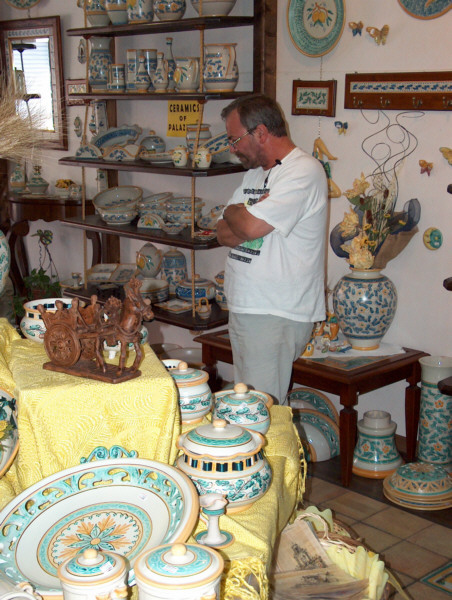
Recandosi a Palazzolo Acreide, è obbligatoria una sosta presso La bottega dell'arte di Paolo Giliberto. Nella bottega è possibile ammirare ceramiche lavorate ancora oggi secondo i canoni degli antichi ceramisti!
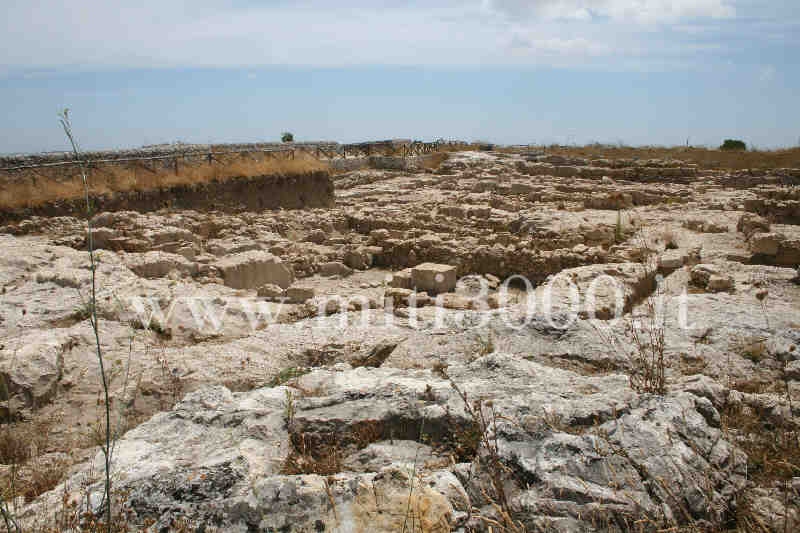
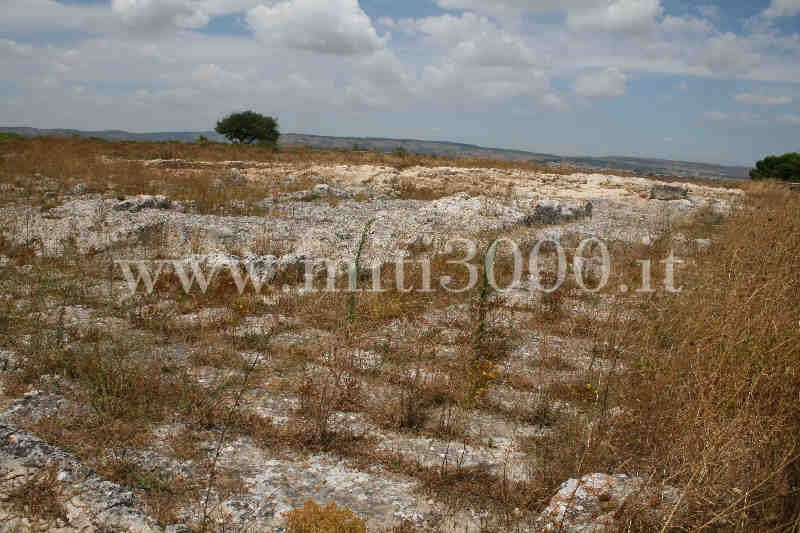
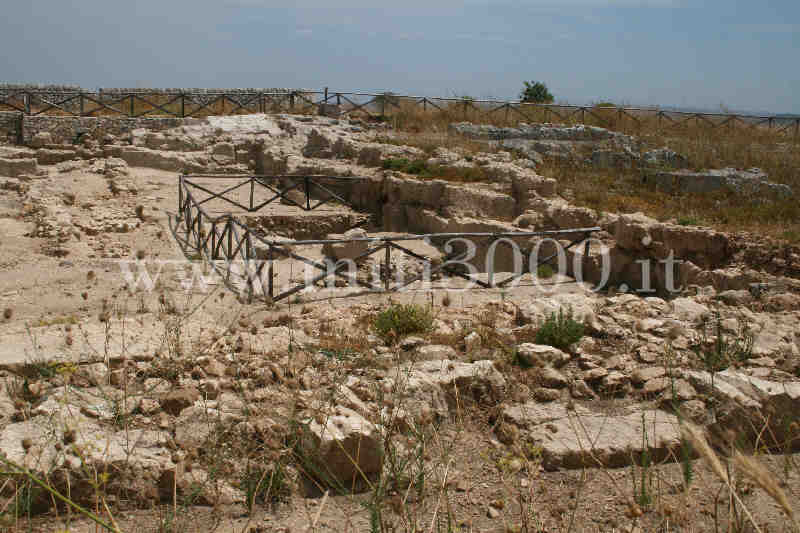
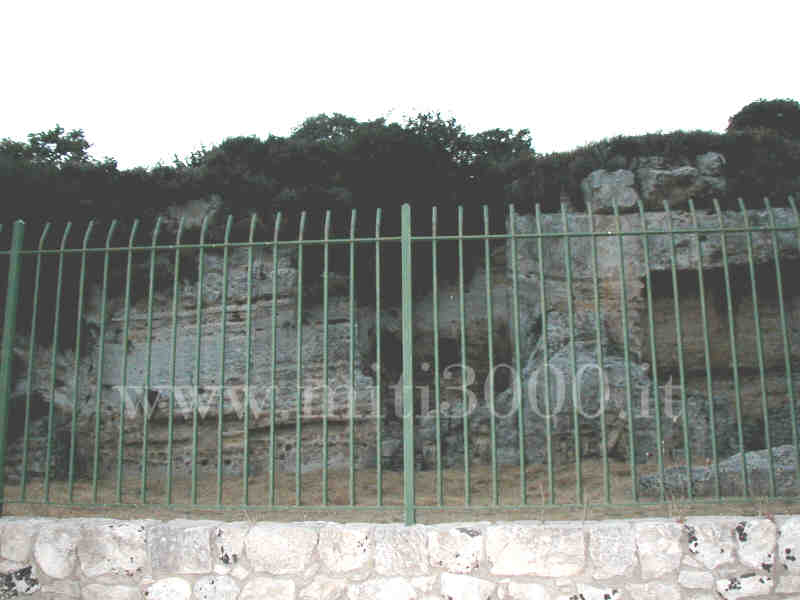
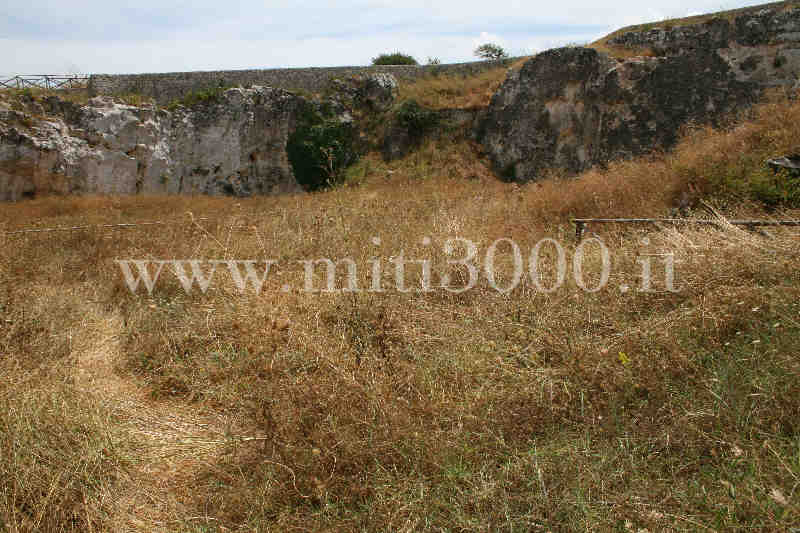
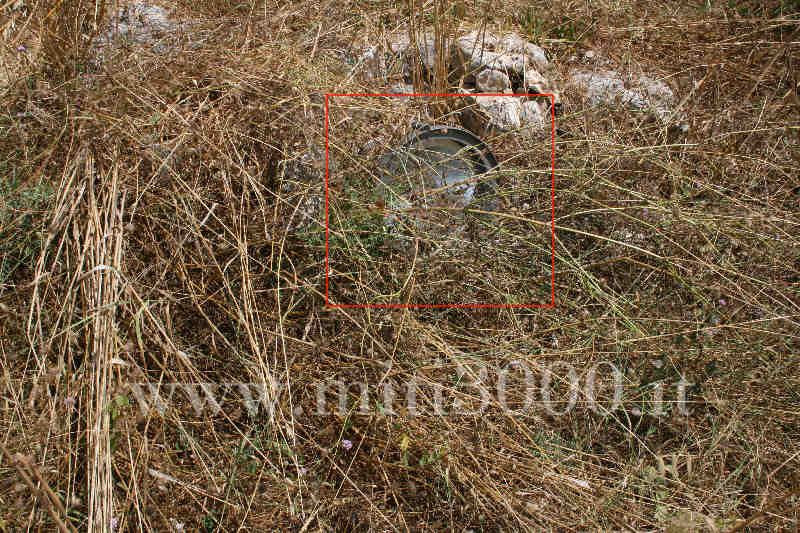
Nella nuova visita effettuata l'11 agosto 2007 sono state scattate nuove foto e si sono rilevati sia dei miglioramenti che dei peggioramenti nella gestione del sito. Uno dei miglioramenti consiste nel completamento degli scavi e dei restauri che hanno permesso la totale visita del sito. I peggioramenti stanno nella manutenzione del sito, ecco alcuni esempi: non ci sono più i cartelli descrittivi dei monumenti, le erbacce sono più alte dei visitatori e coprono anche i fari d'illuminazione. In queste due foto si può notare come il sito manchi di manutenzione, foto1 (con ingresso gratuito), foto2 con (ingresso a pagamento). Come nella maggior parte dei siti italiani, la biglietteria manca di mappe.
Altre vedute del sito:
Agorà
Bouleterion.
Intagliatella, tomba a tugurium, anche dette a baldacchino
Intagliatella, tomba a tugurium, anche dette a baldacchino
Intagliata, tombe a tugurium
Intagliata, tombe a tugurium
Intagliata, tombe a tugurium
Intagliata, tombe a tugurium
Un grazie particolare all'amico Tino Insolia e alla moglie Rosanna per il contributo datomi per la realizzazione delle pagine dedicate a Siracusa e a Palazzolo Acreide. Senza la loro guida, molti luoghi mi sarebbero sfuggiti.
Visualizzazione ingrandita della mappa