SEGESTA o Egesta
Sorgeva sul monte Barbaro nella Sicilia nord-occidentale, centro degli Elimi e fortemente ellenizzata, in greco era chiamata Egesta. Di leggendaria origine troiana, la si faceva risalire ad Aceste o Aegesto figlio di una donna troiana, questo era nato in Sicilia, ma da adulto si recò a Troia, dove dopo la distruzione della città da parte dei greci, fece ritorno in Sicilia accompagnato da Elimo e da una colonia di fuggiaschi. Inizialmente Aegisto abitò a Erice e dopo spostatosi sul monte Barbaro fondò Segesta (1100 a.C. ca.). Un'altra tradizione vuole che il nome della città derivi dalla Ninfa Egesta che aveva dato ospitalità ad Enea durante il suo girovagare. Alimentata dal fiume Crimiso, i Troiani chiamarono Scamandro il tratto di fiume più vicino alla città e Simoenta quello più lontano. Spesso in conflitto con la vicina e dorica città di Selinunte (nel 580 e nel 454 a.C.), la sua richiesta d'aiuto ad Atene offrì il pretesto per l'attacco ateniese contro Siracusa (415 a.C.), schierata con Selinunte. Un successivo appello di Segesta ai cartaginesi ai quali rimase soggetta, si risolse con la distruzione di Selinunte nel 409 a.C. Agatocle di Siracusa nel 307 a.C. la distrusse e vi insediò una colonia militare (Diceopoli), ma essa riacquistò presto la libertà; nel 260 a.C., durante la prima guerra punica, passò dalla parte dei romani, questi in ricordo dei comuni antenati trattarono Segesta con grande generosità concedendole il "Civitas libera" e esentandola da tributi. Nel corso del I sec. a.C. decadde vertiginosamente. Nell'Eneide Virgilio la chiamò Acesta. Nel Medioevo il luogo venne definitivamente abbandonato.
LE ROVINE CLASSICHE
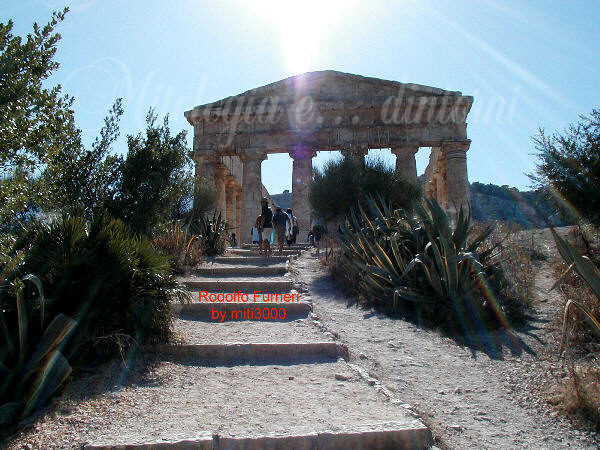
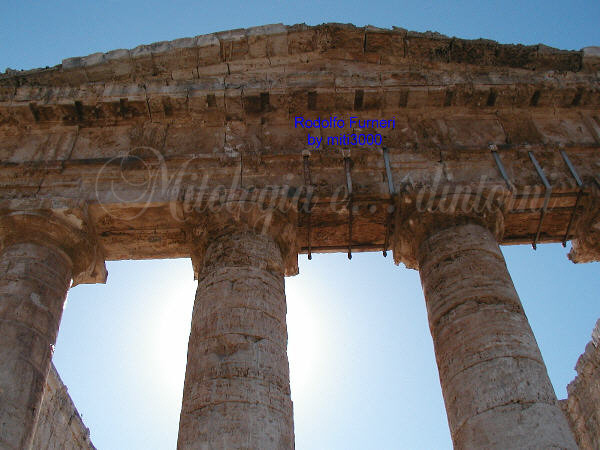
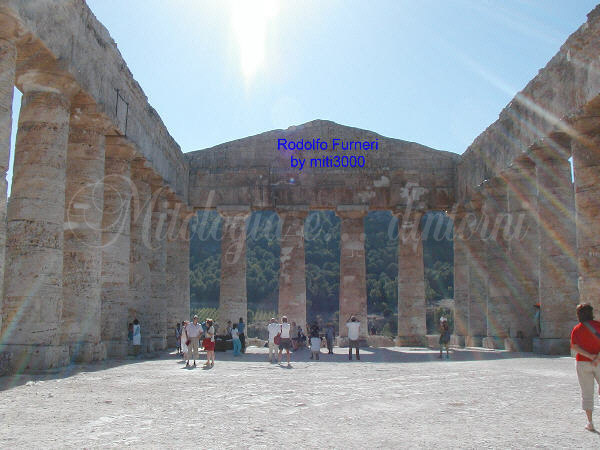
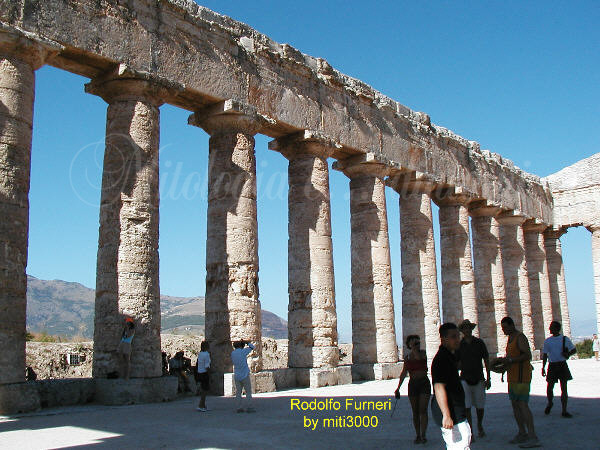
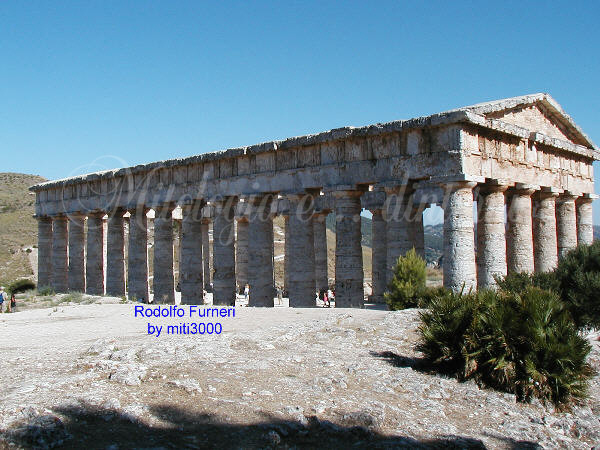
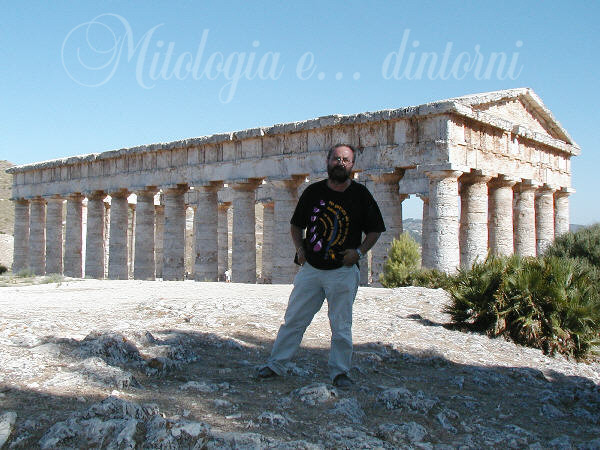
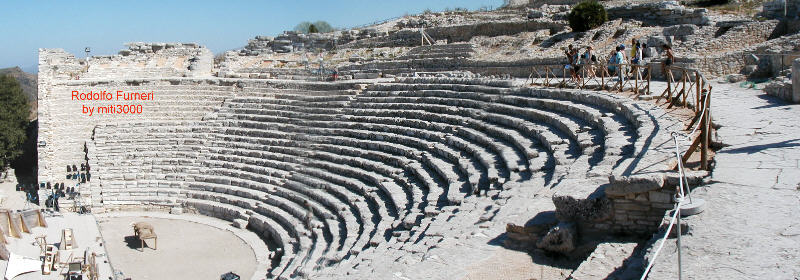
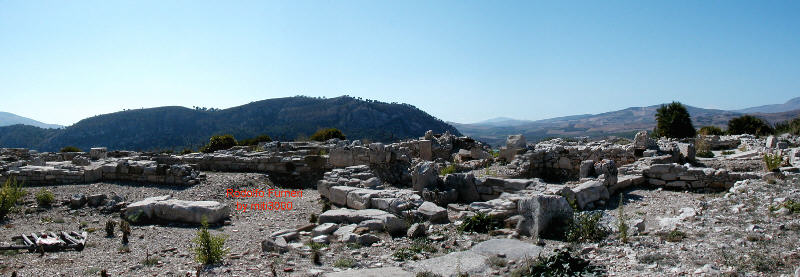
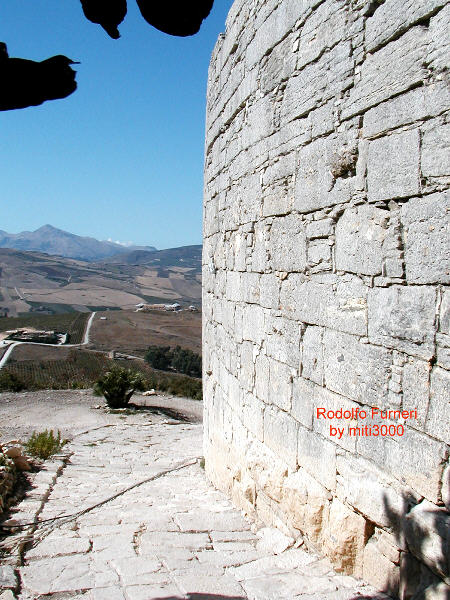
Le rovine di Segesta, occupano due cime (430 m ca.) del monte Barbaro, difese naturali, si trovano a qualche chilometro dalla costa, in vista del mare, in una posizione molto suggestiva. Dell'impianto urbano non si conosce quasi nulla. Rimangono il teatro ellenistico (III secolo a.C.) e i resti di un grande santuario di età arcaica e classica. Il grande tempio dorico, tra i meglio conservati della Sicilia, rimasto incompiuto (metà del V secolo a.C.). La costruzione del tempio probabilmente fu interrotta per l'invasione cartaginese, il tempio presenta 6x14 colonne e appare senza cella, questo fa supporre che si trattasse di un semplice peristilio per un culto all'aperto. Nessuna traccia si è trovata della Zecca che era fra le più importanti della Sicilia.
CURIOSITÀ:
Segesta o Segezia era la dea romana che proteggeva il grano al momento del suo nascere. Segesta era anche la figlia del troiano Ippote.
SEGESTA or Egesta
It stood on Mount Barbaro in northwestern Sicily, the center of the Elymians and heavily Hellenized. In Greek, it was called Egesta. Of legendary Trojan origin, it was traced back to Acestes or Aegestus, the son of a Trojan woman. He was born in Sicily, but as an adult he went to Troy, where, after the city's destruction by the Greeks, he returned to Sicily accompanied by Elymus and a colony of fugitives. Aegestus initially lived in Eryx and later moved to Mount Barbaro to found Segesta (c. 1100 BC). Another tradition holds that the city's name derives from the nymph Egesta, who had given shelter to Aeneas during his wanderings. Fed by the Crimiso River, the Trojans called the stretch of the river closest to the city Scamander and the furthest one Simois. Often in conflict with the nearby Dorian city of Selinus (in 580 and 454 BC), its request for help from Athens provided the pretext for the Athenian attack on Syracuse (415 BC), which sided with Selinus. A subsequent appeal by Segesta to the Carthaginians, to whom it remained subject, resulted in the destruction of Selinus in 409 BC. Agathocles of Syracuse destroyed it in 307 BC and established a military colony there (Diceopolis), but it soon regained its freedom; in 260 BC, during the First Punic War, it passed to the Romans, who, in memory of their common ancestors, treated Segesta with great generosity, granting it the "Civitas libera" and exempting it from tribute. During the 1st century BC it declined rapidly. In the Aeneid, Virgil called it Acesta. In the Middle Ages, the site was finally abandoned.
THE CLASSICAL RUINS
The ruins of Segesta occupy two peaks (approximately 430 m) of Mount Barbaro, natural defenses, located a few kilometers from the coast, overlooking the sea, in a highly evocative position. Almost nothing is known of the urban layout. What remains are the Hellenistic theater (3rd century BC) and the remains of a large sanctuary from the Archaic and Classical periods. The large Doric temple, among the best preserved in Sicily, remained unfinished (mid-5th century BC). Construction of the temple was likely interrupted by the Carthaginian invasion. The temple has 6x14 columns and appears to have no cella, suggesting that it was a simple peristyle for open-air worship. No trace has been found of the mint, which was among the most important in Sicily.
CURIOSITY:
Segesta or Segetia was the Roman goddess who protected the grain at its birth. Segesta was also the daughter of the Trojan Hippotes.