Selinunte o Selinus
Diverse le città che ebbero questo nome, fra le quali Selinunte in Cilicia. Noi in questa pagina ci occuperemo della Selinunte di Sicilia. Situata sulla costa sudoccidentale, allo sbocco del fiume Selinunte (ora Madione), vicino al moderno villaggio di Marinella (Trapani). La città fu fondata verso il 628 a.C. da un gruppo di dori provenienti dall'antica città siciliana di Megara Iblea, vicino a Siracusa. Divenuta rapidamente una prospera e potente città fondò a sua volta Eraclea Minoa. Dall'inizio del VI secolo a.C. i selinuntini ingaggiarono continue guerre con la potente vicina, Segesta, la città degli elimi. Nel V secolo Selinunte e Siracusa strinsero un'alleanza militare e la richiesta d'aiuto ad Atene da parte della popolazione di Segesta, attaccata da Selinunte, fu la ragione principale della disastrosa spedizione ateniese in Sicilia nel 415 a.C. Nel 409 a.C., durante l'invasione cartaginese dell'isola, Selinunte, che era una delle città più grandi, popolose e prospere della Sicilia, fu conquistata e distrutta. Venne ricostruita, ma non ritrovò più la prosperità di un tempo e verso il 250 a.C., durante la prima guerra punica (264-241 a.C.) , fu nuovamente distrutta dai cartaginesi e i suoi abitanti vennero trasferiti nella vicina città di Lilibeo (l'odierna Marsala).
Selinunte or Selinus
Several cities bore this name, including Selinunte in Cilicia. On this page, we will focus on Selinunte in Sicily. Located on the southwest coast, at the mouth of the Selinunte River (now Madione), near the modern village of Marinella (Trapani), the city was founded around 628 BC by a group of Dorians from the ancient Sicilian city of Megara Hyblaea, near Syracuse. It quickly became a prosperous and powerful city, and in turn founded Heraclea Minoa. From the beginning of the 6th century BC, the Selinuntines waged constant wars with their powerful neighbor, Segesta, the city of the Elymians. In the 5th century, Selinus and Syracuse formed a military alliance, and the appeal for help from Athens by the population of Segesta, attacked by Selinus, was the main reason for the disastrous Athenian expedition to Sicily in 415 BC. In 409 BC, during the Carthaginian invasion of the island, Selinus, which was one of the largest, most populous, and prosperous cities in Sicily, was conquered and destroyed. It was rebuilt, but never regained its former prosperity, and around 250 BC, during the First Punic War (264-241 BC), it was again destroyed by the Carthaginians, and its inhabitants were transferred to the nearby city of Lilybaeum (modern-day Marsala).
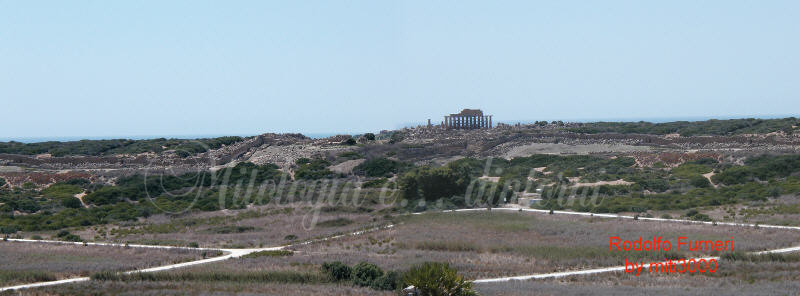
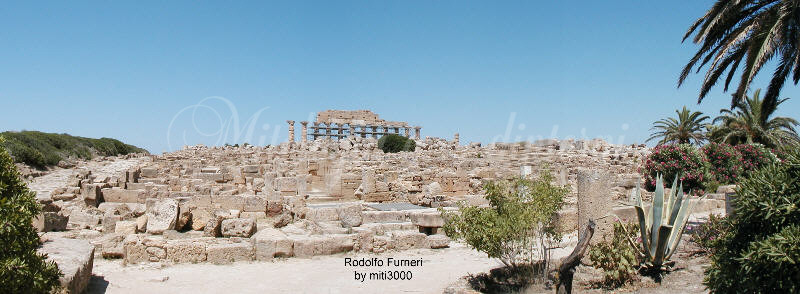
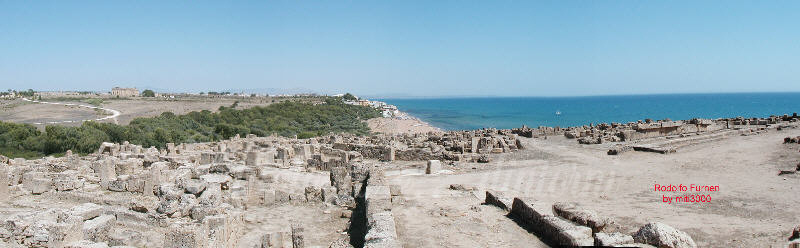
The city occupied a plateau, ending on the coast with a promontory, the acropolis, at the foot of which were two ports. Its urban plan, which dates back to the 6th century BC, is one of the oldest examples of a regular layout organized along orthogonal axes. To the east and west of the town rose two hills, occupied by important sanctuaries. The vast necropolises extended around the city.
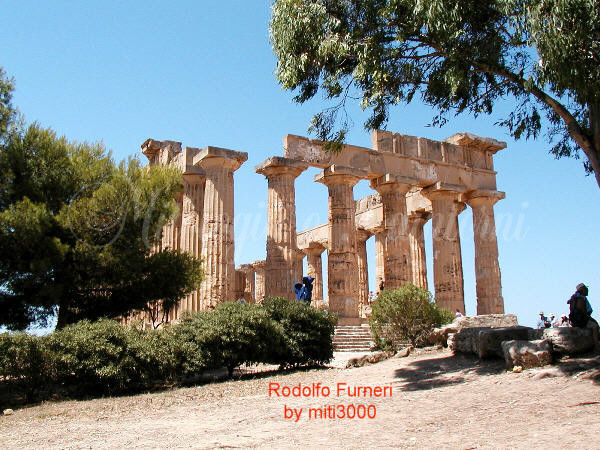
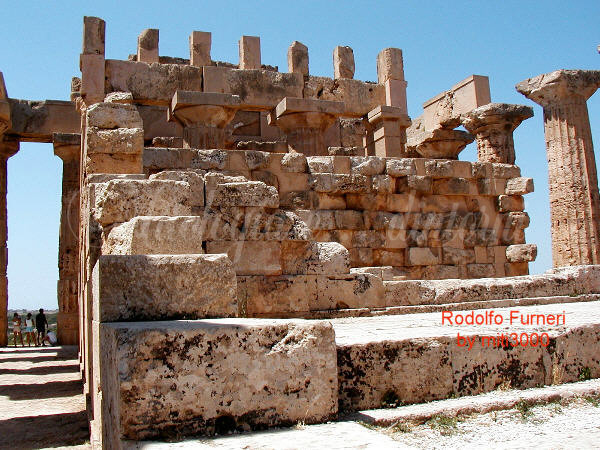
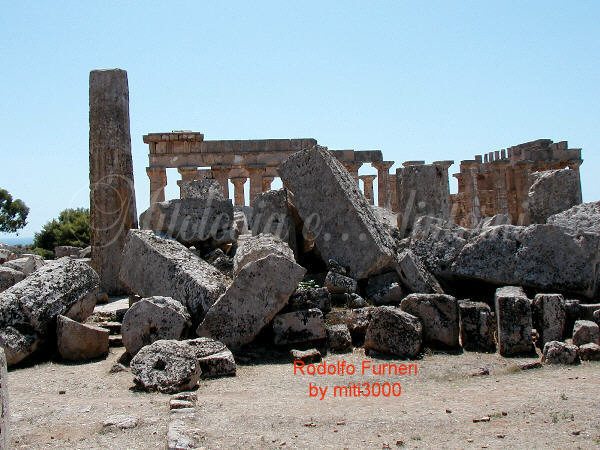
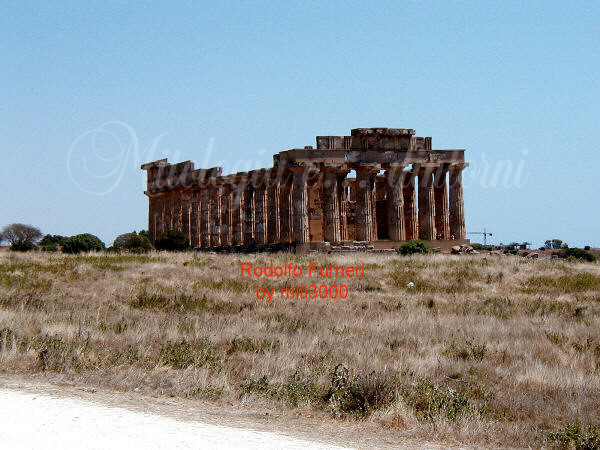
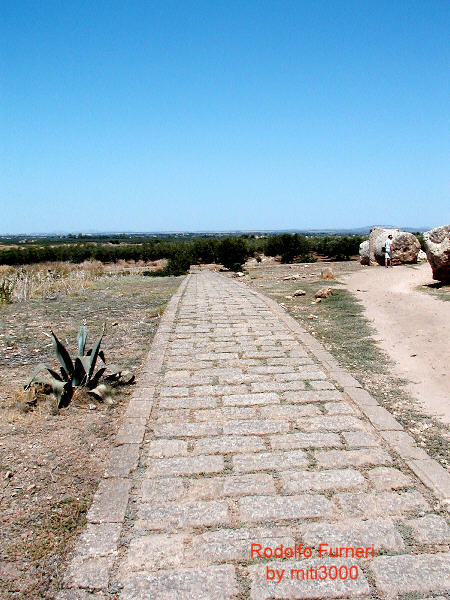
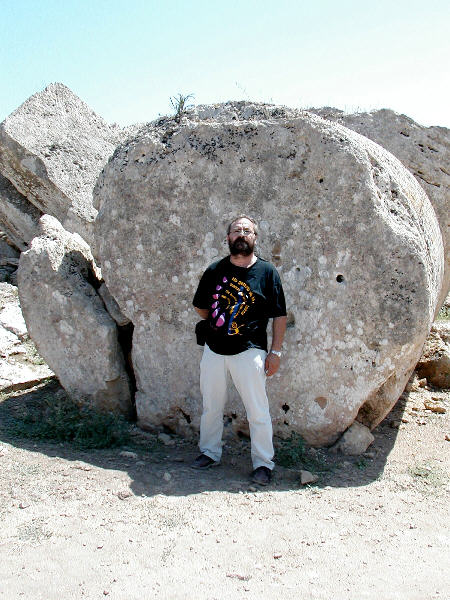
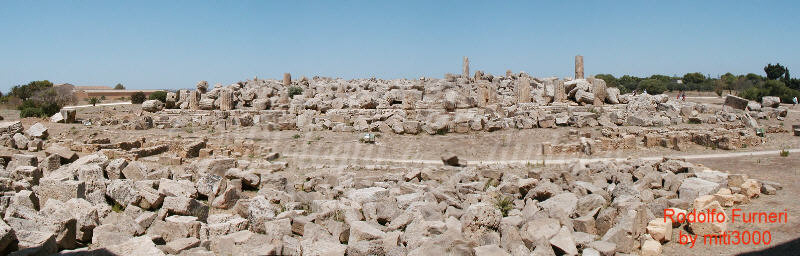
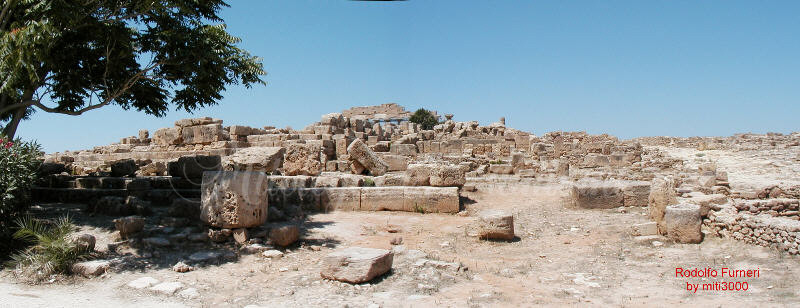
The ruins are grandiose and evocative. The walls of the acropolis and the imposing remains of several temples remain—three on the acropolis (named A, C, and D) and three to the east of the city (E, F, and G), superb examples of Sicilian Doric architecture—the deities to which they were dedicated are unknown. The colossal Temple E, perhaps dedicated to Apollo or Zeus, was one of the largest known Greek temples, about 113 meters long, 54 meters wide, and with 16-meter columns; begun around 530 BC, it remained unfinished.