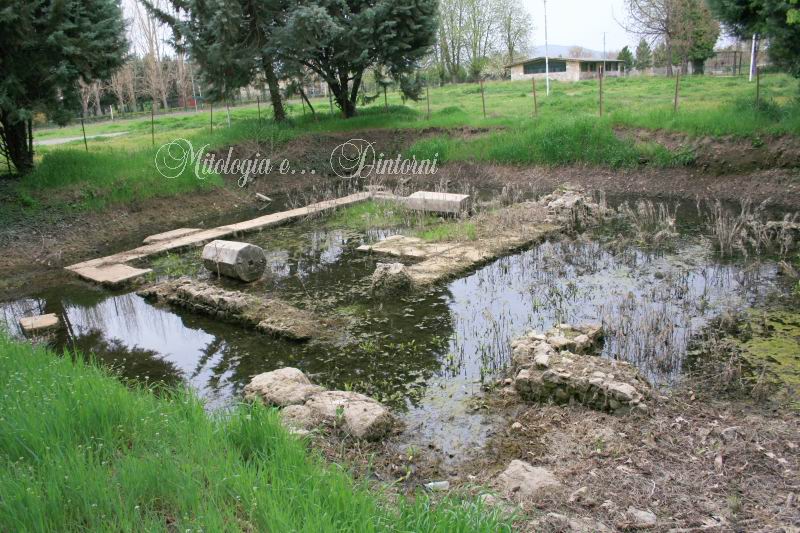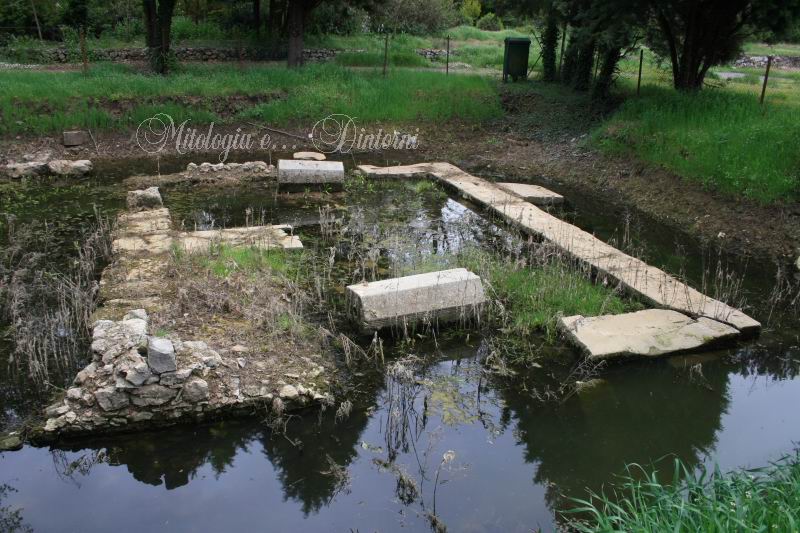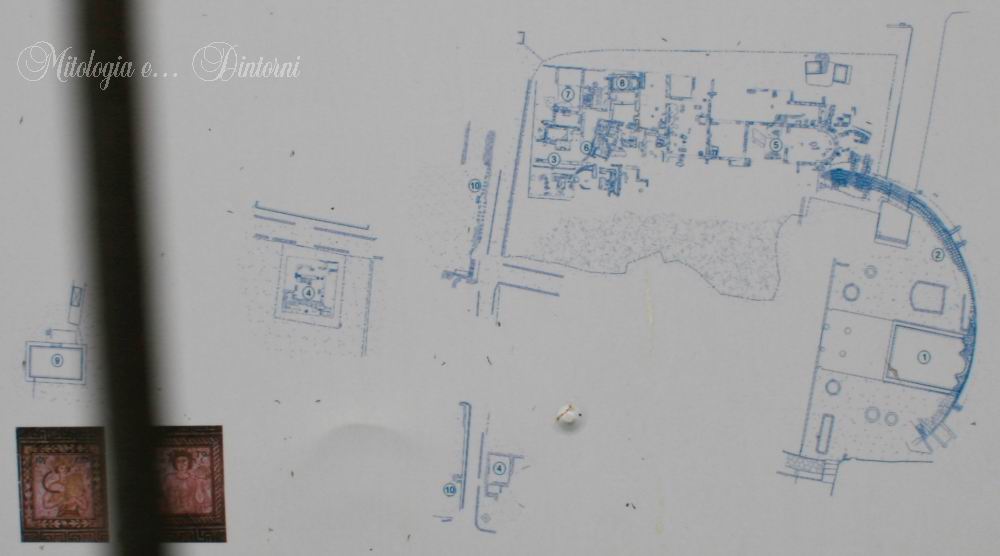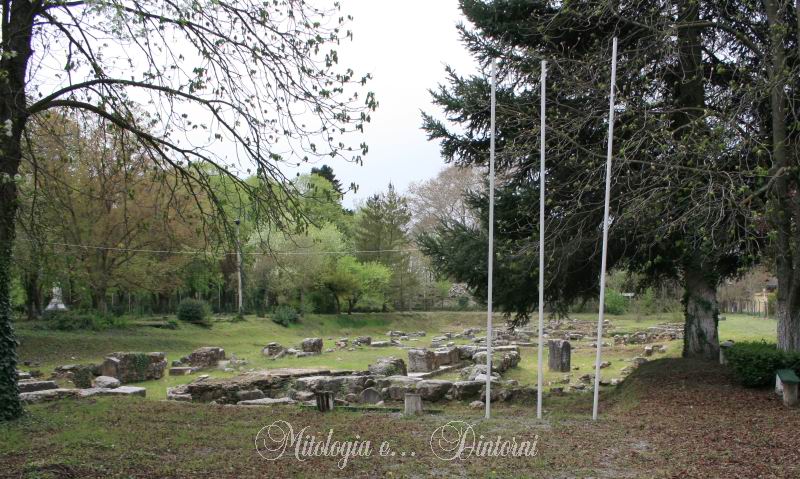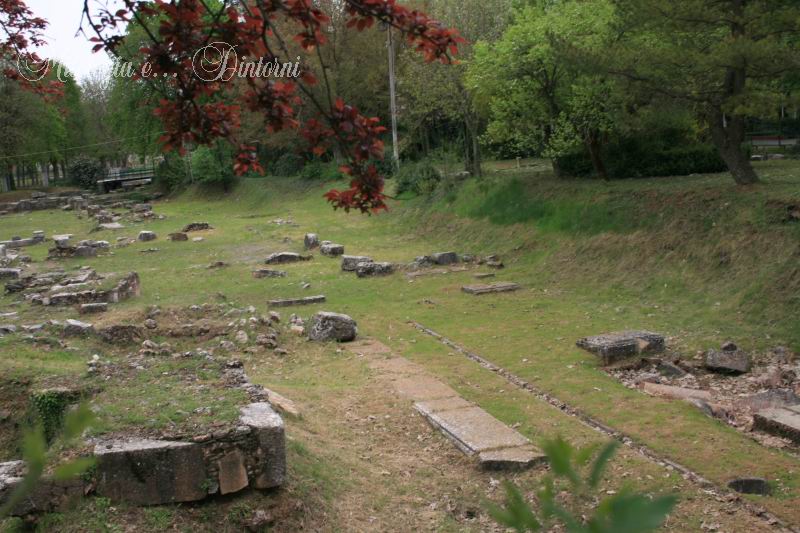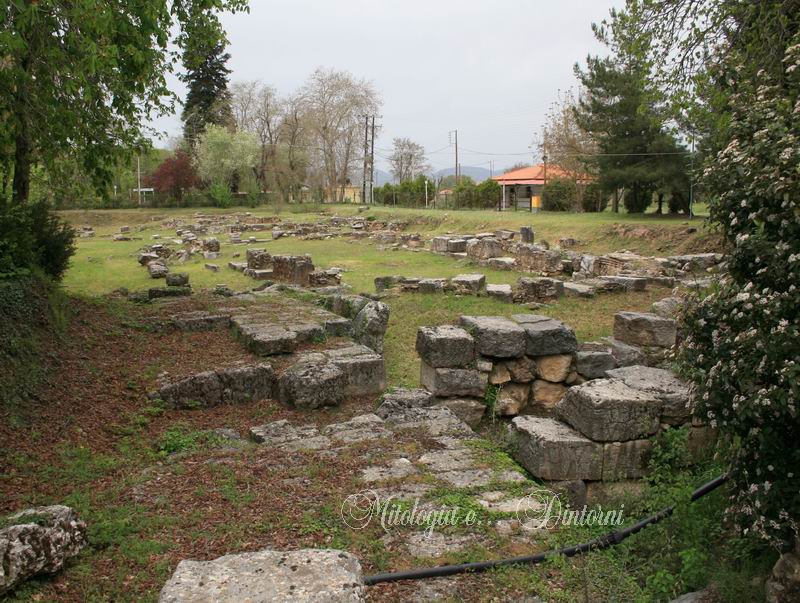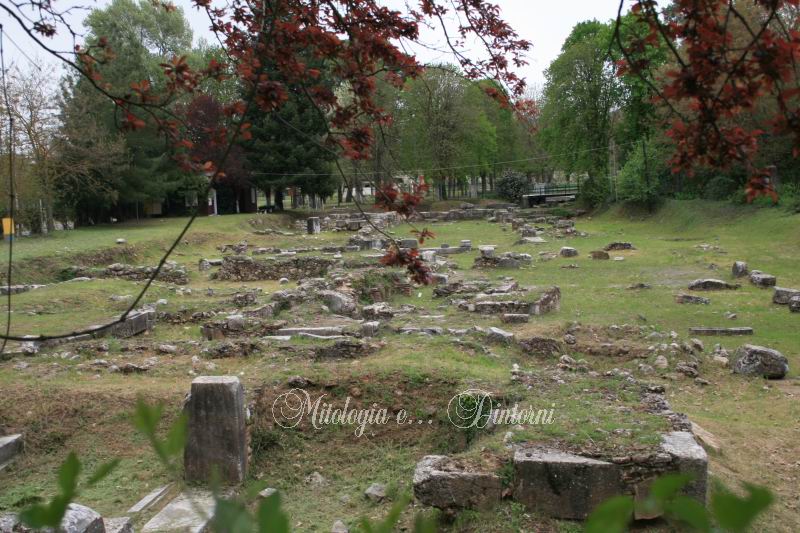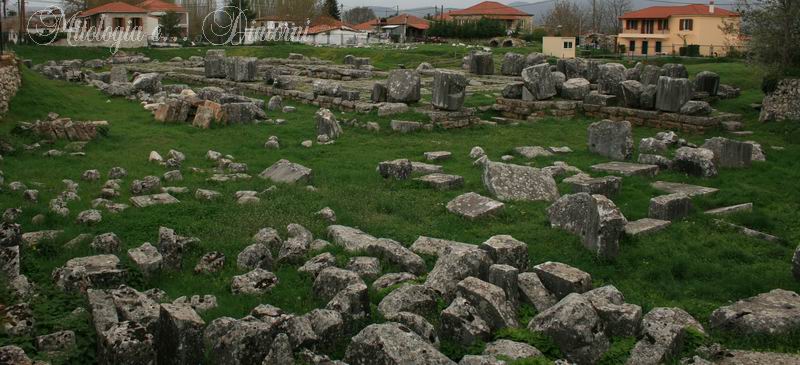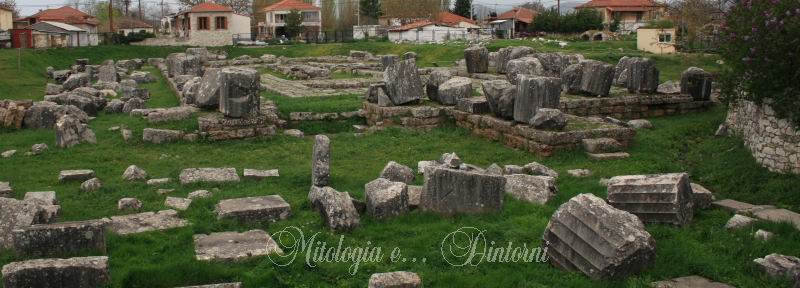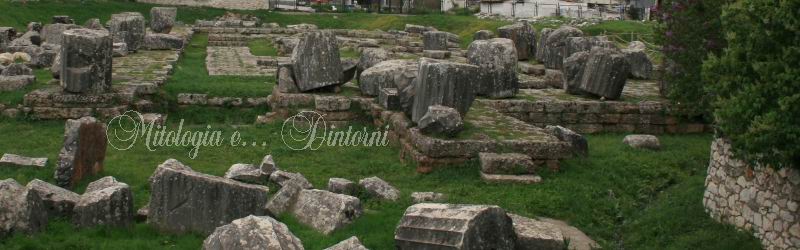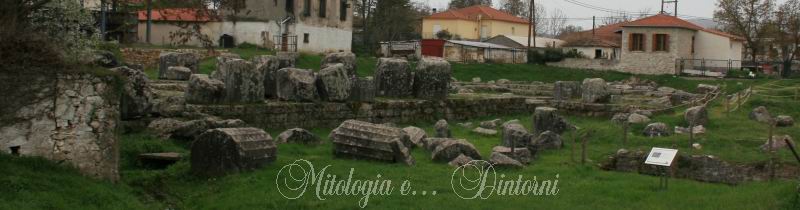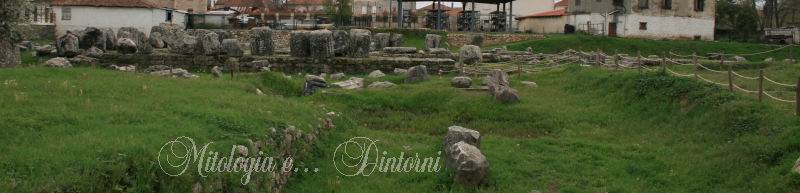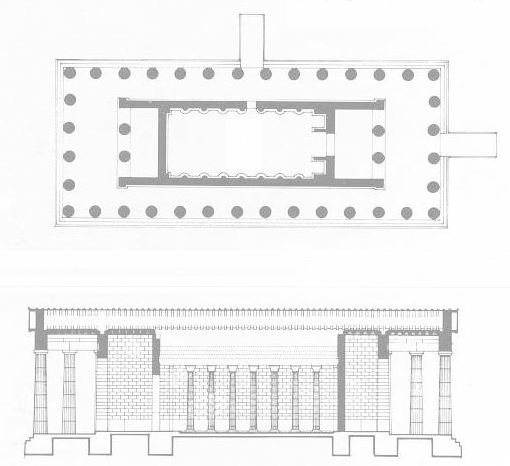
Τεγέα, antica città, posta a ca 10 km SE dalla moderna Tripoli, si estende su un altopiano originariamente occupato da 9 piccoli villaggi. Il santuario principale di Tegea, fu fondato insieme alla città dal re mitico Aleo, era il Tempio di Atena Alea e fu uno dei più importanti centri religiosi della Grecia.
Il tempio di periodo geometrico, fu famoso come asilo per fuggitivi ed esuli.
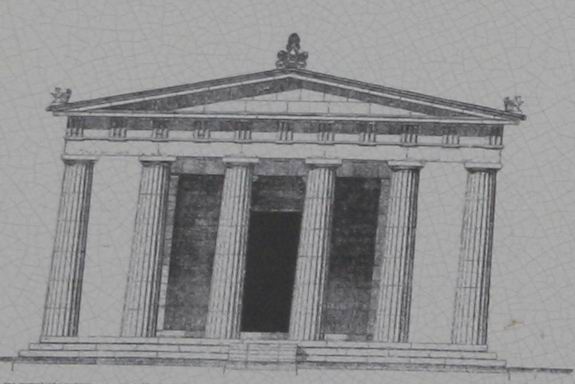
Il tempio arcaico di Atena dopo l'incendio del 395 a.C. fu ricostruito da Skopas con eleganti e raffinati decorazioni tardoclassiche, con ottime soluzioni architettoniche e meravigliose decorazioni scultoree.
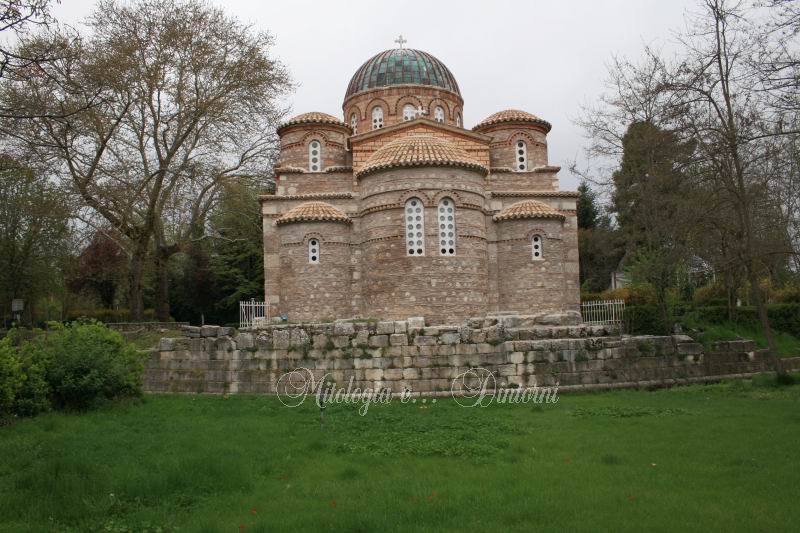
Nel V° secolo d.C. nella sua cella venne costruita una chiesa cristiana.
Tegea, fu una delle città più grandi ed importanti d'Arcadia e fu registrata nel Catalogo Omerico delle Navi.
Per la sua posizione strategica Tegea era di grande interesse per gli spartani che dopo un lungo periodo di lotta, nel 560 a.C. la costrinsero al ruolo di stato vassallo.
Contribuì alla fondazione di Megalopoli e alla formazione della Lega arcadica, a cui poi restò fedele combattendo nella battaglia di Mantinea del 362.
Prese parte alla confederazione contro la Macedonia nella cosiddetta guerra cremonidea 266 a.C., poi verso il 235 a.C. entrò nella Lega etolica;
nel 229 a.C. fu devastata da Cleomene III di Sparta;
nel 222 a.C. fu occupata da Antigono Dosone e annessa alla Lega achea;
di nuovo conquistata da Sparta nel 210 a.C., nel 207 a.C. tornò alla Lega achea, il cui stratego Filopemene raccolse a Tegea, nel 200 a.C., tutti i contingenti della Lega.
Poi, a poco a poco continuò a perdere il potere politico durante il periodo ellenistico.
Nel 395 d.C. Tegea fu distrutta dai goti, ricostruita col nome Nikli, fu una delle più importanti città bizantine del Peloponneso e nel XIII sec. divenne la sede della baronia franca di Nicle.
Adesso leggiamo alcuni stralci estratti da "Viaggio in Grecia" di Pausania
- … Eracle, giunto in Arcadia, chiese a Cefeo di unirsi all'armata, insieme ai suoi venti figli. Ma Cefeo temeva un'incursione degli Argivi, se avesse lasciato Tegea, e rifiutò quindi di unirsi alla spedizione. Eracle allora affidò a Sterope, la figlia di Cefeo, una ciocca dei capelli della Gorgone, custodita in un'urna di bronzo, che aveva ricevuto da Atena: se un'armata avesse attaccato la città, le disse, doveva esporre la ciocca sulle mura per tre volte, senza mai guardare avanti, e il nemico si sarebbe dato alla fuga…
- … Giunto poi a Tegea, Eracle sedusse Auge, senza sapere che si trattava della figlia di Aleo. La fanciulla partorì di nascosto un bambino, nel recinto sacro di Atena. Ma Aleo, dato che in quel periodo la regione era oppressa da una pestilenza, era entrato nel sacro recinto: si accorse delle grida della figlia in travaglio, e trovò il bambino. Allora lo espose sul monte Partenio. Ma la provvidenza divina salvò il bambino: infatti una cerva che aveva appena partorito lo allattò, e poi fu trovato da alcuni pastori, che lo chiamarono Telefo…
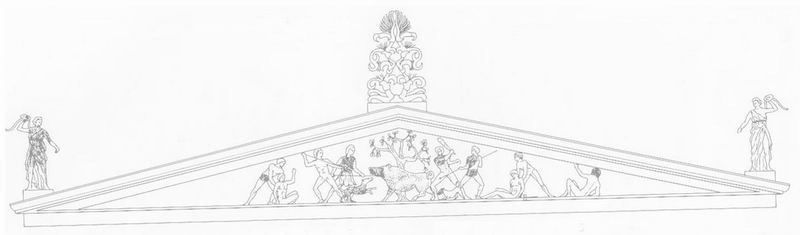
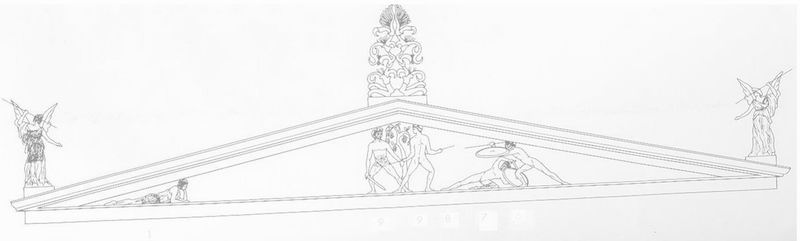
- Anceo era venerato a Tegea come eroe locale e raffigurato da Skopas in uno dei frontoni del tempio di Atena Alea, descritto da Pausania, 8, 4, 10; in suo onore si tenevano giochi locali.
- … Agli Spartani desiderosi di conquiste la Pizia aveva risposto che dell’Arcadia avrebbe concesso a essi la sola Tegea «per danzarvi con strepito di piedi / e per misurarne con la fune la bella pianura». Ma gli Spartani, vinti nella prima spedizione e fatti prigionieri, furono costretti a portare quei ceppi che, destinati ai loro nemici, avevano con sé (e cosi batterono il suolo di Tegea con strepito di piedi) e a misurare con la fune la parte della piana di Tegea loro assegnata da lavorare…
- Questa è l’iscrizione dedicata a Filopemene a Tegea:
«Sono noti per la Grecia il valore e la fama di quest’uomo, [che si impegnò
a compiere molte imprese con la forza e molte con [i consigli,
Filopemene, il guerriero arcade, che fu accompagnato
da grande gloria quando in guerra comandava gli astati.
Lo dichiarano due trofei, eretti sui tiranni
di Sparta; egli eliminò la crescente schiavitù.
Per questi meriti Tegea eresse una statua al magnanimo
figlio di Craugide, autore di una libertà irreprensibile». - Tra le offerte votive maggiormente degne di nota, c’è nel tempio la pelle del cinghiale calidonio, ma era ormai putrefatta a causa del tempo e completamente priva di setole; ci sono, appese, le catene - tutte quelle non distrutte dalla ruggine - portate dai prigionieri spartani mentre zappavano la pianura per i Tegeati;
- I Tegeati hanno anche un altro santuario di Atena, detta Poliatis, dove un sacerdote entra una sola volta all’anno; chiamano questo santuario Eryma, affermando che Cefeo, figlio di Aleo, ottenne in dono da Atena che Tegea fosse per sempre inespugnabile; e dicono che, a difesa della città, gli furono dati dalla dea alcuni capelli che aveva tagliato a Medusa.
- … Allora Alcmeone tornò a Psofi, e disse a Fegeo di aver ricevuto un responso: egli si sarebbe liberato dalla follia solo se avesse dedicato a Delfi la collana e il peplo. Fegeo gli credette e gli consegnò gli oggetti. Ma un servo fece la spia e rivelò che doveva portarli a Calliroe: allora Fegeo ordinò ai suoi figli di tendergli un'imboscata, e quelli lo uccisero. Arsinoe li disprezzò per quanto avevano fatto, e allora i figli di Fegeo la chiusero in una cassa, la mandarono a Tegea e la diedero come schiava ad Agapenore, accusandola falsamente di essere lei l'assassina di Alcmeone…
- … nel tempio di Atena Alea era conservato un peplo inviatovi da Laodice. «Questo peplo è di Laodice: lo ha dedicato alla sua Atena, nella patria dai vasti campi, dalla divina Cipro»…
- … Illo sfidò a singolar tenzone Echemo, re di Tegea, col patto che, se fosse stato vinto, gli Eraclidi sarebbero rimasti per cinquant’anni fuori dal Peloponneso; e poiché egli fu vinto e ucciso, gli Eraclidi tornarono a Tricorito…
- … Per uccidere il cinghiale Eneo invitò tutti gli eroi della Grecia e promise in premio la pelle della fiera a chi fosse riuscito a ucciderla. I più forti eroi risposero all’appello: di essi Pausania ricorda (8, 45, 6-7) quelli rappresentati sul frontone del tempio di Atena Alea a Tegea e cioè Atalanta, Meleagro, Teseo, Telamone, Peleo, Polluce, Iolao, Proteo, Comete, Anceo, Epoco, Castore, Anfiarao, Ippotoo e Piritoo…
- … nel tempio di Atena Alea a Tegea c’era, ancora ai tempi di Pausania, la pelle del cinghiale (v. 8, 47, 2), ma i denti della fiera erano stati trasportati a Roma da Augusto…
- … L’interesse per il culto di Atena Alea da parte di Augusto è attestato dalla rimozione della statua di culto del santuario di Tegea, ricollocata all’ingresso del suo foro a Roma (46, 1-5), una punizione per l’infedele Tegea che potrebbe aver portato alla valorizzazione del culto di Atena Alea a Mantinea…
Ed ecco alcuni atleti vincitori delle Olimpiadi
- Olimpiade 118ª = 308 a.C. stadio: Apollonide di Tegea;
- Olimpiade 143ª = 208 a.C. stadio ragazzi: Damatrio di Tegea.
- Olimpiade 145ª = 200 a.C. dolico: (gara di corsa che consisteva nel percorrere sulla sabbia una distanza pari a 7, 12 o 24 volte lo stadio, competizione basata anche su resistenza e regolarità.) Damatrio di Tegea.
Tegea, an ancient city located about 10 km SE of modern Tripoli, extends over a plateau originally occupied by nine small villages. The main sanctuary of Tegea, founded along with the city by the mythical king Aleus, was the Temple of Athena Alea and was one of the most important religious centers in Greece.
The temple, dating back to the Geometric period, was famous as a refuge for fugitives and exiles.
After the fire of 395 BC, the archaic temple of Athena was rebuilt by Skopas with elegant and refined late classical decorations, featuring excellent architectural solutions and marvelous sculptural decorations.
In the 5th century AD, a Christian church was built in its cella.
Tegea was one of the largest and most important cities in Arcadia and was recorded in the Homeric Catalogue of Ships.
Due to its strategic position, Tegea was of great interest to the Spartans, who, after a long period of conflict, forced it into the role of vassal state in 560 BC.
It contributed to the founding of Megalopolis and the formation of the Arcadian League, to which it remained loyal, fighting in the Battle of Mantinea in 362.
It took part in the confederation against Macedonia in the so-called Chremonidean War of 266 BC, then around 235 BC it joined the Aetolian League;
in 229 BC it was devastated by Cleomenes III of Sparta;
in 222 BC it was occupied by Antigonus Doson and annexed to the Achaean League;
again conquered by Sparta in 210 BC, in 207 BC It returned to the Achaean League, whose strategos Philopoemen gathered all the League's contingents in Tegea in 200 BC.
Then, little by little, it continued to lose political power during the Hellenistic period.
In 395 AD, Tegea was destroyed by the Goths, rebuilt under the name Nikli, and became one of the most important Byzantine cities in the Peloponnese. In the 13th century, it became the seat of the Frankish barony of Nikle.
Now let's read some excerpts from Pausanias's "Journey to Greece."
- … Heracles, having arrived in Arcadia, asked Cepheus to join the army, along with his twenty sons. But Cepheus feared an incursion by the Argives if he left Tegea, and so refused to join the expedition. Heracles then entrusted Sterope, Cepheus's daughter, with a lock of the Gorgon's hair, kept in a bronze urn, which he had received from Athena: if an army attacked the city, he told her, she should display the lock on the walls three times, without ever looking ahead, and the enemy would flee…
- … Then, having arrived in Tegea, Heracles seduced Auge, unaware that she was the daughter of Aleus. The girl secretly gave birth to a child, in the sacred precinct of Athena. But Aleus, since the region was at that time oppressed by a plague, had entered the sacred precinct: he heard the cries of his daughter in labor, and found the child. He then exposed him on Mount Parthenius. But divine providence saved the child: in fact, a doe that had just given birth suckled him, and then he was found by some shepherds, who named him Telephus…
- Ancaeus was venerated in Tegea as a local hero and depicted by Skopas on one of the pediments of the temple of Athena Alea, described by Pausanias, 8, 4, 10; local games were held in his honor.
- ... To the Spartans eager for conquest, the Pythia had replied that in Arcadia she would grant them only Tegea "to dance there with the clatter of feet / and to measure its lovely plain with a rope." But the Spartans, defeated in the first expedition and taken prisoner, were forced to carry the logs that, intended for their enemies, they had with them (and so they beat the ground of Tegea with the noise of their feet) and to measure with ropes the part of the Tegean plain assigned to them to work…
- This is the inscription dedicated to Philopoemen in Tegea:
"The valor and fame of this man are known throughout Greece, [who undertook
To accomplish many deeds by force and many by counsel,
Philopoemen, the Arcadian warrior, who was accompanied
by great glory when he commanded the hastati in war.
Two trophies erected over the tyrants
of Sparta testify to this; he abolished the growing slavery.
For these merits Tegea erected a statue to the magnanimous
son of Craugides, author of an irreproachable freedom. - Among the most noteworthy votive offerings, there is the skin of the Calydonian boar in the temple, but it was by then rotten with age and completely deprived of bristles; hanging there are the chains—all those not destroyed by rust—worn by Spartan prisoners while they were digging the plain for the Tegeans;
- The Tegeans also have another sanctuary of Athena, called Poliatis, where a priest enters only once a year; they call this sanctuary Eryma, claiming that Cepheus, son of Aleus, obtained from Athena the gift of making Tegea forever impregnable; and they say that, to defend the city, the goddess gave him some hairs he had cut from Medusa.
- … Then Alcmaeon returned to Psophis and told Phegeus that he had received an oracle: he would be freed from madness only if he dedicated the necklace and peplos to Delphi. Phegeus believed him and gave him the objects. But a servant informed him and revealed that he was to take them to Callirrhoe; then Phegeus ordered his sons to ambush him, and they killed him. Arsinoe despised them for what they had done, and then the sons of Phegeus locked her in a chest, sent her to Tegea and gave her as a slave to Agapenor, falsely accusing her of being the murderer of Alcmaeon…
- … in the temple of Athena Alea was kept a peplos sent there by Laodice. "This peplos is Laodice's: she dedicated it to her Athena, in her homeland of wide fields, from divine Cyprus"…
- … Hyllus challenged Echemus, king of Tegea, to single combat, with the agreement that, if he were defeated, the Heraclids would remain outside the Peloponnese for fifty years; and when he was defeated and killed, the Heraclids returned to Trichorythus…
- … To kill the boar, Oeneus invited all the heroes of Greece and promised the wild beast's hide as a reward to whoever could kill it. The strongest heroes answered the call: among them, Pausanias recalls (8, 45, 6-7) those depicted on the pediment of the temple of Athena Alea in Tegea, namely Atalanta, Meleager, Theseus, Telamon, Peleus, Pollux, Iolaus, Proteus, Cometes, Ancaeus, Epochus, Castor, Amphiaraus, Hippothous, and Pirithous…
- … in the temple of Athena Alea in Tegea, even in Pausanias' time, there was a boar's skin (v. 8, 47, 2), but the beast's teeth had been transported to Rome by Augustus…
- … Augustus' interest in the cult of Athena Alea is attested by the removal of the cult statue from the sanctuary of Tegea, which was relocated at the entrance to his forum in Rome (46, 1-5), a punishment for the unfaithful Tegea that may have led to the valorization of the cult of Athena Alea at Mantinea…
And here are some Olympic-winning athletes
- 118th Olympiad = 308 BC stadium: Apollonides of Tegea;
- 143rd Olympiad = 208 BC boys' stadium: Damatrion of Tegea.
- 145th Olympiad = 200 BC dolic: (a running race that involved running on sand a distance equal to 7, 12, or 24 times the stadium, a competition also based on endurance and regularity.) Damatrio of Tegea.