Πύλος, Palazzo di Nestore
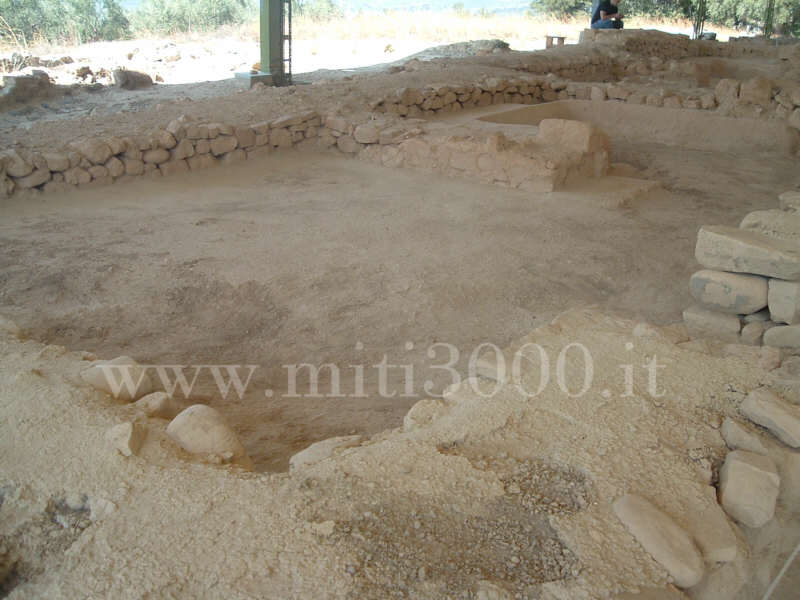
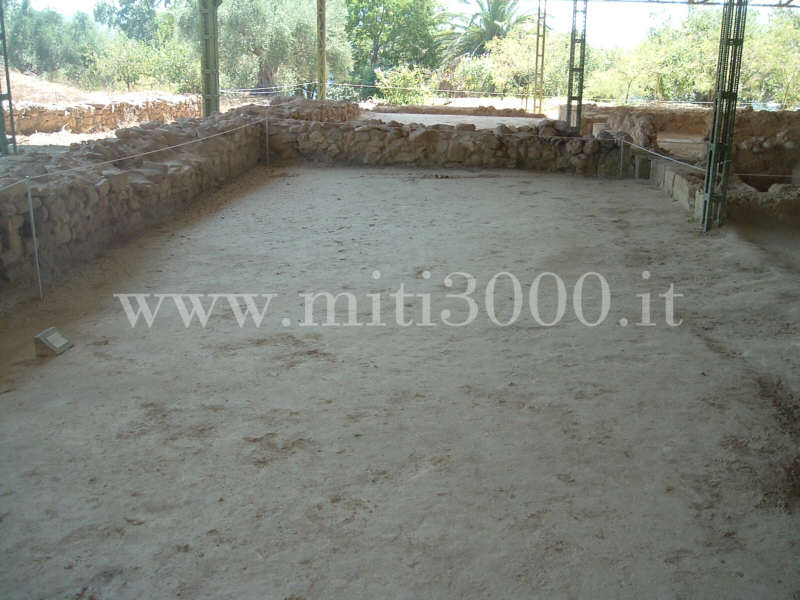
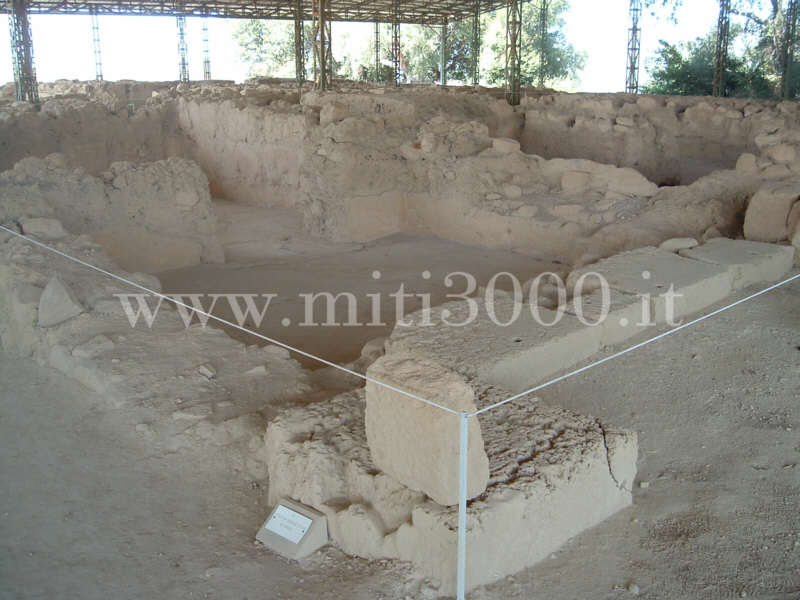
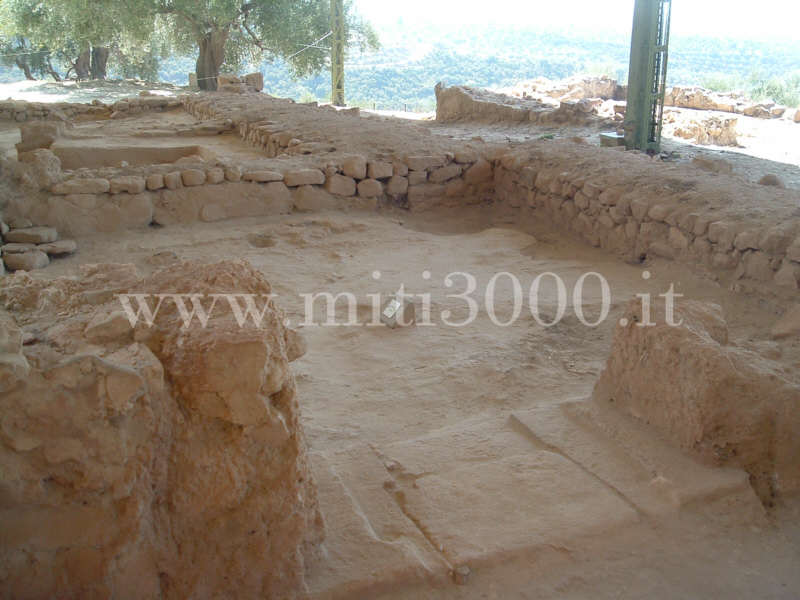
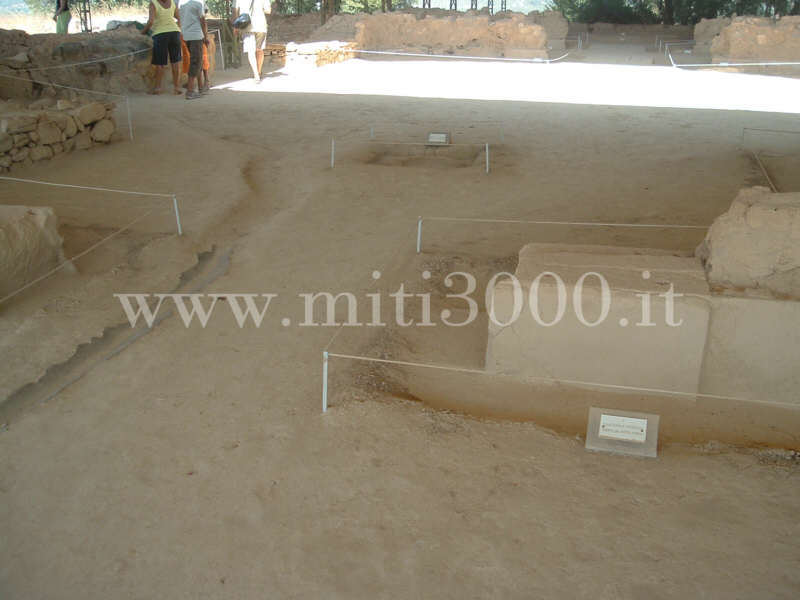
Palazzo Miceneo di Pilos, rinvenuto nel 1939 (nel 1952 sono stati effettuati degli scavi) da un gruppo di archeologi americani, è localizzato vicino alla baia di Pylos (o di Navarino) e alla moderna Pylos (a pochi Km. da Khora) sulla collina di Epàno Englianòs. Il Palazzo ritenuto di Nestore, per ricchezze e dimensioni può essere paragonato al palazzo di Micene. Fra i vari palazzi Micenei, questo è quello che si è meglio conservato.
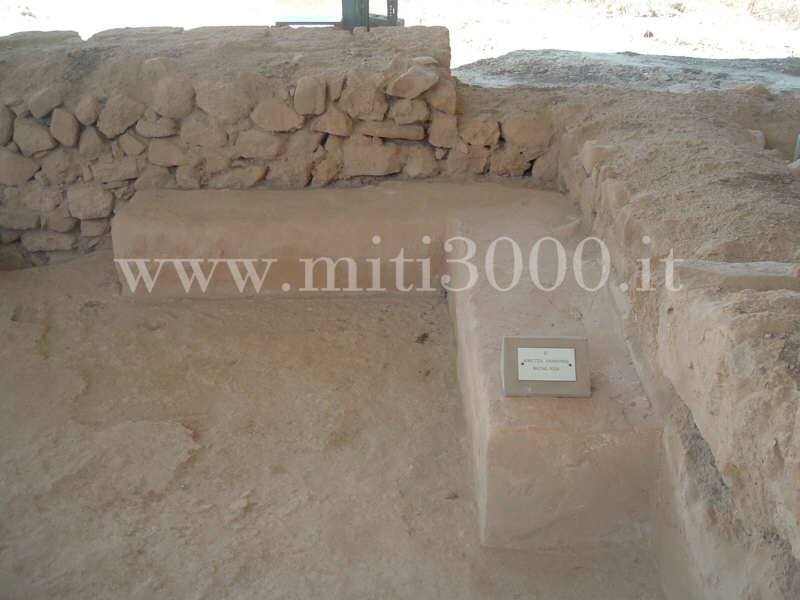
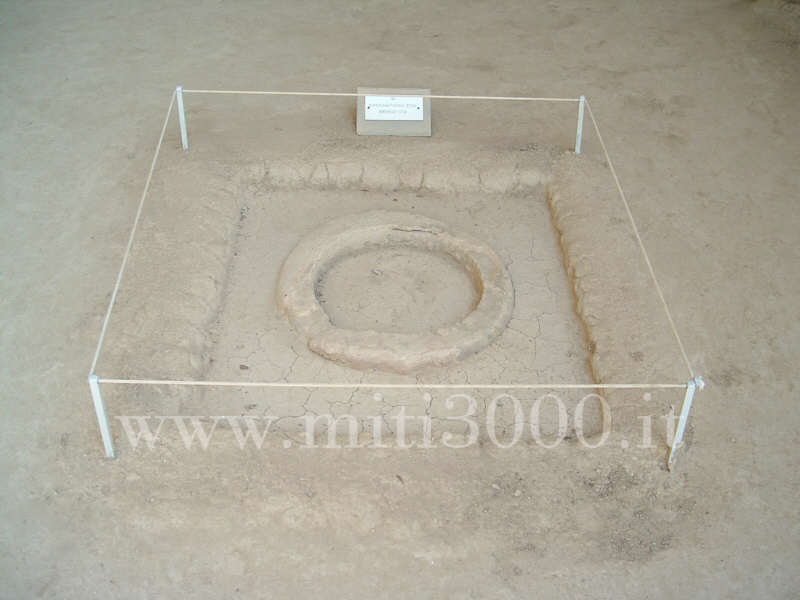
L’edificio è formato da tre blocchi, dei quali quello centrale è il vero e proprio Palazzo reale. Nel corpo principale vi è un megaron dove si trova la sala del trono, i propilei, l’archivio (dove sono state rinvenute in buono stato di conservazione parecchie tavolette in creta di lineare B, che andremo a vedere nella pagina dedicata al museo di Khora).
I blocchi di Sud/Ovest e Nord/Est ospitavano camere private, depositi di olio, officine, lavanderie ed altro. Le tombe a tholos ritrovate in prossimità all’edificio sono ritenute pertinenti al palazzo.
Si può supporre che a costruirlo furono gli Epei dell’Eolia, durante la conquista dell’Elide (in età micenea 1500-1200 a.C.) fondando il regno di Pilo. Il palazzo fu abitato per un centinaio di anni e abbandonato definitivamente a seguito un incendio nel tardo periodo del bronzo.
Sotto segue una breve descrizione di Pausania (IV, XXXVI, 1-2)
Da Motone una strada di circa cento stadi porta al promontorio Corifasio sul quale è sita Pilo, fondata da Pilo figlio di Clesone, che dalla Megaride, ove allora abitavano, aveva qui guidato i Lelegi. Ma non riuscì a godersela, ché, scacciato da Neleo e dai Pelasgi che erano venuti da Iolco, si ritirò nella regione vicina e qui abitò la Pilo dell'Elide. Neleo, divenuto re, portò Pilo a tanta importanza che anche Omero nei suoi versi (Iliade 11, 682; Od. 4, 639) la chiama “città Nelea”.
Qui si trovano un santuario di Atena dall'epiteto di Corifasia e una casa detta “di Nestore”, nella quale c'è un dipinto che raffigura lo stesso Nestore. Per Nestore c'è anche un monumento funebre all'interno della città, mentre quello poco fuori Pilo dicono sia di Trasimede. Dentro la città c'è una grotta (altra foto) nella quale dicono che i buoi di Nestore, e ancor prima quelli di Neleo, avessero le stalle.
Miti correlati
NELEO
Questo è un mito alquanto ingarbugliato da spiegare in modo semplice, proviamoci...
Neleo, re di Pilo, era fratello gemello di Pelia e figlio di Creteo e della ninfa Tiro.
Nella realtà del mito, Creteo era solo il padre umano, infatti, Apollodoro nella Biblioteca I, 9 ci racconta che Tiro era figlia di Salmoneo, fratello di Creteo e di Sisifo. Tiro, innamorata del fiume Enipeo, vagava lungo le sue rive, piangendo.
Allora Poseidone (gran donnaiolo e furbacchione) prese l’aspetto di Enipeo e si unì a Tiro, inconsapevole dello scambio; non contento, per non farsi vedere, fece alzare un’onda spumeggiante e alta come una montagna che li nascondeva agli occhi degli uomini.
Dall’unione nacquero due gemelli, Pelia e Neleo, che la madre abbandonò per nascondere la sua colpa. Essi furono trovati da un mandriano di passaggio che li allevò.
Quando furono grandi e scoprirono la loro vera origine, i due fratelli uccisero la matrigna Sidero, che aveva fatto subire tanti tormenti alla loro madre Tiro.
Secondo una variante della leggenda, forse testimoniata da Sofocle, i due bambini furono invece messi in una cesta e affidati alla corrente dell’Enipeo.
Un’altra versione di Igino (Miti 60, 239, 254) ci narra che Sisifo, zio di Tiro la violentò e così nacquero i due gemelli (in ogni caso figli della colpa e destinati a brutte azioni e brutta fine).
In tutte le varianti del mito Tiro sposò suo zio Creteo, re di Iolco, da cui ebbe altri figli, tra i quali Esone, il padre di Giasone.
Dopo questa gran confusione sulla nascita, cerchiamo di capire come visse e morì.
Alla morte di Creteo, Pelia salì al trono di Iolco e scacciò Neleo dalla città. Neleo, profugo da Iolco, si recò in Messenia dove fondò Pilo divenendone il re. Sposò Clori o Cloride (e qua il mito si complica), unica superstite delle Niobidi (i figli di Niobe).
Quando Eracle, dopo avere ucciso sua moglie, i suoi figli e Ifito figlio di Eurito, si recò a Pilo per essere purificato da Neleo, questi si rifiutò perché Eurito era suo amico.
Allora Eracle occupata la città, uccise Periclimeno (quando assunse la forma di aquila), il più forte fra i figli di Neleo, che pure aveva combattuto usando la sua facoltà di trasformarsi in varie forme. Uccise anche Neleo e tutti gli altri suoi figli tranne Nestore, che era ancora un ragazzo e veniva allevato nella terra dei Gereni.
Sotto seguono le curiosità del mito.
Durante la battaglia, Eracle ferì lo stesso Ade, che era intervenuto a favore di Pilo. (Igino - Miti 31; Apollodoro, I, 9 - II, 6, 2).
Pausania in (2, 2, 2), scrive di una tomba di Neleo a Corinto dove questi sarebbe morto di malattia.
Nestore, re di Pilo, unico sopravvissuto degli undici figli di Neleo e di Cloride, uccisi da Eracle. Famoso per prudenza ed eloquenza; sposò Euridice e da lei ebbe molti figli; combatté coi Lapiti contro i Centauri. Alla guerra di Troia, già molto vecchio, fu ancora valoroso guerriero e soprattutto, prezioso consigliere dei Greci nei momenti difficili. Secondo l’Odissea, conquistata Troia, accolse Telemaco quando andò alla ricerca di informazioni sulla sorte di Ulisse, suo padre.
Clicca qua per vedere il luogo dove approdò il giovane Telemaco recandosi a Pilo
Pylos, Palace of Nestor
The Mycenaean Palace of Pylos, discovered in 1939 (excavations were carried out in 1952) by a team of American archaeologists, is located near the bay of Pylos (or Navarino) and modern Pylos (a few kilometers from Khora) on the hill of Epanum Englianos. The Palace, believed to be that of Nestor, can be compared to the palace of Mycenae in terms of its riches and size. Of the various Mycenaean palaces, this is the best preserved.
The building consists of three blocks, of which the central one is the actual royal palace. In the main building there is a megaron containing the throne room, the propylaea, and the archive (where several Linear B clay tablets were found in good condition, which we will see on the page dedicated to the Khora museum).
The southwest and northeast blocks housed private rooms, oil storage rooms, workshops, laundries, and more. The tholos tombs found near the building are believed to be related to the palace.
It can be assumed that it was built by the Epeans of Aeolia during the conquest of Elis (in the Mycenaean period, 1500-1200 BC), founding the kingdom of Pylos. The palace was inhabited for a hundred years and finally abandoned following a fire in the Late Bronze Age.
Below is a brief description by Pausanias (IV, XXXVI, 1-2)
From Motone, a road of about one hundred stadia leads to the Coryphasium promontory on which Pylos is located. It was founded by Pylos, son of Cleson, who had led the Leleges here from Megaris, where they then lived. But he did not manage to enjoy it, because, driven out by Neleus and the Pelasgians who had come from Iolcus, he retired to the nearby region and here he settled in Pylos in Elis. Neleus, having become king, brought Pylos to such importance that even Homer in his verses (Iliad 11, 682; Od. 4, 639) calls it the "city of Nelea."
Here are a sanctuary of Athena, known as Coryphasia, and a house called "Nestor's," which contains a painting of Nestor himself. There is also a funerary monument for Nestor within the city, while the one just outside Pylos is said to be that of Thrasymedes. Inside the city there is a cave (another photo) where they say Nestor's oxen, and even before that Neleus', had stables.
Related myths
NELEUS
This is a rather convoluted myth to explain simply, let's try...
Neleus, king of Pylos, was the twin brother of Pelias and the son of Cretheus and the nymph Tyro.
In the myth, Cretheus was only the human father; in fact, Apollodorus in Library I, 9 tells us that Tyro was the daughter of Salmoneus, brother of Cretheus and Sisyphus. Tyro, in love with the river Enipeus, wandered along its banks, weeping.
Then Poseidon (a great womanizer and a cunning man) took the form of Enipeus and lay with Tyro, unaware of the exchange; Not content with this, to avoid being seen, he raised a foaming wave as high as a mountain that hid them from the eyes of men.
From the union were born twins, Pelias and Neleus, whom their mother abandoned to hide her guilt. They were found by a passing herdsman who raised them.
When they grew up and discovered their true origins, the two brothers killed their stepmother Sidero, who had inflicted so much torment on their mother, Tyro.
According to a variant of the legend, perhaps witnessed by Sophocles, the two children were instead placed in a basket and entrusted to the current of the Enipeus.
Another version of Hyginus (Myths 60, 239, 254) tells us that Sisyphus, Tyre's uncle, raped her and thus the twins were born (in any case children of guilt and destined for bad deeds and a bad end).
In all the variants of the myth, Tyro married her uncle Cretheus, king of Iolcus, with whom she had other children, including Aeson, Jason's father.
After this great confusion about her birth, let's try to understand how she lived and died.
Upon Cretheus' death, Pelias ascended the throne of Iolcus and expelled Neleus from the city. Neleus, a refugee from Iolcus, went to Messenia, where he founded Pylos and became its king. He married Chloris or Chloride (and here the myth becomes more complicated), the only survivor of the Niobids (the children of Niobe).
When Heracles, after killing his wife, his children, and Iphitus, son of Eurytus, went to Pylos to be purified by Neleus, the latter refused because Eurytus was his friend.
Then Heracles occupied the city and killed Periclymenus (when he assumed the form of an eagle), the strongest of Neleus's sons, even though he had fought using his ability to transform into various forms. He also killed Neleus and all his other children except Nestor, who was still a boy and was being raised in the land of the Gereni.
Below are some curiosities about the myth.
During the battle, Heracles wounded Hades himself, who had intervened on Pylos' behalf. (Hyginus - Myths 31; Apollodorus, I, 9 - II, 6, 2).
Pausanias, in (2, 2, 2), writes of a tomb of Neleus in Corinth, where he died of illness.
Nestor, king of Pylos, the only survivor of the eleven children of Neleus and Chloris, killed by Heracles. Renowned for his prudence and eloquence, he married Eurydice and had many children with her; he fought with the Lapiths against the Centaurs. During the Trojan War, already very old, he was still a valiant warrior and, above all, a precious advisor to the Greeks in difficult times. According to the Odyssey, after conquering Troy, he welcomed Telemachus when he went in search of information on the fate of his father, Odysseus.
Click here to see the place where the young Telemachus landed on his way to Pylos.