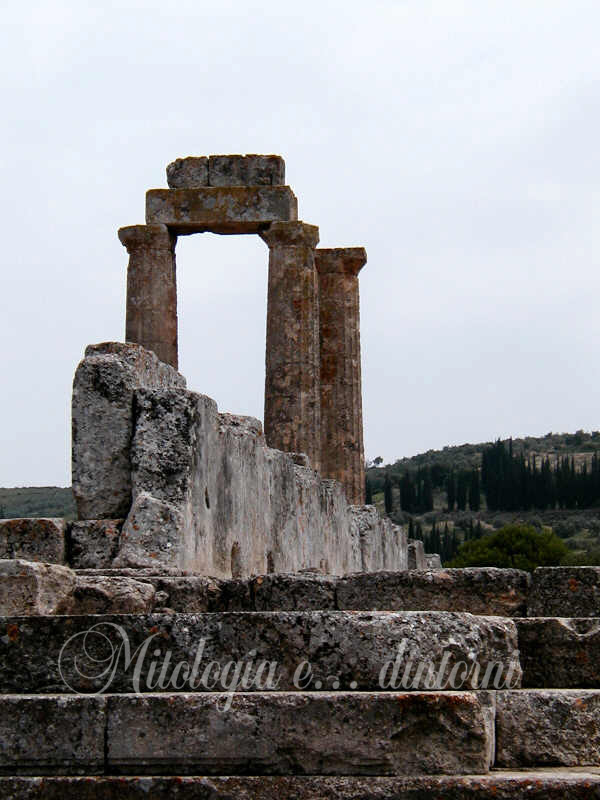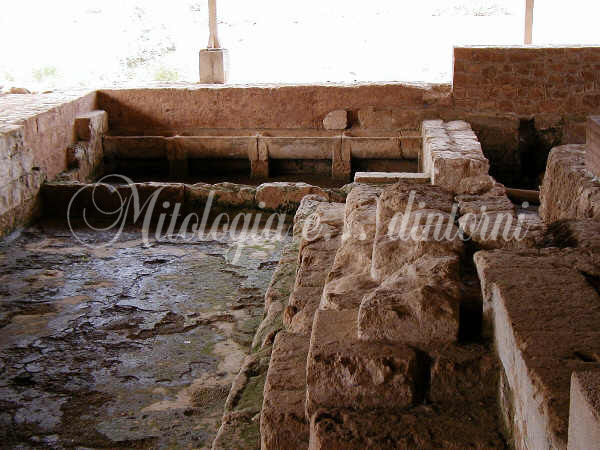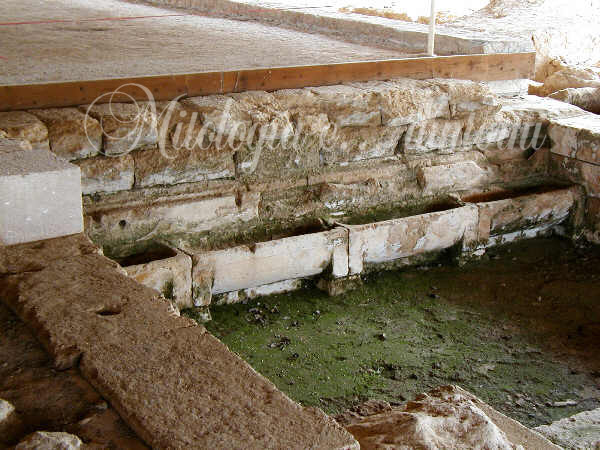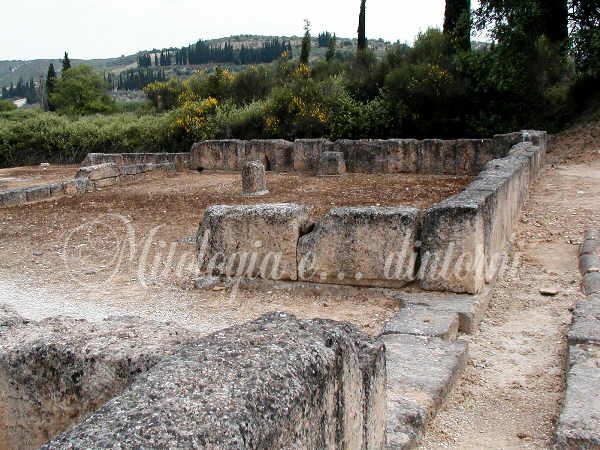
NEMEA
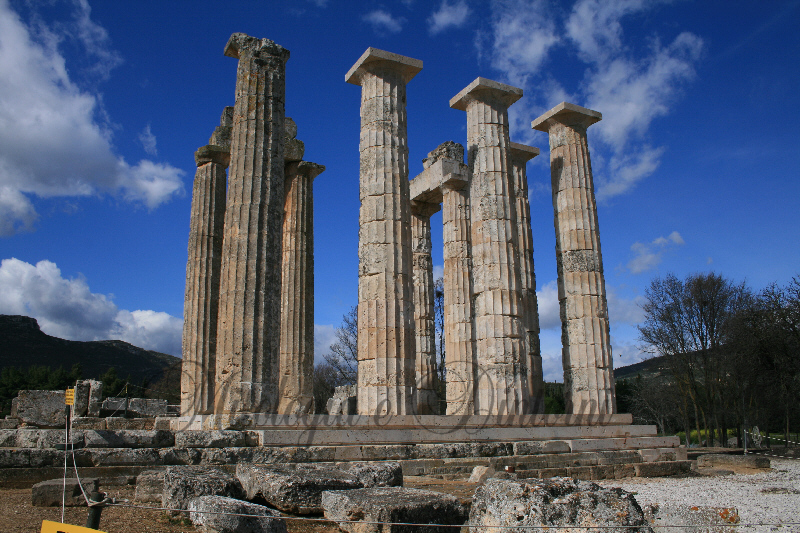
Νεμέα, il Santuario di Nemea era posto nella valle dell'Argolide. Il luogo secondo la mitologia prese il nome dalla figlia del fiume Asopo, o da Nemea, figlia di Zeus e di Semele. Citato spesso nella mitologia greca. Nell'antica Grecia il santuario ha dimensioni molto varie, a seconda delle funzioni e dell'importanza. Gli elementi fondamentali, lo spazio sacro e l'altare, sono sempre presenti, invece possono mancare tutti gli altri, compreso il tempio, che ha solo la funzione di "casa del dio", cioè ricovero per la sua immagine. I santuari più importanti erano quelli panellenici, che avevano carattere sovranazionale ed erano riconosciuti da tutte le comunità. Si tratta di quelli di Olimpia (Elide) e di Nemea (Argolide), dedicati a Zeus; di quello di Delfi (Focide), sacro ad Apollo, presso cui era un celebre oracolo; di quello di Isthmia, presso Corinto, consacrato a Poseidone.
A Nemea Eracle vi compí una delle sue 12 fatiche uccidendo il leone nemeo, con la pelle del quale si vestì. Il suo nome è legato alla celebrazione dei Giochi Nemei. A cadenza biennale, tra giugno e luglio, si svolgevano a Nemea i giochi nemei o Nemee, celebrati in onore di Zeus Nemeo o dell'eroe locale Ofelte Archemoros. I giochi storicamente ebbero inizio nel 573 a.C. consistevano in gare ginniche, atletiche, equestri, musicali e poetiche. Per queste celebrazioni sportive la mitografia propone due possibili illustri fondatori: Adrasto di Argo, ai tempi della spedizione dei sette a Tebe; oppure Eracle, dopo l’uccisione del leone nemeo. Tale manifestazione divenne festa panellenica dal 573 a.C., e assunse grande affinità con le gare di Olimpia, ai vincitori veniva consegnata una corona di sedano selvatico (altro che i nostri atleti di oggi).
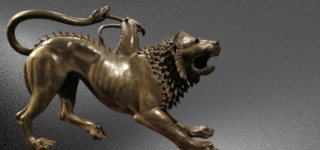
Nella sua valle gli Spartani nel 394 a.C. sconfissero la coalizione di Tebe, Argo e Atene che li capeggiava. A Nemea viveva una terribile belva (Leone di Nemea o nemeo) che devastava la regione intorno all'omonimo santuario. Il leone di Nemea era una bestia ferocissima e invulnerabile. Eracle lo uccise serrandolo e quindi stritolandolo nella morsa delle sue potenti braccia. Quindi cercò di scuoiarlo, ma il ferro non intaccava le pelle della fiera, e per avere la pelliccia si servì degli artigli della belva stessa. Indossò poi quella pelle che lo rese invulnerabile a sua volta. Fu questa la prima delle 12 fatiche dell'eroe. Molto rinomato è oggi il vino prodotto in Nemea. Platone nel Teagete ci racconta una strana storia che ha a che vedere con lo stadio di Nemea e col Daimon di Socrate.
In questa nota città sembra che il grande Esiodo ci abbia rimesso la vita, stando a quanto ci racconta Tucidide nella Guerra del Peloponneso III, 3 e qua segue un breve stralcio dell'opera:
96. Per la notte, fece bivaccare nei recinti del santuario di Zeus Nemeo, quello stesso in cui si tramanda che cadde vittima degli abitanti del luogo il poeta Esiodo, cui un vaticinio aveva profetato una fine simile in Nemea. Sempre lo stesso e nella stessa opera nel libro V, 2 ci narra che nella zona durante la guerra del Peloponneso ci furono tante aspre battaglie.
LICURGO Fratello del re di Fere, Admeto e sposo di Euridice. Si stabilì nel territorio di Nemea, sposò Euridice (o forse, come alcuni sostengono, Anfitea), e generò Ofelte, che in seguito venne chiamato Archemoro. Sul suo destino il mito presenta alcune varianti. Secondo Omero, Licurgo, per la sua empietà, venne accecato dagli dèi; secondo Sofocle, egli venne rinchiuso in una grotta, dove con il tempo ritrovò la ragione; secondo Igino, invece, il re, completamente ubriaco, cercò di violentare sua madre: per questo decise di strappare tutte le viti, ma Dioniso lo fece impazzire, e poi lo diede in pasto alle pantere sul monte Rodope. Vedasi Diodoro Siculo 1, 20, e Nonno, Dionisiacbe XXI, 1 ss. Soprattutto Omero, Iliade VI, 129 ss.; Sofocle, Antigone 955 ss.; Igino, Favole 132.
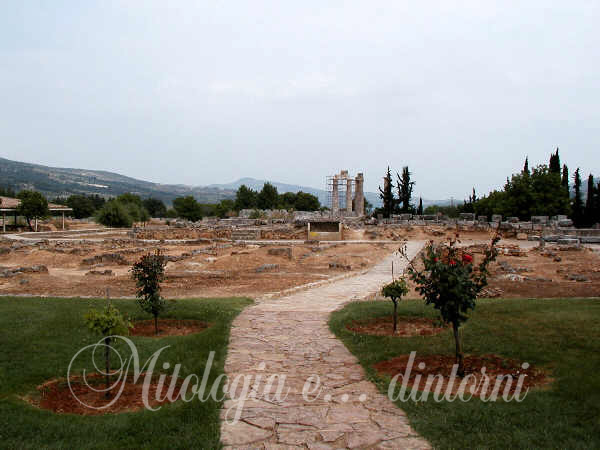
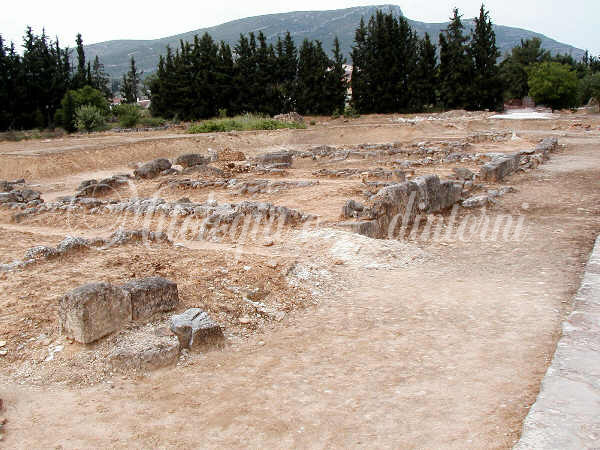
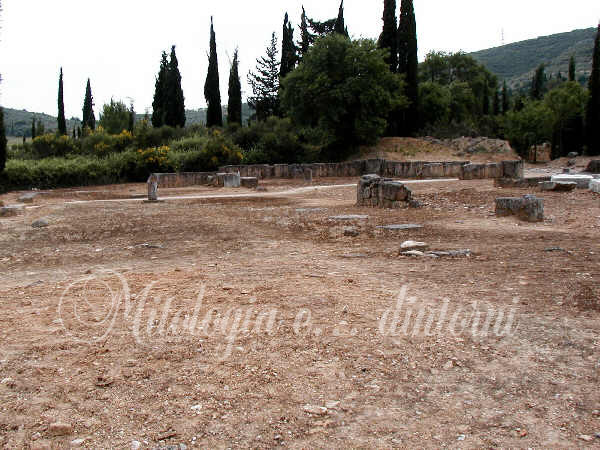
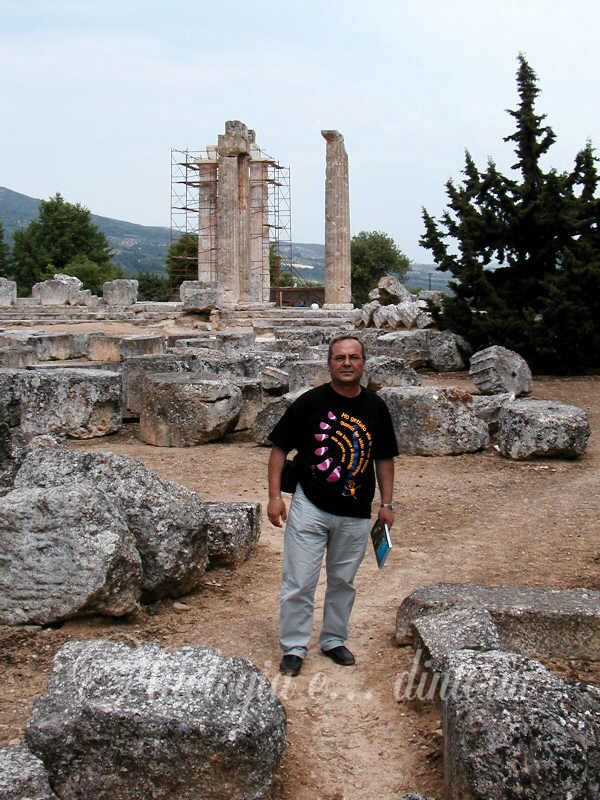
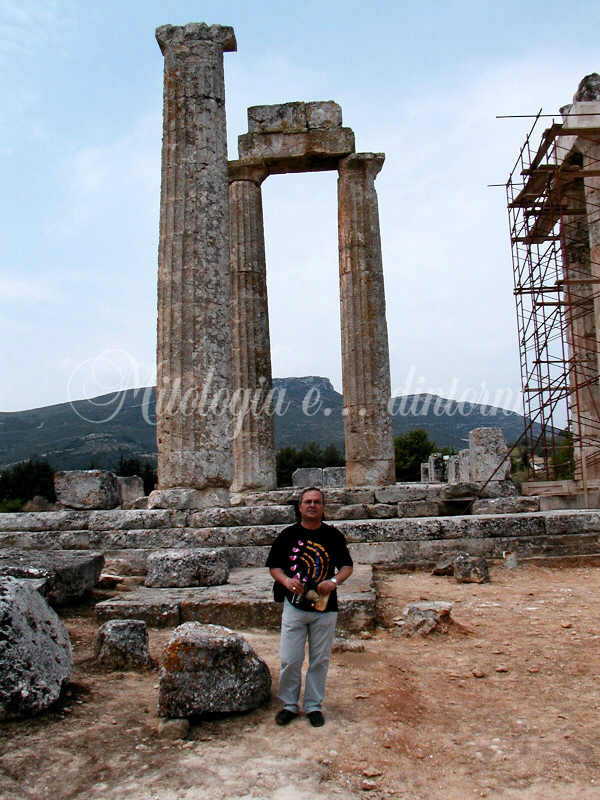
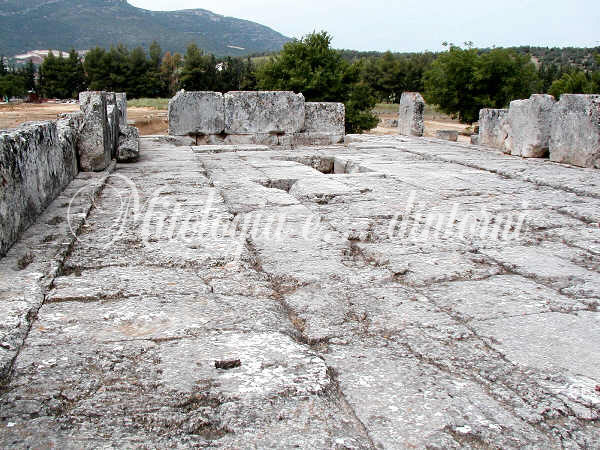
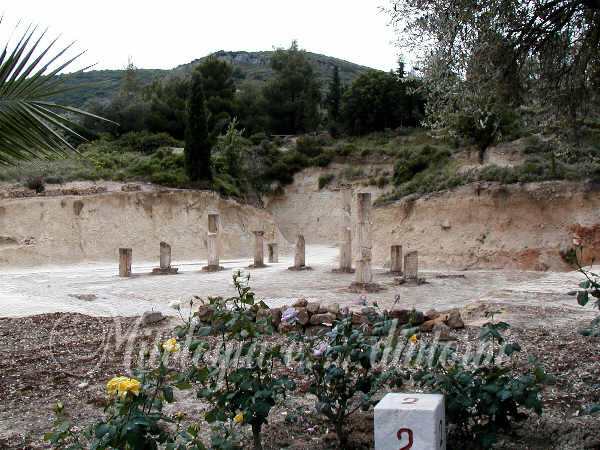
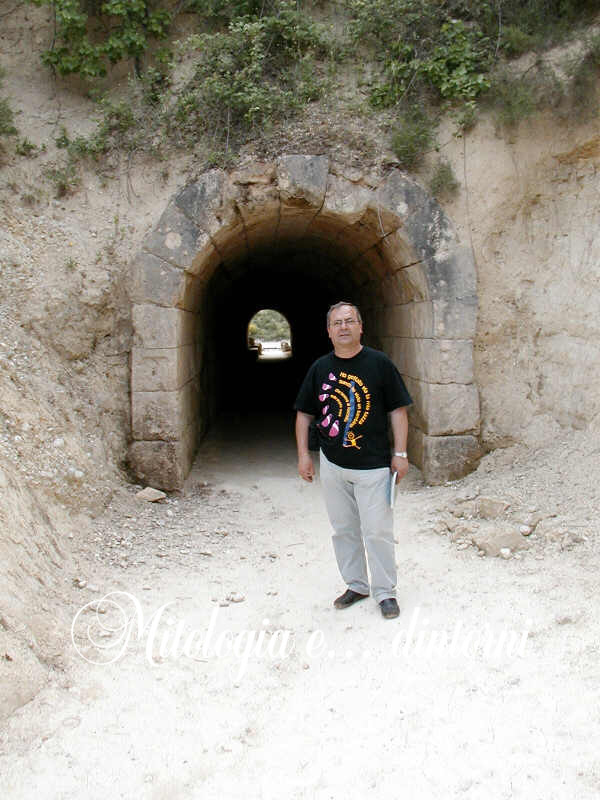
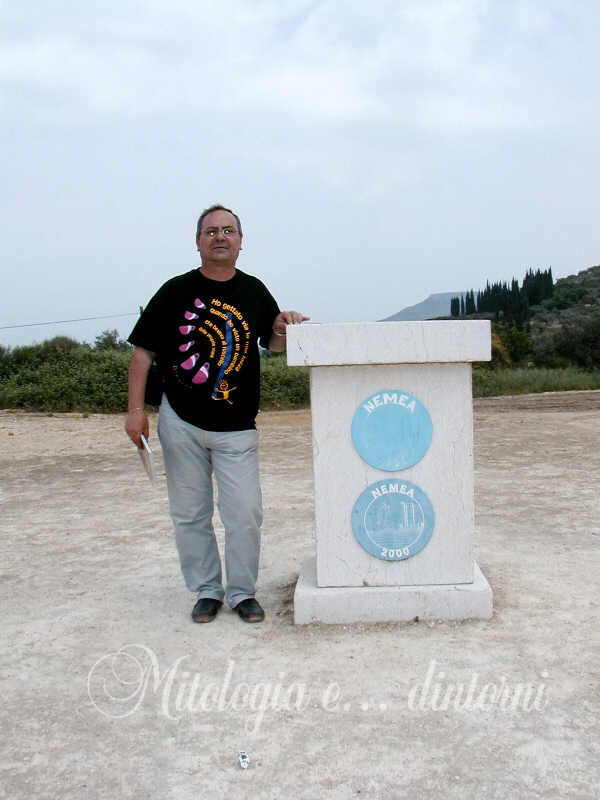
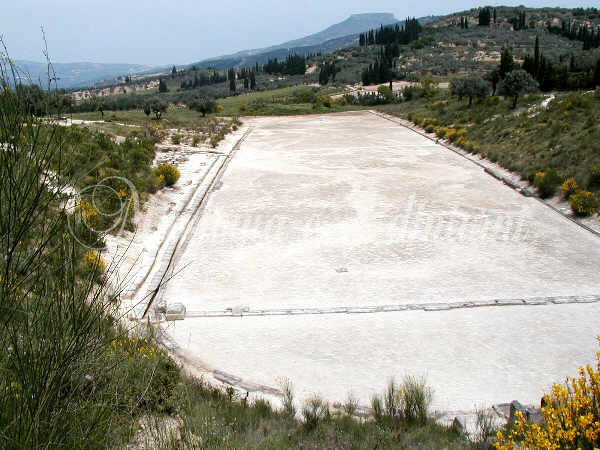
Dopo questo breve preambolo credo che ci possiamo gustare alcune immagini del posto.
NEMEA
Nemea, the Sanctuary of Nemea, was located in the Argolis valley. According to mythology, the site took its name from the daughter of the river Asopus, or from Nemea, daughter of Zeus and Semele. It is often mentioned in Greek mythology. In ancient Greece, the sanctuary varied greatly in size, depending on its function and importance. The fundamental elements—the sacred space and the altar—were always present, while all the others could be missing, including the temple, which served only as the "house of the god," that is, a refuge for his image. The most important sanctuaries were the Panhellenic ones, which had a supranational character and were recognized by all communities. These were those of Olympia (Elis) and Nemea (Argolis), dedicated to Zeus; that of Delphi (Phocis), sacred to Apollo, where a famous oracle was located; of that of Isthmia, near Corinth, consecrated to Poseidon.
In Nemea, Heracles performed one of his 12 labors by killing the Nemean lion, whose skin he used to clothe himself. His name is linked to the celebration of the Nemean Games. The Nemean or Nemean Games were held biennially in Nemea between June and July, in honor of Zeus Nemean or the local hero Opheltes Archemoros. Historically, the games began in 573 BC and consisted of gymnastic, athletic, equestrian, musical, and poetic contests. Mythology suggests two possible illustrious founders for these sporting celebrations: Adrastus of Argos, at the time of the expedition of the Seven to Thebes; or Heracles, after the slaying of the Nemean lion. This event became a Panhellenic festival from 573 BC, and took on a strong affinity with the games at Olympia. The winners were awarded a crown of wild celery (quite unlike our athletes today).
In its valley, the Spartans defeated the coalition of Thebes, Argos, and Athens that led them in 394 BC. A terrible beast (the Nemean Lion) lived in Nemea, devastating the region around the sanctuary of the same name. The Nemean lion was a ferocious and invulnerable beast. Heracles killed it by squeezing it and then crushing it in the grip of his powerful arms. He then tried to flay it, but the iron would not damage the animal's hide, and to obtain the fur, he used the beast's claws. He then donned that skin, which in turn made him invulnerable. This was the first of the hero's 12 labors. The wine produced in Nemea is very renowned today. Plato in Theagetes tells us a strange story that has to do with the Nemean Stadium and Socrates' Daimon.
It seems that the great Hesiod lost his life in this famous city, according to what Thucydides tells us in the Peloponnesian War III, 3, and here follows a short excerpt from the work:
96. For the night, he bivouacked in the precincts of the sanctuary of Nemean Zeus, the same one where the poet Hesiod is said to have fallen victim to the local inhabitants, having been prophesied to whom a prophecy had prophesied a similar end in Nemea. Again, and in the same work in book V, 2, he tells us that many fierce battles took place in the area during the Peloponnesian War.
LYCURGUS Brother of Admetus, king of Pherae, and husband of Eurydice. He settled in the territory of Nemea, married Eurydice (or perhaps, as some maintain, Amphithea), and fathered Opheltes, who was later called Archemorus. The myth presents some variations on his fate. According to Homer, Lycurgus, for his impiety, was blinded by the gods; according to Sophocles, he was locked in a cave, where over time he regained his sanity; according to Hyginus, however, the king, completely drunk, tried to rape his mother: for this reason he decided to uproot all the vines, but Dionysus drove him mad, and then fed him to the panthers on Mount Rhodope. See Diodorus Siculus 1, 20, and Nonnus, Dionysiacbe XXI, 1 ff. Especially Homer, Iliad VI, 129 ff.; Sophocles, Antigone 955 ff.; Hyginus, Fables 132.
After this brief preamble, I think we can enjoy some images of the place.