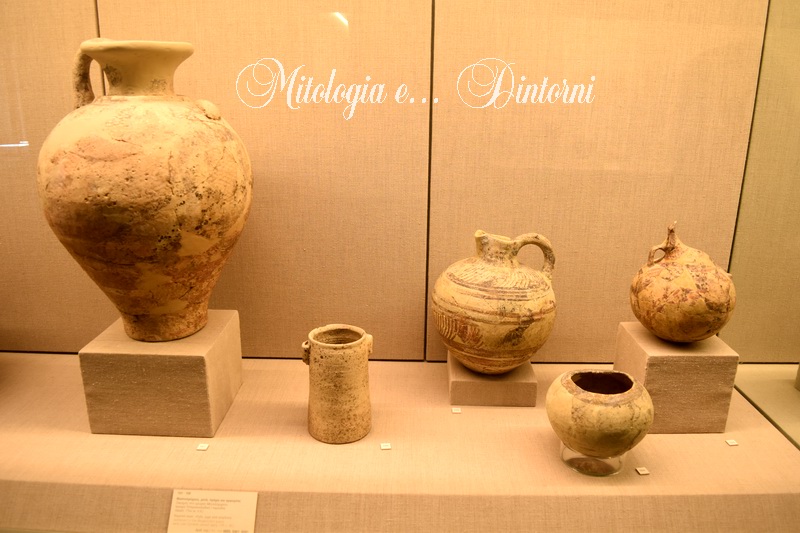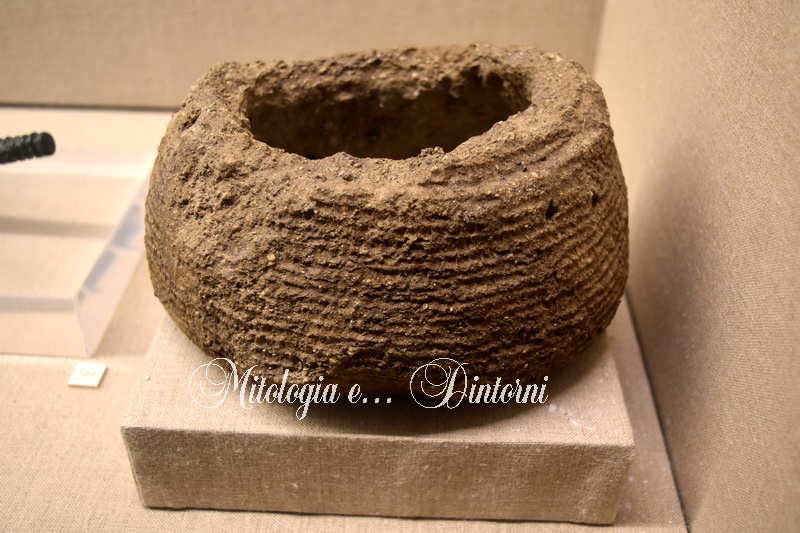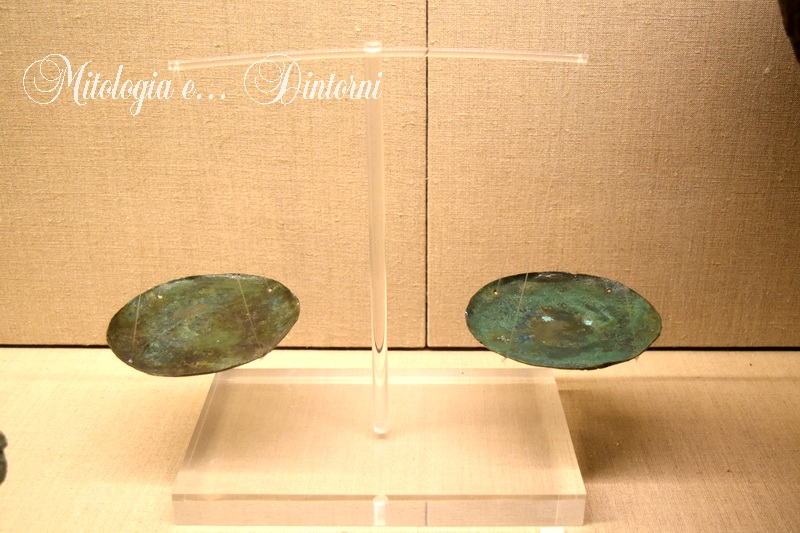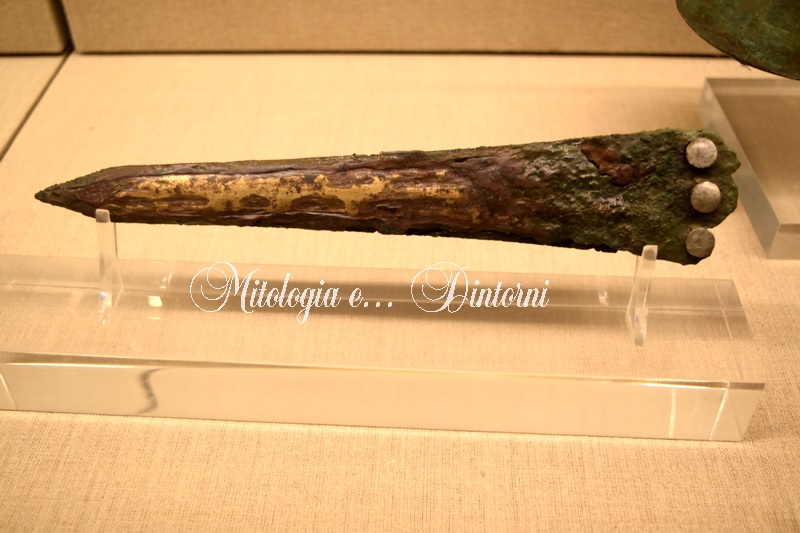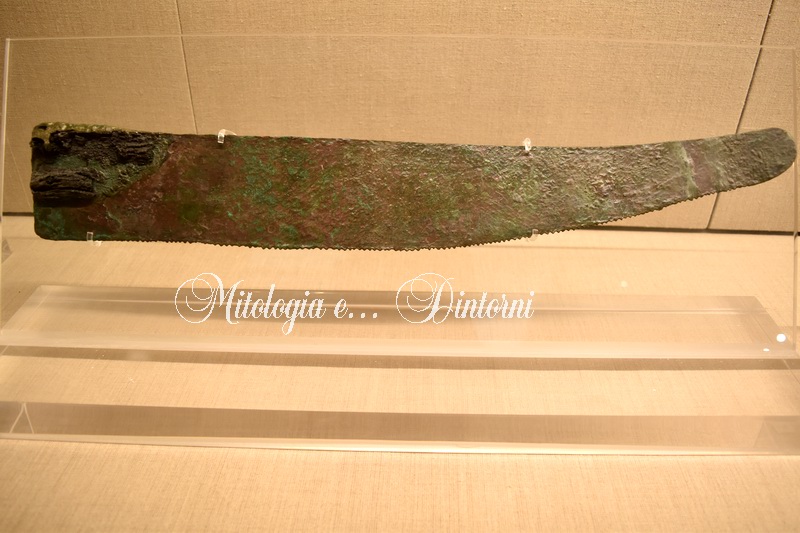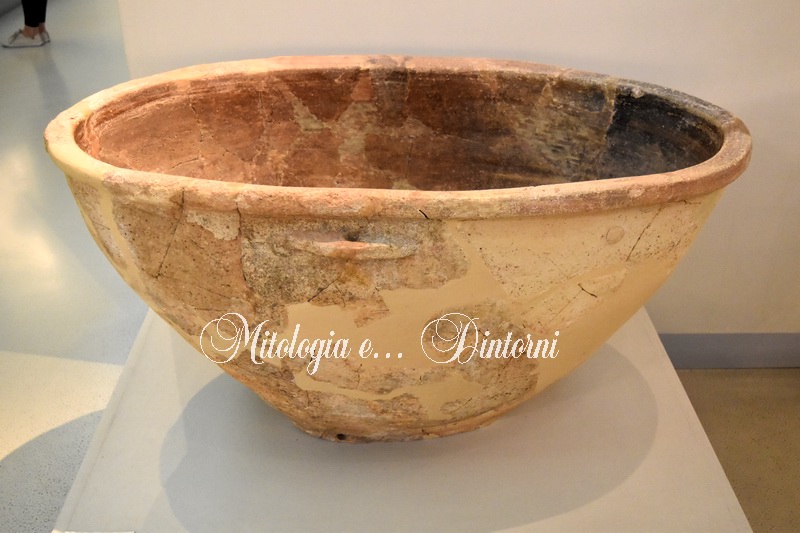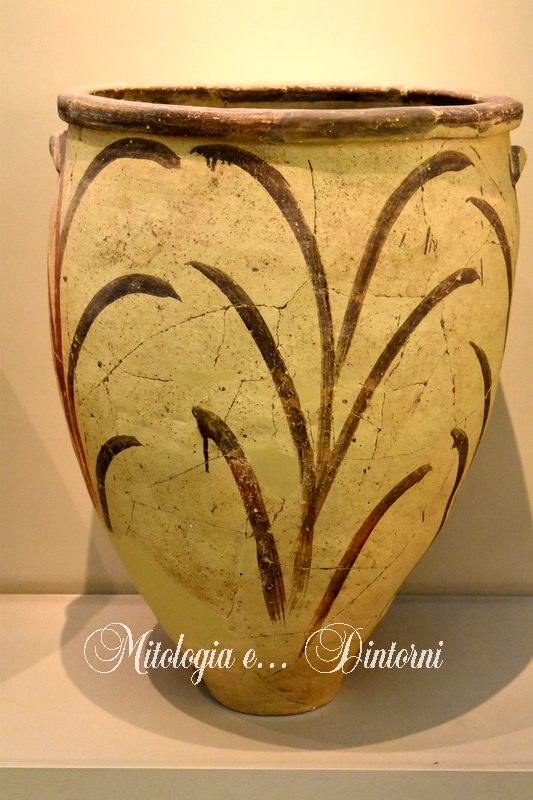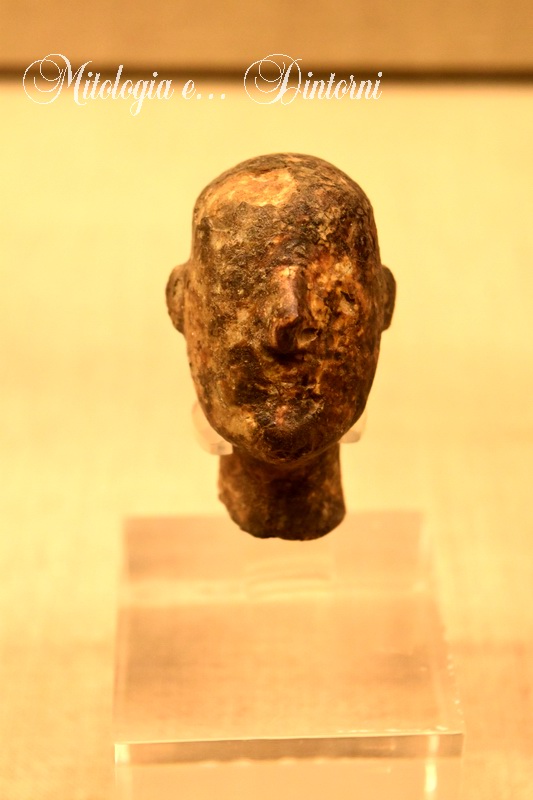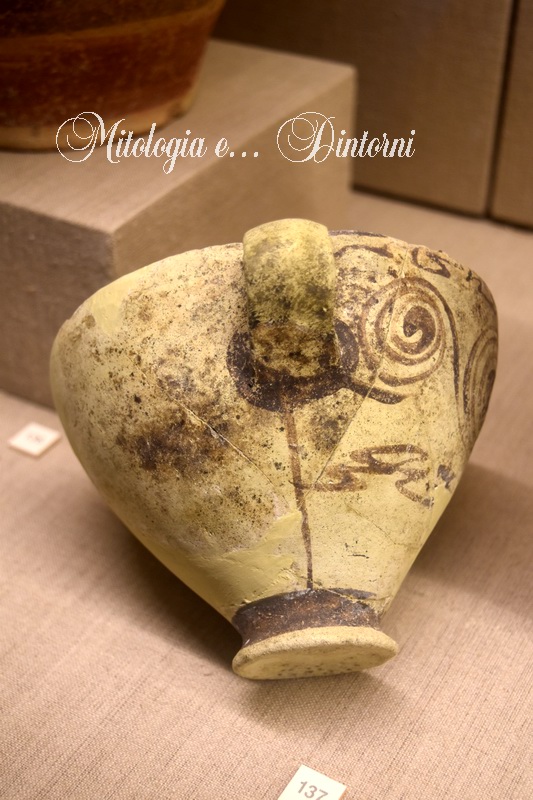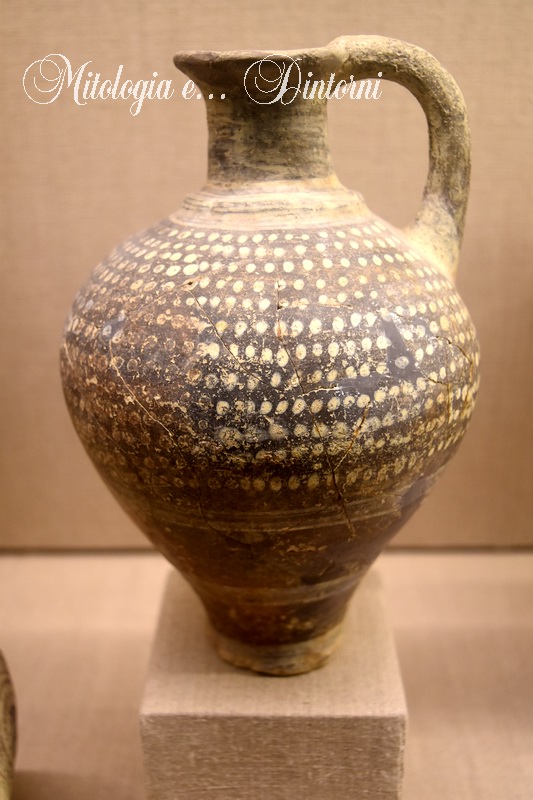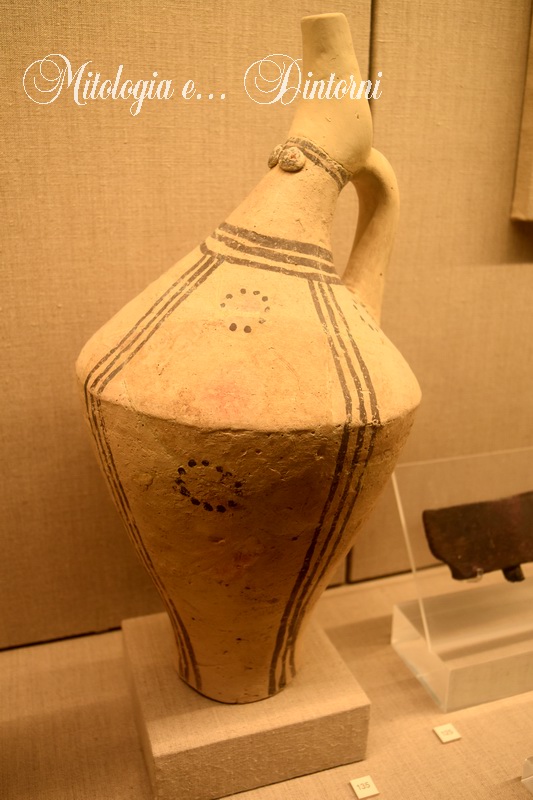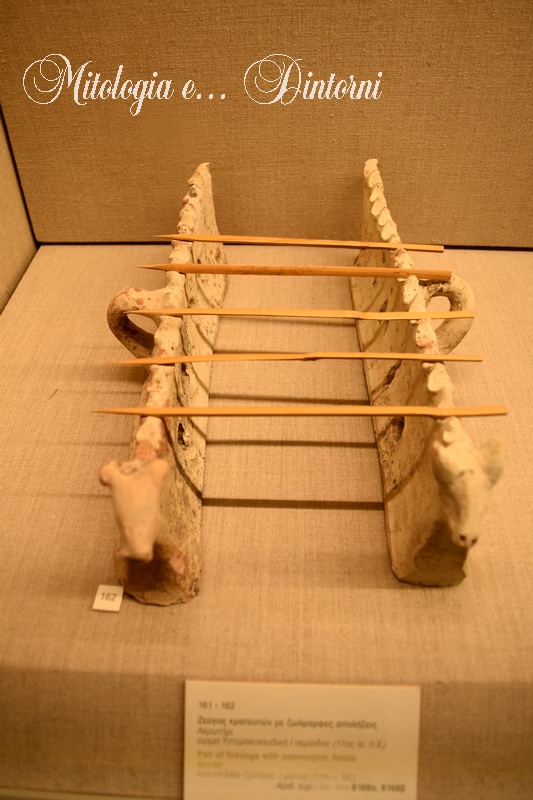
Il Museo della Thera Preistorica ospita i reperti provenienti dagli scavi di Akrotiri, condotti sotto l'egida della Società Archeologica di Atene, i precedenti scavi a Potamos, effettuati dai membri dell'Istituto Archeologico Germanico di Atene, e gli scavi di salvataggio in vari altri siti dell'isola, eseguiti dalla XXI Eforia delle Antichità per le Cicladi e Samo, oltre a oggetti scoperti fortuitamente o consegnati spontaneamente.
L'esposizione è strutturata in quattro unità, dedicate alla storia della ricerca a Thera, alla geologia dell'isola, alla sua storia dal Tardo Neolitico al periodo Tardo Cicladico I (inizio del XVII sec. a.C.) e al periodo di massimo splendore della città di Akrotiri (fase matura del TC I, XVII sec. a.C.). In quest'ultima unità, in particolare, vengono presentati vari aspetti, come la pianta e l'architettura della città, la sua organizzazione come centro urbano, l'emergente sistema burocratico, lo sviluppo dell'arte monumentale della pittura parietale, il ricco e diversificato repertorio ceramico, le influenze reciproche tra la pittura vascolare e gli affreschi, l'elegante gioielleria e la complessa rete di contatti della città e dell'isola con il mondo esterno.
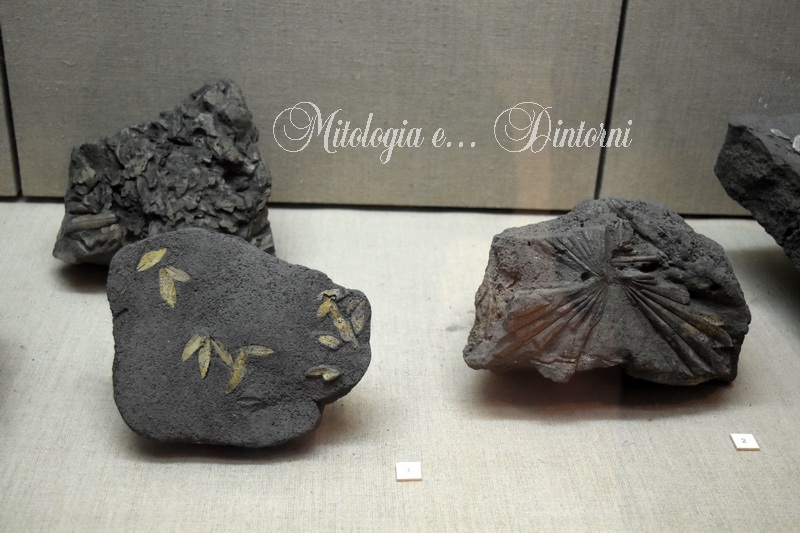
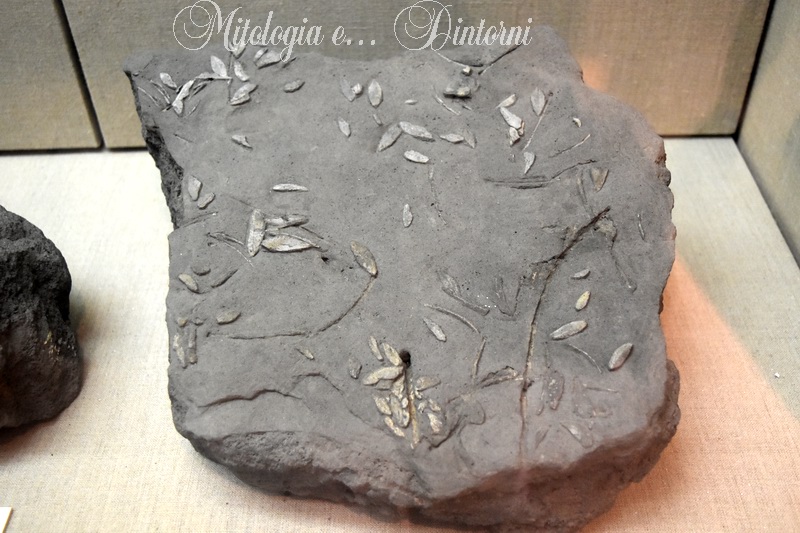
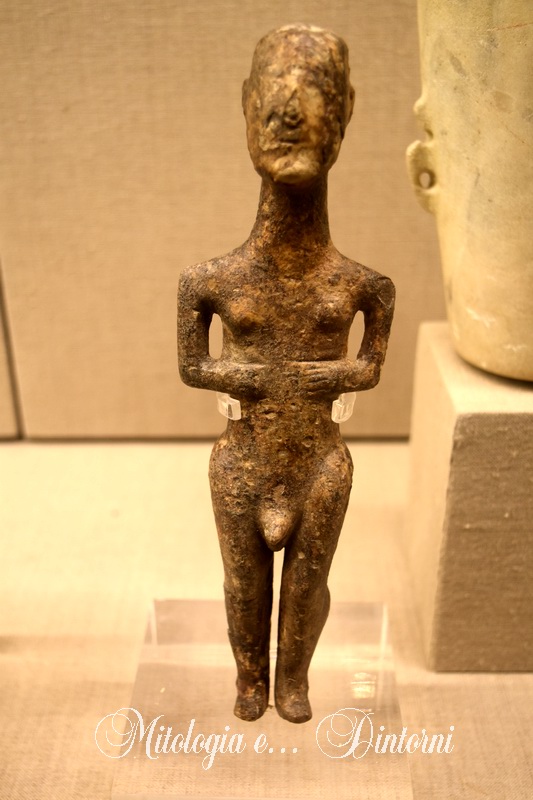
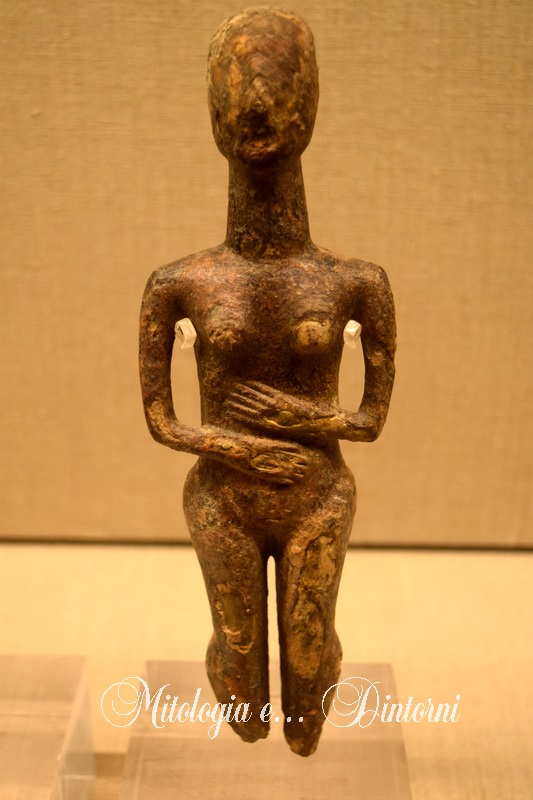
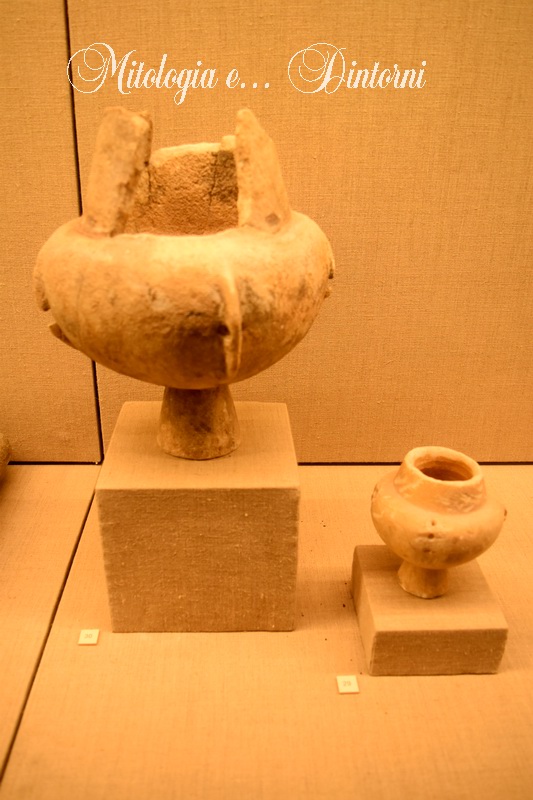
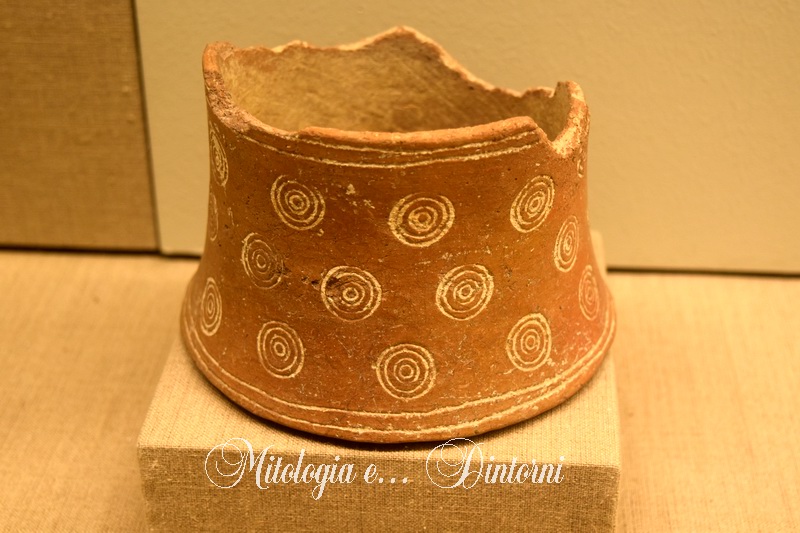
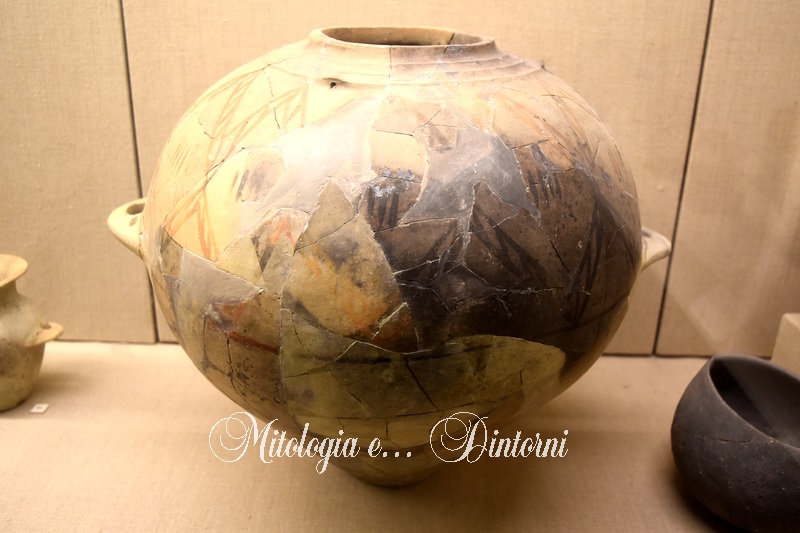
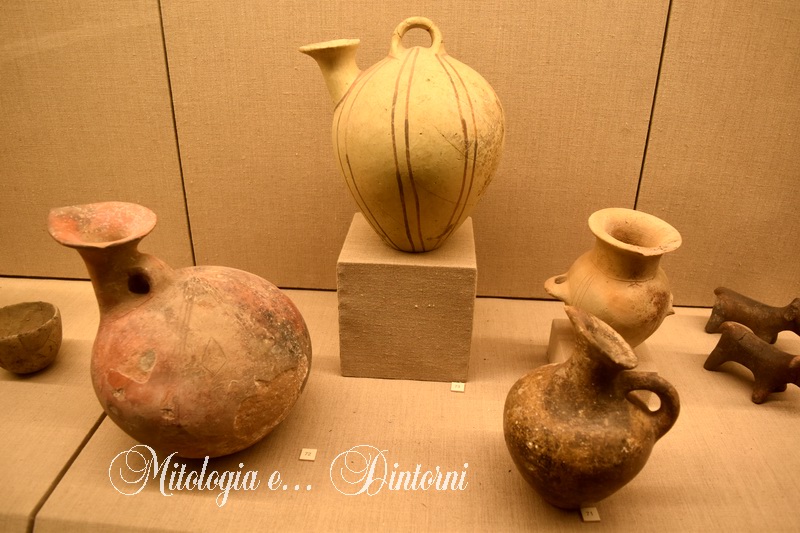
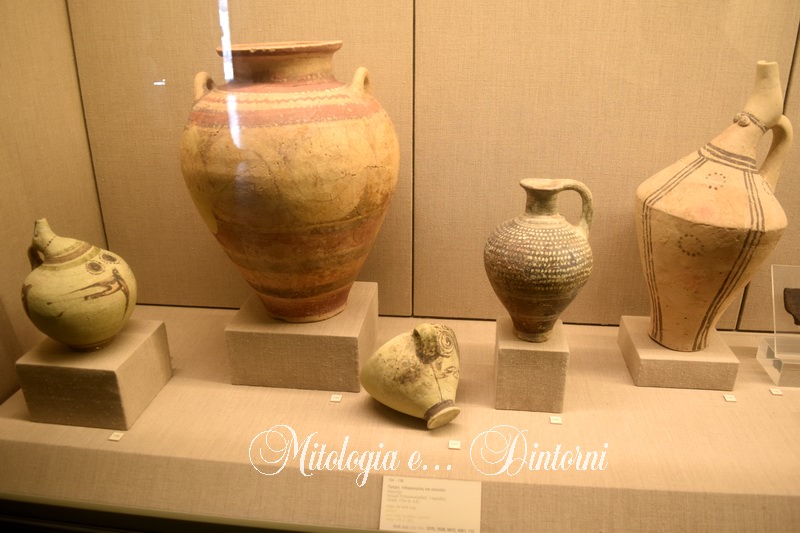
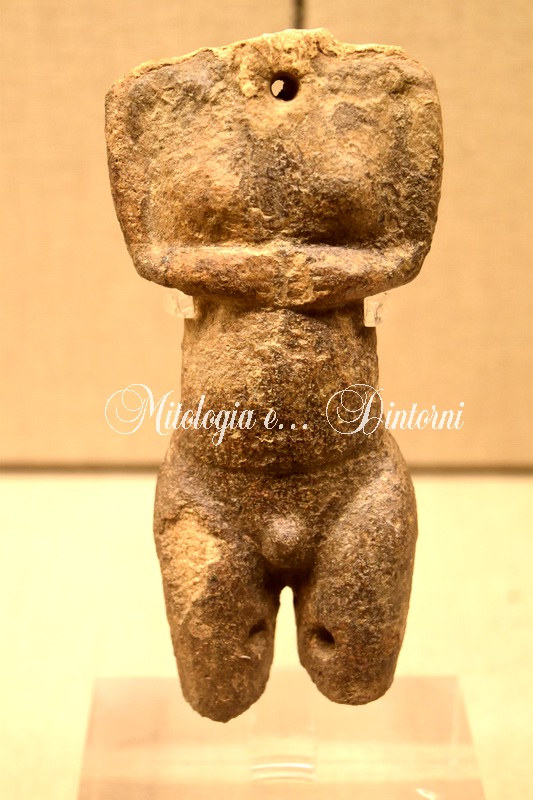
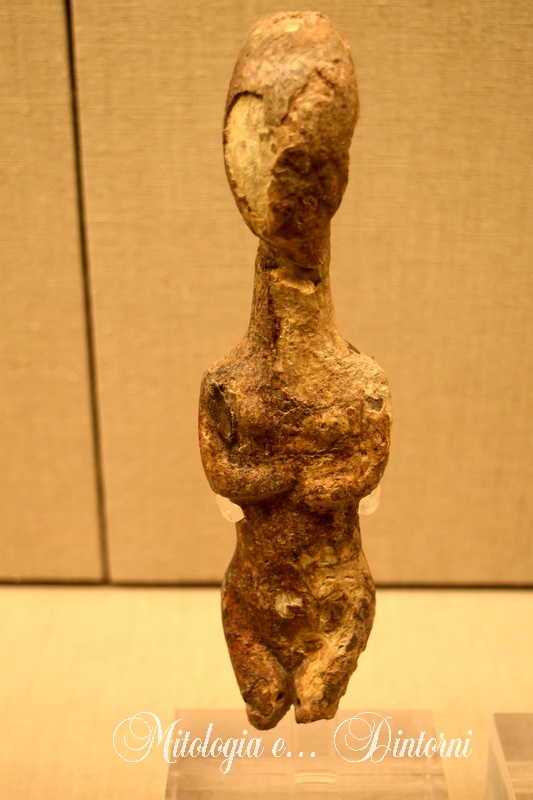
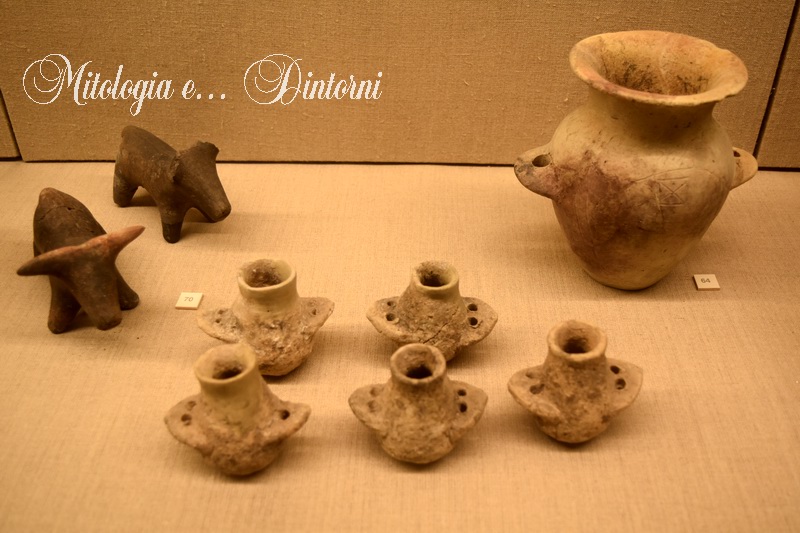
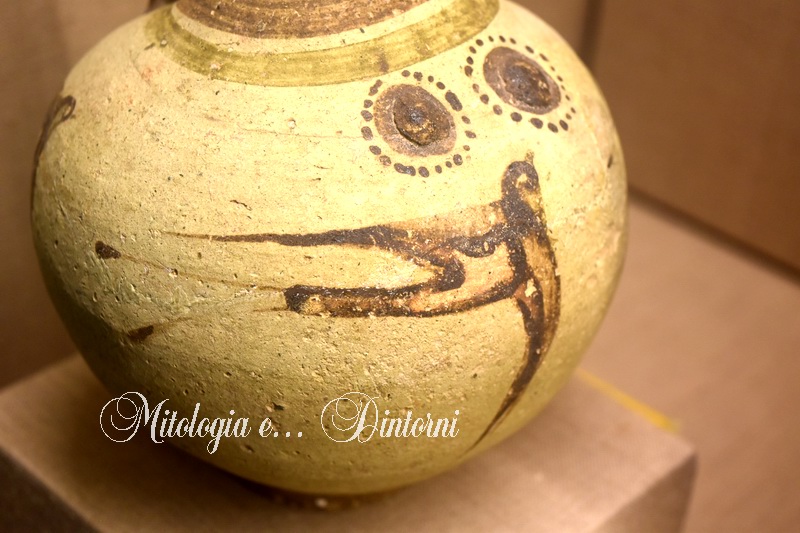
I reperti includono fossili di piante che fiorirono prima dell'insediamento umano a Thera e oggetti archeologici. Tra i pezzi più antichi figurano ceramiche neolitiche, figurine in marmo dell'Antico Cicladico e ceramiche dello stesso periodo (3300-2000 a.C.), ceramiche del Medio Cicladico con una serie di impressionanti brocche a becco d'uccello — molte delle quali decorate con rondini — e manufatti in metallo dell'Antico Cicladico.
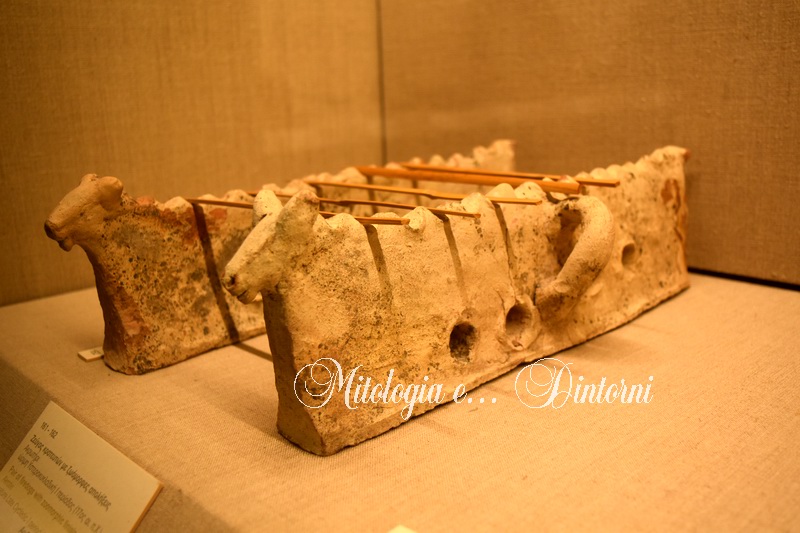
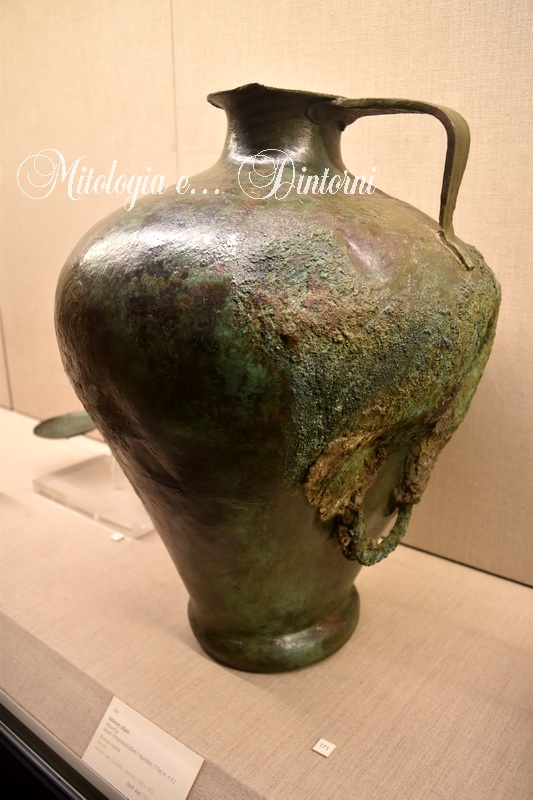
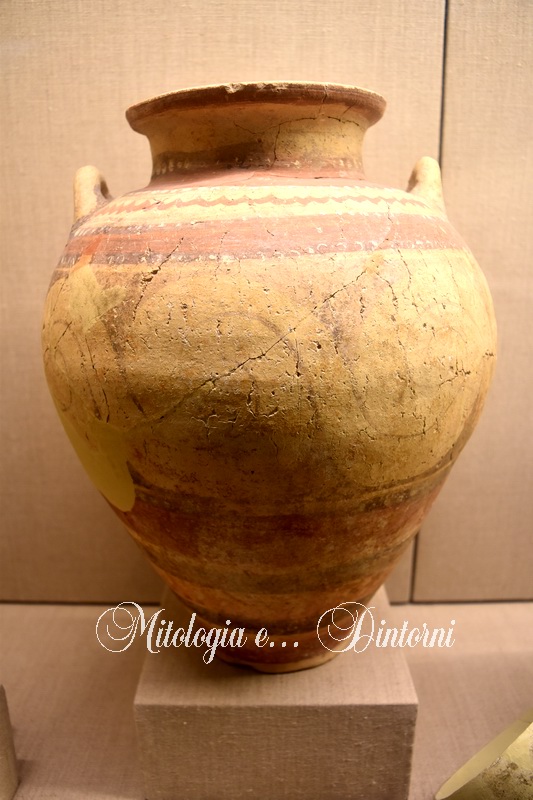
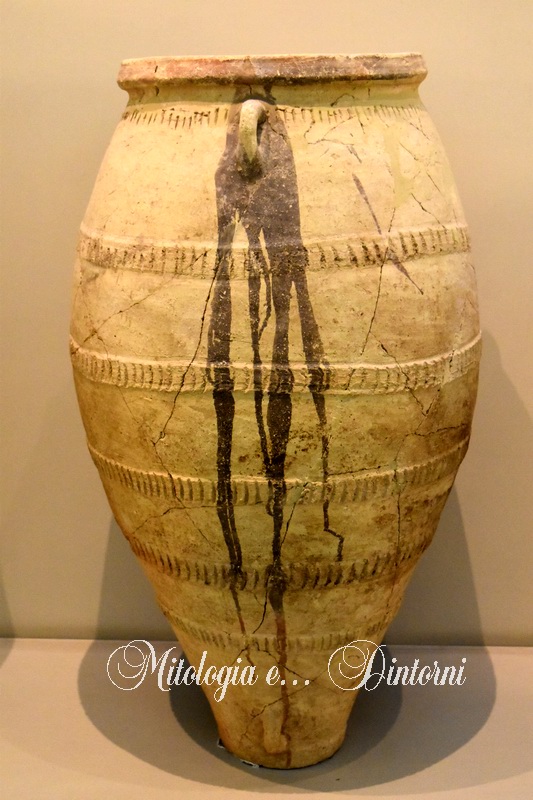
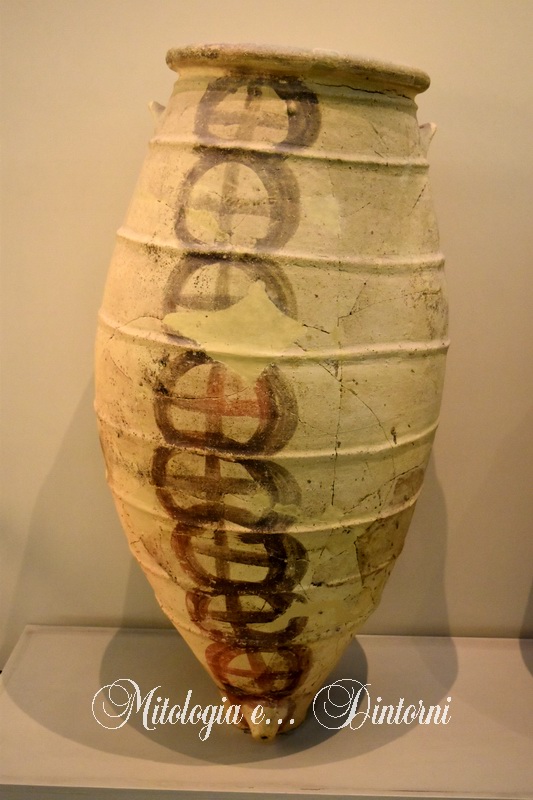
Degni di nota tra i numerosi reperti del periodo di apogeo della città di Akrotiri (XVII sec. a.C.) sono i calchi in gesso di mobili, le attrezzature domestiche, i vasi di bronzo, strumenti e armi, le impronte di sigilli e le tavolette in Lineare A. Altrettanto impressionanti sono i magnifici cicli pittorici (gli affreschi delle Donne, dei Papiri e delle Scimmie Blu). Infine, vi sono numerosi e lussuosi vasi di argilla, tra cui il notevole pithos con il toro e i delfini, vasi in pietra importati e la statuetta d'oro di stambecco, un ritrovamento eccezionale.
La mostra si propone di tratteggiare il cammino di Thera in epoca preistorica attraverso una selezione dei migliaia di reperti conservati nei magazzini. Un percorso dinamico e creativo che ha reso la città di Akrotiri uno dei centri più importanti dell'Egeo durante il XVIII e il XVII secolo a.C.
The Museum of Prehistoric Thera houses finds from the excavations at Akrotiri, conducted under the auspices of the Archaeological Society at Athens, the earlier excavations at Potamos, made by members of the German Archaeological Institute at Athens, and rescue excavations at various other sites on the island, carried out by the XXI Ephorate of Antiquities for the Cyclades and Samos, as well as objects discovered fortuitously or handed over.
The exhibition is structured in four units, referring to the history of research at Thera, the geology of Thera, the island’s history from the Late Neolithic to the Late Cycladic I period (early 17th c. BC), and the heyday of the city at Akrotiri (mature LC I period, 17th c. BC). In the last unit in particular, various aspects are presented, such as the plan and architecture of the city and its organization as an urban centre, the emergent bureaucratic system, the development of the monumental art of wall-painting, the rich and diverse pottery repertoire, the reciprocal influences between vase-painting and wall-painting, the elegant jewellery, and the city’s and the island’s complex network of contacts with the outside world.
The exhibits include fossils of plants that flourished before the human habitation of Thera and archaeological objects. Among the earliest pieces are Neolithic pottery, Early Cycladic marble figurines, Early Cycladic pottery - including interesting pieces of the transitional phase from the EC II to EC III period (Kastri group) from the Christiana islets and Akrotiri (3300-2000 BC) -, Middle Cycladic pottery with a series of impressive bird jugs - many of them decorated with swallows - from Ftellos, Aghios Ioannis Eleemon, Megalochori and Akrotiri (20th-18th c. BC) and Early Cycladic metal artefacts from the last two sites.
Noteworthy among the numerous exhibits from the period when the city at Akrotiri was at its zenith (17th c. BC) are the plaster casts of furniture, the household equipment, the bronze vessels, tools and weapons, the objects that bear witness to the practice of metalworking, the sealings, seals and Linear A tablets. Impressive too are the magnificent wall-painting ensembles (wall-paintings of Ladies and Papyri, wall-painting of the Blue Monkeys) and fragments of others (the ‘African’, Adorant Monkeys, Bird, floral motifs). Last, there are numerous and luxurious clay vases including the remarkable pithos with the bull and the dolphins, vases of stone and of clay imported from different parts of the Aegean and the Eastern Mediterranean, and the gold ibex figurine, a remarkable find.
The exhibition endeavours to sketch the course of Thera in prehistoric times, through selected finds from the thousands in the storerooms. This was a dynamic and creative course which established the city at Akrotiri as one of the most important Aegean centres during the 18th and 17th centuries BC.
Click on the images to see the enlargement, on the words highlighted for further information.
Το Μουσείο της Προϊστορικής Θήρας φιλοξενεί ευρήματα που προέρχονται από τις ανασκαφές της Εν Αθήναις Αρχαιολογικής Εταιρείας στο Ακρωτήρι και τις παλαιές ανασκαφές του Γερμανικού Αρχαιολογικού Ινστιτούτου στη θέση Ποταμός, από τις ανασκαφές της ΚἈ Εφορείας Αρχαιοτήτων Κυκλάδων και Σάμου σε διάφορες θέσεις της Θήρας, από περισυλλογές και παραδόσεις.
Η έκθεση δομείται σε τέσσερις ενότητες που αναφέρονται στην ιστορία της έρευνας της προϊστορικής Θήρας, στη γεωλογική ιστορία της Θήρας, στην πορεία της νήσου από τη Νεότερη Νεολιθική περίοδο ως τις αρχές της Υστεροκυκλαδικής Ι περιόδου (αρχές 17ου αι. π.Χ.) και στην περίοδο ακμής του Ακρωτηρίου (ώριμη ΥΚ Ι περίοδος, 17ος αι. π.Χ.). Ειδικότερα η περίοδος ακμής του Ακρωτηρίου ζωντανεύει με την ανάπτυξη επιμέρους τομέων, όπως είναι η πολεοδομική και αρχιτεκτονική μορφή της πόλης και η συγκρότησή της σε αστικό κέντρο, οι γραφειοκρατικές δομές της, η ανάπτυξη της μνημειώδους τέχνης και τοιχογραφίας, η πολύμορφη, πλούσια κεραμική της, η αλληλεπίδραση αγγειογραφίας και τοιχογραφίας, τα περίτεχνα κοσμήματα και το σύνθετο πλέγμα των σχέσεων του Ακρωτηρίου και της Θήρας με τον έξω κόσμο.
Τα εκθέματα περιλαμβάνουν απολιθώματα φυτών που ευδοκιμούσαν πριν από την εμφάνιση του ανθρώπου στη θήρα και αρχαιολογικά αντικείμενα. Στα πρωιμότερα εκθέματα συγκαταλέγονται νεολιθική κεραμική, πρωτοκυκλαδικά μαρμάρινα ειδώλια και αγγεία από νεκροταφείο στην περιοχή Φηρών και από το Ακρωτήρι, πρωτοκυκλαδική κεραμική που περιλαμβάνει και ενδιαφέροντα ευρήματα της μετάβασης από την ΠΚ II στην ΠΚ III περίοδο (Ομάδα Καστριού) από τις νησίδες των Χριστιανών και από το Ακρωτήρι (3300-2000 π.Χ.), μεσοκυκλαδική κεραμική με μια σειρά εντυπωσιακών πτηνόμορφων πρόχων - πολλές από τις οποίες είναι διακοσμημένες με χελιδόνια - από τον Φτέλλο, τον Άγιο Ιωάννη τον Ελεήμονα, το Μεγαλοχώρι και το Ακρωτήρι (20ός-18ος αι. π.Χ.) και δείγματα της πρώιμης κυκλαδικής χαλκοτεχνίας από τις δύο τελευταίες θέσεις.
Ανάμεσα στα πολυάριθμα εκθέματα της περιόδου ακμής της πόλης του Ακρωτηρίου (17ος αι. π.Χ.) διακρίνονται τα γύψινα εκμαγεία επίπλων, τα είδη οικοσκευής, τα χάλκινα σκεύη, εργαλεία και όπλα, το αντικείμενα που μαρτυρούν την άσκηση μεταλλοτεχνίας, τα σφραγίσματα, οι σφραγίδες και οι πινακίδες της Γραμμικής Α γραφής• εντυπωσιάζουν τα μεγαλοπρεπή τοιχογραφικά σύνολα (τοιχογραφίες Γυναικών και Παπύρων, τοιχογραφία Κυανοπιθήκων), και αποσπάσματα άλλων («Αφρικανός», Σεβίζοντες πίθηκοι, Πτηνό, φυτικά θέματα). Τέλος, κινούν το ενδιαφέρον τα πολυπληθή και πολυτελή πήλινα σκεύη, συμπεριλαμβανομένου του περίφημου πίθου με τον ταύρο και τα δελφίνια, λίθινα και πήλινα αγγεία εισηγμένα από διάφορες περιοχές του Αιγαίου και της Ανατολικής Μεσογείου και το μοναδικό χρυσό ειδώλιο αιγάγρου.
Με την έκθεση γίνεται μια προσπάθεια να σκιαγραφηθεί η πορεία της Θήρας στους προϊστορικούς χρόνους μέσω επιλεγμένων ευρημάτων από τις χιλιάδες που υπάρχουν στις αποθήκες, μια πορεία δυναμική και δημιουργική που κατέστησε το νοτιότερο νησί των Κυκλάδων ένα από τα σπουδαιότερα αιγαιακά κέντρα κατά το 18ο και 17ο αι. π.Χ.
Clicca sulle immagini per vedere l'ingrandimento, sulle scritte evidenziate per altre informazioni.
Click on the images to see the enlargement, on the words highlighted for further information.