Clicca sulle immagini per vedere l'ingrandimento, sulle didascalie avere altre informazioni.
Click on the images to see an enlargement, and the captions for more information.
La Villa dei Papiri
Esempio canonico delle ville d'otium descritte dagli autori antichi, la villa dalle ragguardevoli dimensioni - si estendeva su di uno sperone roccioso a strapiombo sul mare situato immediatamente ad occidente della città di Ercolano.
Scoperta fortuitamente il 2 maggio del 1750. fu scavata da Karl Weber, svizzero, ingegnere della Guardia Reale, nell'arco di tempo tra il 1750 ed il 1761. Dopo una breve ripresa delle attività tra il 1764 ed il 1765, l'esplorazione fu definitivamente abbandonata.
Lo scavo, che procedeva per cunicoli orizzontali scavati, all'interno del banco lavico, a seguire le murature antiche fu minuziosamente documentato dal Weber con la redazione di una pianta dell'intero complesso, datata al 20 luglio 1754.
Di estrema precisione, la pianta non solo restituisce il rilievo della villa ma indica la posizione dei vari pozzi aperti per la discesa nel sottosuolo e l'andamento dei cunicoli orizzontali; mediante l'utilizzo di una diversa simbologia, il Weber individua le diverse tipologie dei pavimenti.
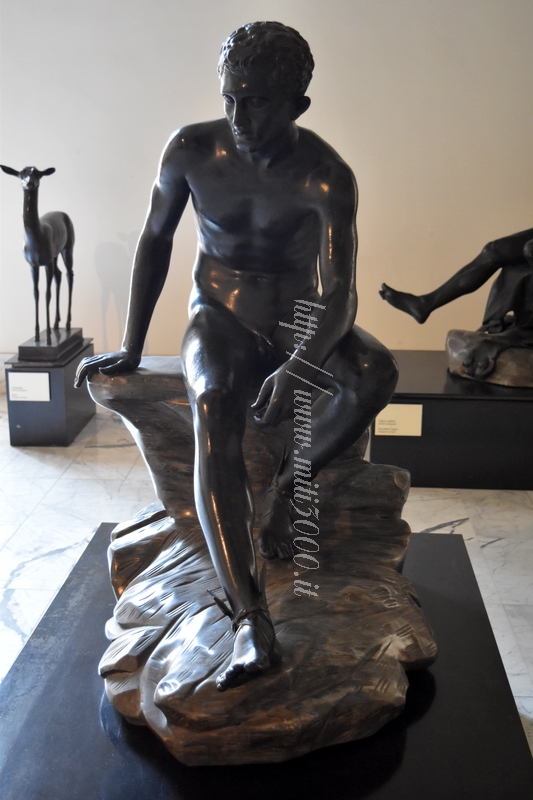
Lettere e numeri (arabi e romani), richiamati in una lunga didascalia, indicano la collocazione delle opere più significative, costituenti un notevolissimo complesso di sculture, in bronzo e marmo - derivanti per lo più da modelli ellenistici del III sec. a.C. - la cui produzione è inquadrabile prevalentemente nel terzo quarto del I sec. a.C.
the Villa of the Papyrus
Typical example of the otium villas described by the ancient authors, this villa- whose dimensions are considerable- enlarged upon a rock spur falling sheer to the sea, situated at the west of Ercolano.
Discovered by chance on May 2nd 1750. it was dug out between 1750 and 1761 by Karl Weber a Swiss engineer who belonged to the Royal Guard. The excavation was completely abandoned after a short resumption of the digging activity between 1764 and 1765. The excavation advanced through horizontal small tunnels dug inside the lava benches following the ancient stonework. Mr Weber, who drew a map of the whole compound dated July 20th 1754. painstakingly documented it.
Drawn with keen accuracy, not only does this map give back the relief of the villa but it also indicates the position of the various wells, opened up to go underground, and the course of the horizontal tunnels.
By using a different symbol system Mr Weber detected the varied kinds of floor. Letters and numbers (Arabian and Roman), cited within a long caption. indicate the placement of the most remarkable art pieces, which compose a noteworthy group of bronze and marble sculptures probably produced during the second half of the 1st century A.C and almost thoroughly deriving from 3rd century A.C. Hellenistic models.
ambiente "D"
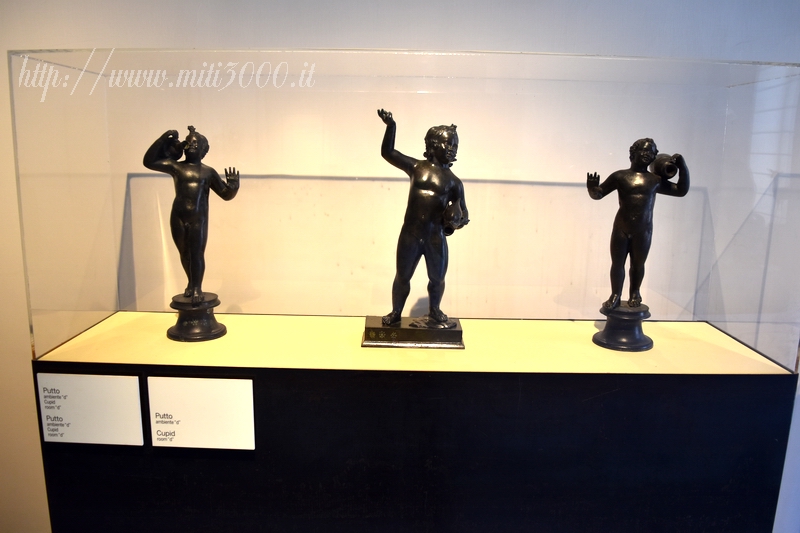
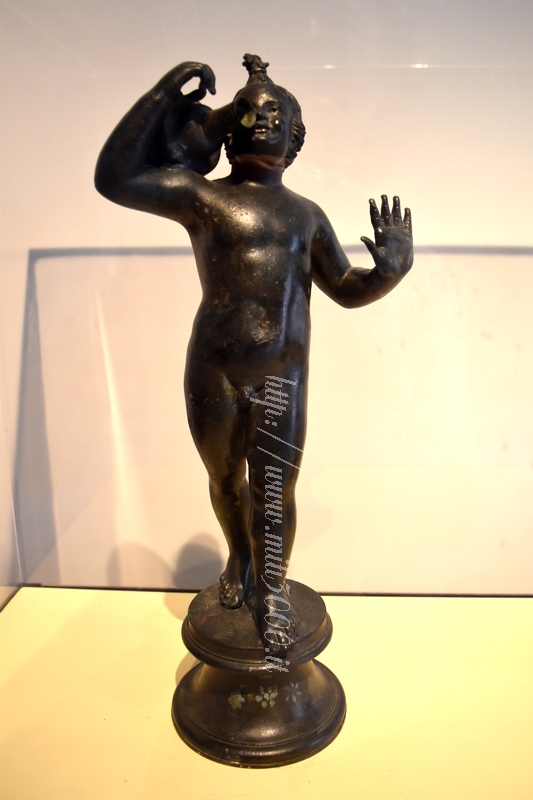
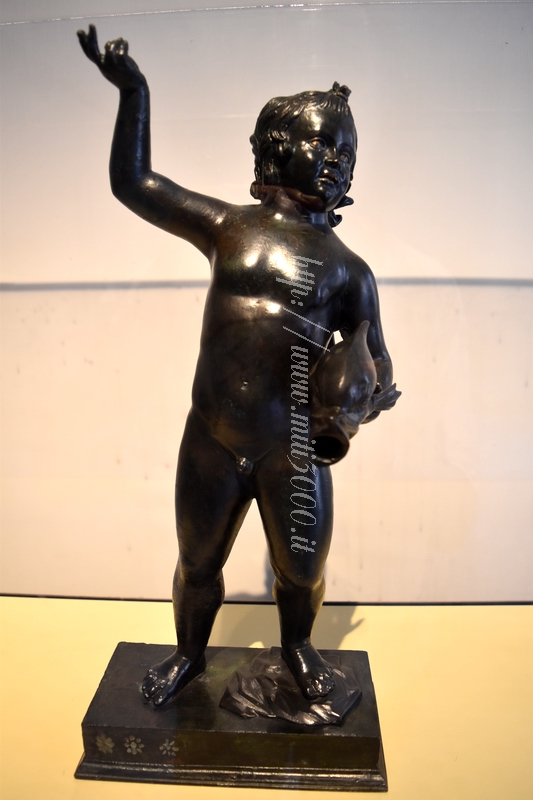
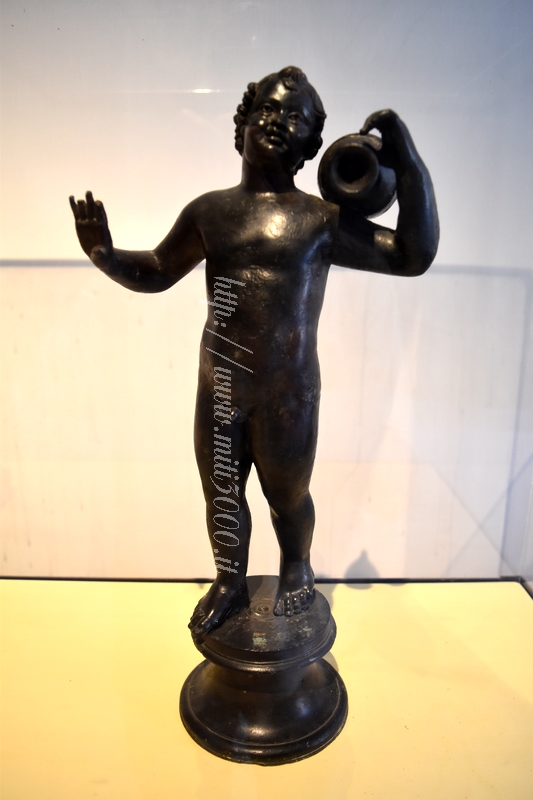
Da questo ambiente, ubicato nel settore nord-occidentale della Villa, all'esterno del lato ovest del peristilio rettangolare, provengono le prime opere scoperte nel Settecento: quattro statuette bronzee raffiguranti putti con vasi e delfini, forse in origine elementi decorativi di una fontana rinvenuta a Sud-Ovest dell'ambiente stesso.
room "D"
The first artifacts discovered in the early 18th century were found in this area, located in the northwestern part of the Villa, at the exterior of the western side of the rectangular peristyle. The four bronze statuettes of cupids with vases and dolphins may originally have adorned a fountain found to the southwest of that area.
ambiente "F"
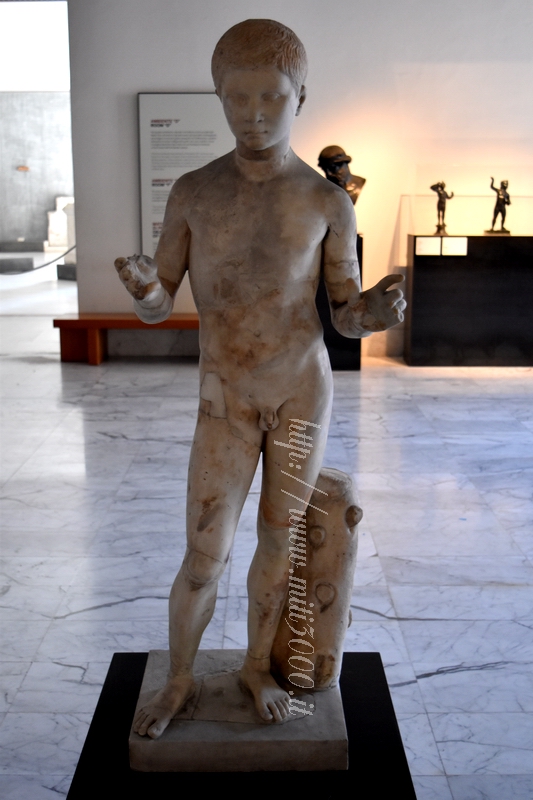
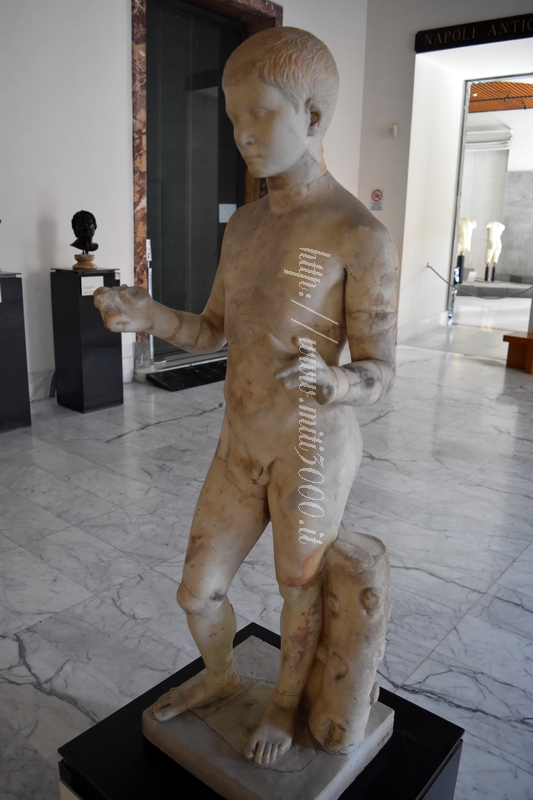
Piccola ma preziosamente decorata da un pavimento in marmi pregiati, la stanza - forse un triclinio estivo -accoglieva la statua - ritratto di un fanciullo, probabilmente membro della famiglia proprietaria della Villa.
room "F"
The small but elegantly decorated room is paved in prized marble. Perhaps a summer triclinium, it contained a statue of a youth, probably a member of the family owning the Villa.
materiali di provenienza incerta
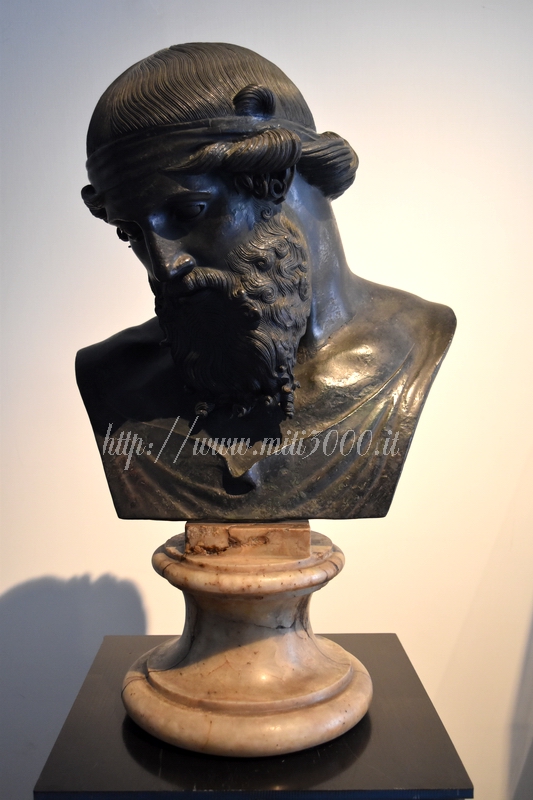
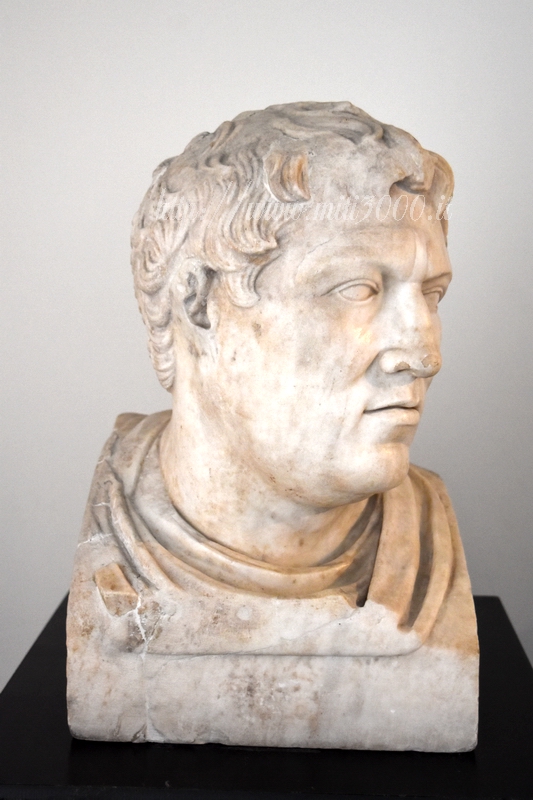
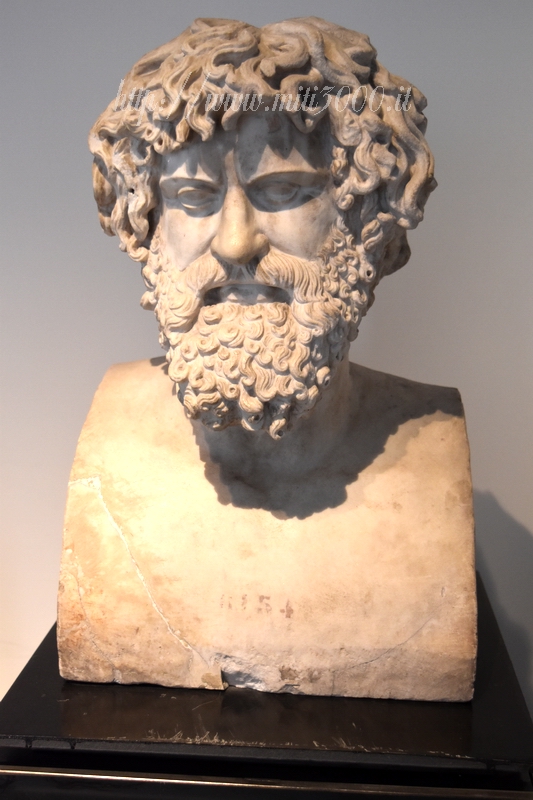
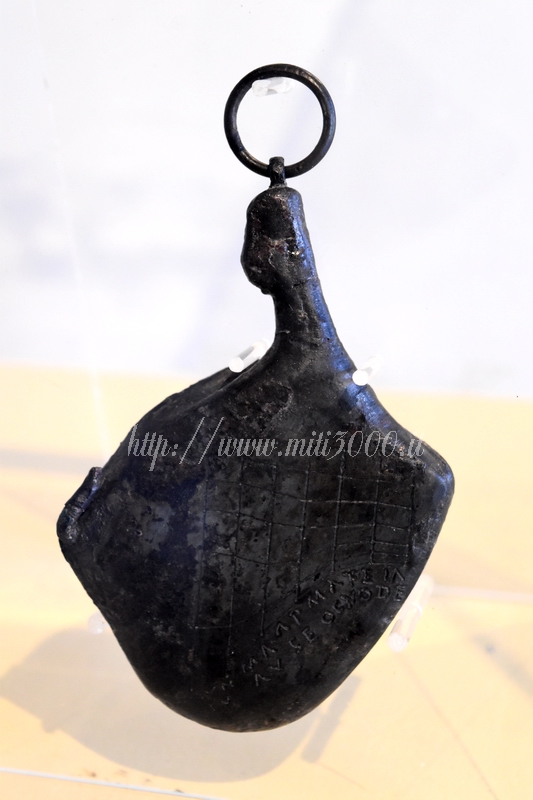
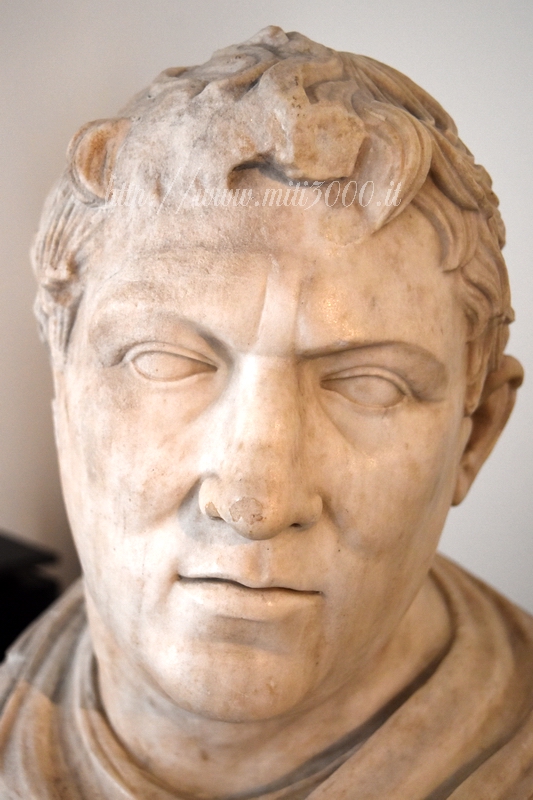
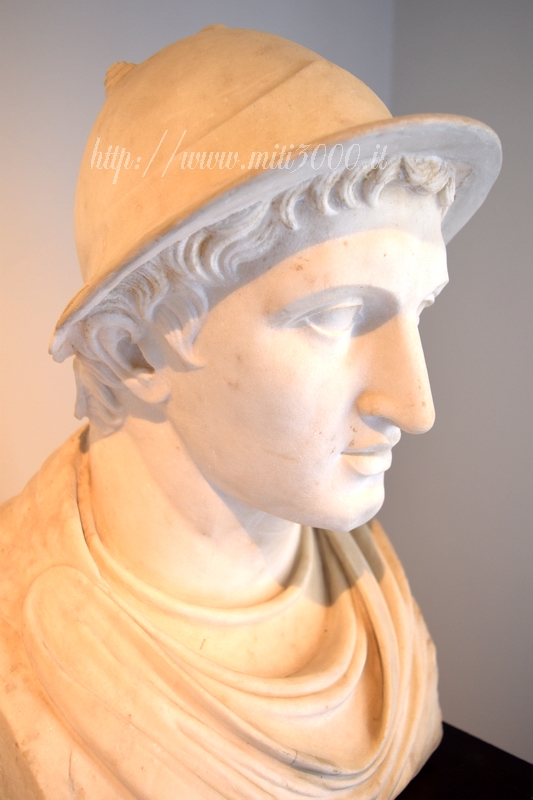
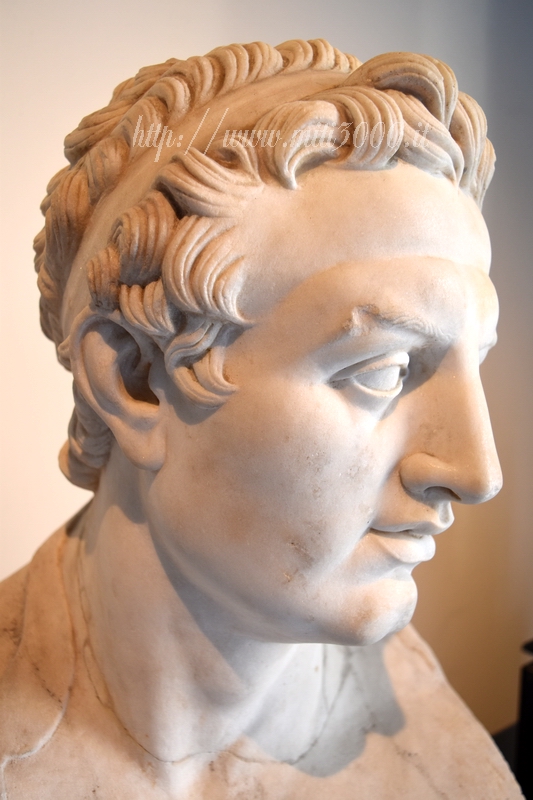
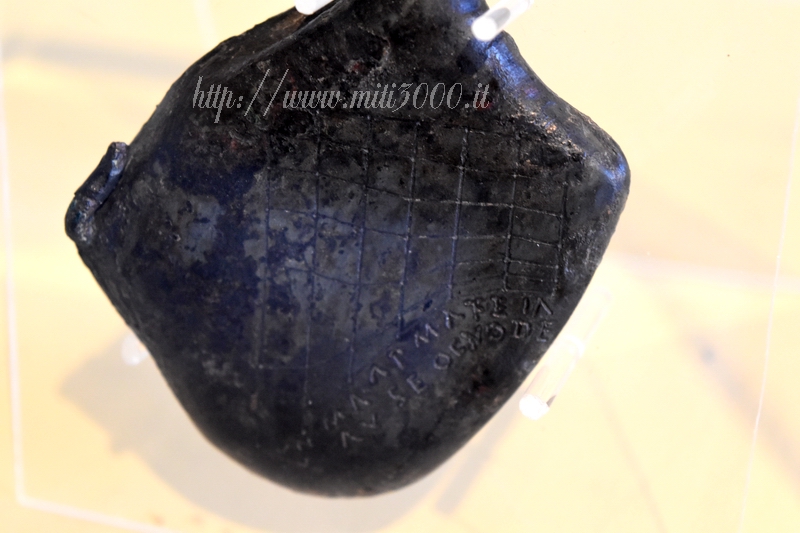
Dagli ambienti intorno all'atrio, ma senza possibilità di una precisa ubicazione. provengono un busto dalla controversa identificazione ed un orologio solare portatile a forma di prosciutto. indubbiamente l'oggetto più curioso ritrovato nella Villa.
objects of uncertain provenance
Although no precise location can be established, material found in the area surrounding the atrium, included a bust (its subject is debated), and a particularly interesting sun dial in the shape of a ham hock.
Il peristilio rettangolare: la natatio
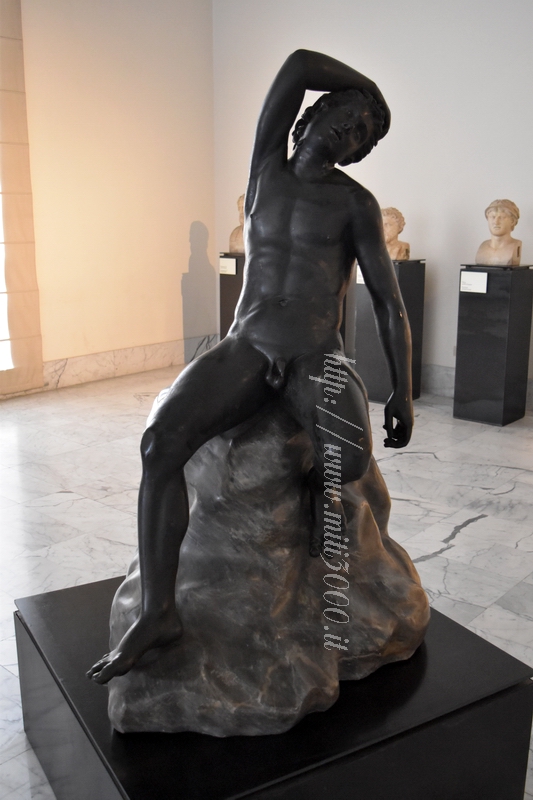
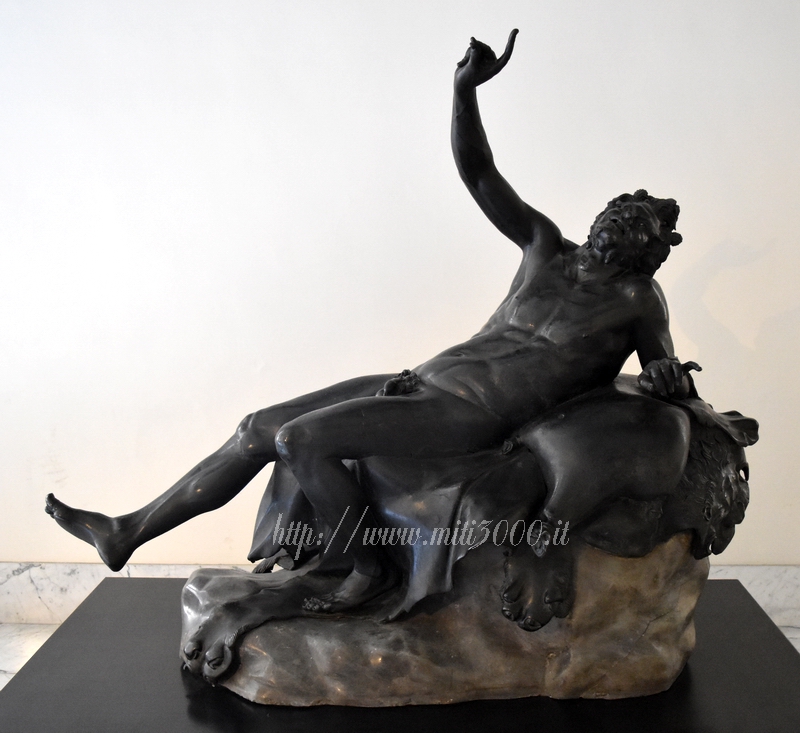
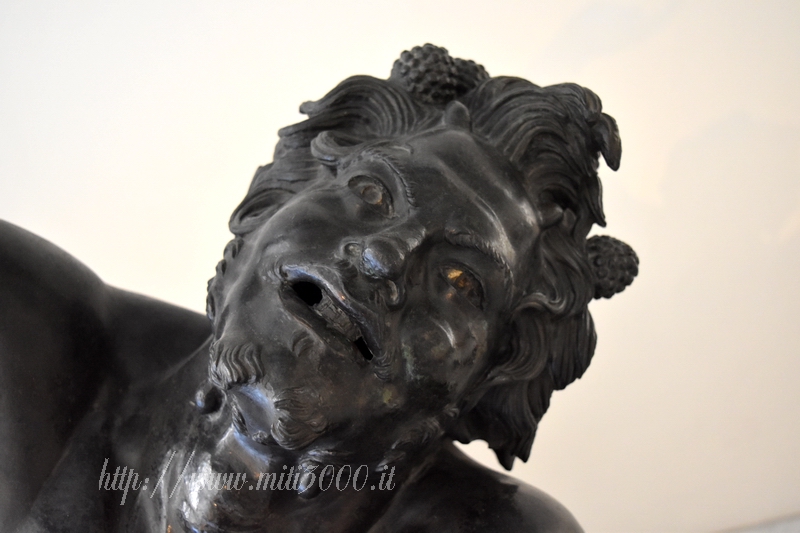
Attorno alla natatio una serie di bronzi di grandi dimensioni riprendeva e sviluppava il tema dionisiaco, più volte accennato negli altri ambienti della Villa.
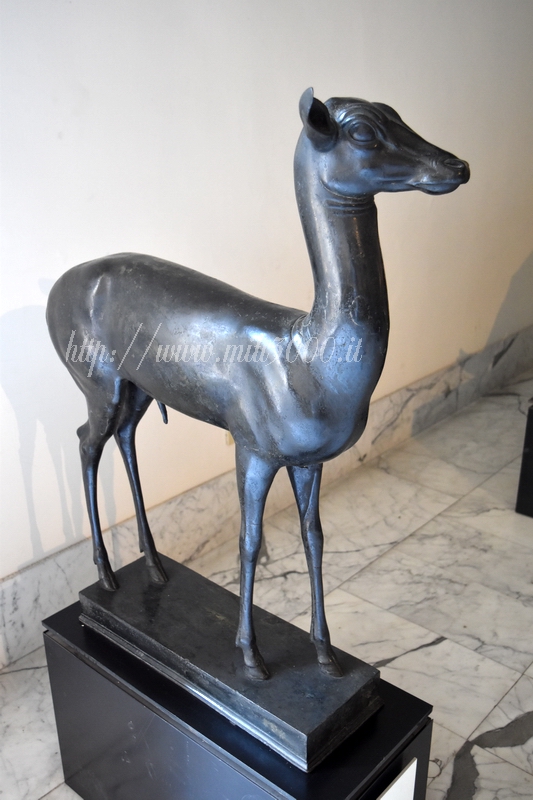
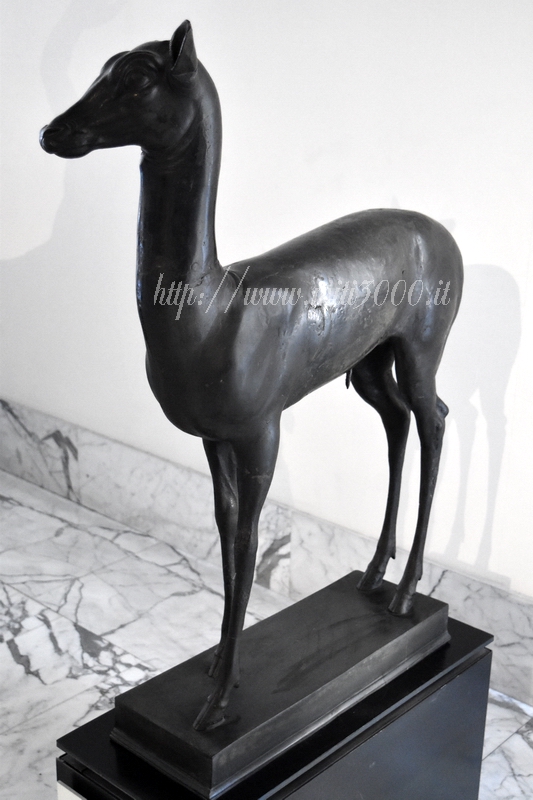
L'arredo scultoreo era così completato da satiri, Pan e cerbiatti, chiaramente ispirati a modelli di età ellenistica. secondo uno schema tipico della decorazione dei giardini romani.
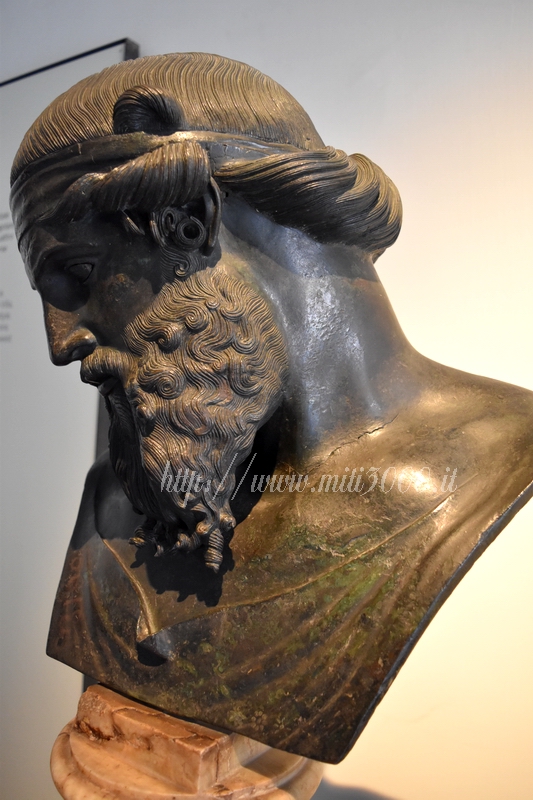
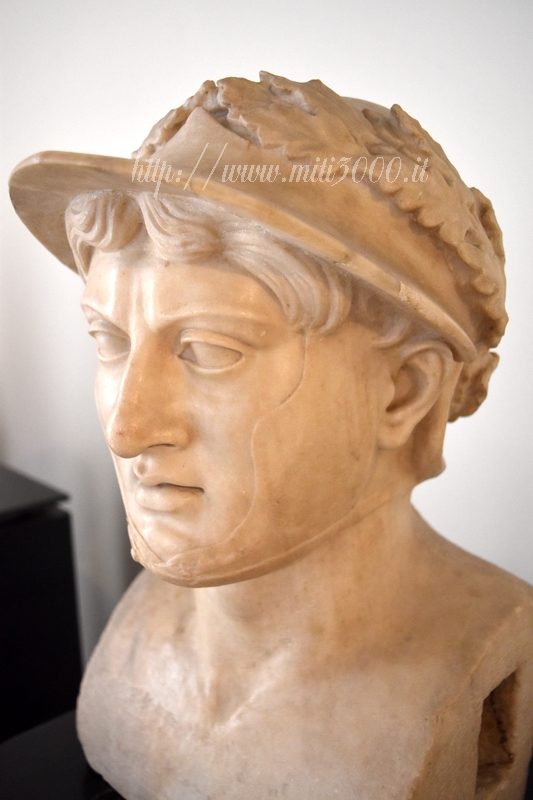
Agli angoli della grande piscina, erme bronzee disposte a coppie raffiguravano divinità. poeti ed un principe ellenistico.
The rectangular peristyle: the natatio
Surrounding the natatio (pool), a series of large bronzes reflected and further developed the Dionysiac themes that recur throughout the Villa.
The sculptural adornments, which included satyrs, Pan. and deer, all clearly inspired by Hellenistic models, followed the typical decorative programme for ancient Roman gardens.
At the corners of the great pool were bronze herms, displayed as couples, representing divinities, poets and an Hellenistic prince.
Il peristilio rettangolare: gli ambulacri dl nord-est e sud-ovest
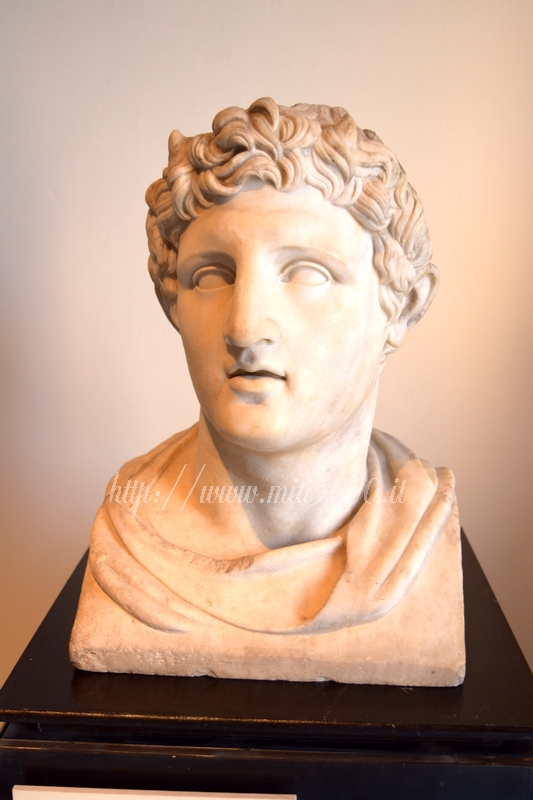
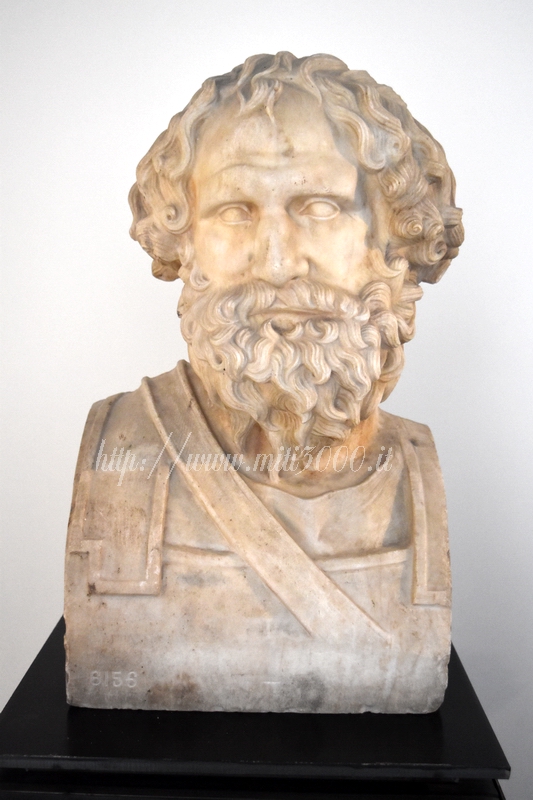
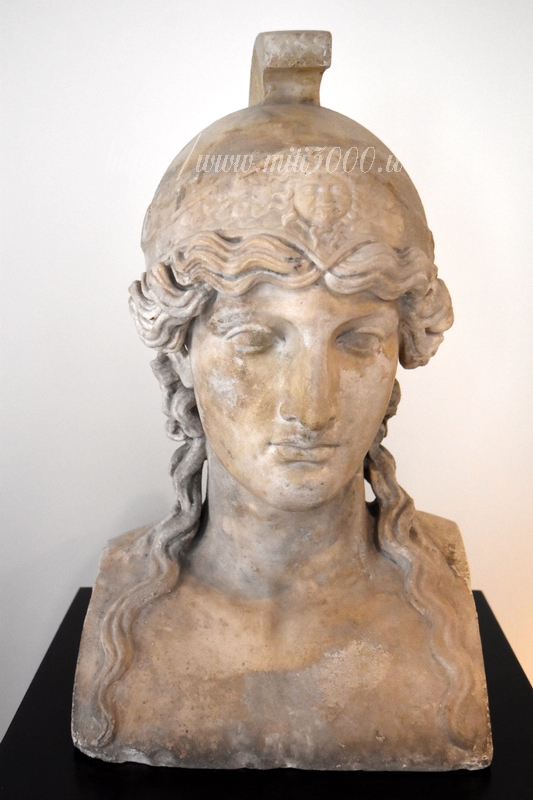
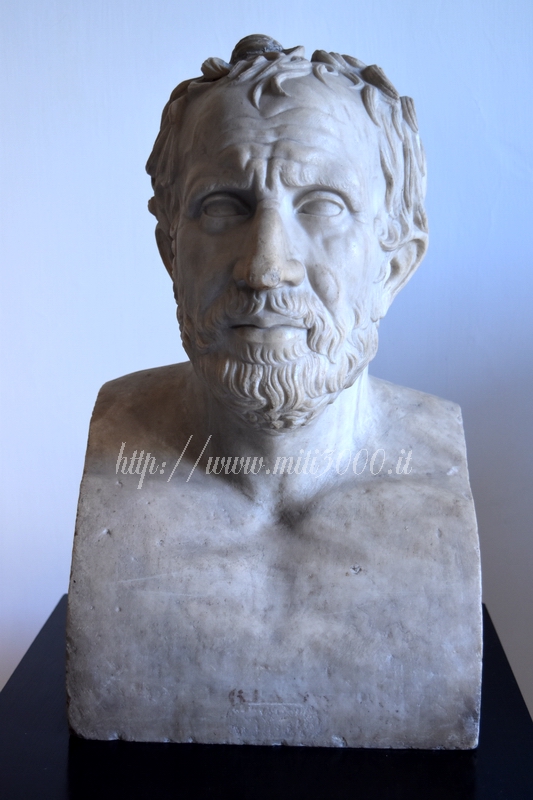
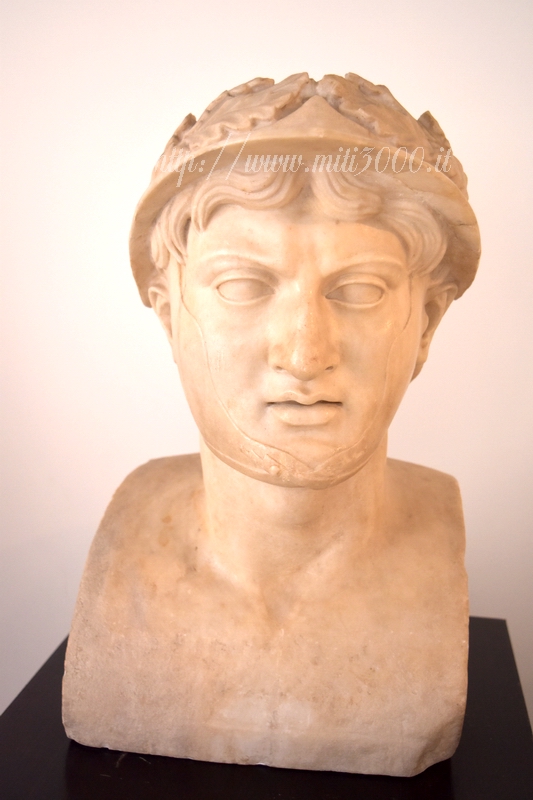
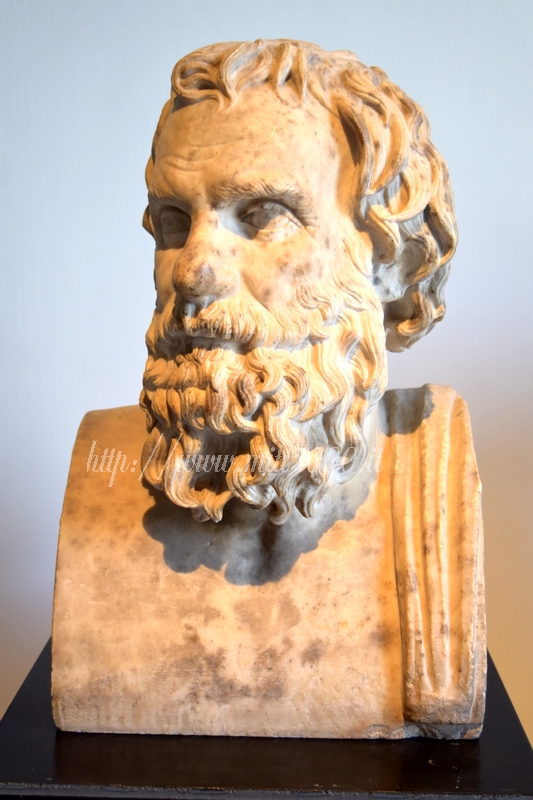
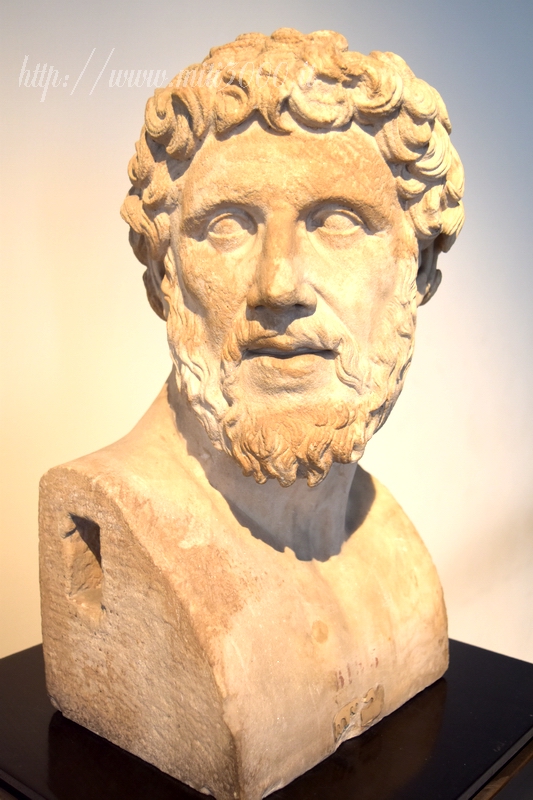
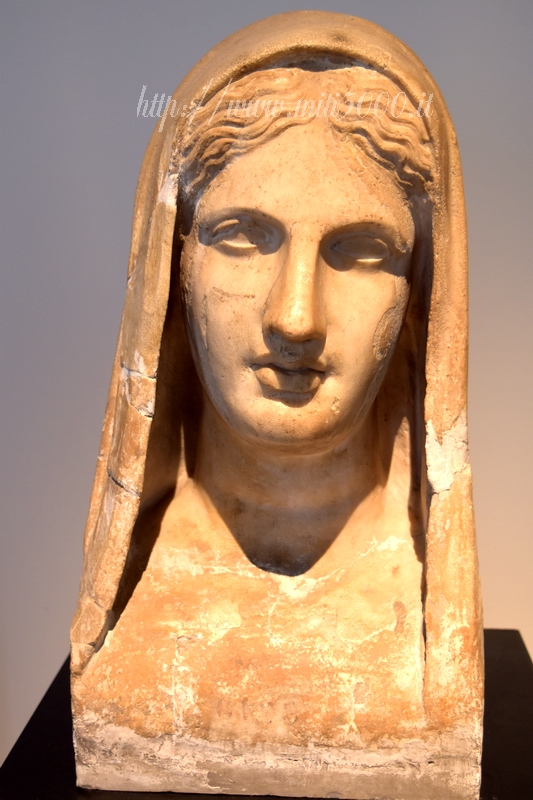
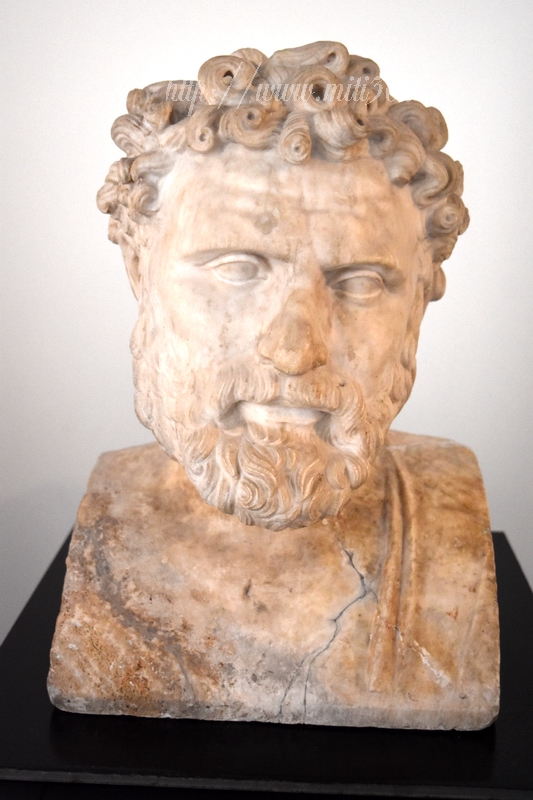
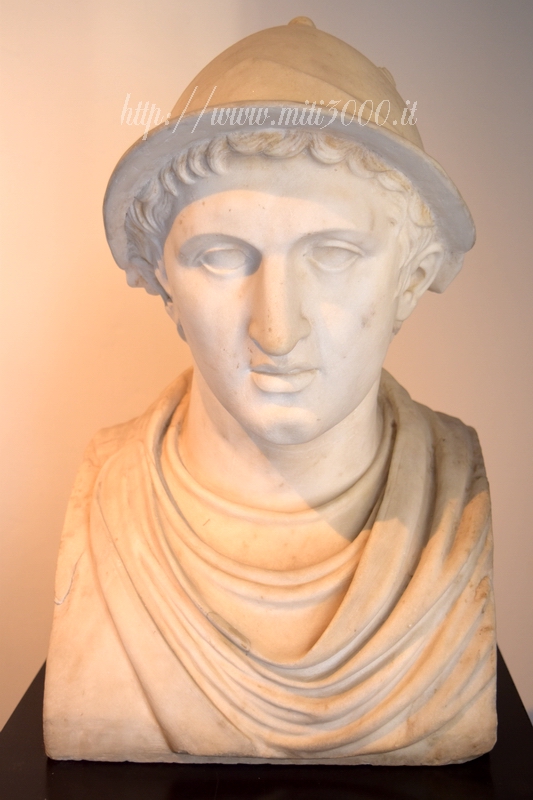
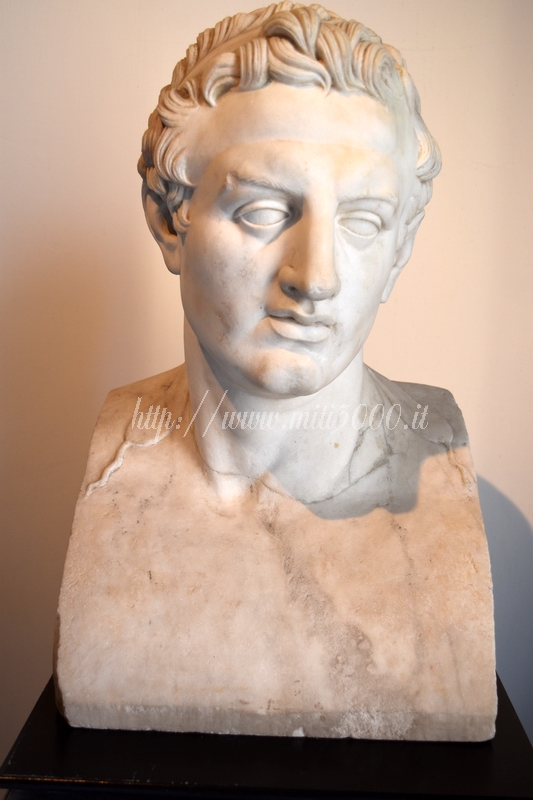
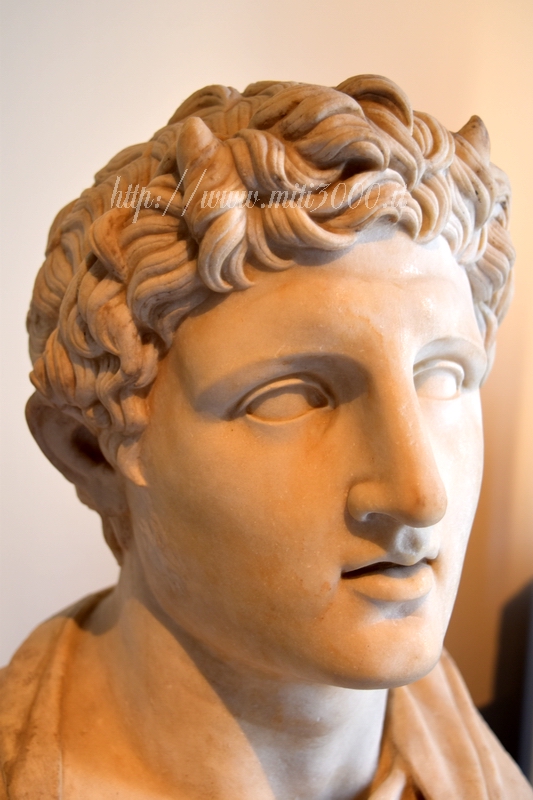
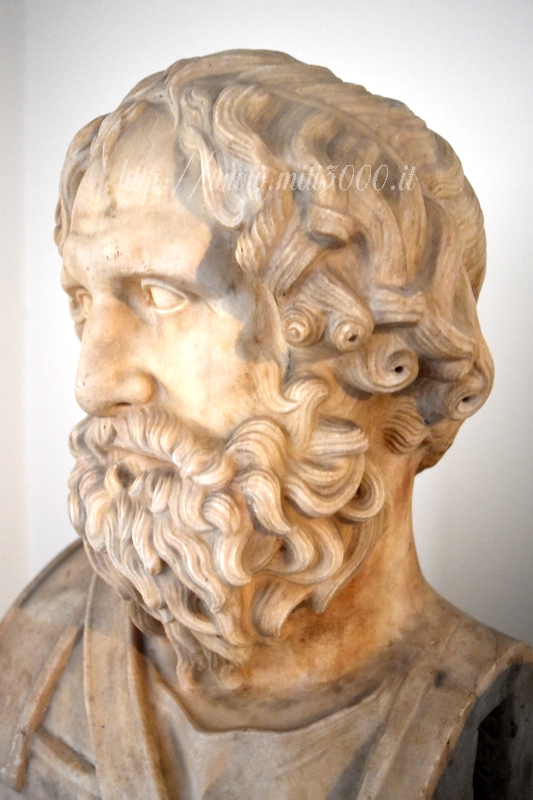
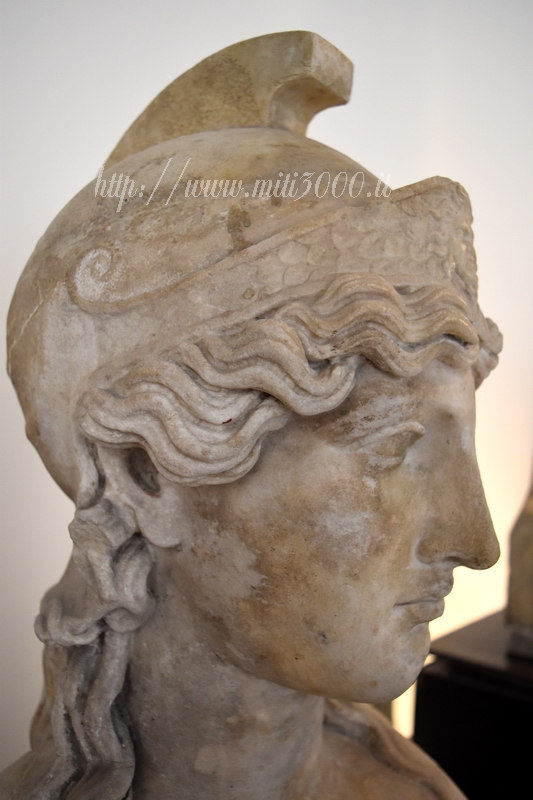
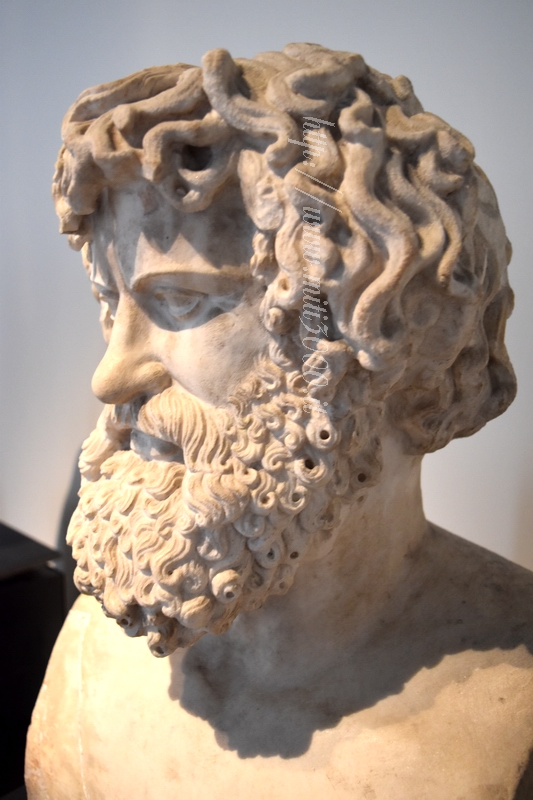
Ad una serie straordinaria di tredici erme marmoree era affidata la decorazione dello spazio tra la natatio e gli ambulacri lunghi del grande peristilio.
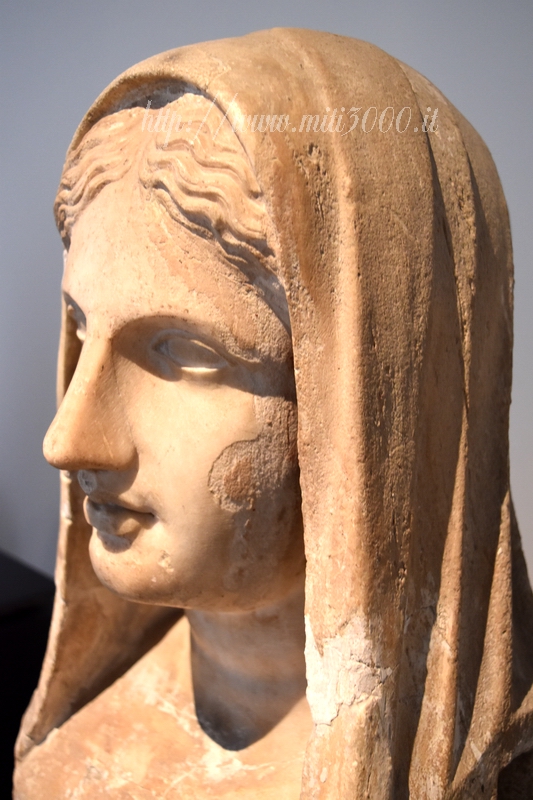
Simmetricamente disposte a coppie, le erme raffigurano dinasti ellenistici presentati in associazione, o contrapposizione, con filosofi e poeti, di cui non sempre e facile stabilire l'identita.
Alla base della scelta di questa associazione sembra comunque individuabile la contrapposizione, cardine del modello di vita romano, tra il negotium, la res publica, e l'otium, la res privata.
The rectangular peristyle: the northeast and southwest walkways
An extraordinary series of thirteen marble herms decorated the area between the natatio (pool) and the long walkways of the great peristyle.
Displayed symmetrically in couples, the herms represented Hellenistic dynasties and were presented in association with, or counterpoised to, philosophers and poets, whose identity is not entirely clear.
The choice to associate these two would seem to reflect a fundamental model of Roman life, the idea of counterpoint, in this case between negotium (labor) and the res publica (public issues), and otium (leisure) and the res privata (private life).
Fotografie di Giorgio Manusakis