IL FARAONE E LA REGALITÀ
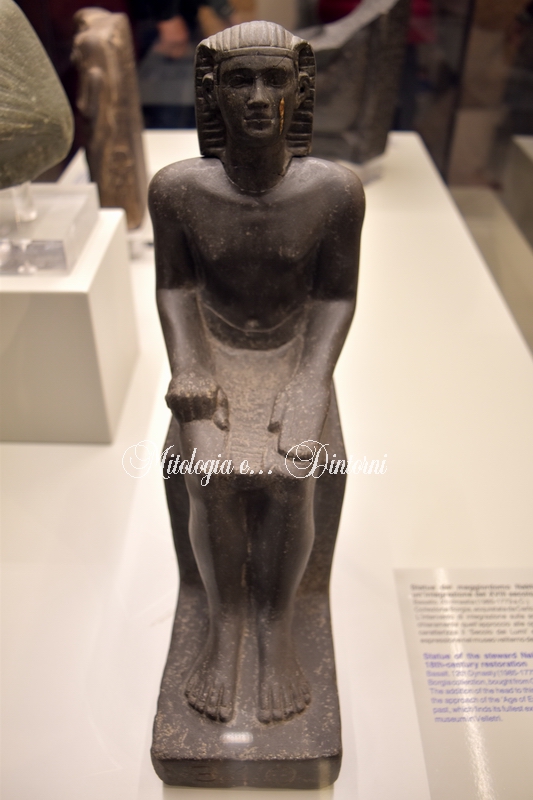
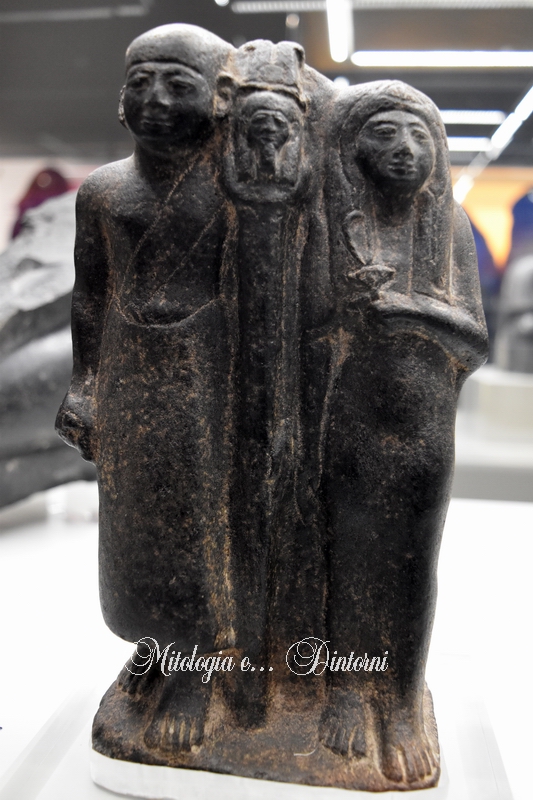
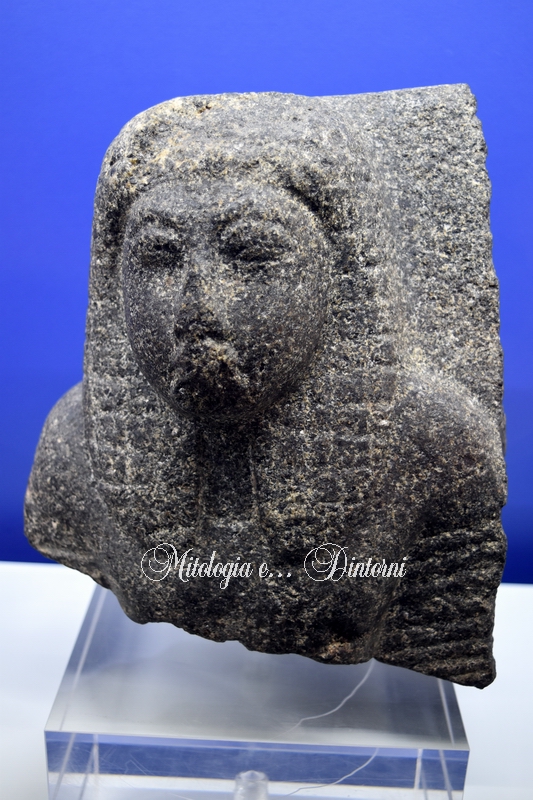
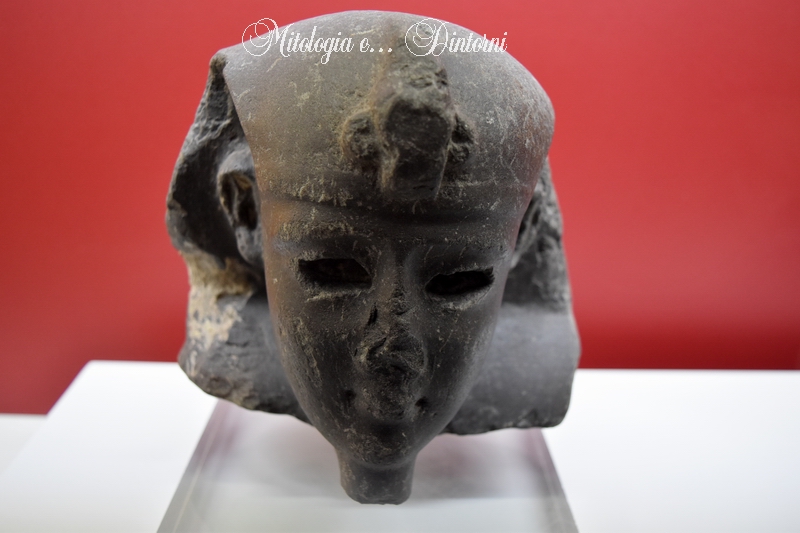
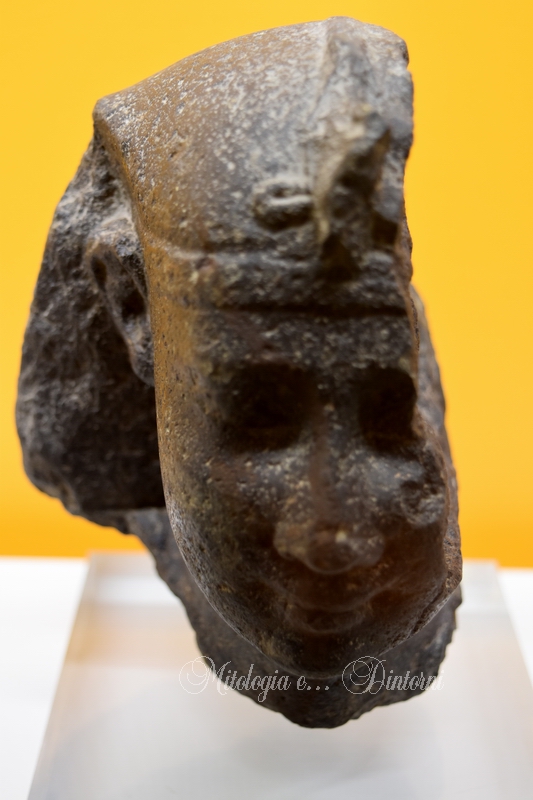
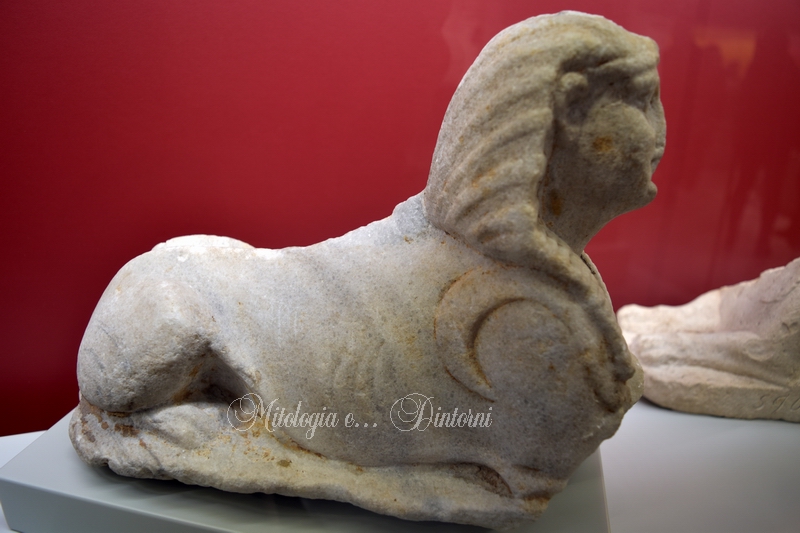
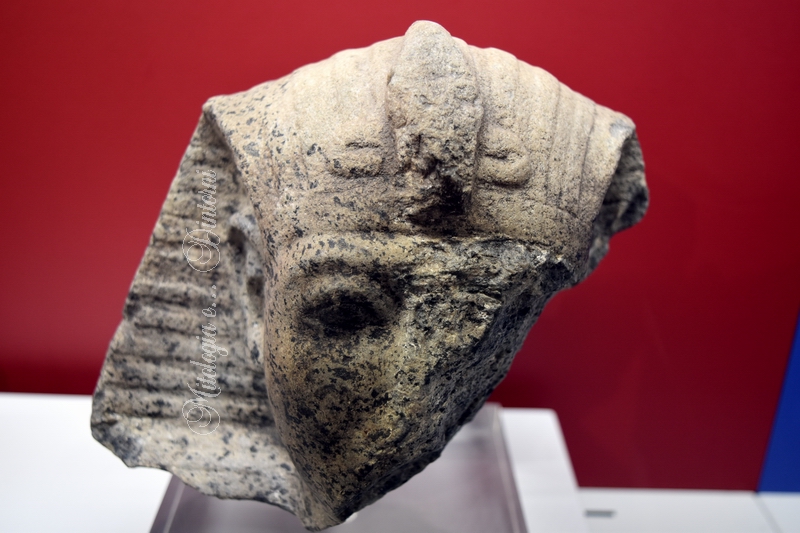
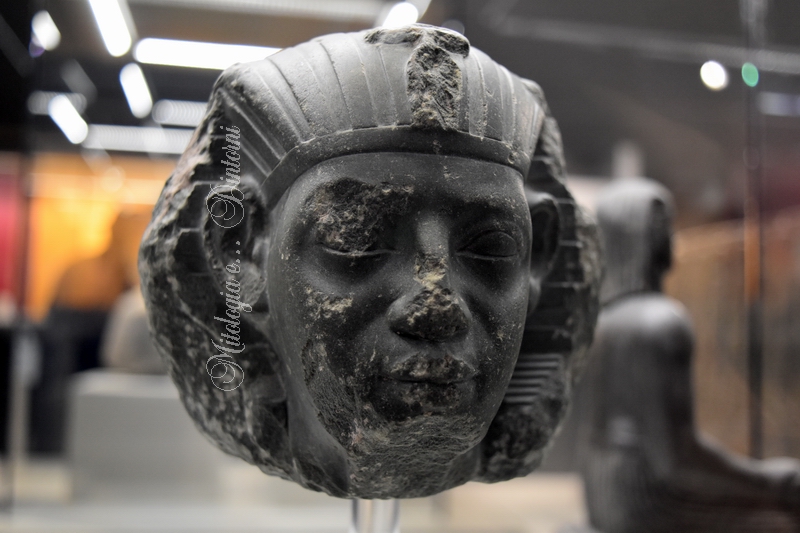
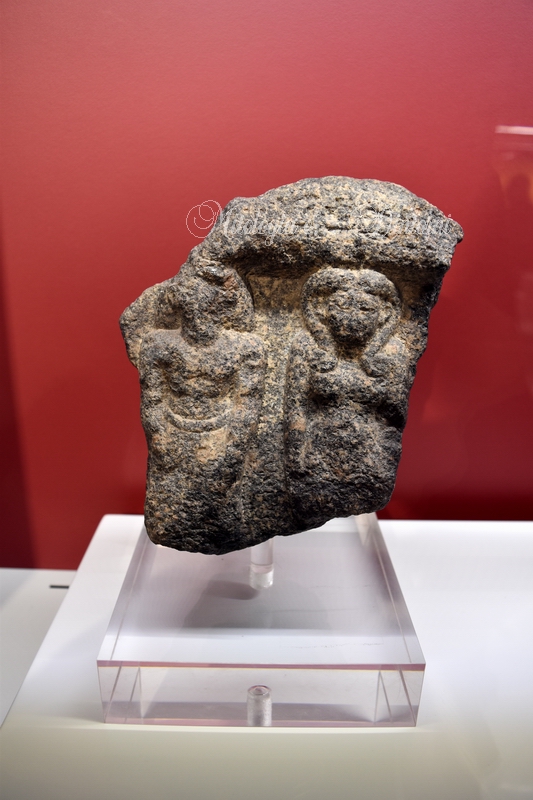
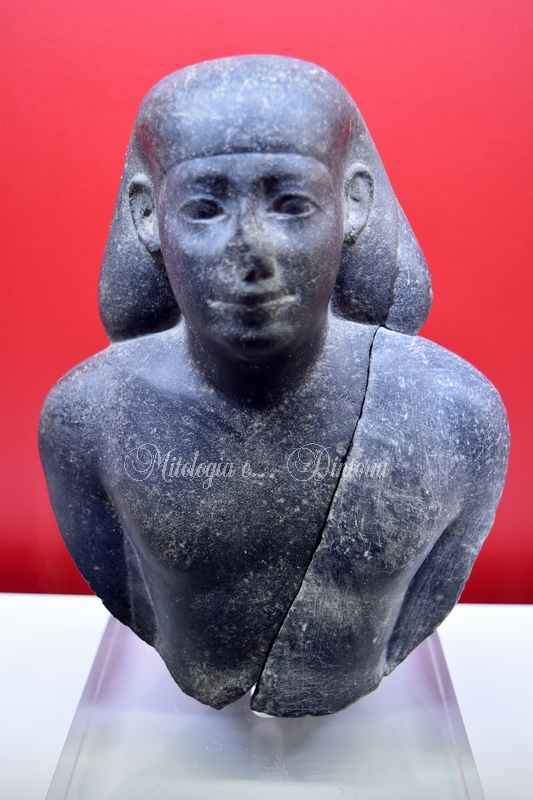
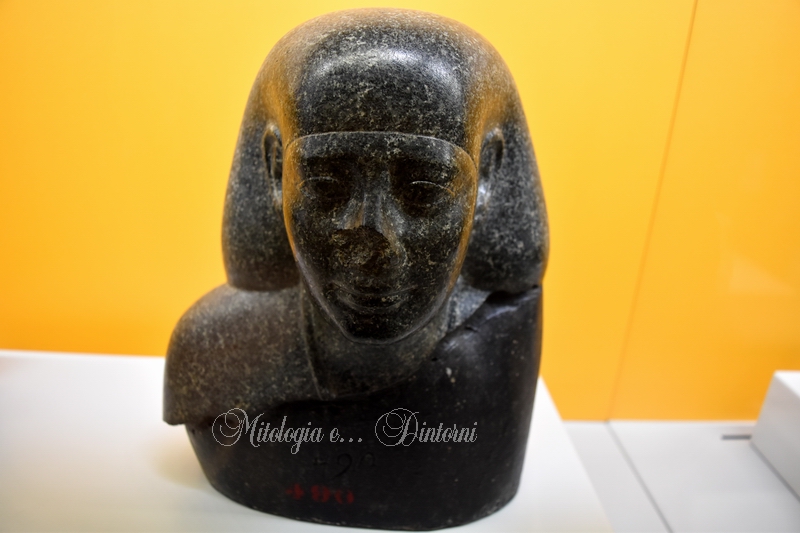
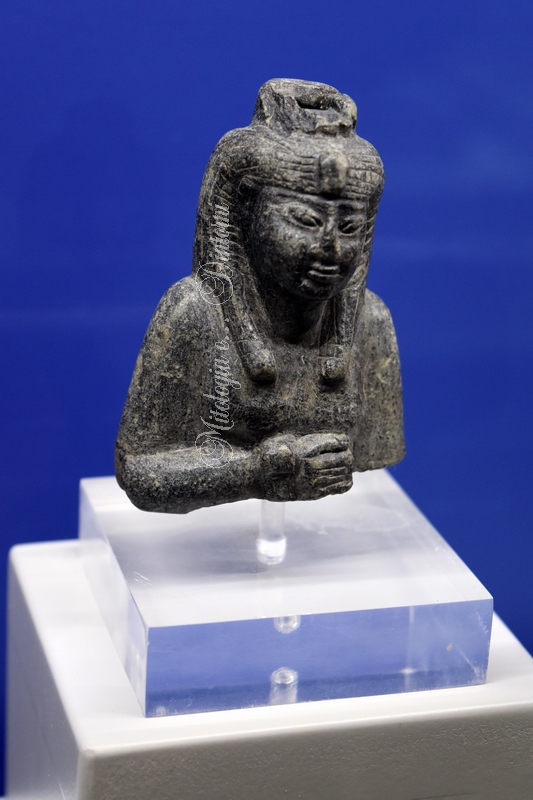
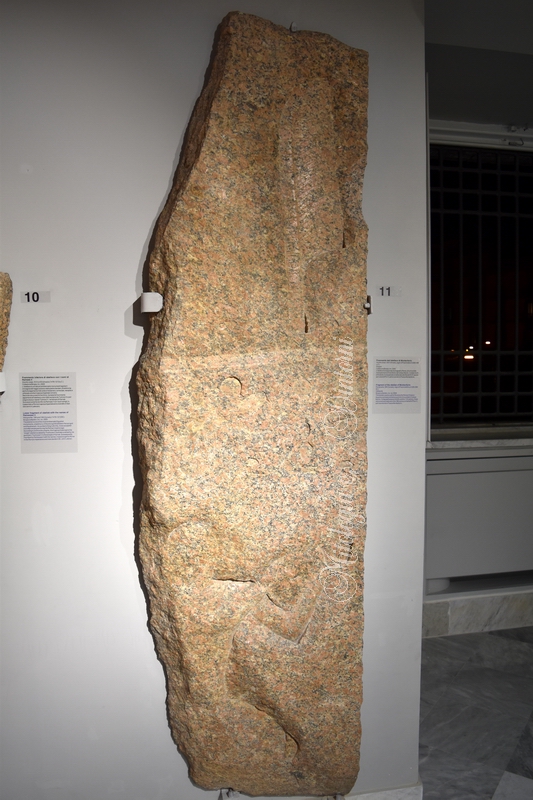
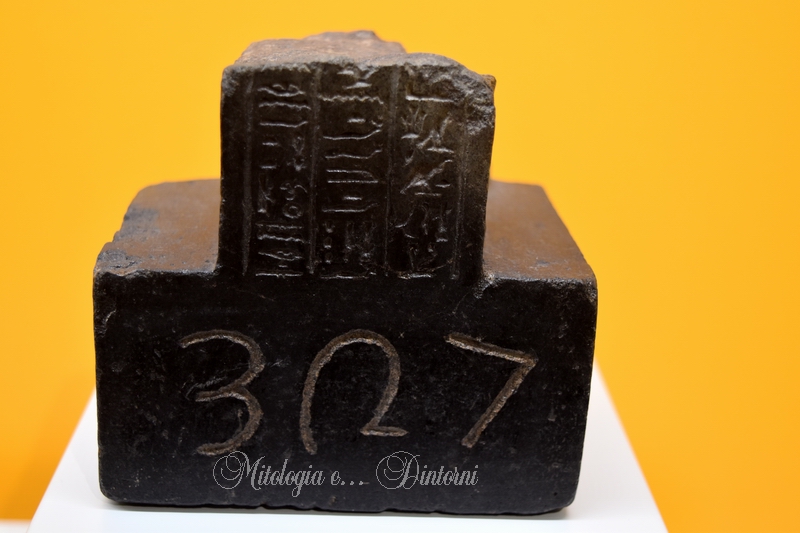
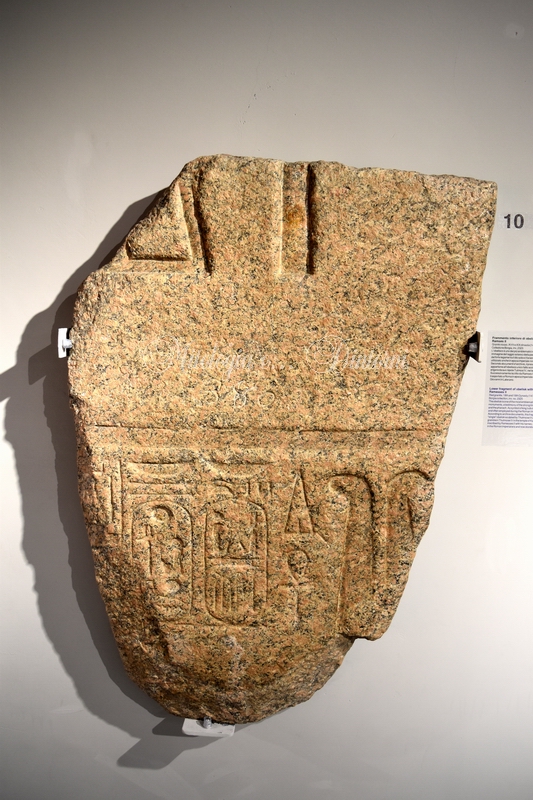
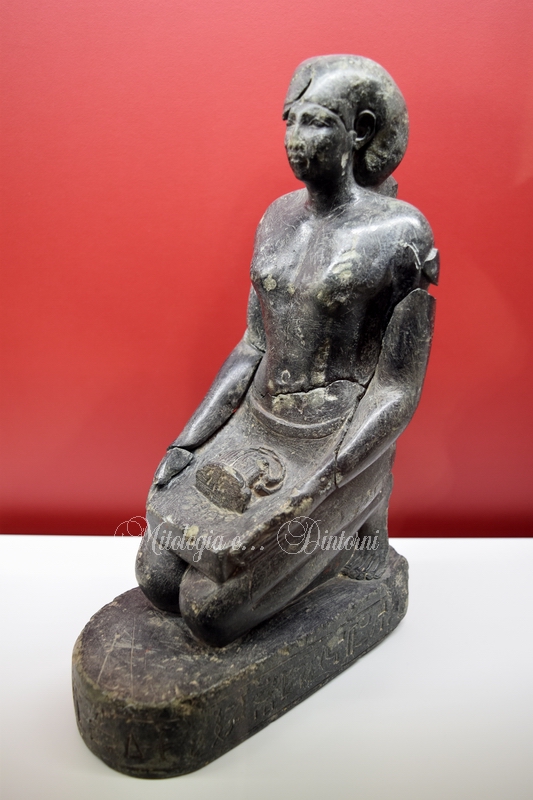
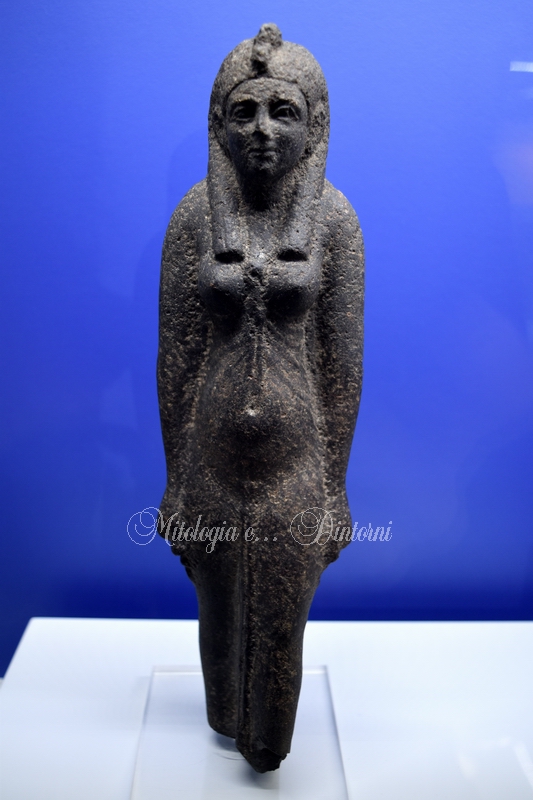
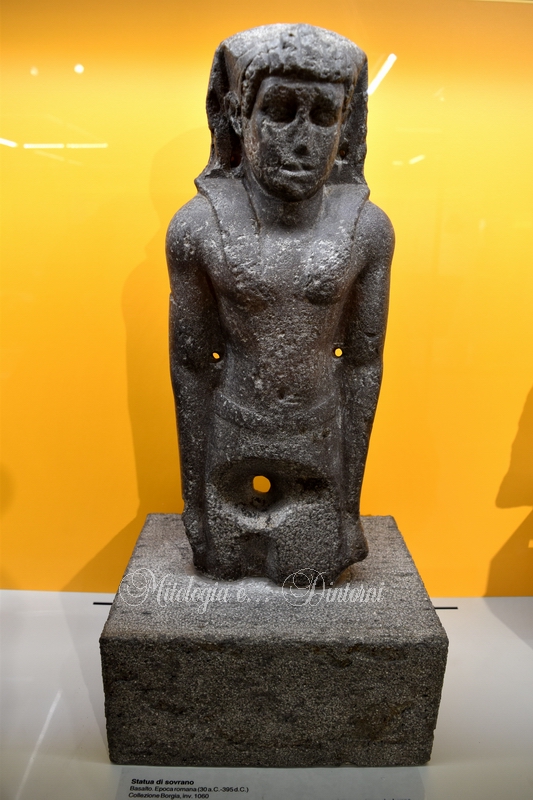
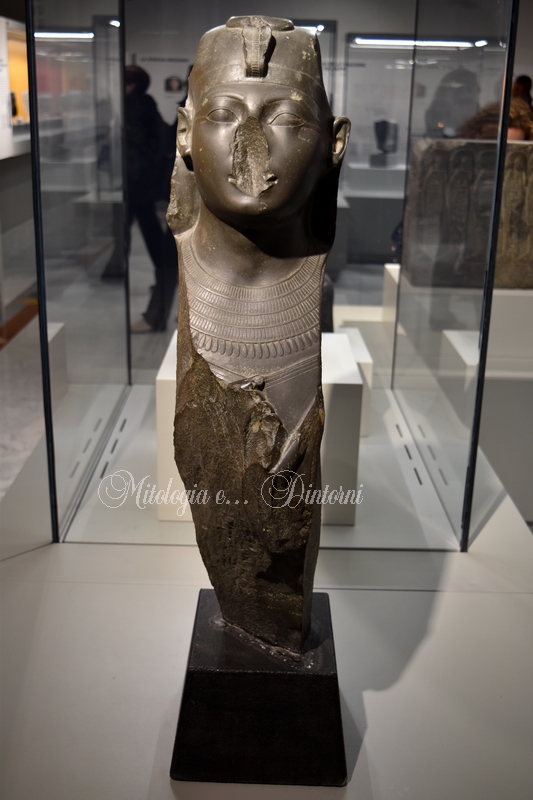
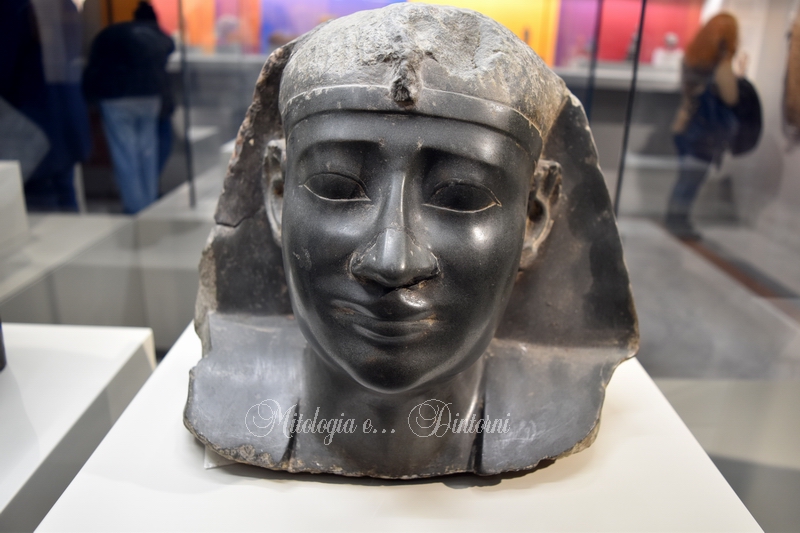
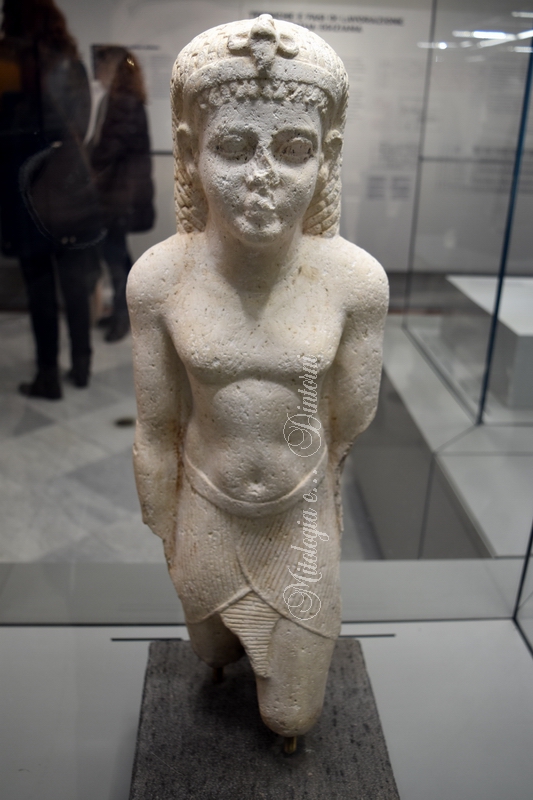
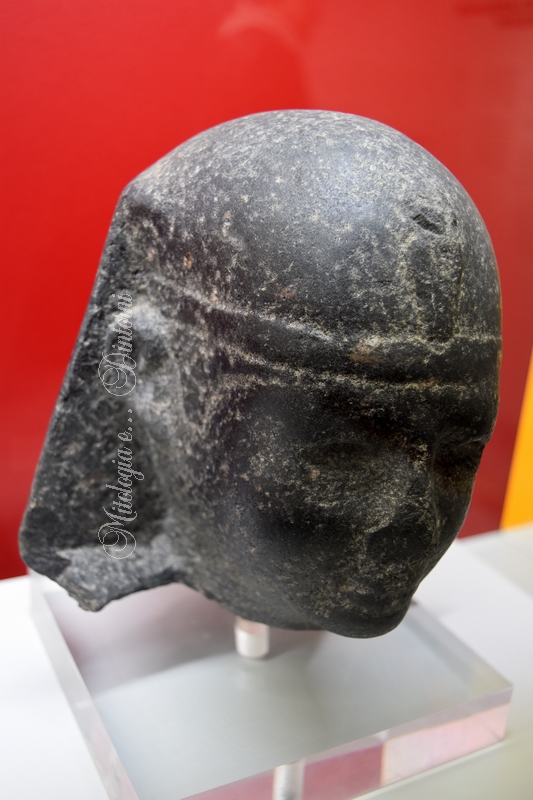
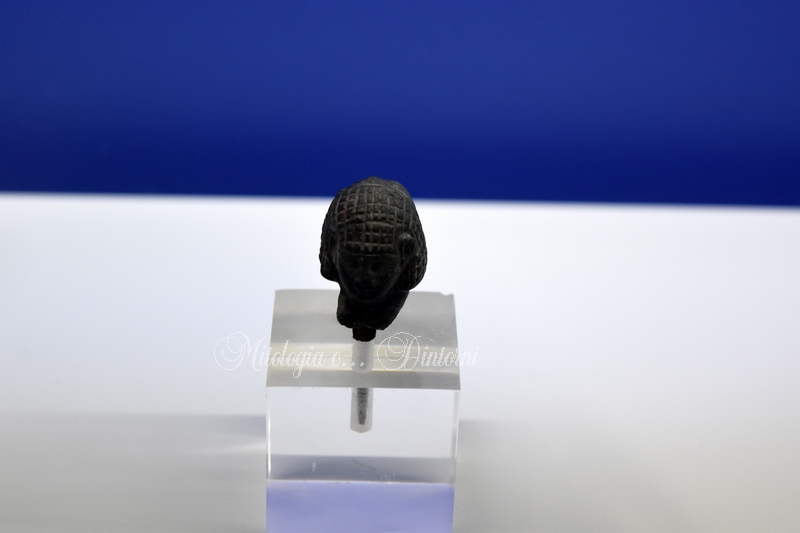
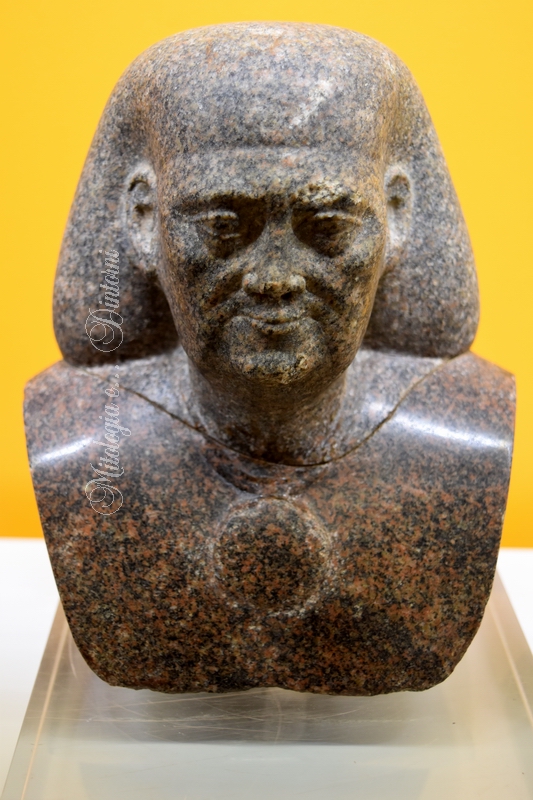
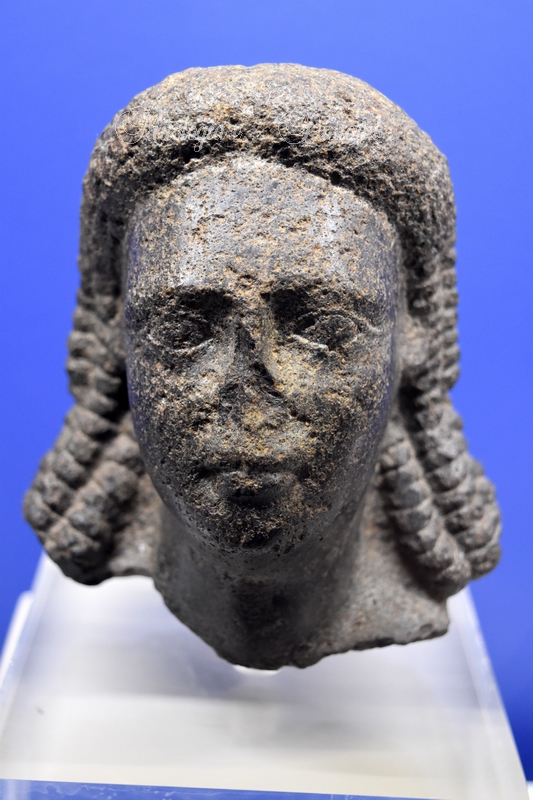
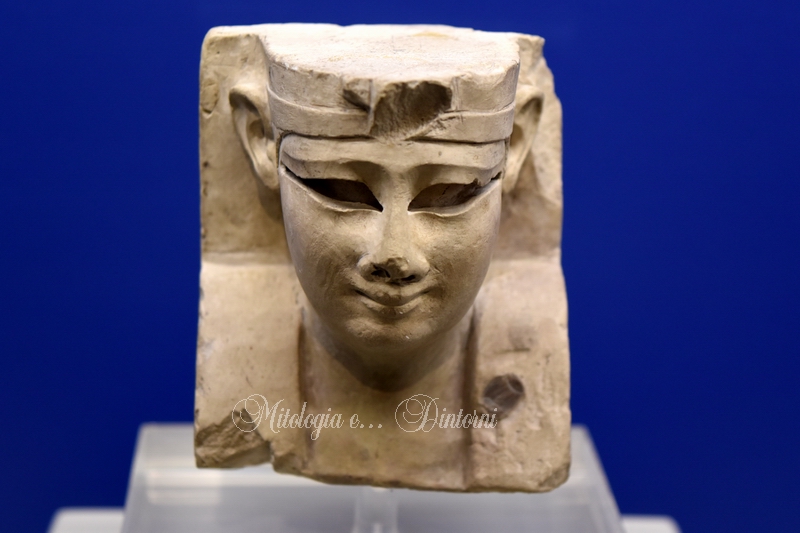
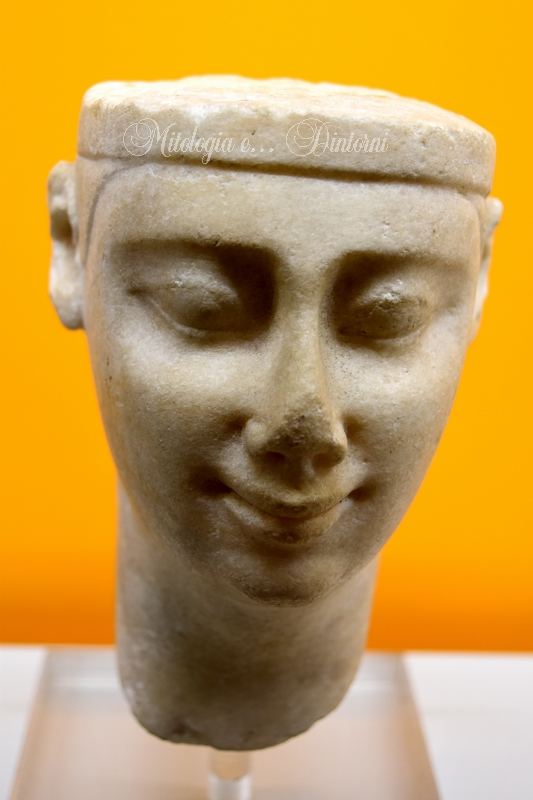
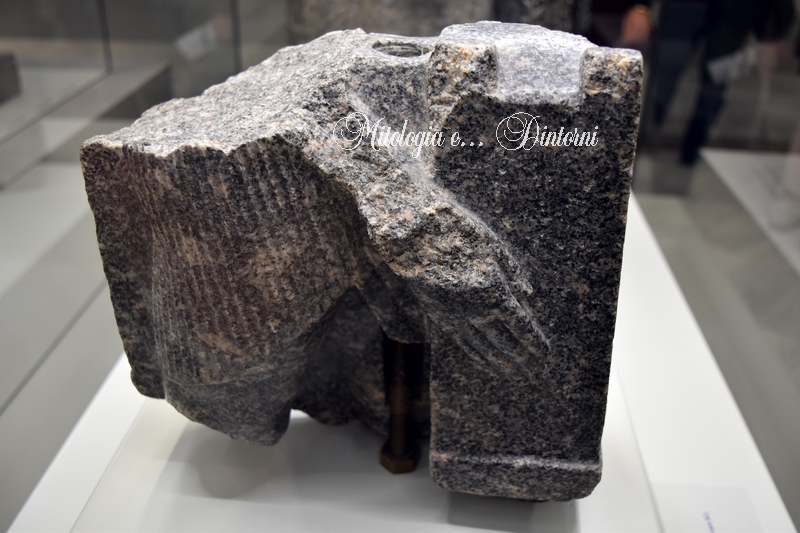
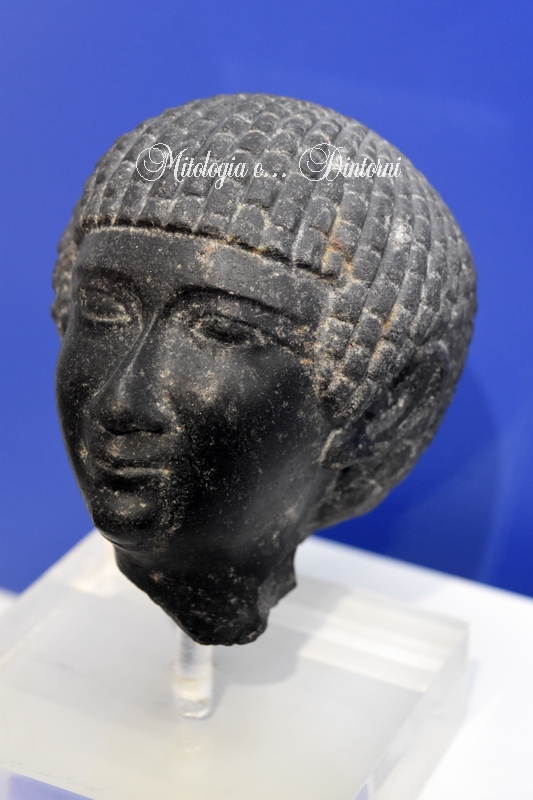
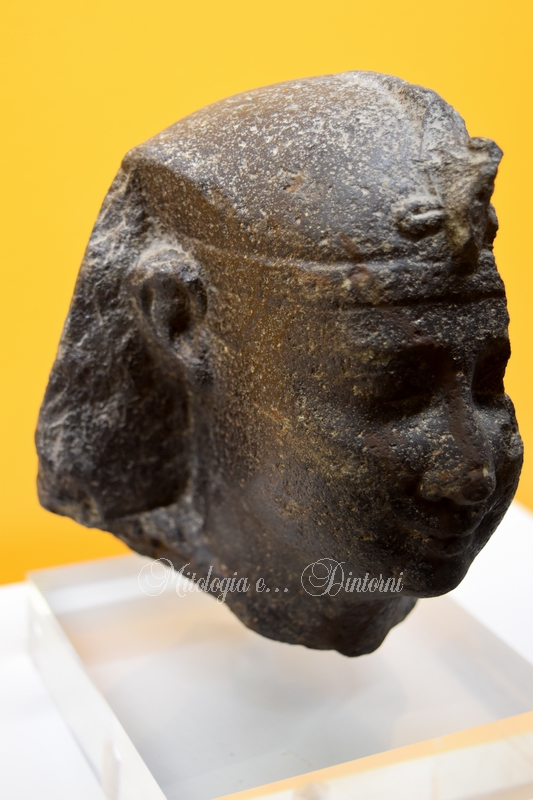
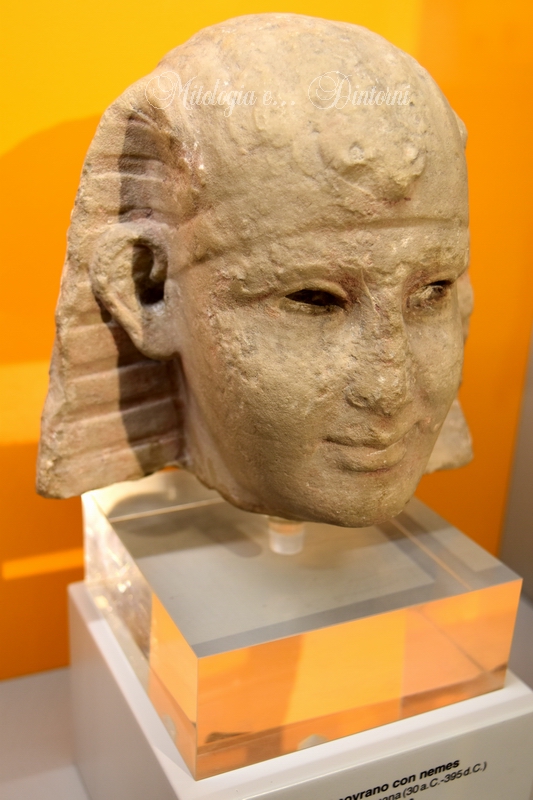
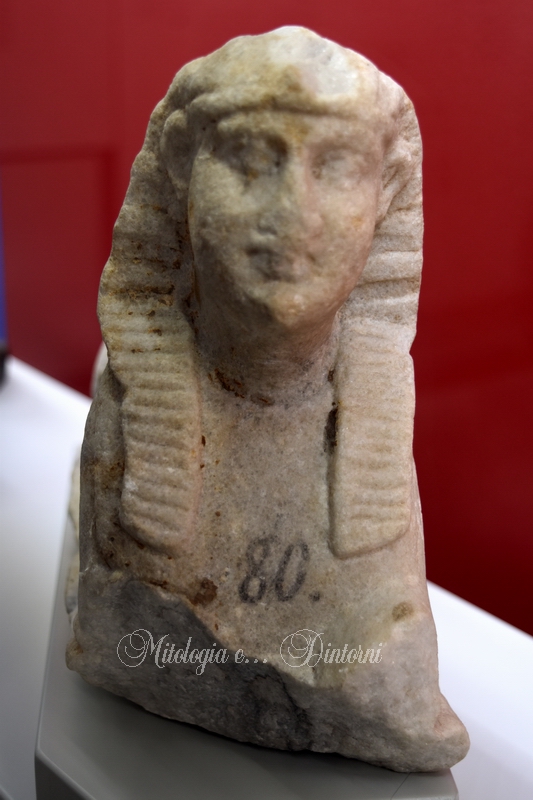
Il sovrano egiziano, chiamato "faraone" a partire dal Nuovo Regno (1550-1069 a.C.), incarnava per il suo popolo la totalità del cosmo. Capo dello stato e dell'esercito, intermediario tra gli uomini e gli dei, e dio egli stesso, il faraone garantiva agli uomini la vita e agli dei il rispetto della legge divina stabilita al momento della creazione. Nel suo aspetto umano governava il paese, lo difendeva da nemici interni ed esterni, ne permetteva la ricchezza e il benessere. Nel suo aspetto divino veniva assimilato al dio di cui incarnava di volta in volta la funzione, e soprattutto al dio falco Horus che, come figlio di Osiride ma anche come divinità solare, rendeva il faraone emanazione diretta dei due basilari principi del divino, ponendolo di fatto tra la terra e il cielo e rendendolo responsabile della rinascita quotidiana del cosmo.
PHARAOH AND KINGSHIP
For his people, the king of Egypt - callmi "pharaoh" from the New Kingdom (1953 1069 BC) onwund-estbodied the totality of the commo Head of the state and the aray, mediator berwees human beings and the gods, and a god himself, the king guatunned life to men and, to the gods, the respect of the divine law established at the moment of creation. In his human aspect, be ruled the country, defended it from inner and outer enemies, and allowed it to thrive. In his divine aspect, he was assimilated to the gods whose functions he muccessively embodied, and eupecially to the falcon god Horus, who was the son of Osiris bur ass a solar deity This made the king a direct emanation of the two fundamental principles of godhood, placing him in a position between the earth and the sky and making him responsible for the daily rebirth of the cosmos.
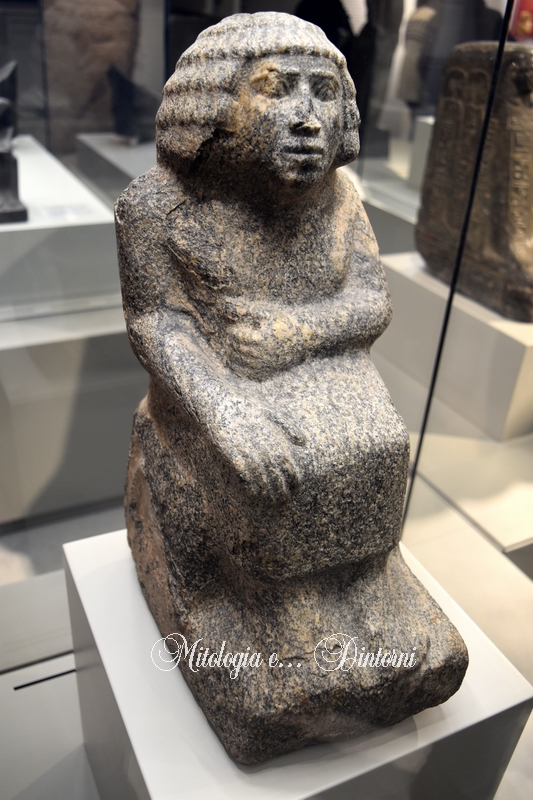
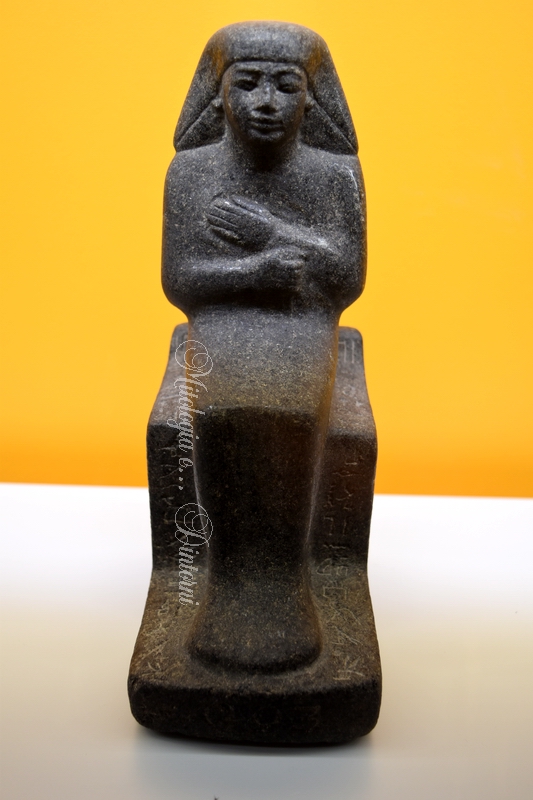
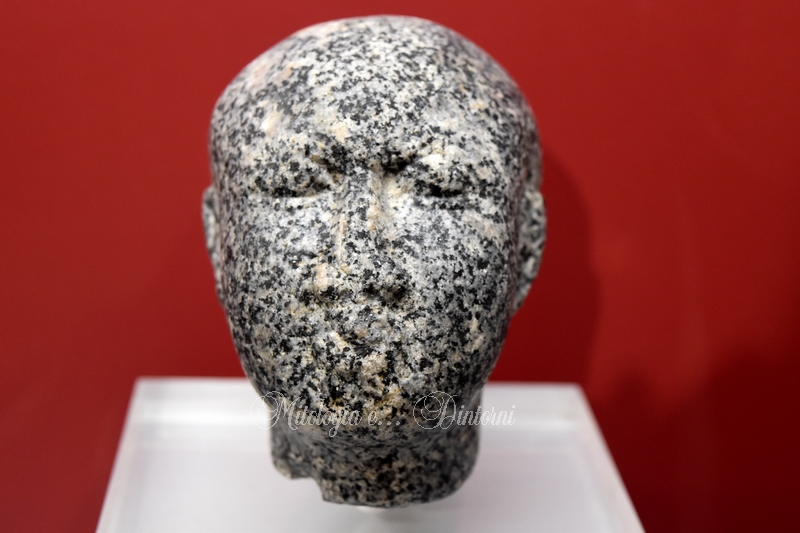
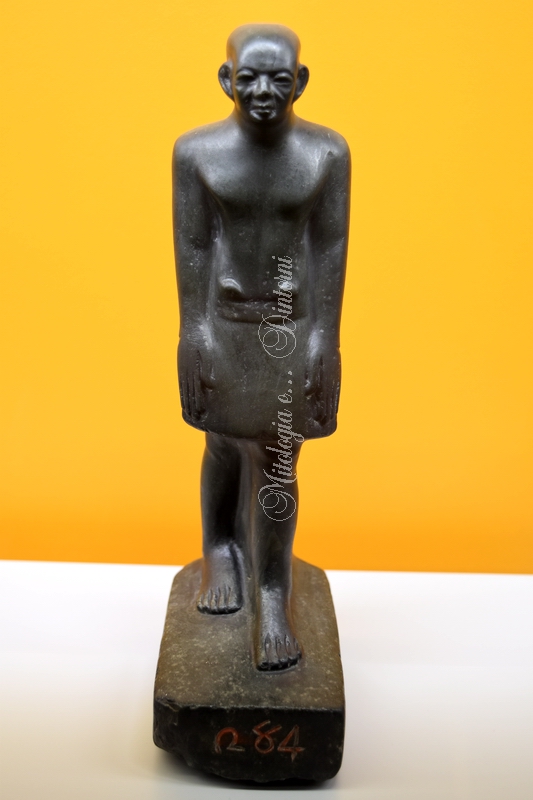
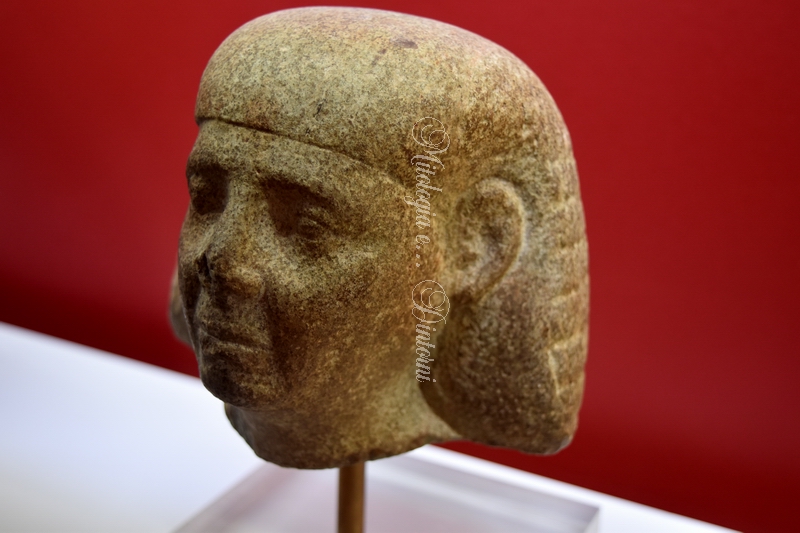
LE STATUE "ARCAICHE"
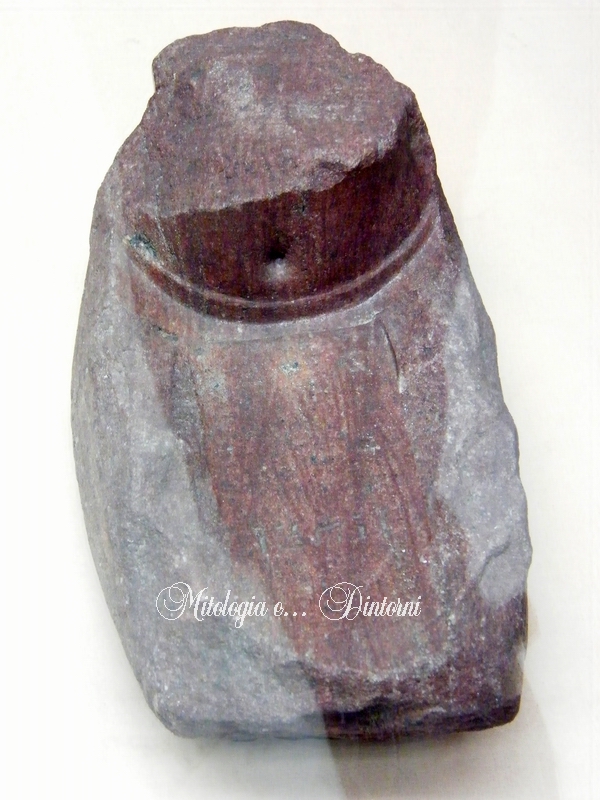
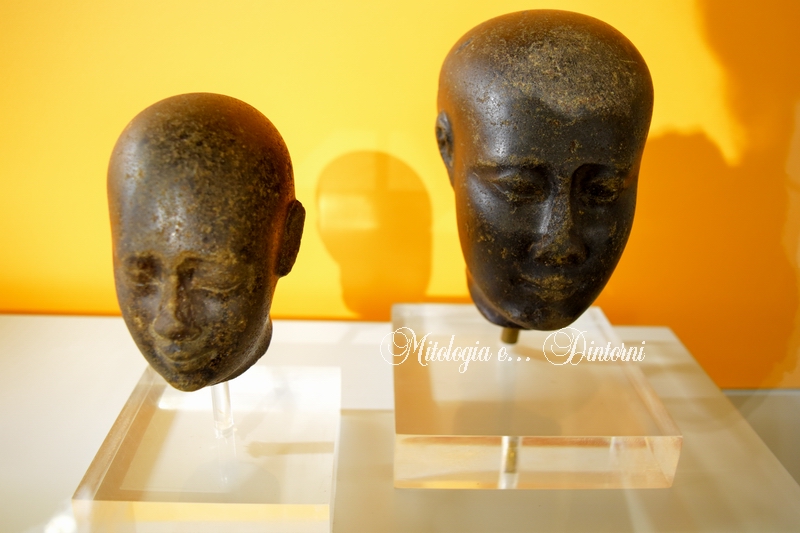
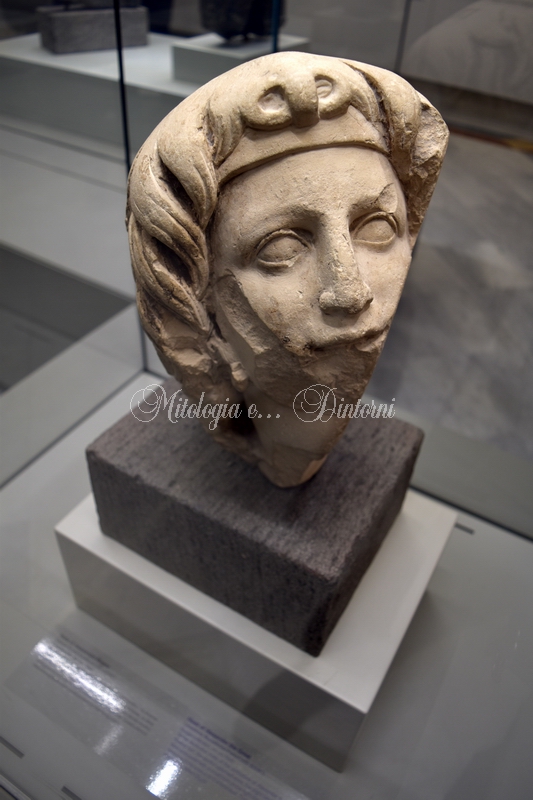
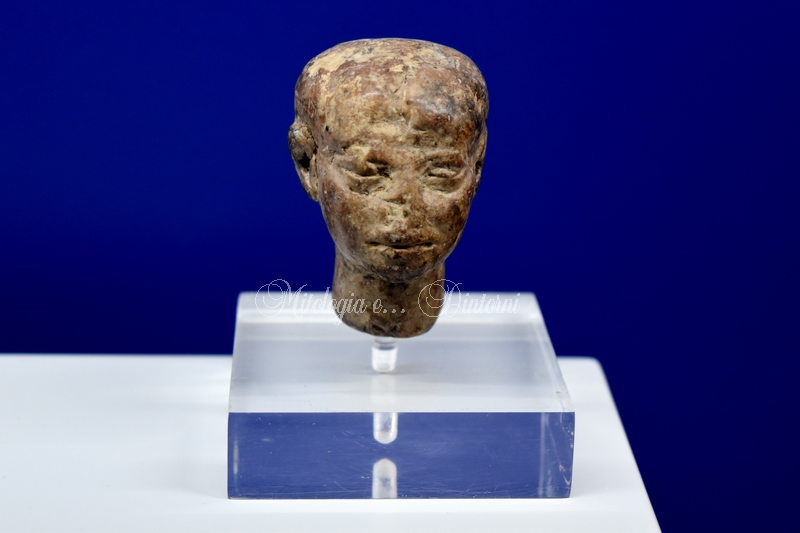
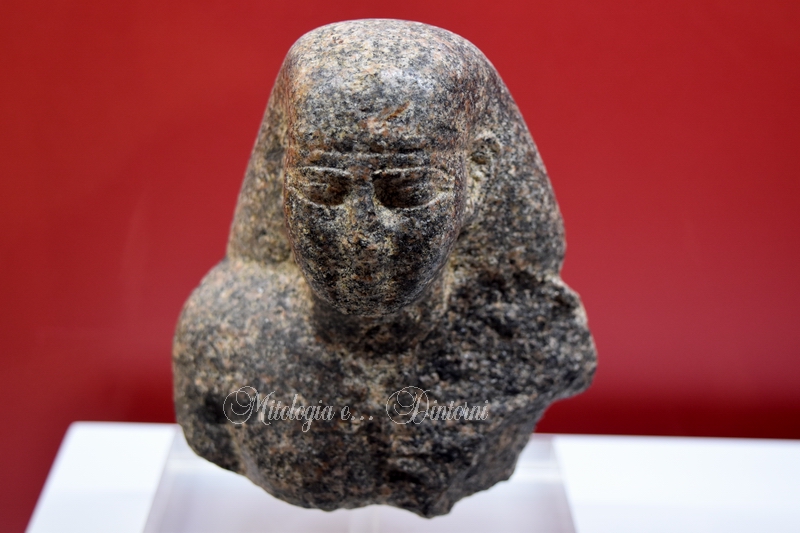
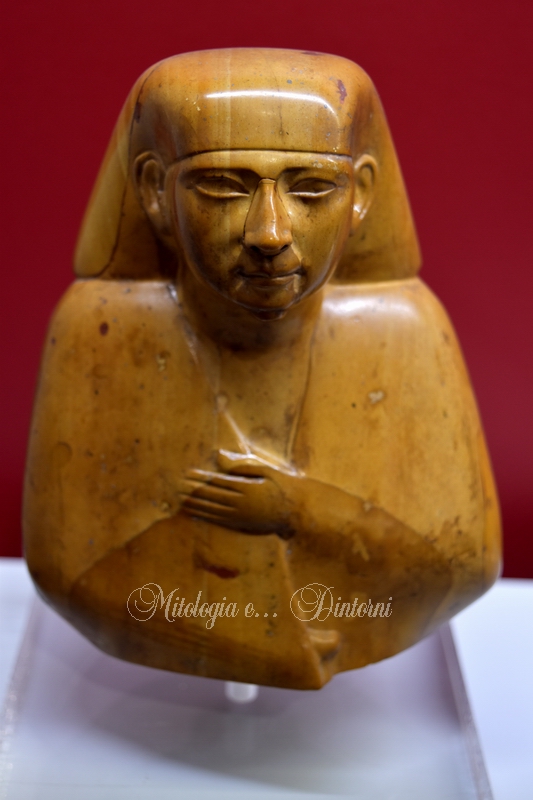
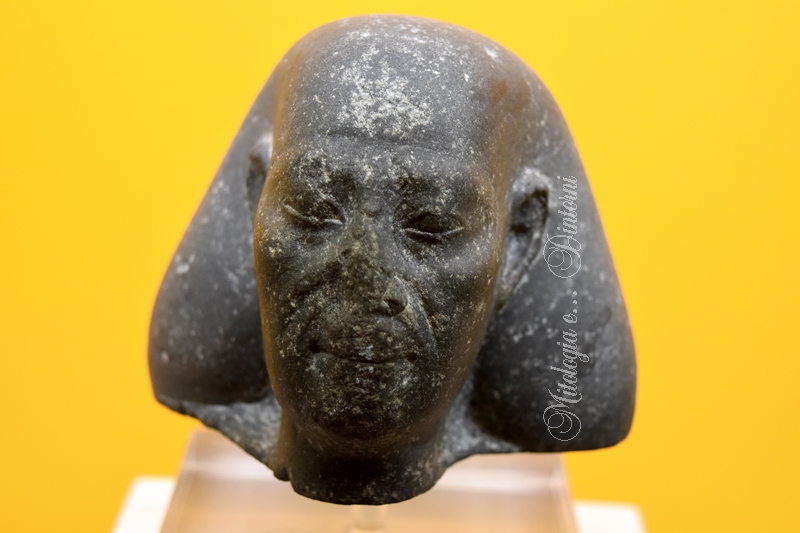
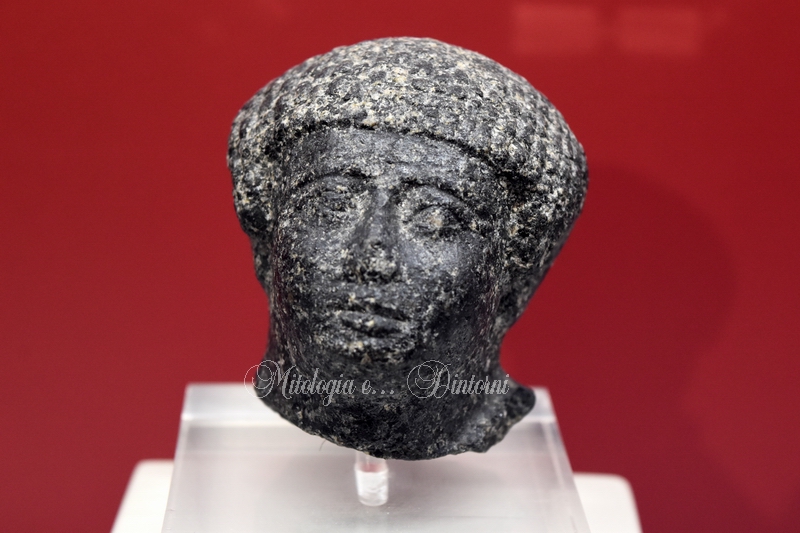
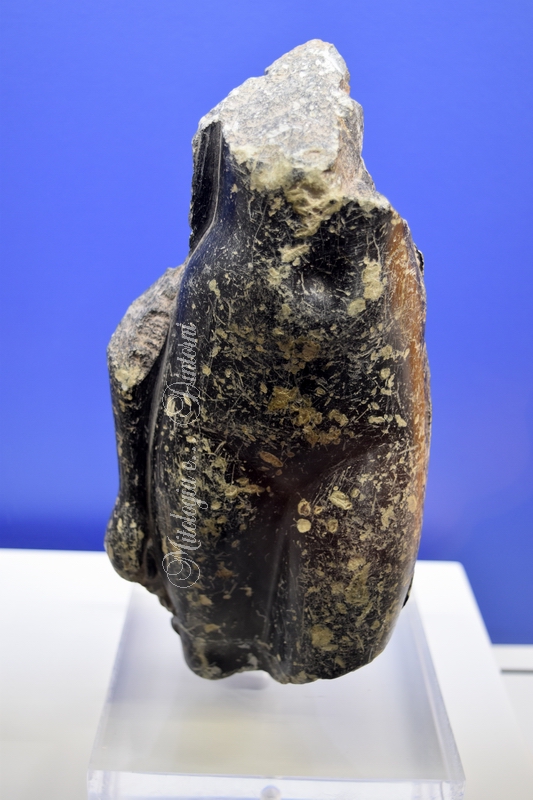
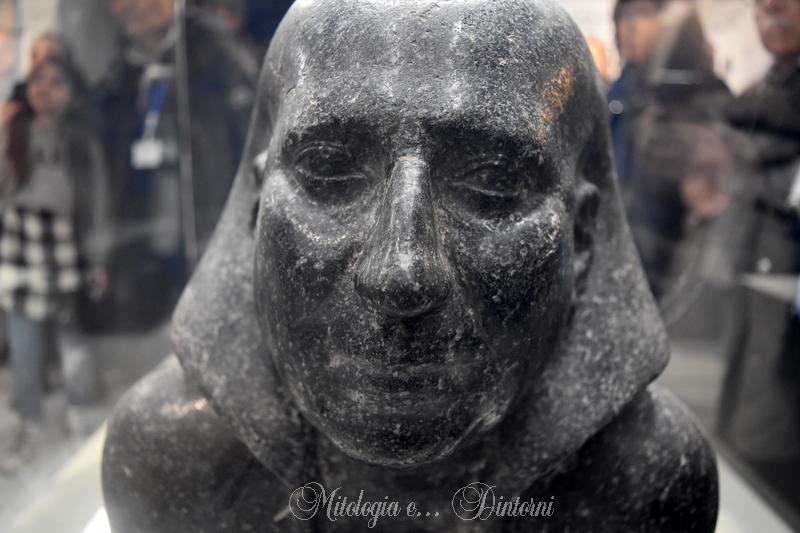
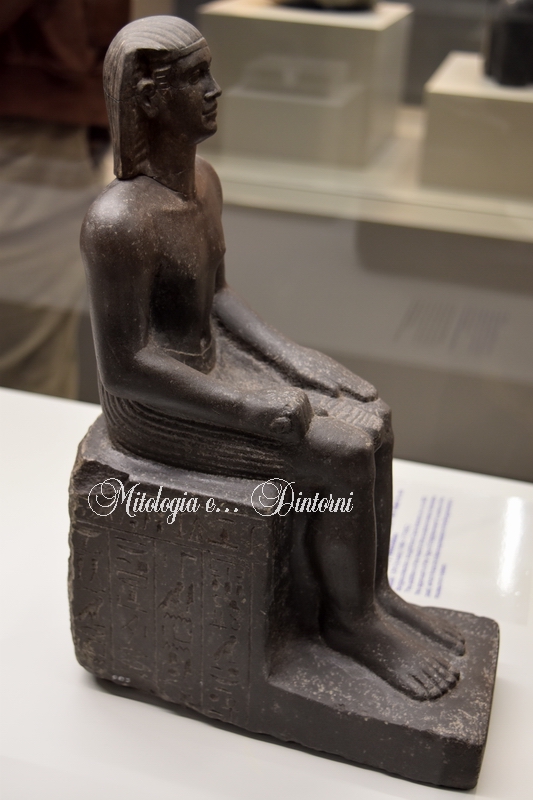
Le "statue arcaiche"- circa 20 sculture note, comunemente datate alla III dinastia (2686-2613 a.C.)- ritraggono uomini o donne, seduti, in piedi o in ginocchio. Sono caratterizzate da resa del corpo grossolana, testa grande ma realizzata con cura, collo quasi inesistente, seggio - laddove presente con gambe rinforzate da sostegni ad arco, e rare e brevi iscrizioni. Quasi nessuna è stata rinvenuta nella sua collocazione originaria.
"ARCHAIC" STATUES
"Archaic" statues about 20 are known, commonly dated to the Third Dynasty (2686-2613 BC)-portray men or women, seated, standing, or kneeling. They are characterized by roughly hewn bodies, a large but exquisitely rendered head, and an almost nonexistent treck. Seats, when present, have legs reinforced with arched supports. In very few cases, these statues carry short inscriptions. Almost none was found in its original location.
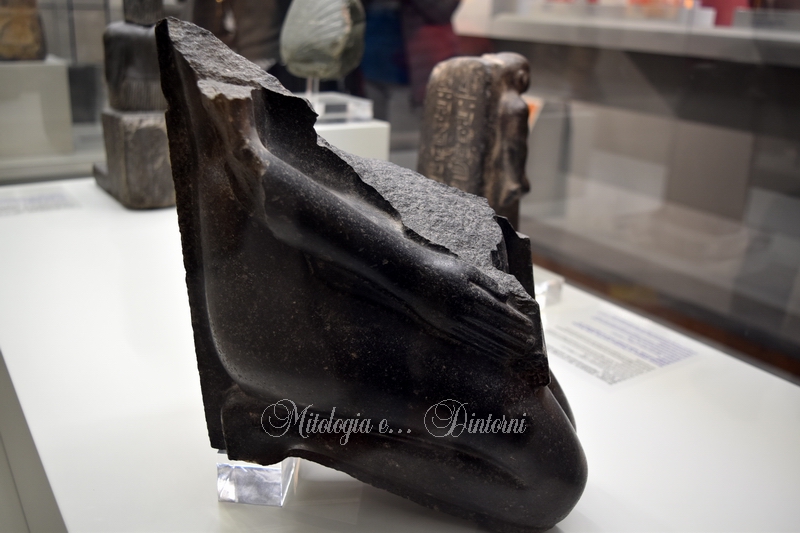
LA "STATUA CUBO"
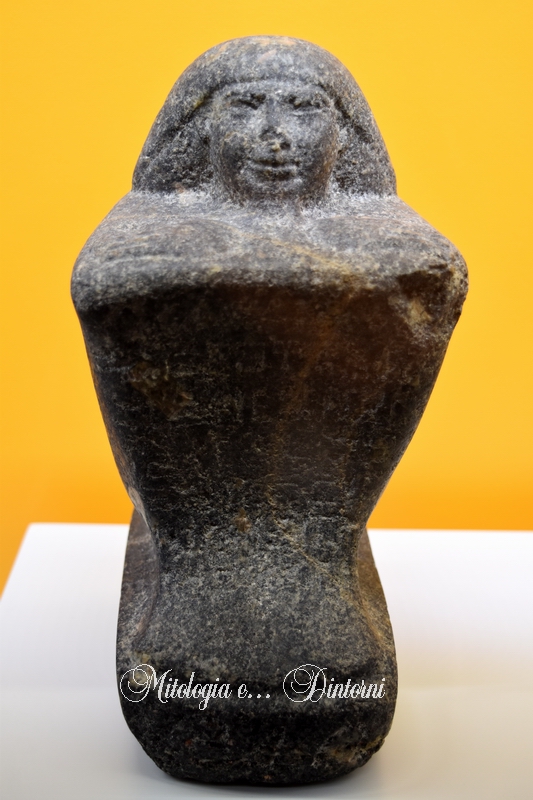
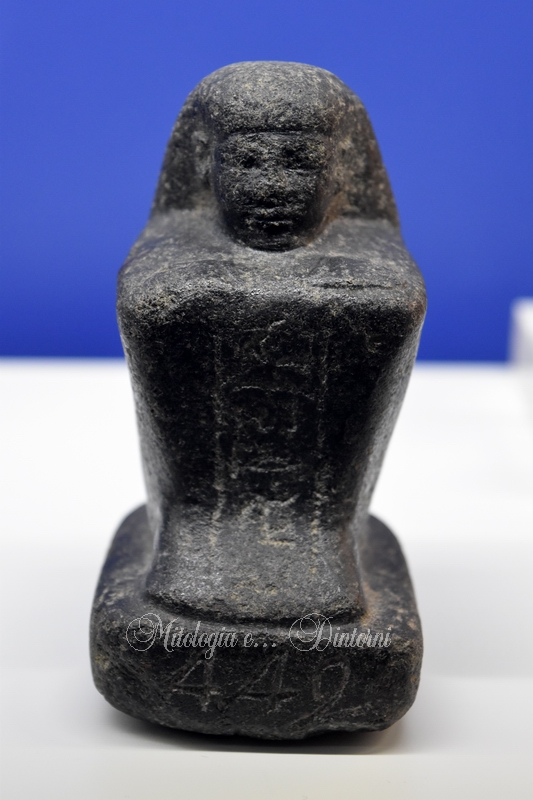
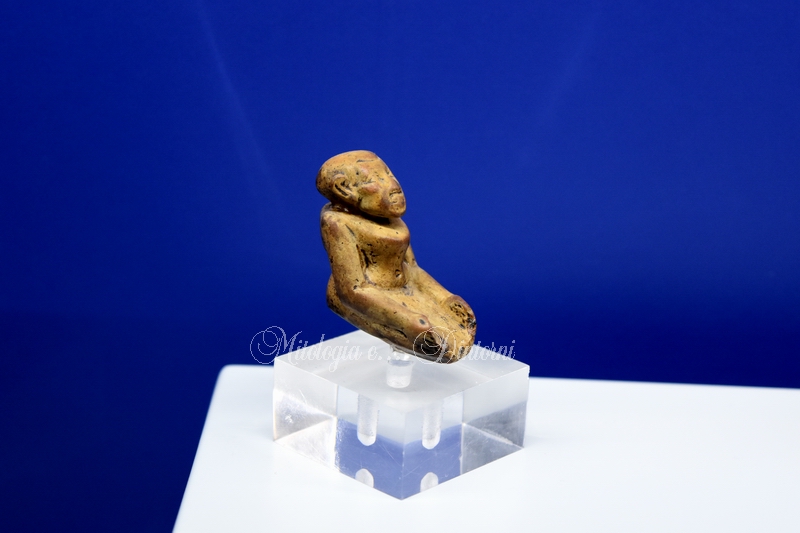
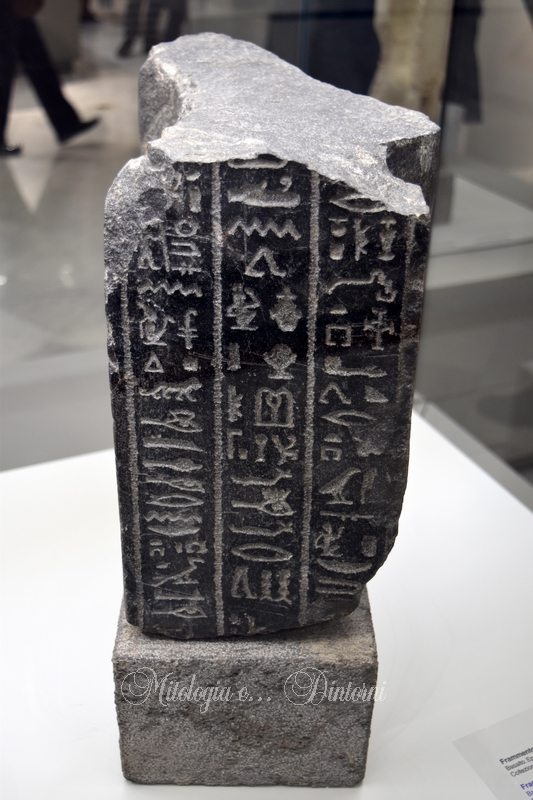
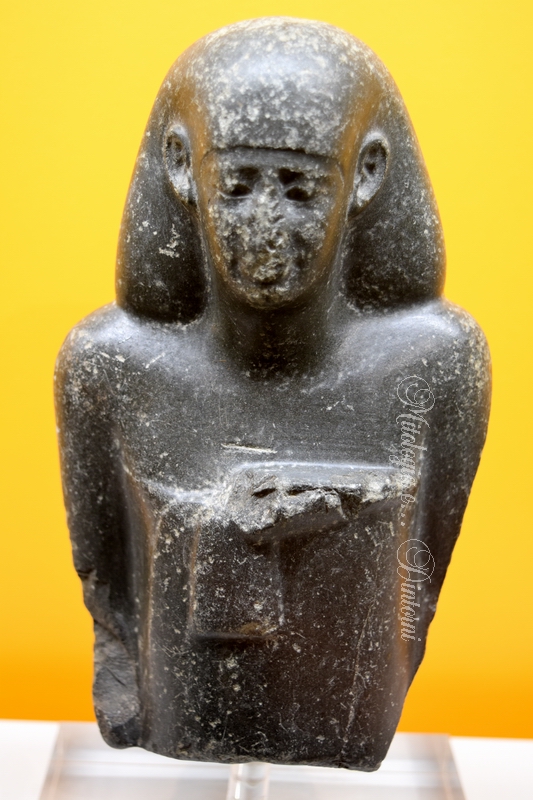
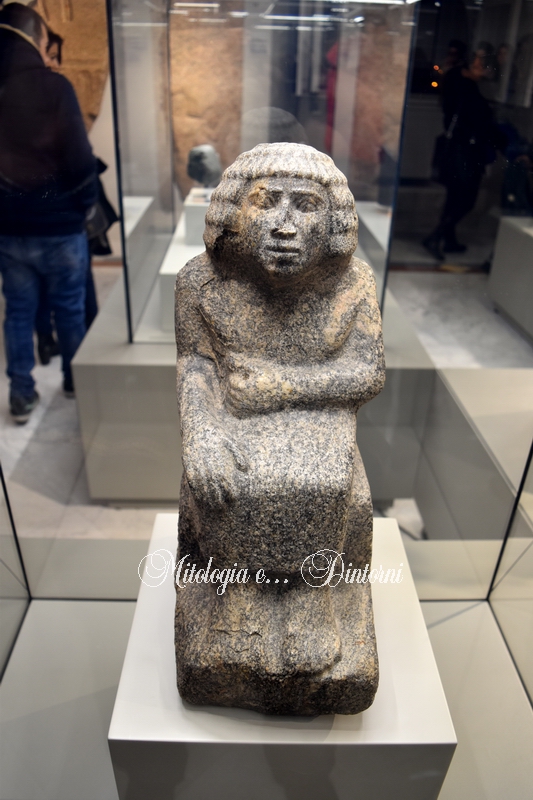
La statua "cubo", un tipo di scultura propria dell'arte egiziana, appare nel Medio Regno (2055-1650 a.C.) e continua ad essere prodotta fino alla fine dell'epoca faraonica. Rappresenta un personaggio seduto a terra (o su un cuscino) con le gambe al petto e le braccia incrociate sulle ginocchia. Iscrizioni con il nome e i titoli della persona raffigurata ne ricoprono le superfici.
BLOCK-STATUES
The "block"-statue is a type of sculpture that is characteristic of Egyptian art. It first appears in the Middle Kingdom (2055-1650 BC) and continues to be produced until the end of the Pharaonic period. It portrays an individual, seated on the ground or on a pillow, with his legs drawn up to his chest and the arms crossed over the knees. This geometric reduction increases the space available for inscriptions and scenes carved in relief.
Fotografie di Giorgio Manusakis
Clicca sulle immagini per vedere l'ingrandimento, sulle didascalie avere altre informazioni.
Click on the images to see an enlargement, and the captions for more information.