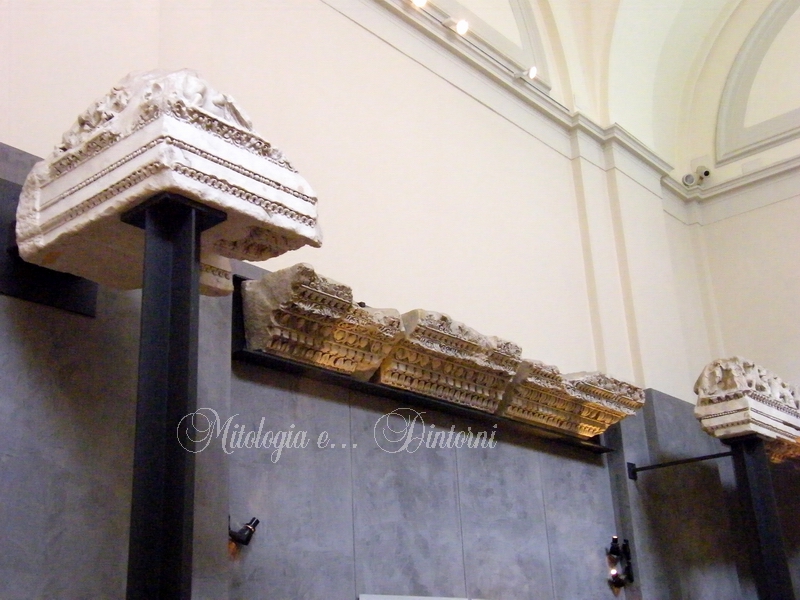
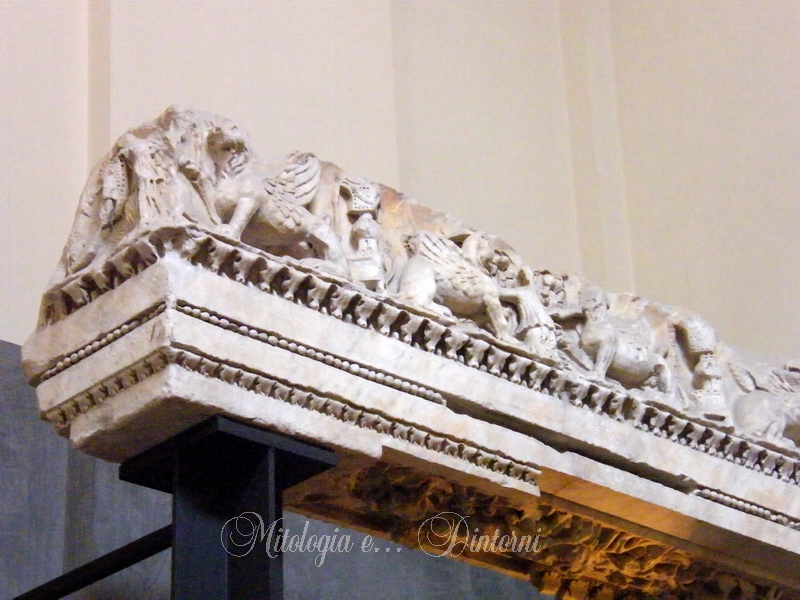
I marmi della Domus Flavia
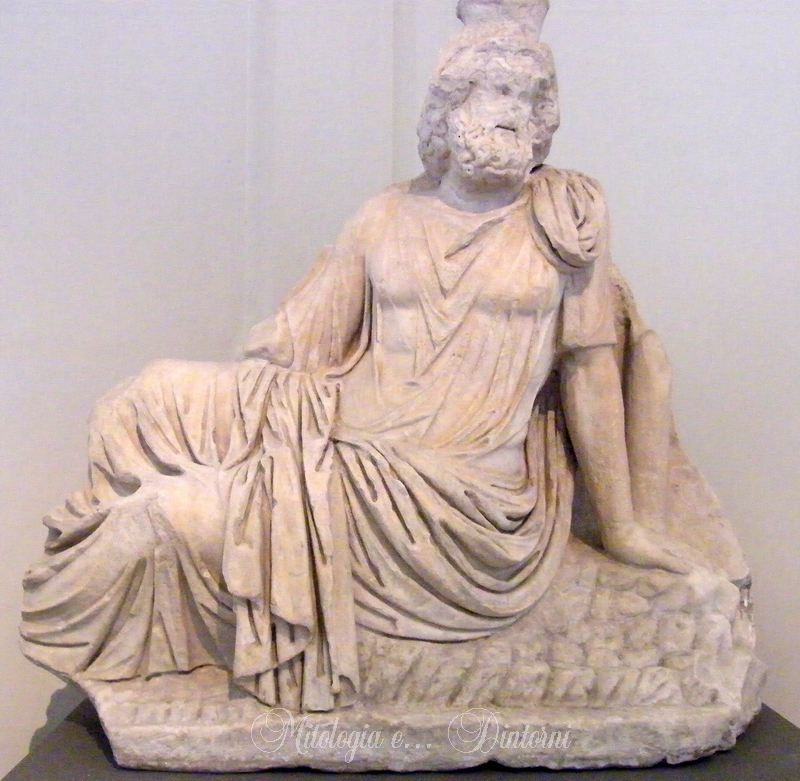
Nel decennio tra il 1720 e il 1731 nuovi e imponenti sca-vi, promossi da Francesco Maria Farnese (1694-1727), set-timo e penultimo duca di Parma, e condotti sotto la guida di Francesco Bianchini (1662-1729) nell'area del giardino in-terno degli Horti Farnesiani sul Palatino, portarono a sco-perte clamorose, determinanti per la conoscenza e la rico-struzione della residenza imperiale eretta sotto il regno di Domiziano.
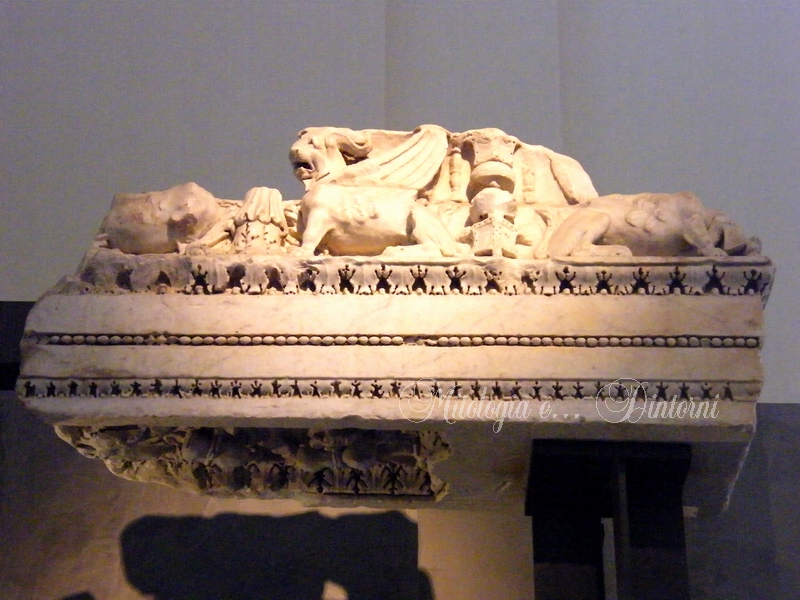
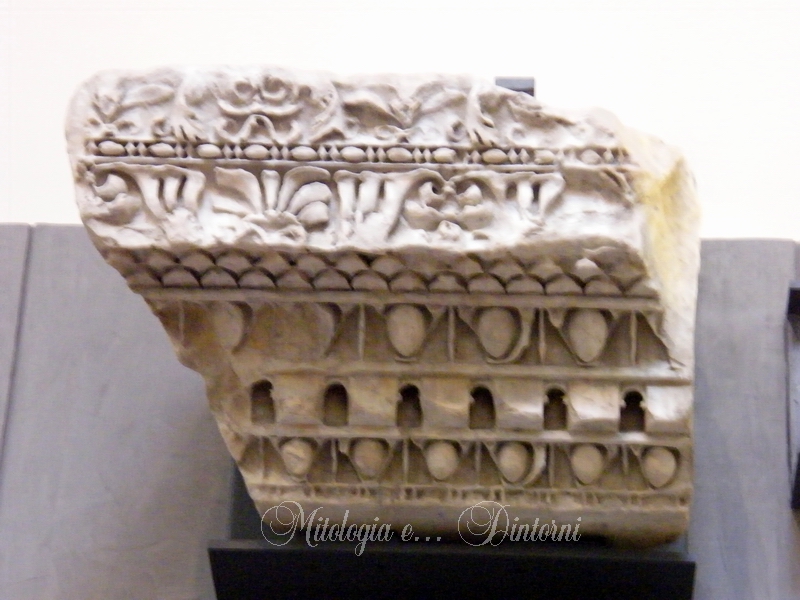
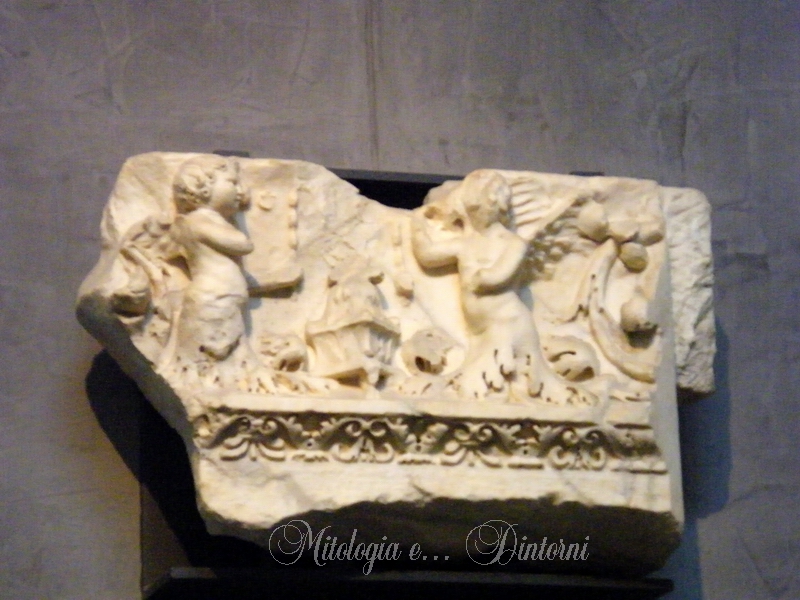
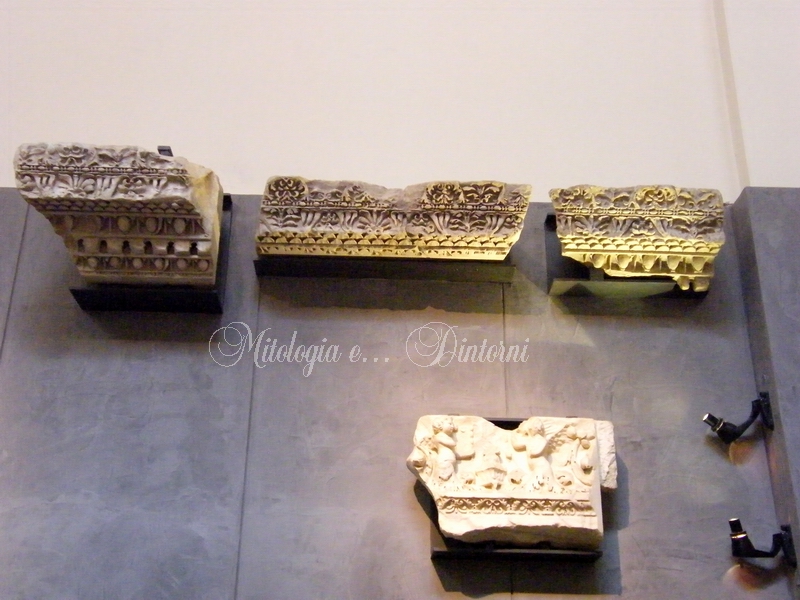
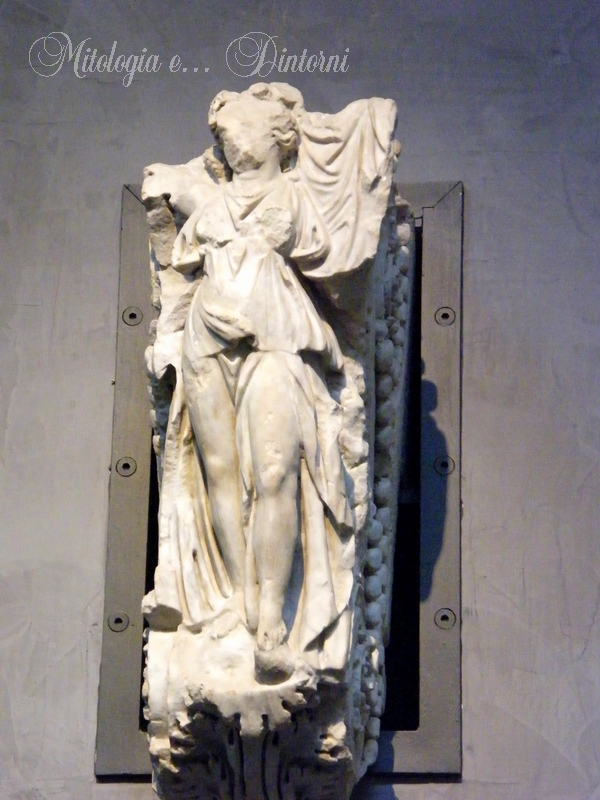
Oltre a due colossi in basalto, trasferiti però nel Palazzo Farnese di Parma, all'epoca principale residenza della fa-miglia, vennero alla luce numerosi frammenti di rilievi ar-chitettonici decorati, appartenenti per lo più alla decora-zione dell'Aula Regia della Domus Flavia.
I motivi decorativi, tra i quali spiccano figure di Vittorie sacrificanti con trofei, girali d'acanto popolati di animali, Eroti dal corpo vegetale, furono oggetto di studio e di inte-resse soprattutto da parte degli allievi dell'Accademia di Francia a Roma, ma anche di artisti italiani, come Pier Leo-ne Ghezzi e Giovan Battista Piranesi.
The marble sculpture of the Domus Flavia
In the decade from 1720 to 1731 there were important new excavations in the garden within the Horti Farnesiani on the Palatine. These excavations were funded by Fran-cesco Maria Farnese (1694-1727), the seventh and last Duke of Parma, and directed by Francesco Bianchini (1662-1729). They gave rise to sensational discoveries that are crucial to our knowledge of, and ability to reconstruct, the imperial residence that was built in the reign of Domitian.
Besides two colossal basalt statues that were taken to the Farnese Palace in Parma (at that time the main family resi-dence), many fragments of architectural relief sculpture were found, mostly relating to the decoration of the Aula Regia of the Domus Flavia.
Among the decorative motifs found, figures of Victory sacrificing with trophies, acanthus spirals containing ani-mals, and Erotes (Cupids) with plant-like bodies are espe-cially striking. These were the subject of particular study and interest for the students of the French Academy in Rome, but also for Italian artists like Pier Leone Ghezzi e Giovan Battista Piranesi.
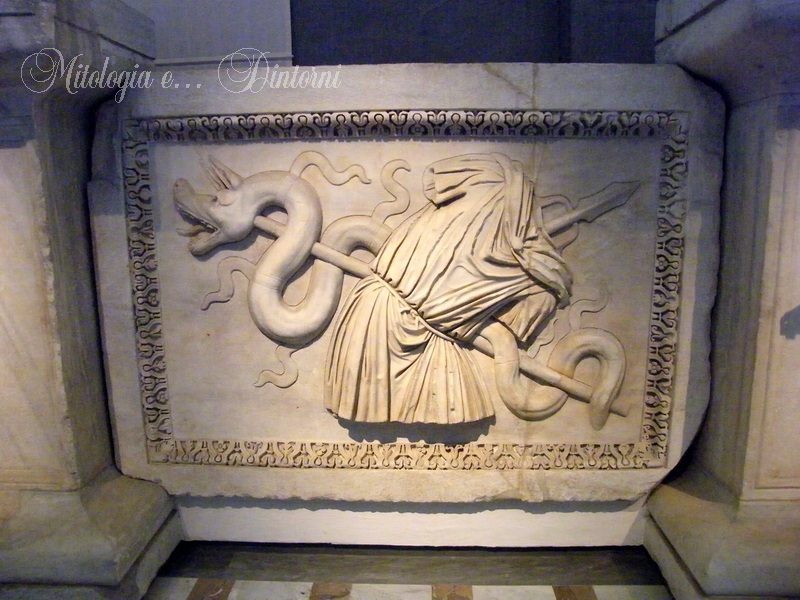
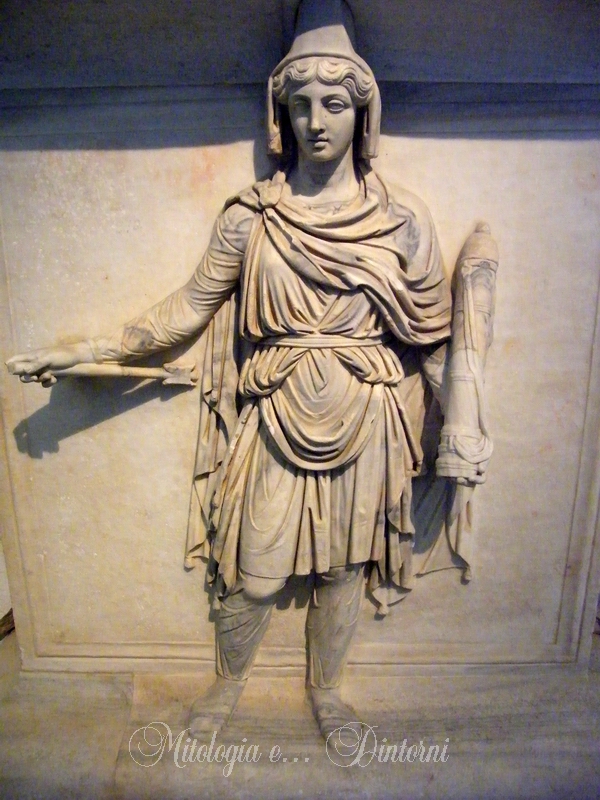
Gli scavi Farnese. I rilievi dell'Hadrianeum
Il possesso di sculture antiche derivò alla famiglia Far-nese, in misura non trascurabile, da una serie di imprese di scavo promosse, nel corso del tempo, da esponenti del casato nel suolo dell'Urbe. Esse permisero il fortunato re-cupero di marmi antichi da importanti monumenti della Roma imperiale.
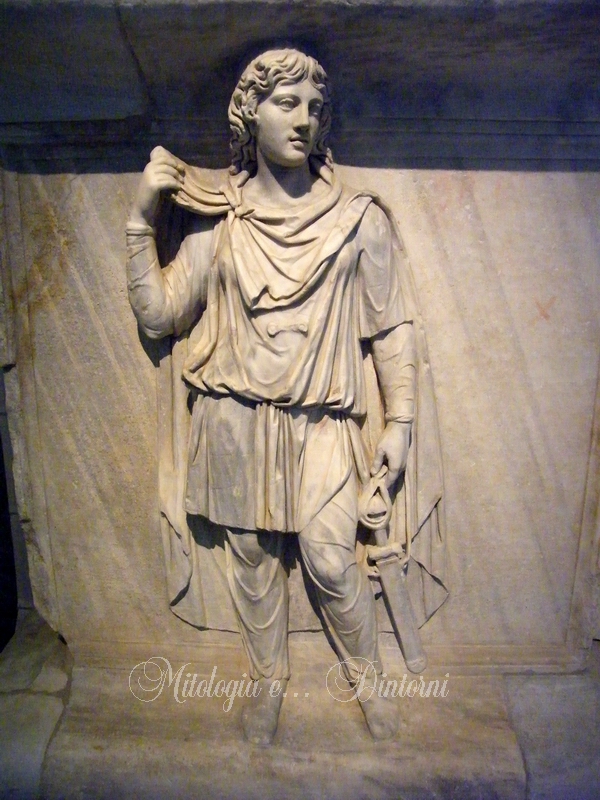
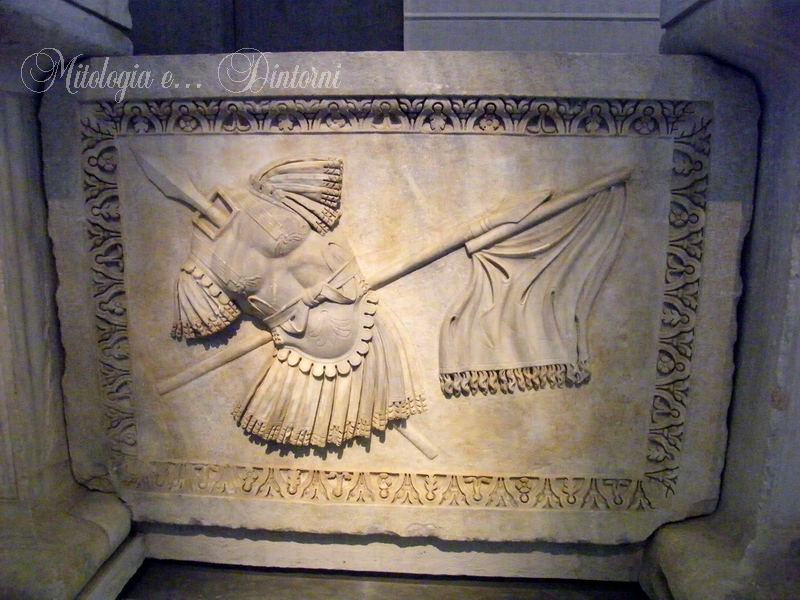
Ad una data imprecisata, anteriore alla morte di Paolo III (1549), risale la scoperta di un ciclo di rilievi, la cui pre-senza tra le sculture della collezione è attestata già intorno al 1550; altri resti dello stesso ciclo, trovati in momenti di-versi, confluirono in altre importanti collezioni romane.
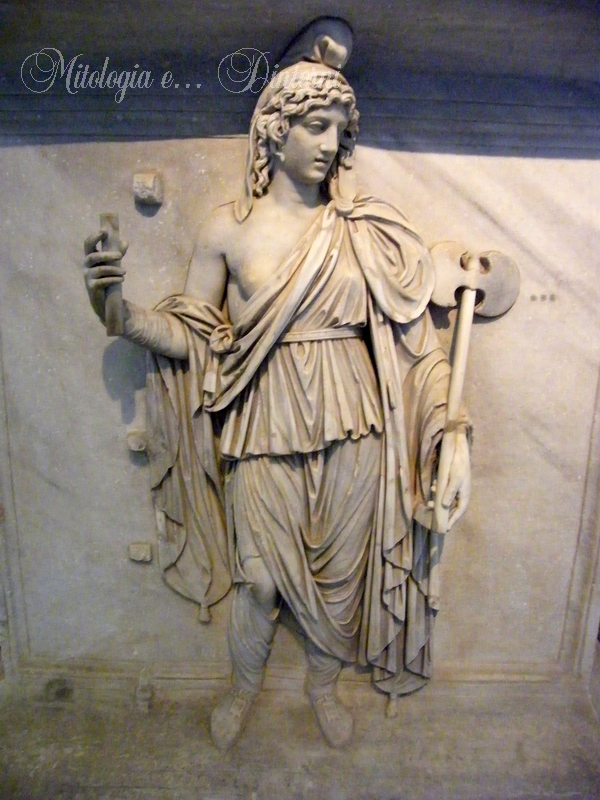
I soggetti raffigurati erano personificazioni di province dell'impero e trofei. Essi facevano parte dell'apparato de-corativo pertinente al complesso dell'Hadrianeum, il tem-pio dedicato nel Campo Marzio al Divo Adriano dall'im-peratore Antonino Pio (145 d.C.). L'edificio, che l'antiqua-ria cinquecentesca identificava con la Basilica Antonini, era all'epoca parzialmente visibile, inglobato nella sede della Dogana di terra.
The Farnese Excavations. The Reliefs from the Hadrianeum
To a significant degree, the Farnese family's ownership of ancient sculpture was the result of a series of excava-tion projects in Rome, funded over time by members of the family. These excavations resulted, fortuitously, in the discovery of marble sculpture from important monuments of imperial Rome.
At a date that is not known for sure (but pre-dating the death of Paul III in 1549), a group of reliefs was discov-ered. Their presence in the Farnese collection is already attested by about 1550. Other survivors of the same group, found at different times, came into other important col-lections in Rome.
The subjects depicted were personifications of provinces of the Roman empire, and trophies. These once formed part of the decorative programme of the complex known as the Hadrianeum, the temple dedicated in the Campus Martius to the deified Hadrian by Antoninus Pius (AD 145). This build-ing, which 16th century antiquarians identified as the Basilica Antonini, was still partially visible at that time, in-tegrated into the building housing the Customs service.
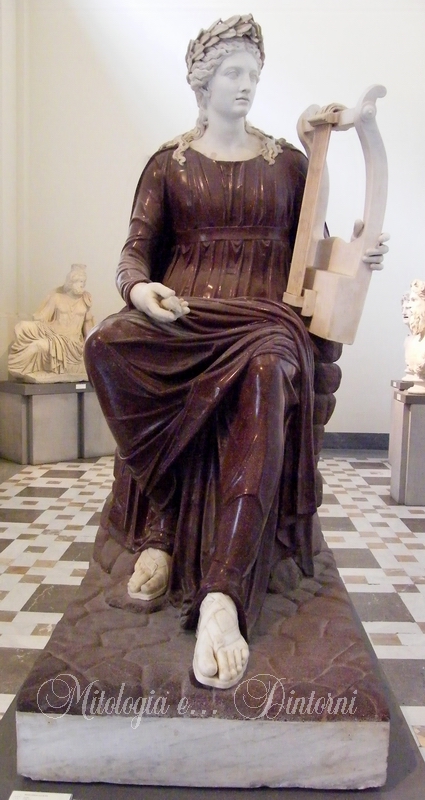
Apollo liricine seduto
inv. 6281
Creazione romana, II sec. d.C.
La statua, in porfido, è nota a Roma a partire dagli inizi del XVI secolo con l'appellativo di "Roma Trionfante". Acquistata dai Farnese presso la famiglia Sassi, era collocata nella loggia del piano nobile del Palazzo in Campo dei Fiori. I più antichi inventari di casa Farnese precisano la consistenza in "metallo o bronzo" di testa, mani e piedi. Queste parti furono asportate e sostituite da quelle attualmente visibili in marmo bianco, opera di Carlo Albacini, in occasione del trasporto della scultura a Napoli nel 1805.
La statua raffigura Apollo secondo uno schema iconografico risalente al IV sec. a.C. Il dio, vestito di lungo chitone fermato da una cintura sotto il petto, siede su una roccia sostenendo la lira nella destra ed il plettro nella sinistra (in marmo bianco, inseriti dall'Albacini).
L'opera è databile ad età tardo adrianeo-antonina (metà II sec. d.C.).
È possibile che la scultura fosse collocata in un tempio come dono dell'imperatore, l'unico che potesse disporre in gran quantità di un materiale cosi prezioso come il porfido.
Apollo seated with a lyre
inv. 6281
Roman creation, 2nd century AD
This statue, made of porphyry, was known at Rome from the beginning of the 16th century as 'Rome Triumphant The Farnese acquired it from the Sassi family, and placed it in the gallery of the piano nobile of the Palazzo in the Cam-po dei Fiori. The oldest inventories of the Farnese house specify that the head, hands and feet had a 'metal or bronze texture. These parts were taken away and replaced by the white marble ones that can be seen today, work undertak en by Carlo Albacini when the statue was transferred to Naples in 1805.
The statue depicts Apollo after to a model of the 4th century BC. The god wears a long chiton, held by a belt beneath his breast, and sits on a rock. He holds a lyre in his right hand and a plectrum in his left (in white marble, inserted by Albacini).
The work can be dated to the late Hadrianic-Antonine period (mid-2 century AD).
It is possible that the sculpture was placed in a temple as a gift from the emperor, the only person who was able to ac quire a material as precious as porphyry in large quantities.