Elementi di arredo e rilievi
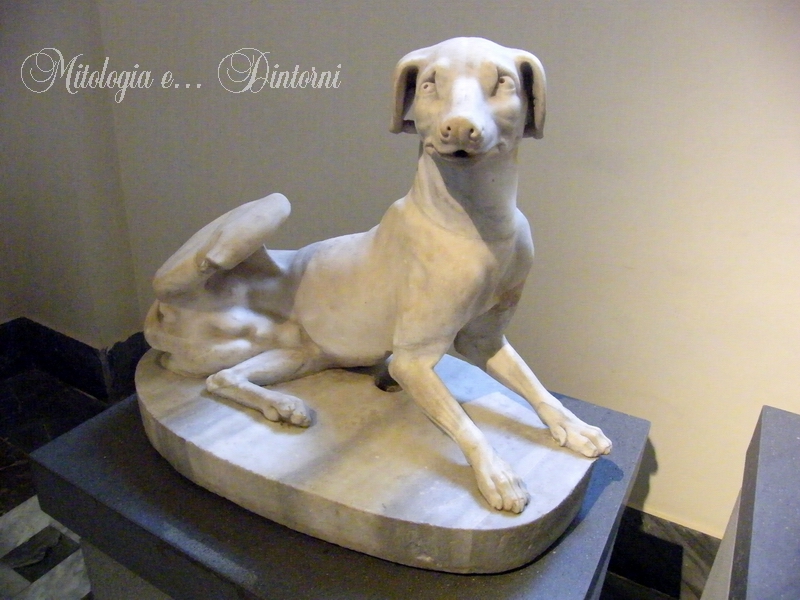
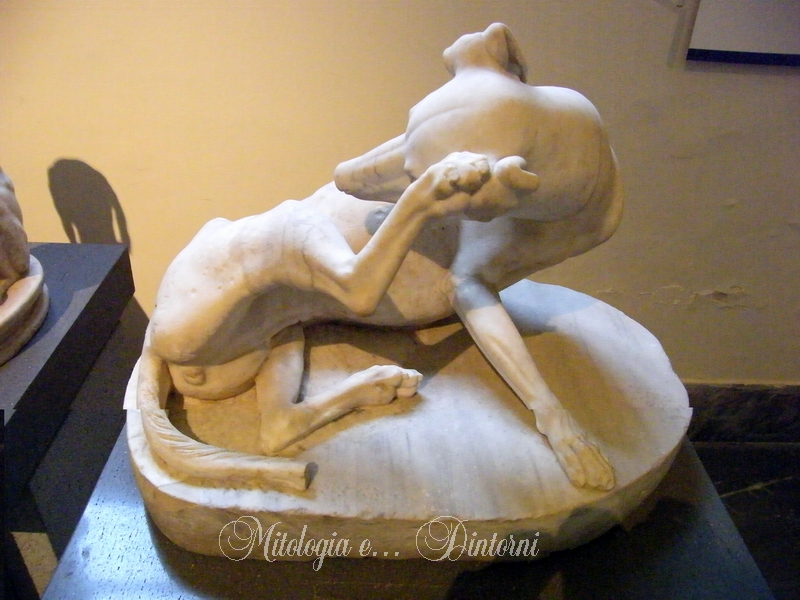
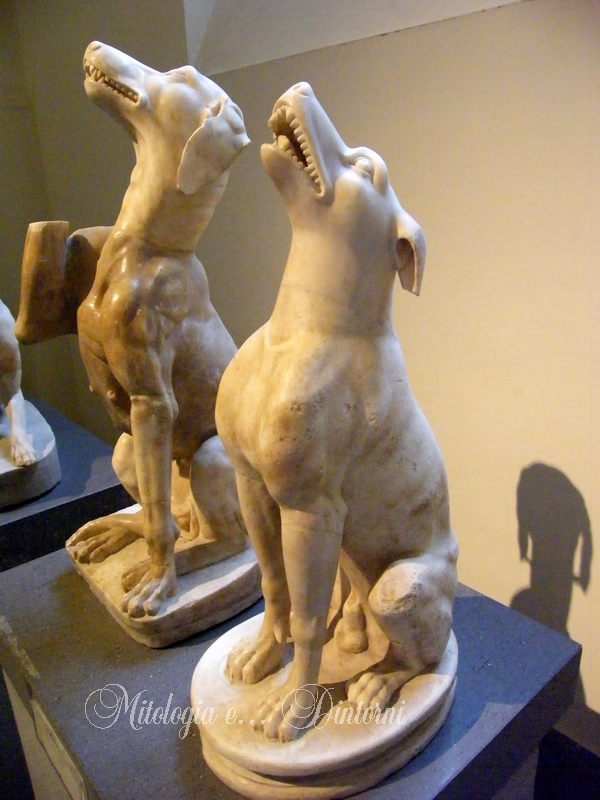
Quadretti di soggetto mitologico, vasi e sculture di animali sono elementi di arredo tipici delle ricche case romane di età imperiale. Questo gusto del fasto rivive nelle aristocratiche dimore rinascimentali. Alcuni esemplari sono raccolti in questa sala per illustrare la varietà del patrimonio collezionistico dei Farnese.
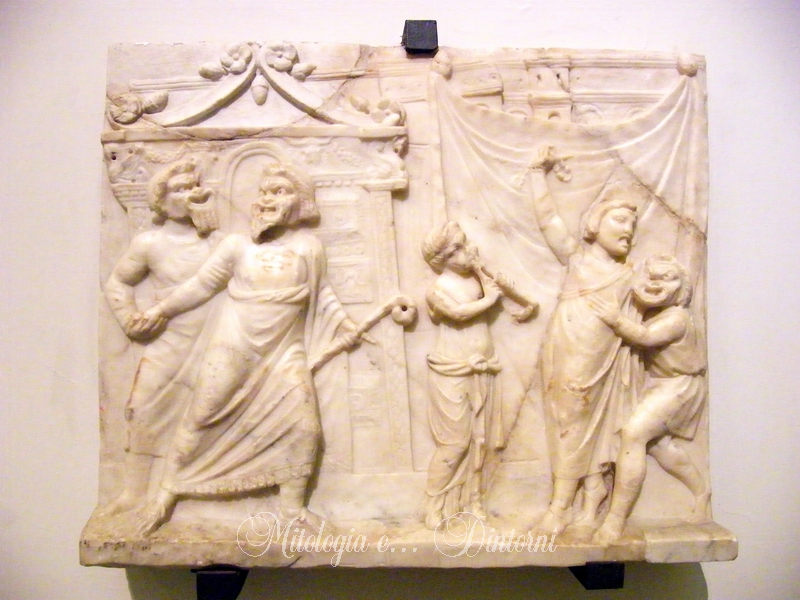
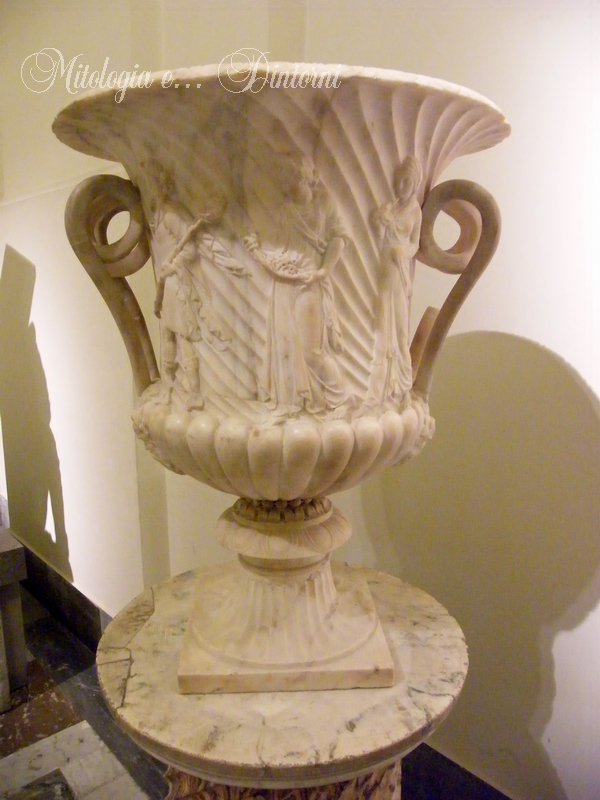
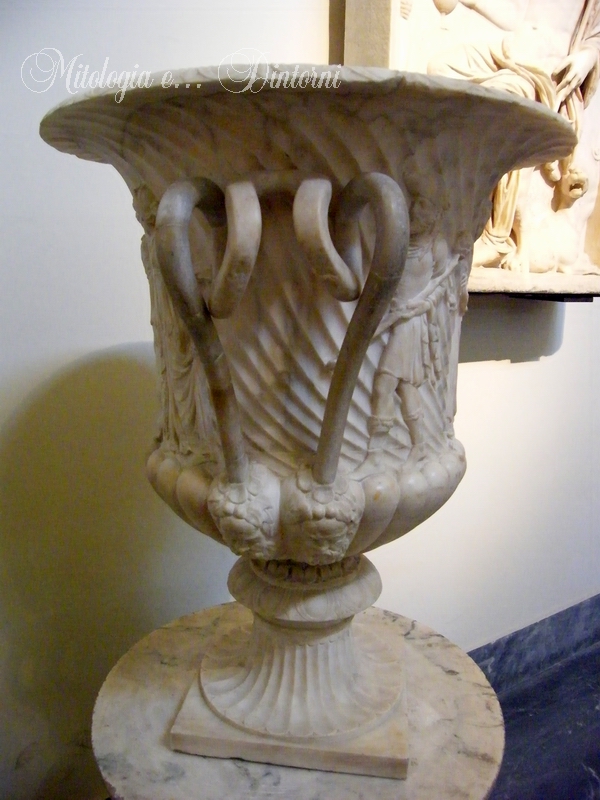
Domina al centro il cratere inv. 6778), raffigurante Dioniso col suo corteggio di Satiri e Menadi e le personifica zioni delle Stagioni. Il vaso, in marmo pentelico, è opera di scultori ateniesi attivi a Roma intorno alla metà del 1 sec. d.C. Nella stessa temperie culturale rientrano anche i pannelli sospesi alle pareti.
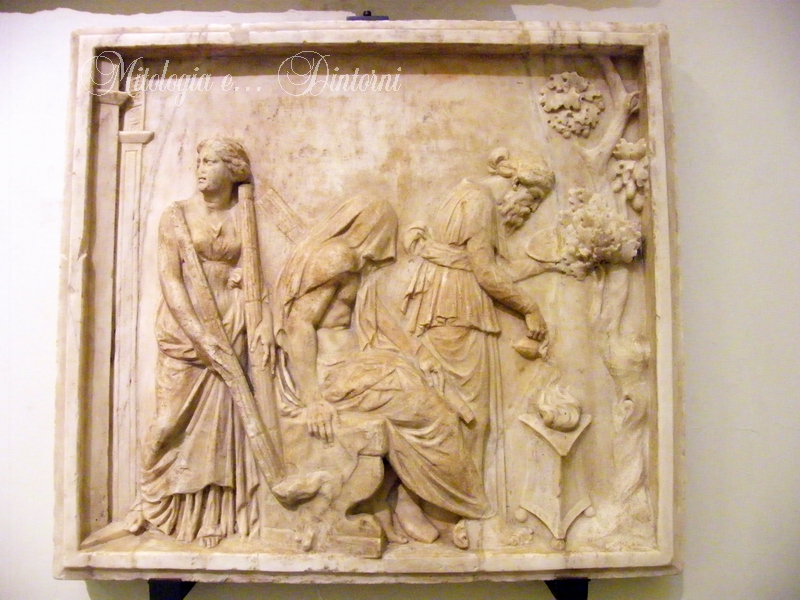
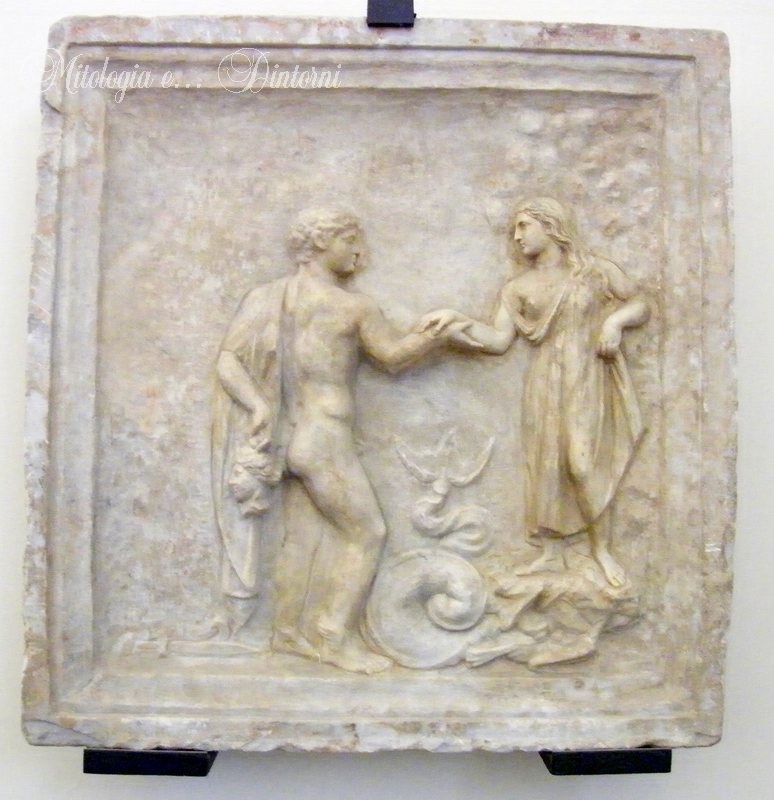
Il rilievo raffigurante Eracle iniziato ai Misteri Eleusini (inv. 6679) riproduce un soggetto molto diffuso in età augustea.
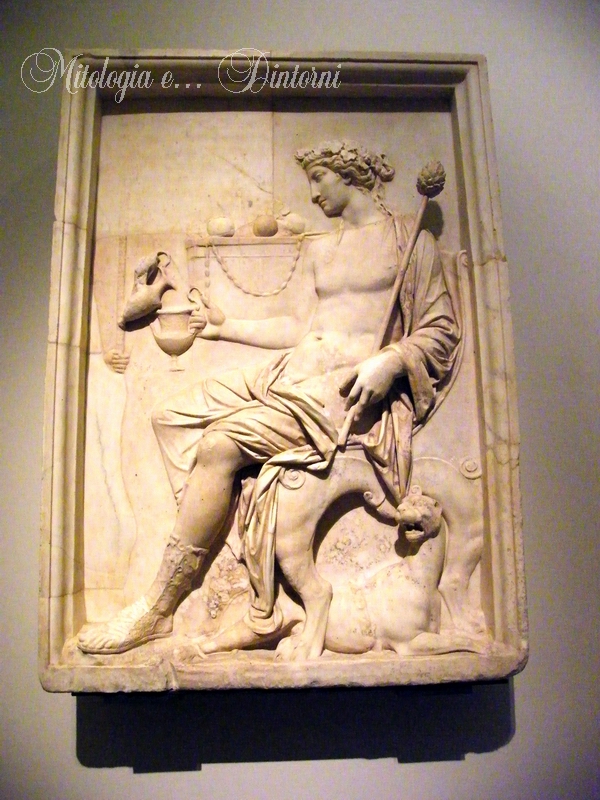
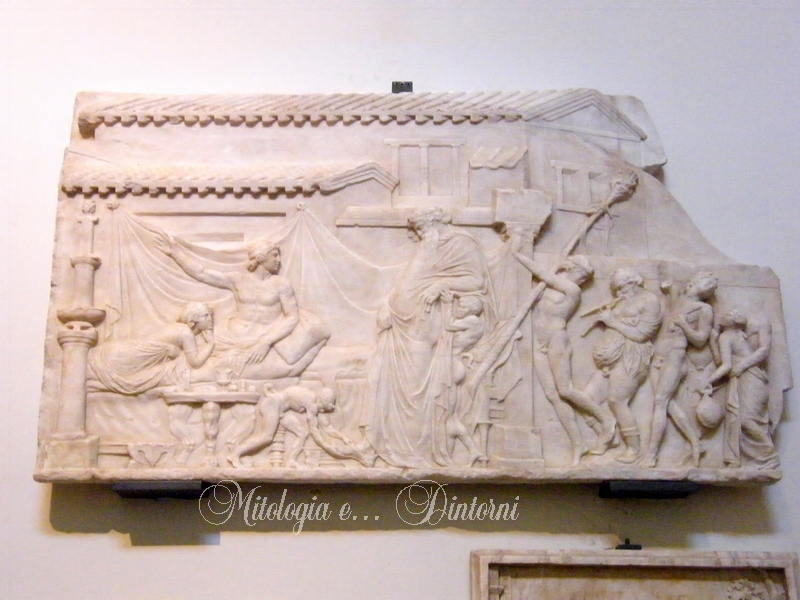
Nel rilievo della cosiddetta "visita di Dioniso ad Icario" (inv. 6713) Dioniso è rappresentato come una divinità orientale, barbato e con lunga veste. Il dio giunge in visita alla casa del poeta, disteso su una kline con una donna. In genere si indica nel giovane il dedicante del rilievo, ex poto per una vittoria conseguita in un concorso letterario. Secondo alcuni studiosi, però, il giovane rappresenterebbe il pubblico delle rappresentazioni sceniche. Alle implicazioni cultuali del teatro alluderebbero anche gli edifici che si stagliano sullo sfondo, al di là del tendaggio che delimita l'ambiente domestico. Secondo un'altra ipotesi, il fondale architettonico corrisponderebbe agli spazi consacrati a Roma al culto di Dioniso, riabilitato da Augusto dopo la sua vittoria su Antonio che a questo dio si era assimilato
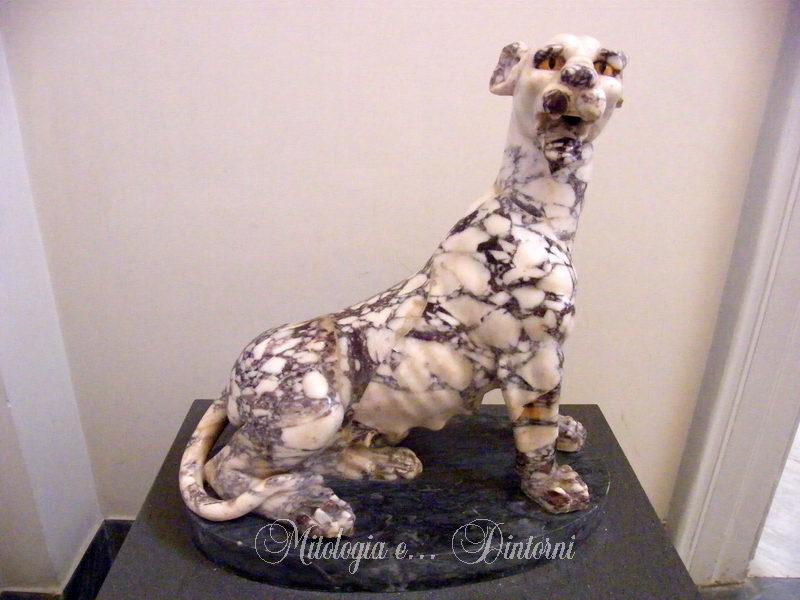
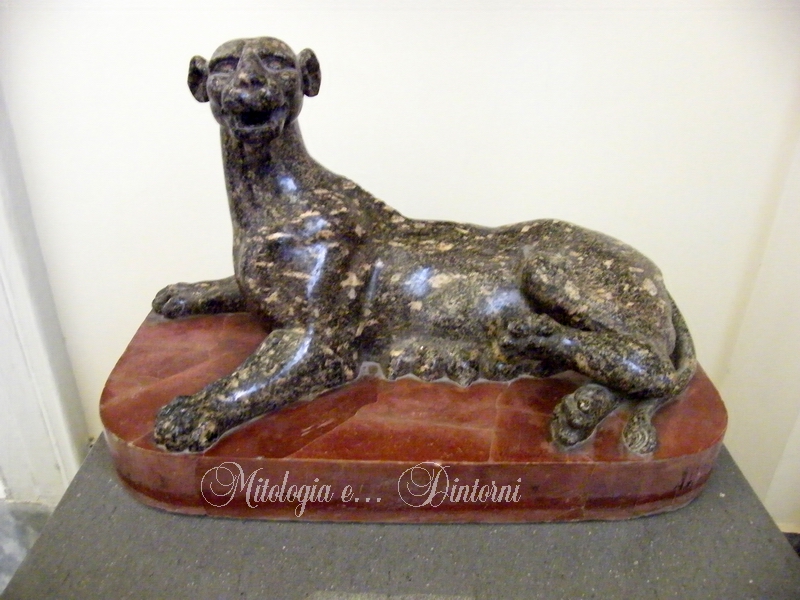
L'attenta osservazione della natura trapela nella riproduzione di animali in pose vivaci. L'uso dei materiali contribuisce all'efficacia del risultato. Per animali dal manto pezzato, screziato o maculato si predilige l'uso del marmo pavonazzetto o del granito, come per le due pantere (inv. 6223 e 6225).
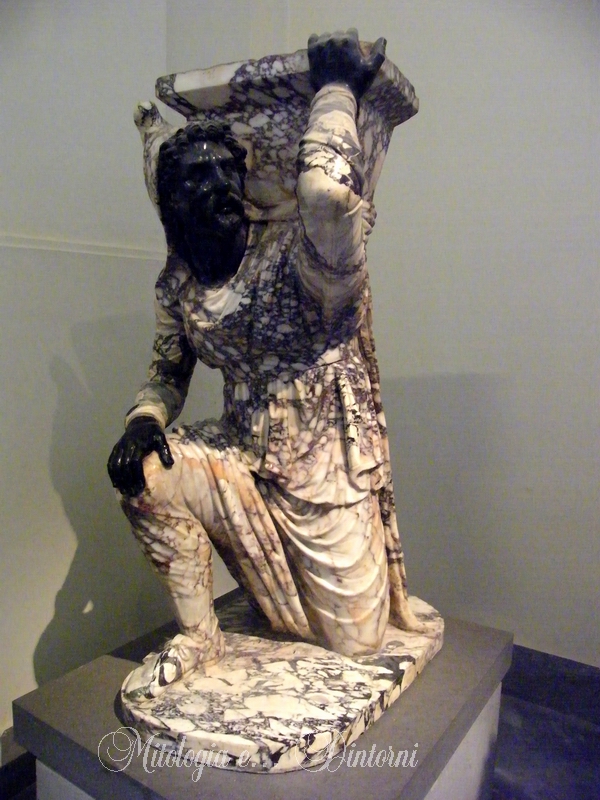
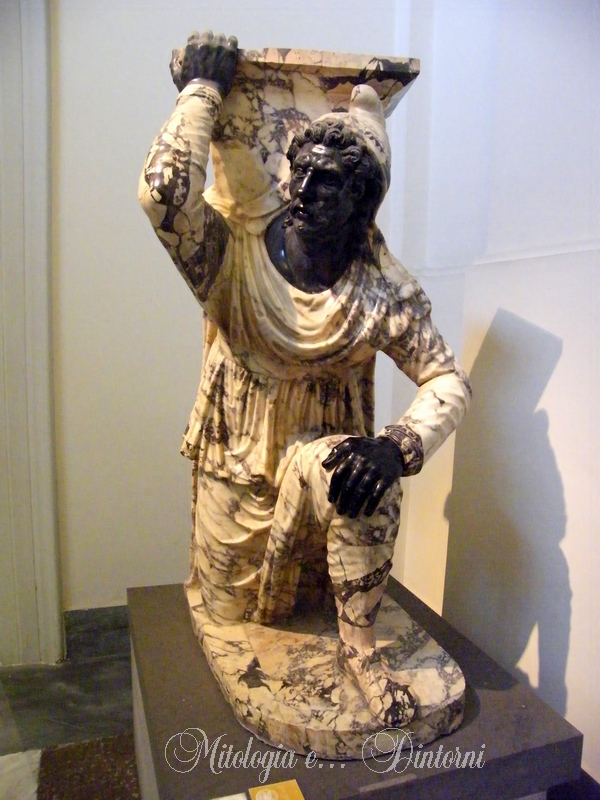
In pavonazzetto sono i due barbari orientali inginocchiati (inv. 6113 e fi117) con teste moderne in marmo nero antico. E stata ipotizzata una loro pertinenza ad un monumento eretto sul Palatino in onore di Augusto. Le due sta tue, insieme ad una terza conservata oggi nella Ny CarIsberg Glyptotek di Copenaghen, avrebbero composto il basamento di un grande tripode metallico eretto per celebrare i successi politici e militari del principe che nel 20 a.C. aveva ottenuto dai Parti la restituzione delle insegne perdute nella battaglia di Carre (53 a.C.).
Furnishings and Reliefs
Paintings of mythological subjects, vases, and animal sculptures are typical furnishings of wealthy Roman homes during the Imperial Age. This taste for opulence lives on in aristocratic Renaissance homes. Some examples are gathered in this room to illustrate the variety of the Farnese family's collections.
Dominating the center is the krater (inv. 6778), depicting Dionysus with his retinue of Satyrs and Maenads and personifications of the Seasons. The vase, in Pentelic marble, is the work of Athenian sculptors active in Rome around the middle of the 1st century AD. The panels hanging on the walls also belong to the same cultural climate.
The relief depicting Heracles being initiated into the Eleusinian Mysteries (inv. 6679) reproduces a subject that was very common in the Augustan era.
In the relief of the so-called "Visit of Dionysus to Icarius" (inv. 6713), Dionysus is depicted as an oriental deity, bearded and wearing a long robe. The god comes to visit the poet's house, reclining on a kline with a woman. The young man is generally thought to be the dedicator of the relief, ex poto for a victory in a literary competition. According to some scholars, however, the young man represents the audience for the stage performances. The cultic implications of the theater are also alluded to by the buildings looming in the background, beyond the curtain that delimits the domestic space. According to another hypothesis, the architectural backdrop corresponds to the spaces in Rome dedicated to the cult of Dionysus, rehabilitated by Augustus after his victory over Antony, who had assimilated himself to this god.
The careful observation of nature shines through in the reproduction of animals in lively poses. The use of materials contributes to the effectiveness of the result. For animals with dappled, mottled, or spotted fur, the use of pavonazzetto marble or granite is preferred, as for the two panthers (inv. 6223 and 6225).
The two kneeling Eastern barbarians (inv. 6113 and fi117) with modern heads in nero antico marble are also made of pavonazzetto marble. It has been hypothesized that they belonged to a monument erected on the Palatine in honor of Augustus. The two statues, together with a third now preserved in the Ny Carisberg Glyptotek in Copenhagen, would have formed the base of a large metal tripod erected to celebrate the political and military successes of the prince, who in 20 BC had obtained from the Parthians the restitution of the standards lost in the Battle of Carrhae (53 BC).