Sale V e VI - Le immagini del mito
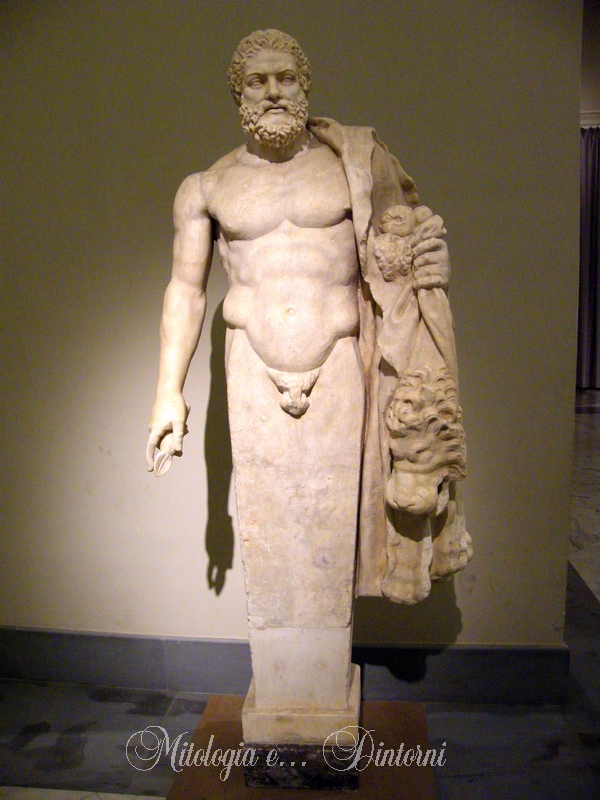
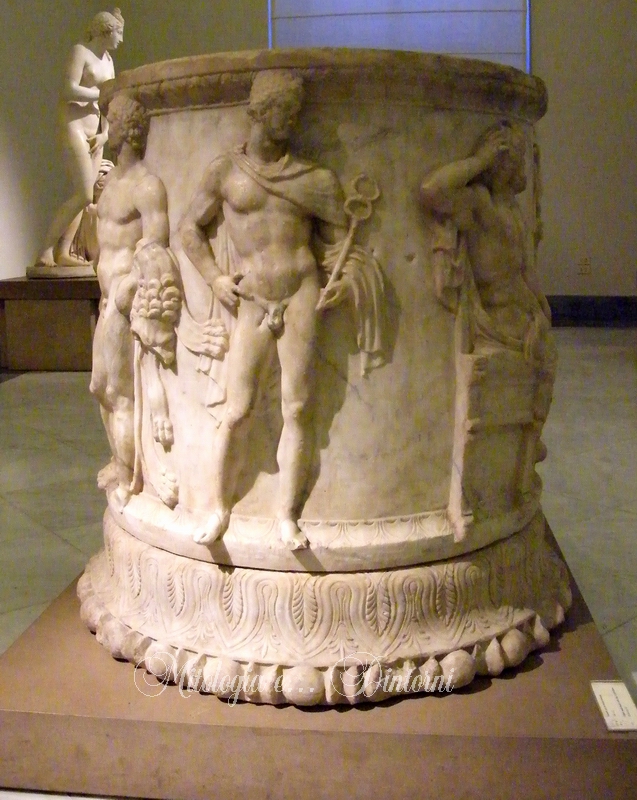
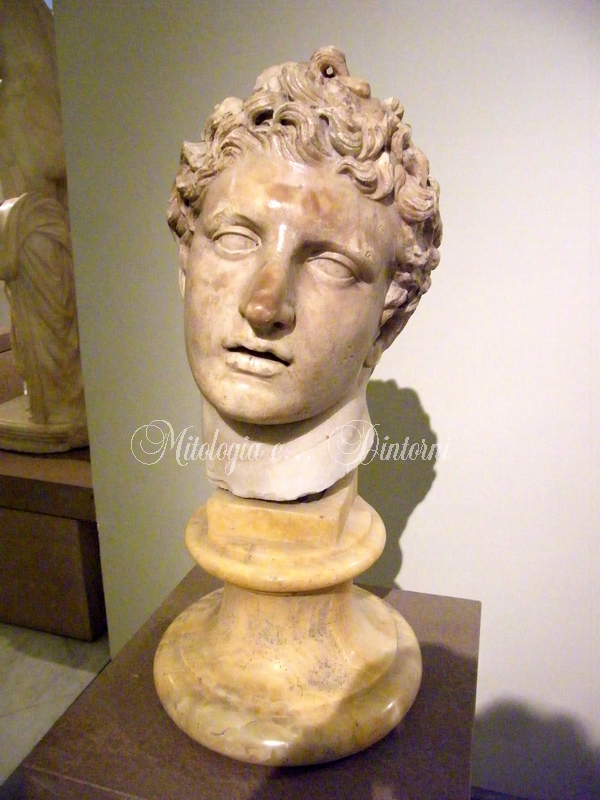
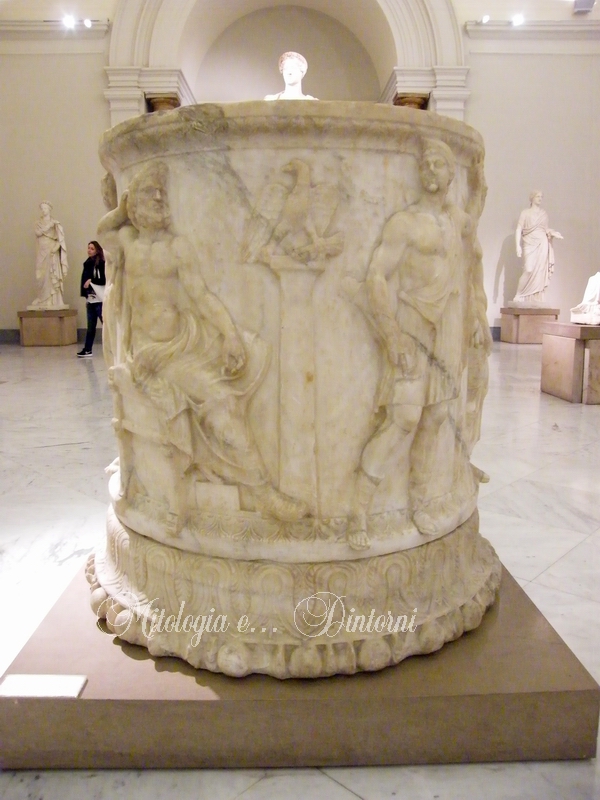
Le due sale accolgono motivi iconografici solo apparentemente eterogenei, ma che costituiscono nuclei tematici di grande rilievo nei programmi allestitivi delle colle-zioni di antichità rinascimentali.
Divinità astrali e motivi marini.
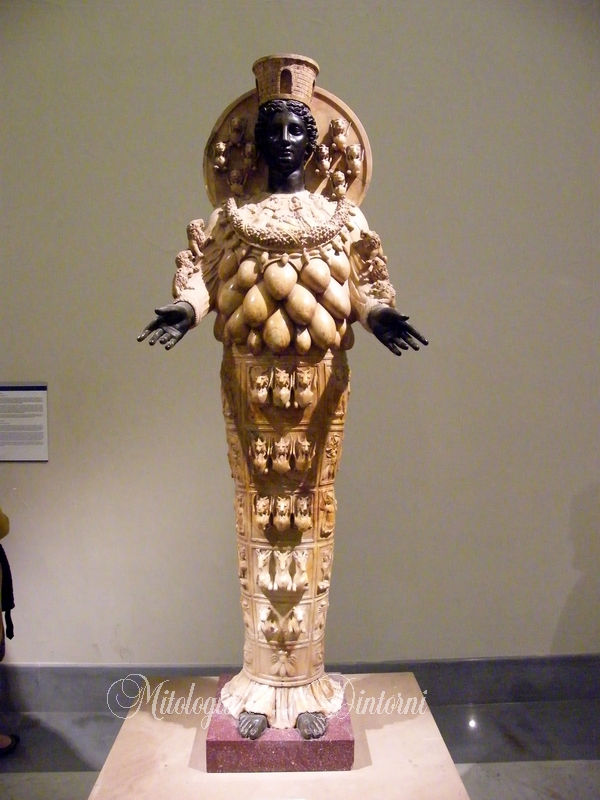
Le statue esposte rendono in immagine, ora aulica, ora profana, gli elementi costitutivi della natura. L'ordine cosmi-co è riprodotto sul pettorale dell’Artemide Efesia (inv. 6278). Condannata dalla Chiesa per il suo aspetto "paganizzante" l'immagine della dea godette di grande fortuna in età rinascimentale, quando fu interpretata come personificazione della Natura primigenia. Solo nel 1657 Claude Ménestrier, antiquario al servizio del Cardinale Barberini, pubblicò un saggio sull'iconografia della dea identificandola, correttamente, con la statua di culto del santuario di Efeso. Nel suo saggio erano illustrate tutte le riproduzioni esistenti all'epoca a Roma, di cui ben tre in possesso dei Farnese.
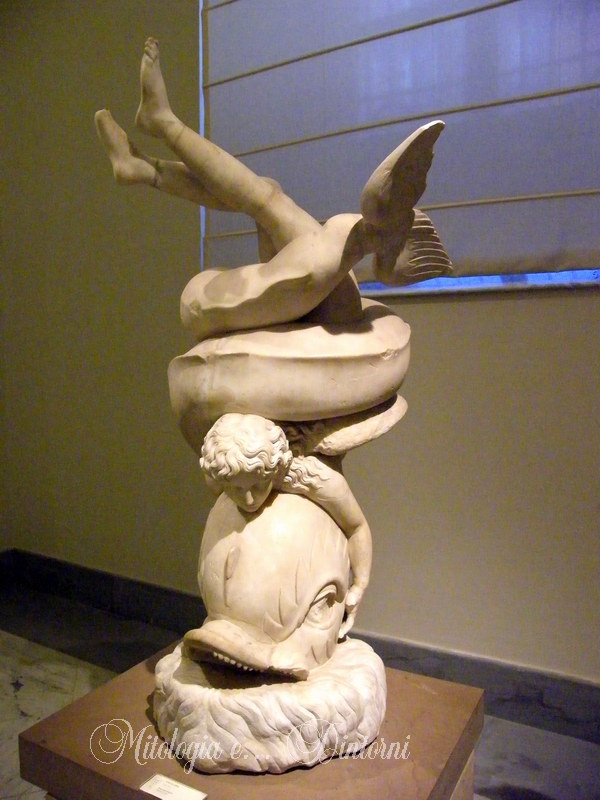
Al tema dell'acqua alludono le due Afroditi in atto di uscire dal bagno (inv. 6299 e 6286) e l'Eros che gioca col delfino (inv. 6375), destinato alla decorazione di una fontana.
Apollo e le Muse
Queste sculture non costituiscono un ciclo figurativo unitario dal momento che a Roma erano differentemente dislocate nell'arredo delle residenze farnesiane.
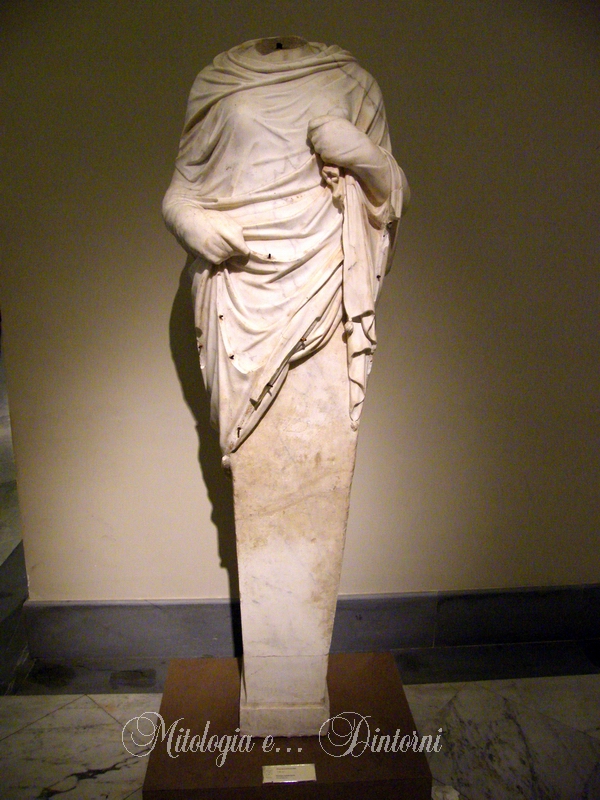
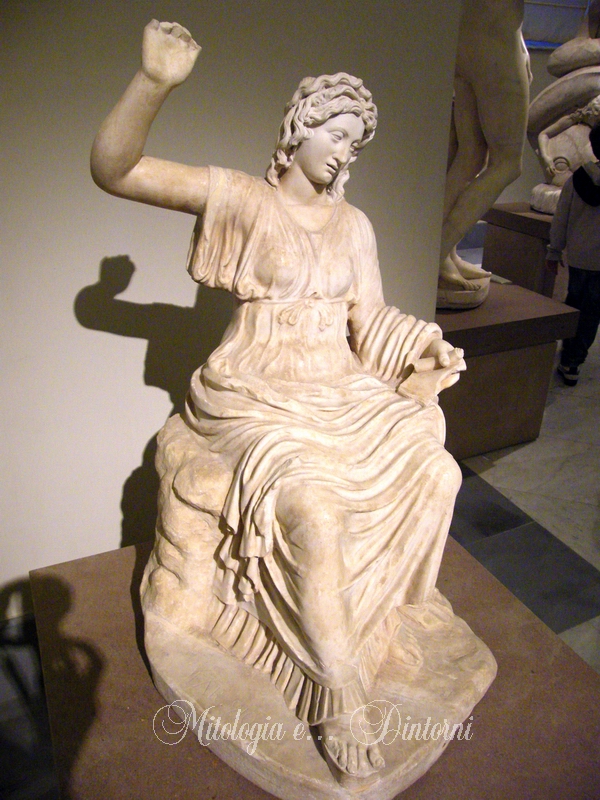
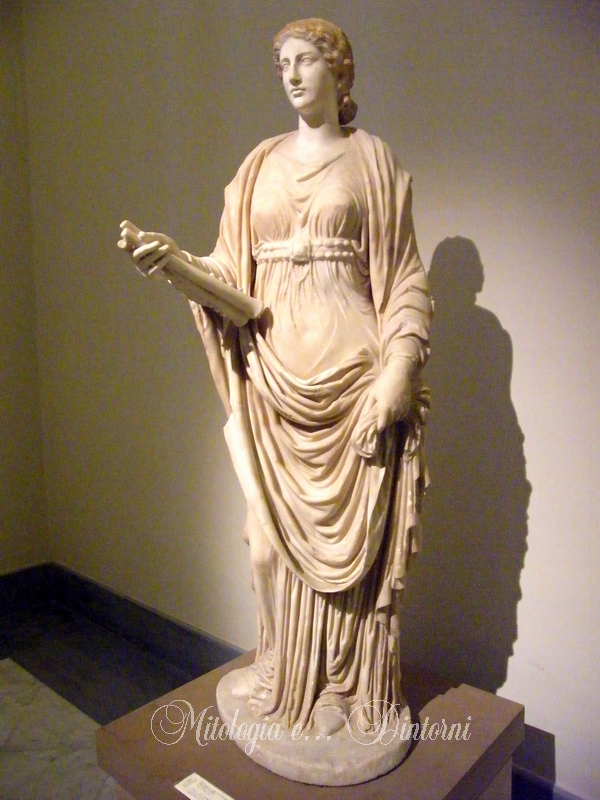
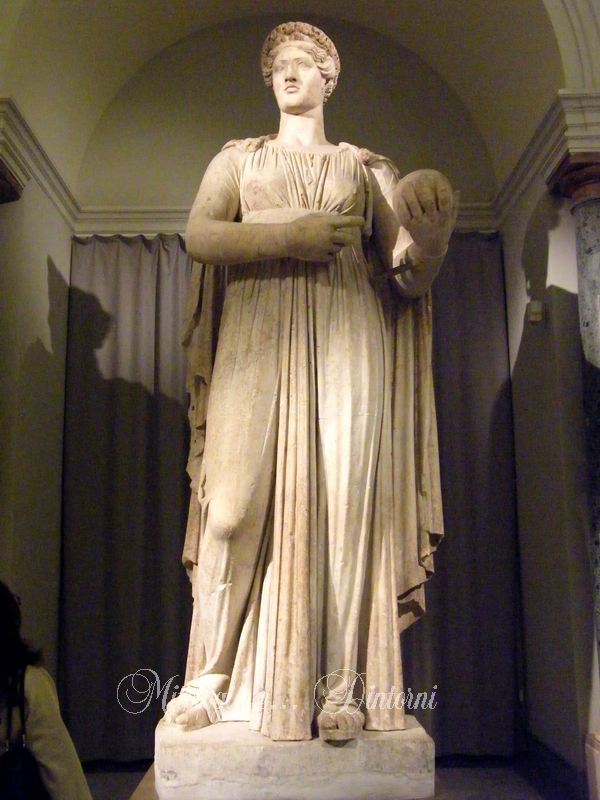
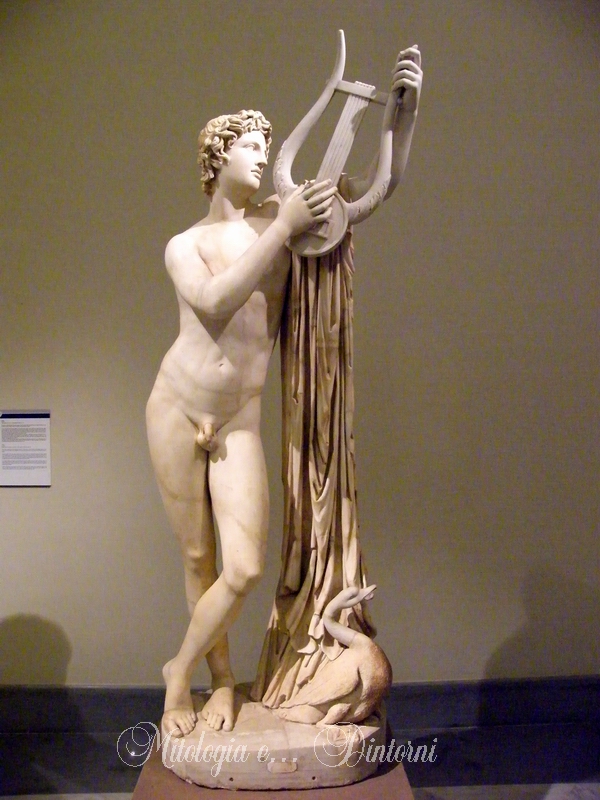
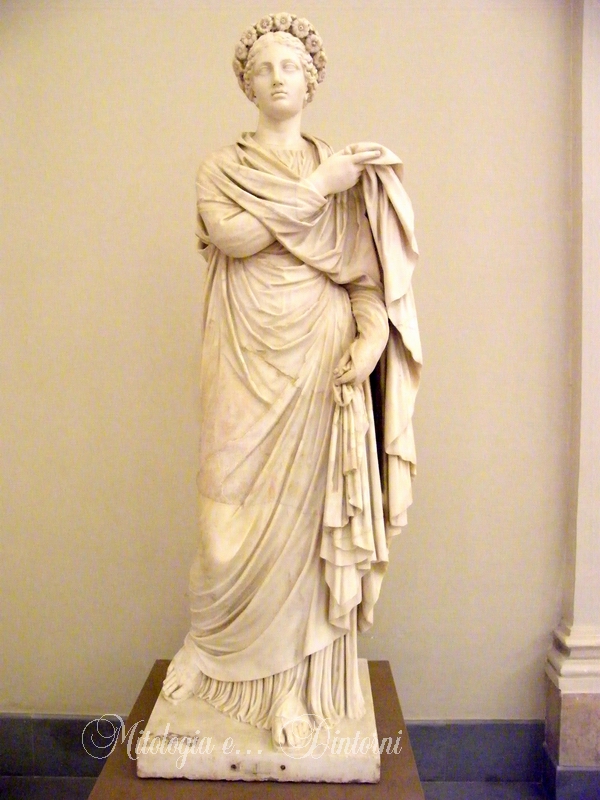
La rappresentazione di Apollo che presiede ai giochi delle Muse è un tema ricorrente nella produzione figurativa dall'età rinascimentale ad epoca neoclassica. La volontà dei committenti di ricreare le delizie del Parnaso è alla base di costruzioni artificiali per cui immagini femminili di tipo ideale, riconducibili a modelli di età classi-ca o ellenistica, assumono una nuova identità a seguito di integrazioni moderne. Anche in questo caso è solo la presenza di un attributo che consente di appellare ogni figura col nome di una Musa, ciascuna distinta per specifiche competenze: Urania (inv. 5960) con il globo nella mano sinistra, Talia (inv. 6399) con la maschera comica; Euterpe inv. 6397 e 6398) con il doppio flauto; Polimnia (inv. 6404) in posa meditativa a denotare la sua sfera di pertinenza nelle attività del pensiero. Lo strumento musicale indica la funzione del dio Apollo, protettore della musica e della poesia.
Mythological images
These two rooms gather together iconographic motifs that appear heterogeneous, but which constitute impor tant thematic nuclei in the organisation of Renaissance col-lections of antiquities.
Heavenly gods and sea motifs
The constituent elemts of nature are given visual form in the statues displayed here, both sacred and profane. Cosmic order is depicted on the breastplate of the Artemis of Ephesus (inv. 6278). Condemned by the Church for its 'paganizing' aspect, this image of the goddess was popu lar in the Renaissance period, when it was interpreted as a personification of Nature Primigenia. It was only in 1657 that Claude Ménestrier, the antiquarian in the service of Cardinal Barbarini, published a study of the iconography of the goddess and identified her correctly with the cult statue of the sanctuary at Ephesus. Illustrated in that study were all of the copies that existed in Rome at that time, three of which were in Farnese possession.
The two Aphrodites emerging from the water (inv. 6299 and 6286) allude to the theme of water, as does the Eros playing with a dolphin (inv. 6375), which was used to decorate a fountain.
Apollo and the Muses
These sculptures have not formed a single figurative cycle since the time when, at Rome, they were split up and displayed in different locations in the Farnese residences.
The depiction of Apollo presiding over the games of the Muses is a common theme in the figurative ensem-bles from the Renaissance period to the Neoclassical peri-od. These were fabrications in which ideal female figures from Classical or Hellenistic period models assumed new identities by the additional of modern elements. They were the result of the desire of those commissioning the pieces to recreate the delights of Parnasus. Only the pres ence of a particular attribute allows us to give each figure the name of a Muse. Each one is distinguished by her par ticular ability, Urania (inv. 5960) with the globe in her right hand; Thalia (inv. 6399) with the comic mask), Euterpe (inv. 6397 and 6398) with the double flute, Polyhymnia (inv. 6404) in a meditative pose to illustrate her sphere of influ ence, that of thought. The musical instrument represents the god Apollo's function as protector of music and poetry