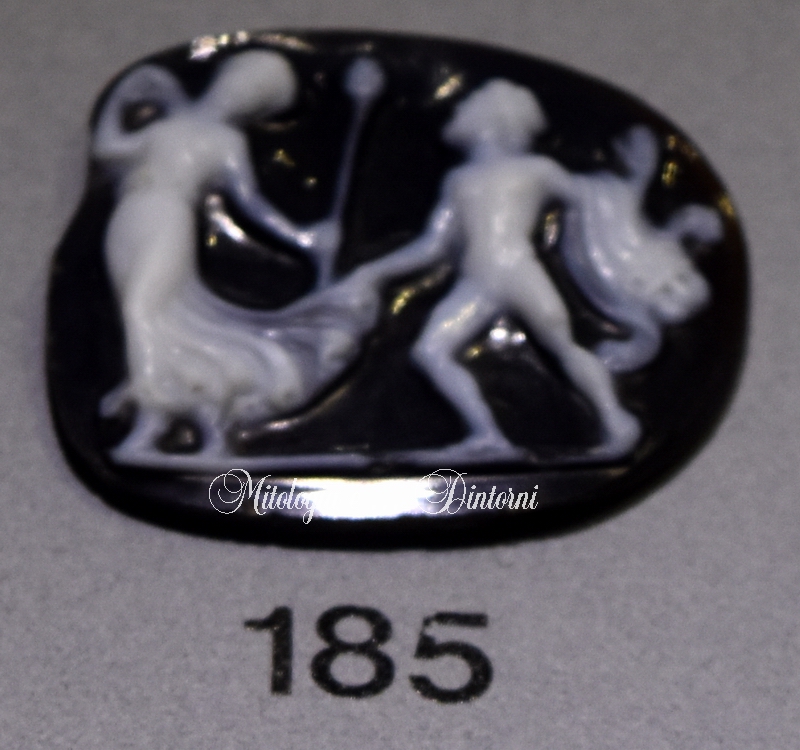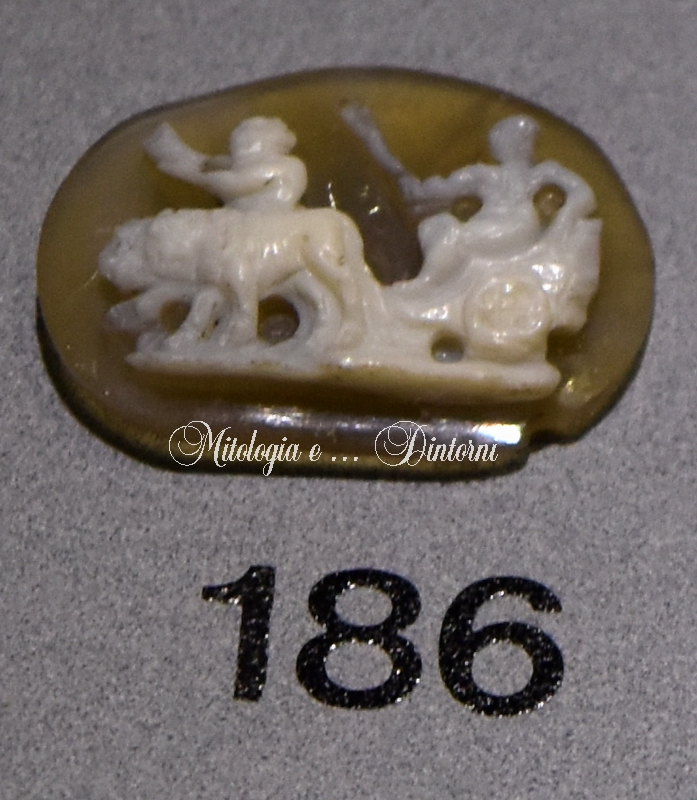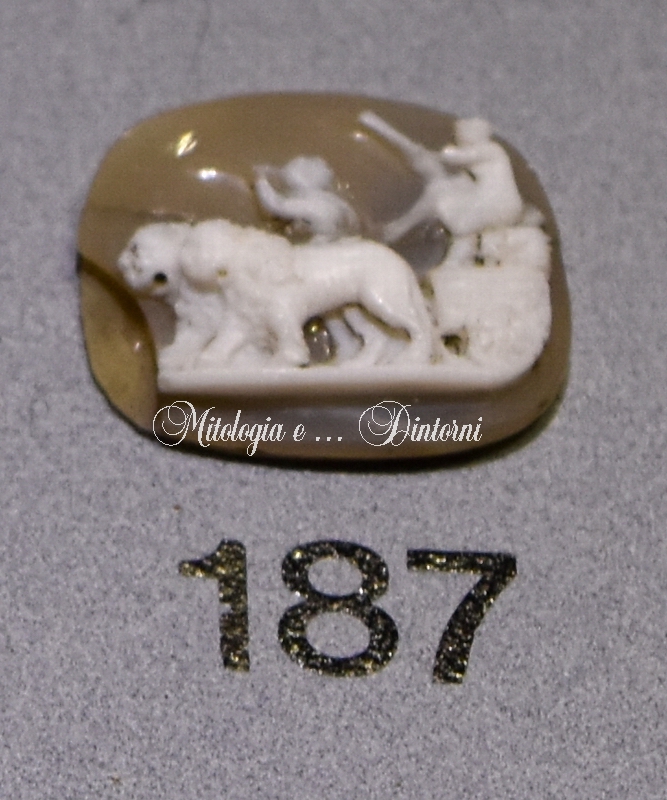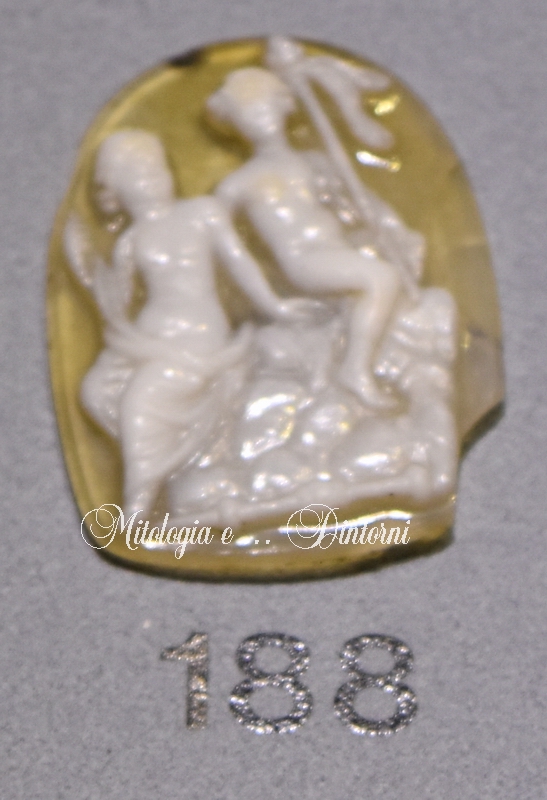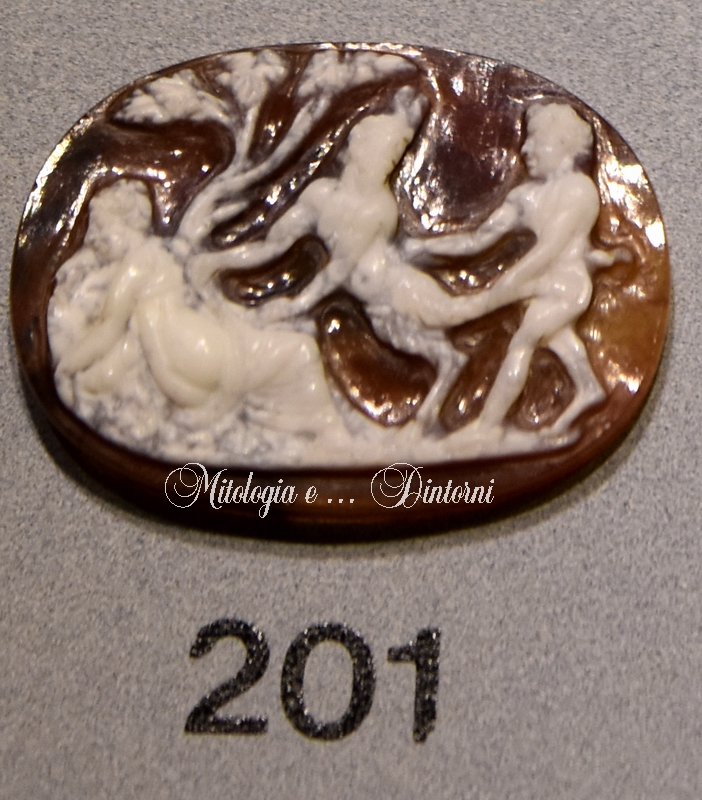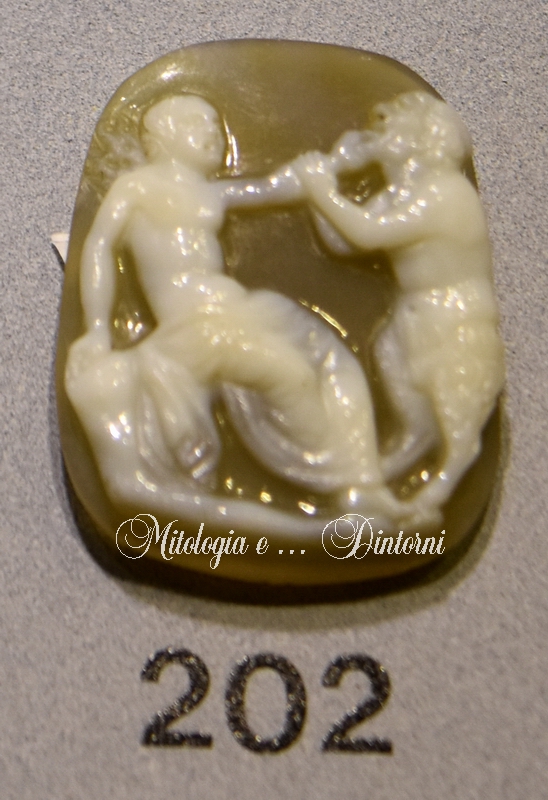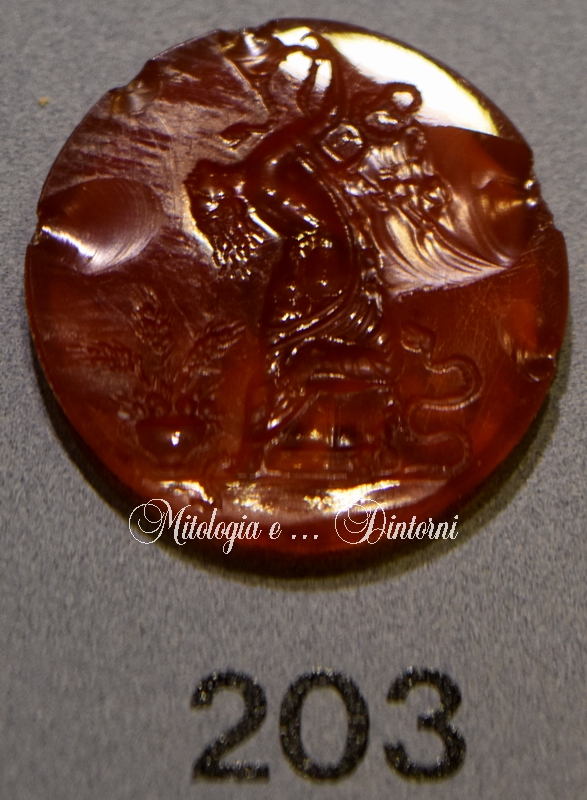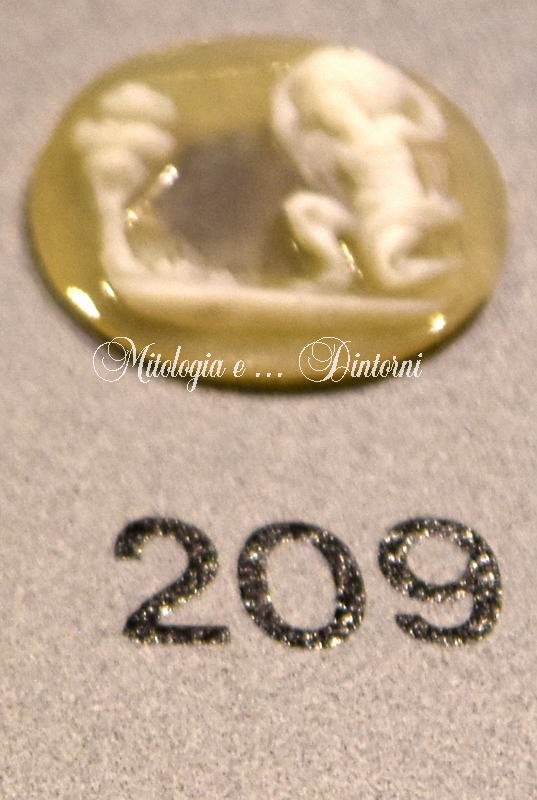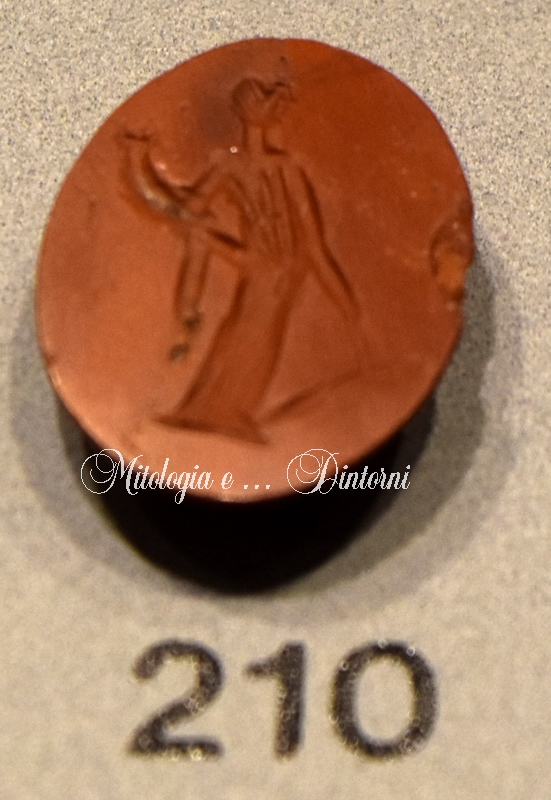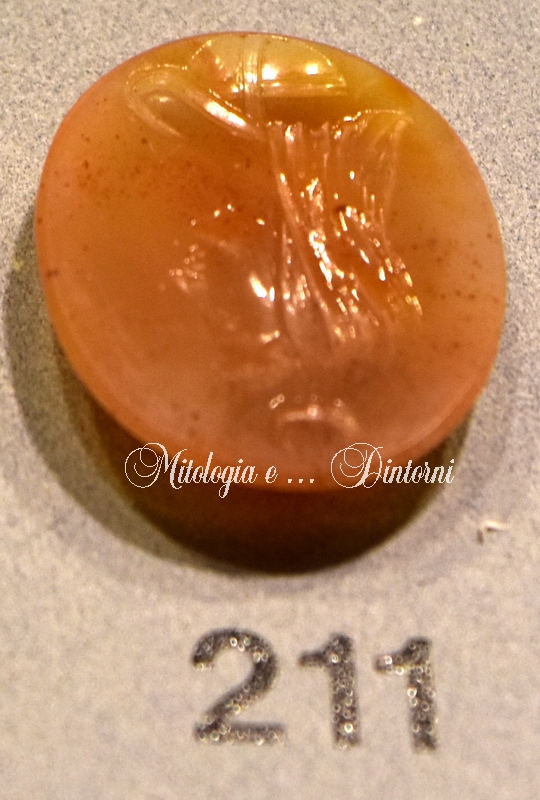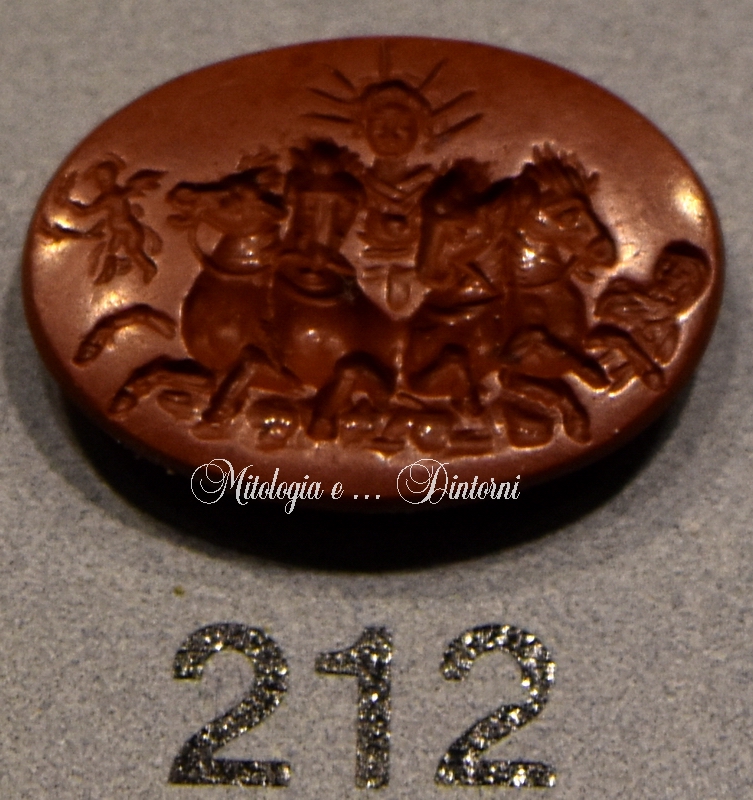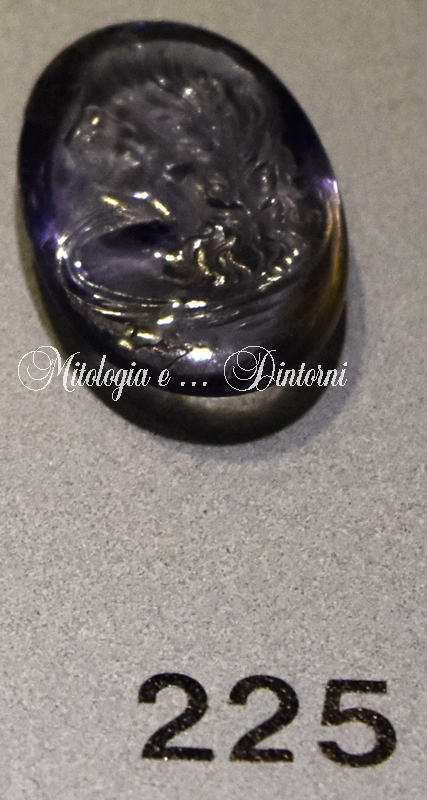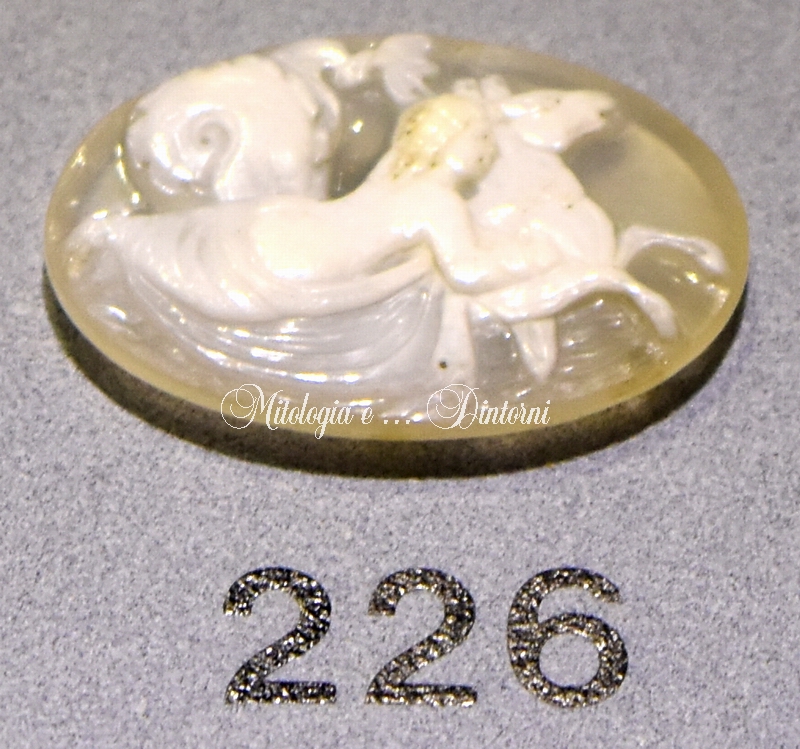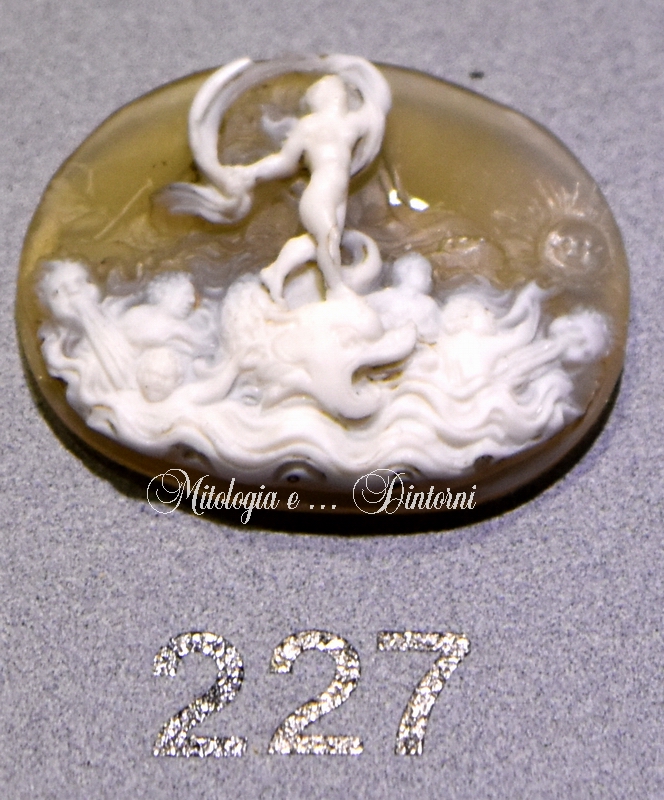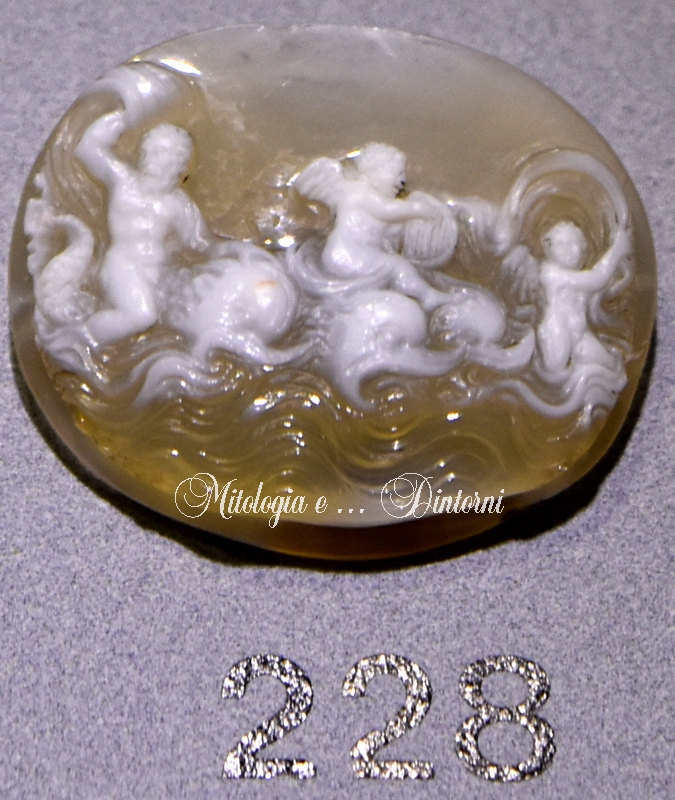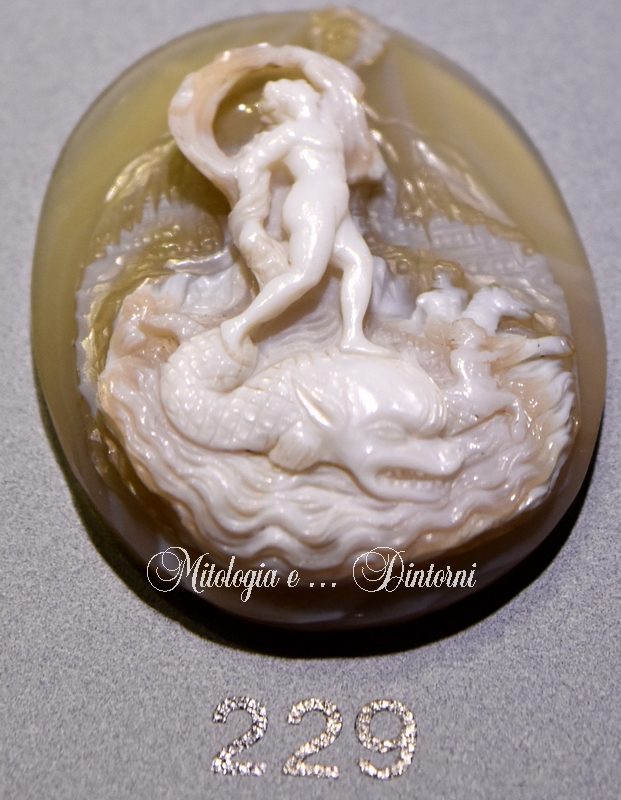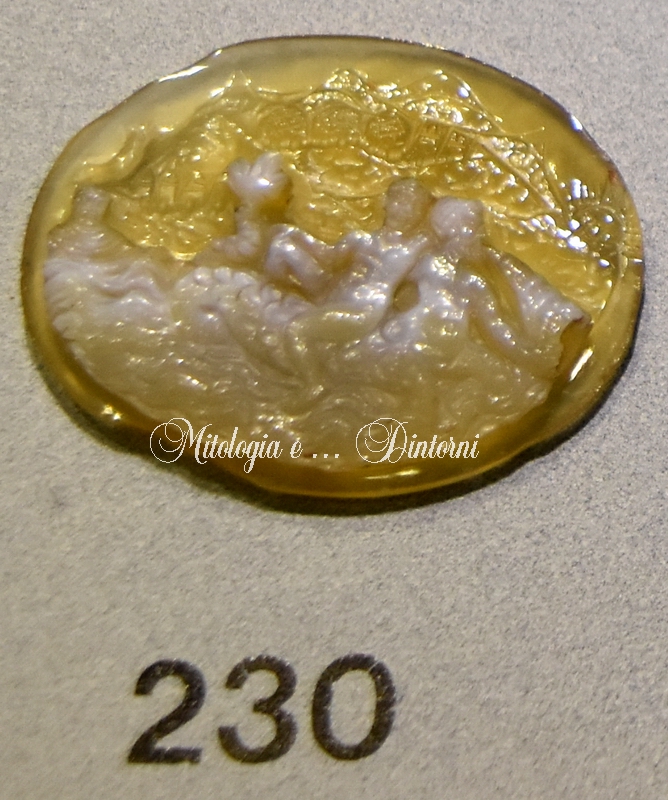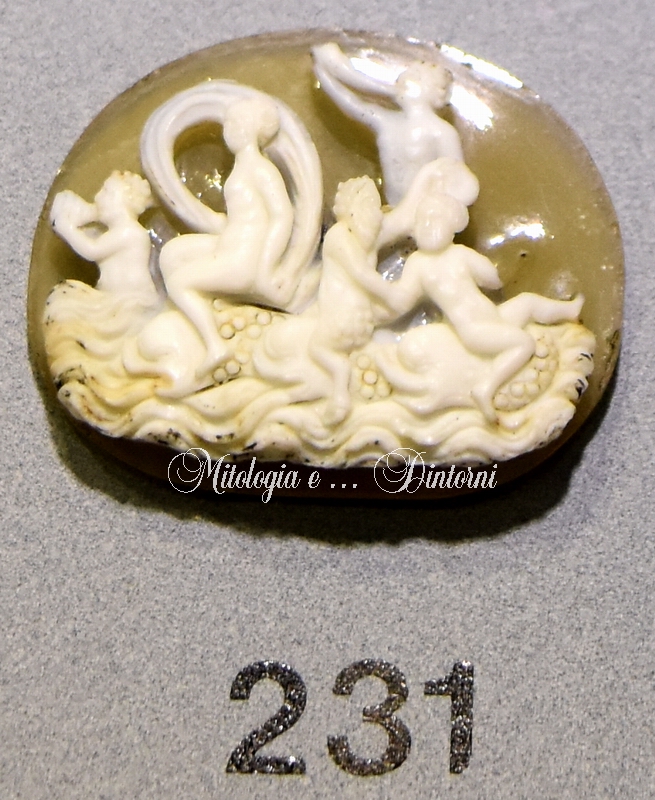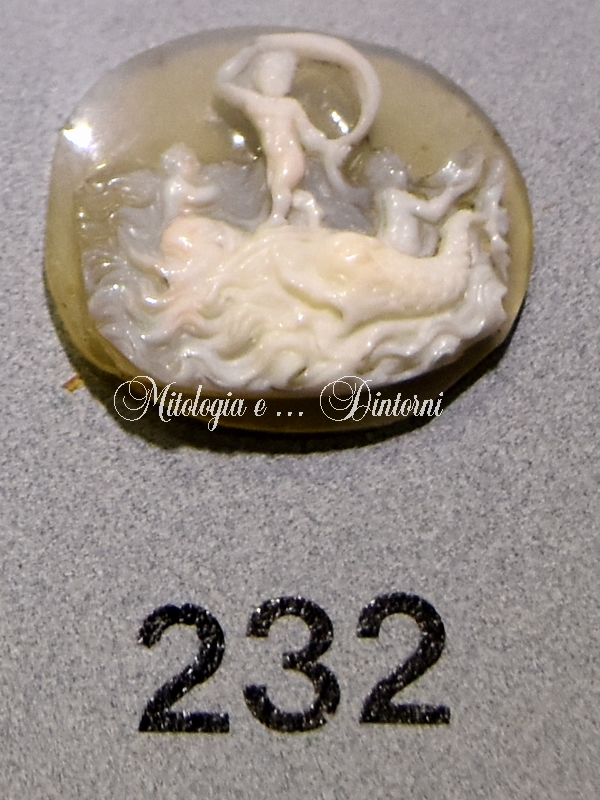
LE GEMME FARNESE
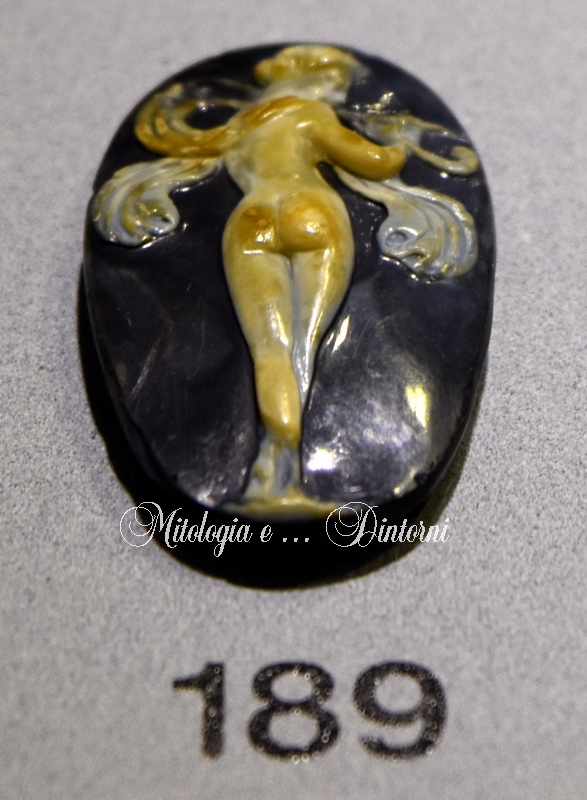
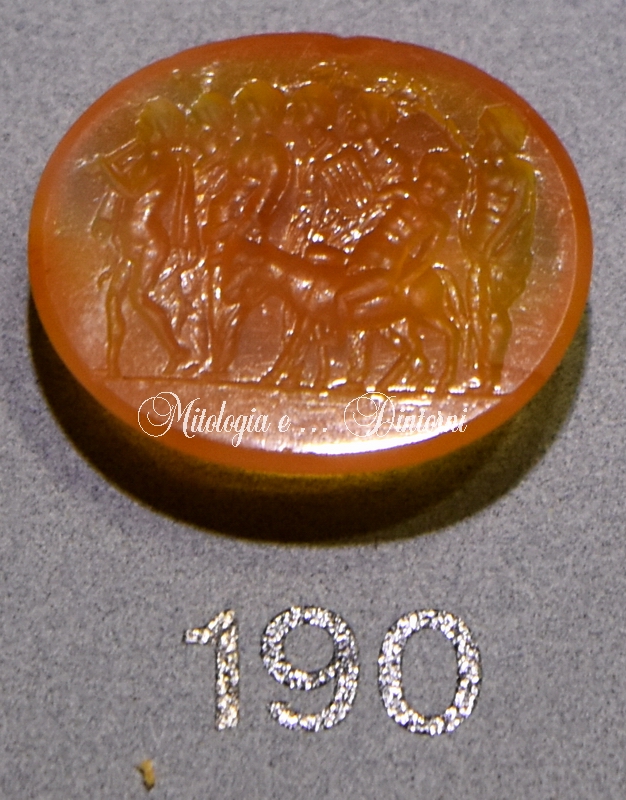
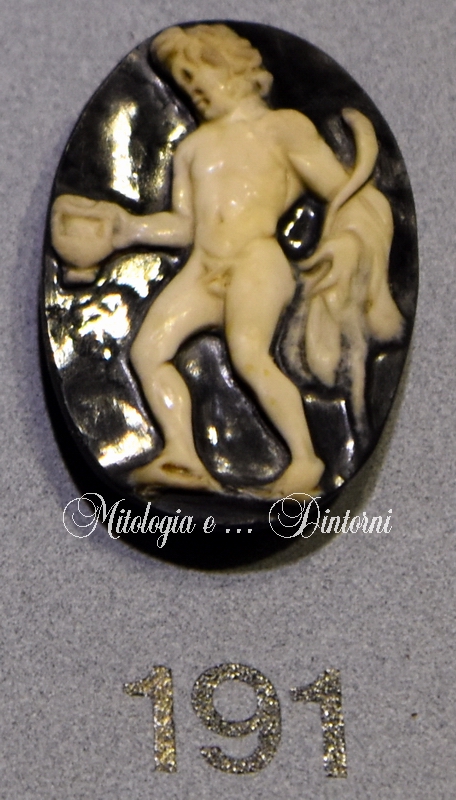
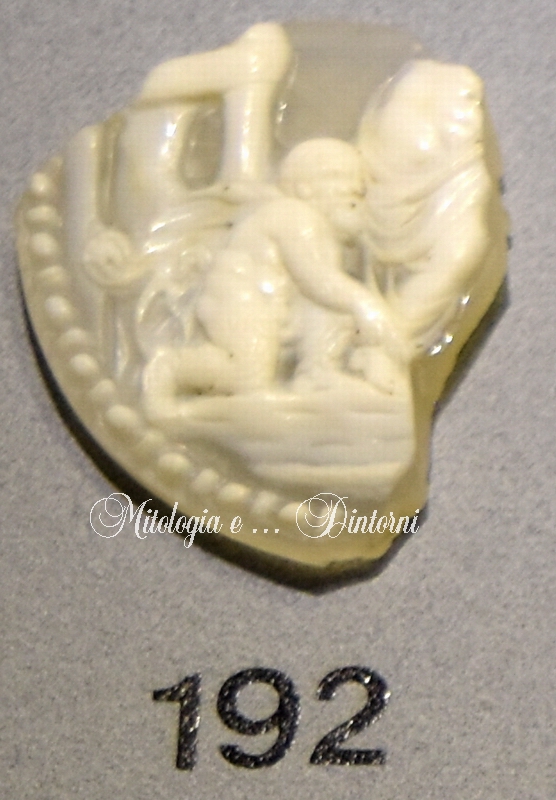
Fondamentale per la conoscenza dell'entità e della storia della collezione glittica Farnese è il complesso lavoro di inventariazione fatto nel 1819 dall'allora Direttore Generale del Museo, Michele Arditi che, nel descrivere tutto il materiale esposto nel Gabinetto degli Oggetti Preziosi, ne registra la provenienza, con-sentendo di mantenere fino ad oggi inalterata l'unità della raccolta. Questa unitarietà contribuisce a rendere ancora più significativa la collezione, offrendo la possibilità di seguire lo svolgersi di un filone della produzione artistica del passato, dagli esemplari più antichi sino ai riflessi della produzione delle grandi bot-teghe e dei maestri del Rinascimento che, con esiti talvolta più corsivi, ma sempre di grande dignità formale, rispondono alle esigenze di un gusto raffinato rivolto all'antico.
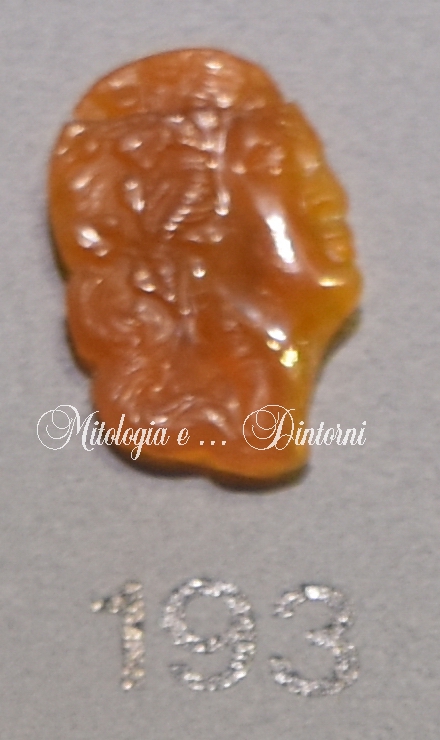
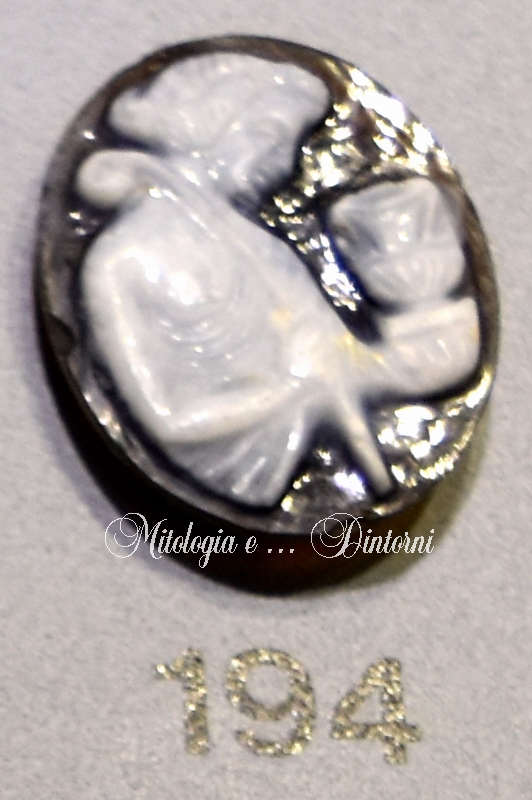
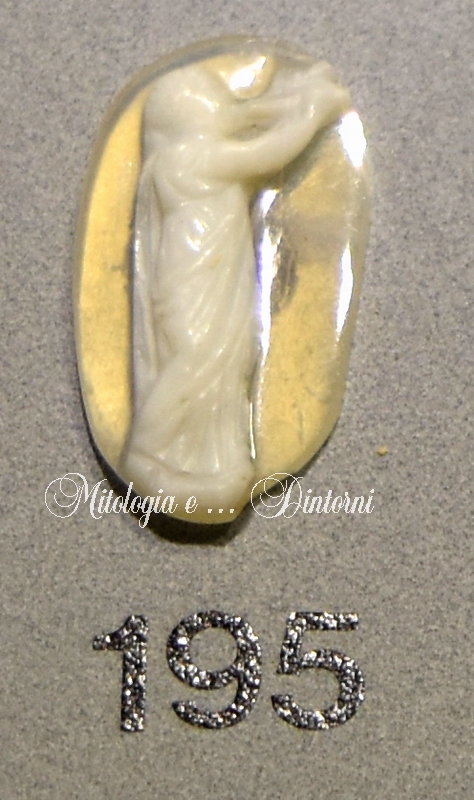
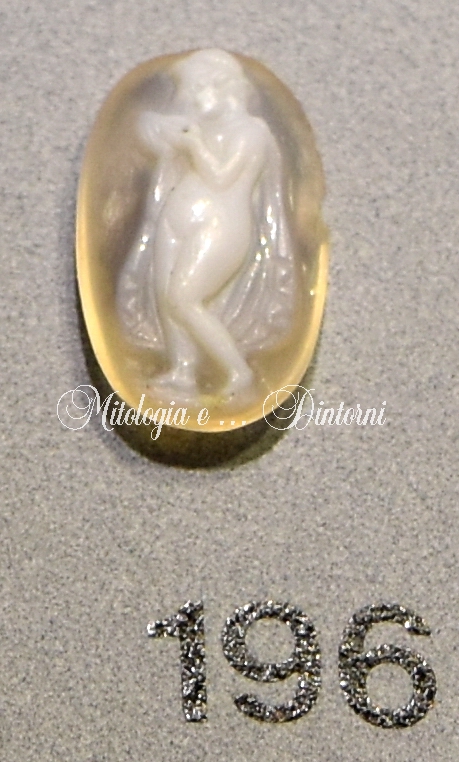
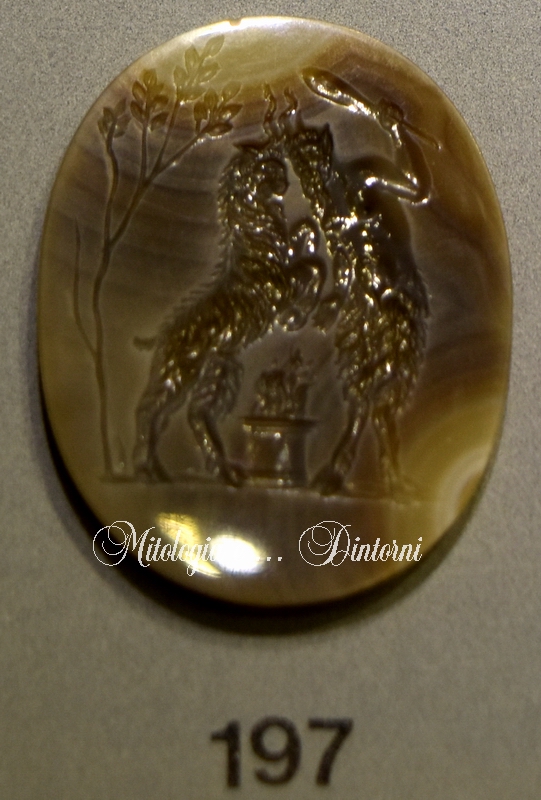
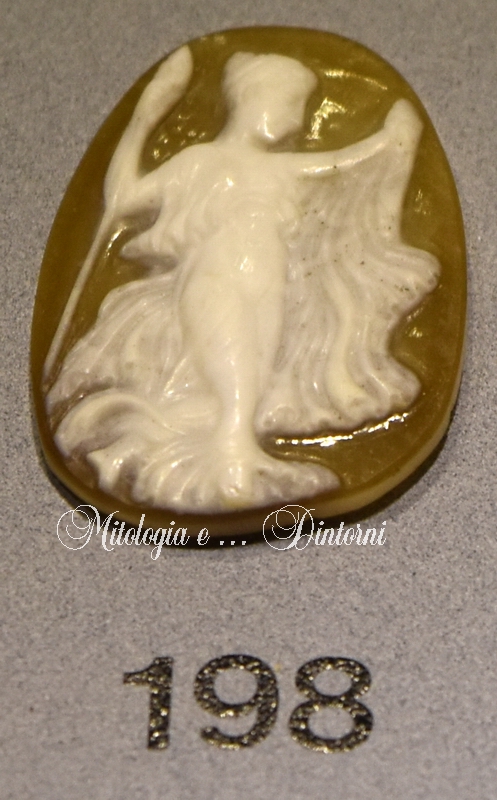
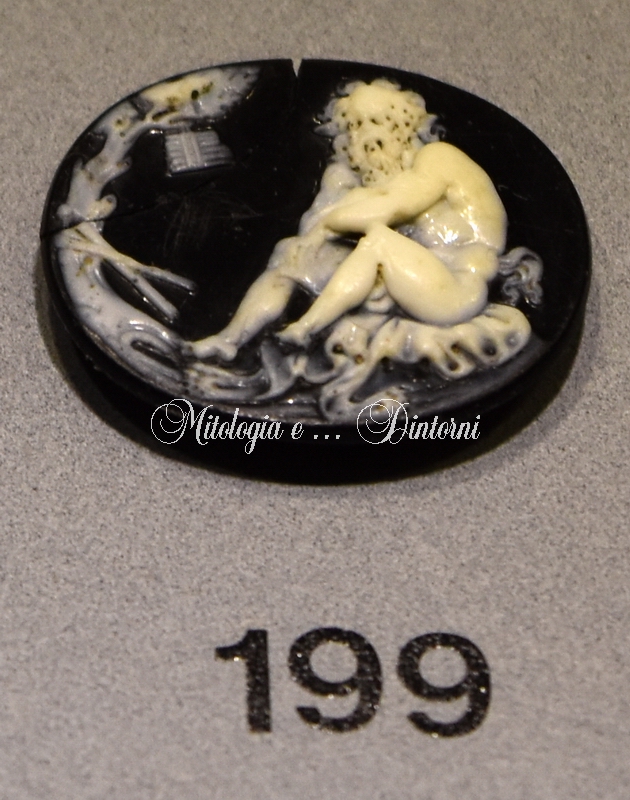
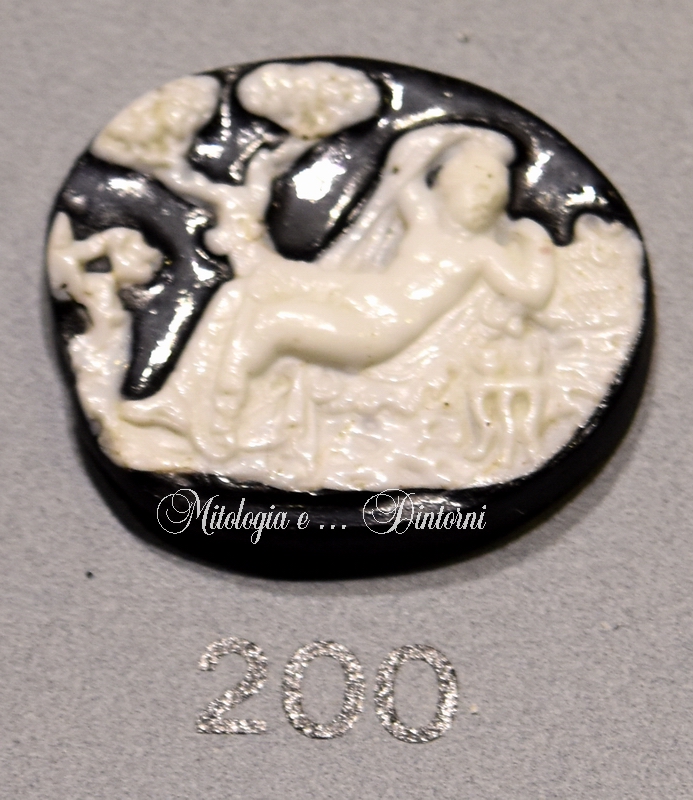
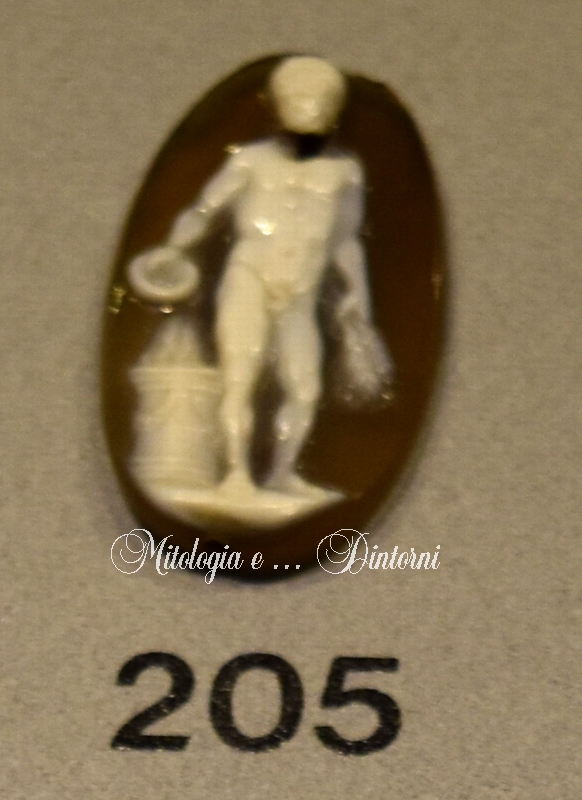
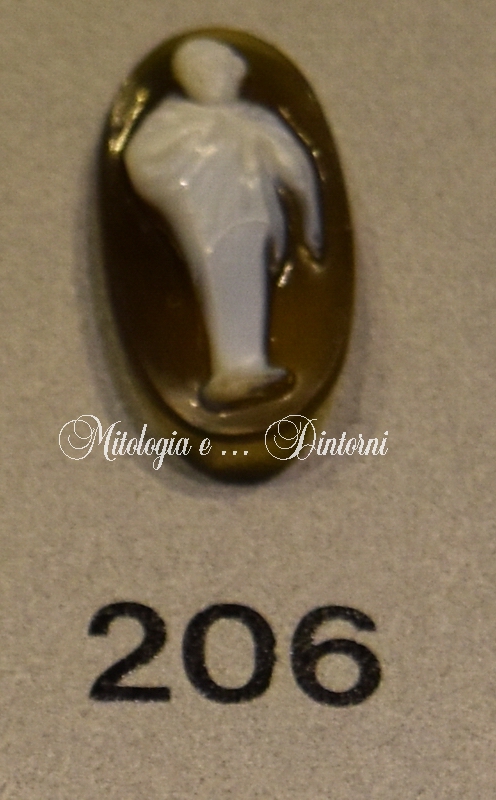
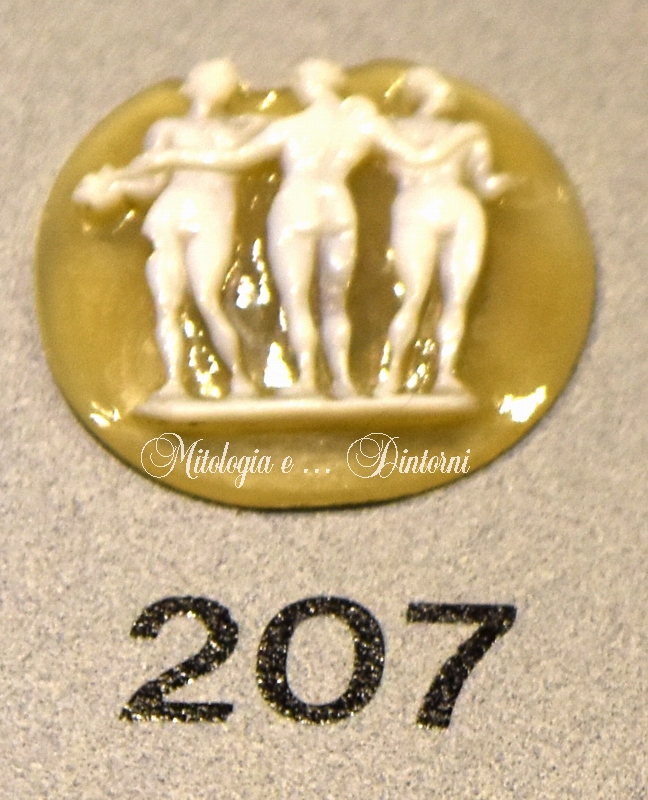
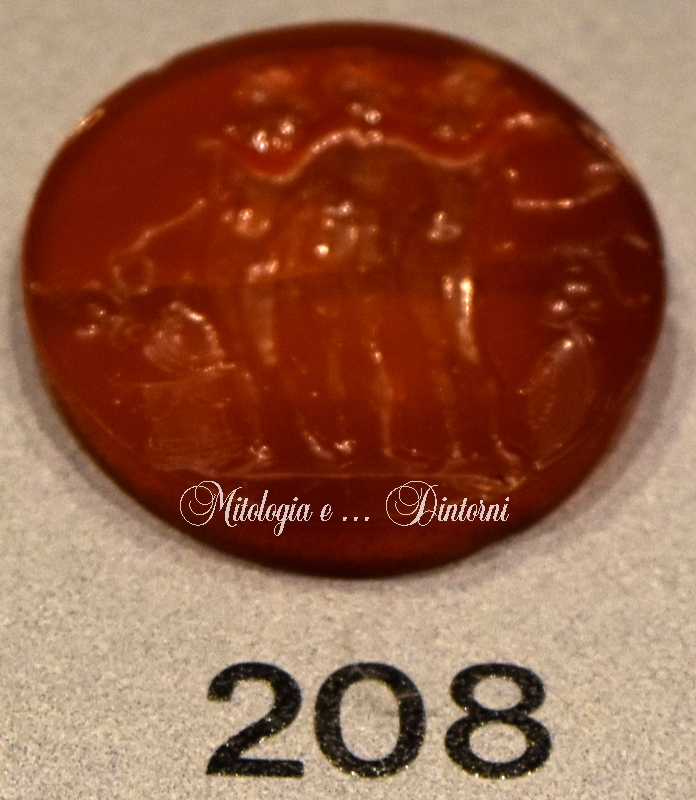
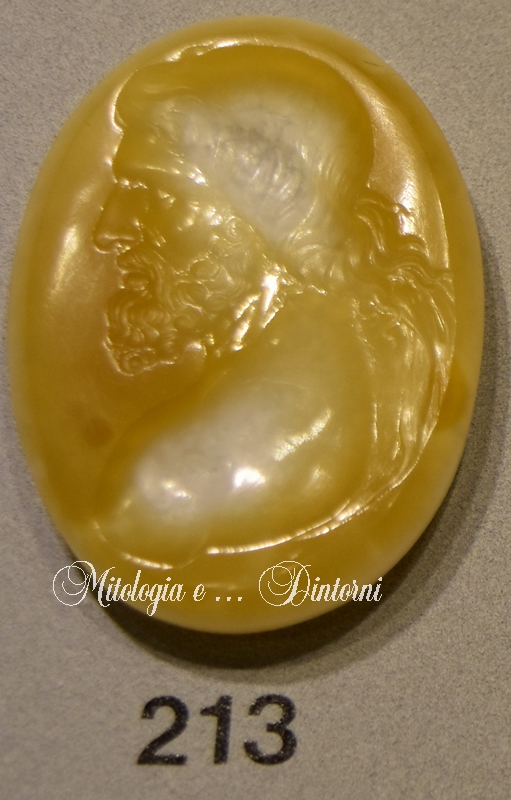
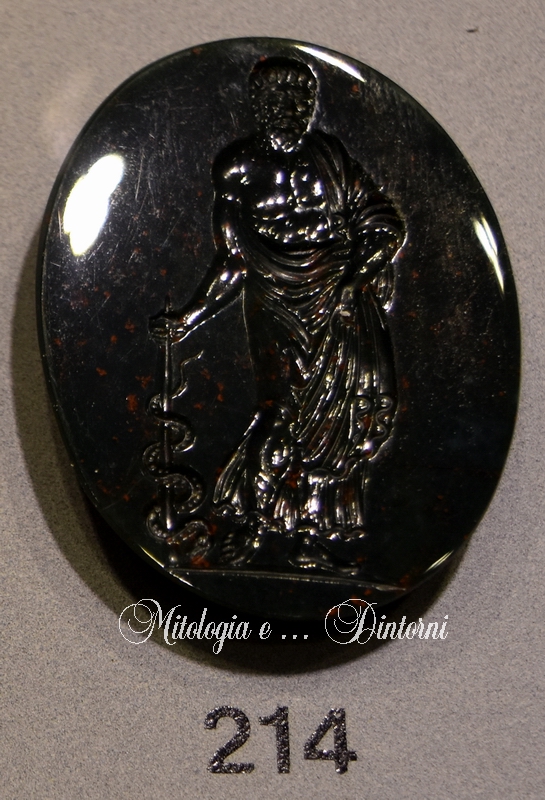
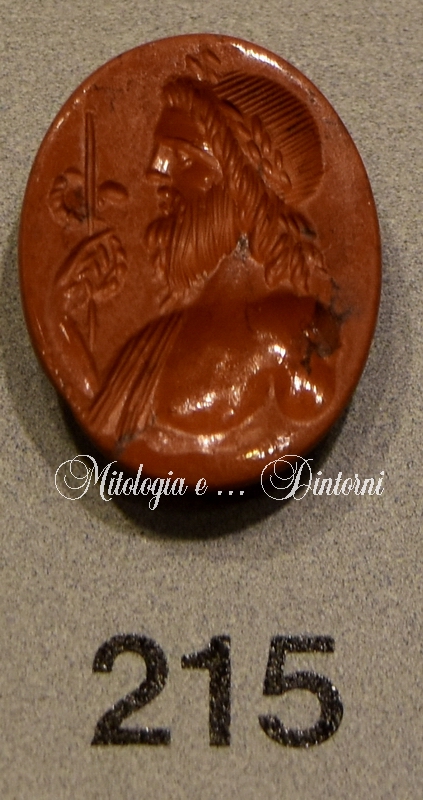
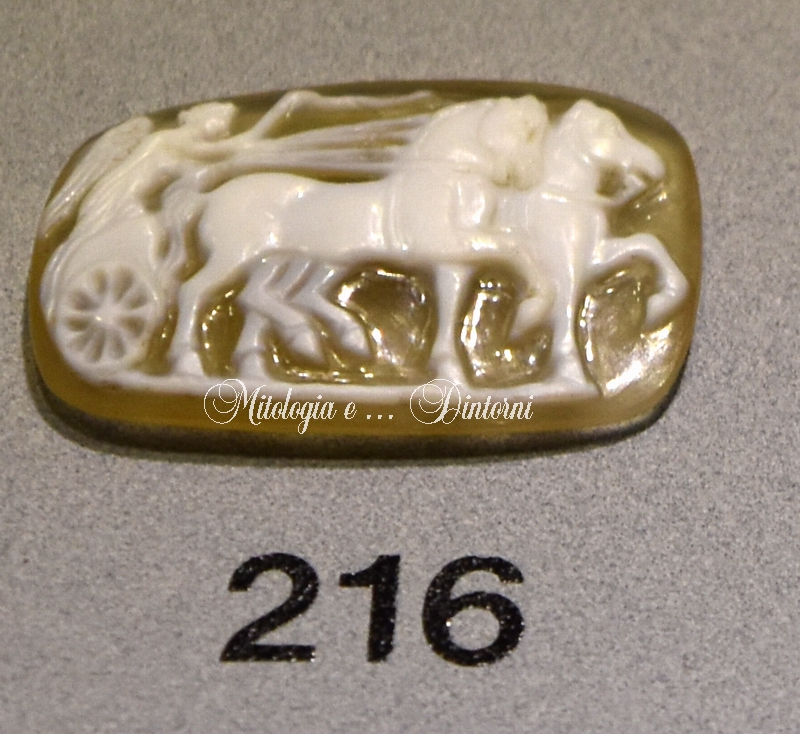
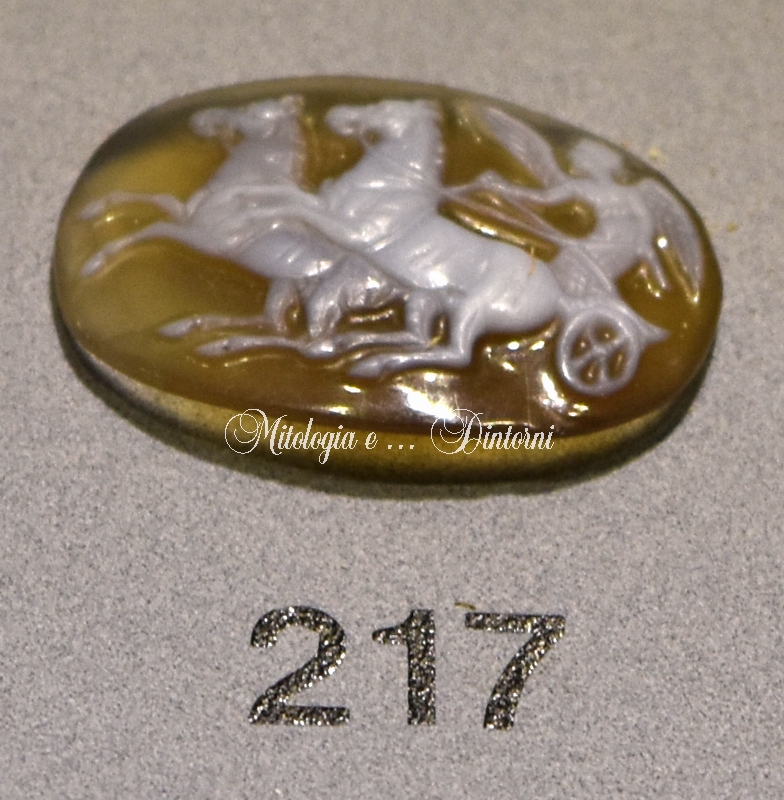
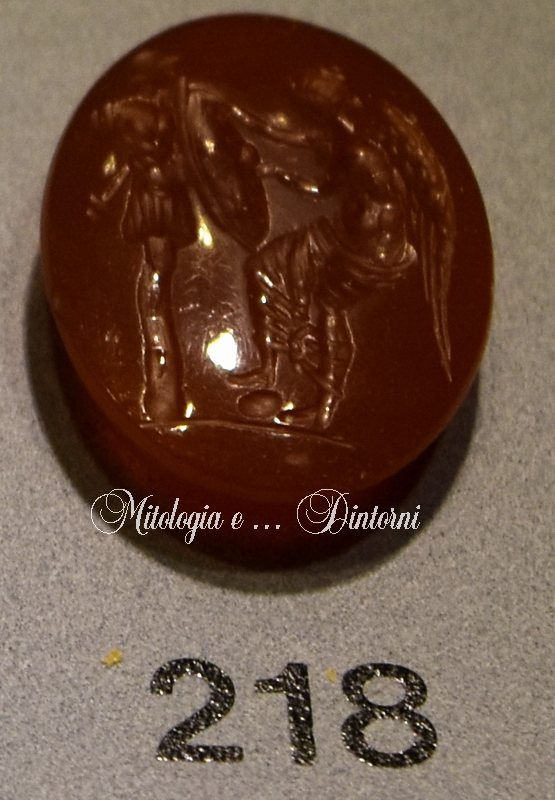
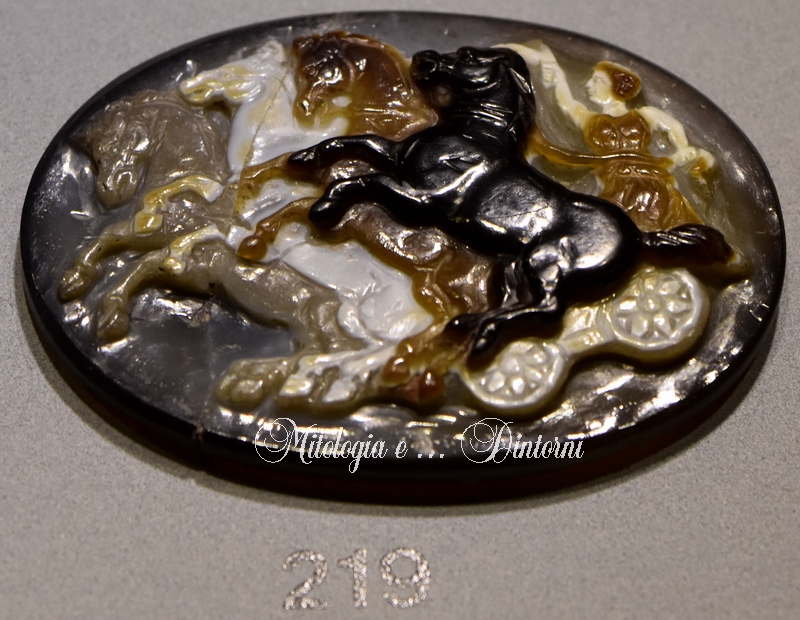
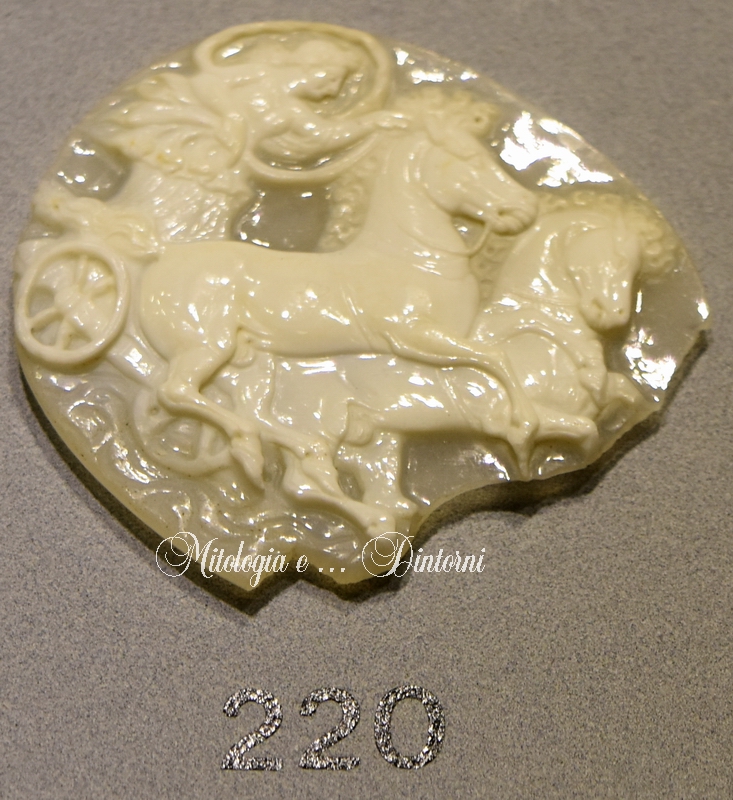
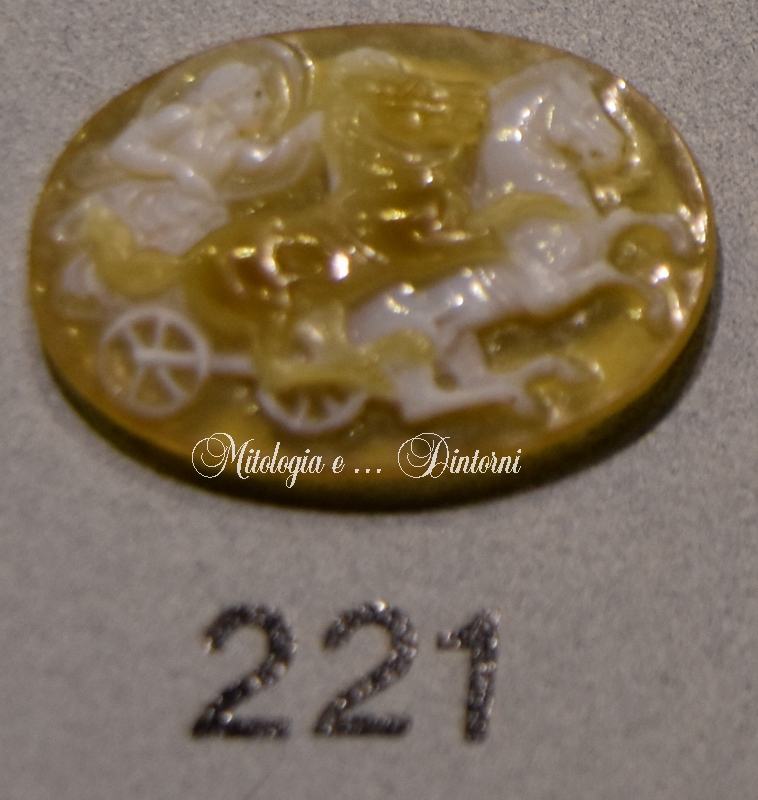
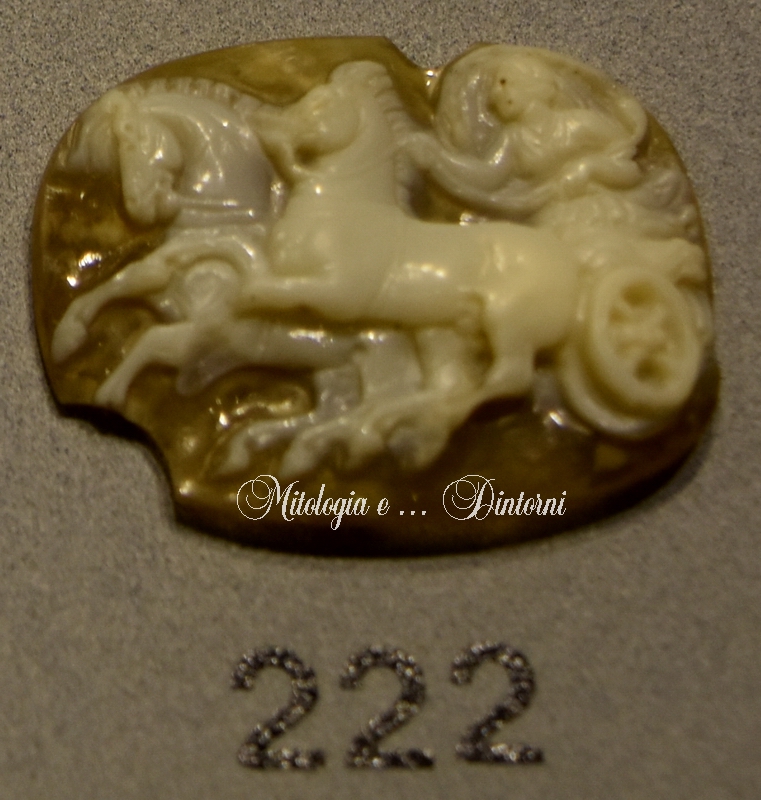
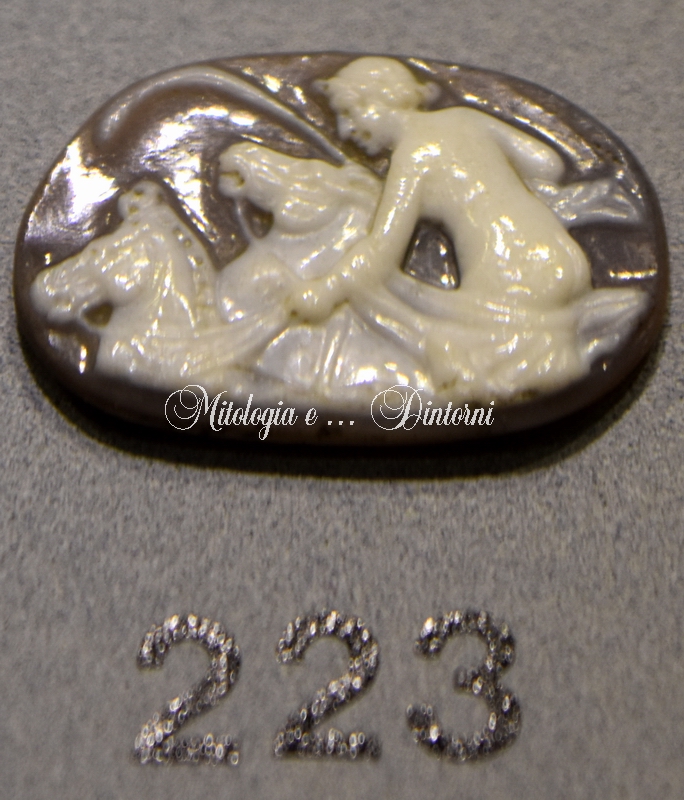
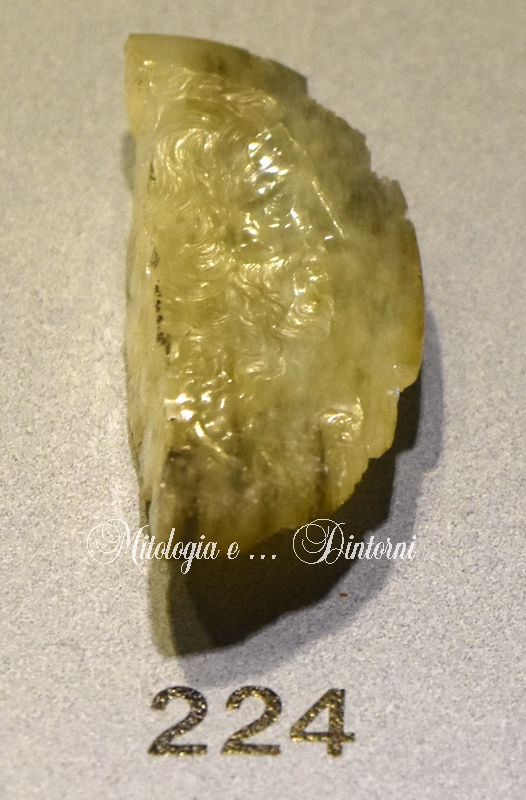
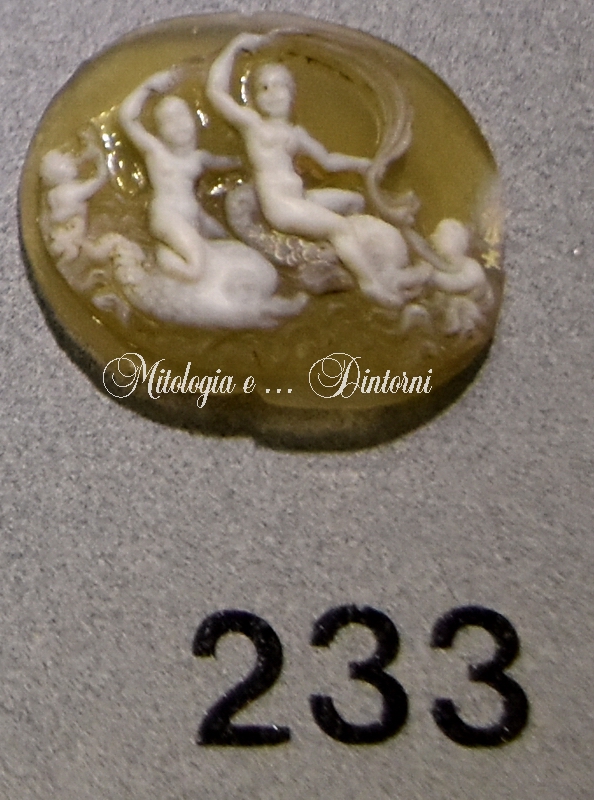
In questa sala sono esposte, ordinate per filoni iconografici, tutte le gemme farnesiane non riconducibili a precedenti raccolte e, insieme a queste, i pochi esemplari che è stato possibile individuare delle collezioni dei cardinali Ranuccio e Alessandro, che rappresentano il momento iniziale del collezionismo della fami-glia Farnese. Tra questi assume un significato particolare il frammento di cammeo col supplizio di Dirce (143) dove trovava riflesso la scultura più celebre posseduta dalla famiglia, il Toro Farne-se, quasi simbolo della grande collezione di marmi che insieme alle monete, ai libri, alle stesse gemme, dava lustro a quello "Studio publico" che era a Roma Palazzo Farnese.
Al termine dell'esposizione una vetrina raccoglie alcuni esemplari eterogenei: rilievi in conchiglia destinati alla decorazione di oggetti di arredo, piccole sculture preziose, tipici elementi da Cabinet, come il bustino di Serapide, le falerae, l'aquila in sardonica. Tra questi si segnala la presenza di un sigillo achemenide tardo orientalizzante con iscrizione lidia, uno dei pochi esemplari di questo tipo pervenutici, testimonianza di un desiderio di appropriazione materiale e intellettuale del passato da parte dell'antico collezionismo.
THE FARNESE GEMS
Crucial to understanding the extent and history of the Farnese glyptic collection is the complex inventory work undertaken in 1819 by the then Director General of the Museum, Michele Arditi. In describing all the material exhibited in the Cabinet of Precious Objects, he recorded its provenance, allowing the unity of the collection to be maintained intact to this day. This unity contributes to making the collection even more significant, offering the opportunity to follow the development of a strand of artistic production of the past, from the earliest examples to the reflections of the production of the great workshops and masters of the Renaissance. Their sometimes more cursive yet always formally dignified results met the demands of a refined taste for antiquity.
Displayed in this room, arranged by iconographic theme, are all the Farnese gems not traceable to previous collections, along with the few examples that have been identified from the collections of Cardinals Ranuccio and Alessandro, which represent the early days of the Farnese family's collecting. Of particular significance among these is the cameo fragment depicting the Torment of Dirce (143), which reflected the family's most famous sculpture, the Farnese Bull, a quasi-symbol of the great marble collection that, along with coins, books, and the gems themselves, lent prestige to the "Public Studio" that was Palazzo Farnese in Rome.
At the end of the exhibition, a display case contains a variety of examples: shell reliefs intended for the decoration of furnishings, small, precious sculptures, and typical cabinet pieces, such as the bust of Serapis, the phalerae, and the sardonyx eagle. Among these, we note the presence of a late Orientalizing Achaemenid seal with a Lydian inscription, one of the few examples of this type to have survived, evidence of a desire for material and intellectual appropriation of the past by ancient collectors.
LA COLLEZIONE DELLE GEMME FARNESE DEL MUSEO DI NAPOLI
La collezione delle gemme conservata nel Museo Archeologico di Napoli, che comprende oggi oltre 2000 esemplari, ha una importanza particolare per l'elevatissima qualità artistica di molti di essi e per il fatto che, accanto al rilevante complesso di gemme. circa 350, rinvenute negli antichi centri della Campania, essa accoglie una delle più insigni collezioni storiche di glittica formatasi in Italia, quella Farnese.
Questa raccolta, come le altre grandi collezioni farnesiane, testimonia l'impulso collezionistico che ha animato per secoli le corti, l'aristocrazia e l'intellettualità europea, sotto la spinta di apprezzamento estetico, di interessi antiquari, oltre che di esigenze di rappresentatività dinastica.
Costituitasi a Parma in un complesso unico alla metà del XVII se-colo, la preziosa raccolta riuniva gemme provenienti da altre prestigiose collezioni private: quelle Quattrocentesche del pontefice veneziano Paolo II Barbo e di Lorenzo il Magnifico alle quali si aggiungono le gemme che furono dei cardinali Farnese e del lo-ro grande bibliotecario e antiquario Fulvio Orsini.
Ereditata da Carlo di Borbone, la raccolta giunse a Napoli nel 1736; qui fu conservata prima a Palazzo Reale e poi a Capodimonte sino al 1806. Con l'arrivo dei Francesi, Ferdinando IV la portò con sé nella fuga a Palermo: solo nel 1817 le gemme fece-ro ritorno a Napoli e trovarono la loro definitiva collocazione nel Reale Museo Borbonico, l'attuale Museo Archeologico. Qui so-no tuttora riunite, le antiche accanto alle moderne; le due sale che ora, dopo molti anni, tornano a riproporne al pubblico un'ampia e rappresentativa selezione permettono di godere una visione unitaria del complesso, nella qualità, spesso altissima, delle sue componenti, e nella vicenda stessa del suo formarsi. La sala X, la più interna, raccoglie i nuclei della raccolta storicamente più significativi e più antichi per formazione: la Tazza Farnese, le gemme Barbo, quelle del tesoro di Lorenzo de' Medici e quelle di Fulvio Orsini; la sala IX presenta, invece, il più ampio e indifferenziato corpus della collezione per il quale non è stato possibile ricostruire una storia più articolata.
Saranno invece esposte nelle sale dedicate alle città vesuviane le gemme provenienti da Pompei, Ercolano e Stabia.
THE FARNESE GEMS COLLECTION AT THE NAPLES MUSEUM
The gem collection housed at the Archaeological Museum of Naples, which today comprises over 2,000 specimens, is particularly important for the exceptional artistic quality of many of them and for the fact that, alongside the significant collection of approximately 350 gems discovered in ancient cities of Campania, it houses one of the most distinguished historical collections of glyptic art ever formed in Italy: the Farnese Collection.
This collection, like the other great Farnese collections, testifies to the collecting impulse that animated the courts, aristocracy, and European intellectuals for centuries, driven by aesthetic appreciation, antiquarian interests, as well as the need for dynastic representation.
Formed in Parma in a single complex in the mid-17th century, the precious collection brought together gems from other prestigious private collections: the 15th-century collections of the Venetian Pope Paul II Barbo and Lorenzo the Magnificent, along with gems once owned by the Farnese cardinals and their great librarian and antiquarian Fulvio Orsini.
Inherited by Charles of Bourbon, the collection arrived in Naples in 1736; there it was first kept in the Royal Palace and then in Capodimonte until 1806. With the arrival of the French, Ferdinand IV took it with him in his escape to Palermo. Only in 1817 did the gems return to Naples and find their final home in the Royal Bourbon Museum, now the Archaeological Museum. They are still reunited here today, the ancient ones alongside the modern ones; The two rooms, which now, after many years, once again offer a broad and representative selection to the public, offer a comprehensive view of the complex, both in terms of the often extremely high quality of its components and the very story of its formation. Room X, the innermost, houses the most historically significant and oldest parts of the collection: the Tazza Farnese, the Barbo gems, those from the treasure of Lorenzo de' Medici, and those of Fulvio Orsini; Room IX, on the other hand, presents the largest and most undifferentiated corpus of the collection, for which it has not been possible to reconstruct a more detailed history.
The gems from Pompeii, Herculaneum, and Stabiae will be displayed in the rooms dedicated to the Vesuvian cities.
Clicca sulle immagini per vedere l'ingrandimento, sulle didascalie avere altre informazioni.
Click on the images to see an enlargement, and the captions for more information.